Welcome to Saturday Sparks! This week, we’re exploring the rich and fascinating world of Mahjong. Played with a distinctive set of tiles and enjoyed in many different forms around the world, Mahjong brings together strategy, pattern recognition, tradition, and social connection in a game that has been bringing people to the table for generations.
Ask four Mahjong players how to play, and there is a decent chance you will get more than one answer.
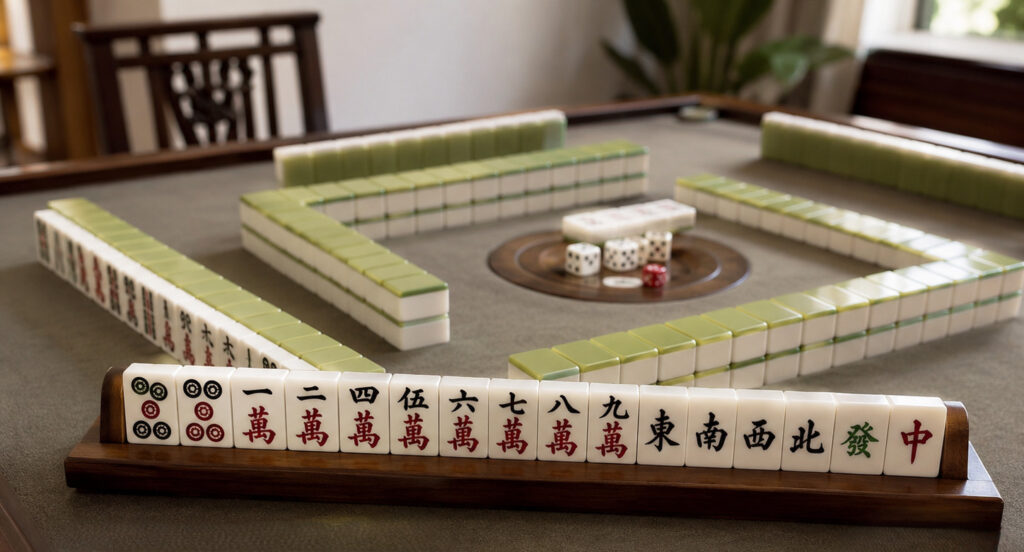
The table may look familiar. Four players, rows of tiles, Winds and Dragons, numbered suits, the unmistakable clatter of tiles being shuffled. But the rules can change considerably depending on where the players learned the game.
A group playing Japanese Riichi Mahjong approaches the table differently from a group playing American Mahjong. Hong Kong, Taiwanese, Singaporean, Sichuan, and other regional traditions have their own rules and scoring systems. Even within the same general style, local customs and house rules can make their way into the game.
That variety is not a modern complication. It is part of Mahjong’s story.
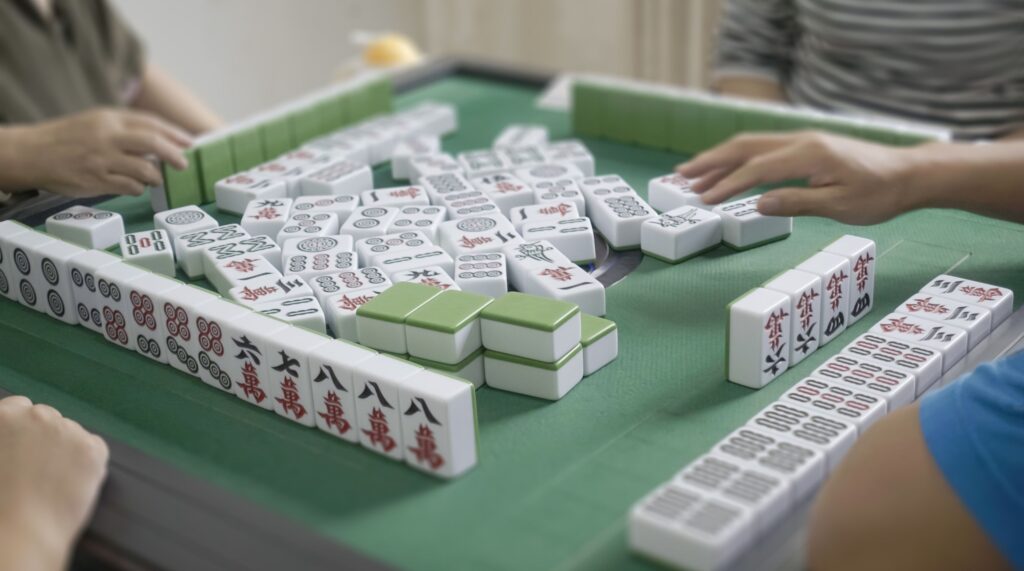
Mahjong developed in China during the second half of the nineteenth century and spread rapidly during the decades that followed. By the early twentieth century, it was traveling beyond China and being adapted by players in other countries and communities. Today, Mahjong is played around the world in forms that range from casual family games to organized international competition.
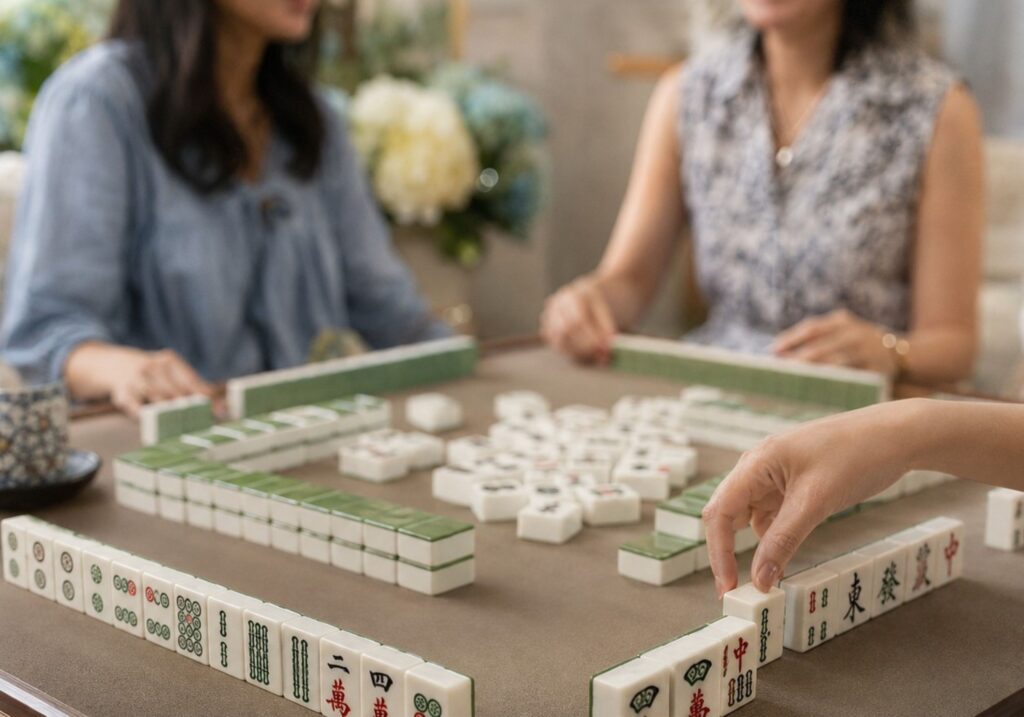
At its heart, though, the appeal remains surprisingly recognizable. You draw a tile. You decide what belongs in your hand and what does not. You watch what everyone else is doing. Your plan changes. Then, occasionally, the tile you have been waiting for finally appears.
And suddenly all that clattering around the table makes perfect sense.
What is Mahjong?
Mahjong is a tile-based game most commonly played by four people. Although individual rulesets vary, many forms of Mahjong revolve around the same basic idea: players draw and discard tiles while working toward a legal winning hand.
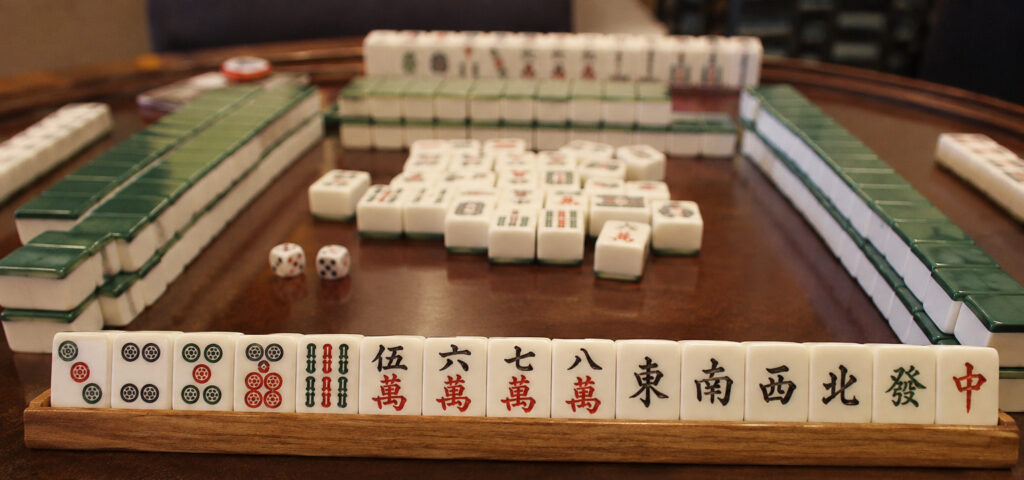
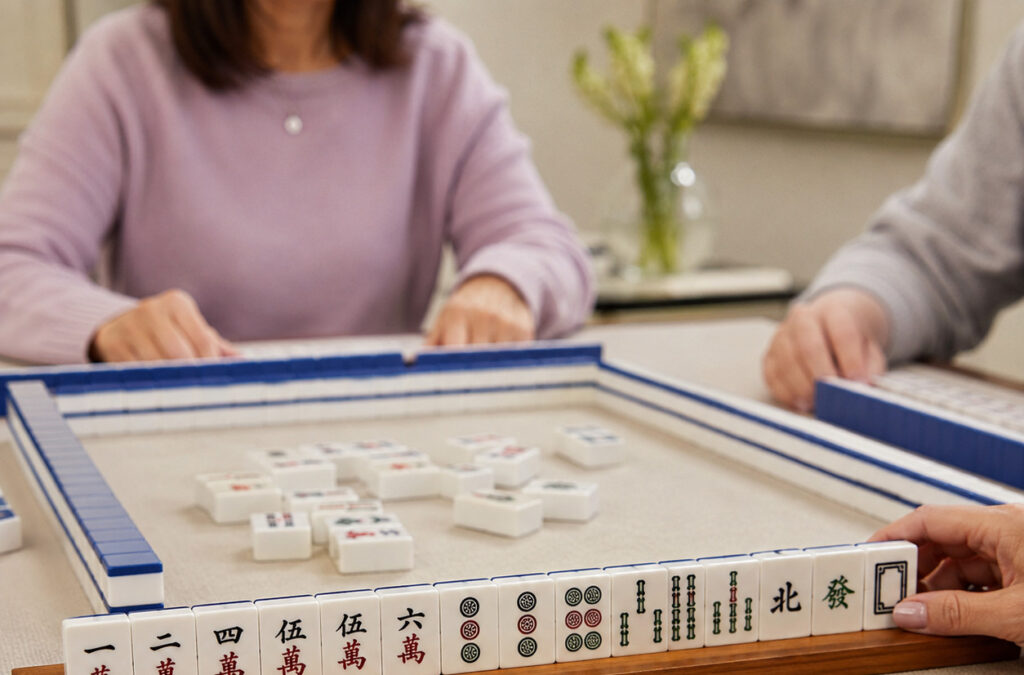
The core tiles are divided into three numbered suits plus honor tiles. The numbered suits are commonly known as Dots or Circles, Bamboo, and Characters. In American Mahjong, Bamboo tiles are usually called Bams, and Character tiles are called Craks. The honor tiles include four Winds and three Dragons. Many sets also include bonus tiles such as Flowers or Seasons, while particular versions of Mahjong may add, remove, or use other tiles differently. Japanese Riichi competition sets, for example, use 136 tiles built from the 34 basic tile types.
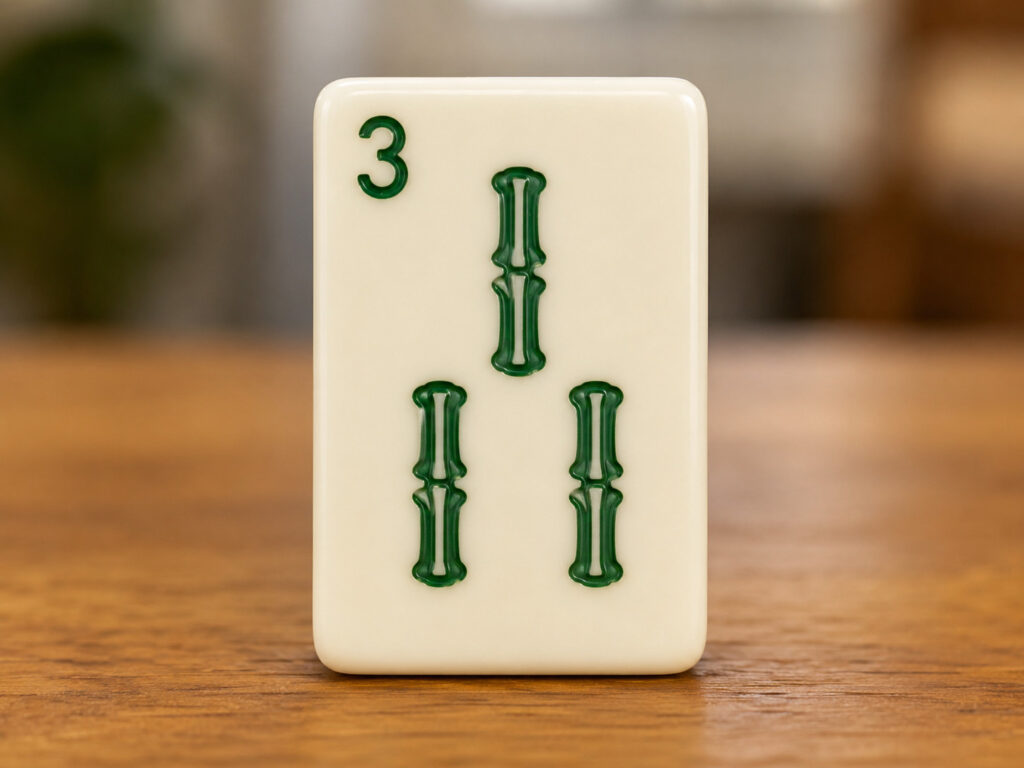
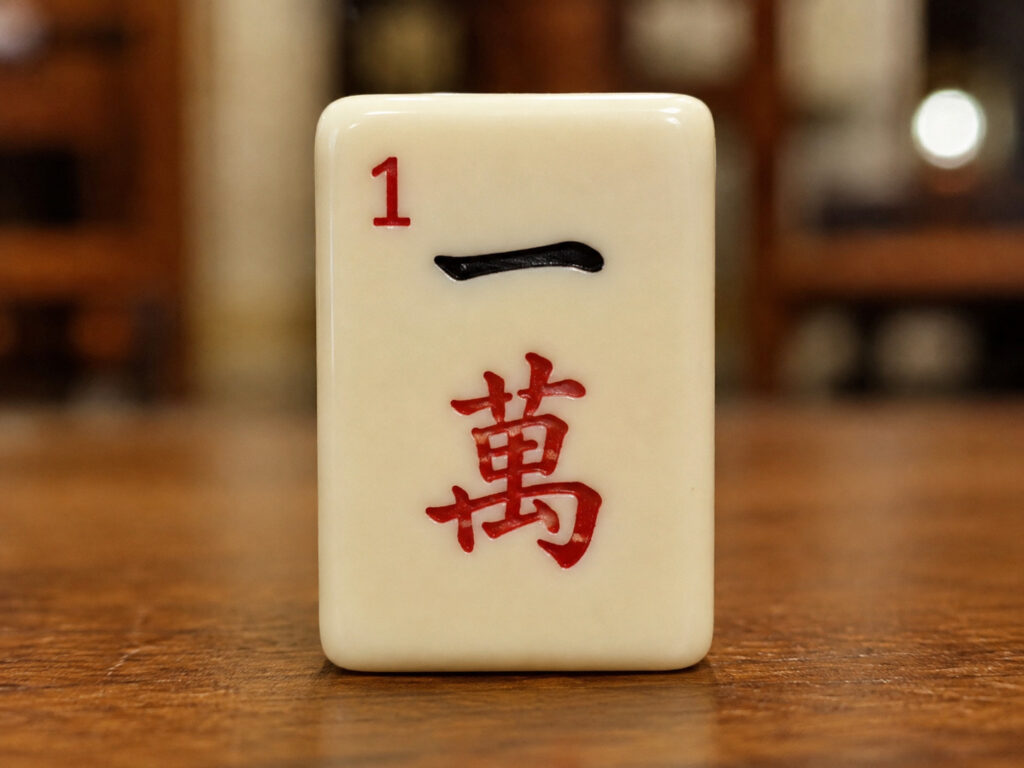
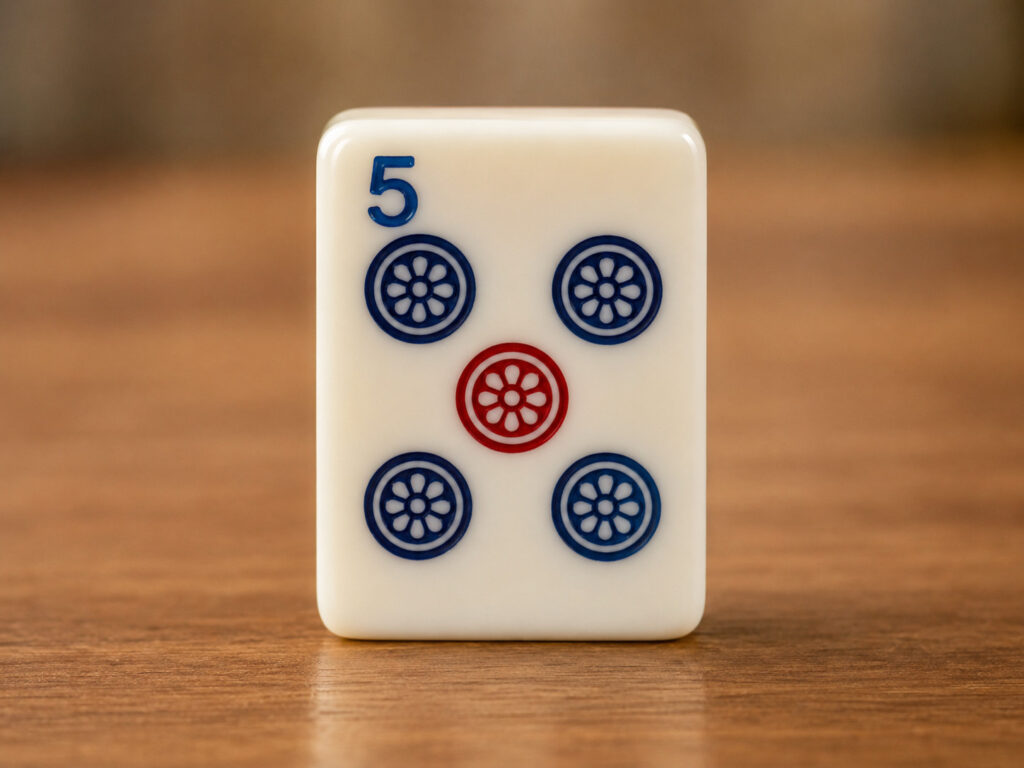
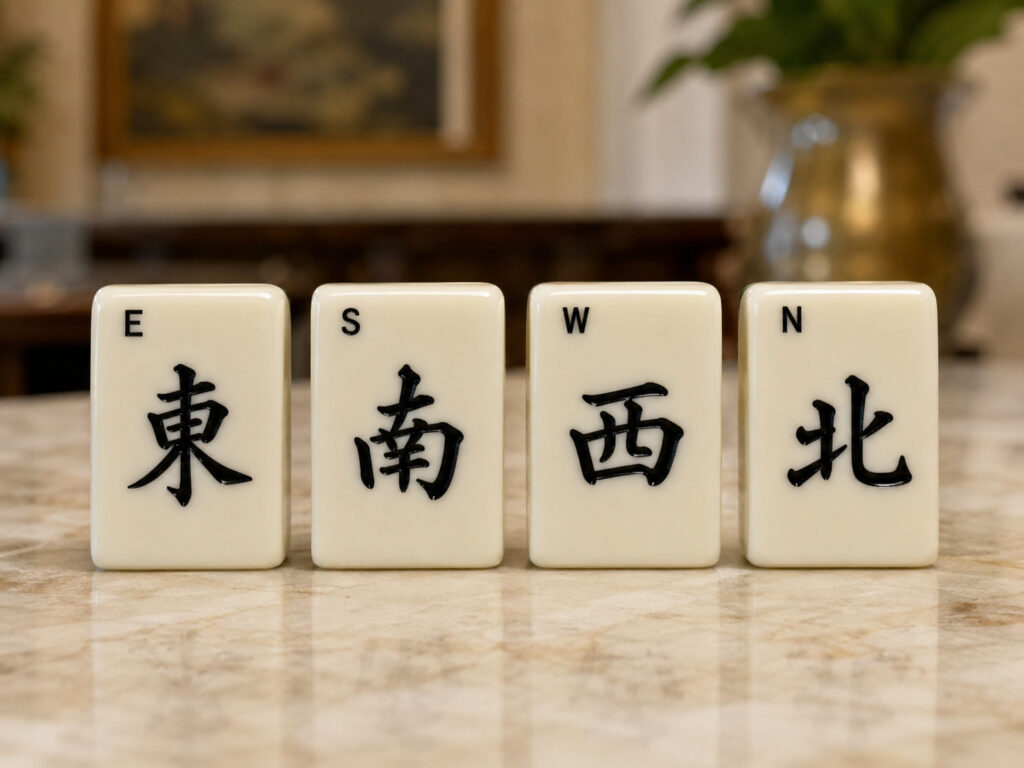
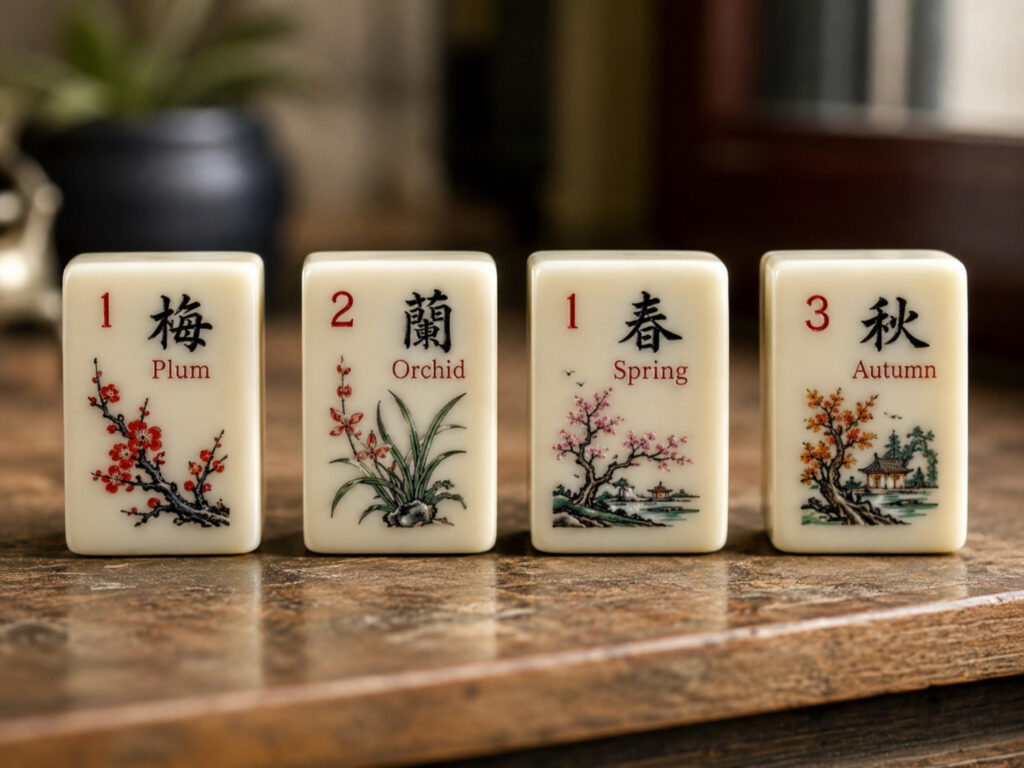
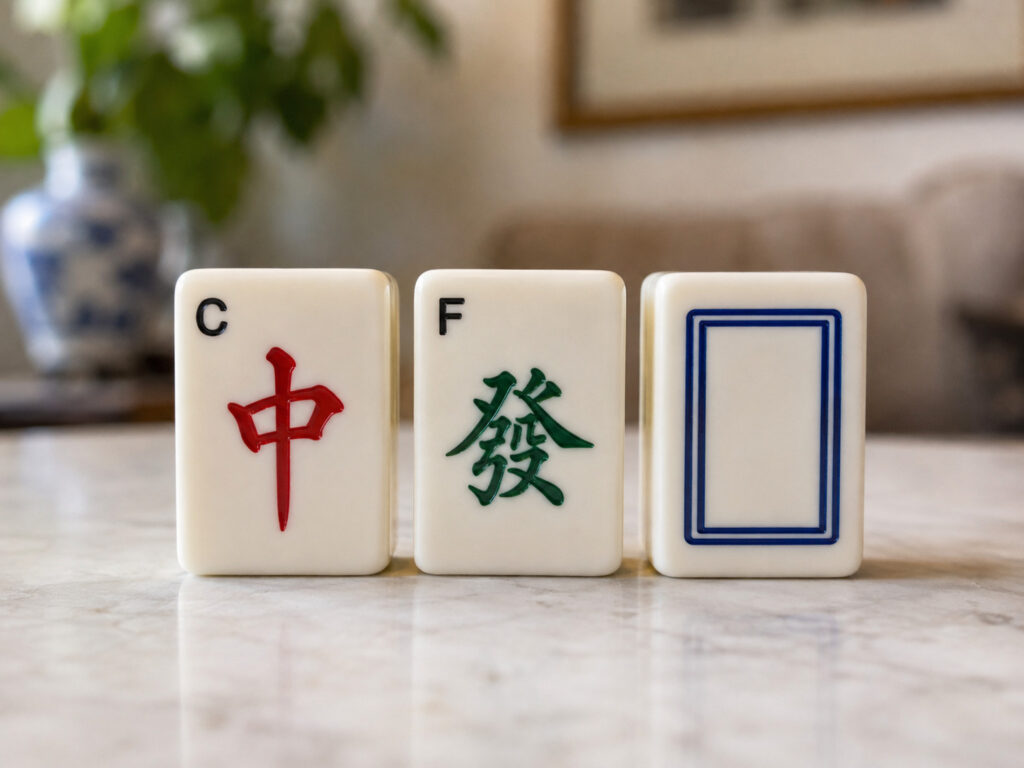
In many traditional forms, a player begins with 13 tiles and repeatedly draws a tile and discards one, working toward a complete 14-tile hand. A common winning structure consists of four groups and a pair, although special winning hands and exceptions exist depending on the rules being played.
Those groups may include three identical tiles, four identical tiles, or sequences of consecutive numbers within one suit. You will often hear terms such as pung or pong, kong, and chow used for these combinations, although terminology can also vary among traditions and translations.
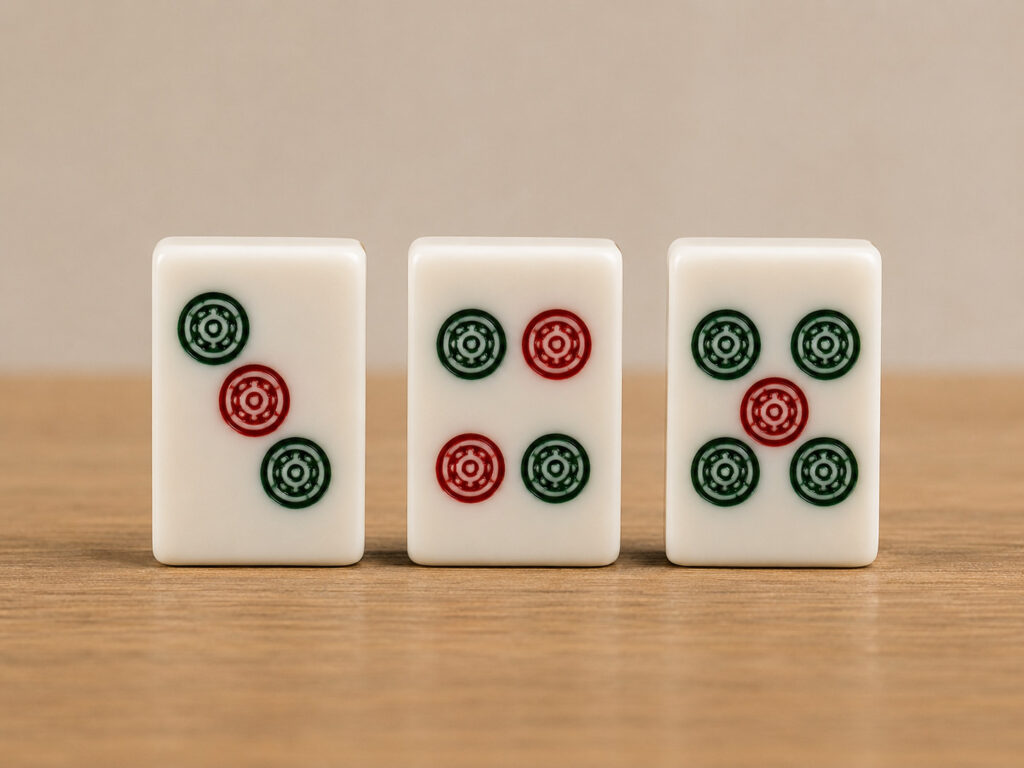
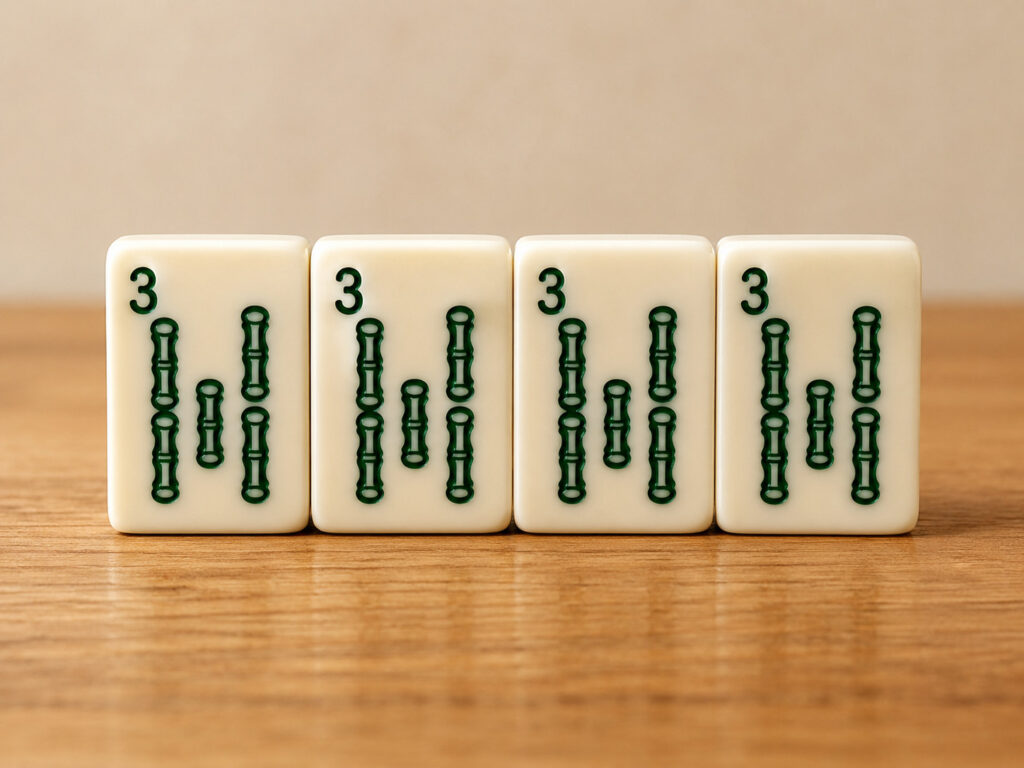
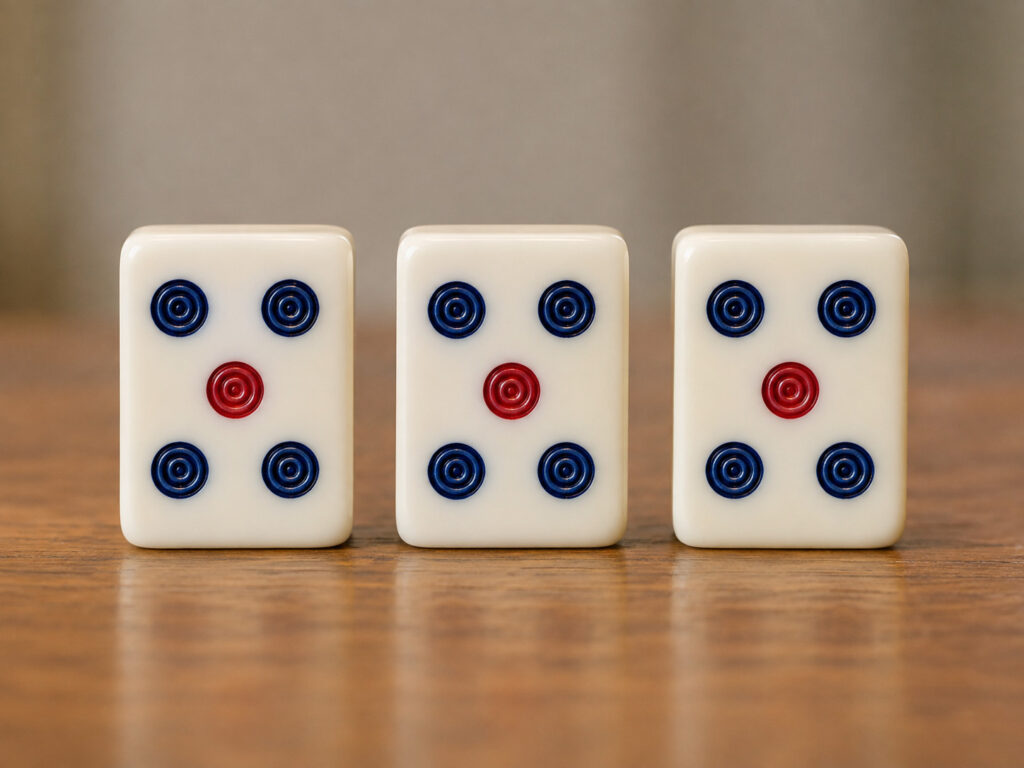
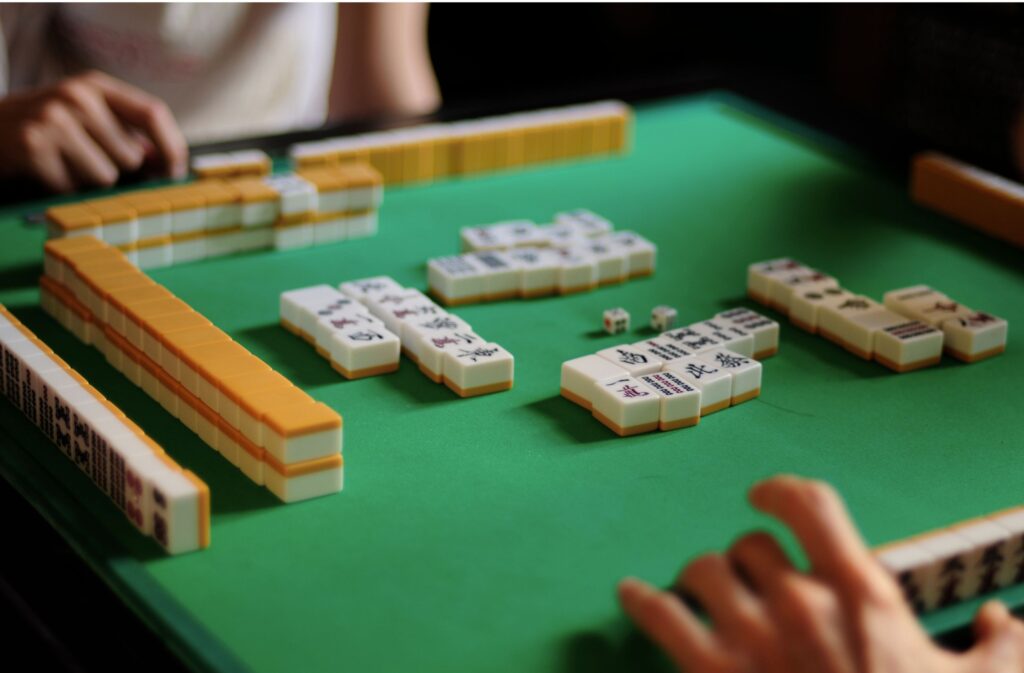
Players generally begin by shuffling the tiles face down and arranging them into walls around the table. Tiles are drawn from the wall as play moves around the table. A discarded tile may sometimes be claimed by another player to complete a combination, but exactly when a tile can be called, who has priority, how exposed tiles are handled, and how a winning hand is scored depend on the version being played.
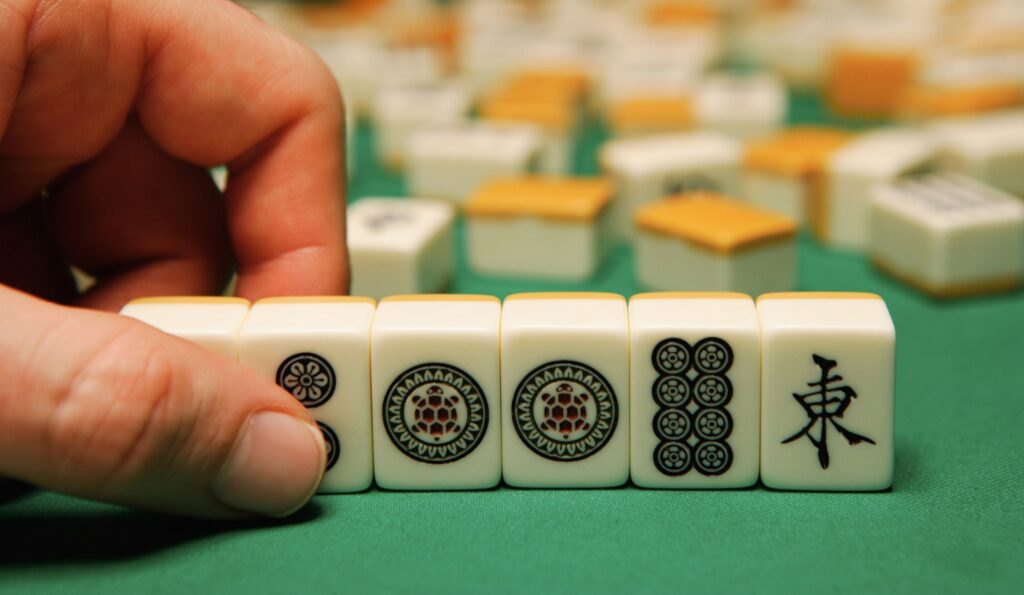
This is where the broad idea of “playing Mahjong” starts branching into many different games.
Chinese Mahjong itself includes numerous regional traditions. Rules have developed differently across cities and regions, and competitive Mahjong has also produced standardized systems. The Mahjong International League recognizes Mahjong Competition Rules, Riichi Rules, and Sichuan Rules among its major international competition formats while also acknowledging the many local rules played around the world.
Hong Kong or Cantonese Mahjong is one of the versions many players encounter when learning a more traditional four-player form. It uses the familiar draw-and-discard structure and combinations such as pongs, kongs, chows, and pairs, with its own conventions for scoring and winning hands. Even within Hong Kong-style play, scoring rules can differ between groups.
Japanese Riichi Mahjong grew from Mahjong as it developed in Japan and has become a major competitive version of the game. Riichi has its own scoring requirements, strategic conventions, terminology, and rules surrounding discards and winning. International organizations now maintain standardized Riichi competition rules, and World Riichi Championship events draw players from around the world.
American Mahjong moved in a different direction. The National Mah Jongg League was founded in New York in 1937 to standardize American play after different groups had begun using their own combinations. American Mahjong uses an annually changing card of approved hands, includes Jokers, and begins with a distinctive passing sequence called the Charleston. Those features are specific to American Mahjong and should not be assumed when learning another version.
There are many more. Taiwanese Mahjong, Singapore-style Mahjong, Sichuan Mahjong, Filipino Mahjong, British Mahjong, three-player forms, competition formats, and countless regional and family variations all sit under the much larger Mahjong umbrella.
That means two people can both truthfully say, “I play Mahjong,” while playing games that feel noticeably different once the tiles hit the table.
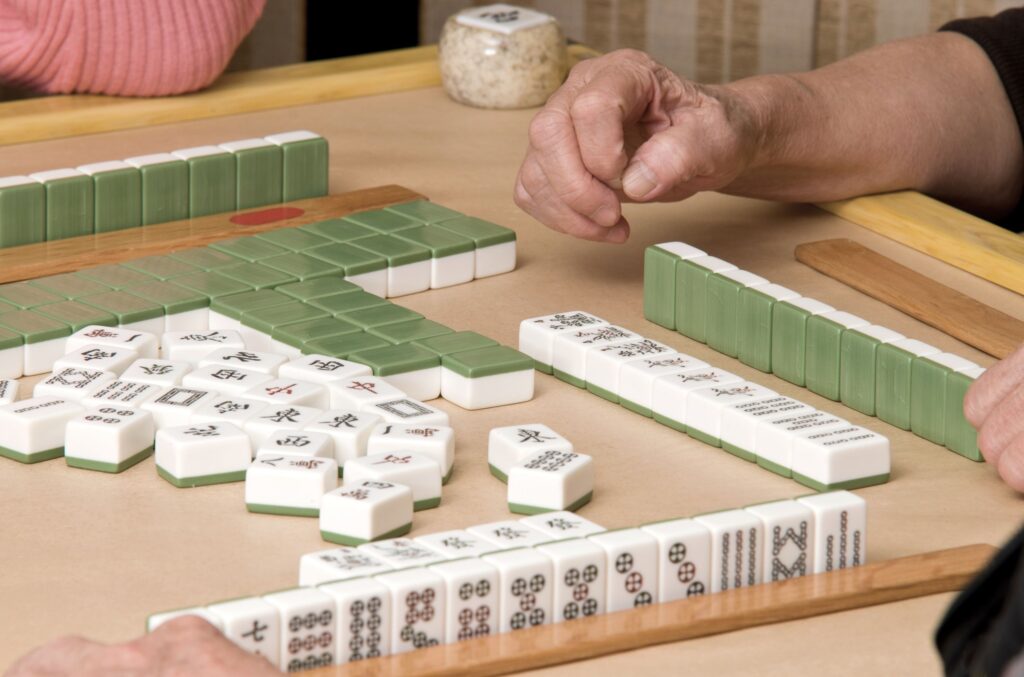
One other distinction is worth making for beginners. The computer game often called Mahjong Solitaire, where players remove matching tiles from a stacked arrangement, is a separate matching puzzle. It uses Mahjong imagery, but it is not the traditional multiplayer game played by drawing and discarding tiles.
Benefits of Mahjong
Mahjong keeps the mind actively involved because there is rarely only one thing to consider. Players are sorting patterns, evaluating possible hands, remembering what has been discarded, noticing what other players are collecting, and deciding whether their original plan still makes sense. The game blends pattern recognition, memory, probability, and decision-making without making any one of them feel like homework.
The mix of strategy and chance keeps games unpredictable. You can make a smart decision and still never draw the tile you need. You can begin with an awkward collection of tiles and suddenly find a workable hand developing. Skill matters, but the shuffled wall means nobody controls everything, which helps keep experienced players interested and gives newer players room to participate.
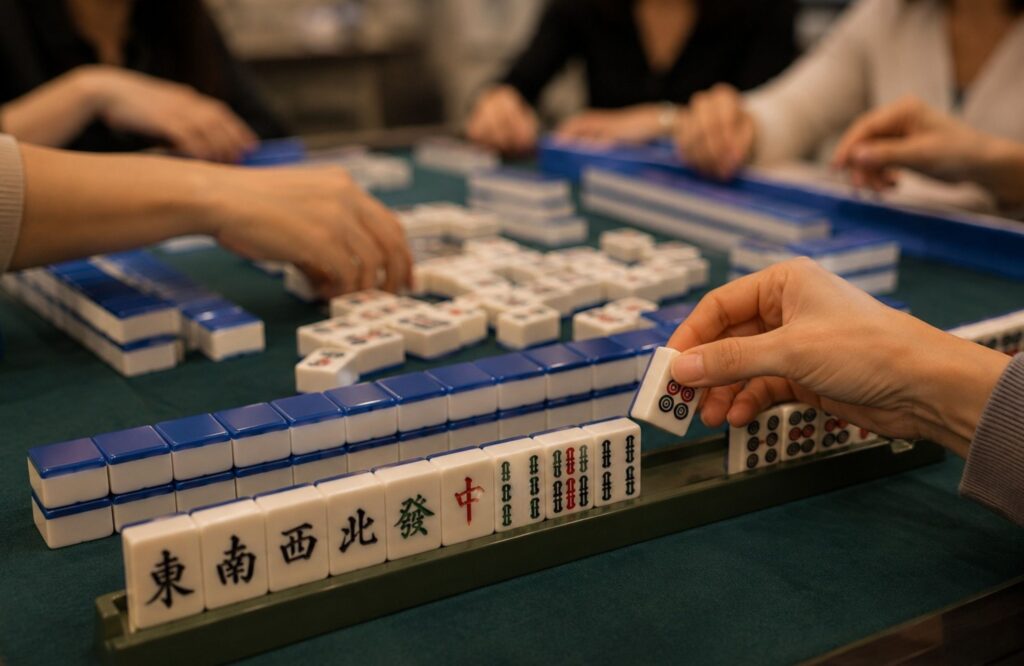
Mahjong teaches adaptability almost by accident. A hand that looked promising five minutes ago may no longer be realistic after several important tiles appear in other players’ discards or combinations. Learning to recognize when to change direction becomes part of the game. The better players become, the more they tend to see possibilities rather than simply chasing the first pattern they noticed.
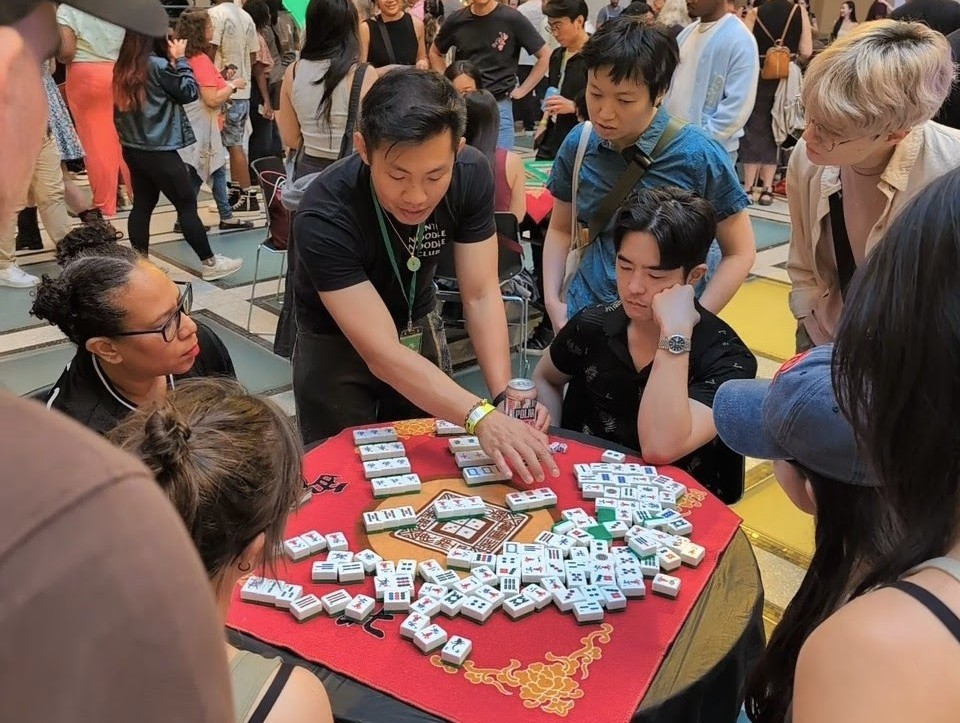
The social side is difficult to separate from the game itself. Mahjong is traditionally played around a shared table, usually with four players, and the rhythm naturally leaves room for conversation between draws, discards, and rounds. Regular games often become recurring social gatherings, which is one reason Mahjong has remained closely connected with families, friendship groups, clubs, and communities across generations. Contemporary Mahjong events in the United States have also been drawing younger players who are interested in both the game and the opportunity to connect in person.

It can also create a meaningful connection to culture and family tradition. For many players, Mahjong is something they remember from parents, grandparents, relatives, holidays, or community gatherings. Others come to it without that background and discover just how much history and regional variation exists behind those small tiles. Either way, learning the game often opens the door to learning more about where a particular style came from and why it is played the way it is.
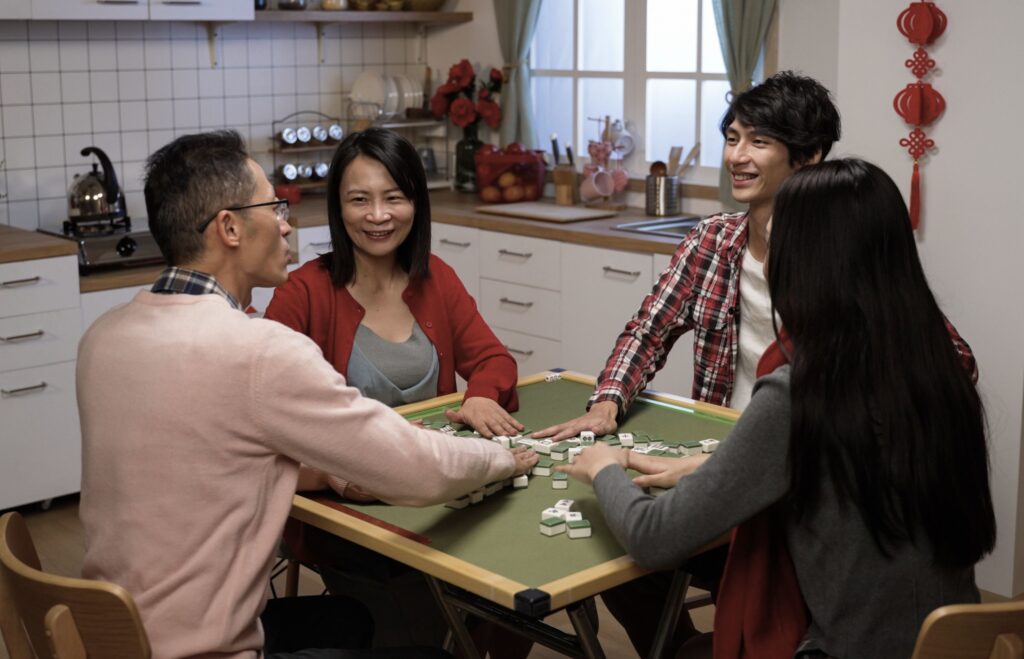
The activity is physically gentle while still being hands-on. Building walls, sorting tiles, moving pieces along the table, drawing, and discarding provide a tactile experience that feels very different from another evening spent scrolling or looking at a screen. It is easy to understand why the sound and feel of real tiles become part of the enjoyment.
Mahjong works well as either an occasional activity or a regular part of the week. A game can happen at a kitchen table, community center, club, library, tournament, restaurant, or online. Once players have access to an appropriate set and know the same rules, very little additional preparation is required.
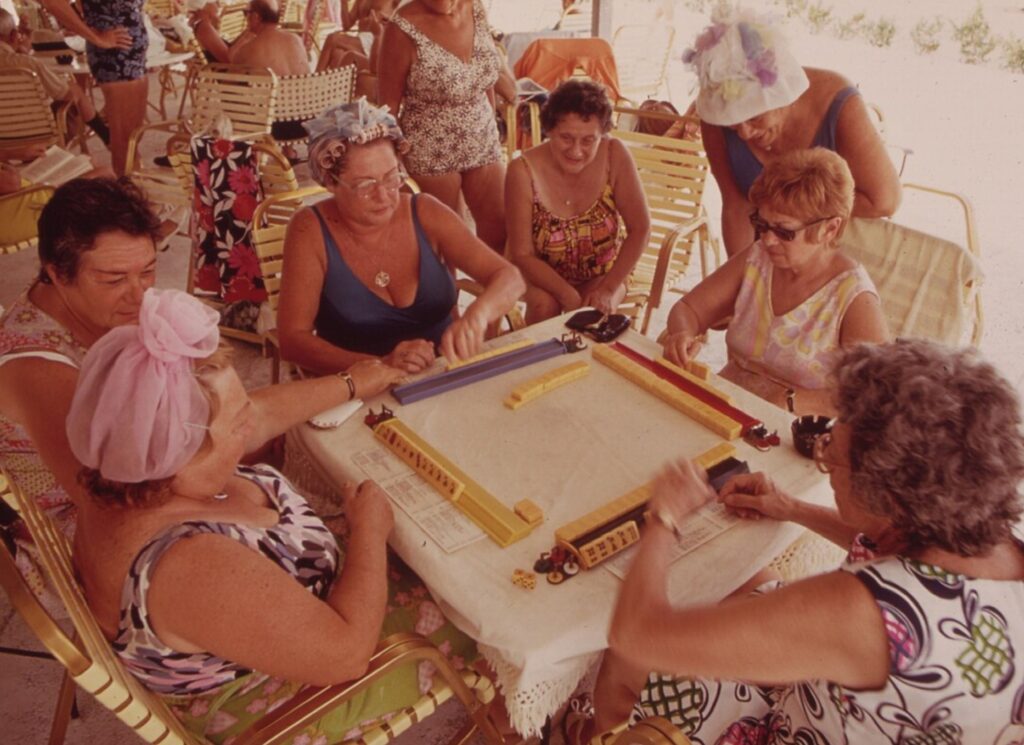
You also do not have to become an expert to enjoy it. Mahjong has a high ceiling for strategy, but beginners can start by learning the tile families and basic flow of the game. Scoring systems may take considerably longer to master, and that is fine. Many people spend their first games simply trying to build a legal hand and remember what everything on the table means.
Getting Started
Before learning Mahjong, answer one question first:
Which Mahjong do you want to learn?
That sounds obvious, but it can save a beginner a surprising amount of confusion. A video teaching American Mahjong may discuss Jokers, racks, an annual card, and the Charleston. A Japanese Riichi lesson will introduce an entirely different set of concepts. A Hong Kong-style lesson may teach the familiar four-sets-and-a-pair structure but score the finished hand differently.
If you already have people you would like to play with, start by learning their version. Ask what rules they use before buying equipment or spending hours watching tutorials. Being able to play with the people around you is usually more useful than trying to decide which version of Mahjong is theoretically best for beginners.
A lesson with an experienced player can make the game much easier to understand. The basic draw-and-discard rhythm is simple once you see it happening, and someone at the table can explain what each combination means as it appears.
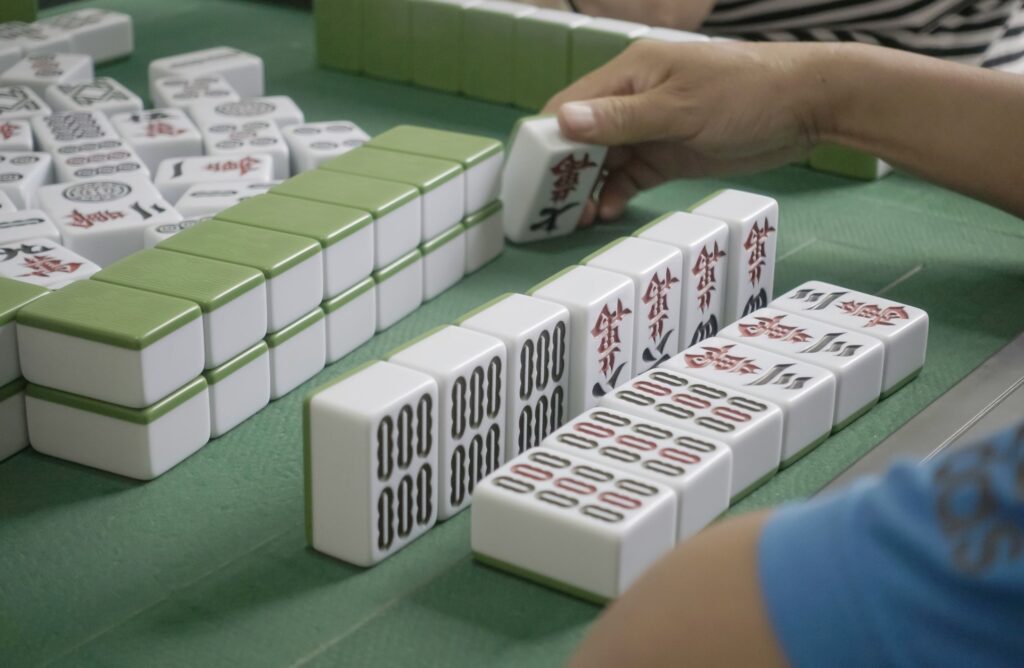
Start with the tiles rather than the scoring system. Learn to recognize the three suits, Winds, and Dragons first, then add whatever bonus or special tiles your version uses. Once you can glance at a tile and know what it is, following the rest of the game becomes considerably easier.
Next, learn what a basic winning hand looks like in your ruleset. Do not try to memorize every special hand or scoring possibility immediately. Understanding what you are generally trying to build gives the draws and discards a purpose.
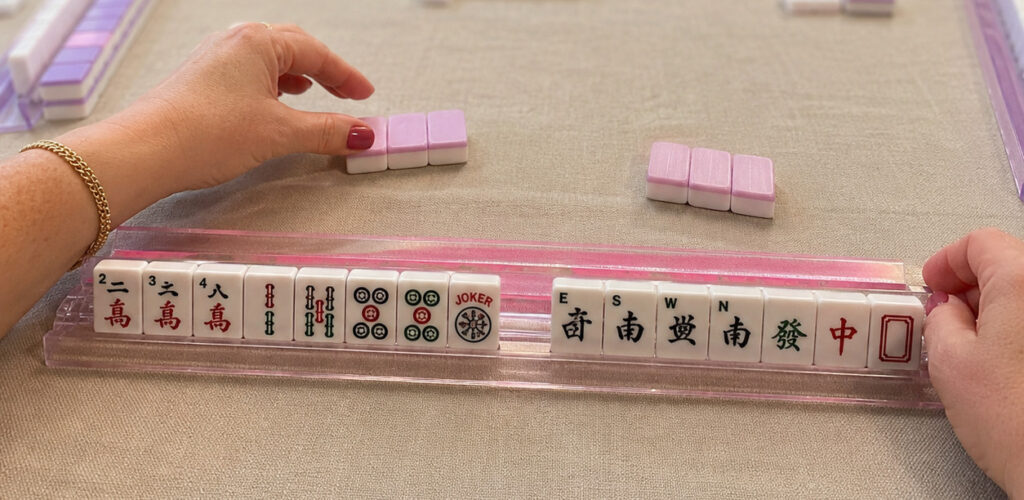
Your first few games may be slow. You may discard something and realize almost immediately that you wanted it. Someone may use a term you have never heard before. You may spend more time checking the rules than thinking strategically. That’s normal.
The game gets much more interesting once identifying tiles and understanding the turn sequence no longer require your full attention.
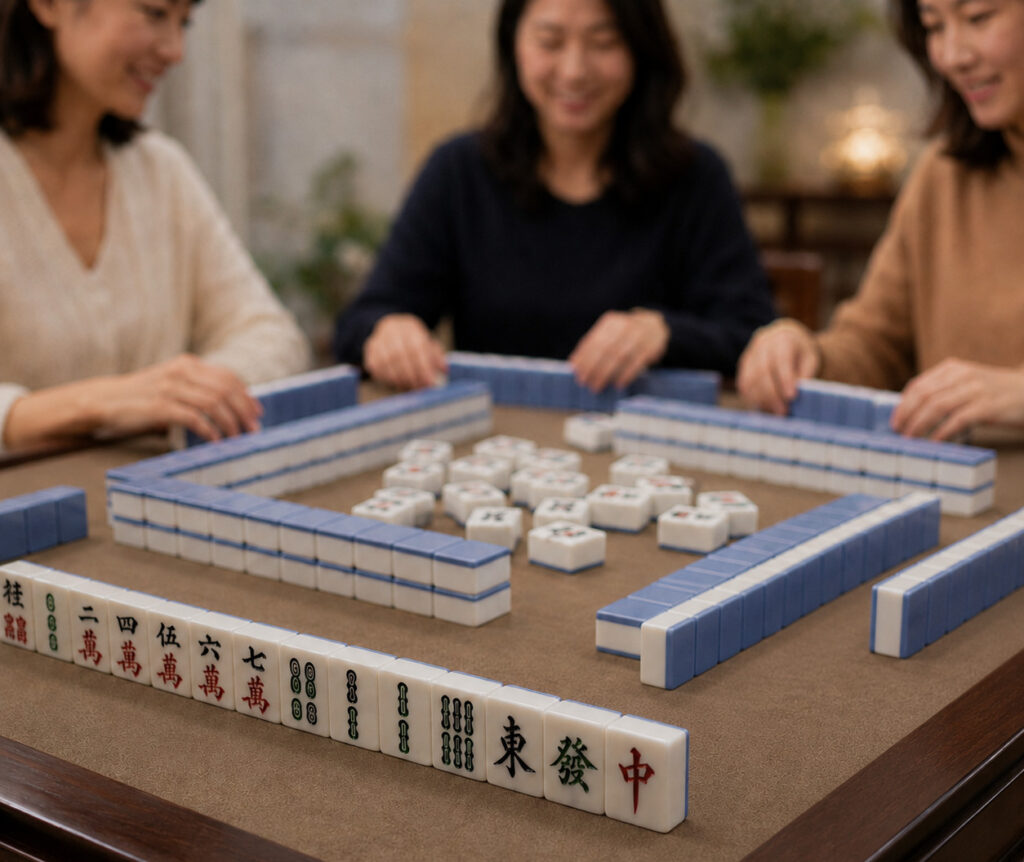
You also do not necessarily need to buy a Mahjong set before learning. Classes, friends, clubs, and community groups often provide tiles for beginners. If you decide to purchase your own, make sure the set suits the version you plan to play because tile counts and included specialty tiles vary.
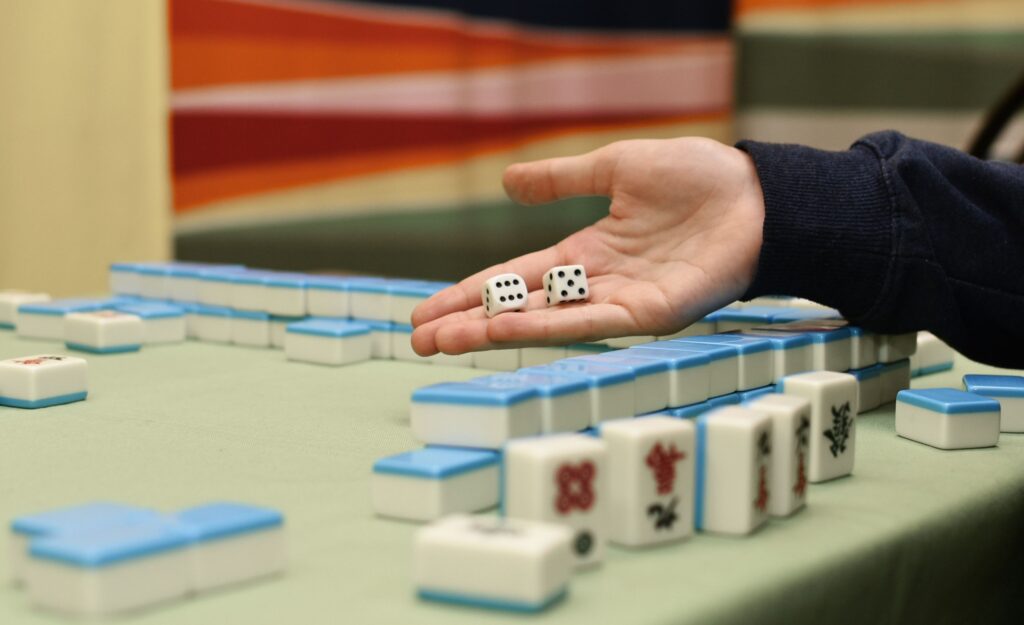
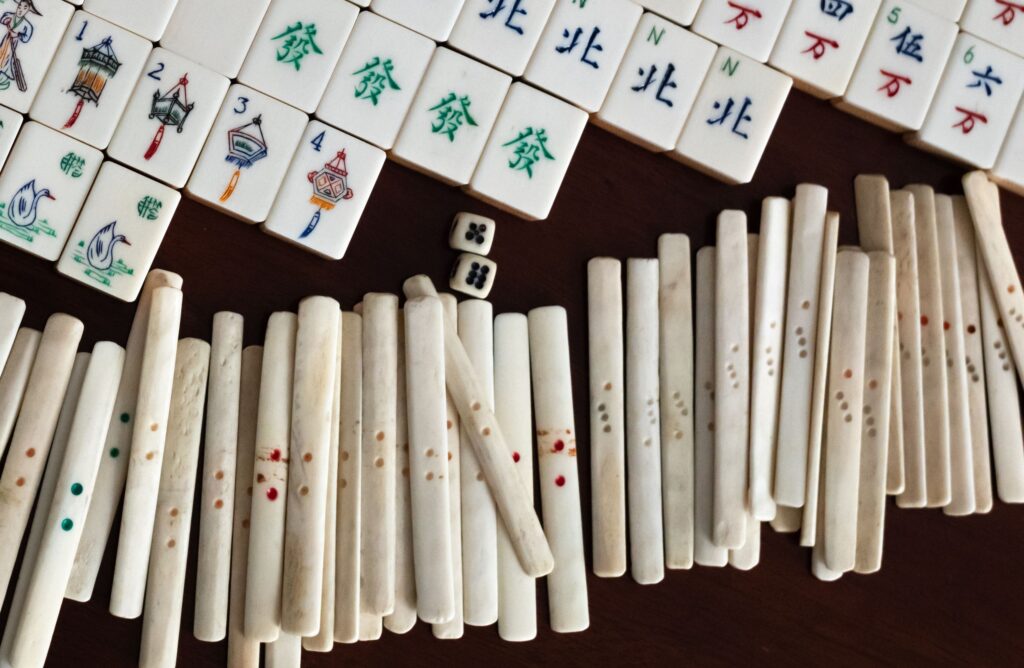
To actually play, the basic setup is fairly simple. Most Mahjong games are played with four people, a flat table, and a tile set appropriate to the rules being used. The exact number of tiles varies by style, but the familiar suits, Winds, and Dragons form the core of most sets. Some versions also use Flowers, Seasons, Jokers, dice, scoring sticks, or other specialty pieces.
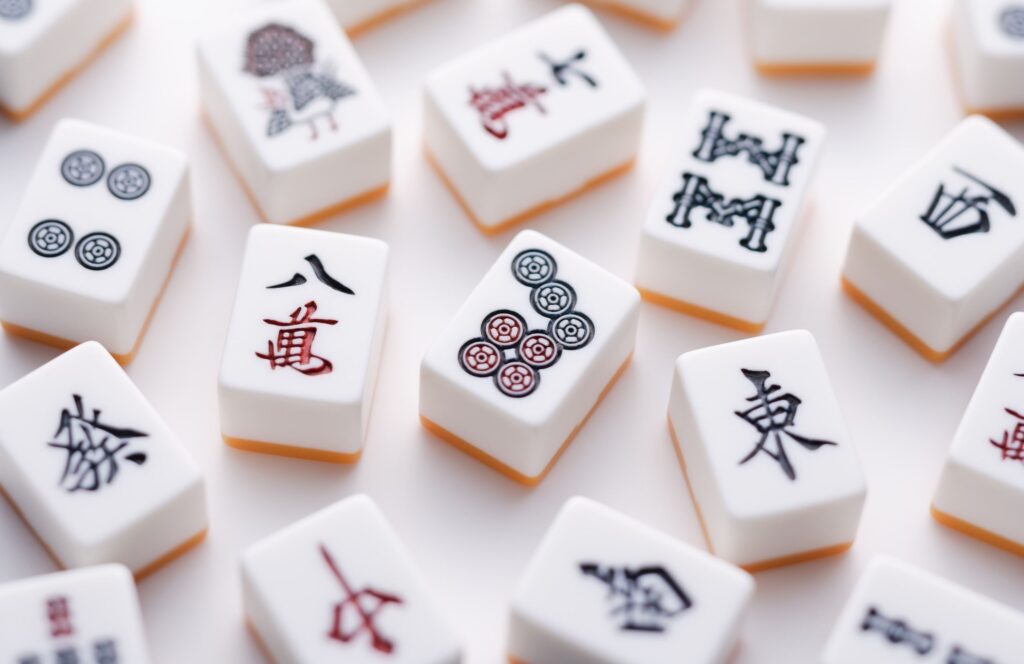
The equipment around the tiles can vary just as much as the rules. American Mahjong commonly uses racks and the current annual card, while Japanese Riichi players may use point sticks and often play on a specialized Mahjong table or mat. Many Chinese and Hong Kong-style games require little beyond the tiles, dice, and enough table space for each player to build a wall and organize a hand.
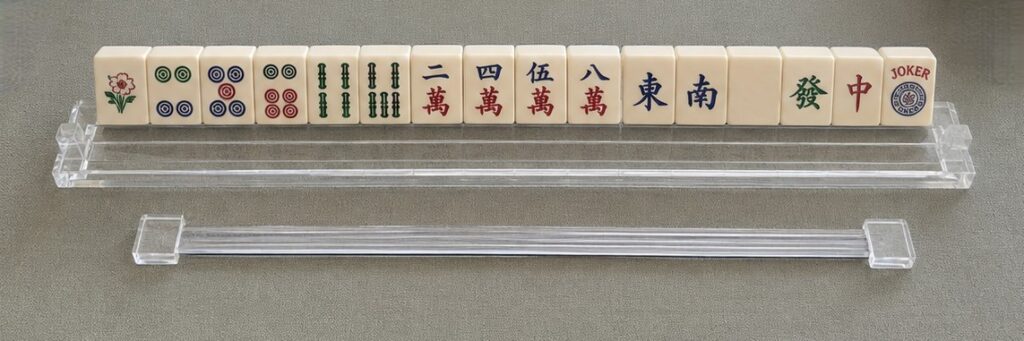
It also helps to have one clear set of rules or a scoring reference at the table, especially when everyone is still learning. Mahjong scoring can be one of the more complicated parts of the game, and even experienced players may check a rule or settle a question during play. Once the group agrees on the version being played and has the right tiles for it, the actual setup is surprisingly manageable.
Resources
The Mahjong International League is a useful starting point for understanding Mahjong as an international game rather than one single ruleset. The organization works with Mahjong associations from countries and regions around the world and recognizes several competitive systems, including Mahjong Competition Rules, Riichi, and Sichuan rules. Its website is particularly useful for readers interested in organized and international Mahjong play.
For Japanese Riichi Mahjong, the World Riichi Championship provides an internationally recognized competition ruleset along with rules documents, scoring information, and information about the competitive Riichi community. The European Mahjong Association also publishes Riichi competition rules and Mahjong Competition Rules resources.
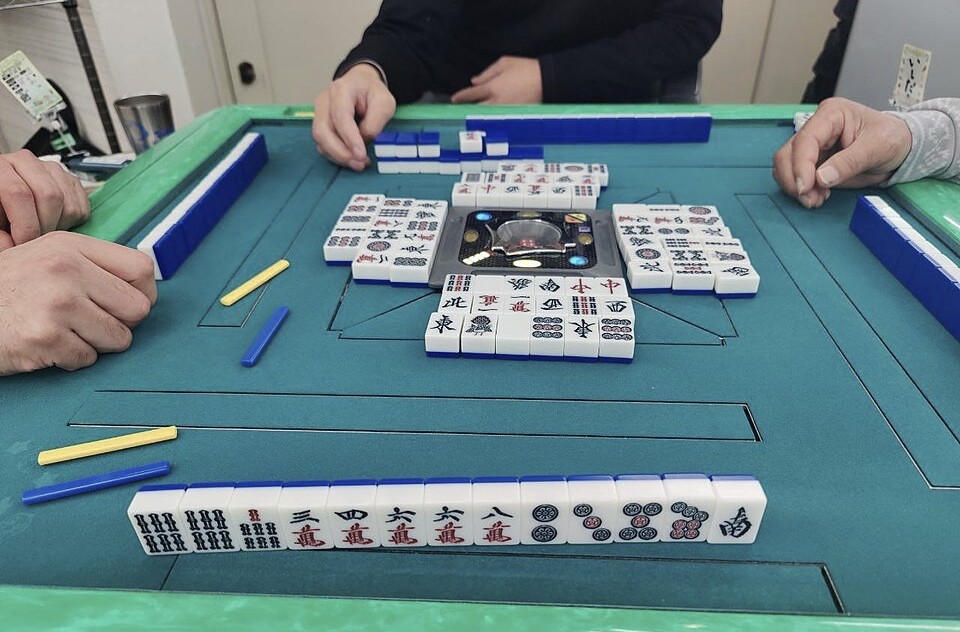
For American Mahjong, the National Mah Jongg League is the primary source for standardized American rules and the annual card of hands. Its website also provides information about the game, instructional materials, and equipment.
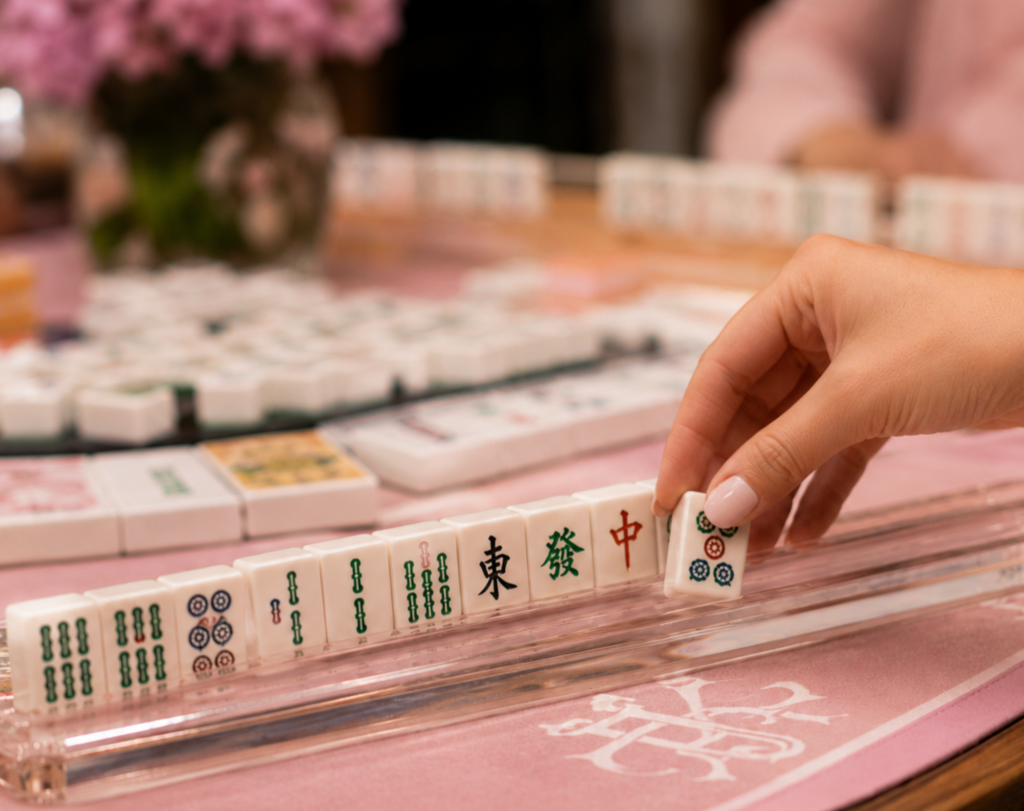
Mahjong 4 Friends can be useful for people who want to experiment online. It supports American Mahjong as well as Chinese, Hong Kong, and British-style play, and players can practice against automated opponents or play remotely with friends. Because the ruleset is selected when a game is created, it can also reinforce one of the most important beginner lessons: know which Mahjong you are playing before you begin.
Local libraries, recreation departments, game clubs, cultural organizations, retirement communities, and community centers are also worth checking. Mahjong groups can be found through sites such as Meetup, and some groups specifically welcome people who have never played before.
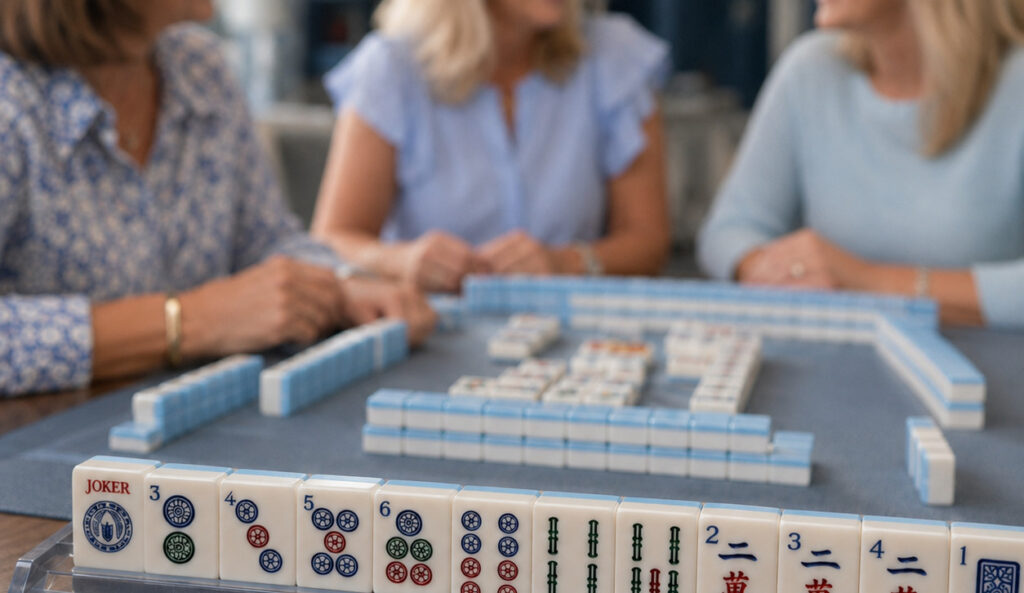
When shopping for tiles, look beyond appearance and check what is actually included in the set. A set made for Riichi is not identical to a set intended for American Mahjong, and other regional versions may use additional bonus or specialty tiles. Choosing the rules first makes choosing the equipment much easier.
Books and videos are helpful once you know the name of the version you are learning. Search specifically for “beginner Riichi Mahjong,” “American Mahjong,” “Hong Kong Mahjong,” or the relevant ruleset rather than simply “how to play Mahjong.” That small difference can prevent a lot of mixed-up rules.
Tips for Success
Learn one version first. Mahjong’s variety is interesting, but trying to absorb several scoring systems and sets of terminology at once can make a manageable learning curve unnecessarily confusing. Once one version feels comfortable, exploring another becomes much easier because many of the tiles and underlying ideas will already be familiar.
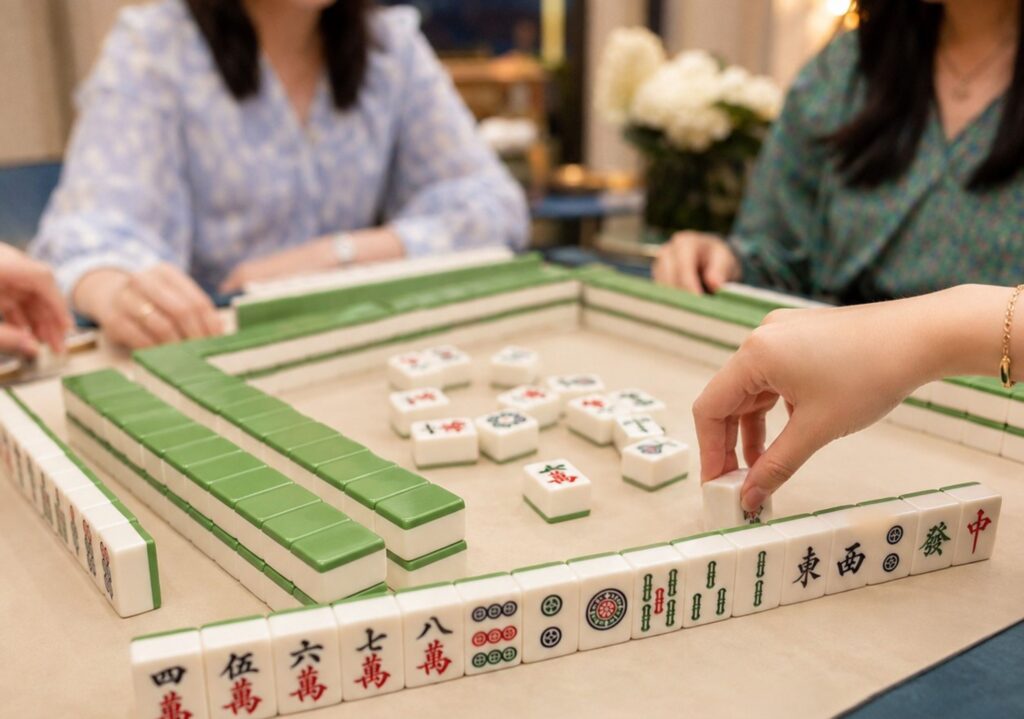
Ask about house rules when joining a new group. Even players who describe their game with the same general name may have small differences in scoring, minimum requirements, bonus tiles, or table conventions. A quick conversation before the first hand is easier than discovering the difference when someone declares Mahjong.
Do not worry about scoring everything yourself right away. In many versions, scoring is the most complicated part of the game. Learn what a legal hand looks like and how play moves around the table first, then build scoring knowledge gradually.
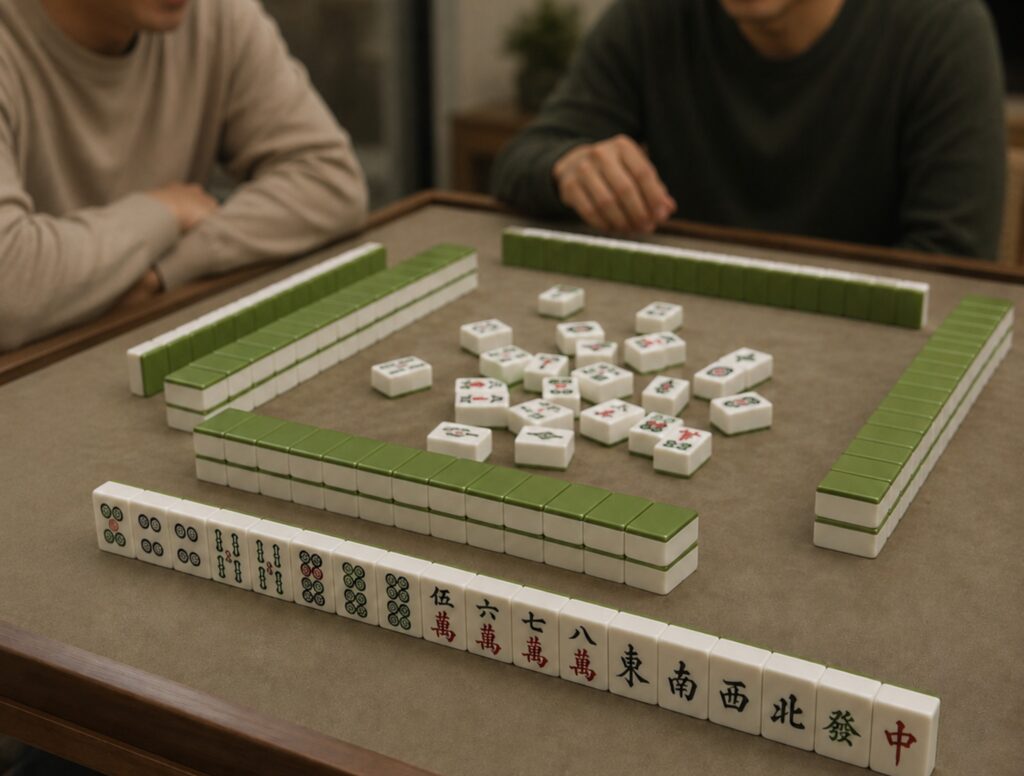
Watch the table, not only your rack. Discards and exposed combinations give you information about what is happening elsewhere. Over time, you begin noticing which tiles seem safe, which ones are disappearing, and what another player may be building.
Expect your plans to change. Mahjong rarely rewards stubbornness simply because your original hand looked promising. The tiles you draw and the information on the table continually change what is realistic.
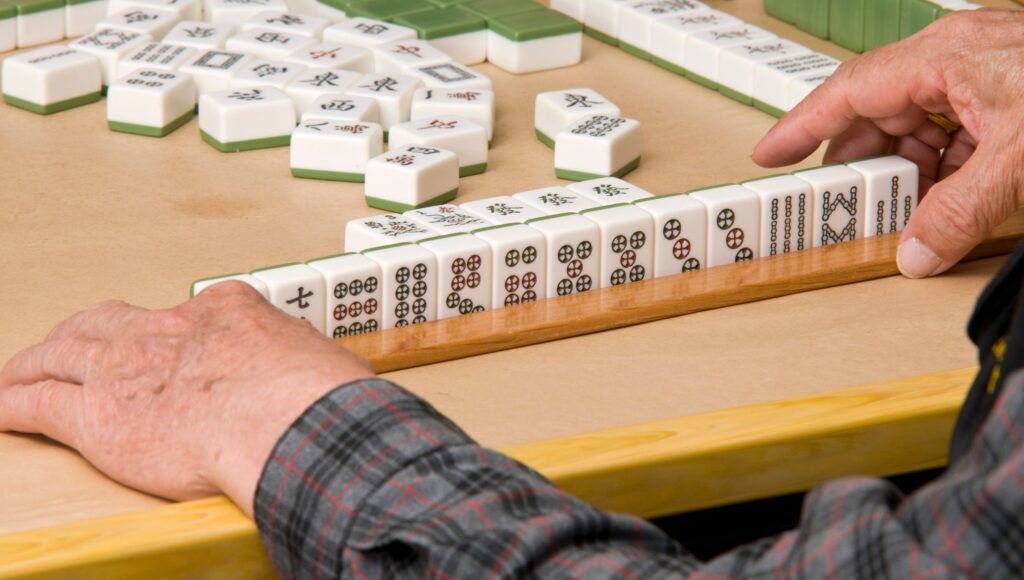
If you play online, remember that the computer is often handling several things for you automatically. Building walls, dealing tiles, enforcing legal calls, and calculating scores may happen without much thought. Playing with physical tiles can feel slower at first because the players themselves must manage those parts of the game.
And when you are learning in person, find a patient table. Mahjong has plenty of terminology and plenty of little rules. Everyone who plays comfortably now once had to ask what a Dragon was, which direction play moved, or whether they were allowed to take that discard.
Final Thought
Part of what makes Mahjong interesting is that there is no single table that represents all of it.
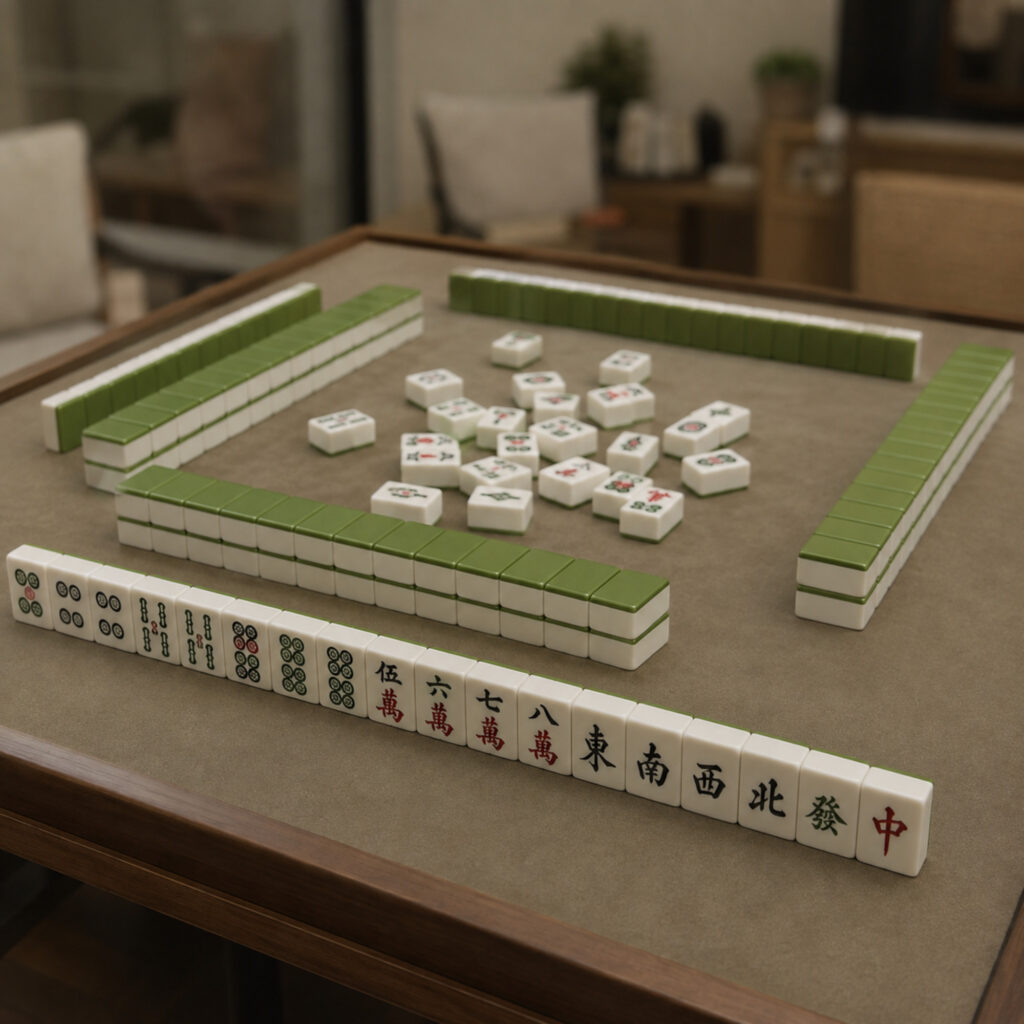
The game began in China, traveled across countries and generations, and changed along the way. Different communities kept recognizable pieces of the game while developing their own rules, strategies, terminology, and traditions.
That can make Mahjong look intimidating from the outside. It can also make it unusually rich.
You can spend years playing one version and still discover a completely different way of approaching those familiar suits, Winds, and Dragons. Yet across many of those versions, the experience still comes back to the same small moment: draw a tile, look at your hand, decide what stays, and choose what you are willing to let go.
Which version of Mahjong do you play, or is there one you would like to learn?
Leave a Reply