If you stepped onto a volleyball court in 1895, you might recognize the net. Beyond that, the game could be surprisingly unfamiliar. There were no six-player teams. There was no three-hit limit. The court was smaller, the net was lower, and a team could hit the ball as many times as it wanted before sending it back across.
And the game was played in nine innings.
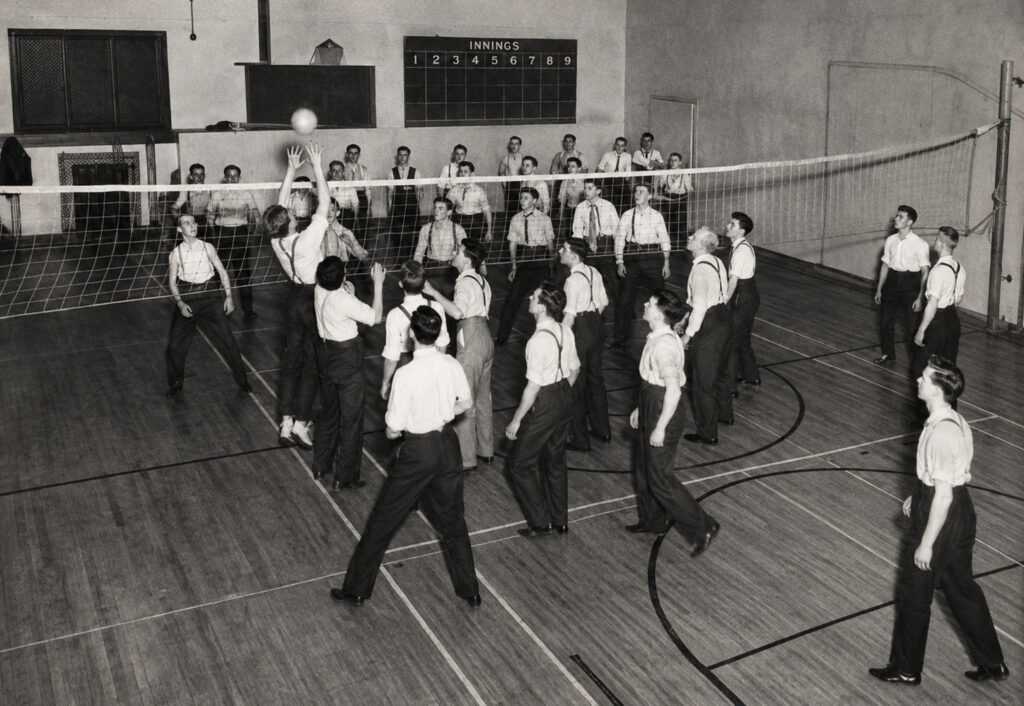
That last part makes more sense when you know how volleyball began — because its inventor didn’t create the sport entirely from scratch. He borrowed pieces from several games that were already being played around him.
A New Era in Athletics
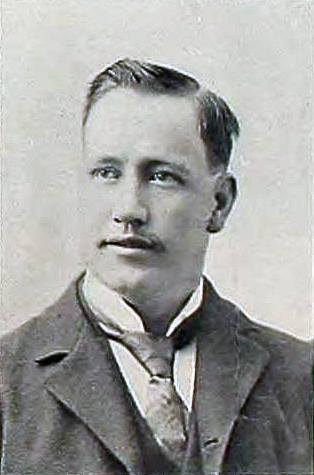
William G. Morgan was part of the growing physical-education movement centered around the YMCA in Massachusetts in the 1890s. Along the way, he crossed paths with James Naismith, who had invented basketball in nearby Springfield just a few years earlier.
The two first met in 1891, when Morgan was a student at Mount Hermon School and Naismith was a player and coach at the International YMCA Training School. After seeing Morgan play football, Naismith encouraged him to attend the Training School himself. Morgan eventually did, graduating in 1894.
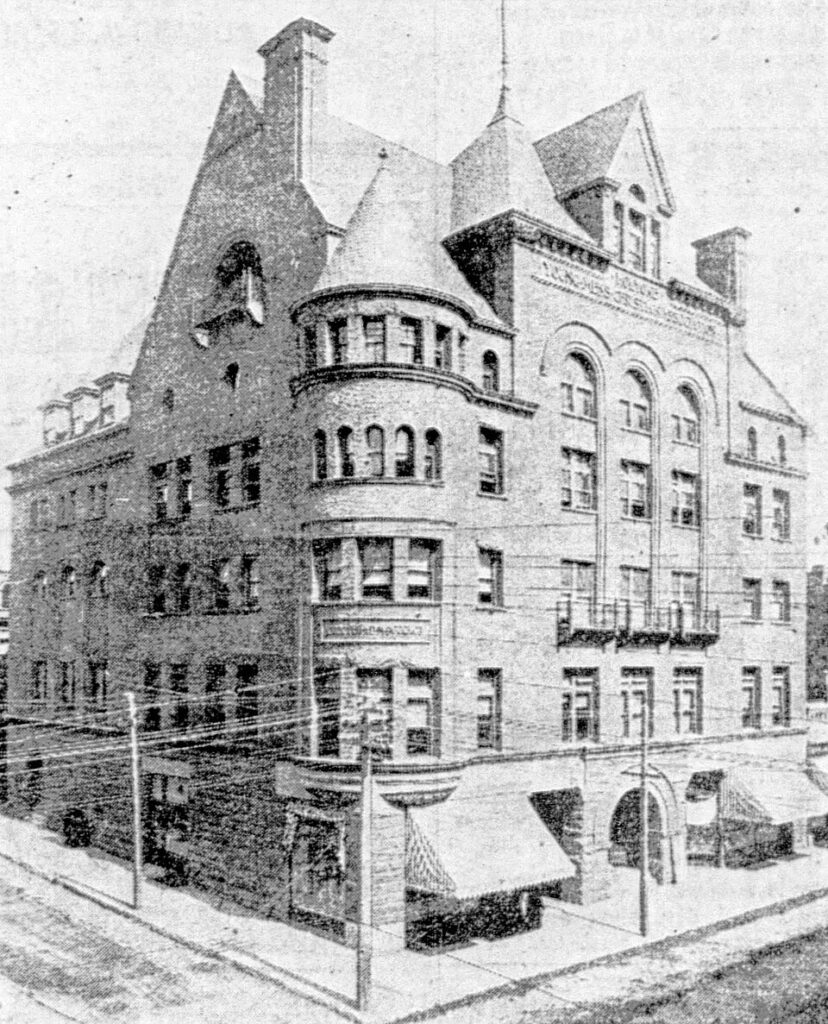
After a year working at the YMCA in Auburn, Maine, Morgan returned to Massachusetts and became physical director at the Holyoke YMCA in August 1895, only a few miles from Springfield.
There, he began experimenting with a new kind of indoor game – one that would still provide real exercise and competition, but without requiring physical contact between players.
Morgan described what he was after as a sport with a “strong athletic impulse” but no physical contact.
The result was the beginning of volleyball, although it didn’t yet have that name – or many of the rules we now associate with the sport.
Recent historical research by the International Volleyball Hall of Fame places the game’s beginnings in late 1895, likely December.
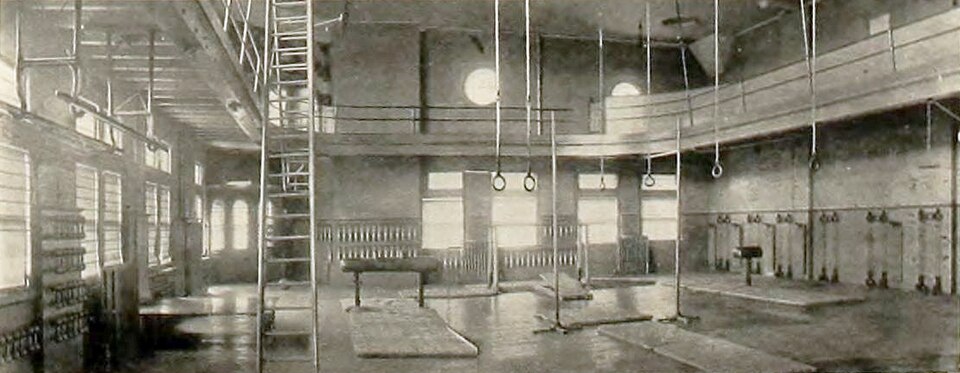
That timing also corrects the frequently repeated February 9, 1895 invention date: Morgan did not even arrive at the Holyoke YMCA until August of that year. By December, he was introducing his new game to the local businessmen who gathered at the Y.
A Little Basketball, Tennis, Handball – and Baseball
Morgan’s new game was something of a sporting mash-up.
From basketball, he initially took the ball.
From tennis, he borrowed the idea of a net.
From handball came the use of the hands and some elements of play.
And from baseball, Morgan borrowed something that seems particularly strange to modern volleyball players: innings.
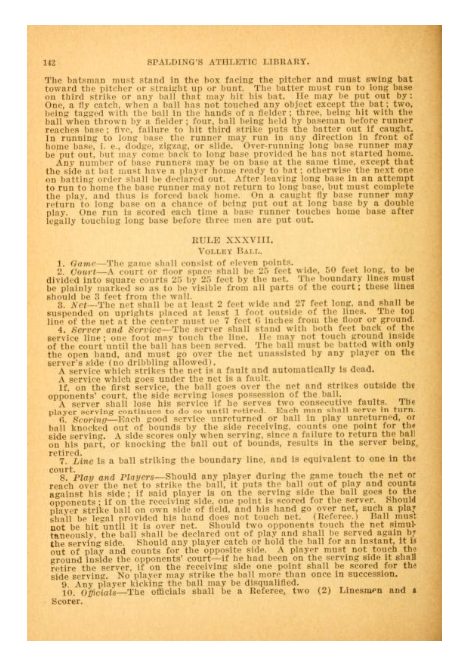
The original game was divided into nine innings, with each inning consisting of three outs, described in the early game as “serves.”
A server who couldn’t quite get the ball across could even have another player help it over the net.
The game itself was played on a court measuring just 25 by 50 feet, compared with today’s larger indoor court, and the net stood 6 feet 6 inches high.
Then there were the players.
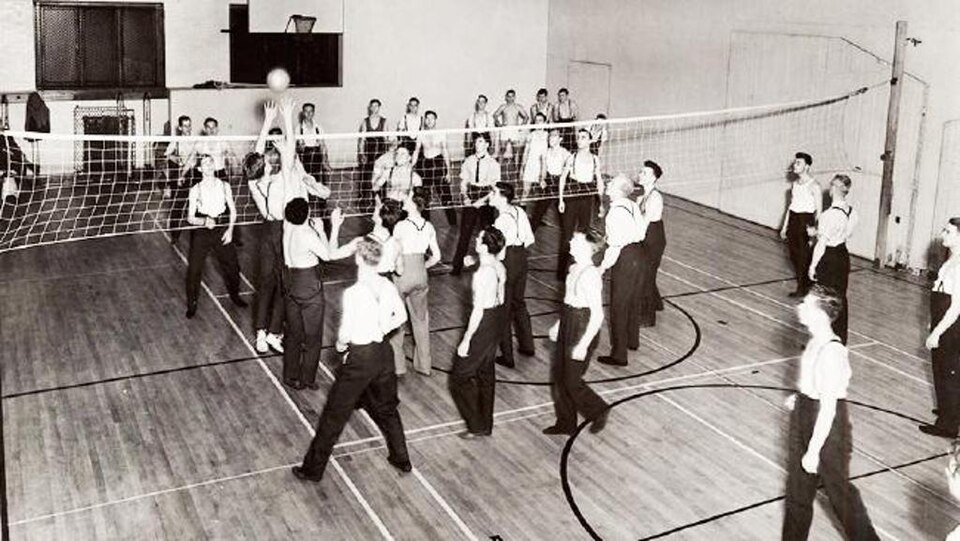
There could be as many as you wanted.
Morgan’s early rules allowed an unlimited number of people to participate. And once the ball was on your side of the net, there was also no limit on the number of times your team could hit it before returning it.
Imagine trying to call “mine” in that game.
The invention of the Volleyball
At first, Morgan tried using an ordinary basketball, but it was too heavy for his new game. Using just the basketball’s bladder went too far in the other direction — it was too light and soft.
Morgan eventually turned to sporting-goods manufacturer A.G. Spalding, which developed a ball specifically suited to the new sport: a rubber bladder covered in leather and roughly 25 inches in circumference.
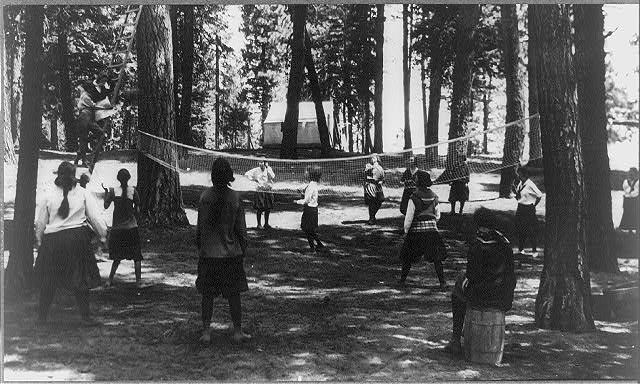
At this time, the name was still evolving. Morgan’s game was initially known as Mintonette. In 1896, after seeing the game demonstrated, professor Alfred T. Halstead suggested that its defining action — volleying the ball back and forth — made “Volley Ball” a more fitting name. Morgan agreed.
On July 7, 1896, Morgan brought two five-man teams from Holyoke to the YMCA Physical Directors’ Conference in Springfield for an early public demonstration of the game.
The Familiar Rules Came Later
Volleyball continued changing as it spread.
By 1916, the YMCA had persuaded the NCAA to publish volleyball rules and articles about the game, helping introduce it to more college students.
Then two rules arrived that modern players would consider fundamental.
In 1918, teams were limited to six players.
In 1922, the maximum number of team contacts was set at three.
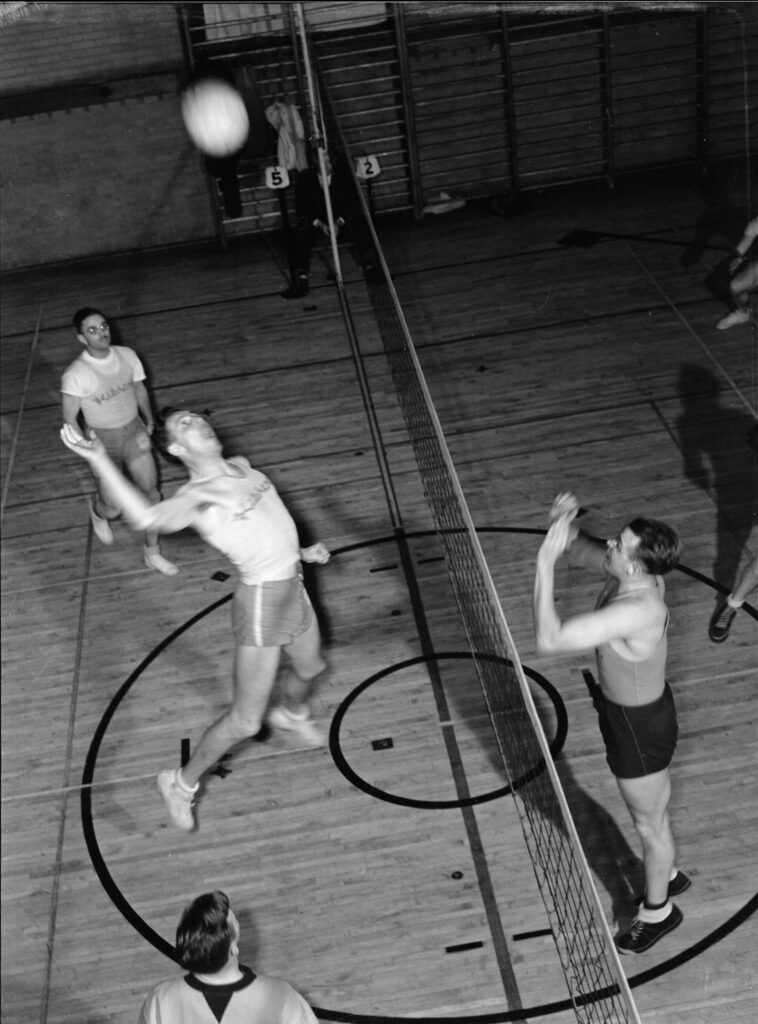
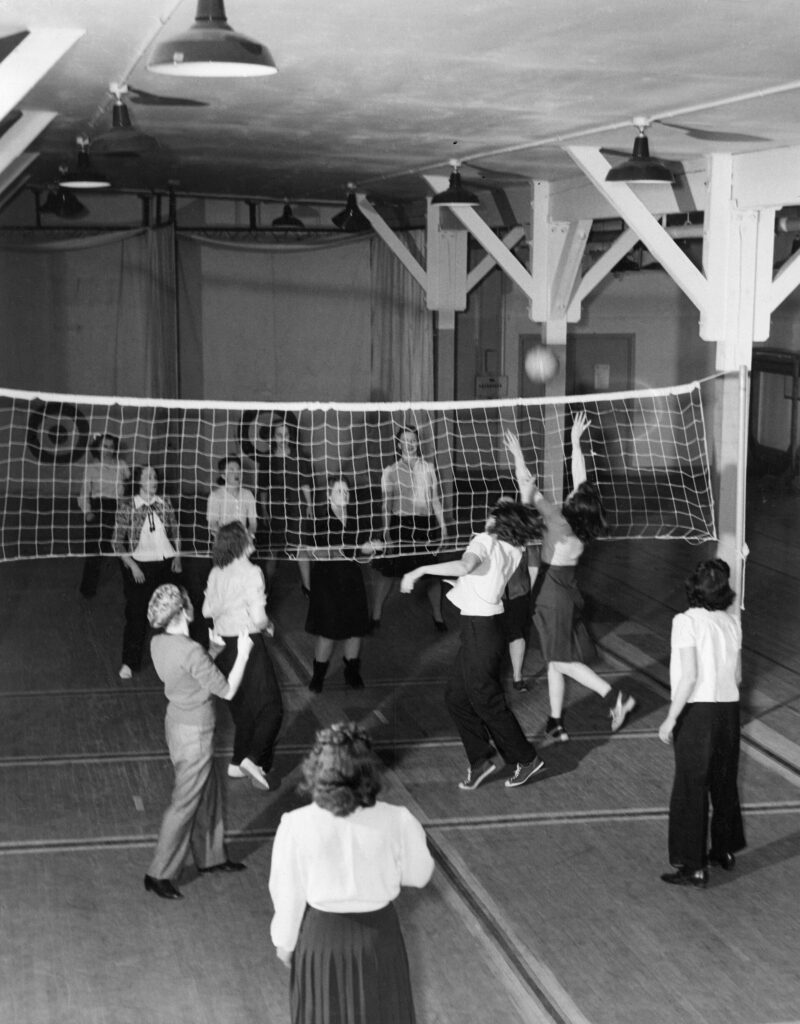
That means volleyball had already existed for more than two decades before the familiar combination of six players and three touches became part of the game.
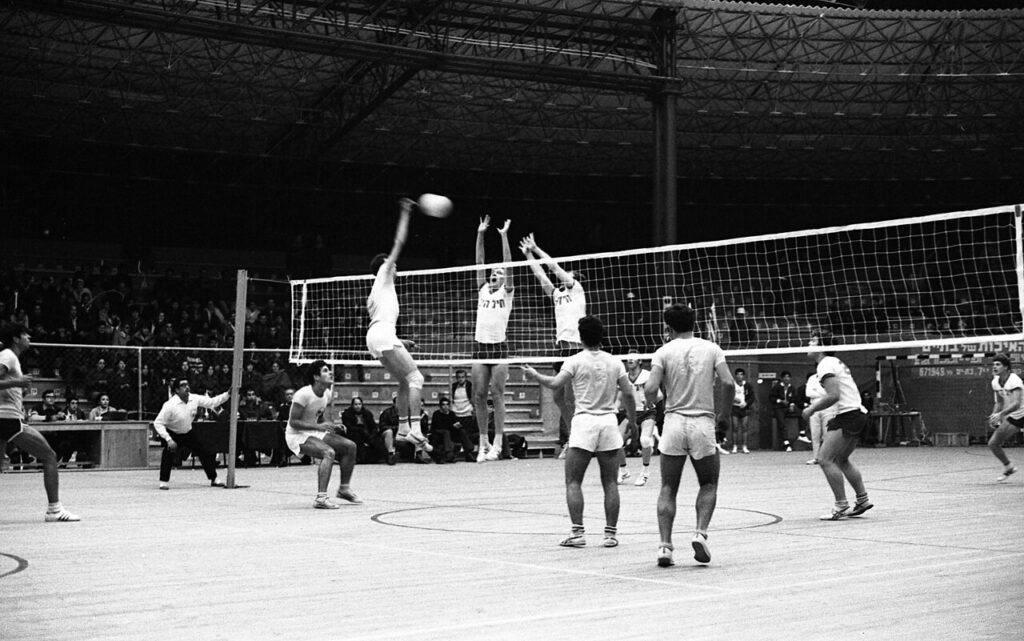
So the next time a rally depends on getting the ball over on that third contact, consider what Morgan’s original players had to work with: unlimited teammates, unlimited hits — and nine innings to play.
The net may look familiar. But so much else has changed.
Leave a Reply