Today, a soccer goal without a net would look unfinished.
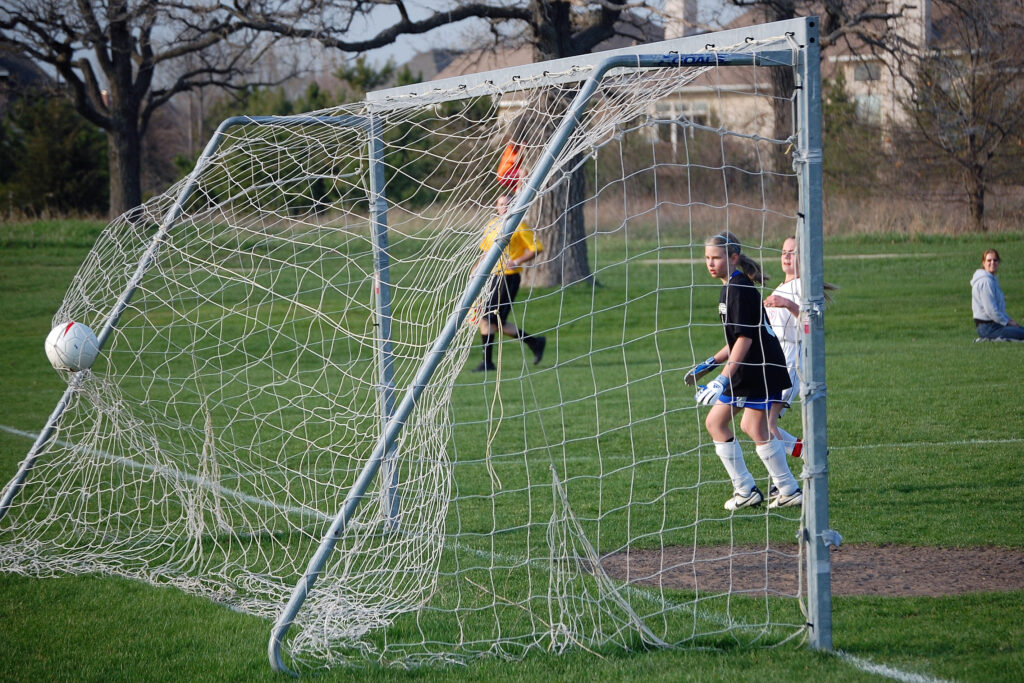
The net is such a normal part of the game that most of us barely notice it unless the ball hits it. That sound; the snap, the billow, the ball nestling in the mesh; is the drama. It confirms the goal. It gives the moment a finish. It lets everyone in the stadium, from the players to the fans in the back row, know what just happened.
But early soccer did not always have that.
Before goal nets became part of the game
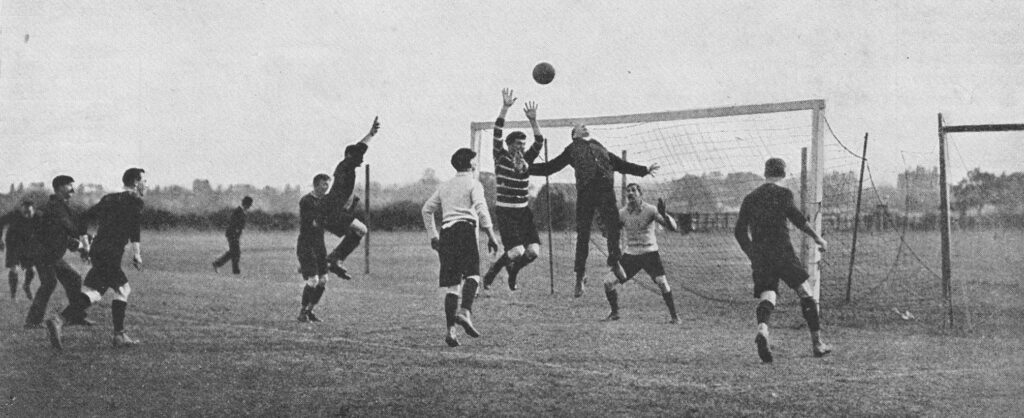
Before goal nets became part of the game, the goal was much simpler. Two posts marked the target, and in earlier versions of the rules, a string or tape could be used across the top. If the ball passed between the posts and under the marker, it counted as a goal.
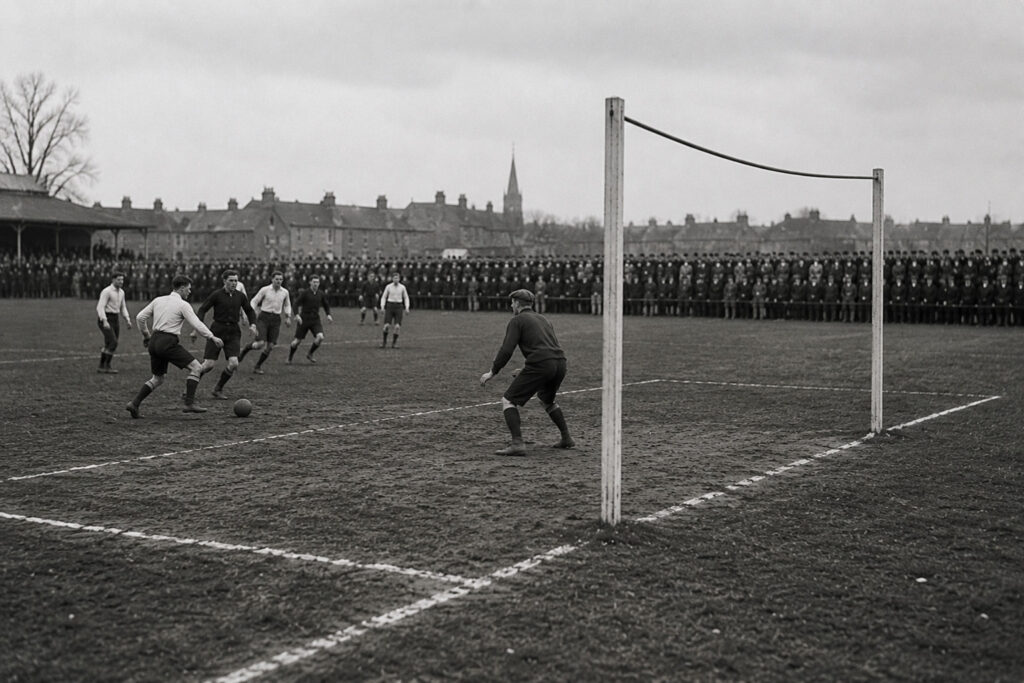
That sounds simple enough until you imagine the chaos of a fast match.
A hard shot could fly between the posts, past the goalkeeper, and keep going. Players might see it one way. Spectators might see it another. The referee had to decide whether the ball had truly crossed through the goal, often without the helpful visual confirmation we take for granted now.
In other words, before the net, a goal could still leave room for argument.
That problem helped lead to one of soccer’s most useful inventions.
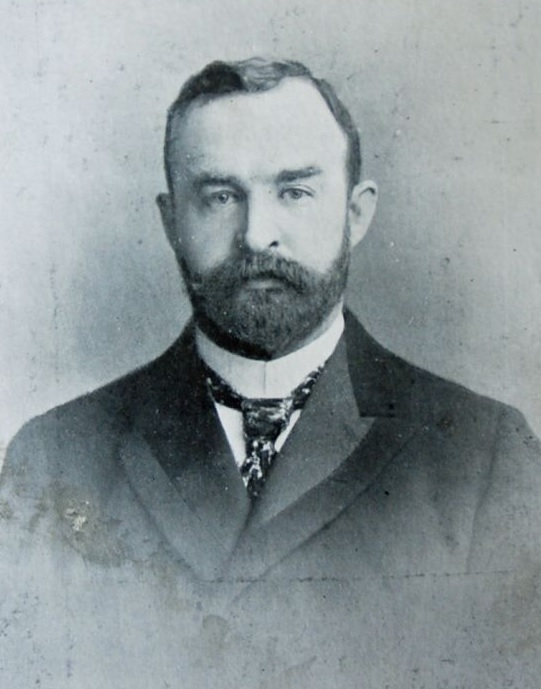
John Alexander Brodie, a civil engineer from Liverpool, is credited with inventing the soccer goal net in the late 1800s.
The basic idea was simple but brilliant: create a pocket behind the goal so the ball would be caught after it crossed the line.
Instead of the ball flying through the open frame and disappearing into the crowd or rolling away, the net would hold it in place.
The goal would no longer depend only on what people thought they saw in a split second. The ball would tell the story for them.
That is where the trouser pocket story comes in.
Some retellings say Brodie was inspired by the idea of a pocket, possibly after putting his hands into his own trouser pockets while thinking through the problem.
Whether that exact detail is a perfect historical certainty or a charming piece of invention lore, the image is hard to forget: a man thinking about a disputed goal, noticing the usefulness of a pocket, and applying that same idea to soccer.
A pocket for the ball.
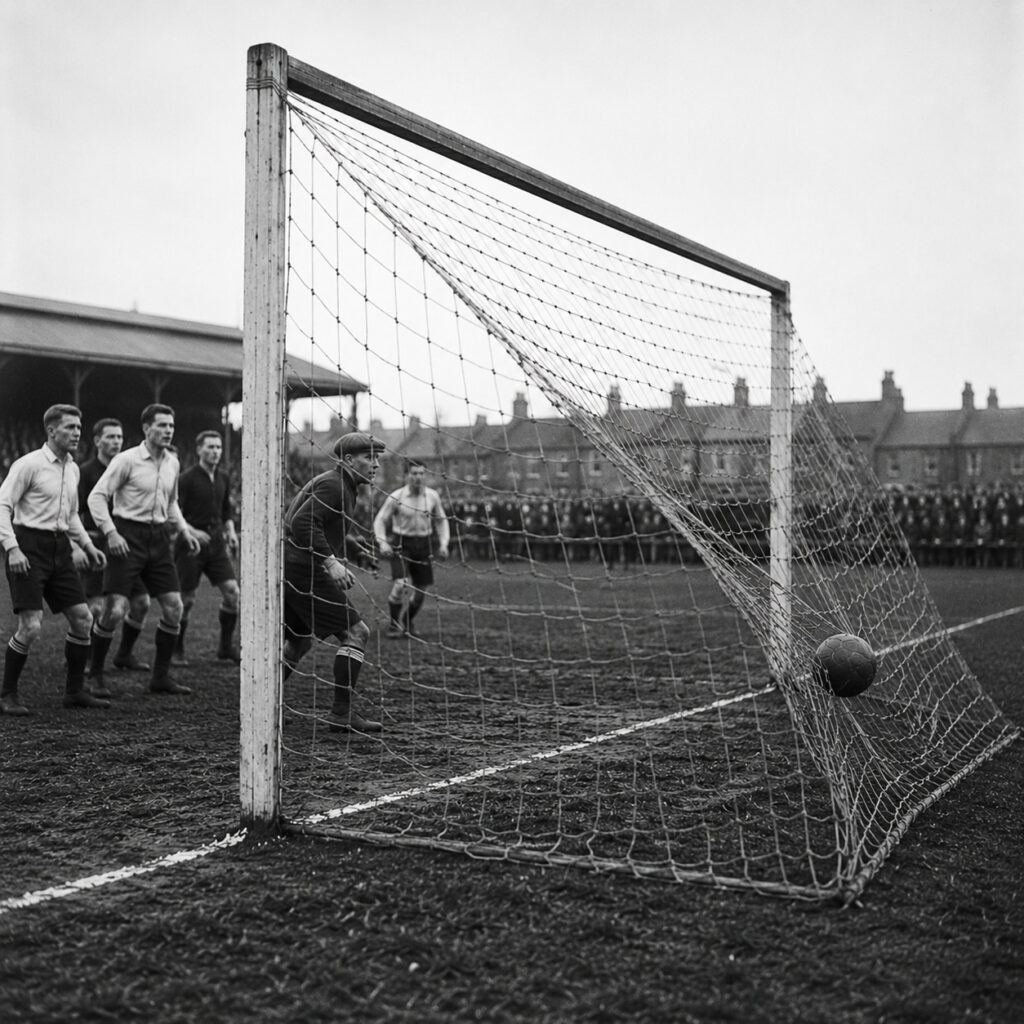
That small shift changed the way goals were seen, confirmed, and celebrated.
The first goal nets were not just decorative. They were practical. They helped solve a real problem in the game. They made scoring clearer. They reduced disputes. They created a visual ending to one of the most important moments in soccer.
It is easy to forget that many parts of modern sports were not always obvious. Someone had to think of them. Someone had to notice the awkward parts of the game and ask how they could be improved. Goal nets feel inevitable now, but they were once an invention.
And once they became part of the sport, they changed the experience of scoring. A goal was no longer just a ball passing through two posts. It became something you could see land. Something you could hear. Something that stayed there for a moment, caught in the net while the crowd reacted.
That is part of why the phrase “back of the net” still carries so much feeling. It is not just about the ball crossing the line. It is about the proof, the impact, the finality of the moment.
A net gives a goal its punctuation.

Without it, the shot keeps moving. With it, the moment lands.
That is what makes this little piece of soccer history so interesting. The goal net was not invented to make the game prettier, even though it certainly became part of soccer’s visual identity. It was invented because the game needed clarity.
The best inventions often start as the simplest fixes.
They are not always dramatic machines or complicated breakthroughs. Sometimes they are simple answers to everyday problems. A pocket behind the goal. A way to catch the ball. A way to end the argument.
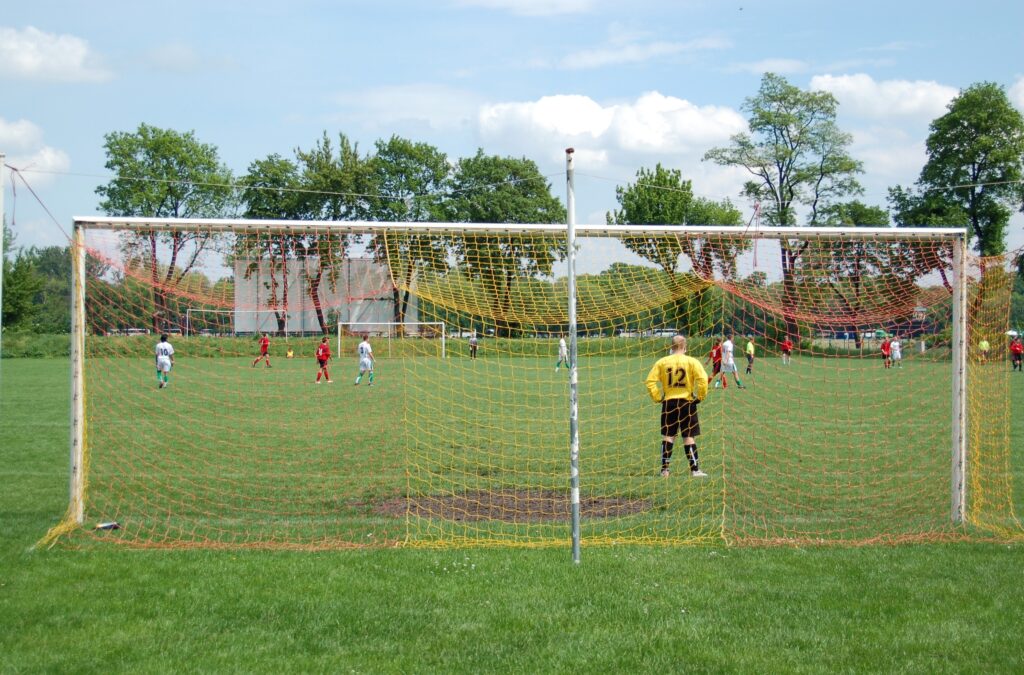
Today, every dramatic goal celebration, every slow-motion replay, every ball rippling into the net owes something to that idea.
Soccer is full of big history, legendary players, famous matches, and unforgettable goals. But sometimes the smallest details tell the best stories.

The net behind the goal may look ordinary now, but it helped shape the way the world watches, understands, and celebrates the game.
And it may have all started with a man’s trouser pockets.
Leave a Reply