Welcome to Saturday Sparks! This week, we’re highlighting soccer, a sport that can begin with a barefoot kick in the backyard and grow into something you carry with you for life.
Few activities are as universal. Soccer is played in professional stadiums, neighborhood parks, school playgrounds, and open fields where two backpacks become the goalposts. The surroundings may change, but the game remains familiar wherever it is played.
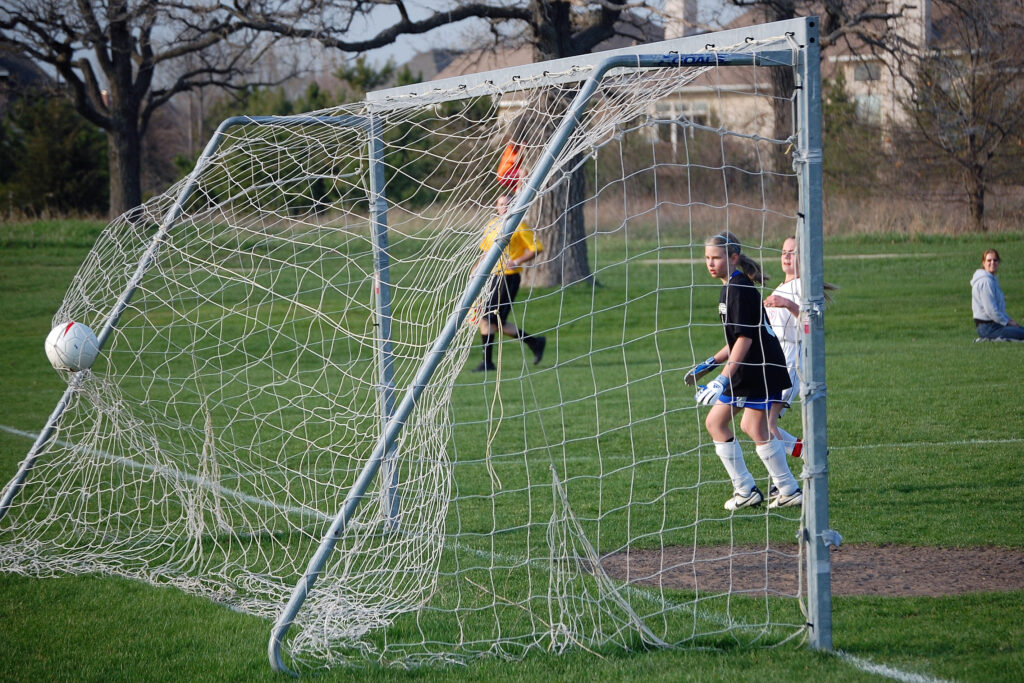
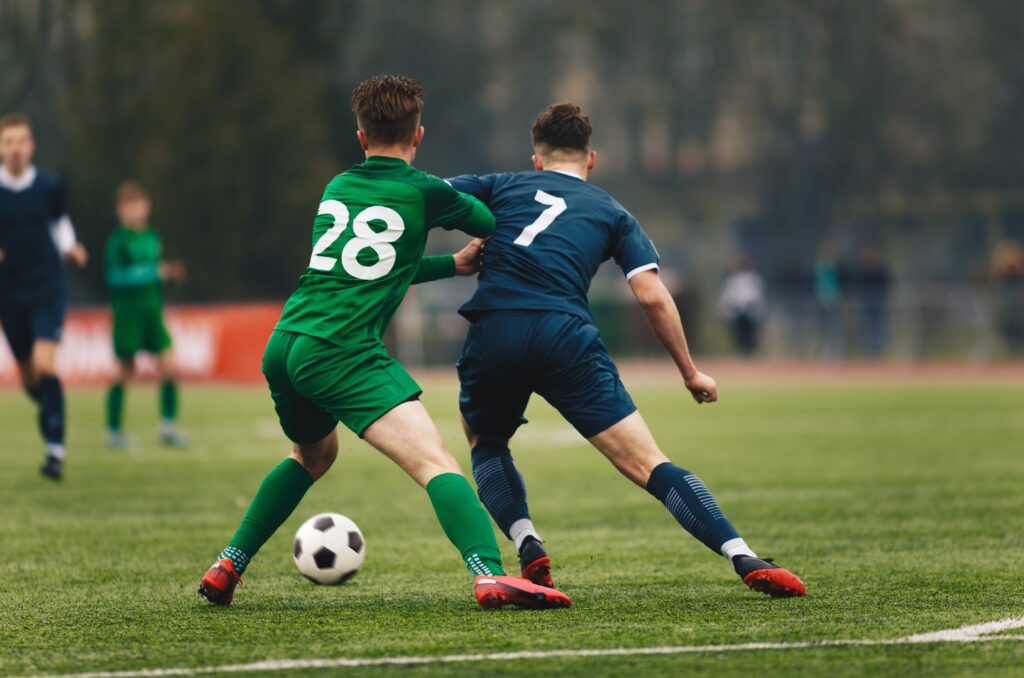
The objective is straightforward: move the ball, work with your teammates, and score. Yet that simple goal creates an activity with remarkable depth. Every touch, run, and decision shapes what comes next, and the more you understand the game, the more there is to see.

That’s the balance that keeps players coming back. It is easy to begin, difficult to master, and capable of rewarding players at every stage of the experience.
What is Soccer?
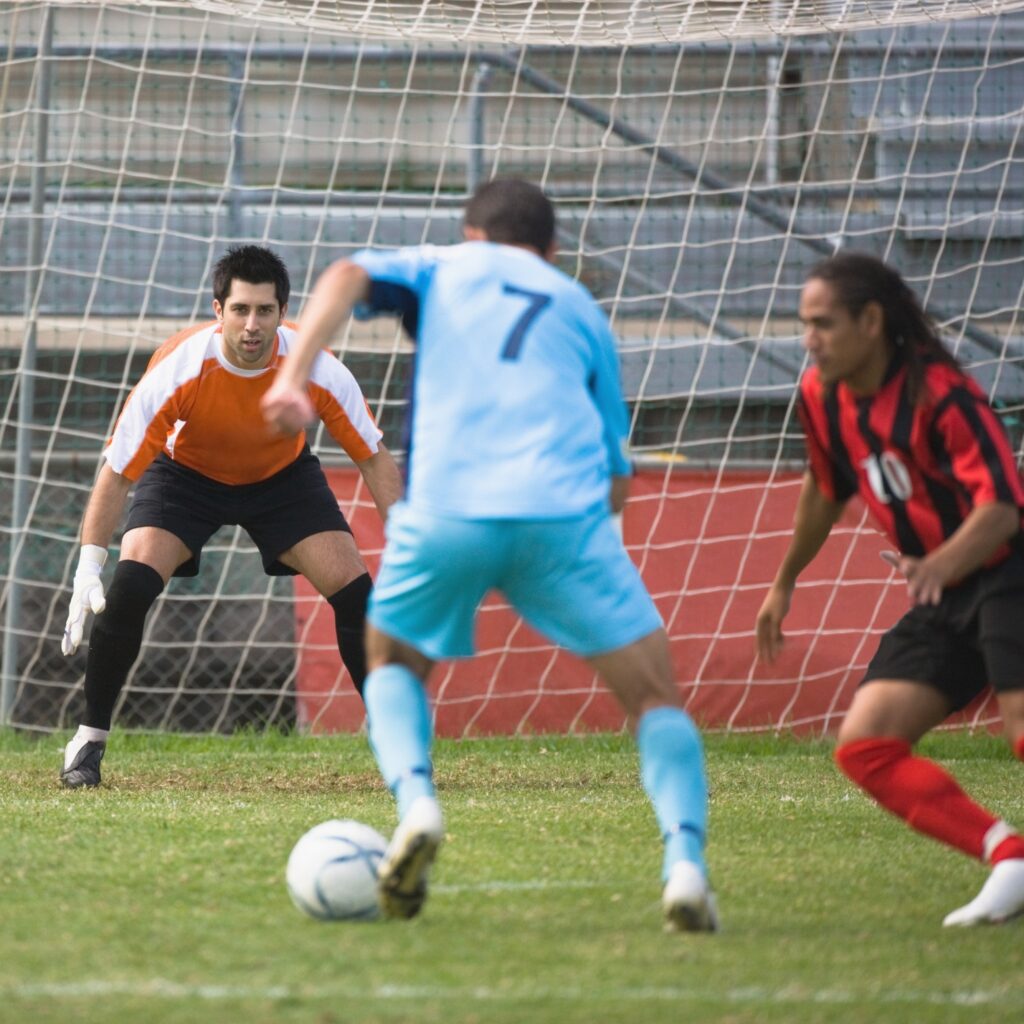
Soccer is a team sport played between two teams of eleven players on a rectangular field with a goal at each end. The objective is to score by moving the ball into the opposing team’s goal while preventing the other team from scoring.
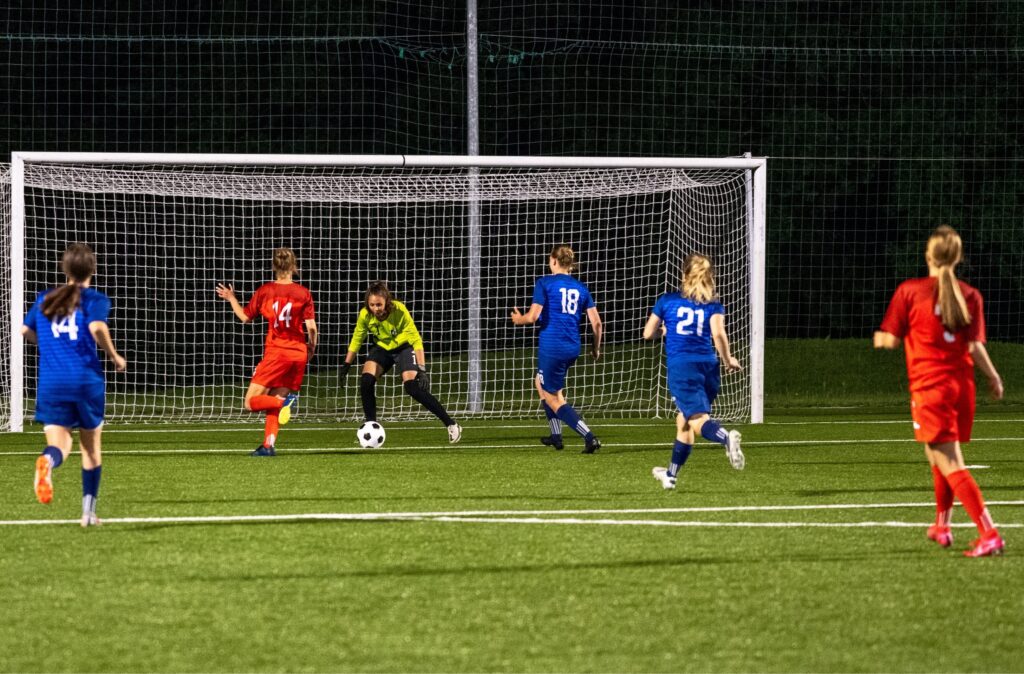
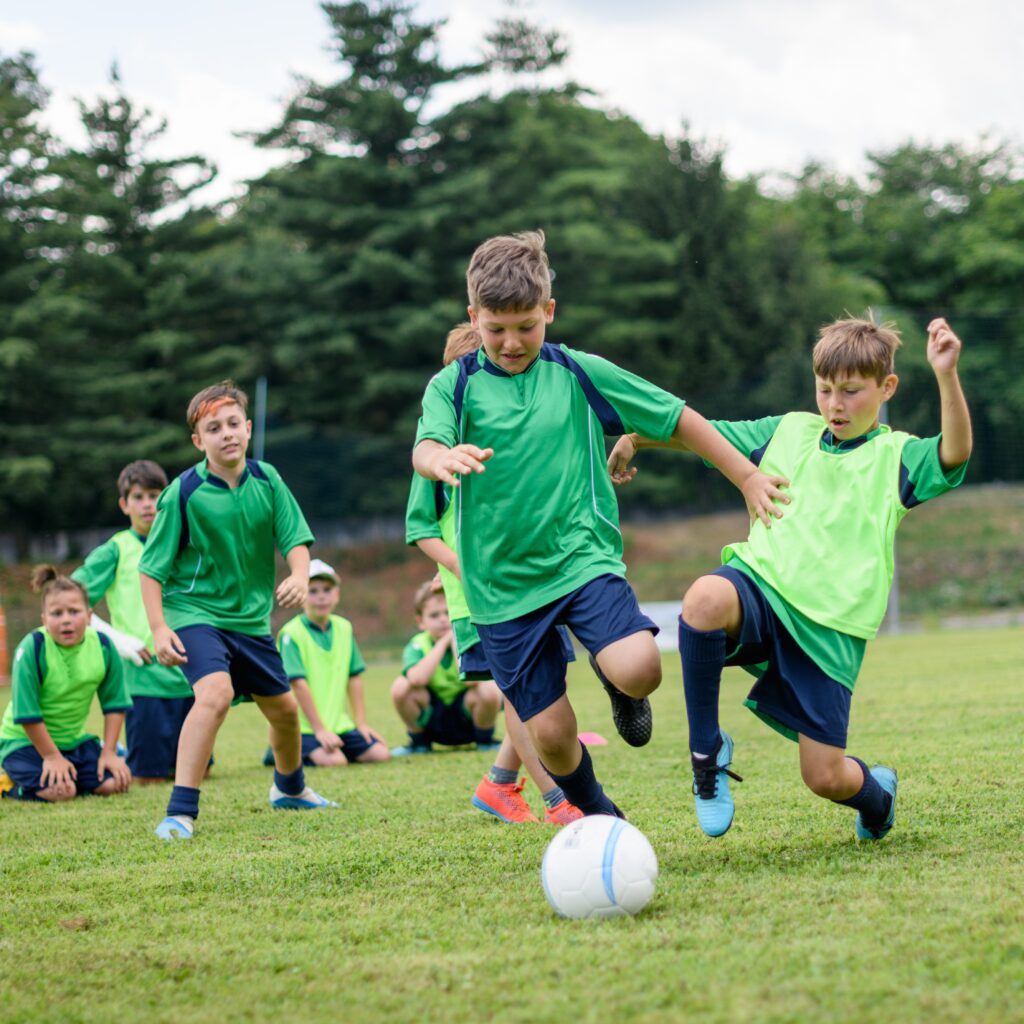
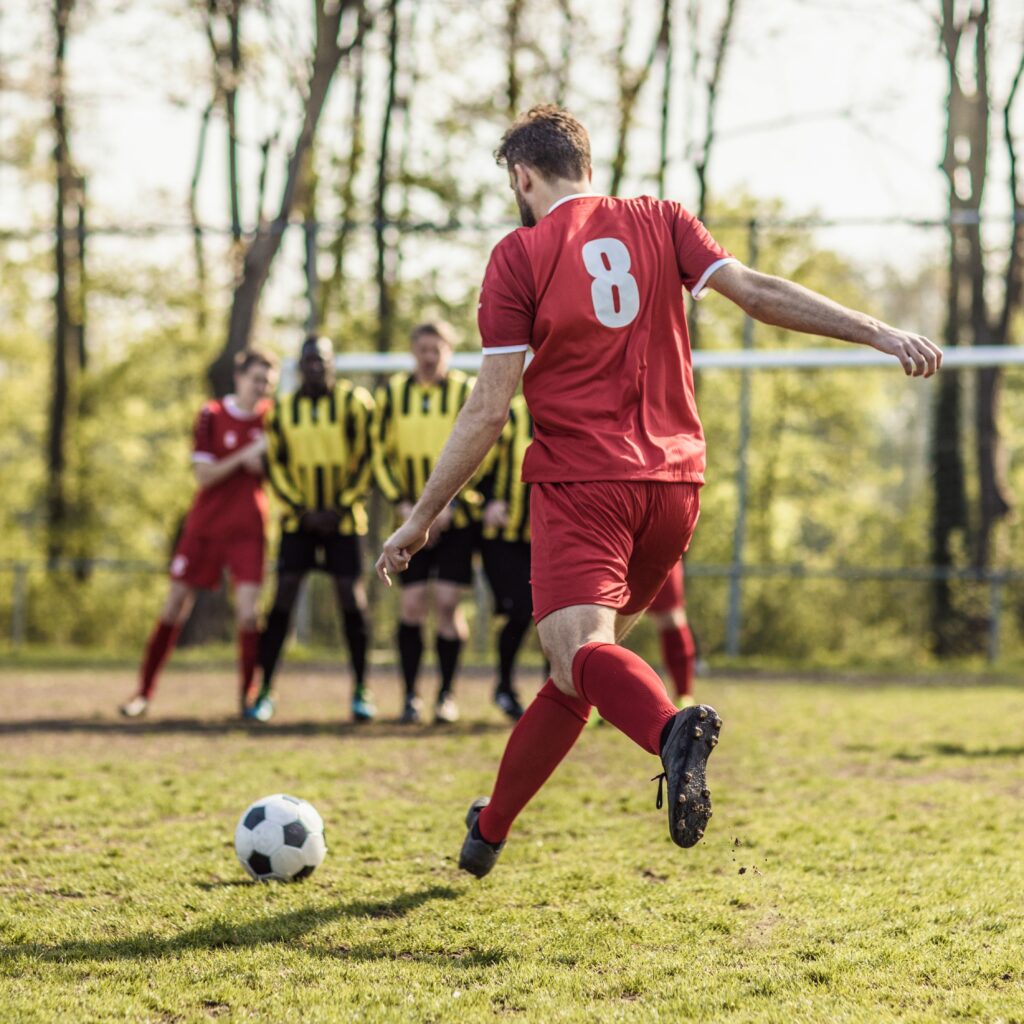
Players primarily use their feet to pass and shoot the ball, while the legs, chest, and head are commonly used to control, redirect, and receive it. Goalkeepers are the only players permitted to use their hands, and only within their own penalty area. A standard match is typically divided into two halves separated by a halftime break, with the team scoring the most goals declared the winner.


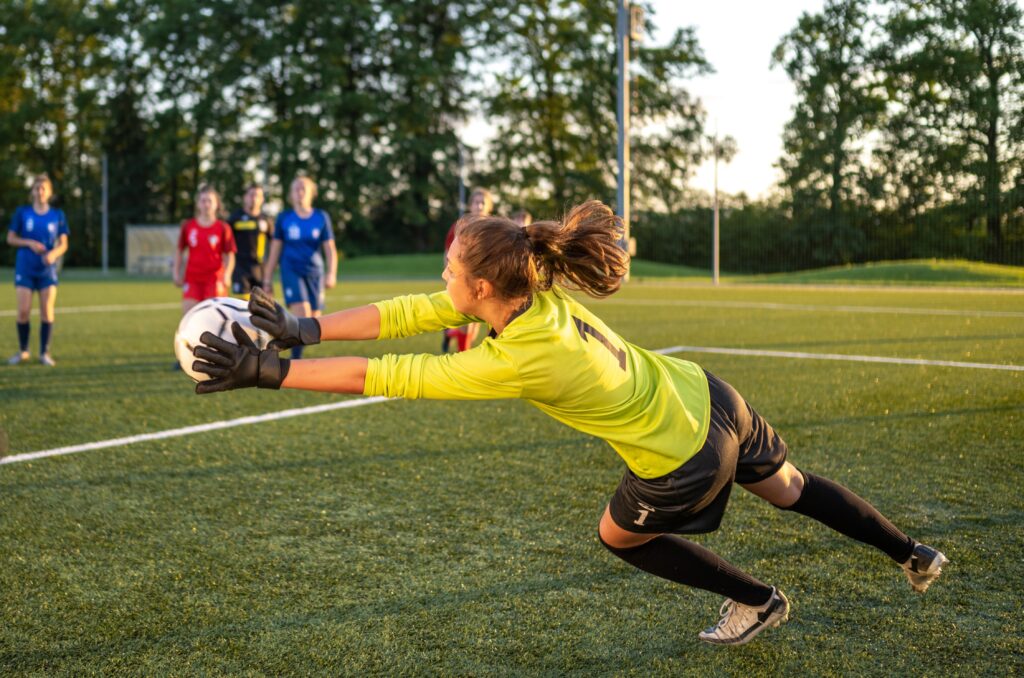
Teams are commonly organized into positional groups that serve different roles during play. Defenders focus on protecting their goal, midfielders connect offensive and defensive play, forwards concentrate on creating scoring opportunities, and goalkeepers guard the net. While positions have specific responsibilities, players continuously adjust and move as the game develops.

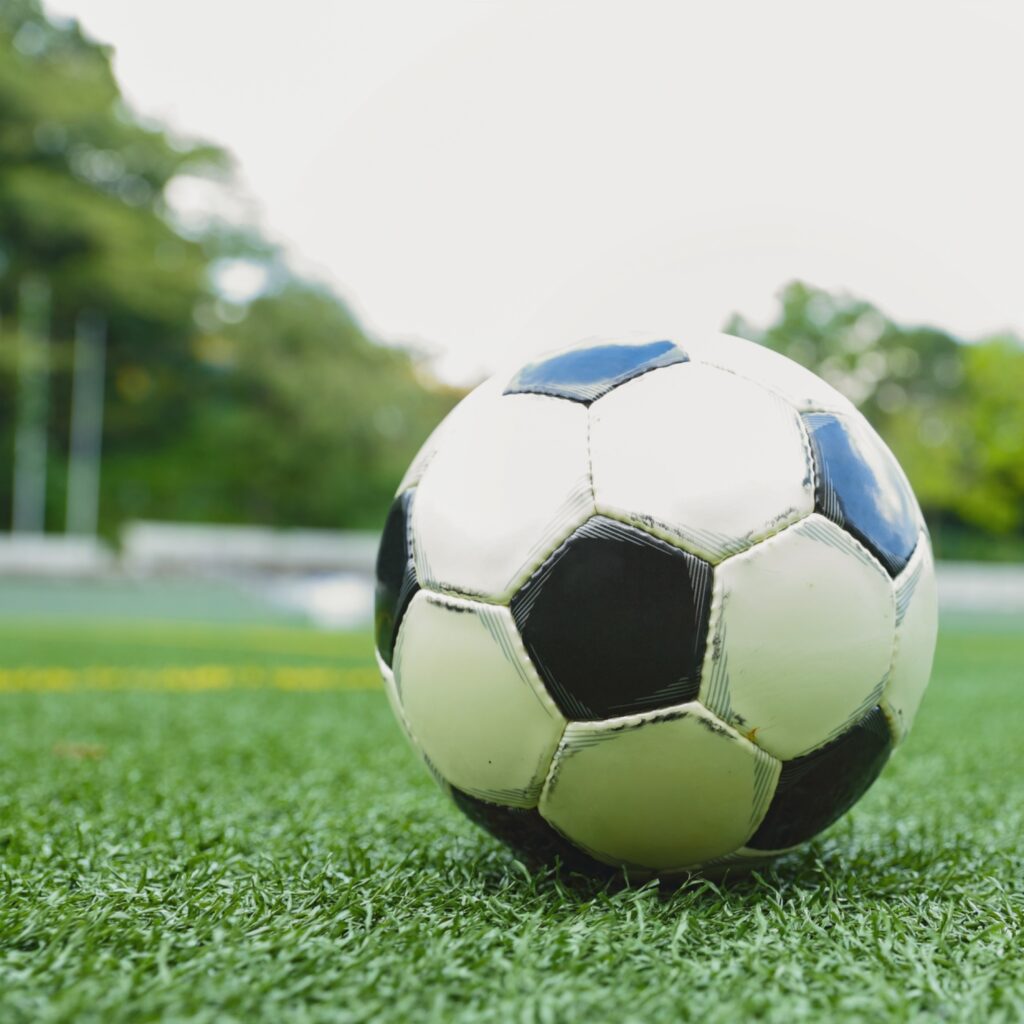
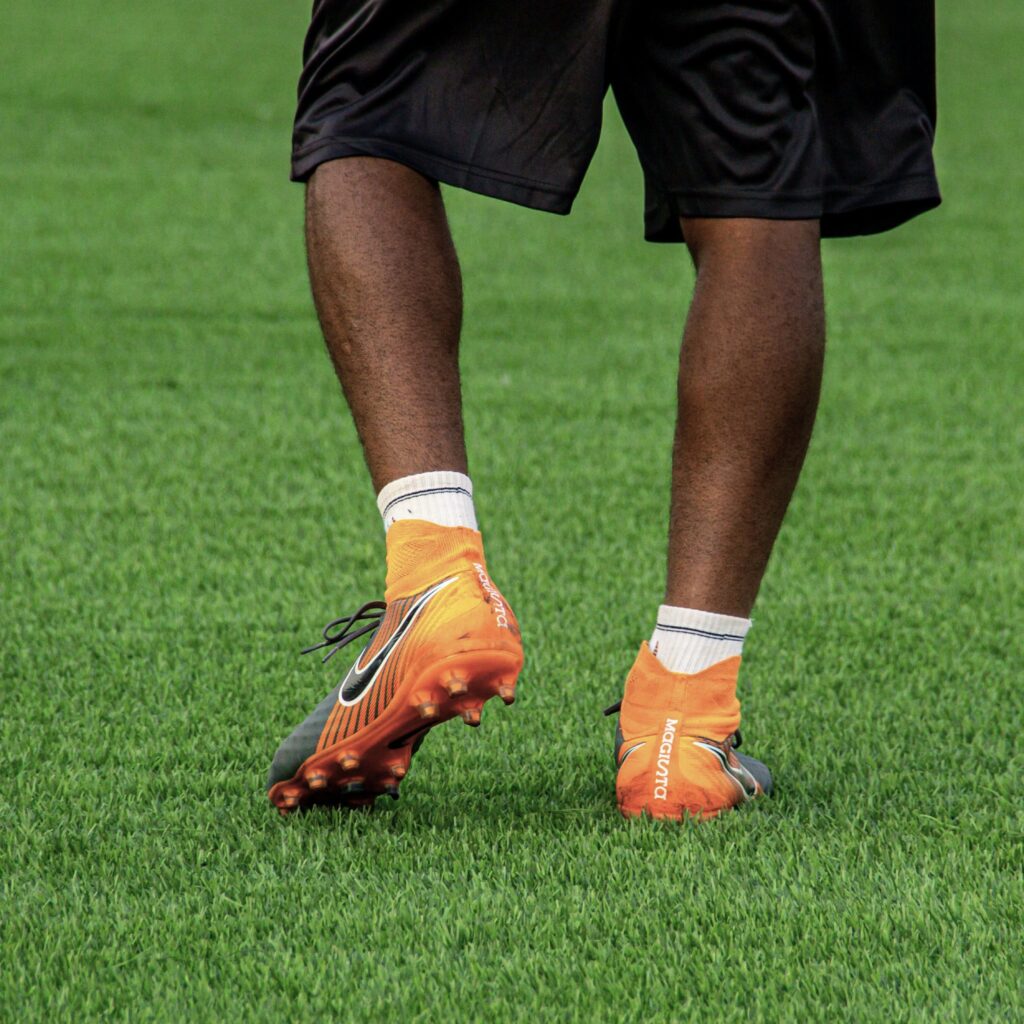
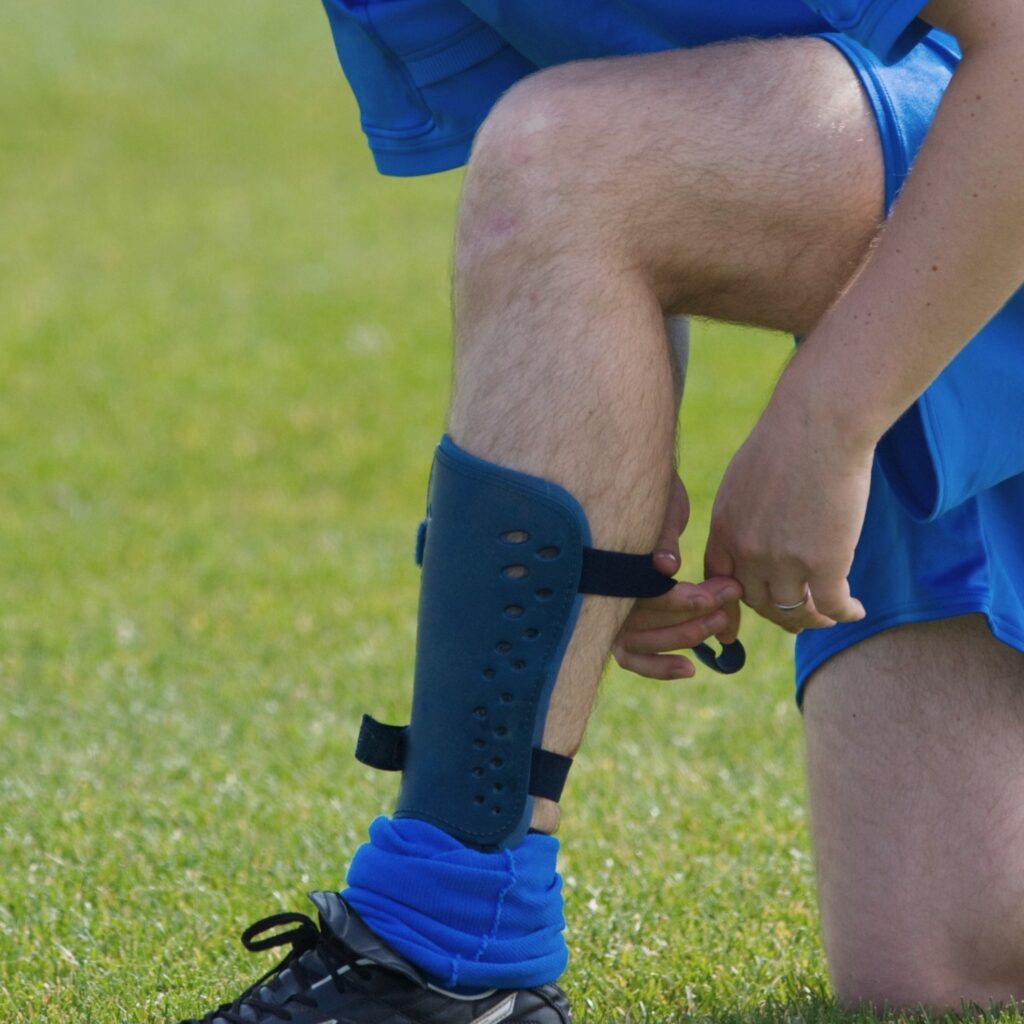
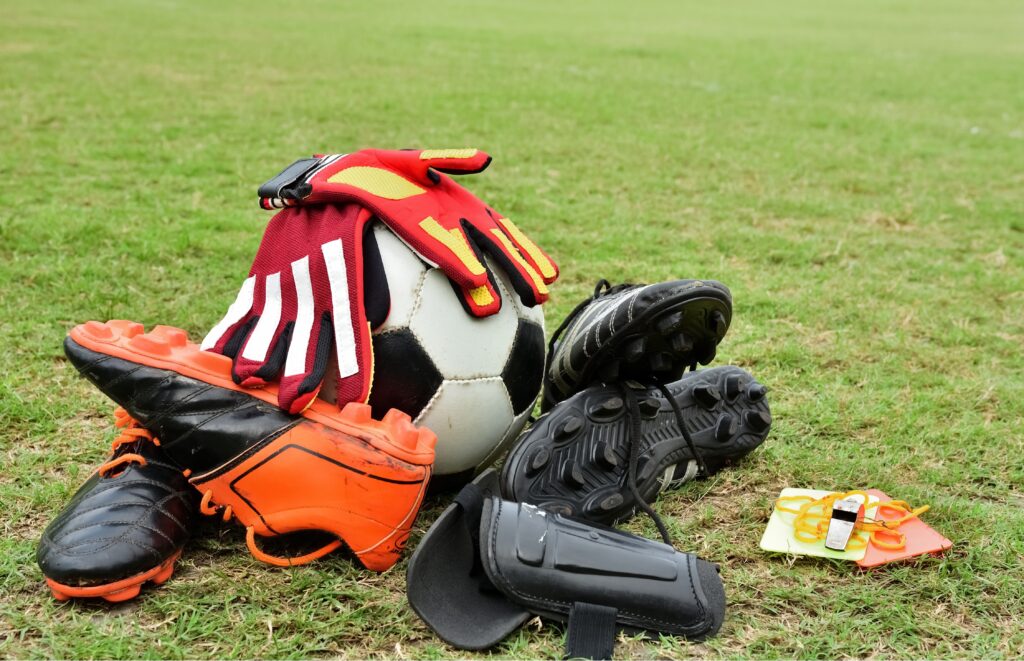
The sport requires relatively little equipment. Organized play typically involves a soccer ball, shin guards, cleats or athletic shoes, goals, and a marked playing field. Recreational games often require far less, making soccer one of the more accessible sports to begin.
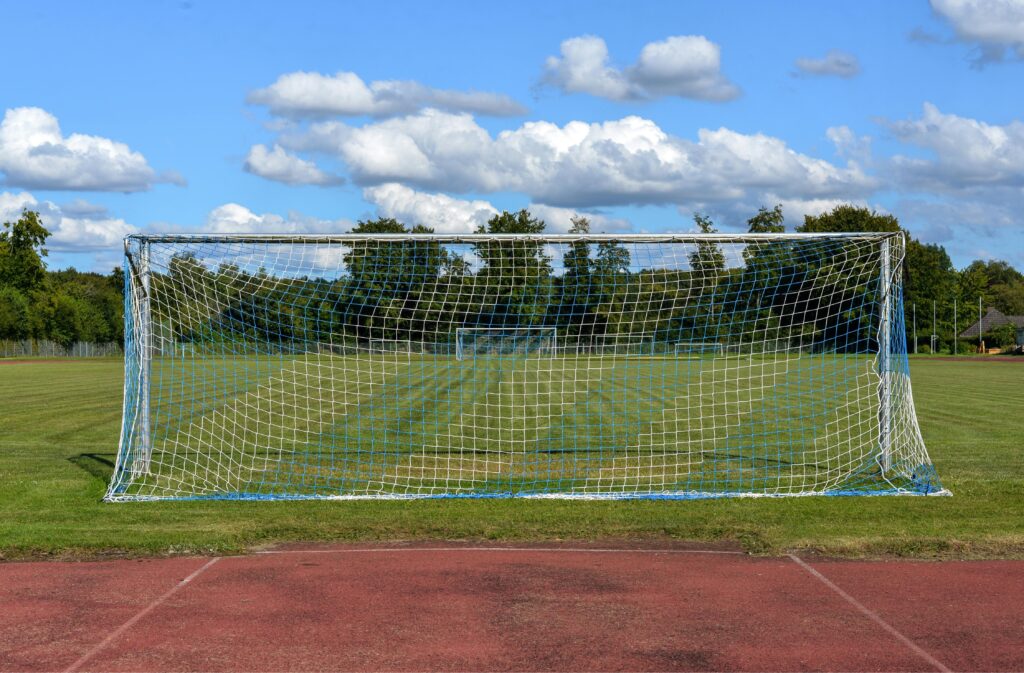
Soccer is played worldwide at recreational, amateur, scholastic, collegiate, and professional levels. Variations such as futsal, indoor soccer, beach soccer, and small-sided recreational formats offer additional ways to participate while maintaining the core principles of the game. Known as football in much of the world, the sport remains one of the most widely played and watched activities on the planet.
The Benefits of Soccer
One of soccer’s most noticeable benefits is its combination of movement and fitness. Players spend much of a game walking, jogging, sprinting, changing direction, and reacting to the action around them. Because the movement is tied to the game itself, many people find themselves exercising without focusing on exercise.

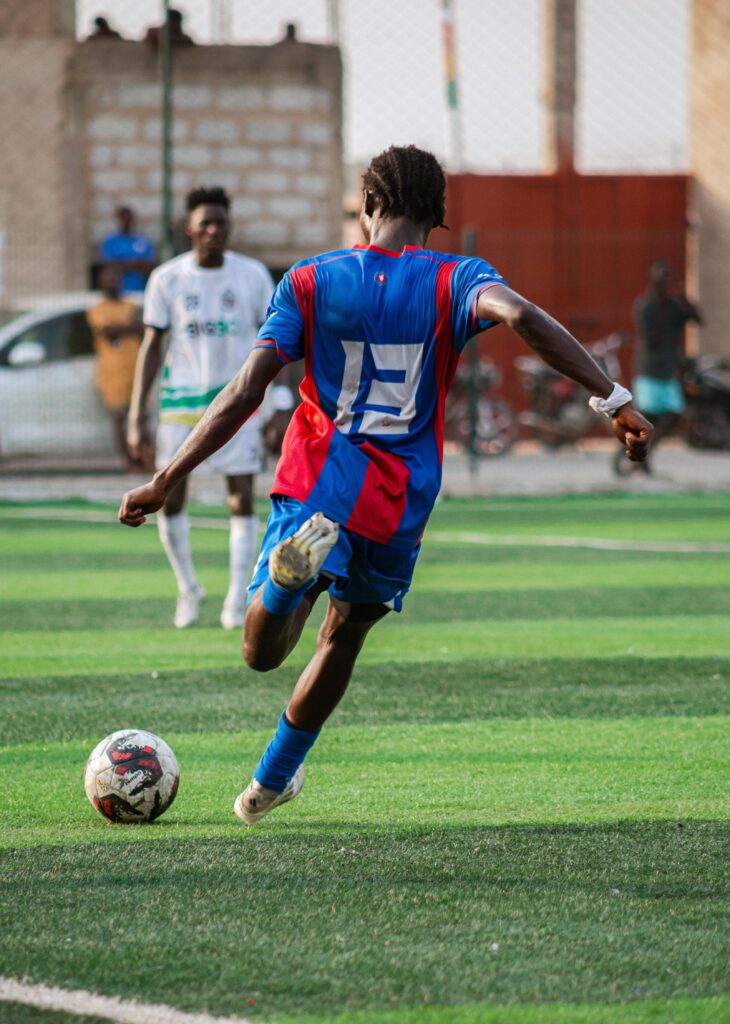
Soccer helps develop coordination and body control through repeated practice with passing, dribbling, receiving, and shooting. Managing movement while controlling a ball challenges balance, timing, and spatial awareness. Over time, skills that once felt difficult become more natural, creating a rewarding sense of progress.
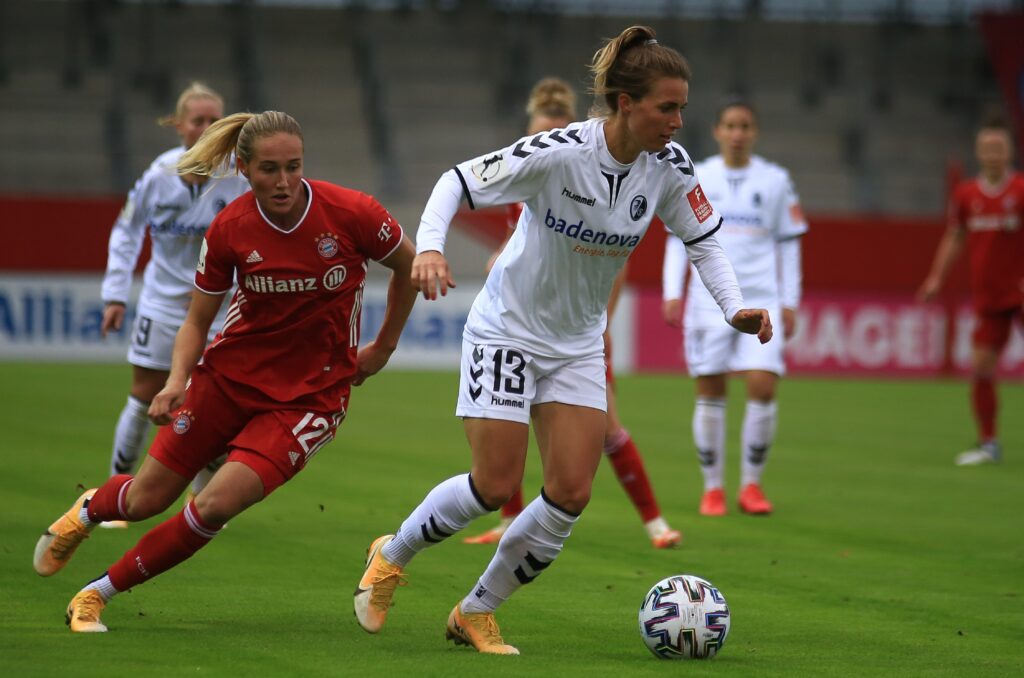
Many players enjoy the sport because it encourages quick thinking and decision making. Every possession creates new possibilities, requiring players to evaluate space, anticipate movement, and make choices in real time. This constant engagement helps keep the mind active and focused throughout play.
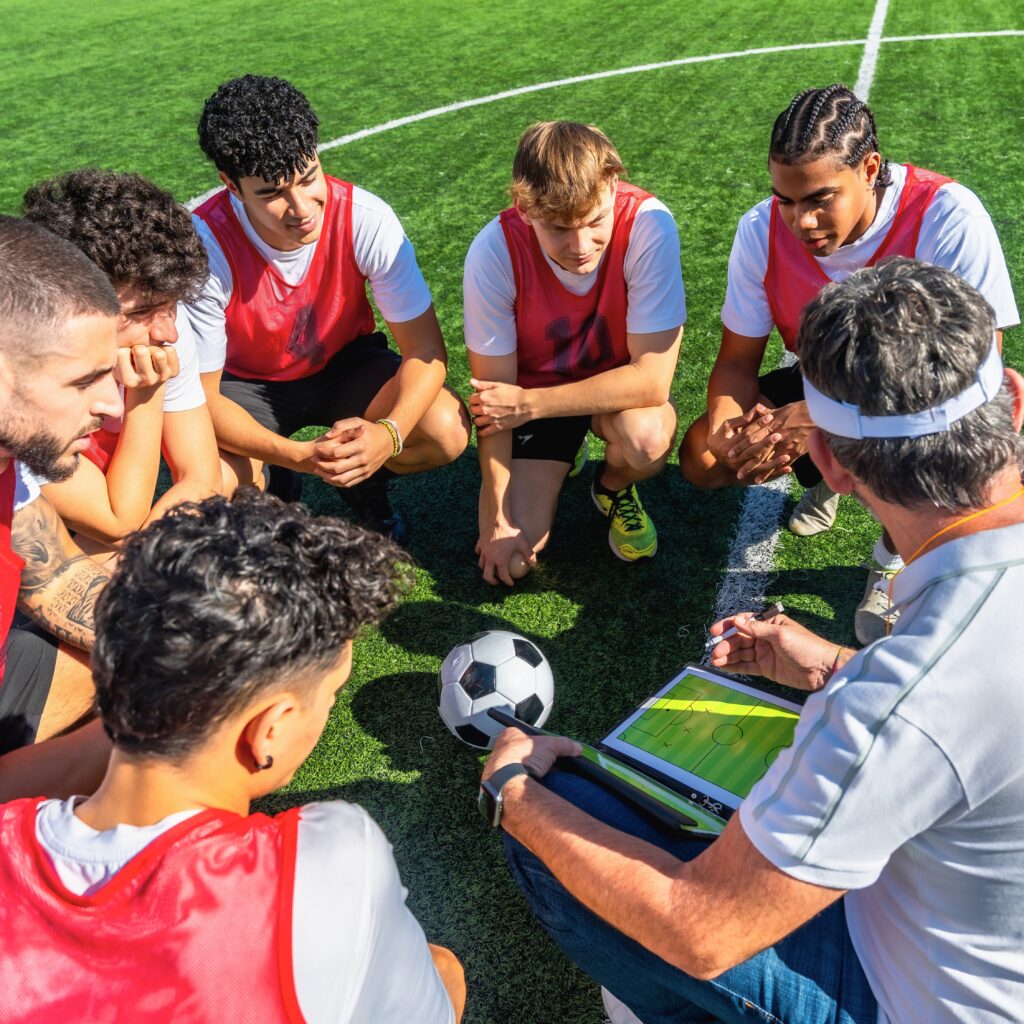
The game naturally builds teamwork and communication skills because success depends on working with others rather than acting alone.
Players learn to trust teammates, recognize strengths, communicate effectively, and contribute to shared goals. These experiences often carry over into school, work, and everyday relationships.
Soccer provides a strong sense of challenge and personal growth. There is always another skill to improve, whether it is passing accuracy, ball control, conditioning, or game awareness.
Many players enjoy the satisfaction that comes from seeing gradual improvement through practice and effort.

The sport offers valuable social connection and community opportunities. Teams, leagues, pickup games, and training groups bring people together around a shared interest. Friendships often develop naturally through practices, games, and the collective experience of working toward common objectives.
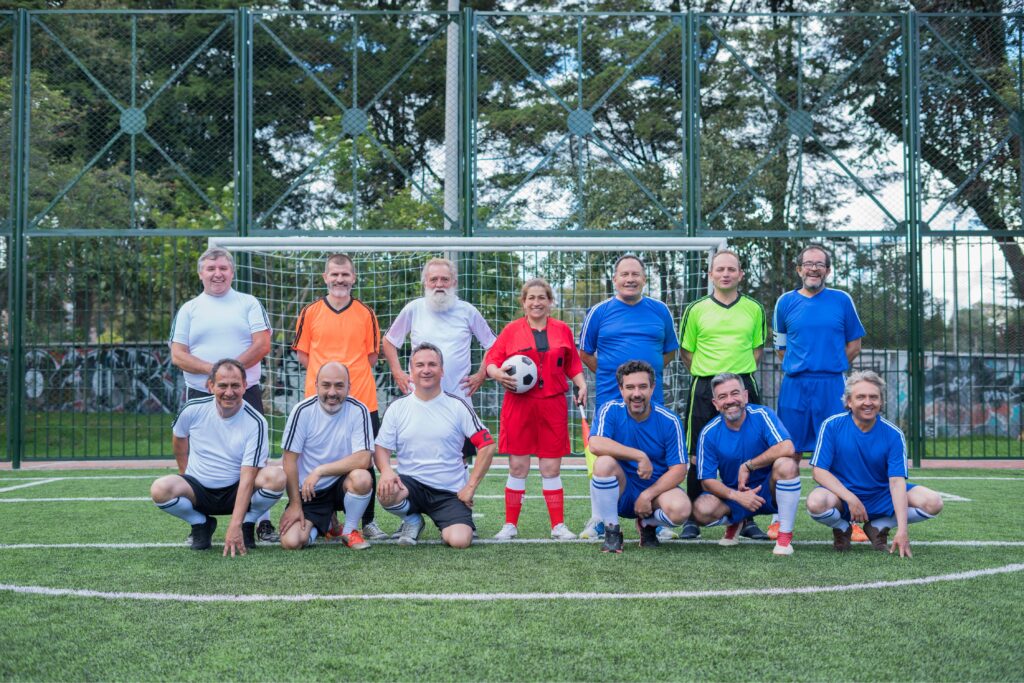
Another advantage is soccer’s accessibility and flexibility. People of many ages and skill levels can participate, and the sport can be adapted to different spaces, schedules, and levels of competition. Whether someone wants serious competition or casual recreation, there is usually a way to participate that fits their lifestyle.
Getting Started
The easiest way to begin is with a soccer ball and a small amount of open space. Before worrying about advanced skills or positions, focus on becoming comfortable controlling the ball with both feet through simple dribbling and passing exercises.

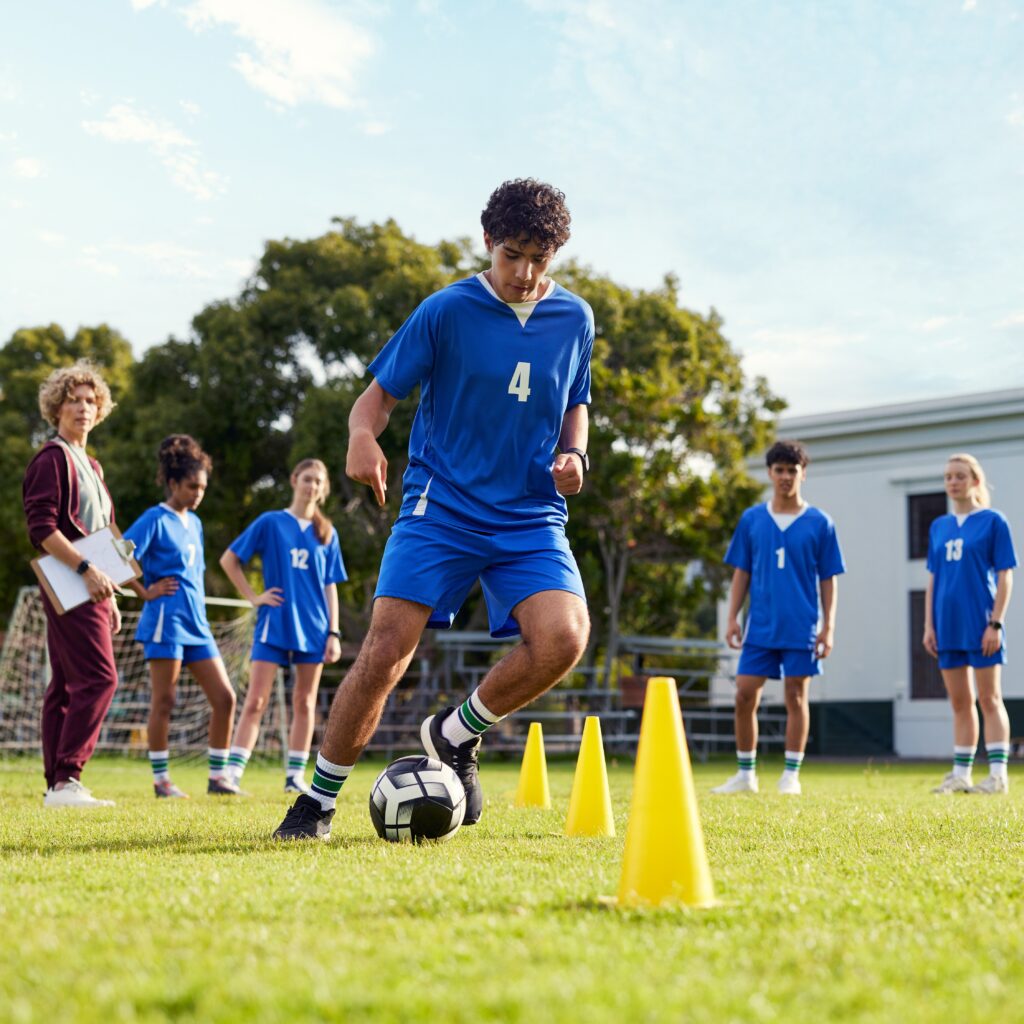
Many beginners find it helpful to practice against a wall, use cones or markers to create simple drills, or spend time working on basic ball control. These activities require minimal equipment while helping build confidence and familiarity with the game.

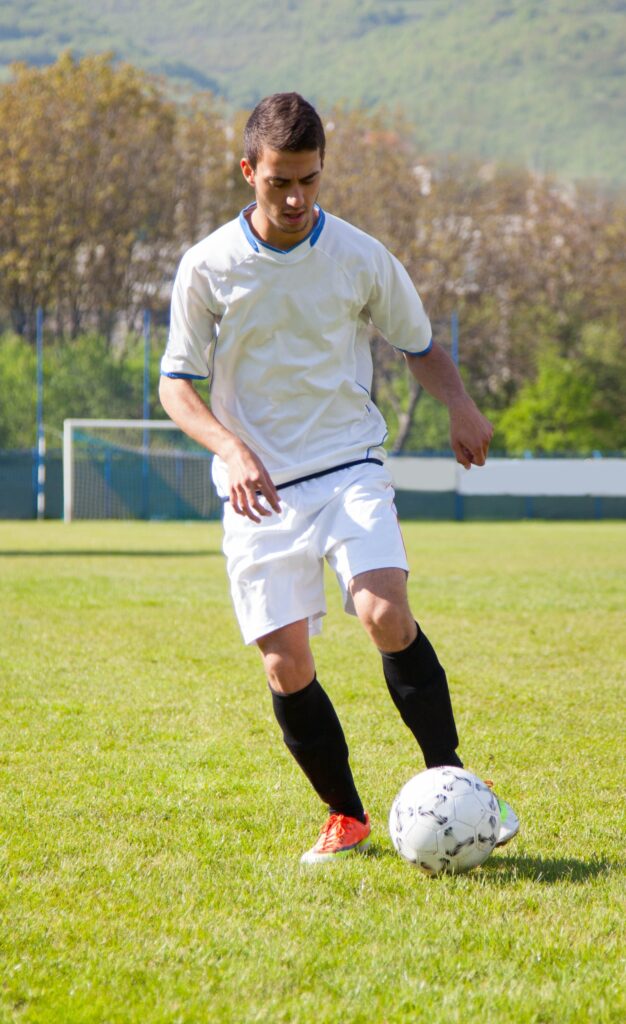

If organized play sounds appealing, local recreation leagues, community programs, school teams, and beginner-friendly adult leagues provide opportunities to learn in a supportive environment. Many programs welcome participants with little or no prior experience.
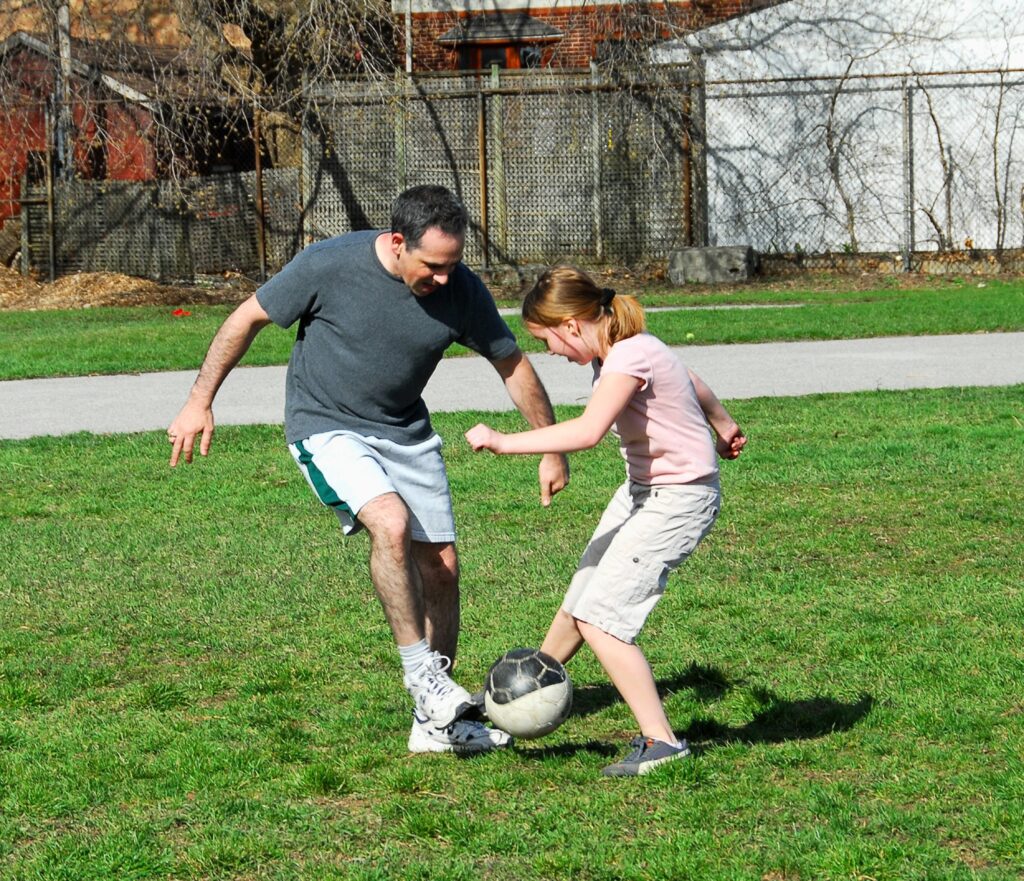
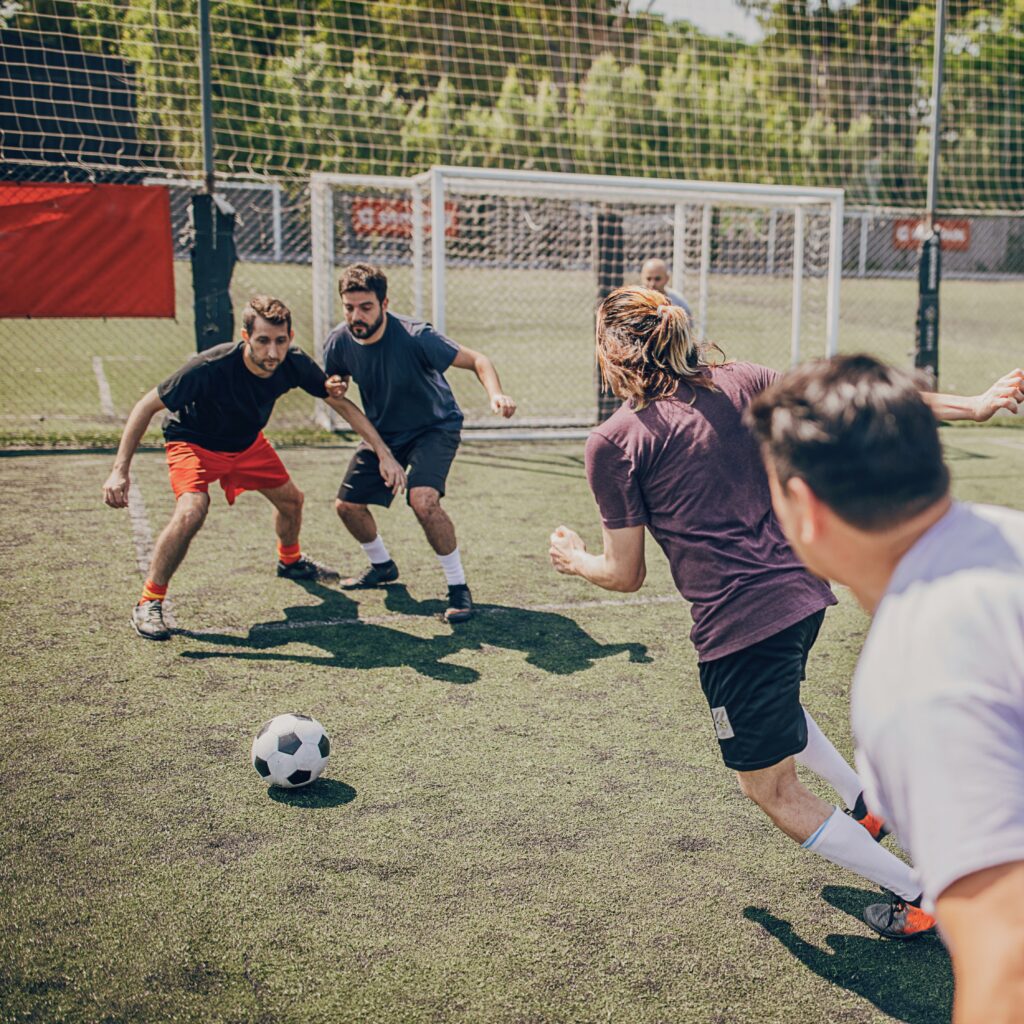
Comfortable athletic clothing, supportive footwear, water, and realistic expectations are often all that is needed to get started. Improvement comes through repetition and experience, so focusing on learning rather than perfection helps keep the process enjoyable.
Resources
Local parks and recreation departments are often one of the easiest places to begin. Many communities offer youth leagues, adult recreational leagues, beginner clinics, and seasonal programs that provide structured opportunities to learn the game without a major commitment.
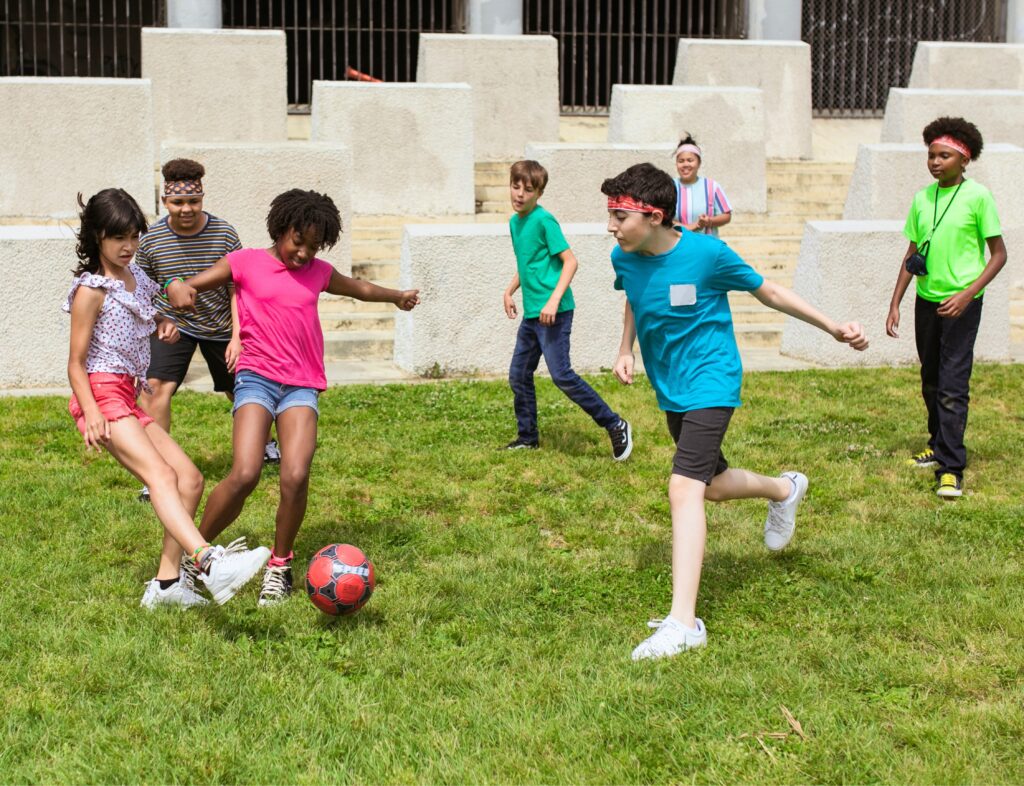
Schools, community centers, and sports organizations frequently host camps, training sessions, and developmental programs for a variety of ages and skill levels. These programs can be especially helpful for players who want coaching, regular practice, and a supportive learning environment.
Online video platforms offer thousands of free tutorials covering dribbling, passing, shooting, positioning, and game strategy. Watching demonstrations can make new concepts easier to understand and provides ideas for practicing independently between games or training sessions.

Mobile training and fitness apps can help players improve conditioning, agility, flexibility, and strength. While technical skills are important, many players discover that improved fitness helps them enjoy the game longer and perform more comfortably on the field.
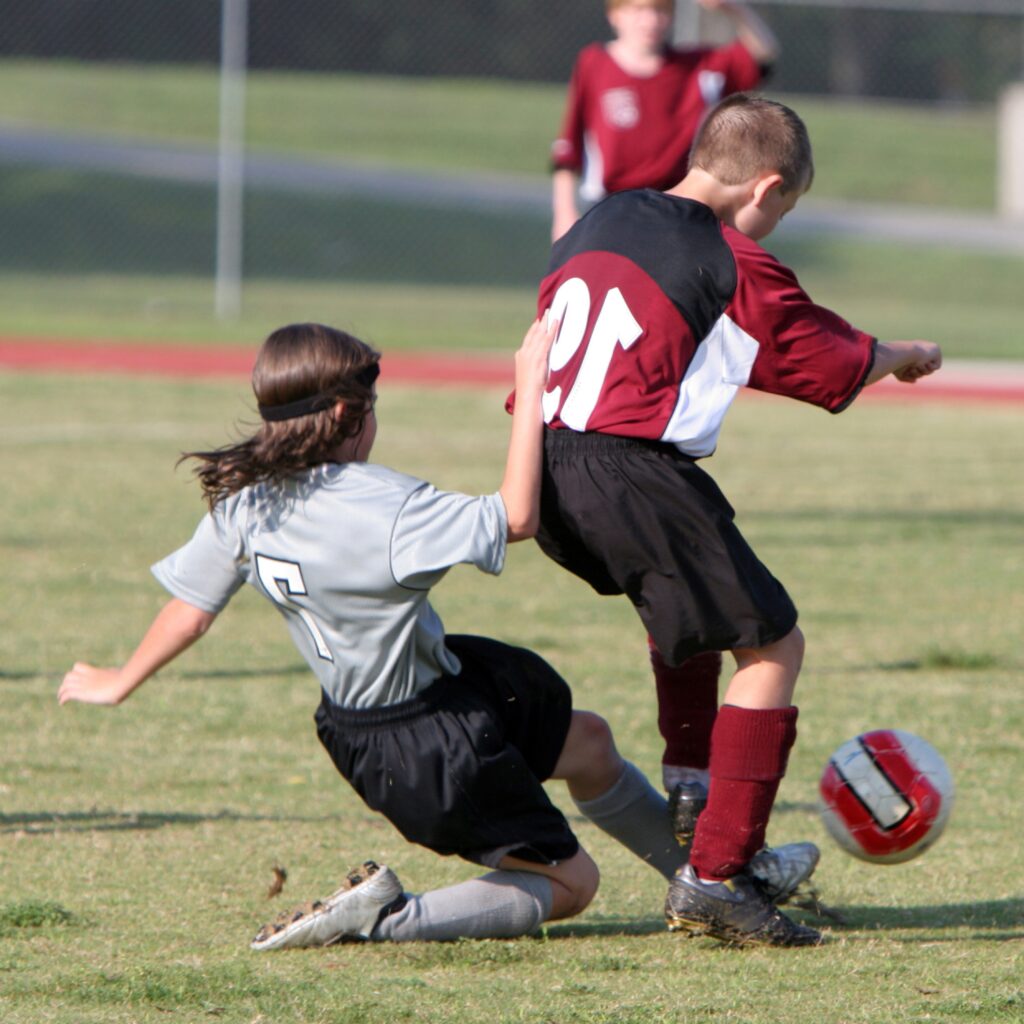
Sporting goods stores and online retailers offer beginner-friendly equipment ranging from soccer balls and shin guards to portable goals and training cones. Starting with a quality ball and a safe place to practice is often enough for most new players.
Local pickup groups, recreational leagues, and community social media pages can be excellent places to find informal games. These settings often provide a relaxed way to gain experience, meet other players, and enjoy the sport without the pressure of formal competition.

Watching matches can also be a valuable learning tool. Whether it’s a local youth game, a college match, or professional competition, observing how players move, communicate, and position themselves can improve understanding of the game in ways that are difficult to learn from drills alone.

Safety and Tips
Start sessions with a few minutes of light movement and stretching, especially if you have been sitting for much of the day. Warming up helps prepare the body for quick changes of direction, sprinting, and other movements that are common during play.
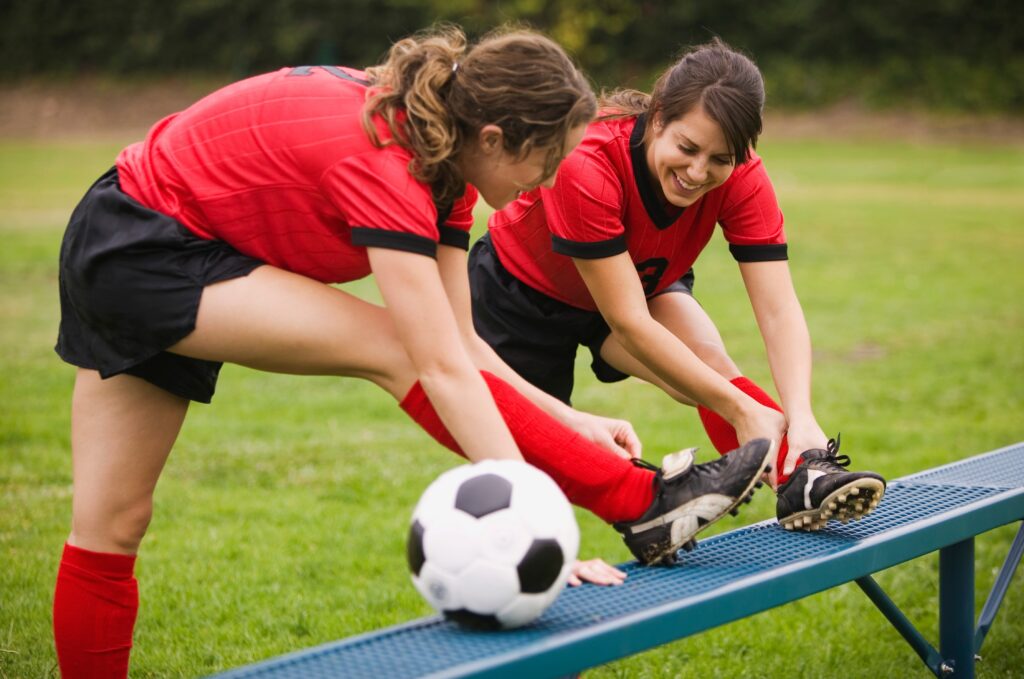
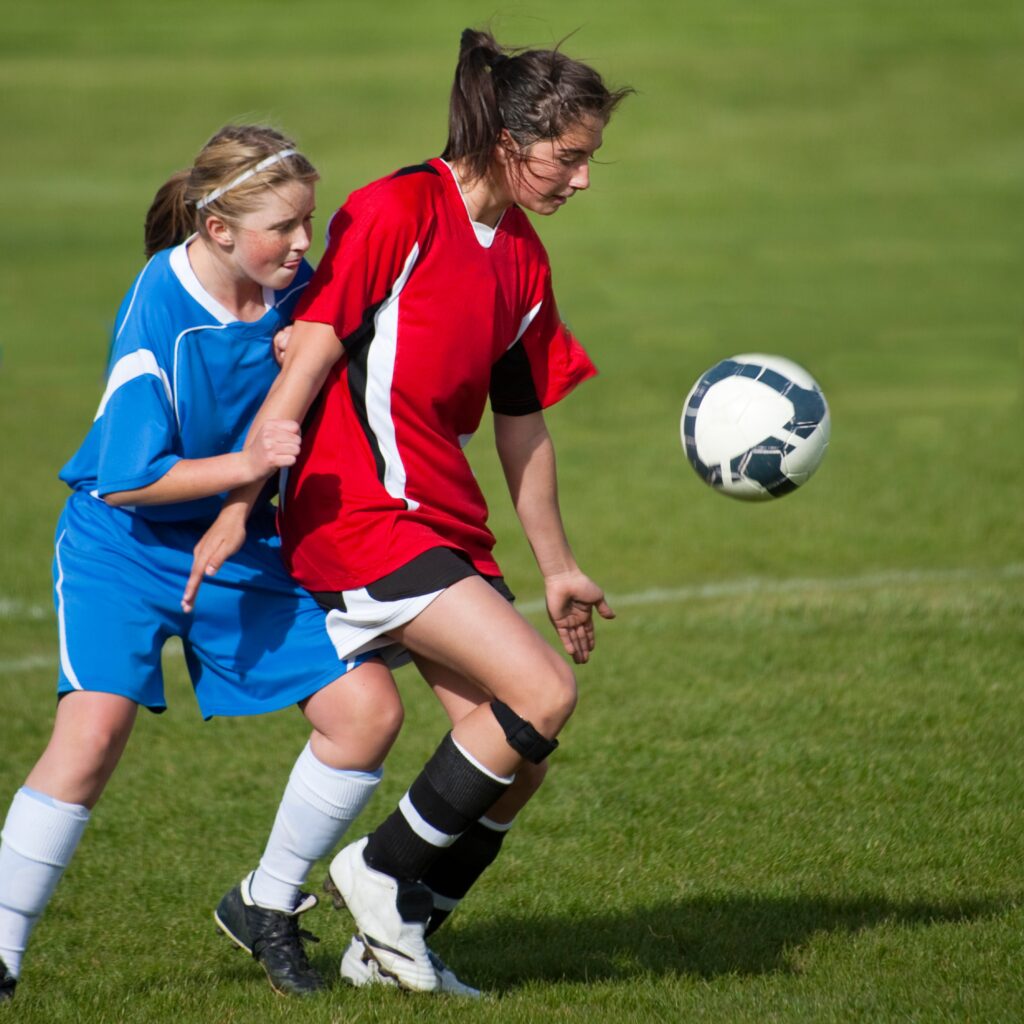
Wear appropriate footwear and shin guards when participating in organized games. Proper equipment improves comfort and helps reduce the risk of common injuries, particularly during physical play and accidental contact.
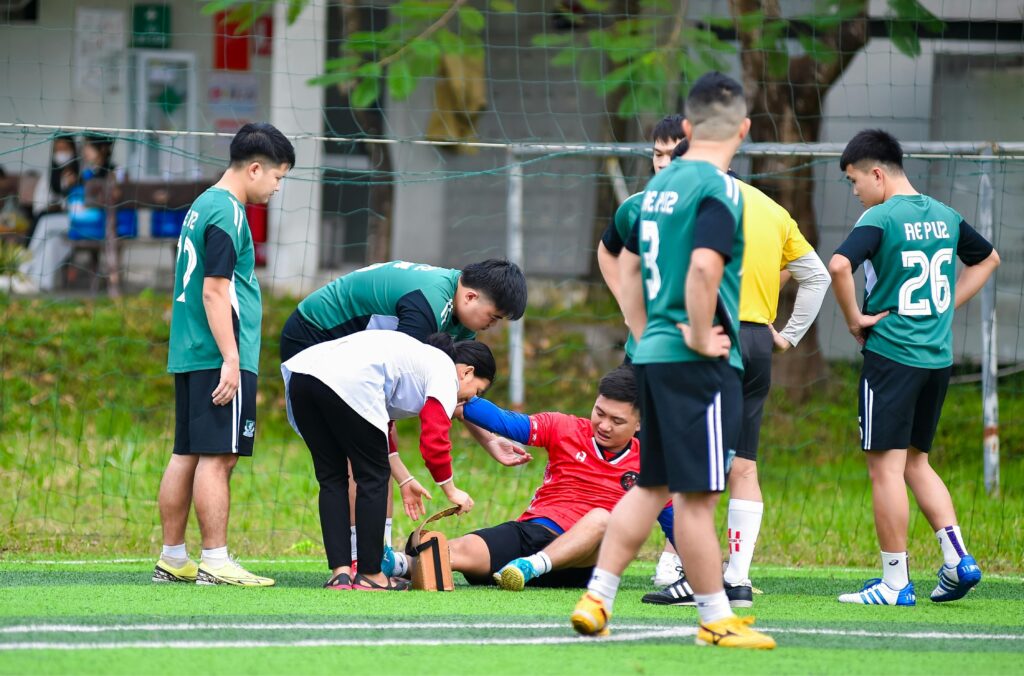
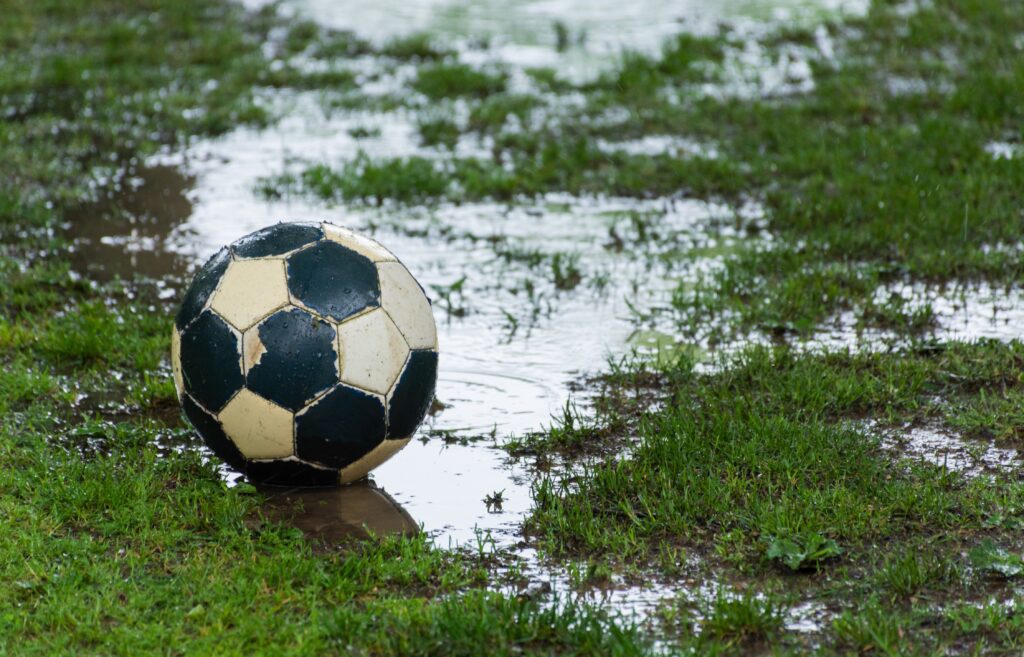
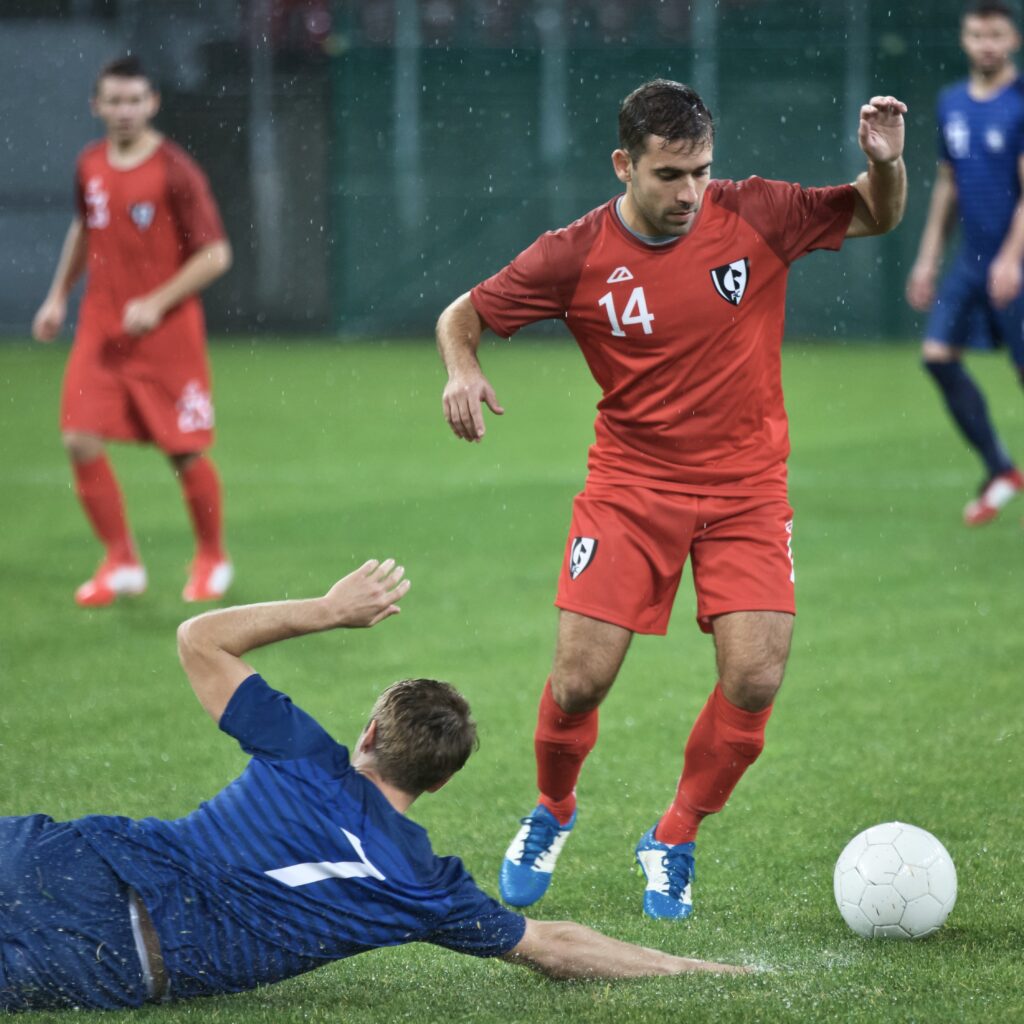
Pay attention to field conditions before playing. Uneven ground, holes, wet grass, or slippery surfaces can increase the likelihood of falls and injuries. Taking a quick look at the playing area before a match is often time well spent.
Focus on consistent practice rather than occasional marathon sessions. Fifteen or twenty minutes of regular ball work often produces better results than spending several hours practicing once every few weeks. Small improvements tend to build confidence and skill more effectively over time.

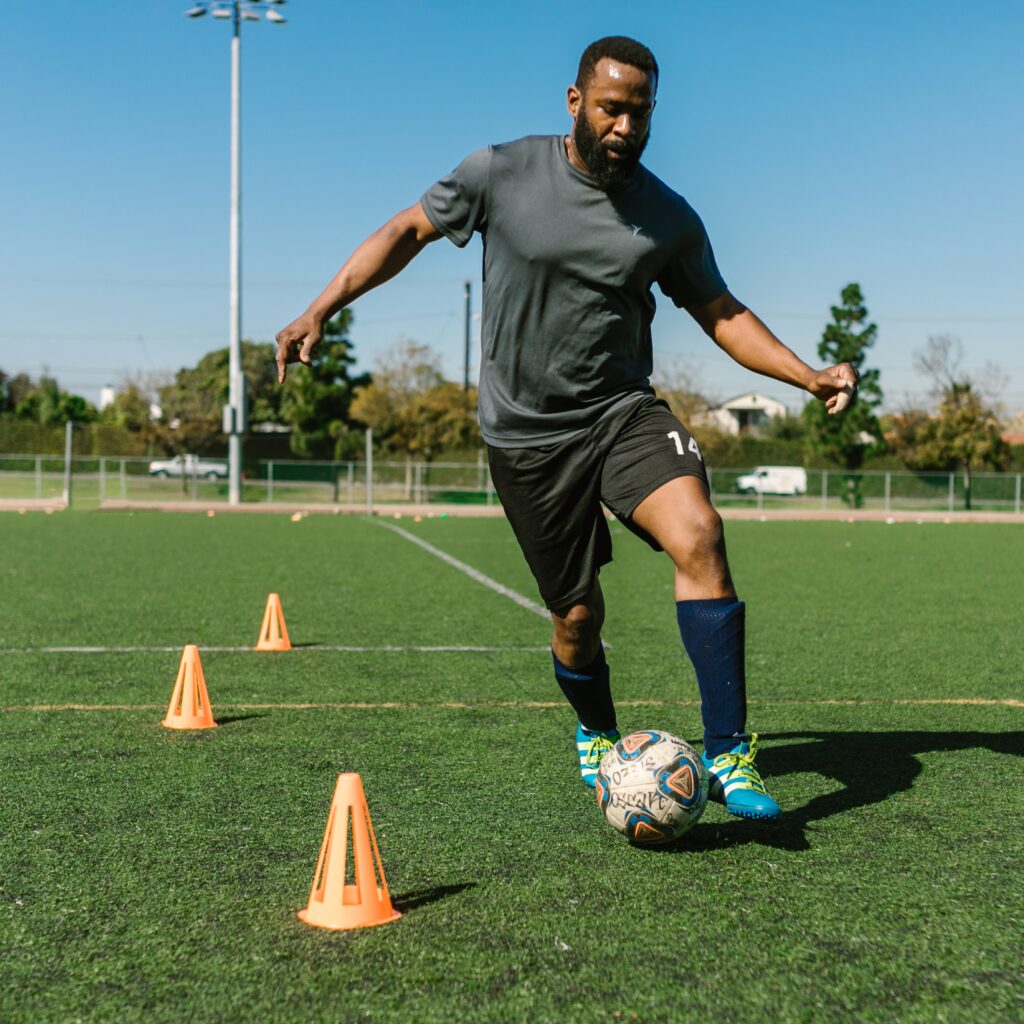
Spend time becoming comfortable with both feet whenever possible. Most players naturally favor one side, but learning to pass, receive, and control the ball with either foot creates more options during games and makes movement feel more natural.
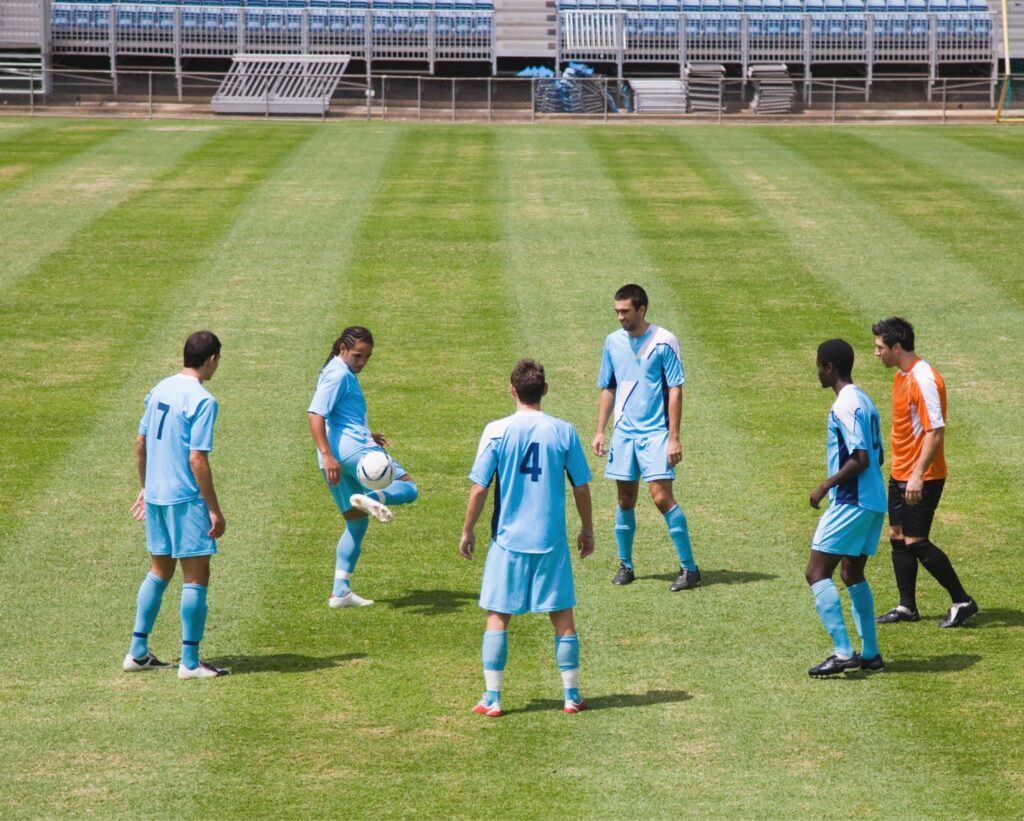
Learn to look beyond the ball. New players often focus entirely on the ball itself, while experienced players spend much of their attention scanning the field.

Developing awareness of teammates, opponents, and open space helps improve decision-making and overall game understanding.
Stay aware of weather conditions, hydration, and energy levels, particularly during hot weather or extended activity.
Soccer involves more running than many people expect, and proper hydration helps keep the experience enjoyable and sustainable.
Stay aware of weather conditions, hydration, and energy levels, particularly during hot weather or extended activity.
Soccer involves more running than many people expect, and proper hydration helps keep the experience enjoyable and sustainable.
Most importantly, remember to enjoy the game itself. Some players thrive on competition, while others simply enjoy being active and spending time with teammates and friends. The people who stay involved longest are often the ones who find ways to appreciate the process, not just the outcome.
Final Thoughts
Soccer has remained one of the world’s most popular sports because it offers something for a wide range of people. Some enjoy the competition, some enjoy the teamwork, and others simply enjoy spending time outdoors moving and being active.
The game can be played at many different levels, but the core experience remains remarkably simple: a ball, a goal, and the opportunity to improve a little each time you play.

Have you ever played soccer, or is it a sport you would like to try?
Leave a Reply