Some hobbies ask a lot of you upfront. Flower gardening is not really one of them.
You can start with a single pot and a packet of seeds that costs less than a coffee. From there, it is mostly just showing up. Watering, watching, occasionally Googling why something looks a little droopy. The process is slow in a way that feels good, like a project that does not demand your full attention but still gives something back every time you check in.
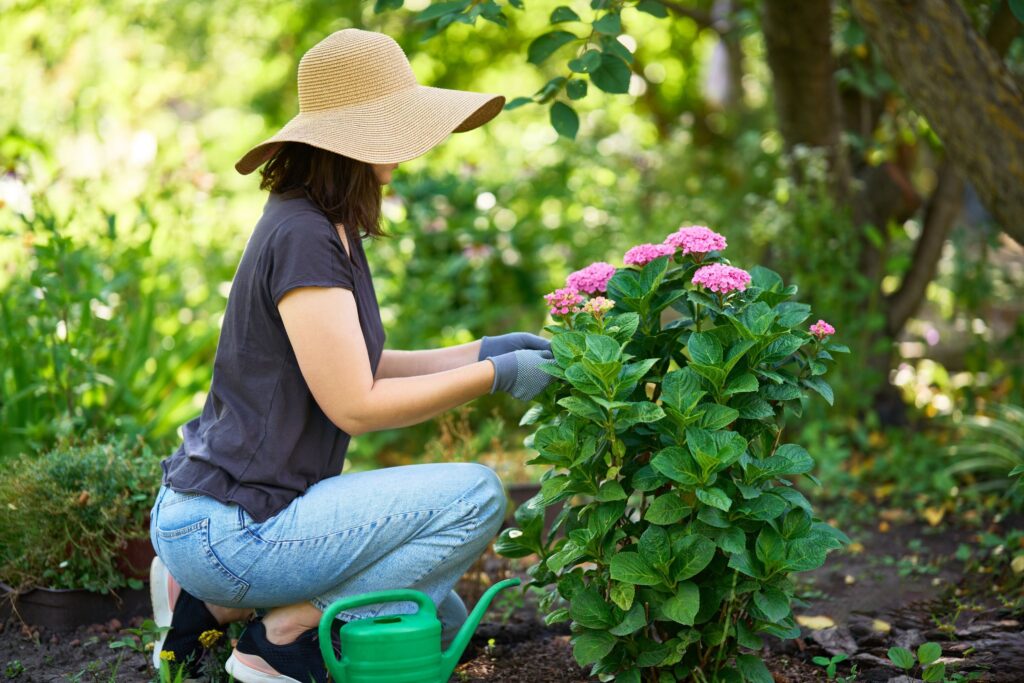
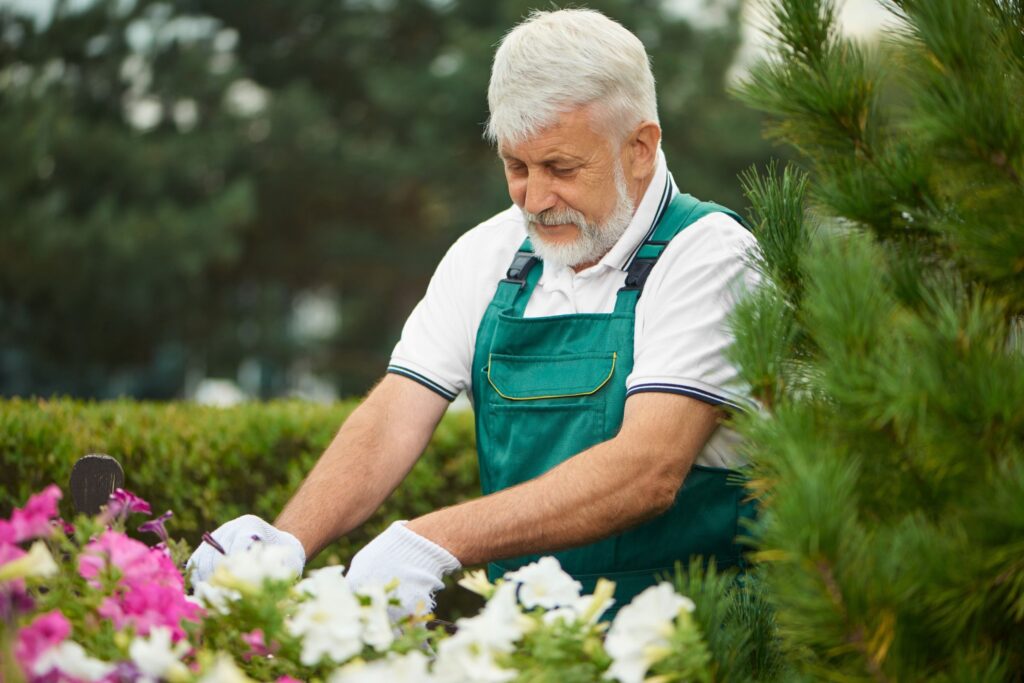
There is also something genuinely satisfying about growing something you can see. A seed becomes a sprout, a sprout becomes a bloom, and at some point you realize you grew that. It does not take long before you start noticing light, soil, and seasons in a way you did not before.
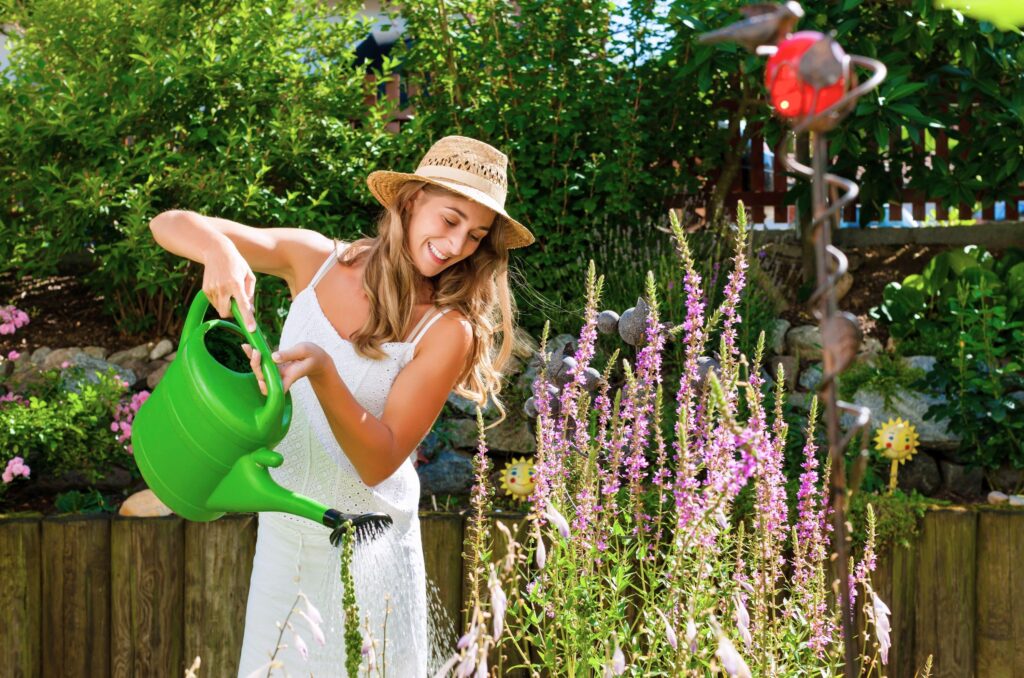
Whether you have a backyard, a balcony, or just a sunny windowsill, flower gardening can fit into your space. This week, we are covering the basics, highlighting the benefits, and offering a few tips on how to get started.
What is Flower gardening?
Flower gardening is the practice of growing flowering plants in a designated space, whether that is a garden bed, a container, a raised planter, or anywhere that gets enough light and drains well.
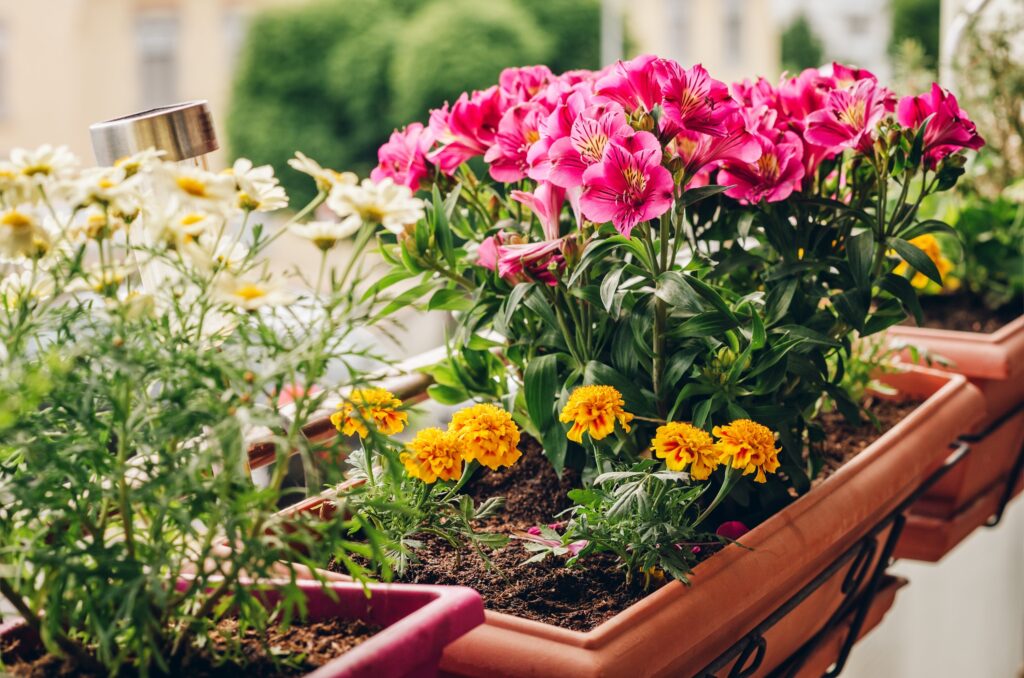
It can be done in backyards, on balconies, along driveways, or on a simple windowsill. The space does not need to be large or formal. Most people start by choosing plants suited to their climate and available sunlight, then deciding between seeds or starter plants from a nursery.
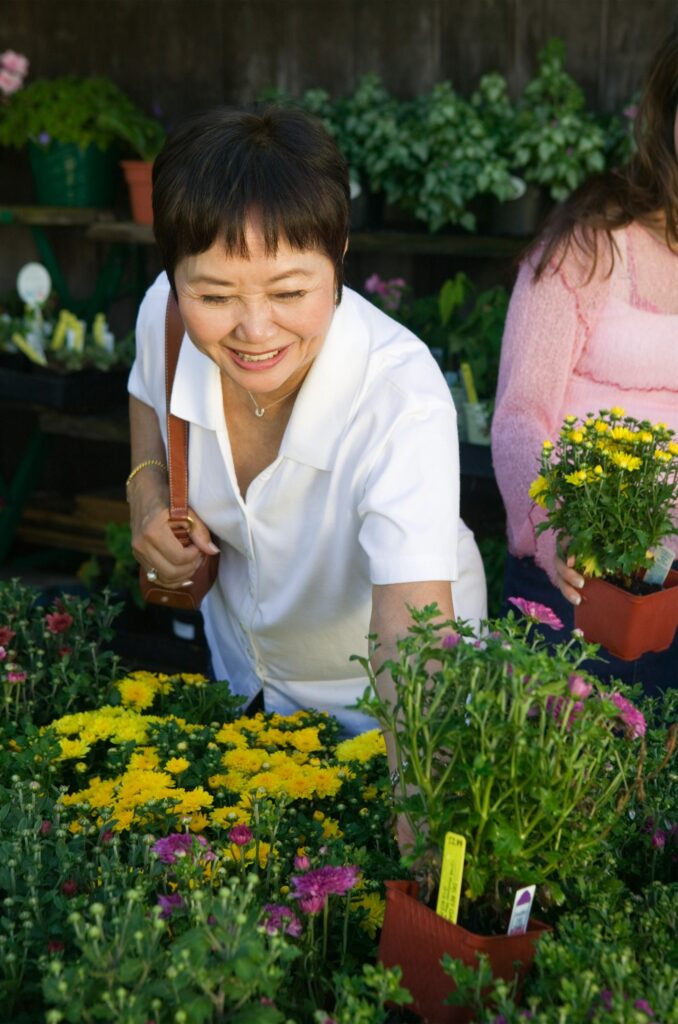
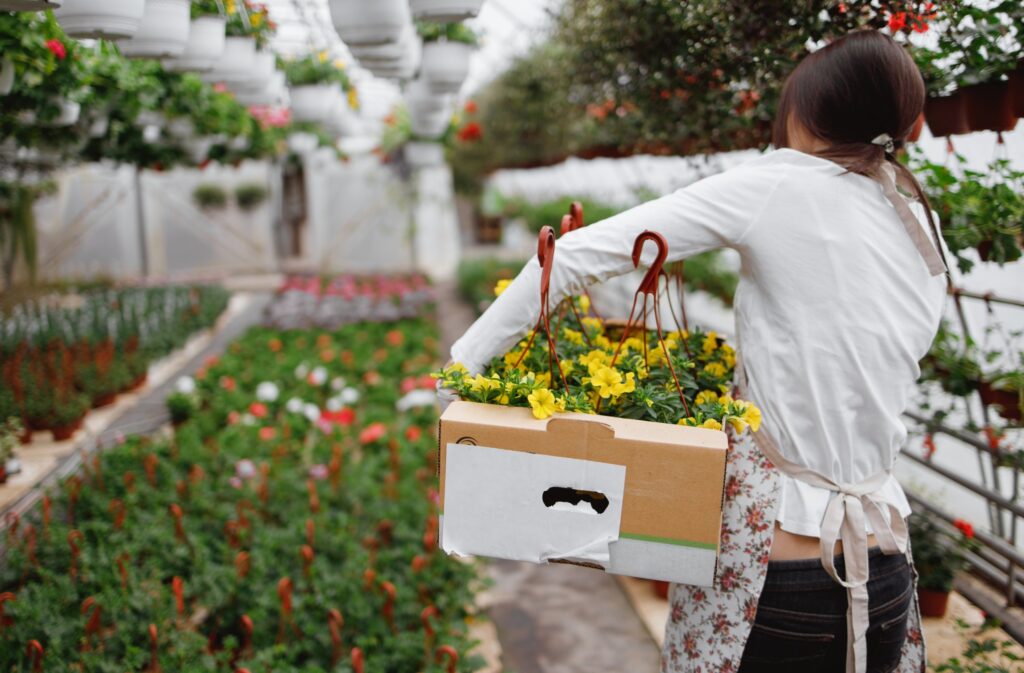
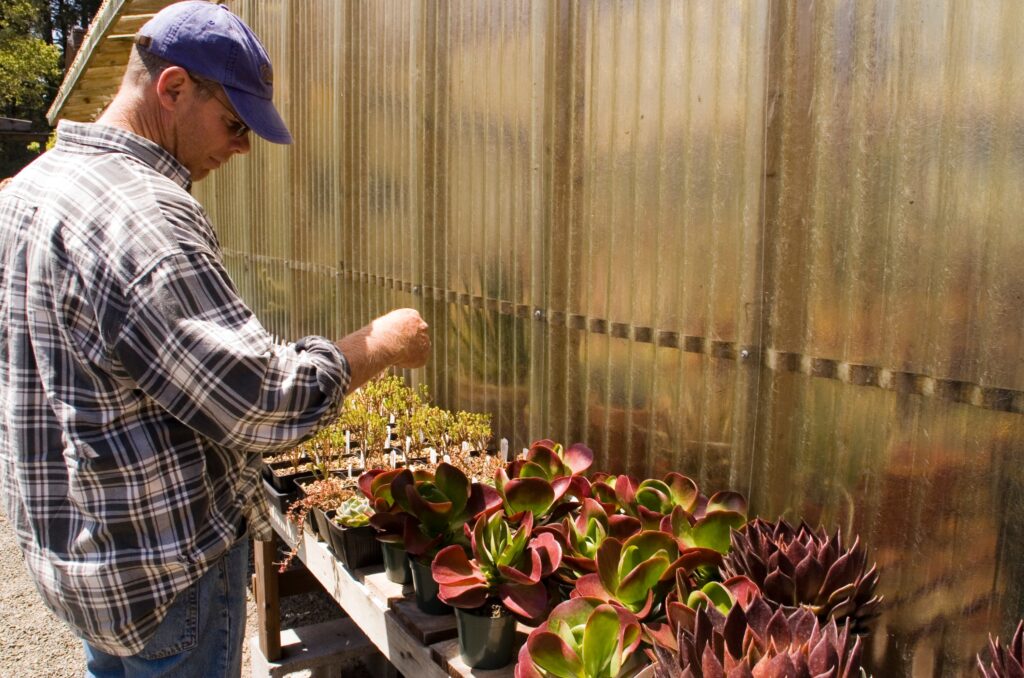
Seeds are usually more affordable and offer more variety, while starter plants are easier and quicker to flower. From there, the core tasks are consistent watering, occasional fertilizing, trimming spent blooms to encourage new ones, and keeping an eye on how the plants are doing.
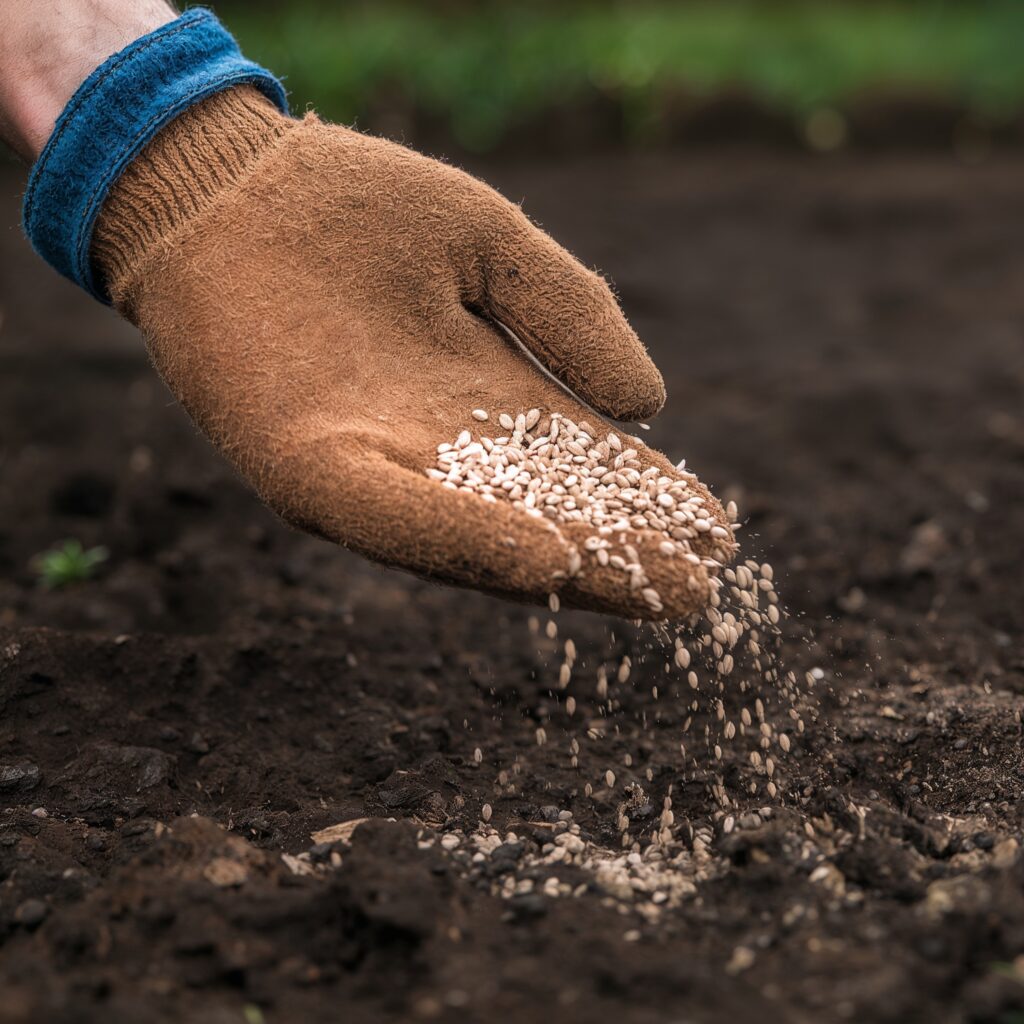
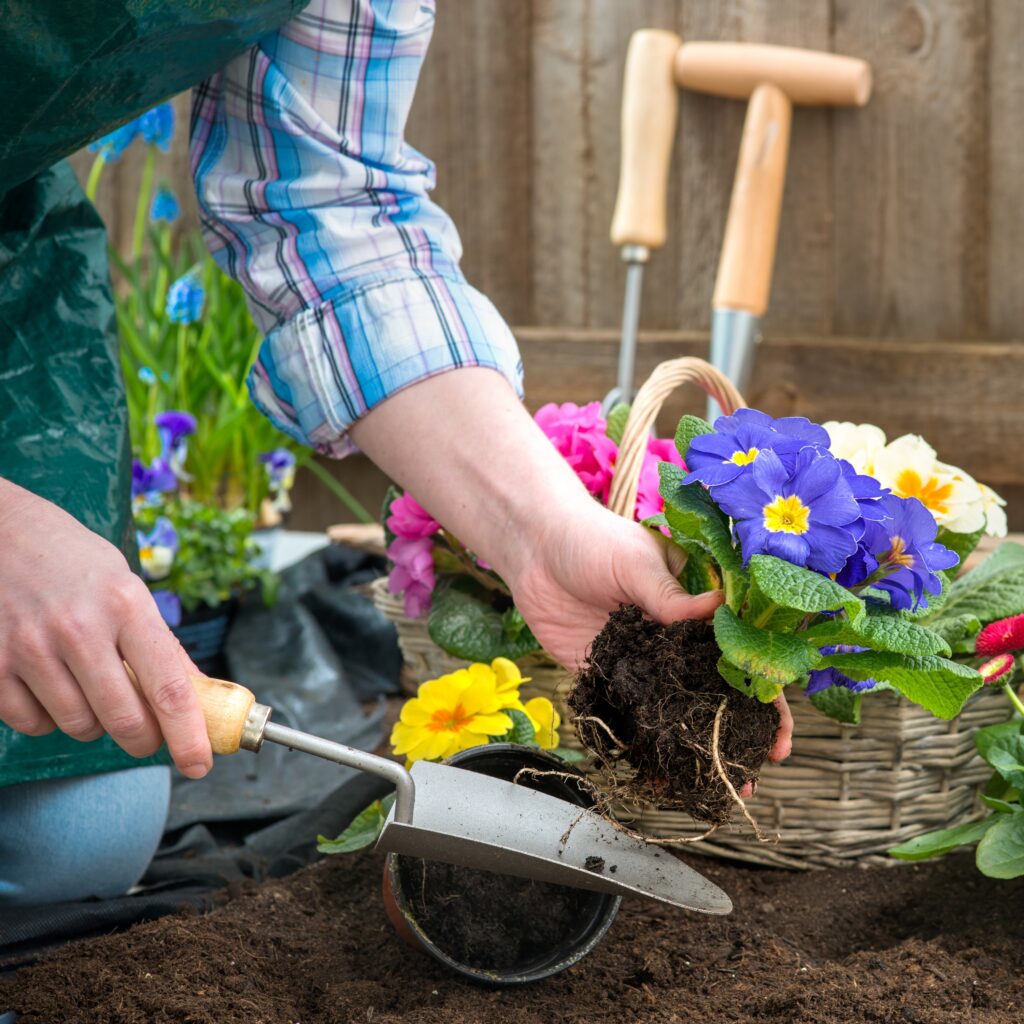
Flowering plants generally fall into a few categories worth knowing. Annuals complete their full cycle in one season and need to be replanted. Perennials die back and return year after year. Biennials take two years to flower. Most beginner gardens use a mix of annuals for immediate color and perennials for longer-term structure.
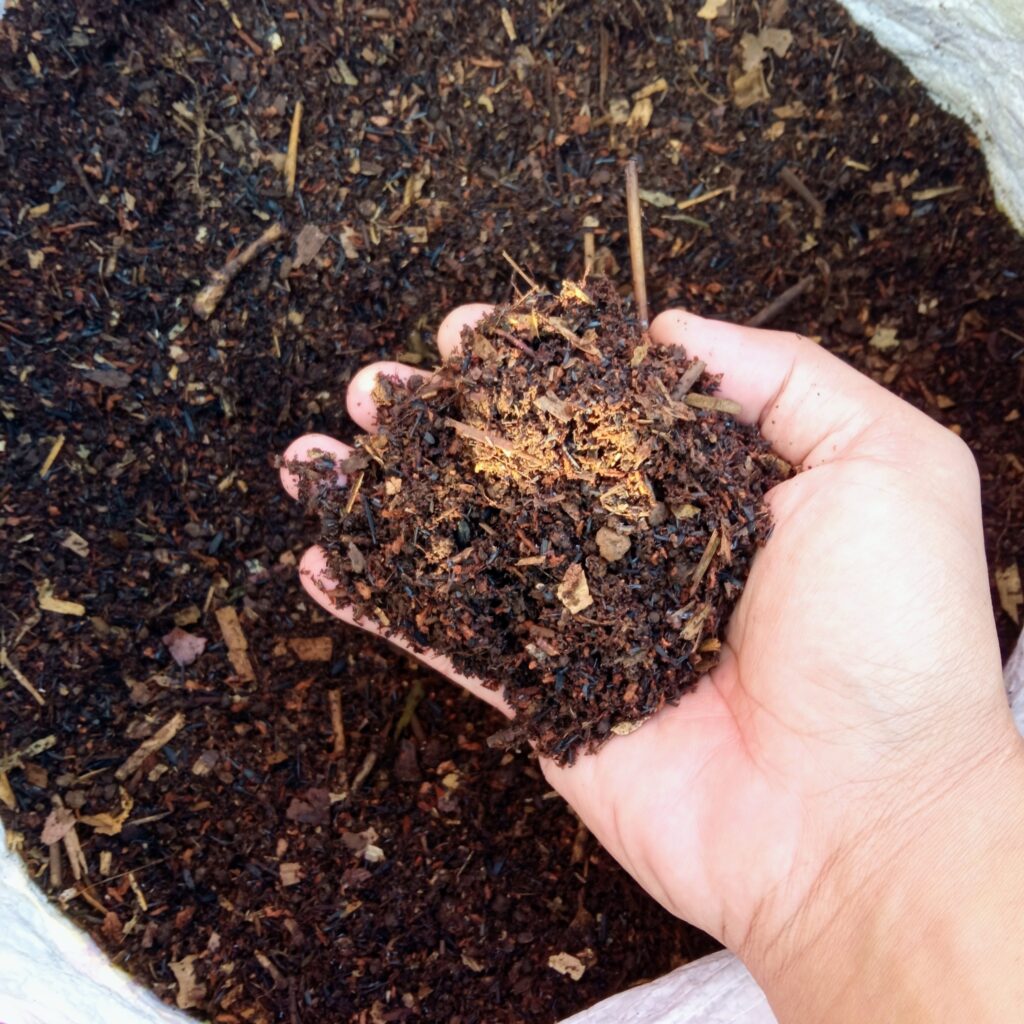
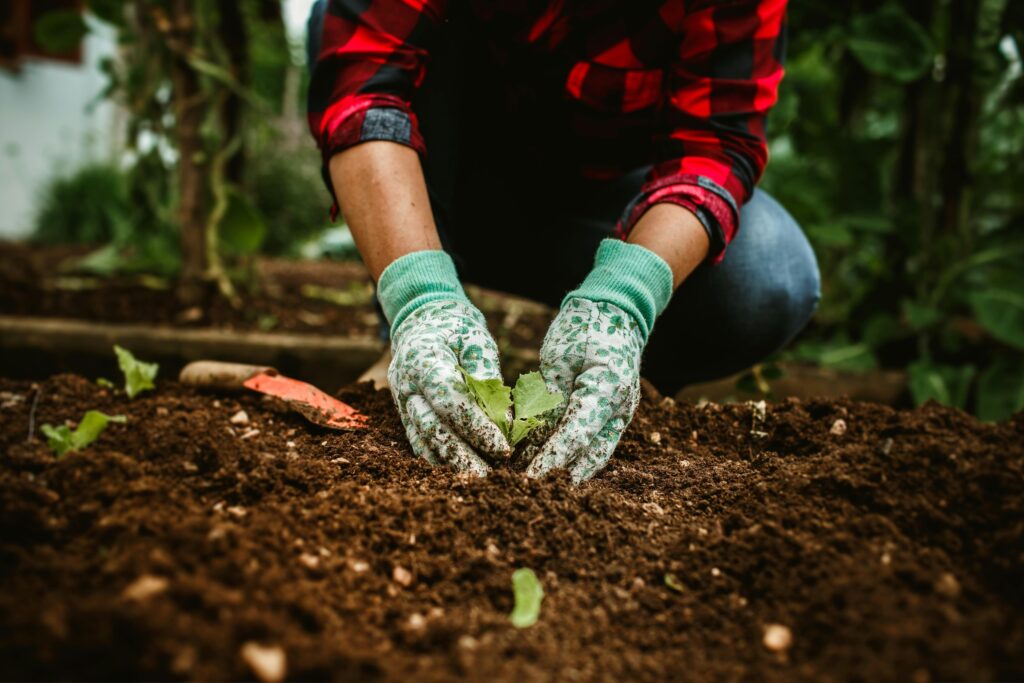
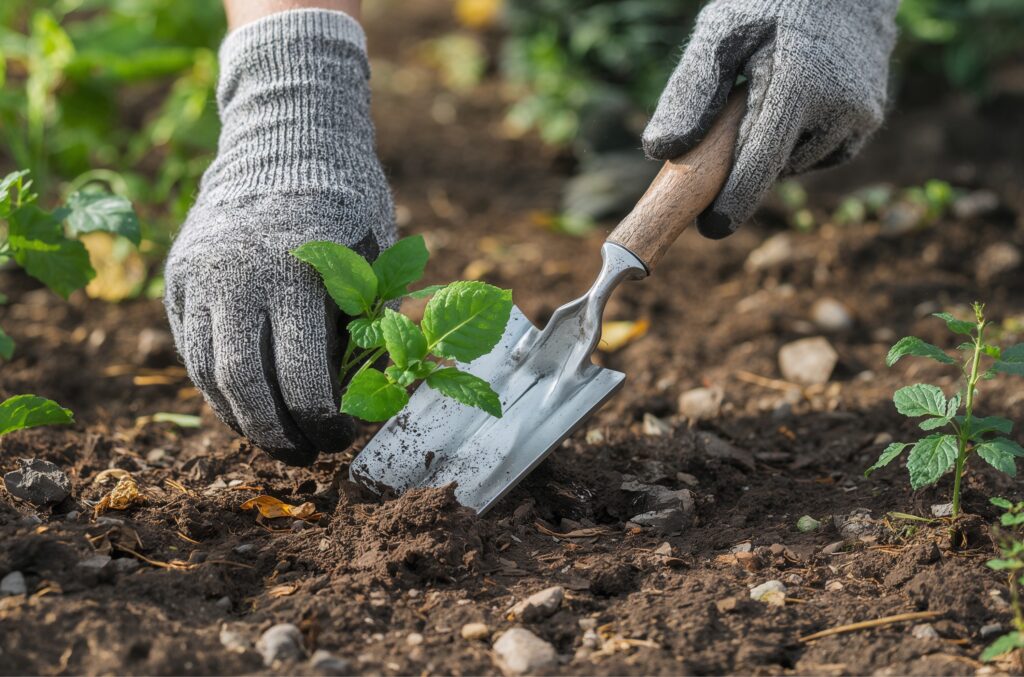
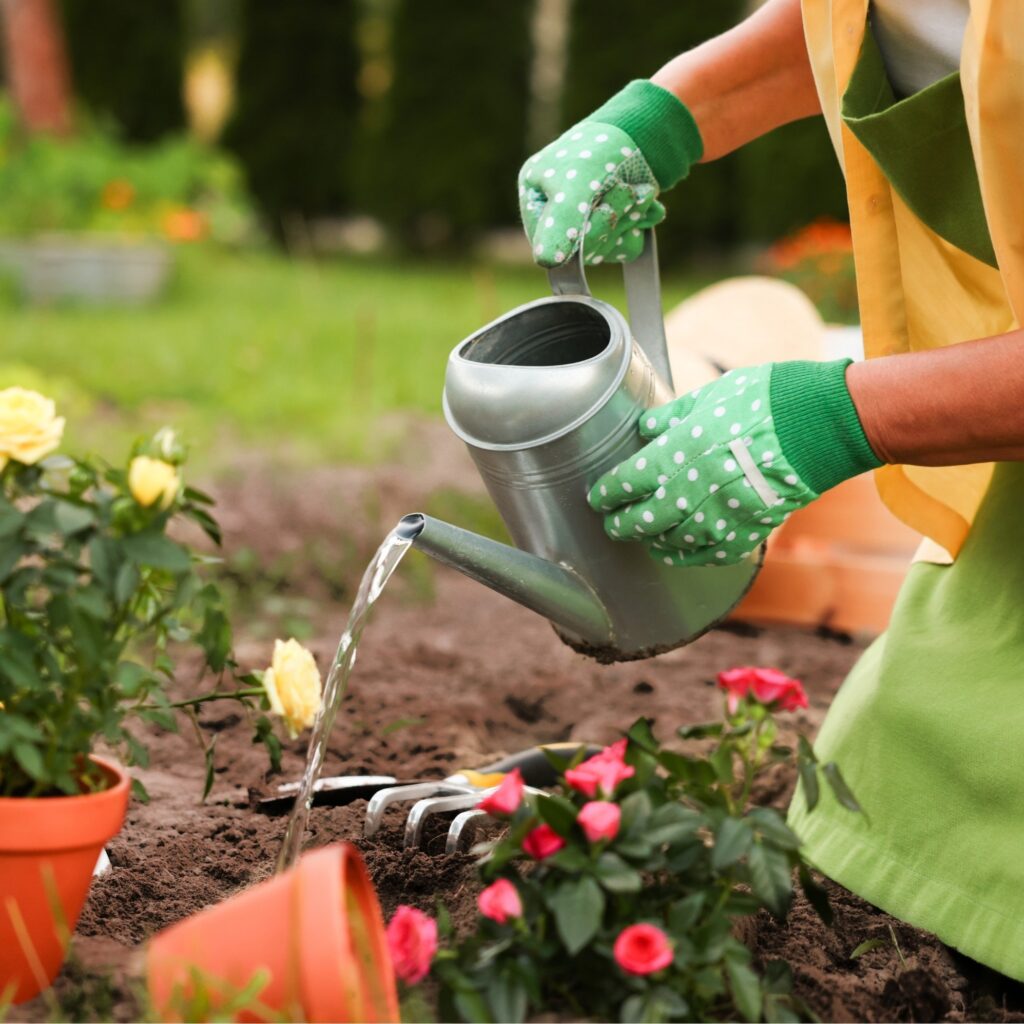
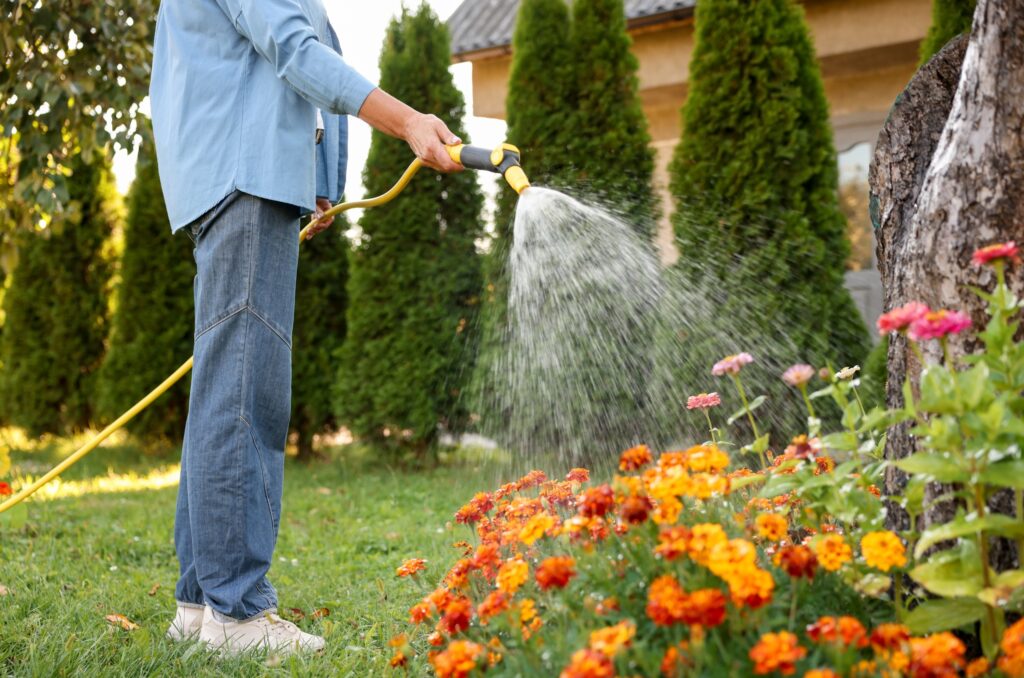
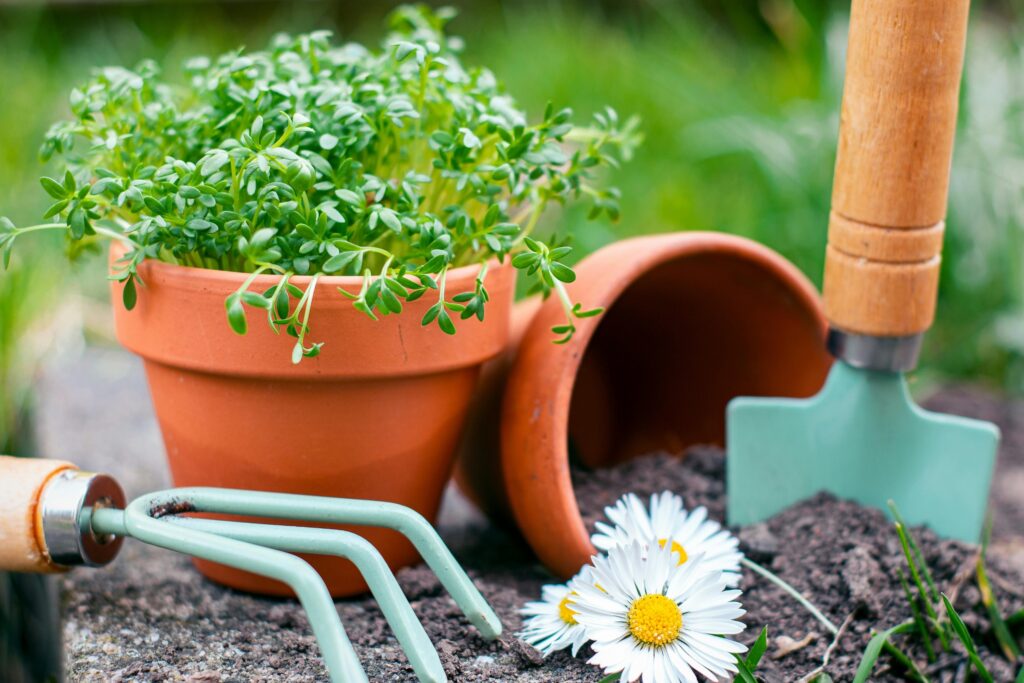
The tools involved are minimal. A small trowel, a watering can or hose, gloves, and basic soil are enough to get started. More involved setups might include raised beds, drip irrigation, or seasonal rotation, but none of that is required to grow something that looks good and stays healthy.
The Benefits of Flower Gardening
Gardening has well-documented effects on mood and anxiety; studies have linked regular time in the garden to reduced cortisol levels and improved overall wellbeing. This combination of steady, hands-on activity and visible results helps displace daily stress, making it a genuine tool for mental health and stress relief.
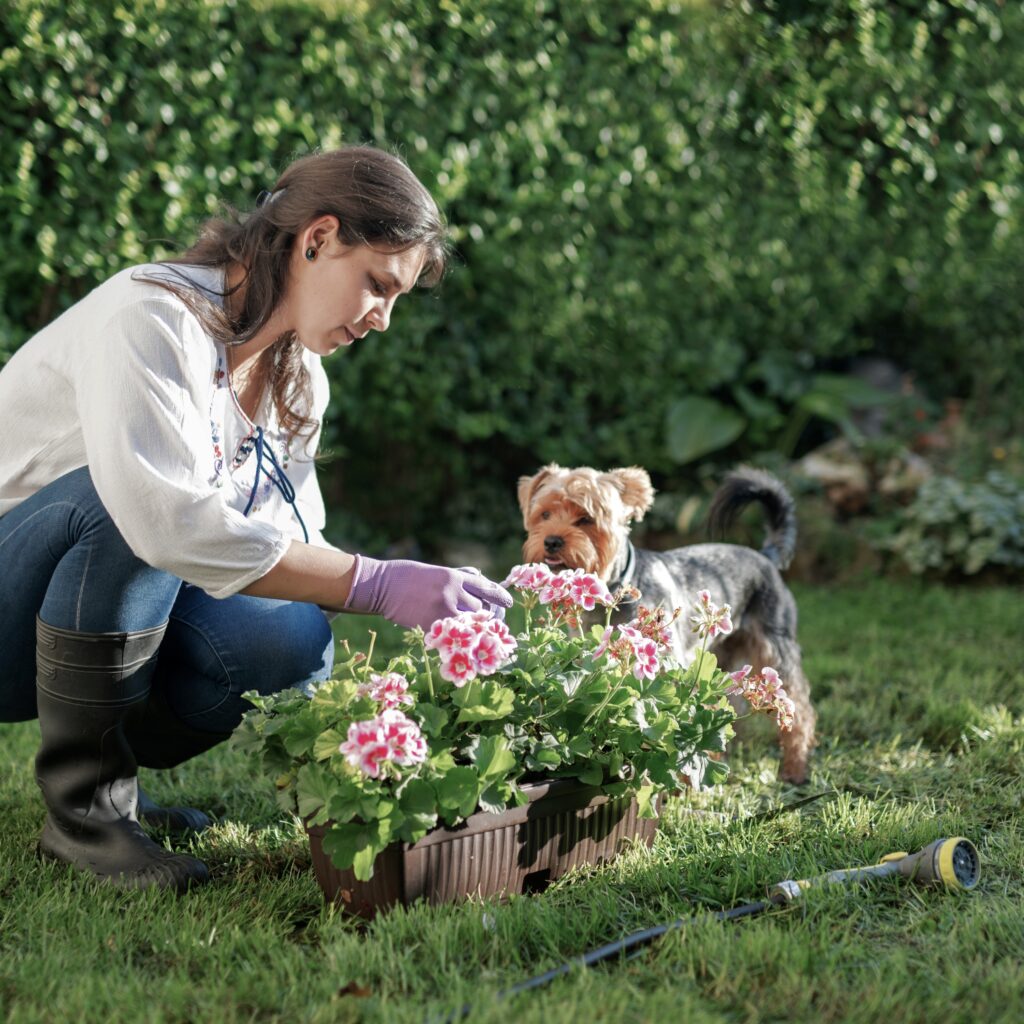
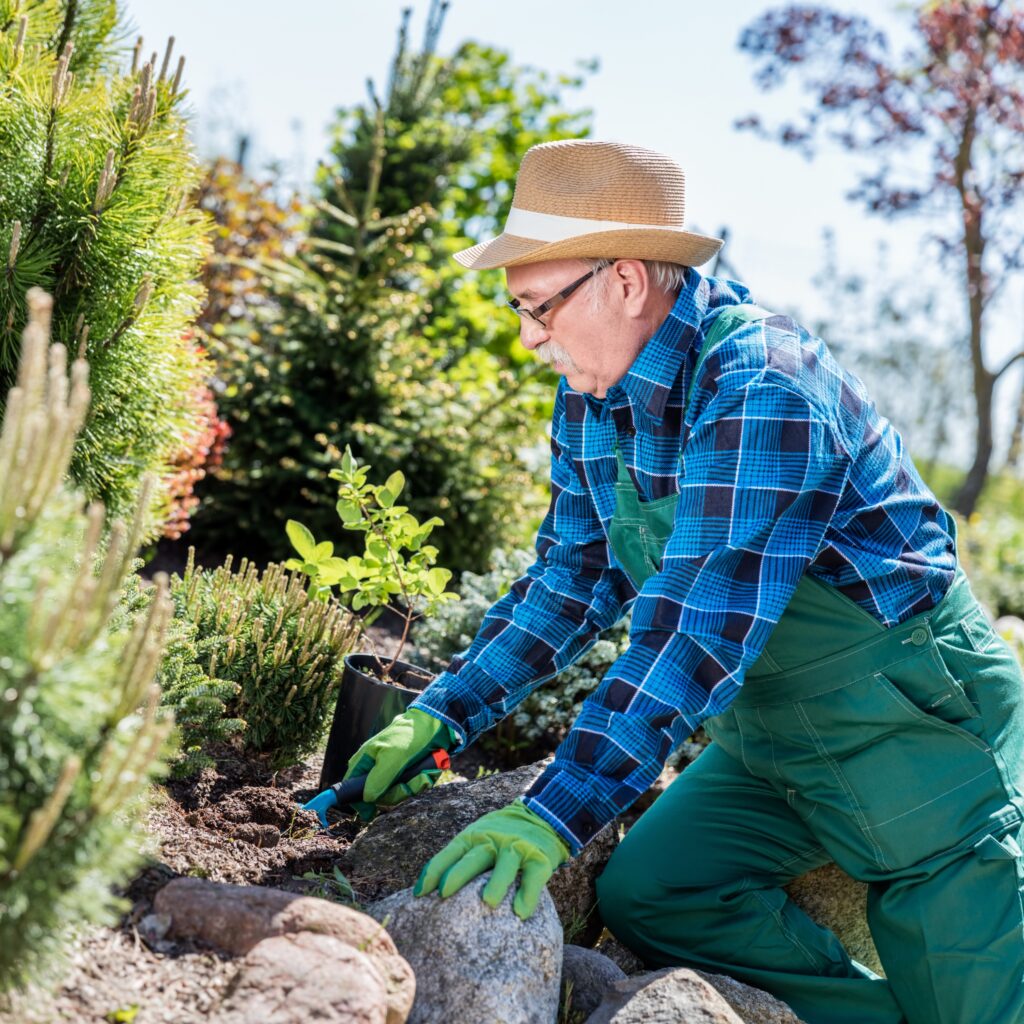
One of the more underrated aspects is the light, low-impact physical activity it provides. Digging, planting, watering, and weeding engage the arms, core, and legs without the strain of structured exercise.
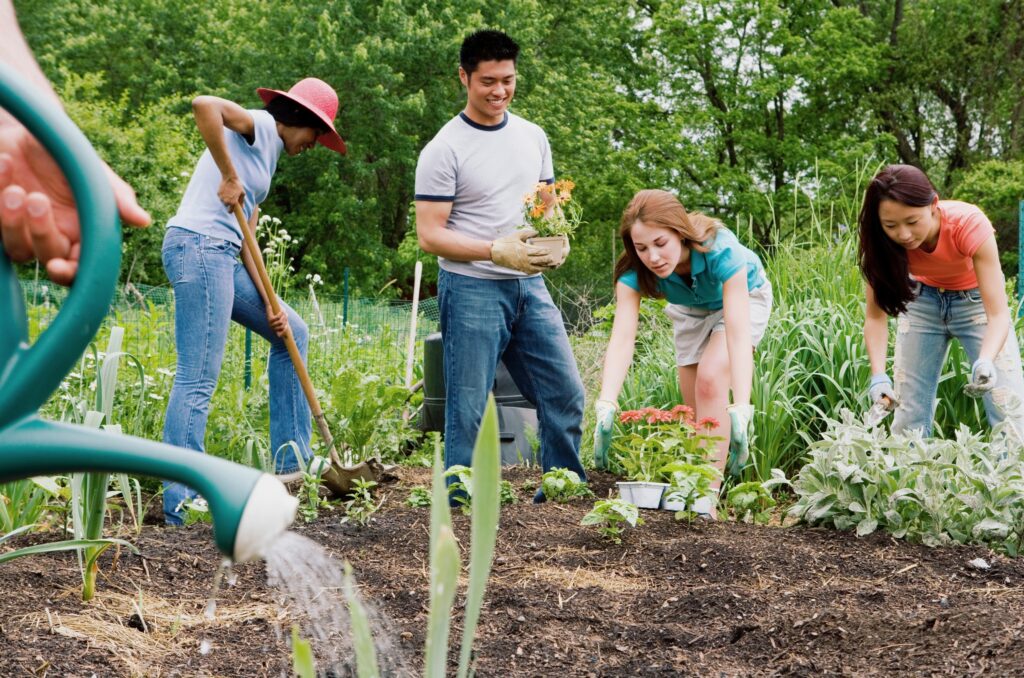
These small, consistent movements add up over time; making it a natural way to stay active for people who find formal routines hard to maintain.
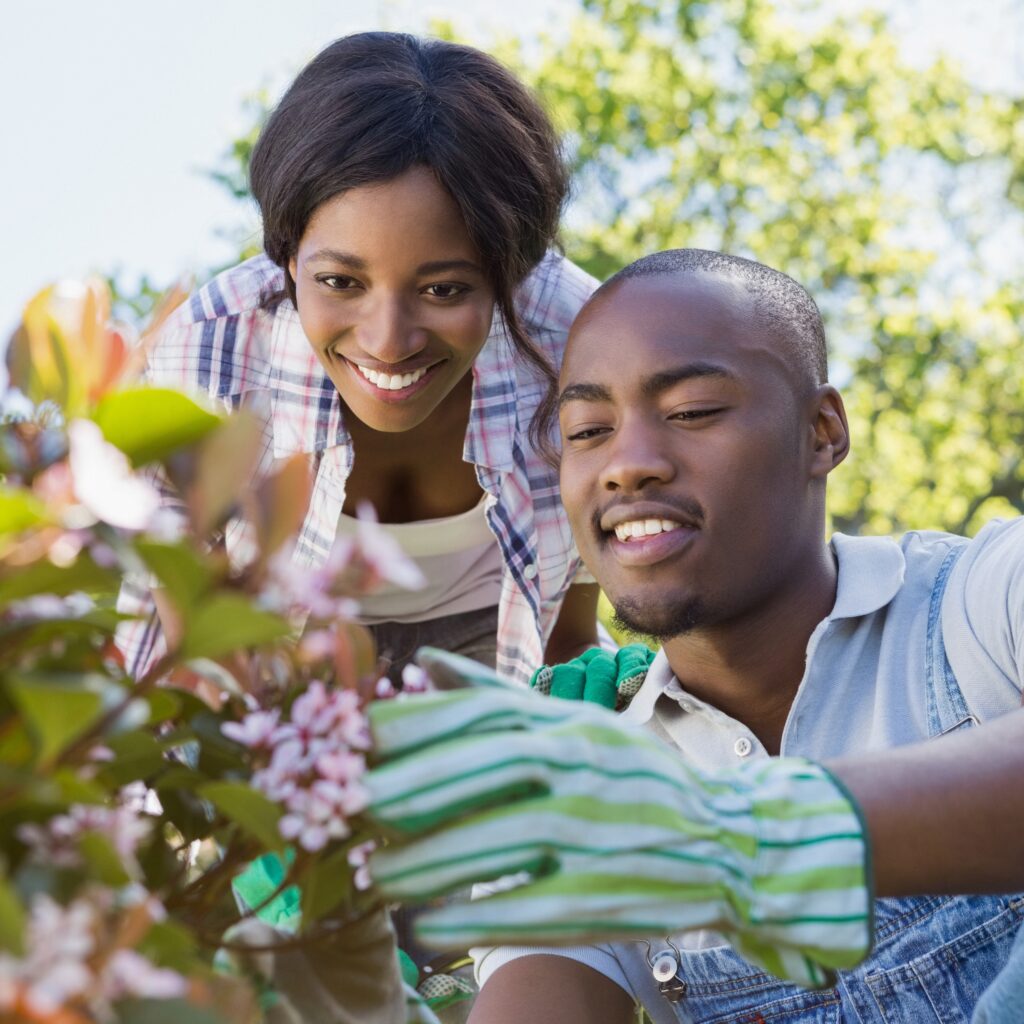
Watching a plant you chose, placed, and tended move from seed to bloom creates a steady feedback loop that builds real accomplishment and visible progress. That small, everyday effort results in something you can actually see and appreciate, as things grow and change over time.
There is also real room for creative expression and design.Choosing colors, arranging plants, and shaping a space is a genuine creative act that changes and evolves season to season; making it an ongoing project rather than something you finish once and move on from.
Spending regular time outside also builds a quiet connection to seasonal rhythms and the natural world. Many gardeners point to this as one of the more unexpected shifts; becoming more attuned to light, temperature, and weather in ways that most daily routines simply don’t offer.
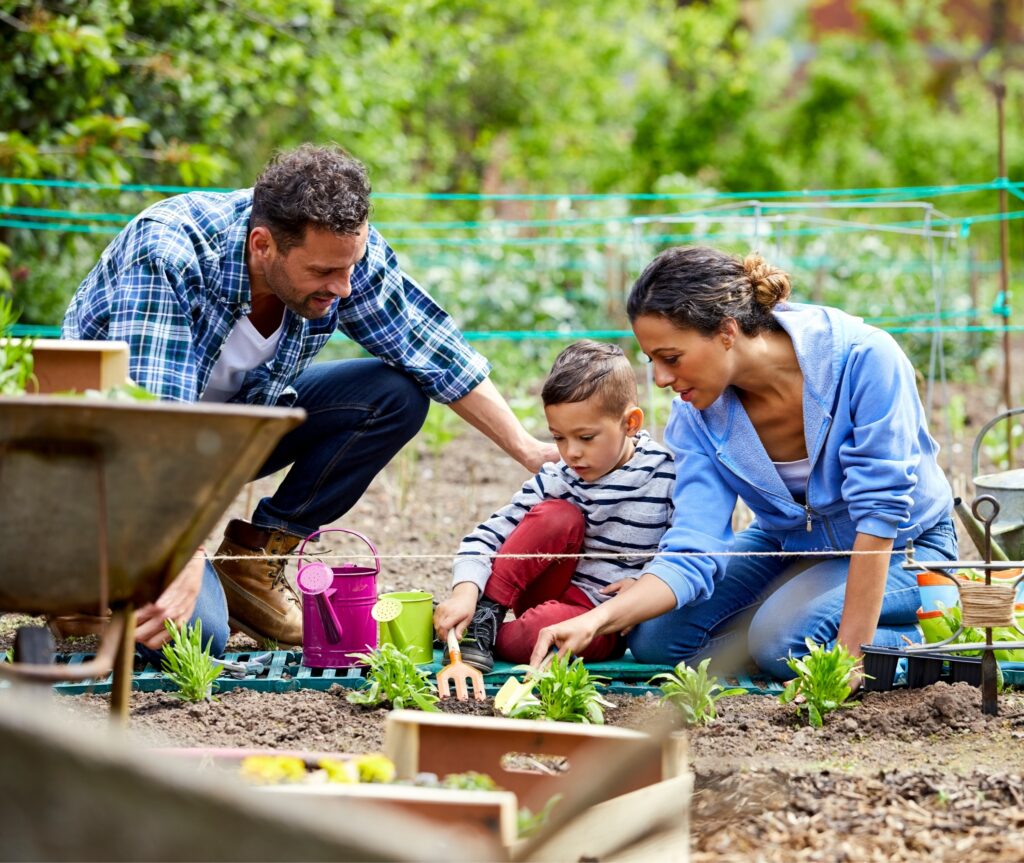
For anyone hesitant about cost or commitment, flower gardening has a remarkably low barrier to entry. Basic tools, modest upfront cost, and beginner-friendly plant varieties mean almost anyone can start small and scale naturally at whatever pace makes sense; without pressure or a large upfront investment.
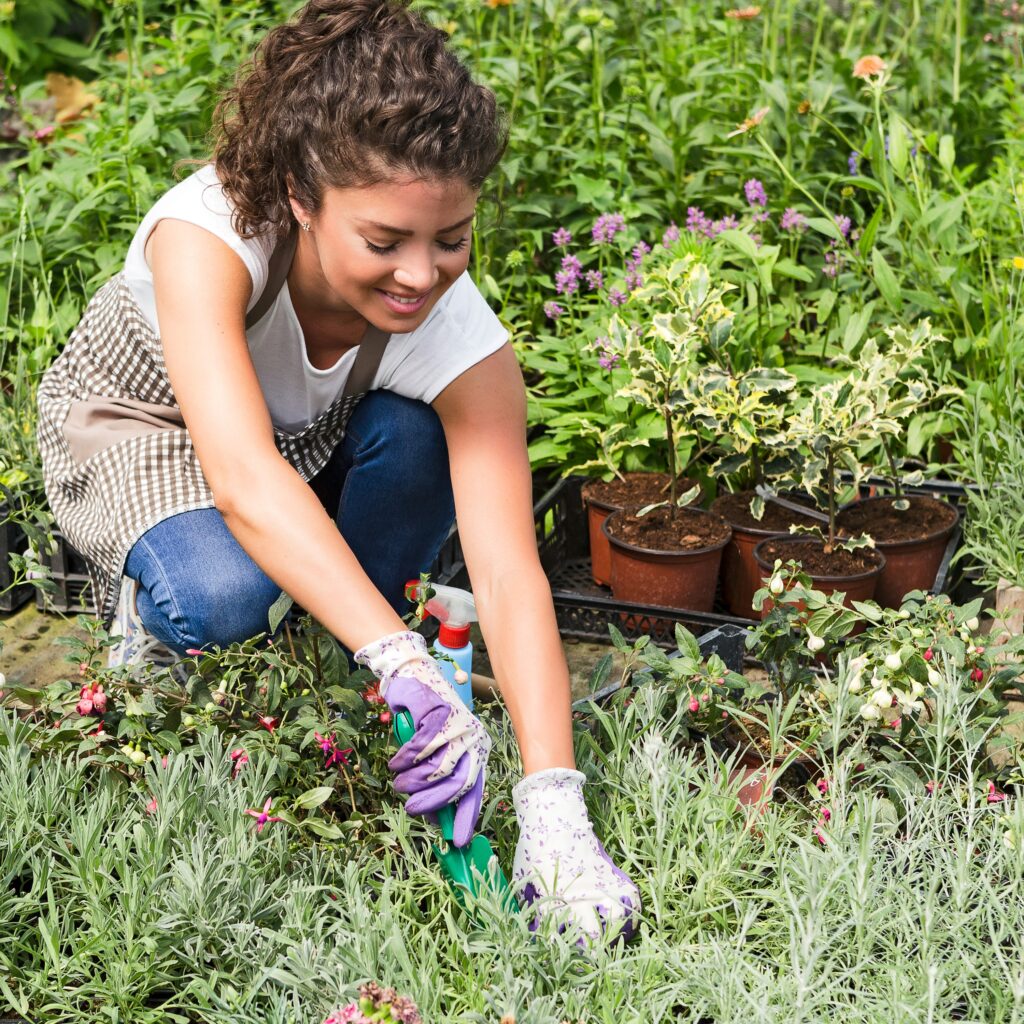
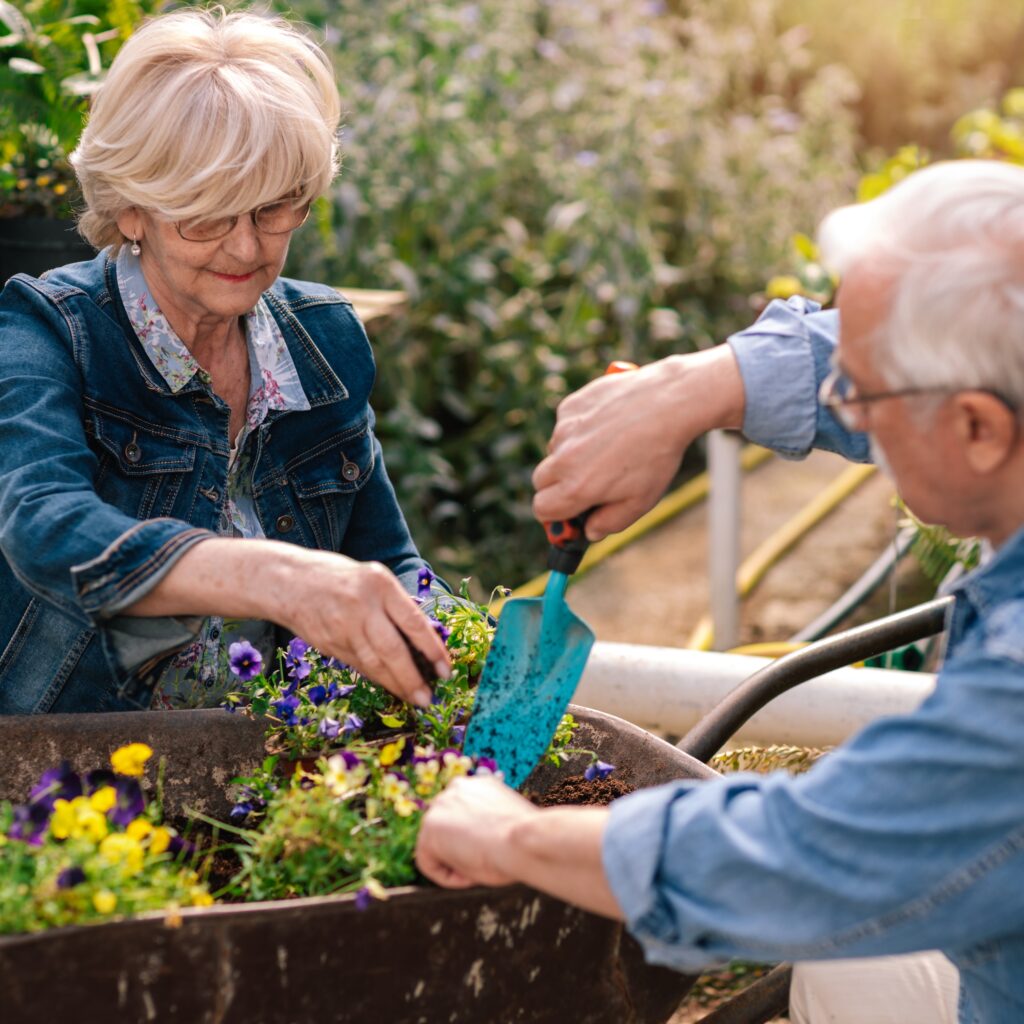
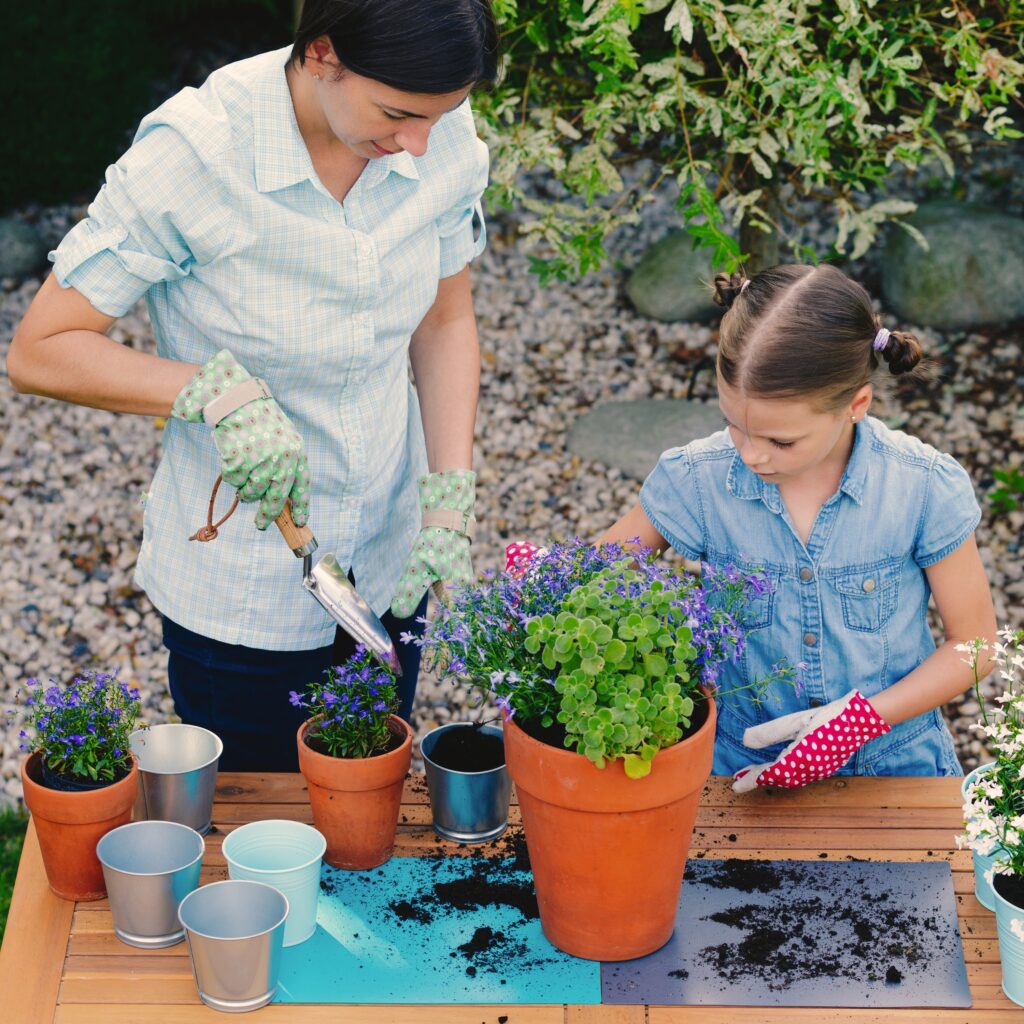
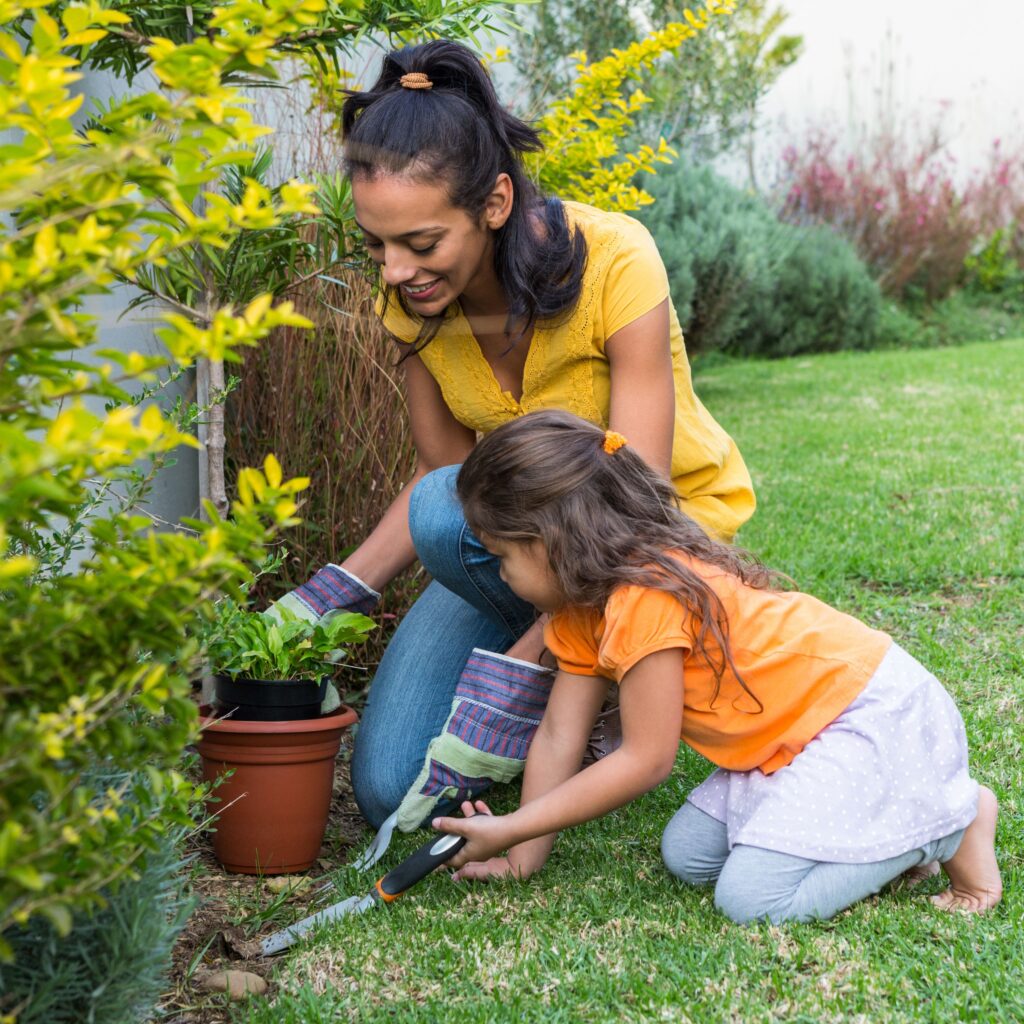
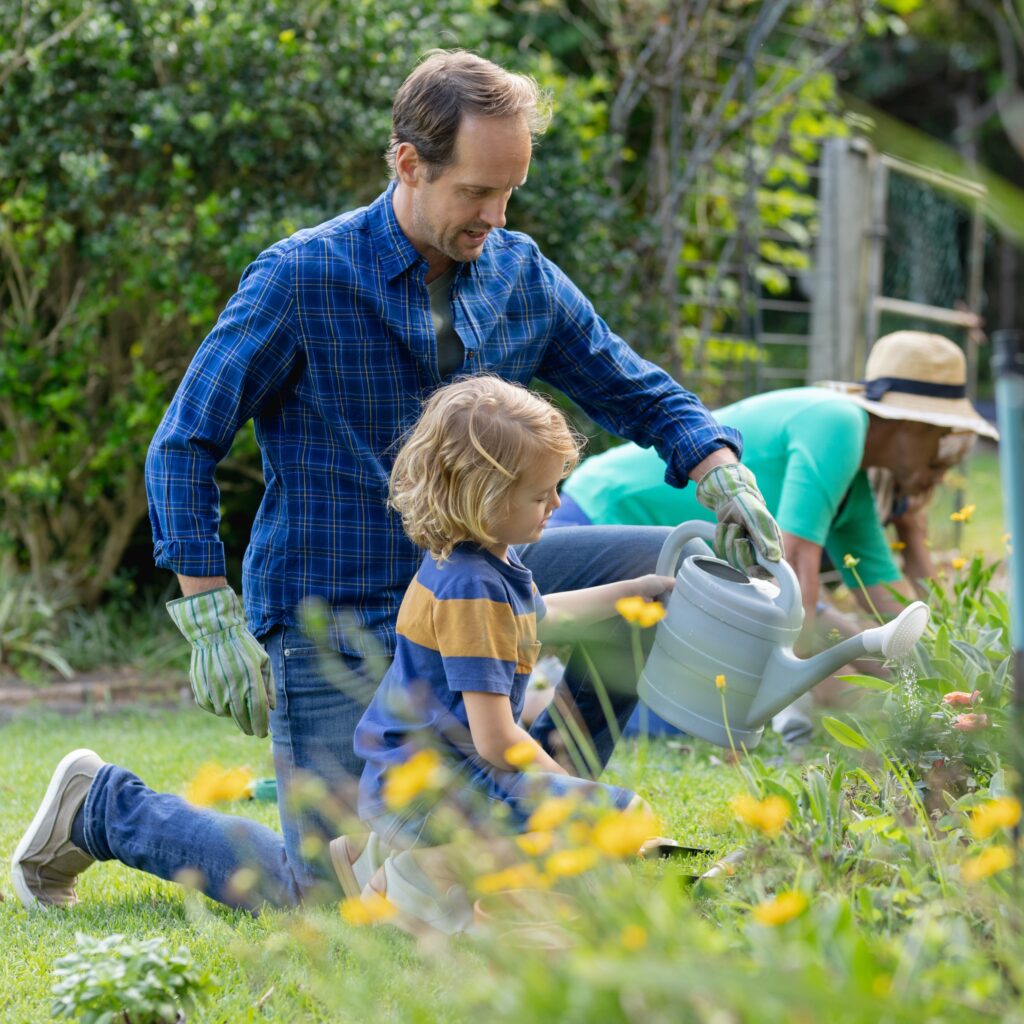
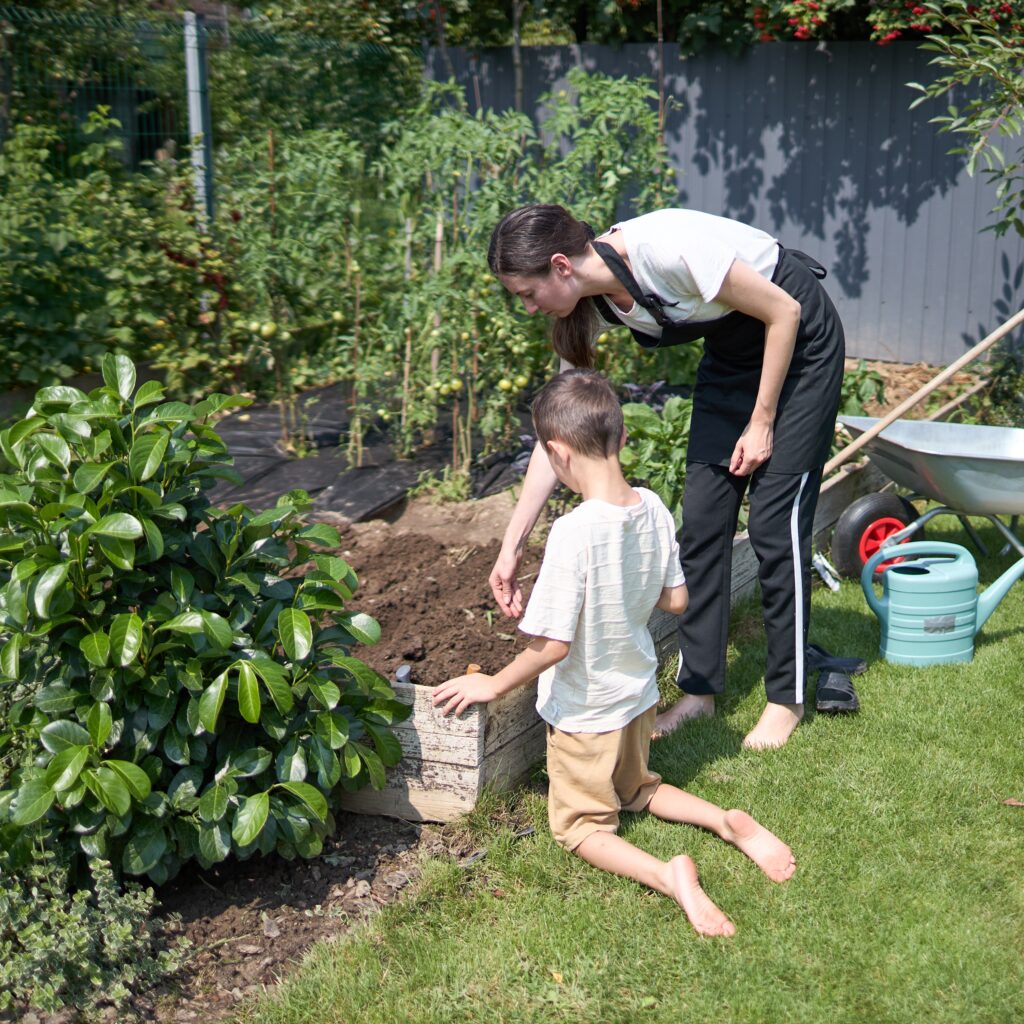
It’s a great activity for all ages and experience levels. Younger beginners can focus on simple planting and watering, while more experienced gardeners can take on layout, plant selection, and seasonal planning, making it something that can grow with you over time.
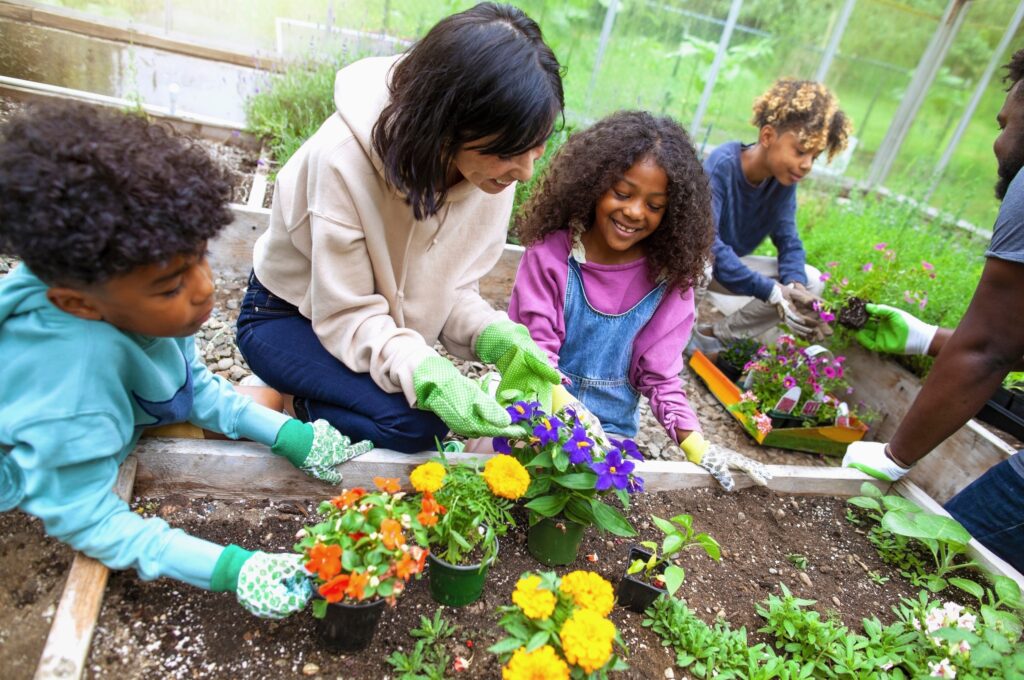
The hobby also offers genuine flexibility across schedules and lifestyles; a few minutes of watering on a weekday morning or a longer session on a weekend afternoon both counts, with no fixed routine required.
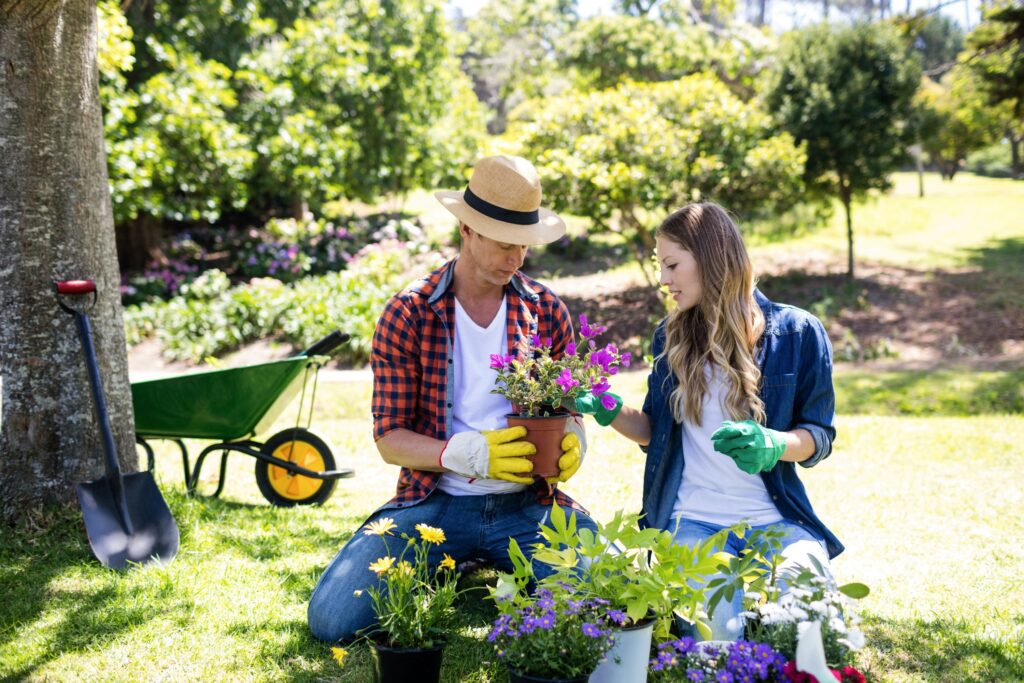
Flower gardening works equally well alone or alongside others, making social connection easy to find if you want it. Community gardens, local plant swaps, and online groups have grown significantly in recent years, so there’s plenty of community available without it being required; allowing you to choose how social or independent you want the experience to be.
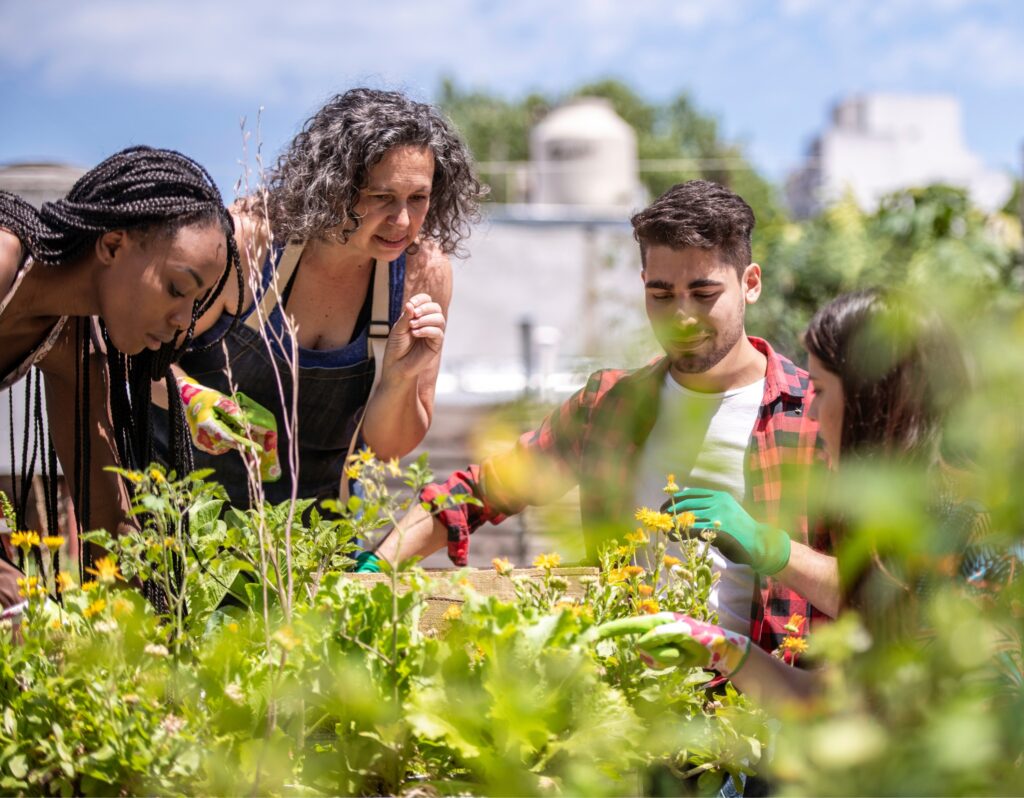
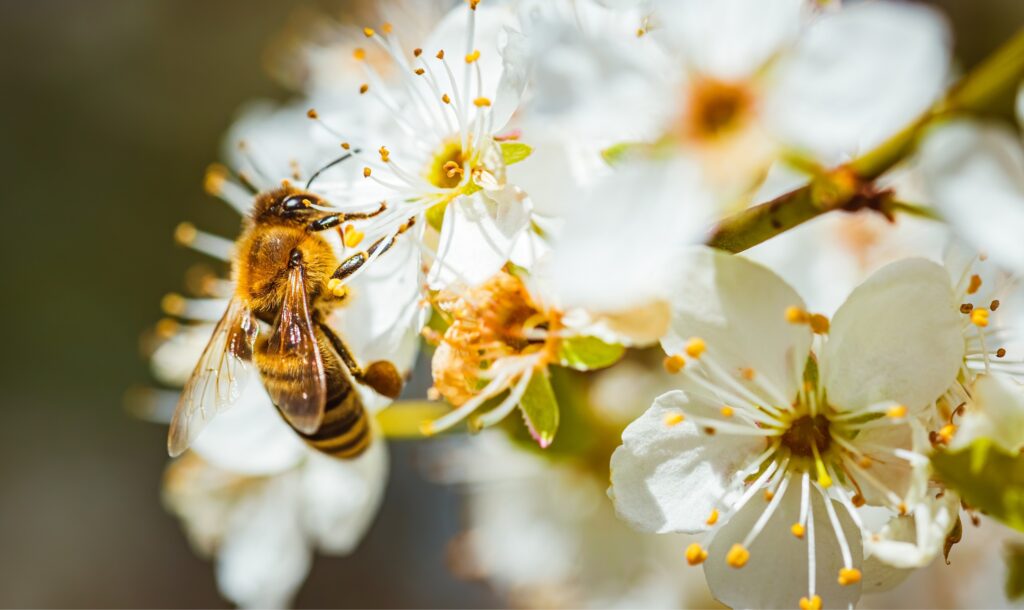
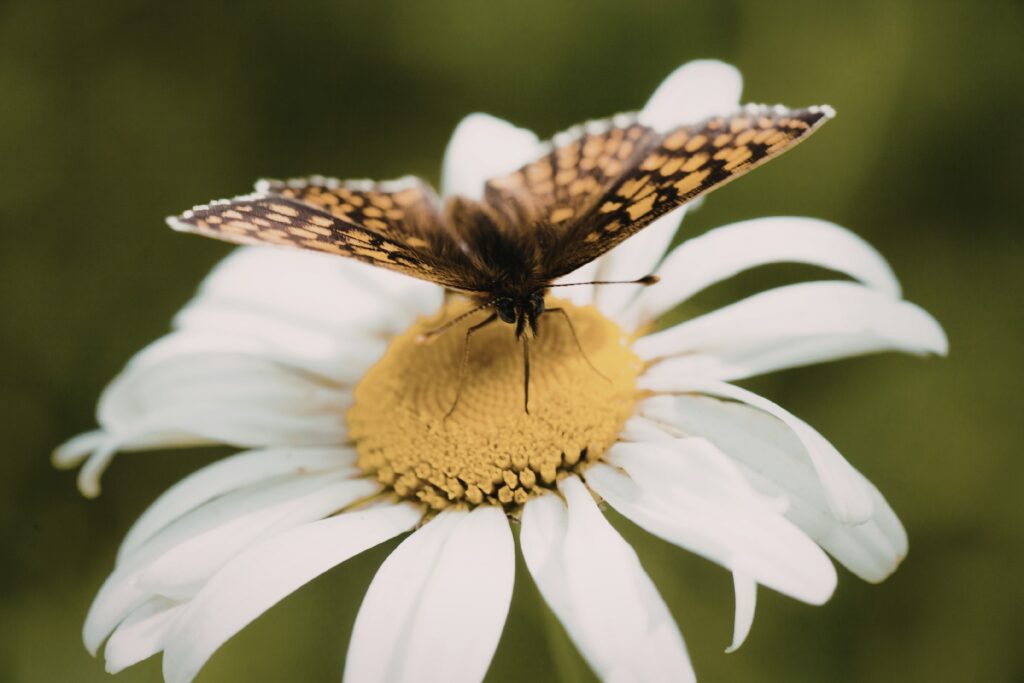
Finally, flowering plants provide a built-in environmental benefit by supporting bees, butterflies, and other pollinators critical to local ecosystems; a small but meaningful positive footprint that comes with the hobby naturally.
Getting Started
The best starting point is a small one. A few containers or a single patch of soil gives you enough space to learn how plants respond to your specific conditions without overcommitting. Most people who stick with gardening long-term started smaller than they thought they needed to.
When choosing your first flowers, lean toward varieties known for being forgiving like zinnias, marigolds, and sunflowers are popular beginner choices because they’re hardy, fast to reward you, and widely available. Plant tags and garden center staff are genuinely useful here; don’t skip them. They’ll tell you what your space actually needs rather than what looks good on the shelf.
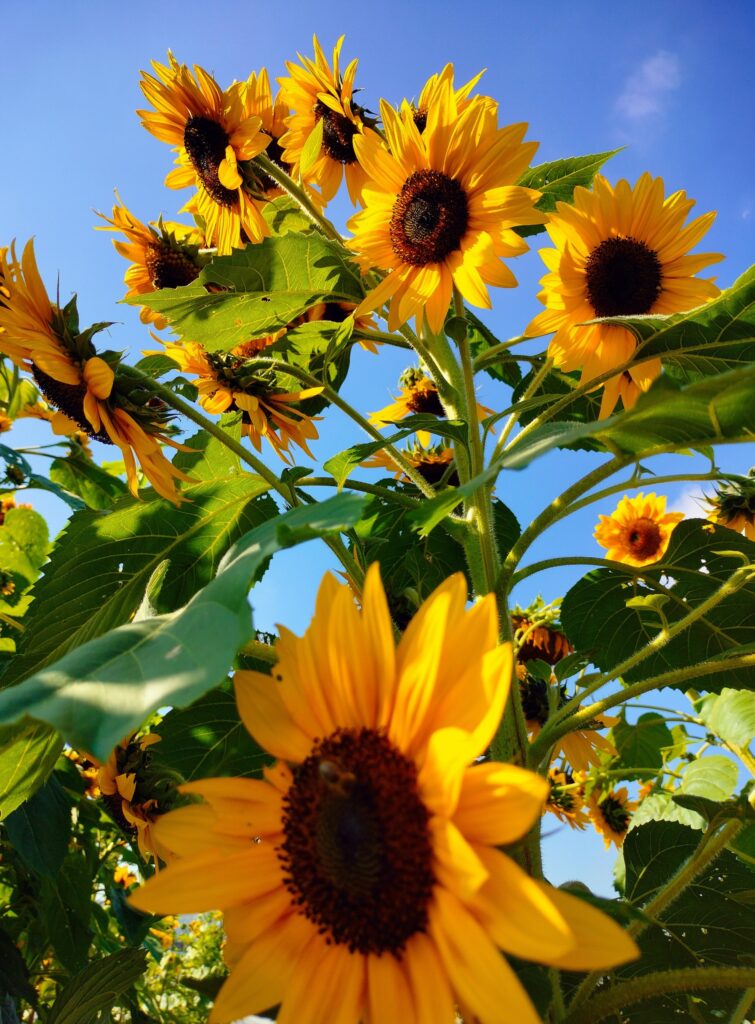
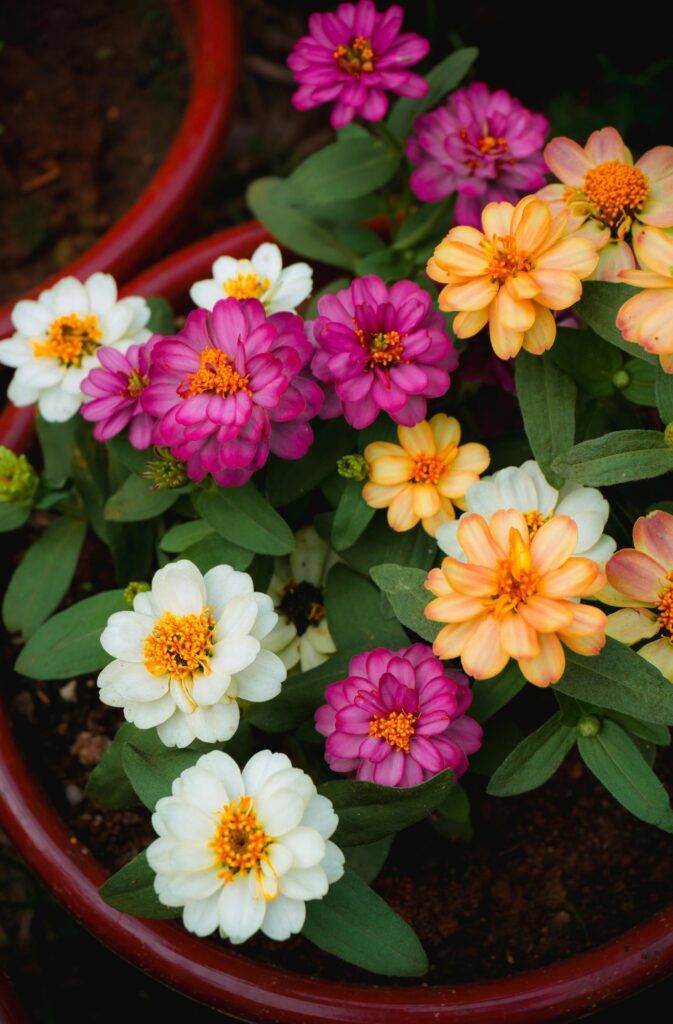
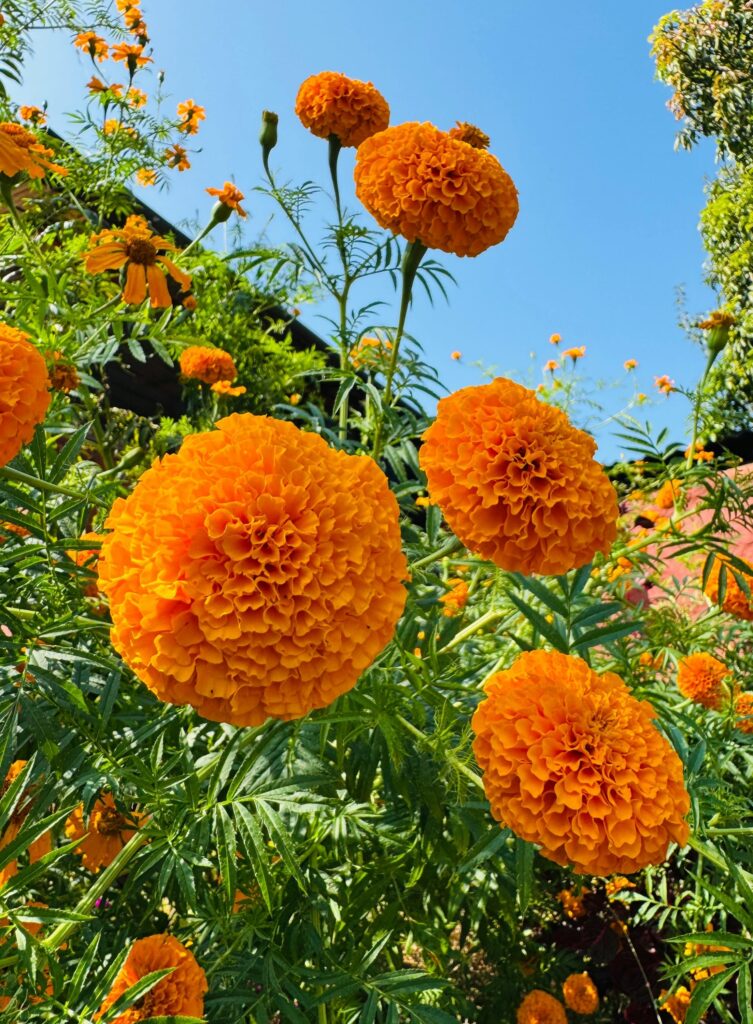
Keep your tools minimal to start; a watering can, a hand trowel, and a bag of quality potting mix are genuinely all you need. Resist the urge to over-invest early. You’ll have a much better sense of what’s actually useful after a season or two.
Before buying anything, spend a little time observing your space. Notice where the sun hits and for how long, where water tends to pool or drain, and how easily you can reach different spots. Consider checking your USDA hardiness zone before you shop.
Most plant tags list a zone range, and choosing flowers rated for your area means you’re working with your climate rather than against it.
These details matter more than most beginners expect and getting them right upfront saves a lot of troubleshooting later.
Finally, expect some things not to work. A plant that struggles or dies isn’t a failure; it’s information about your soil, your light, or your watering rhythm. The gardeners who get good at this are mostly just the ones who pay attention and keep trying.
Resources
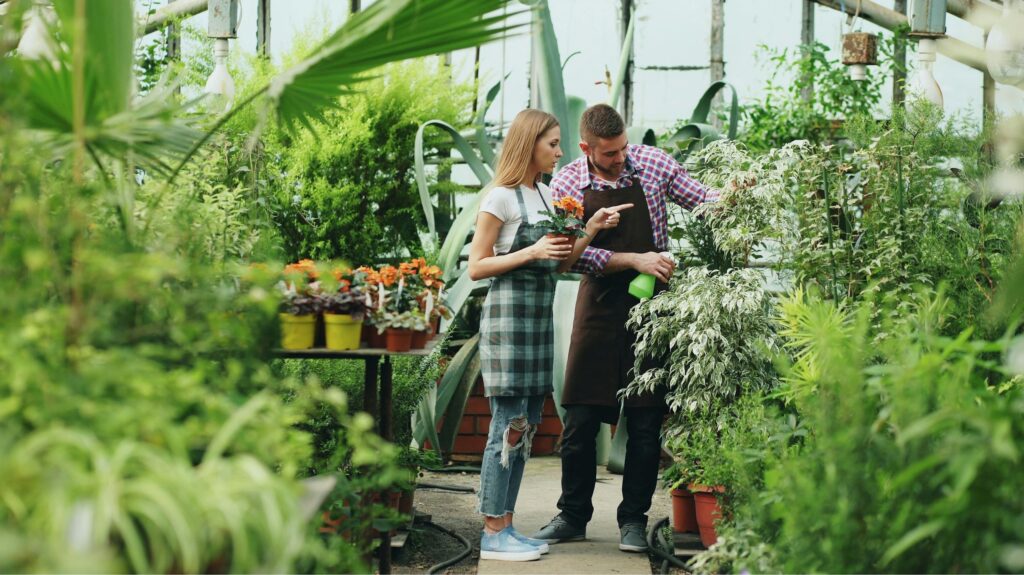
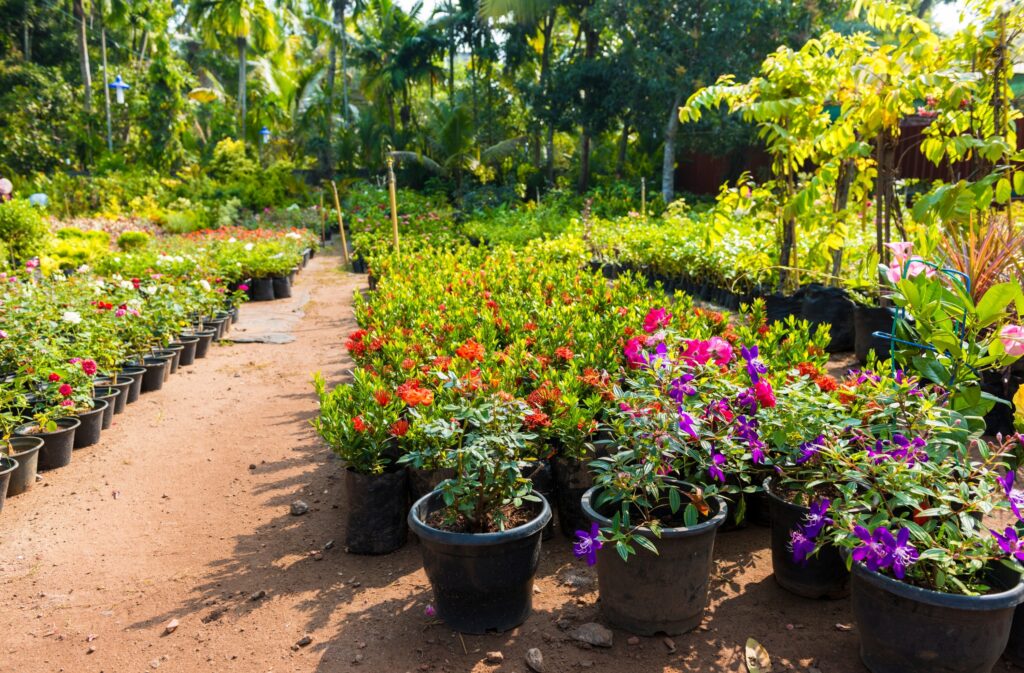
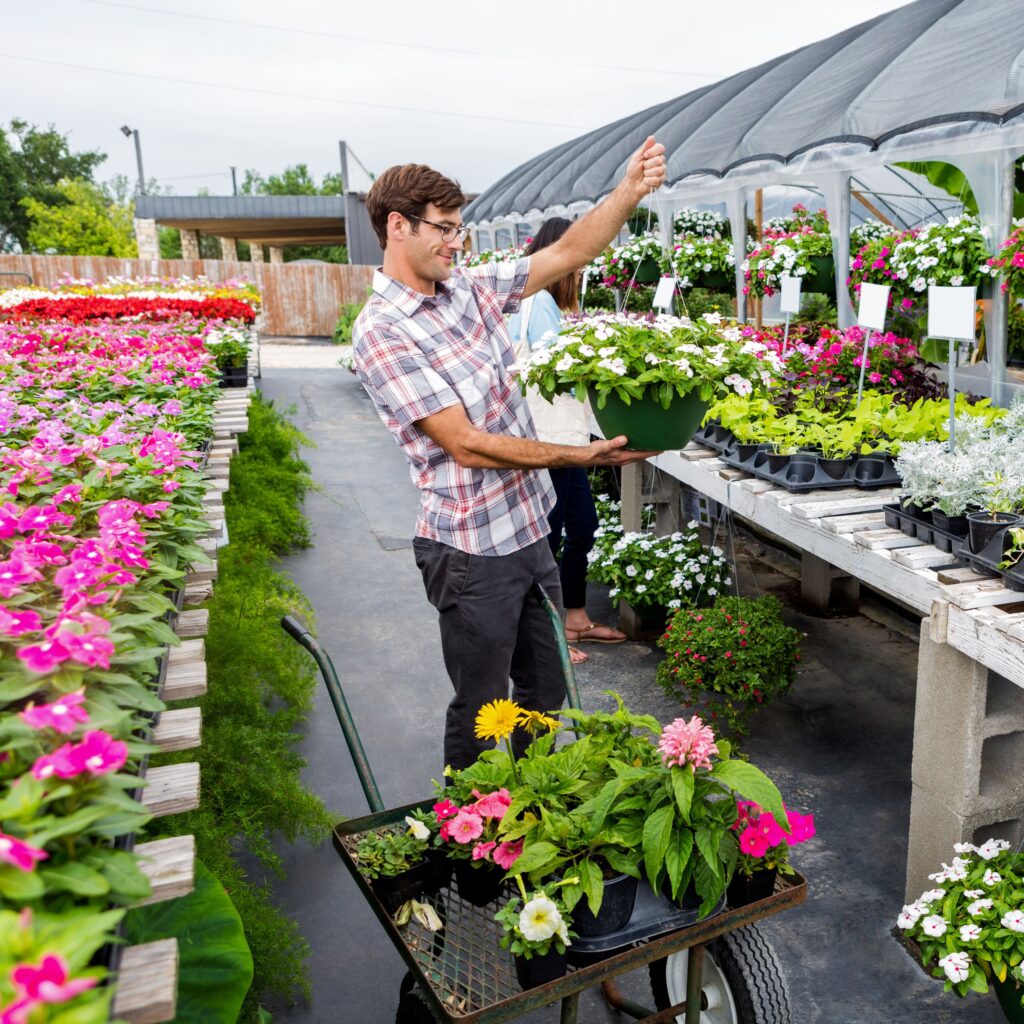
Local garden centers are one of the most underrated starting resources. Unlike big box stores, they typically stock plants suited to your specific region, and the staff can tell you what actually grows well locally, which varieties are reliable, what has been struggling this season, and what to avoid. It is worth making this your first stop before shopping anywhere else.
Your USDA hardiness zone is a free, practical tool available at planthardiness.ars.usda.gov. Enter your zip code and you will get a zone rating that tells you which plants are suited to your climate. Most plant tags list compatible zones, so knowing yours upfront removes a lot of guesswork when you are browsing.
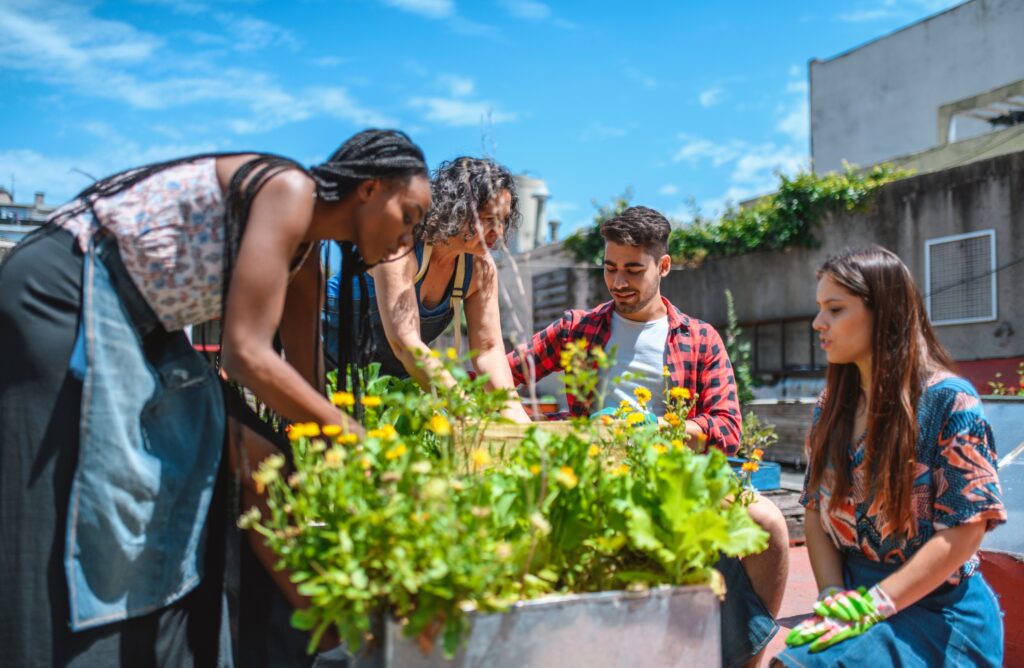
Community gardens and local gardening groups are worth finding early. Beyond practical knowledge, including seasonal tips, plant swaps, and advice on local pests and soil, they tend to attract people who genuinely enjoy sharing what they know.
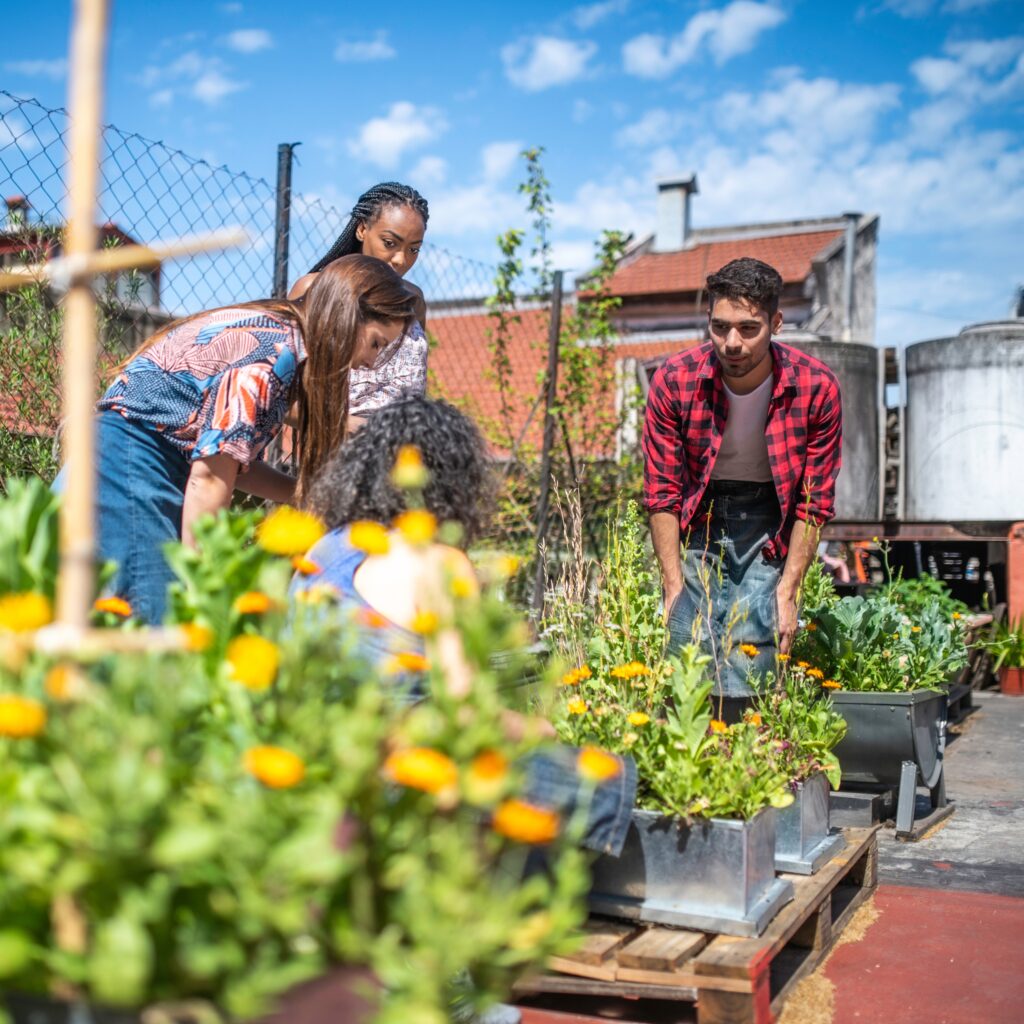
Many areas have active Facebook groups or Nextdoor communities organized around gardening that are easy to find and join.
To find groups near you, searching “[your city] gardening club” or “[your city] master gardeners” is a reliable starting point.
Master Gardener programs, run through most state universities, are especially worth knowing about; they’re staffed by trained volunteers whose entire purpose is helping local gardeners succeed.
Plant swaps in particular are worth showing up for. They’re a low-cost way to expand your garden with varieties you wouldn’t necessarily find at a nursery, and the person handing you the plant can usually tell you exactly how it performs in your local conditions.
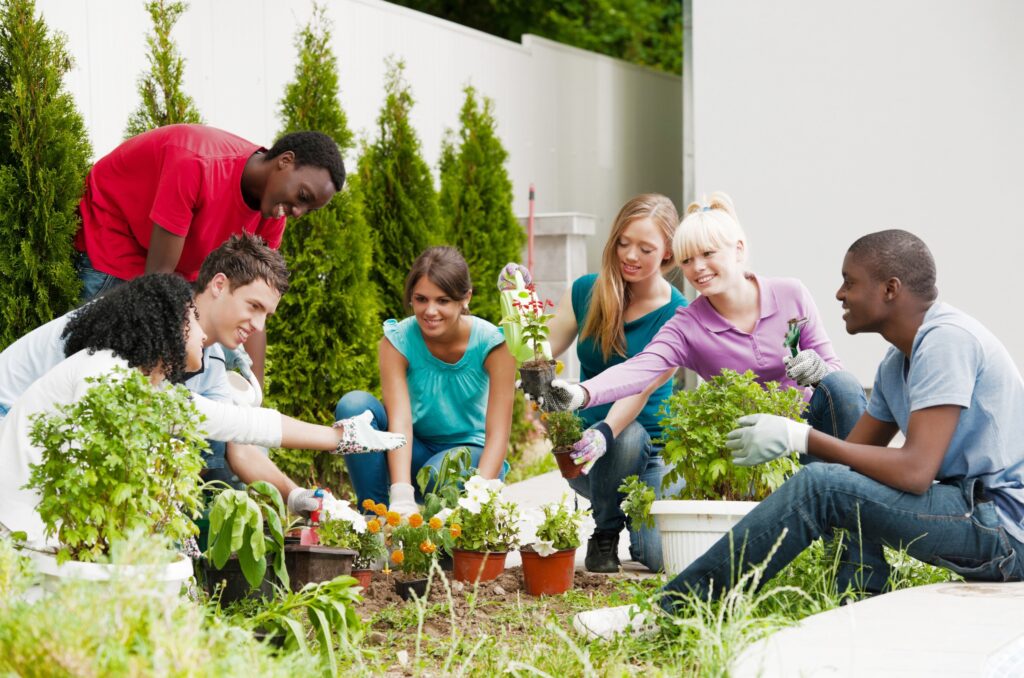
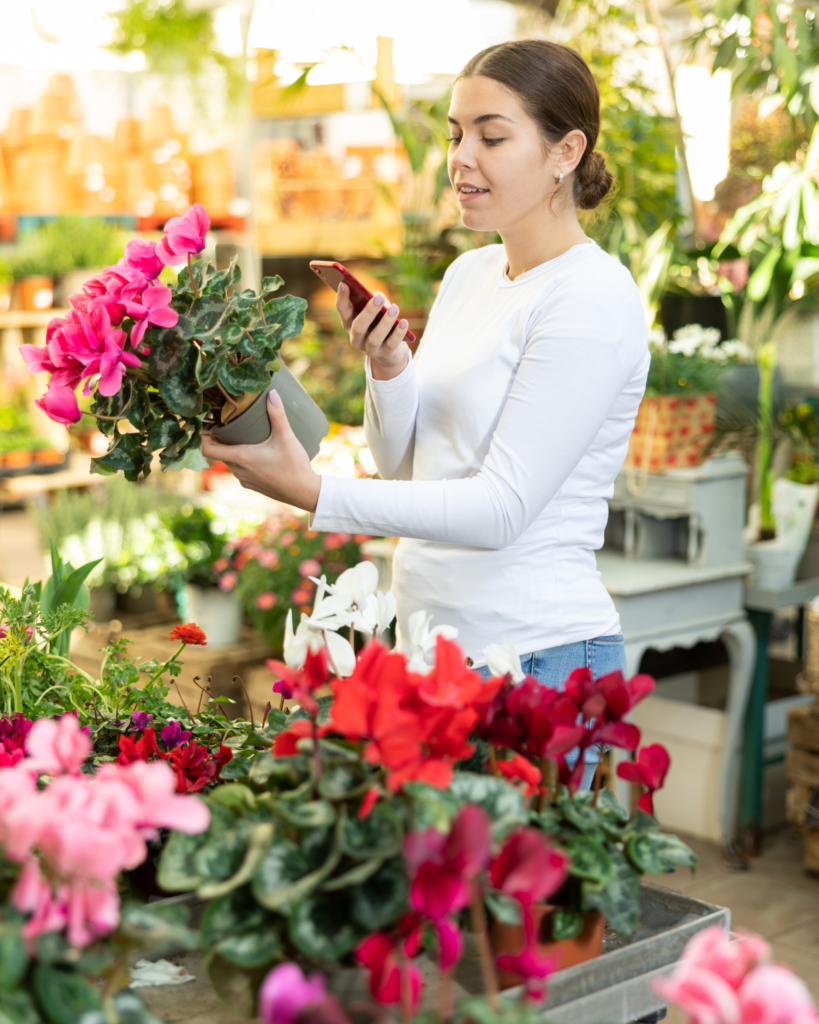
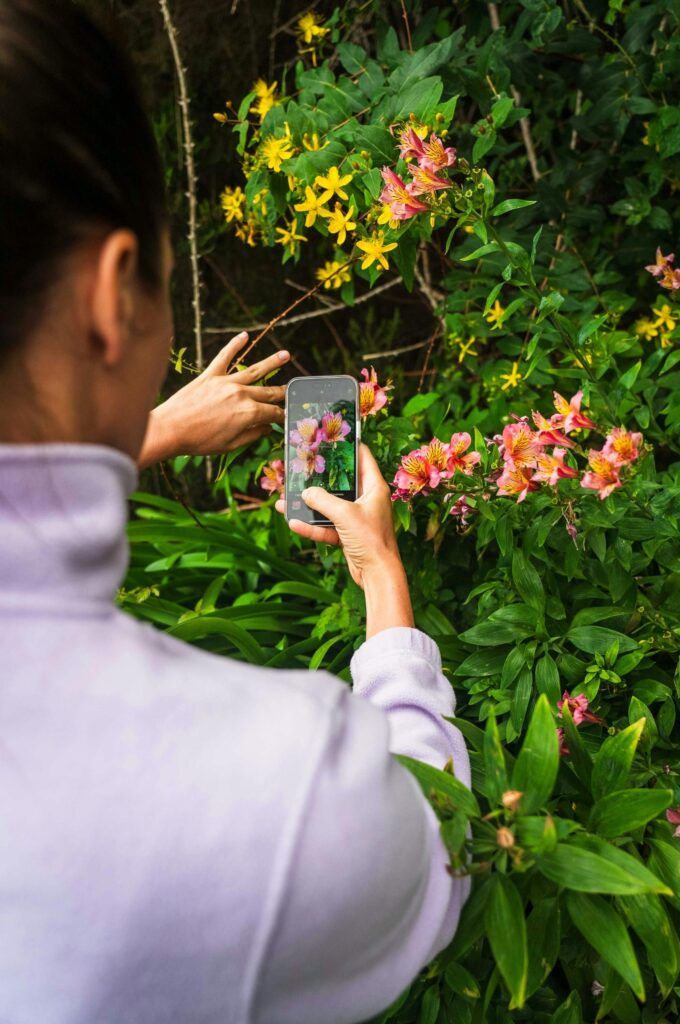
Plant identification and care apps like PictureThis and iNaturalist let you photograph a plant and get quick information on care requirements, common problems, and regional suitability. They are especially useful when something is not thriving and you are not sure why.
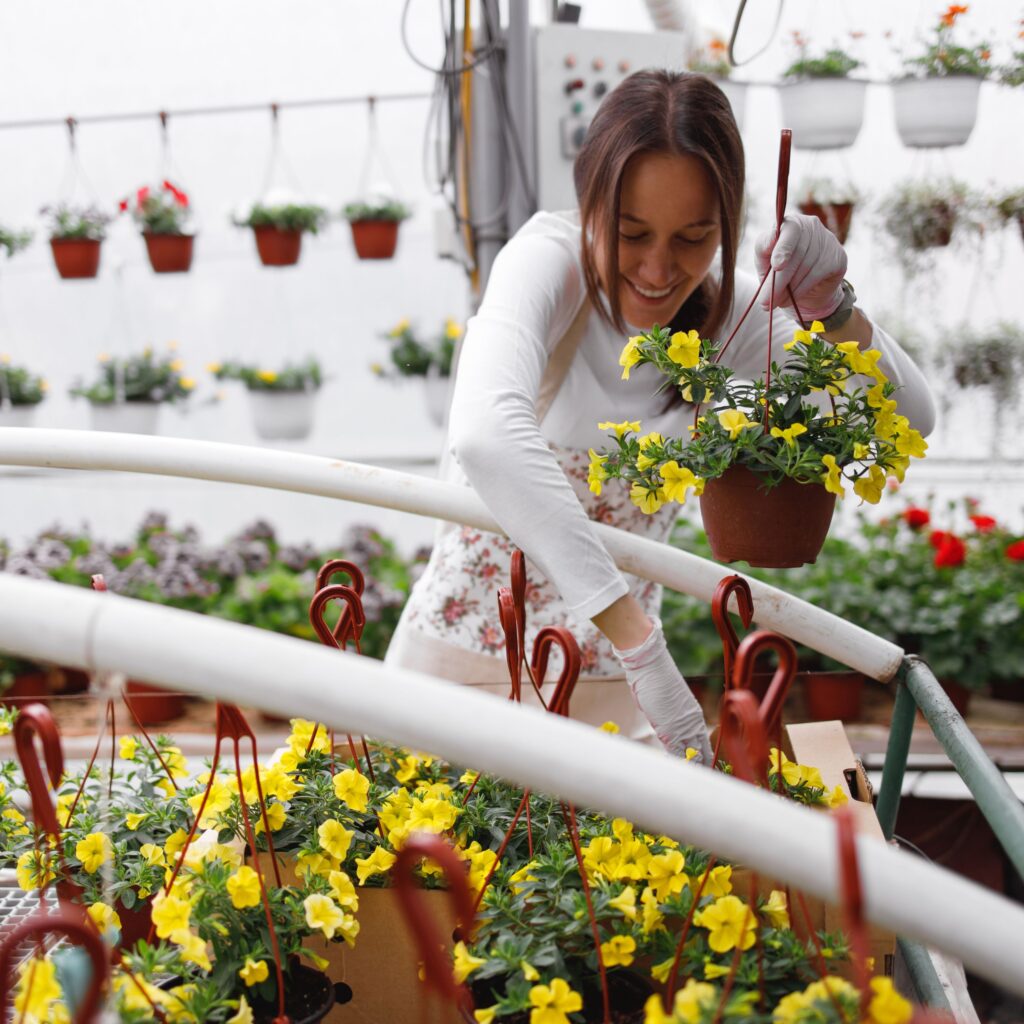
Beginner gardening books still hold up as a resource for understanding the fundamentals, including soil composition, watering, and seasonal planning, in a way that is easier to absorb than scattered online searches. The library or other online resources are a good first stop before committing to buying anything.
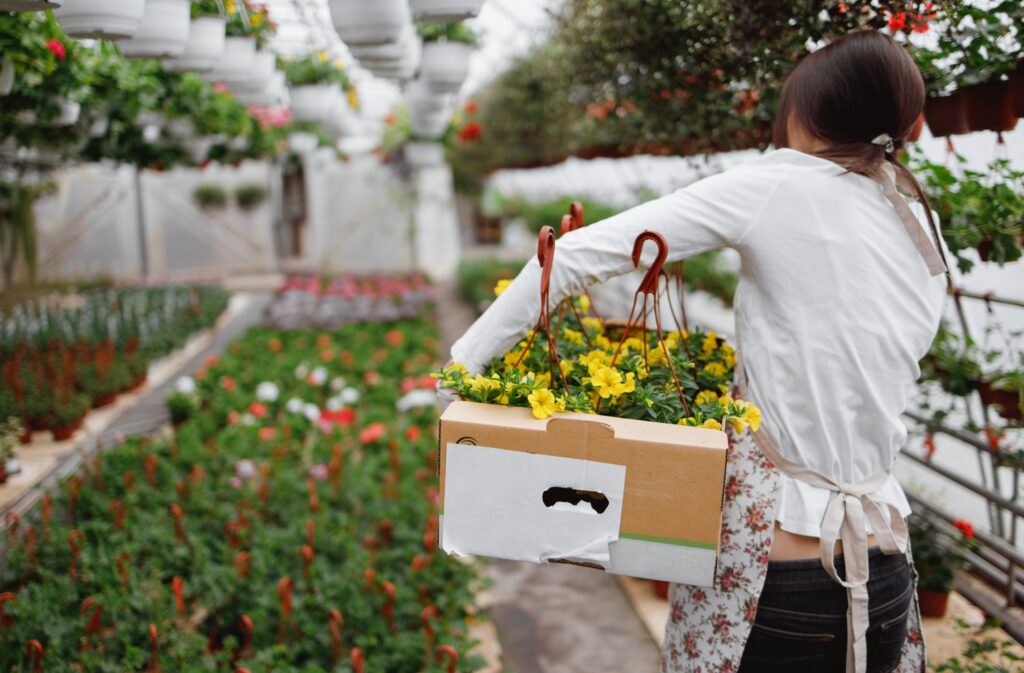
Video tutorials can also be helpful for seeing planting techniques and setup in real time. Watching how others prepare soil, space plants, and handle common issues can make the process feel much more approachable.
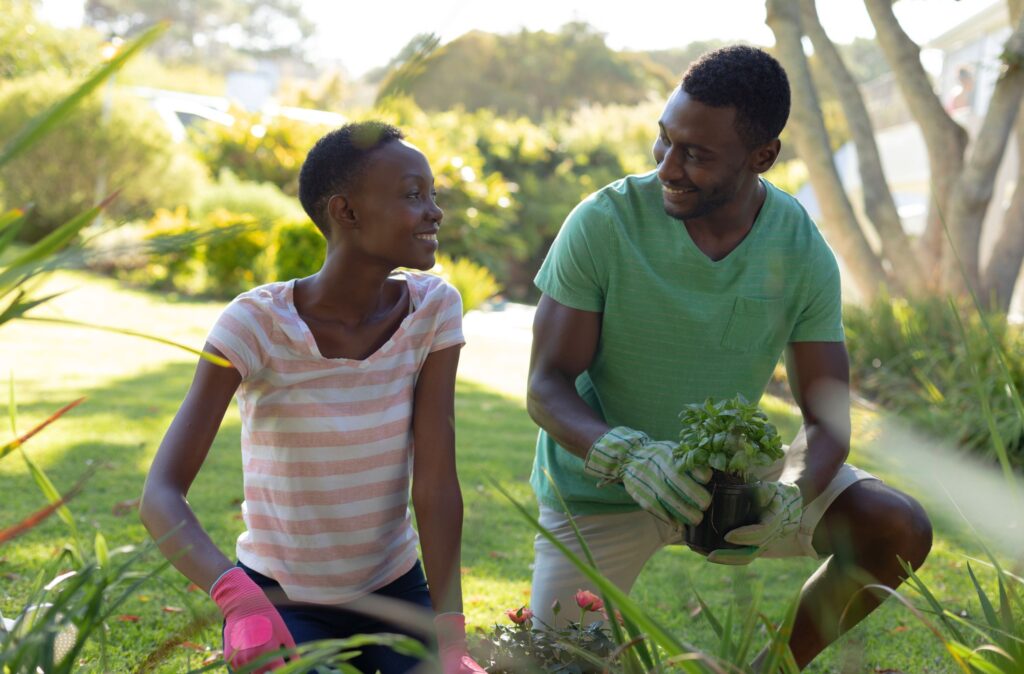
For supplies, garden centers, hardware stores, and online retailers carry most of what you need. A basic setup usually includes containers or garden space, quality soil or potting mix, a hand trowel, and a watering can or hose. As you gain experience, you can decide if additional tools or upgrades are worth adding, but starting simple is usually enough.
Safety and Tips
Starting small makes the process easier to manage and more rewarding. Resist the urge to scale up too quickly. A few healthy, well-tended plants are more satisfying, and more instructive, than a larger garden that is hard to keep up with. You will learn more from three plants you pay close attention to than from ten you are just trying to keep alive.
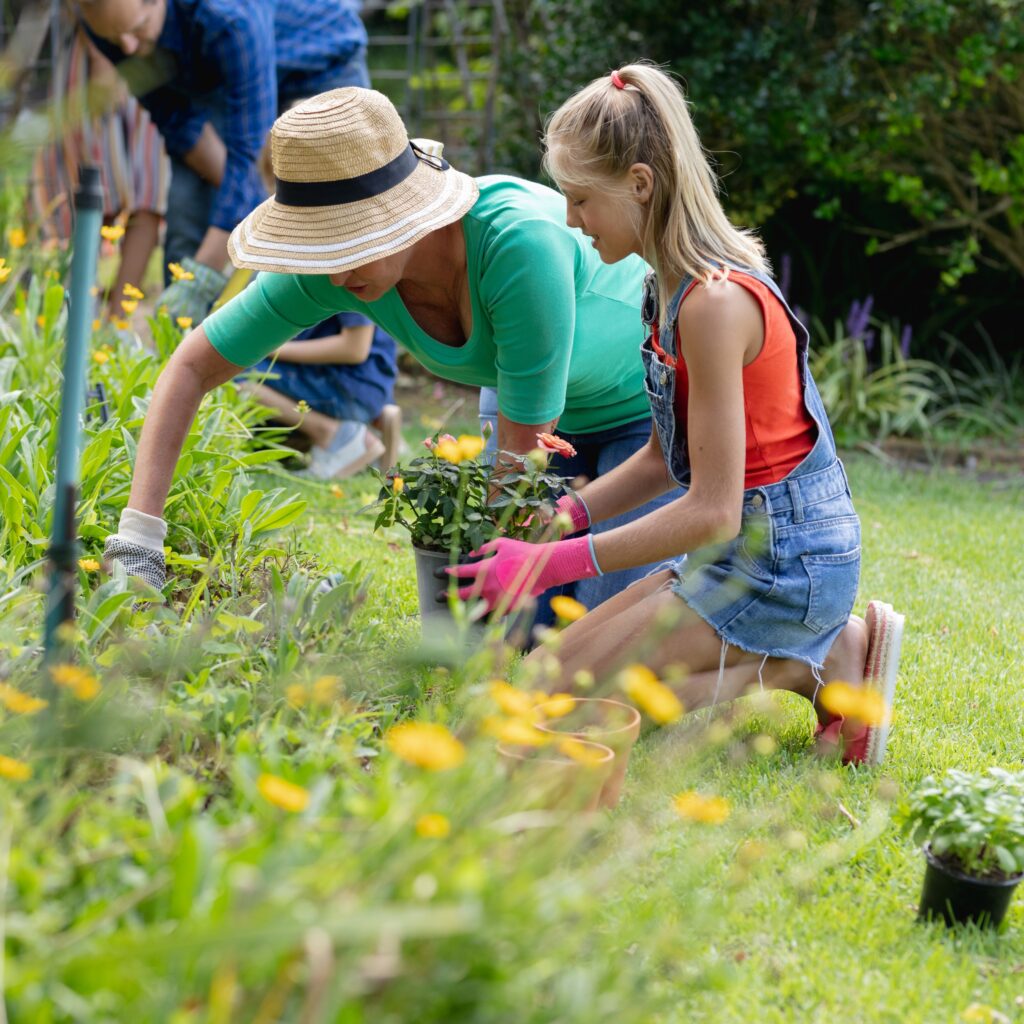
Labeling your plants saves confusion later. Label your plants from the start. Simple stakes or markers help you remember what you planted where, especially when everything is still a seedling and looks nearly identical. It takes thirty seconds and saves a surprising amount of confusion later.g a shade-preferring plant in full afternoon sun will show you the consequences quickly.
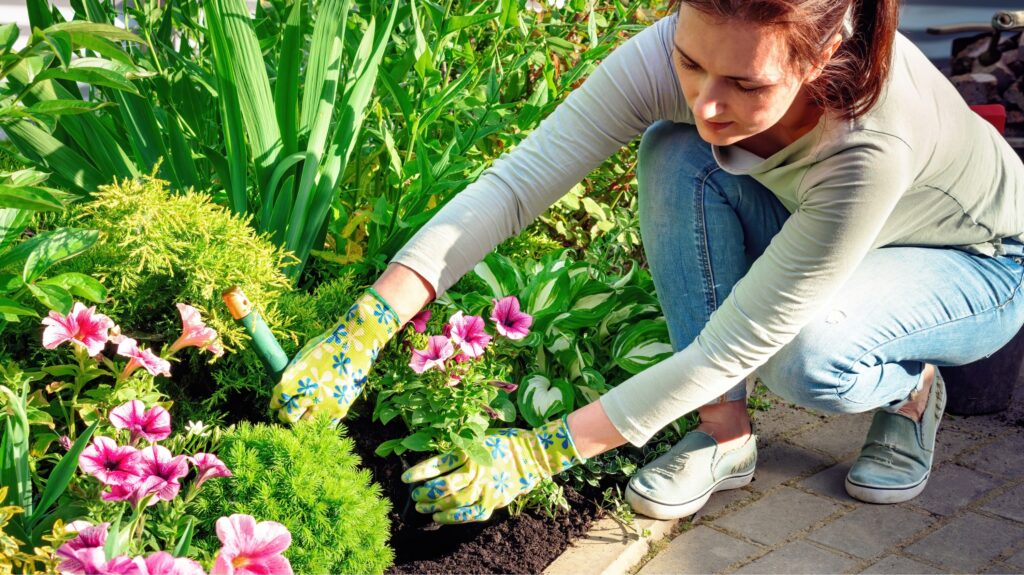
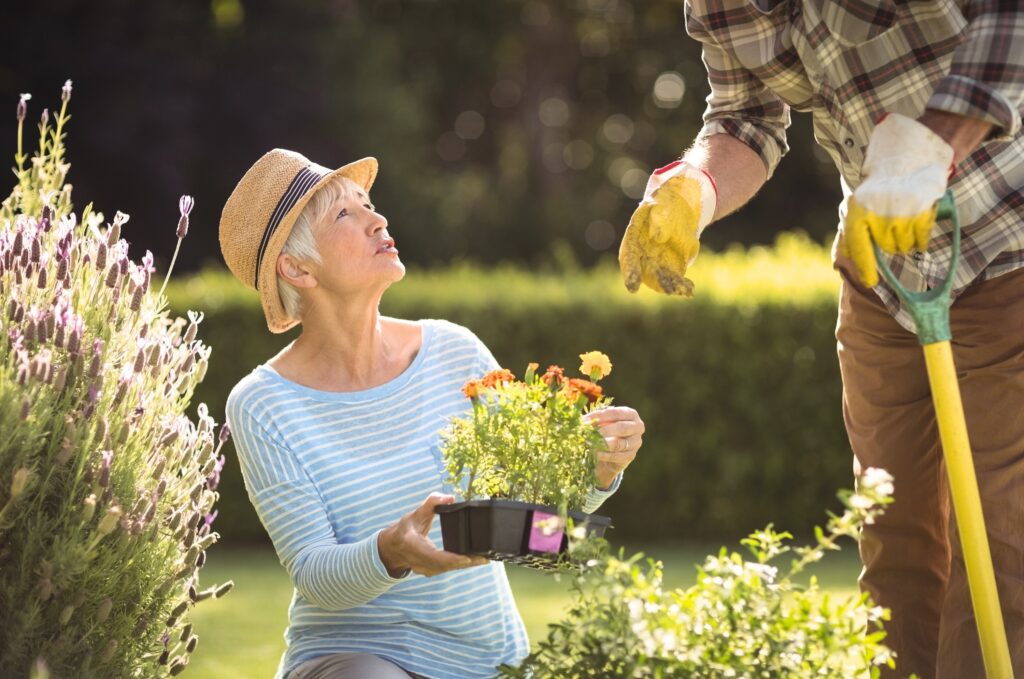
Wearing gloves and handling tools safely helps prevent avoidable issues. Wear gloves when working with soil, particularly when digging or handling unfamiliar plants. Some varieties cause mild skin irritation, and garden soil can harbor bacteria worth keeping off open cuts.
It is a small habit that is easy to build from the start. If you have children or pets, it is also worth storing tools properly and keeping them out of reach. Shovels and hand trowels left on the ground are an easy hazard to avoid.
Pesticides and fertilizers should always be used with care. If you plan to use any pesticides or fertilizers, read the labels carefully before applying. Even products marketed as organic or natural can cause irritation and should be kept away from children and pets. When in doubt, ask at your local garden center about the safest options for your specific setup.
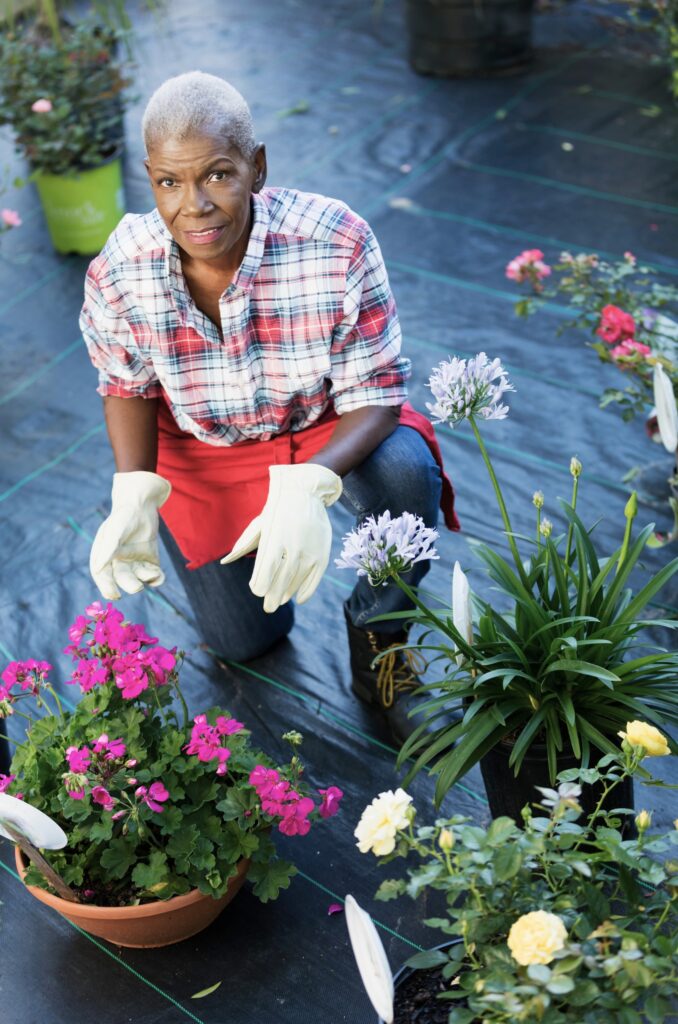
Sunlight and watering are the two variables most beginners get wrong, and usually in the same direction, too much of both. Overwatering is the most common way to lose a plant, so when in doubt, hold off. A good rule of thumb is to check the top inch of soil before watering. If it is still damp, wait. The same goes for sun. Most plant tags list requirements honestly, and placin
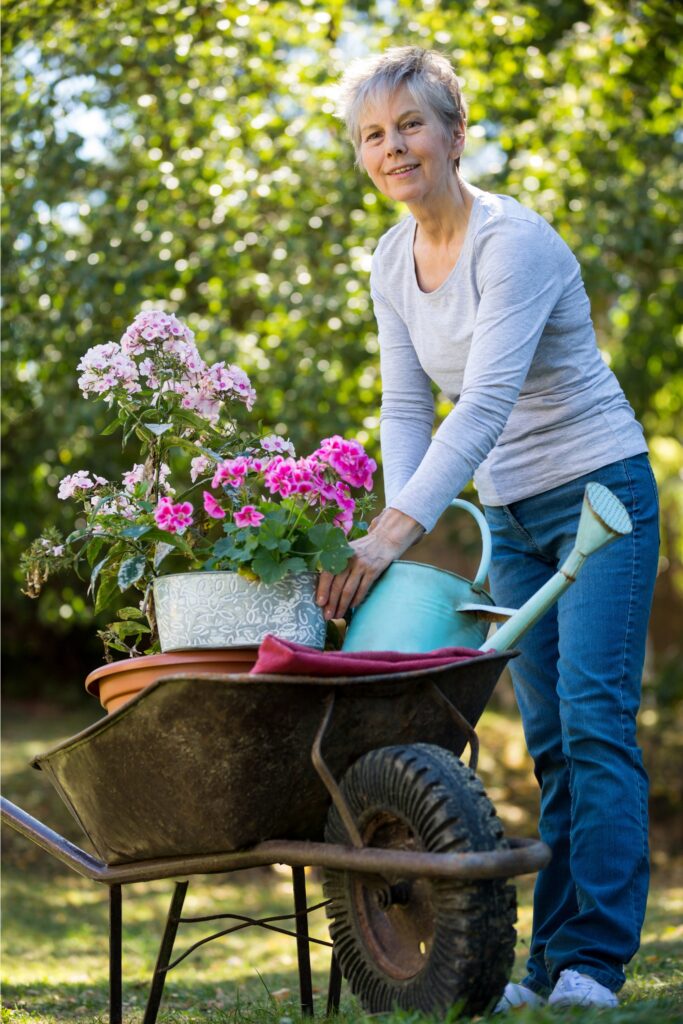
Weather timing can make or break new plants. Check the forecast before planting or doing significant watering. Putting a new plant in the ground the day before a heat wave or heavy rain gives it an unnecessarily hard start. A mild, overcast day is often the best time to transplant. It reduces stress on the plant while it settles in. It is also worth knowing your local last frost date before planting in spring. Putting plants outside too early is one of the most common beginner mistakes and an easy one to avoid. A quick search for your zip code will give you a reliable date to work from.
Healthy soil is the foundation everything else depends on. Do not overlook your soil. It is easy to focus entirely on the plants while ignoring what they are growing in. A basic compost or slow-release fertilizer worked into your soil at the start of the season makes a noticeable difference and requires very little ongoing effort.
Deadheading helps extend your blooming season. Get into the habit of deadheading, removing spent blooms before they die off completely. It encourages the plant to keep producing new flowers rather than putting its energy into seed production, and it is one of the simplest ways to extend your blooming season with no extra cost.
Taking photos helps you track progress and spot issues early. Take photos as you go. A quick weekly picture documents progress, helps you spot problems early, and gives you useful reference points when you are planning next season. Most gardeners wish they had started doing this sooner.
Some plants can causeirritation or allergic reactions, so it is worth paying attention to how you respond. Be aware that some flowering plants are known allergens or mild irritants.
If you notice skin reactions or allergy symptoms after spending time with a particular plant, it is worth identifying what you are working with before continuing. Apps like PictureThis make this easy.
Taking care of yourself matters just as much as caring for your plants. It is easy to lose track of time in the garden, especially on a good day. Wear sunscreen, bring water, and put on a hat if you are working in direct sun for any length of time. The plants will keep. Take breaks when you need them.
Final Thoughts
Flower gardening does not demand perfection, just persistence. The knowledge builds gradually through small adjustments, close observations, and the occasional surprise. Over time, it becomes a practice that feels genuinely yours, shaped by your space, your climate, and what you have learned along the way.
If you have been on the fence about starting, a single pot and a packet of seeds is all it takes to find out whether it is for you. Most people are surprised by how quickly it hooks them.
We would love to hear where you are with it, whether you are already growing something, just getting started, or still thinking it over. Drop a comment below and let us know.
Leave a Reply