The Clock That Changed Ocean Navigation
For centuries, sailors could look to the sky and determine how far north or south they had traveled. But knowing how far east or west they were was an entirely different challenge.
The eventual solution was not a larger ship, a better sail, or a more detailed map. It was a remarkably accurate clock.
The Problem of Longitude
A ship’s location can be described using two measurements: latitude and longitude.
Latitude shows how far north or south a location is. Sailors could estimate it by observing the height of the sun or certain stars above the horizon. The instruments and calculations changed over time, but the sky gave navigators a natural reference.
Longitude shows how far east or west a location is. That was much more difficult because there was no equally obvious fixed reference in the sky.
Before an accurate method was available, sailors often relied on dead reckoning. They estimated their position using the ship’s direction, speed, time traveled, currents, and other observations. Skilled navigators could make remarkably good estimates, but small errors accumulated over a long voyage.
A ship might be farther east or west than anyone aboard realized. That uncertainty became especially dangerous when approaching coastlines, reefs, or islands.
How Can a Clock Reveal Location?
The connection between time and longitude comes from Earth’s rotation.
Earth turns 360 degrees in approximately 24 hours, or 15 degrees each hour. Because of that rotation, noon does not occur at the same moment everywhere. The sun reaches its highest point earlier in locations farther east and later in locations farther west.
A navigator could determine local noon by observing the sun. The missing piece was knowing the exact time at a fixed reference point somewhere else.
Suppose the sun reached its highest point at the ship’s location while a reliable clock showed that it was 2 p.m. at the reference location. That two-hour difference represented approximately 30 degrees of longitude.
The idea was relatively straightforward: compare local time with reference time, then convert the difference into degrees.
Actually doing it aboard a ship was another matter.
Why Ordinary Clocks Failed at Sea?
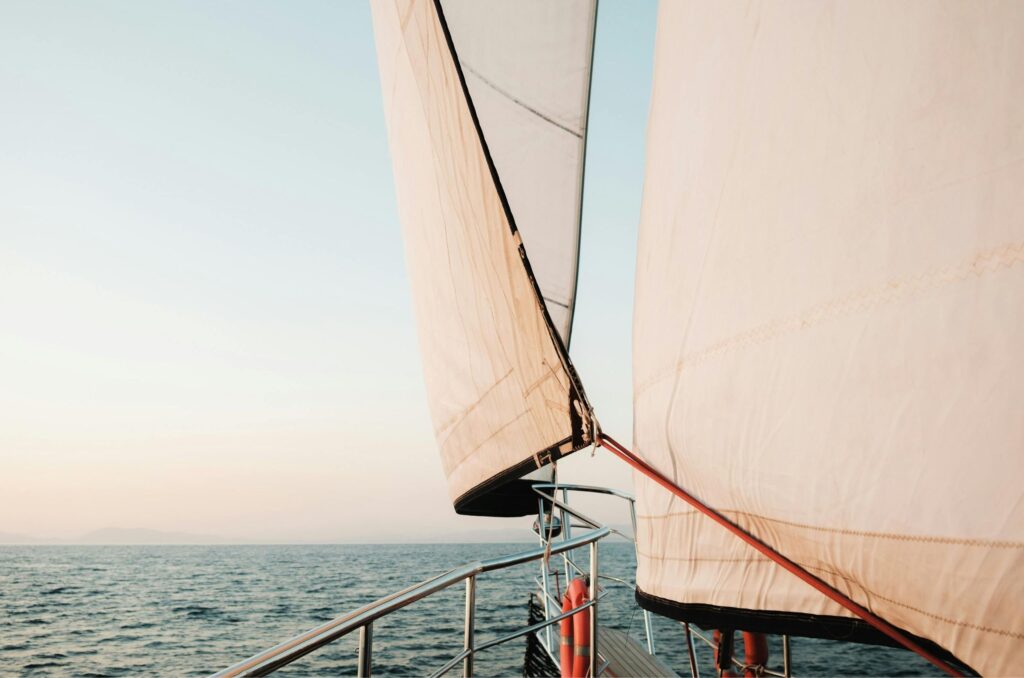
The best clocks of the era were generally pendulum clocks. They could keep impressive time while sitting securely on land, but a ship was anything but secure.
Ships rolled and pitched with the waves. They vibrated, changed speed, and passed through widely varying temperatures and humidity. Pendulums could not swing consistently under those conditions. Lubricants also thickened or thinned, while metal components expanded and contracted.
A clock did not need to stop completely to become dangerous. It only needed to gain or lose enough time to produce a significant error in the ship’s calculated position.
For sailors crossing an ocean, accurate timekeeping was therefore not simply a matter of convenience. It could mean the difference between a safe landfall and a disastrous miscalculation.
A Reward for Solving the Problem
In 1714, the British government established a major financial reward for a practical method of determining longitude at sea.
Many people expected the answer to come from astronomy. One method involved carefully observing the moon’s position in relation to the stars.
But another possible solution was to build a clock accurate enough to carry reference time across an ocean.
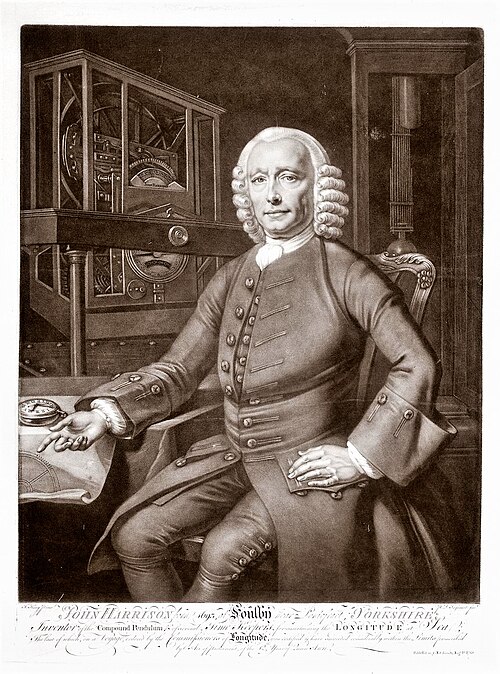
That challenge captured the attention of John Harrison.
Harrison was a carpenter by trade and largely self-taught as a clockmaker.
He had already built unusually accurate wooden clocks when he turned his attention to longitude.
He would spend much of his life trying to solve it.
From Giant Sea Clocks to a Watch
Harrison’s first marine timekeeper, now known as H1, was built during the 1730s. It was an intricate machine with interconnected balances designed to counteract the movement of a ship.
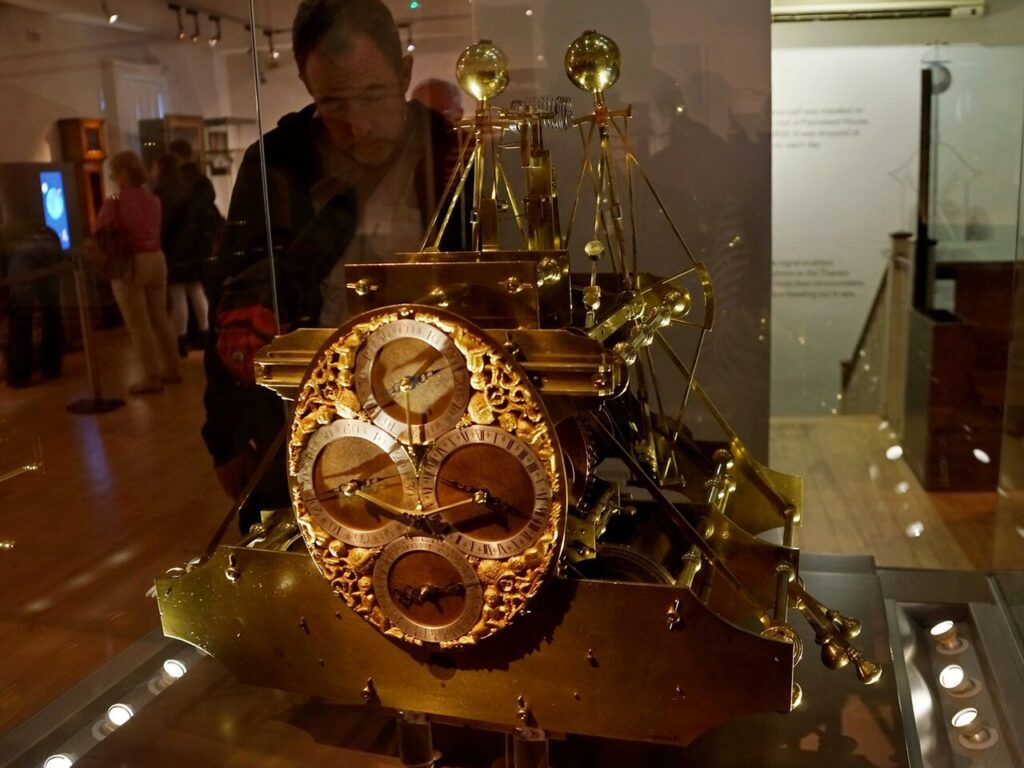
H2 followed, and then H3—a timekeeper that took Harrison nearly 19 years to build and adjust. Each design taught him more, but none provided the final answer he wanted.
Then Harrison changed direction.
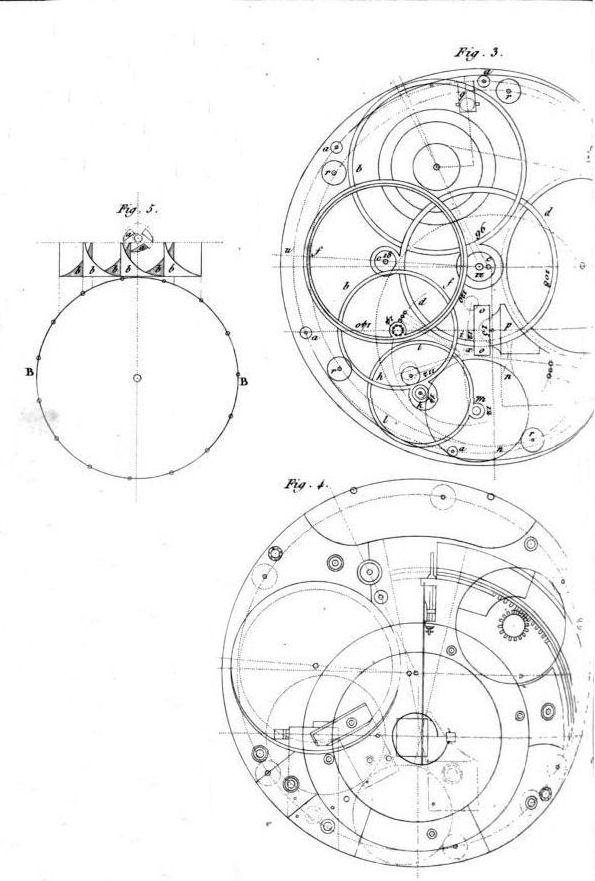
Rather than continuing to develop increasingly complicated large clocks, he began exploring the possibilities of a much smaller timekeeper.
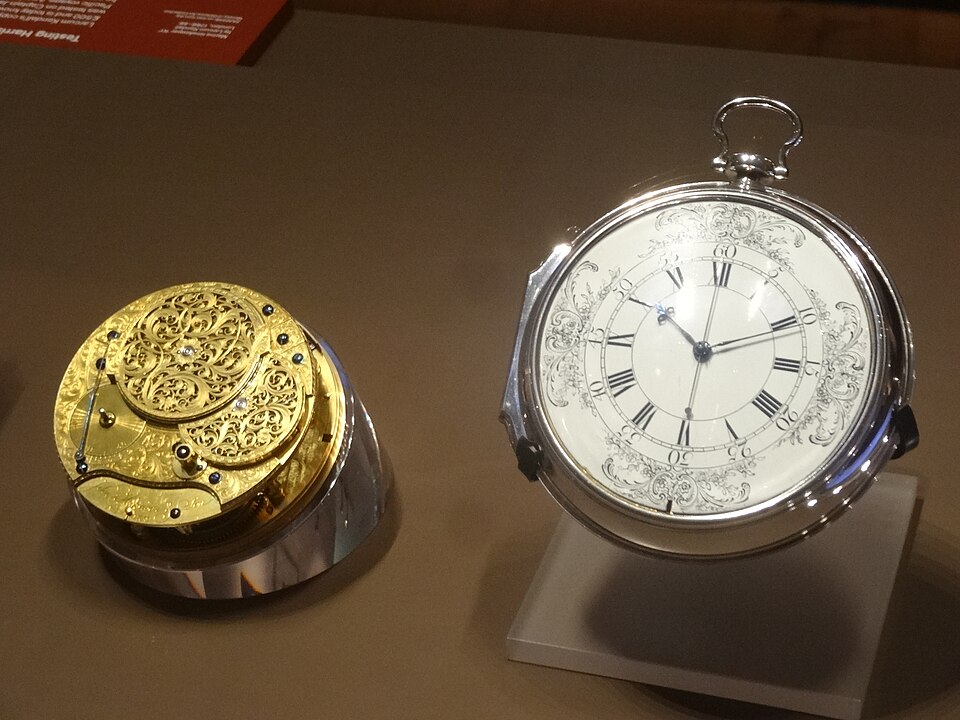
The result was H4, completed in 1759.
H4 looked less like Harrison’s earlier machines and more like an unusually large, finely made pocket watch.
Its compact balance mechanism was far less affected by a ship’s movement than a pendulum would have been.
When it was tested on an ocean voyage, H4 demonstrated that accurate time could be carried successfully across the sea.
The longitude problem had not become easy overnight, and Harrison faced a long struggle to receive full recognition and payment for his work. But he had proved something enormously important: sufficiently accurate timekeeping at sea was possible.
How One Clock Changed Sailing
Harrison’s timekeepers were too specialized and expensive to appear immediately on every ship. Other clockmakers still needed to refine the designs and find ways to produce reliable marine chronometers more affordably.
Over time, however, chronometers became essential instruments aboard ocean-going vessels.
A navigator could preserve the time at a known reference meridian, determine local time using observations of the sun or stars, and use the difference to calculate longitude. Paired with charts and other navigation instruments, the chronometer gave sailors a much clearer picture of where they were.
That meant safer crossings, more dependable trade routes, more accurate maps, and greater confidence when approaching distant land.
Modern sailors now have access to GPS, electronic charts, satellites, and instruments Harrison could never have imagined. A position that once demanded careful observations and calculations can appear almost instantly on a screen.
But behind that modern convenience is a much older insight: knowing the precise time can help reveal a ship’s position on Earth.
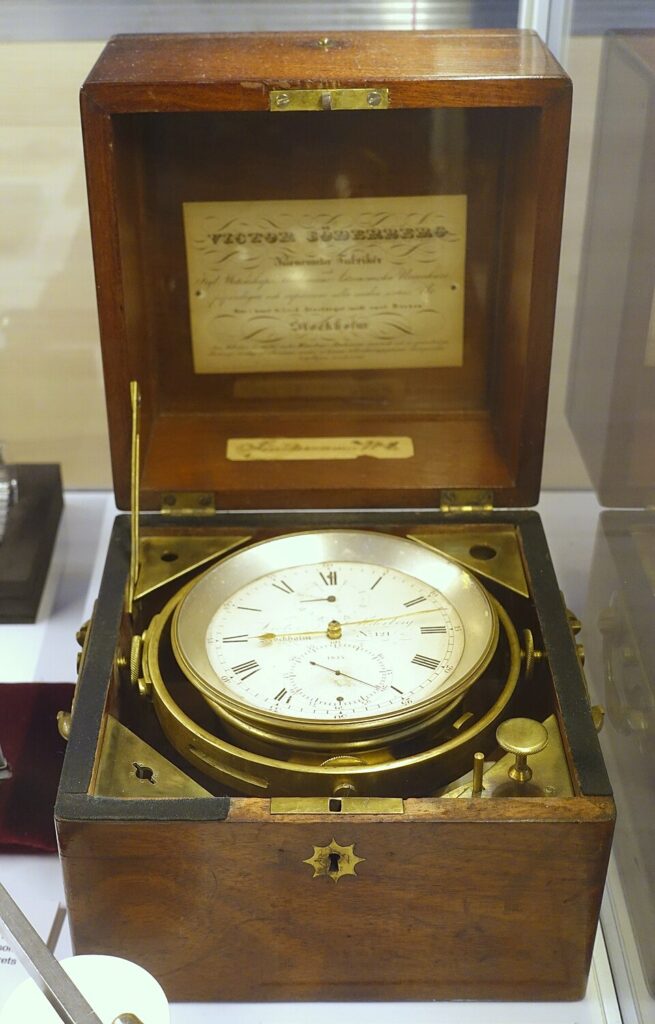
John Harrison devoted decades to turning that insight into a working machine. His breakthrough did not propel a ship through the water or capture more wind in its sails.
It simply kept time—and helped sailors know where they were.
Leave a Reply