Welcome to Saturday Sparks! This week, we’re exploring volleyball, a fast-moving team sport built around a simple goal: keep the ball off the ground on your side and find a way to put it down on the other.
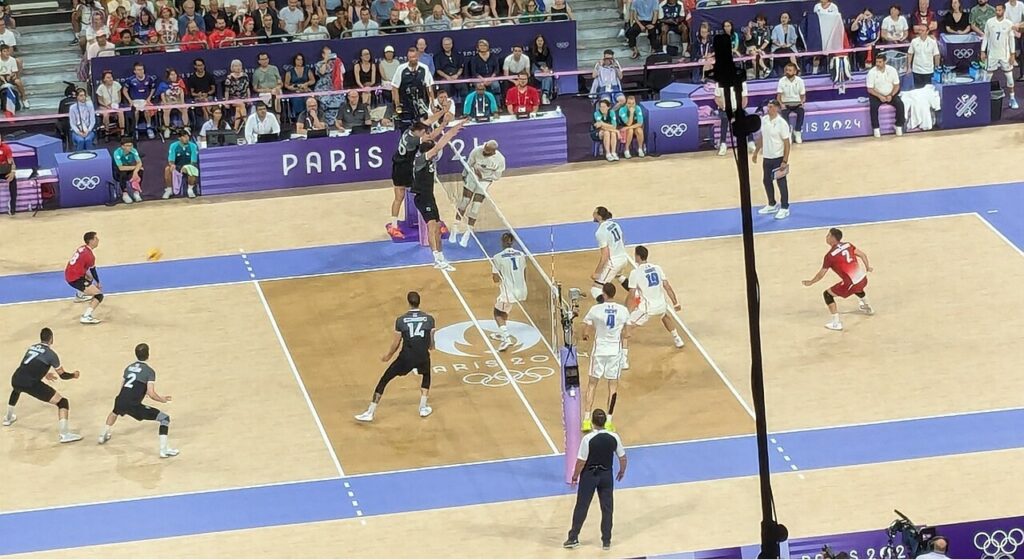
A good rally can go from a hard serve to a controlled pass, a quick set, a swing, a block, and a scrambling save in a few seconds. Even at a casual level, the game has a rhythm that keeps everyone reading, reacting, and adjusting together.
What is Volleyball?
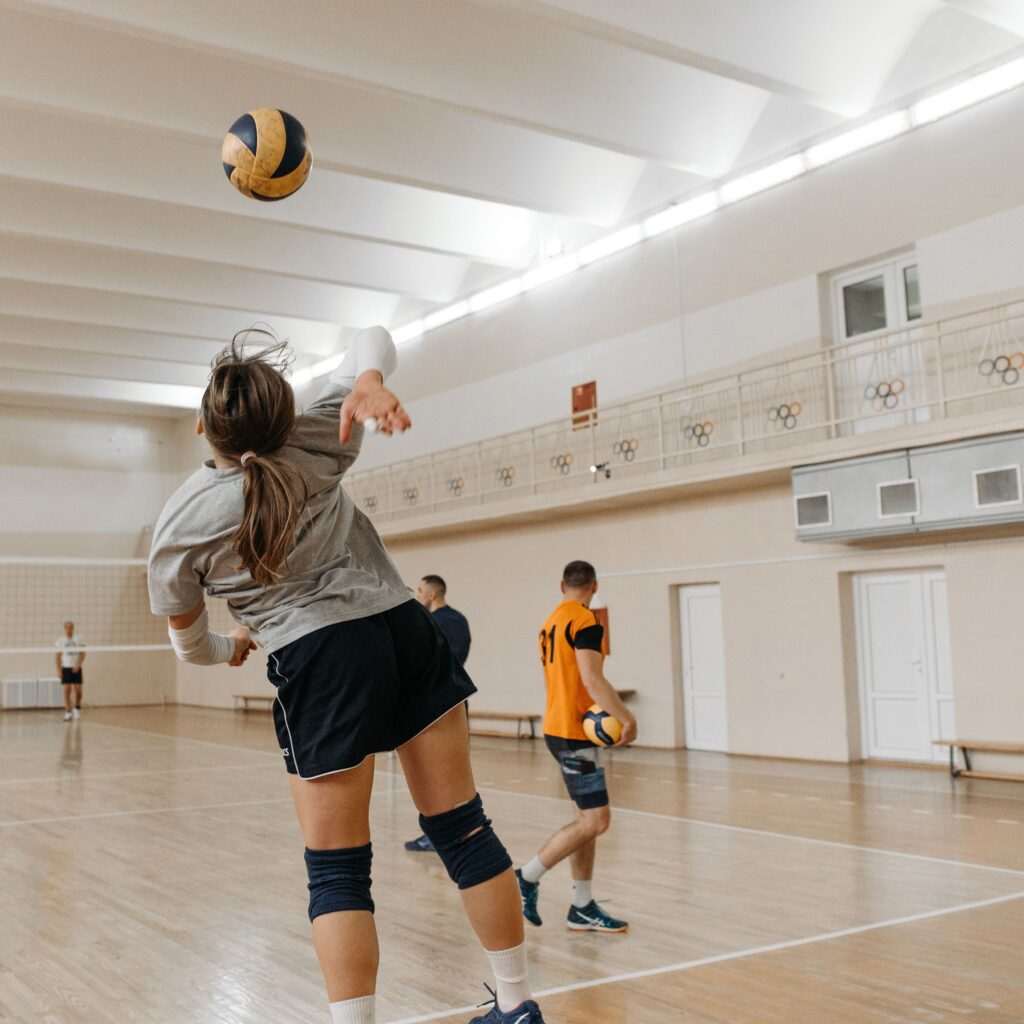
In standard indoor volleyball, two teams play on opposite sides of a net. The court measures 18 meters by 9 meters, or about 59 feet by 29.5 feet, with six players on the court for each team.
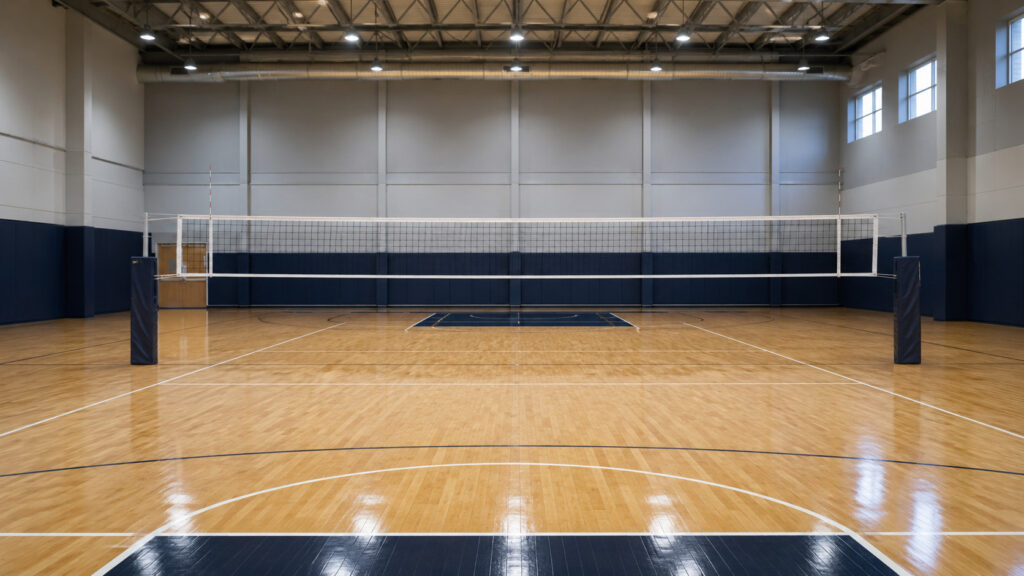
Each rally begins with a serve. A team is generally allowed up to three contacts to return the ball, which is why the familiar pass-set-attack sequence is so common. A rally ends when the ball hits the floor, goes out, or a team commits a fault.
Standard international matches are best of five sets. The first four sets are played to 25 points and a deciding fifth set, if needed, is played to 15. A team must win a set by two points.
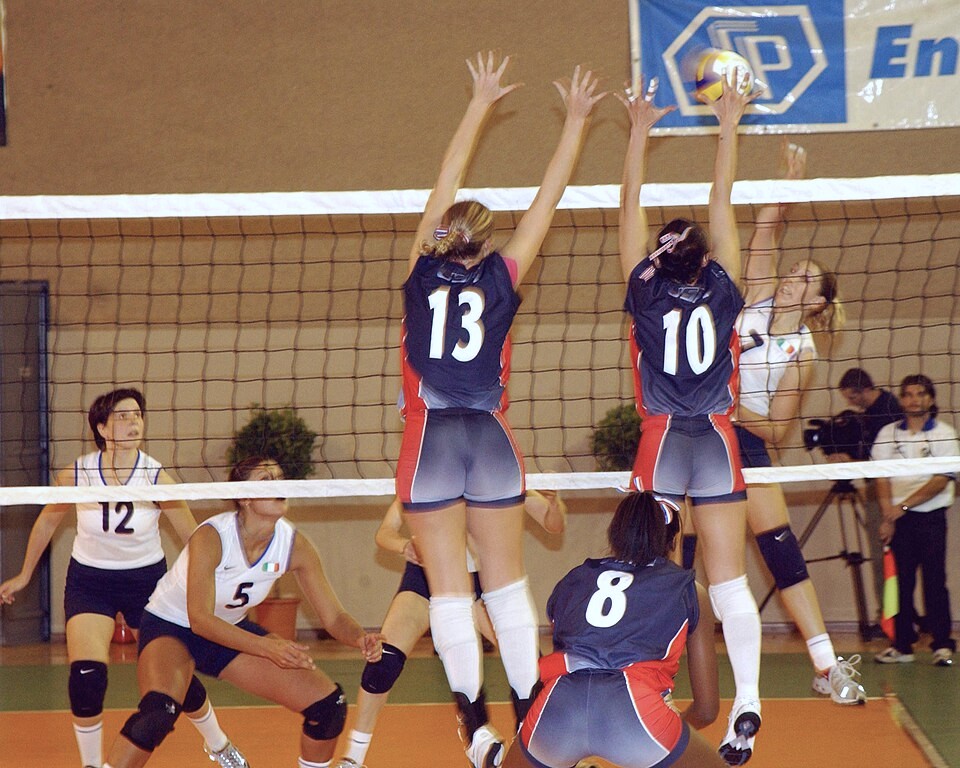
Players rotate through six court positions, but their jobs often become more specialized once play begins. Setters organize the offense, outside and opposite hitters attack, middle blockers work at the center of the net, and liberos specialize in back-row defense and passing. Recreational teams may use those roles much more loosely. Under current FIVB rules, the receiving team must be in rotational order when the serve is hit, and the team rotates clockwise when it gains the right to serve.
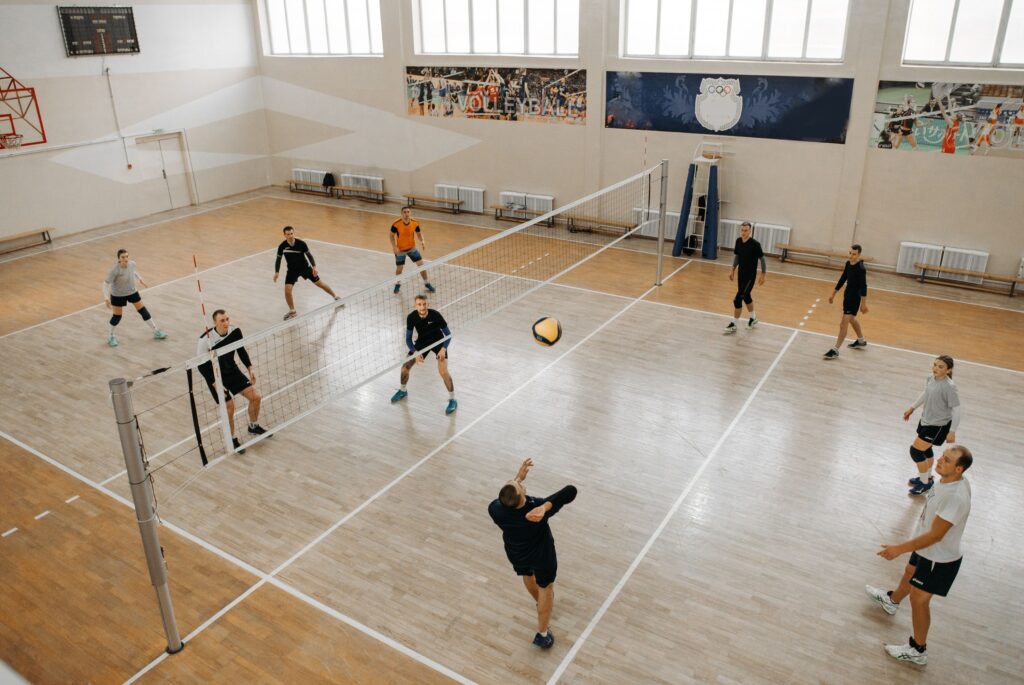
Indoor volleyball is only one version of the game. Beach volleyball is typically played two against two, including at the professional and Olympic levels. The court is smaller at 16 by 8 meters, and with only two players covering each side, both players take on a wide range of responsibilities, including serving, passing, setting, attacking, blocking, and defending. Standard beach matches are best of three sets, with the first two played to 21 points and a deciding third set to 15.
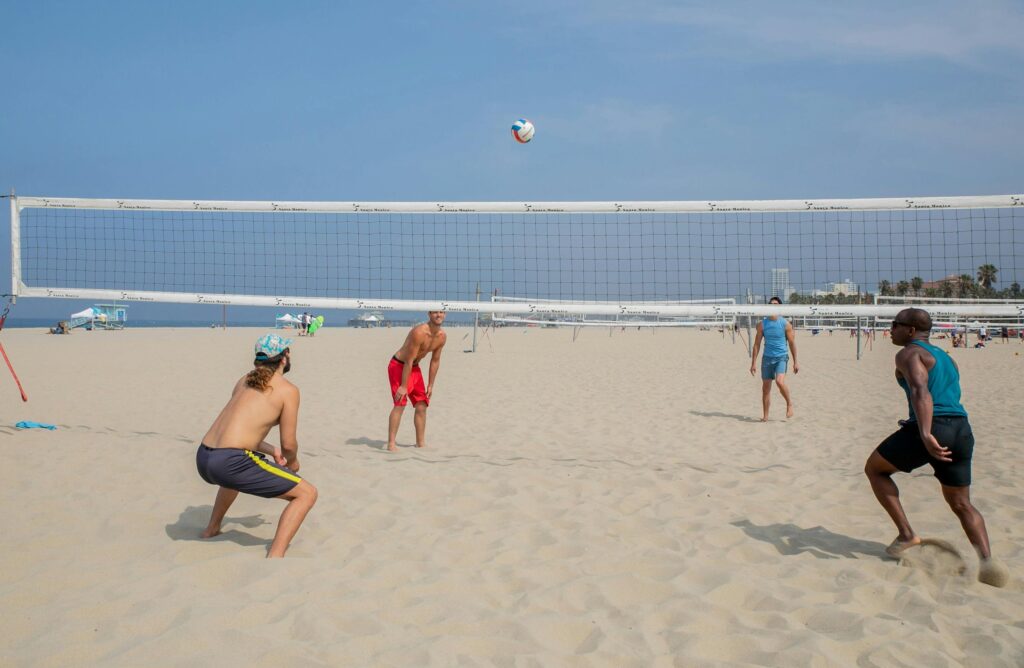
There is also a 4×4 beach volleyball format, with four players on each side. It is recognized as a separate variation of the sport and can be found in recreational play as well as organized competition. The larger team changes the pace and court coverage compared with traditional two-person beach volleyball, while keeping the same basic objective of controlling the ball and sending it back across the net.
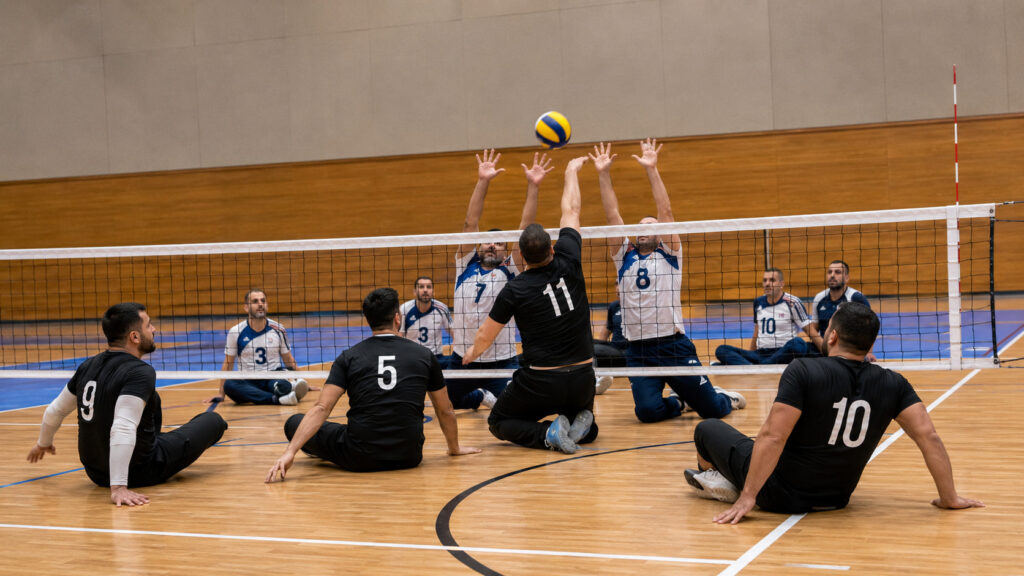
Sitting volleyball adapts the game to a smaller 10-by-6-meter court with a lower net. Six players are on each side, and much of the familiar structure remains, including serving, setting, attacking, blocking, and the three-contact limit. Players move around the court while seated, and sitting volleyball is also played at the Paralympic level.
There are plenty of less formal versions as well. Recreational leagues and pickup games may use four-player teams, coed teams, or adjusted rules depending on the number of players and available space. Volleyball is also played on grass, in parks, and in backyards, where the focus may be less on official rotations and positions and more on keeping the ball moving and enjoying the game.
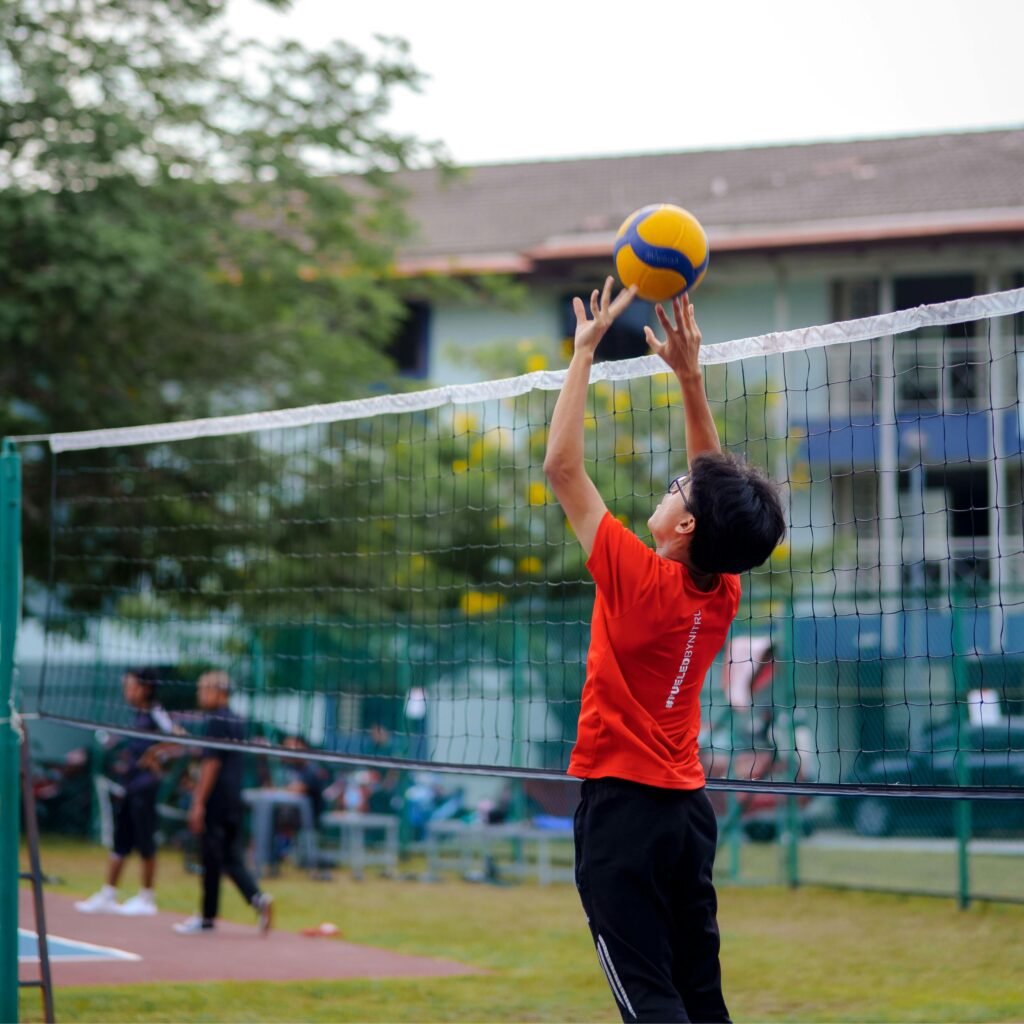
That variety gives volleyball a fairly wide range. Someone who enjoys the structure and specialized positions of indoor play may have a very different experience from someone playing two-on-two at the beach, joining a 4×4 game, or playing in a relaxed recreational league, but the basic challenge remains familiar: control the ball, work together, and send it back across the net before it hits the ground.
Benefits of Volleyball
Quick decision-making becomes part of every rally. The ball rarely gives you much time to think, so players learn to read where it is going, choose a response, and move. That constant cycle of observing and reacting keeps the game mentally engaging.
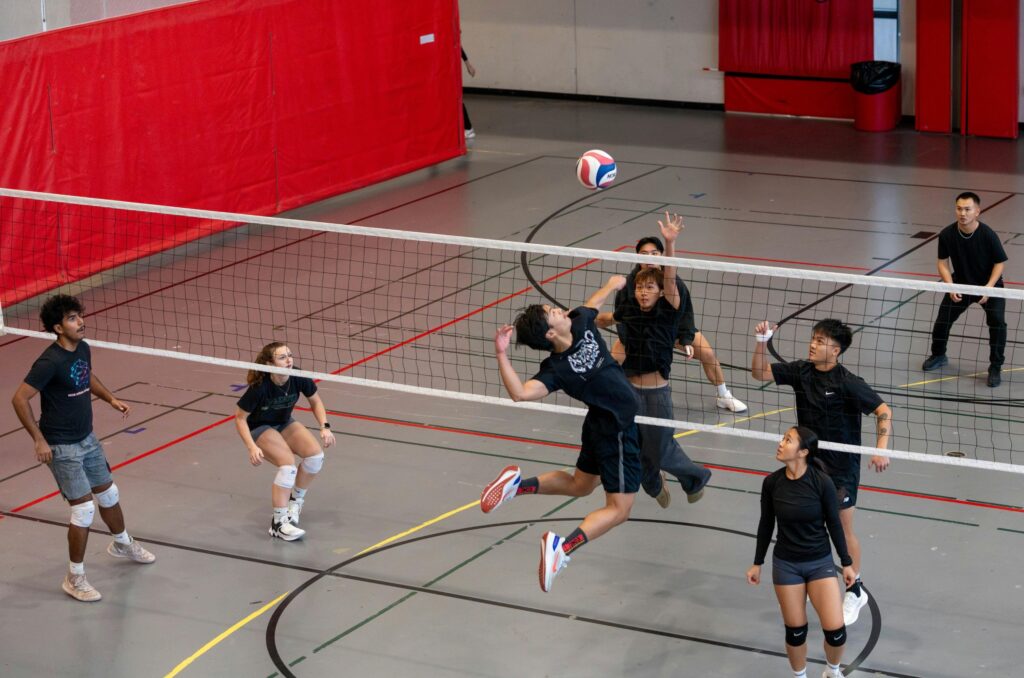
Volleyball develops full-body coordination in a practical way. Passing uses the legs and core as much as the arms, setting depends on body position and timing, and attacking adds jumping, balance, and controlled power. Even a recreational game can involve plenty of short bursts, lateral movement, and quick changes of direction.
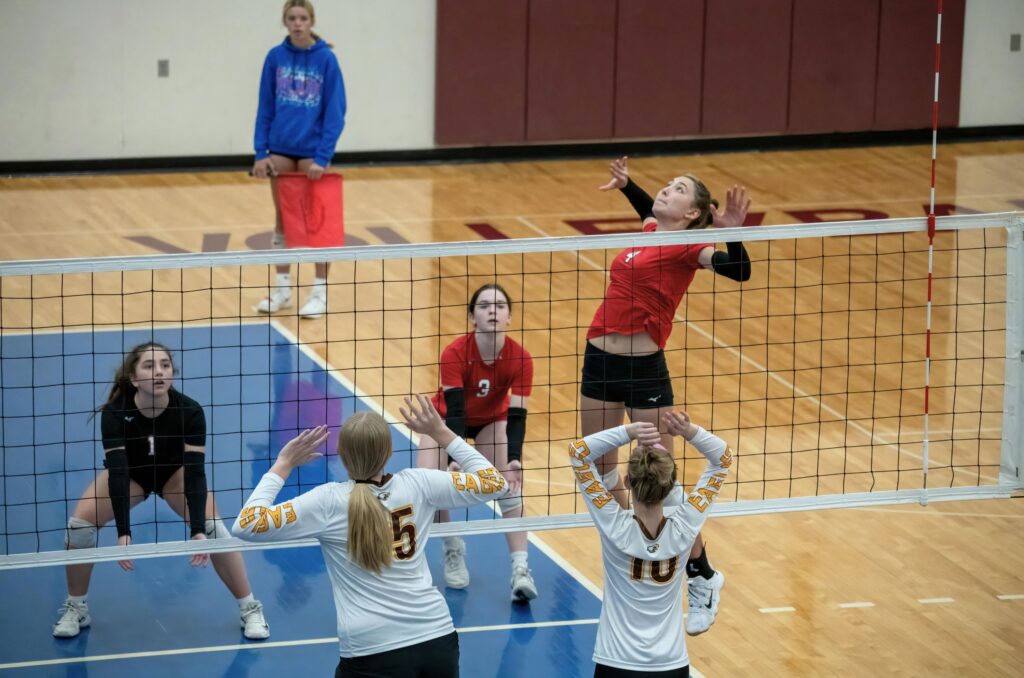
Teamwork is built into the structure of the sport. One player usually cannot complete an entire rally alone, so success depends on communication and trust. Calling the ball, covering a hitter, and moving into position for the next contact make cooperation part of nearly every point.
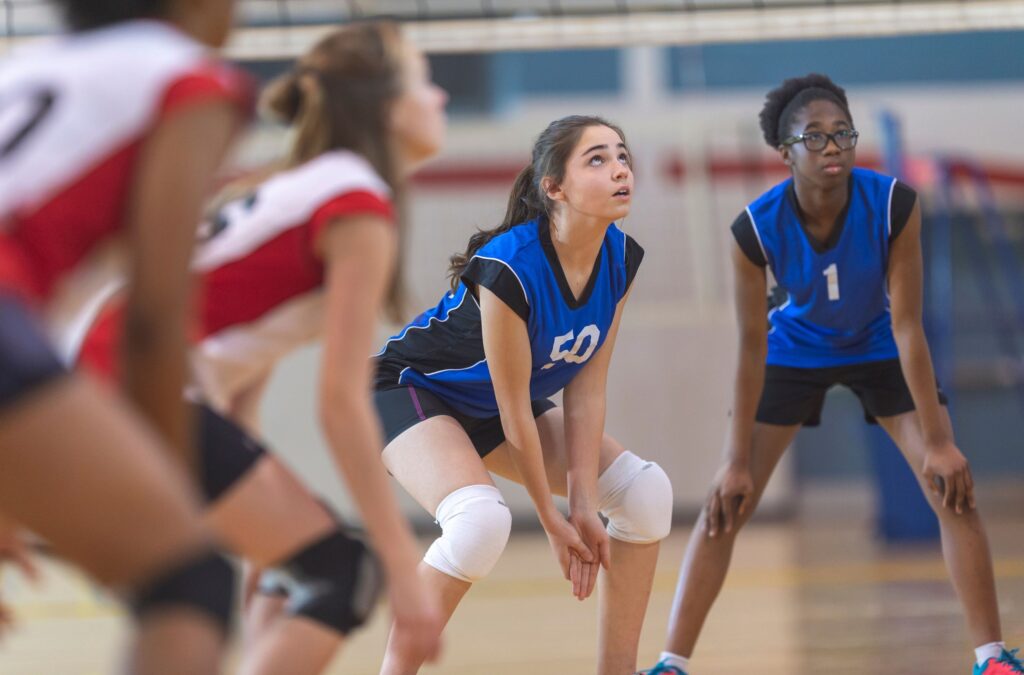
Progress is easy to notice. A serve that finally clears the net consistently, a pass that reaches the setter, or a first clean attack can feel like a real milestone. Those small improvements help beginners see progress while the technical depth keeps experienced players challenged.

There are several ways to make volleyball fit your life. Competitive players may spend hours in practices and tournaments, but casual players can join an open gym, recreation league, beach game, or backyard match. Different formats make it easier to match the sport to your schedule, space, and preferred level of intensity.
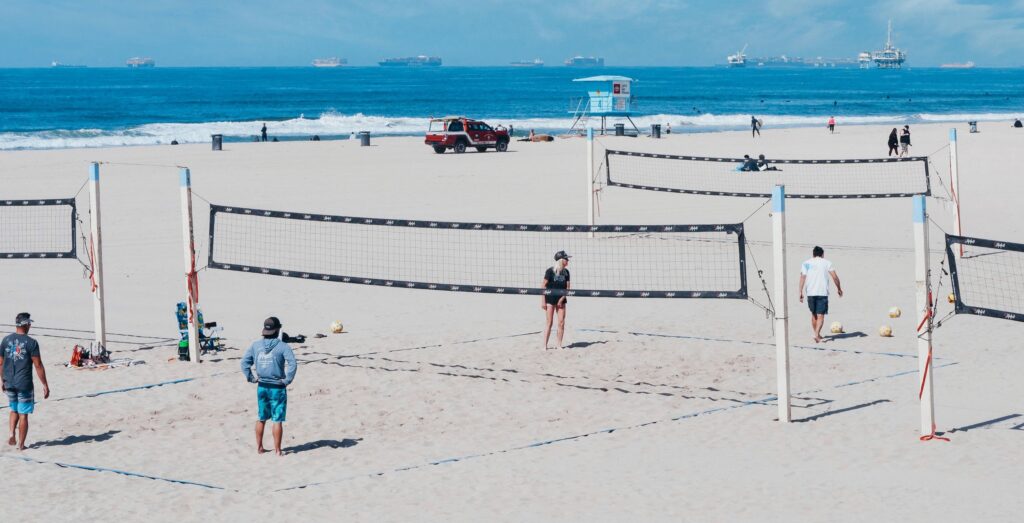
Volleyball can be relatively easy to try without a major upfront investment. For casual play, you may only need athletic shoes and access to a ball and net, especially if you are joining an open gym, recreation program, or pickup game. Costs can increase with club or travel volleyball, where coaching, uniforms, tournament fees, and travel may become part of the commitment, but those expenses are not
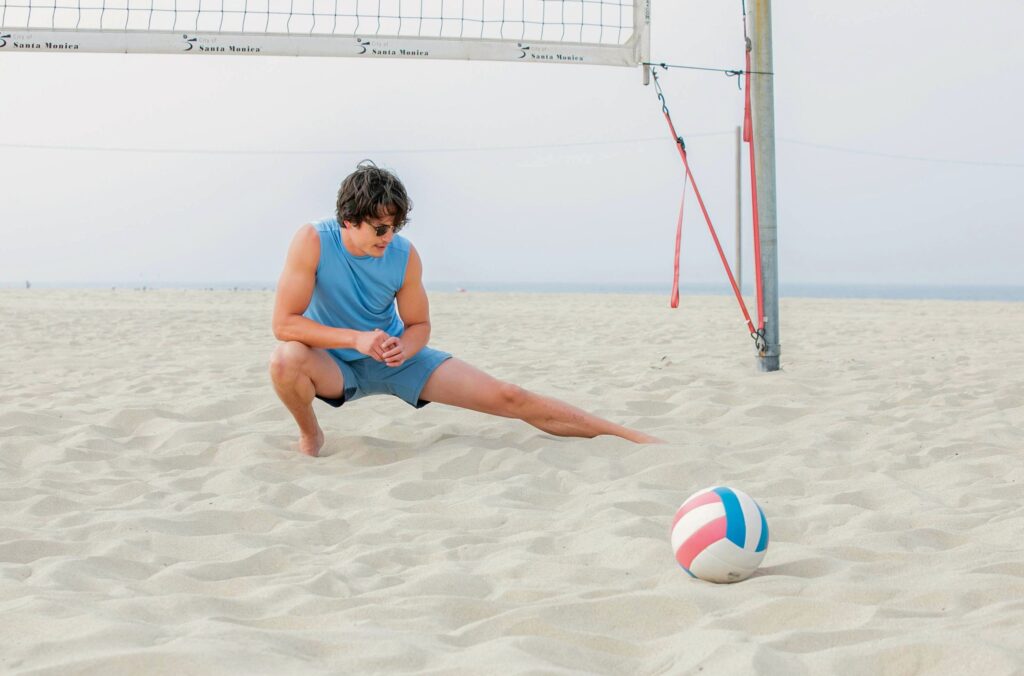
There is room for solo practice even though the game is social at its core. Serving, wall passing, footwork, and controlled setting can all be practiced alone. Still, volleyball really comes alive with other people, whether that means one partner passing back and forth or a full team learning how to move together.
Getting Started
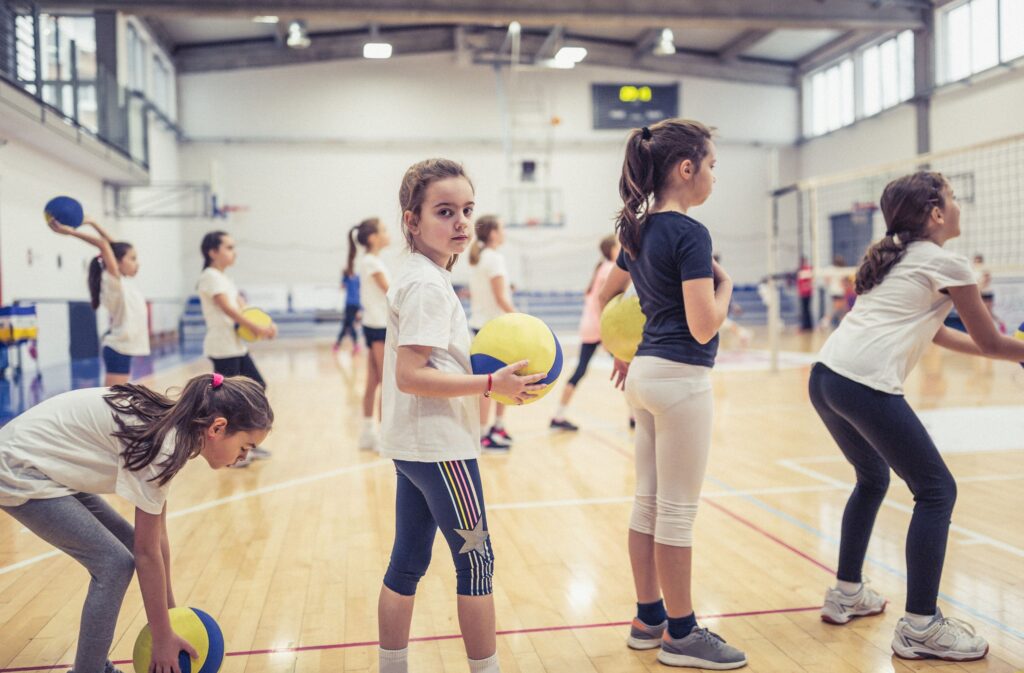
You do not need to buy a net or a pile of training equipment before you know whether you enjoy volleyball. Start somewhere that already has the basics, such as a recreation center, school gym, YMCA, park court, beach court, or beginner clinic. Wear comfortable athletic clothing and shoes with good traction for the surface.
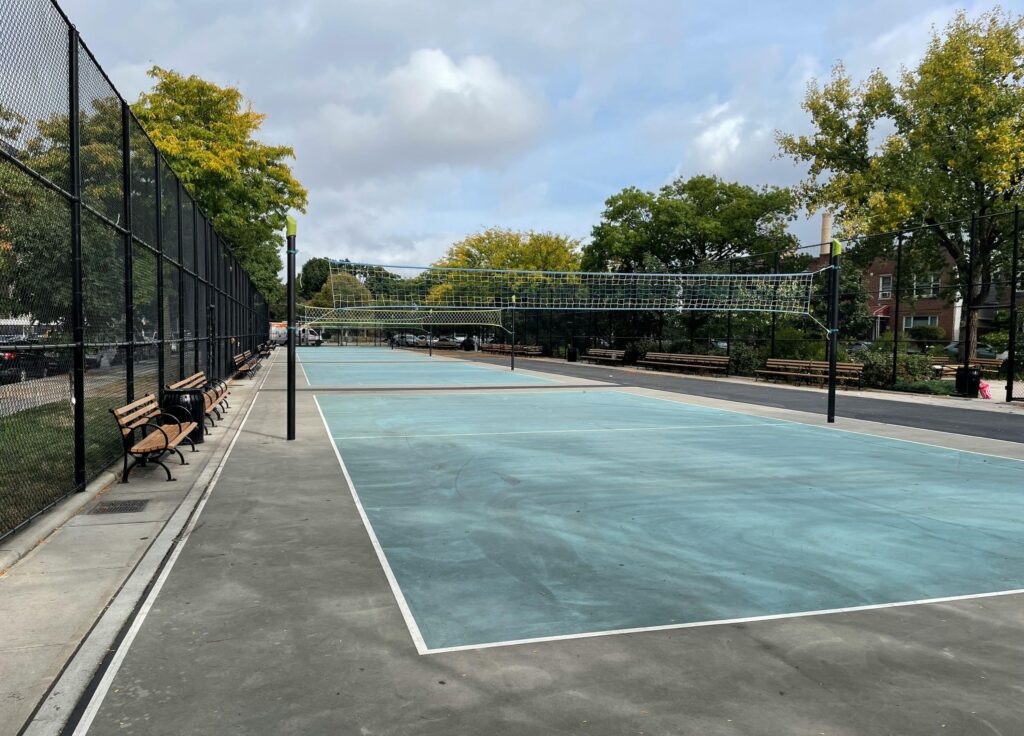
For a first session, focus on passing, setting, and serving. You do not need a jump serve or a complicated offense. Being able to control the ball enough to keep a rally going is much more useful at the beginning.
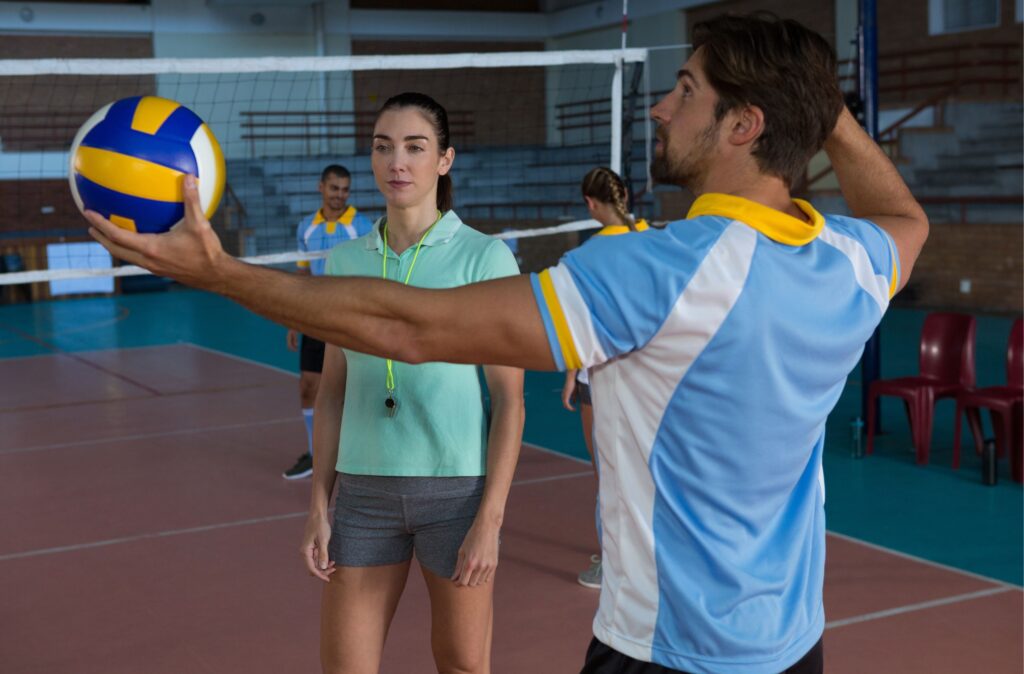
Choose the right starting environment, too. A beginner open gym, lesson, or recreation league is usually easier than jumping into a fast competitive run where everyone already knows the rotations and systems. If you are joining a class or league, ask what experience level it is designed for.
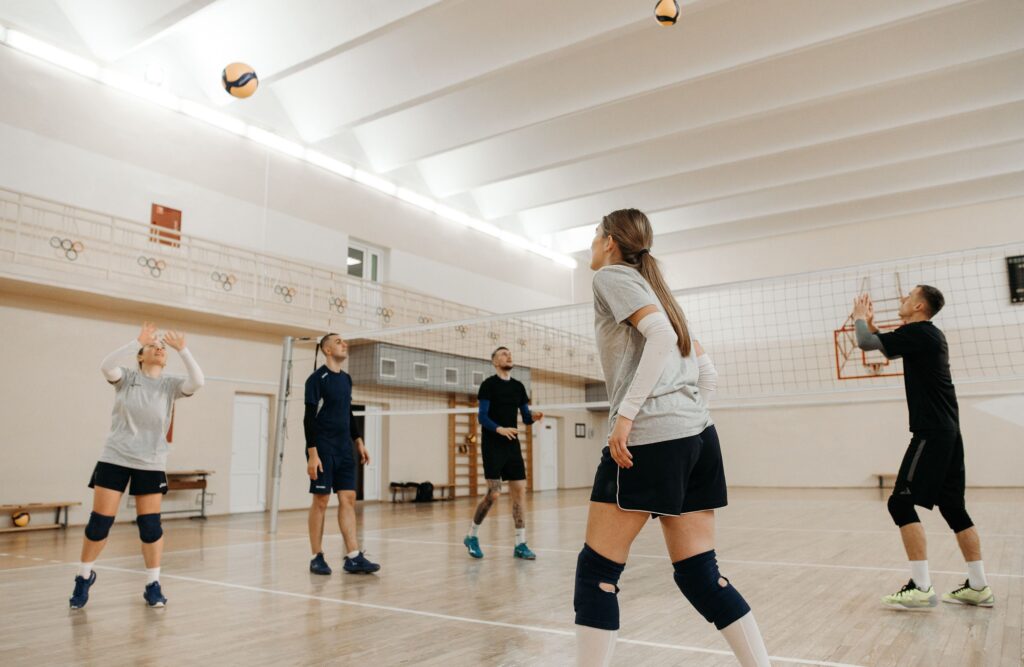
Expect the first few sessions to feel a little chaotic. New players often discover that getting into position is harder than making the actual contact. That improves with repetition as you begin to recognize where the next ball is likely to go.
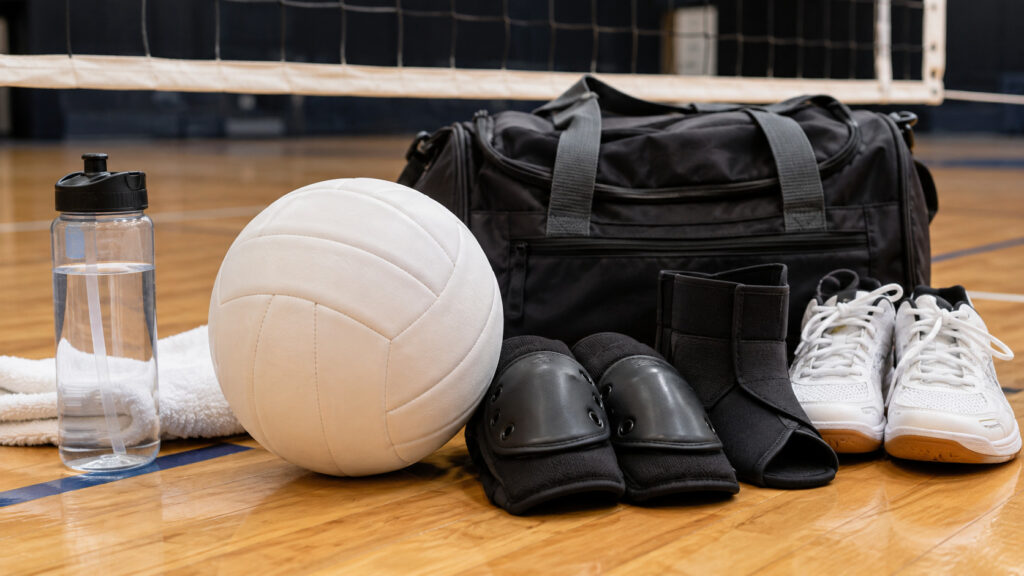
If you eventually want your own gear, begin with a volleyball suited to the surface you plan to use. Knee pads are common indoors but not required for every beginner, and a portable net can wait until you know you will use it.
Resources
USA Volleyball is a strong starting point in the United States. Its beginner resources explain skills, rules, and different versions of the sport, while its regional system can help players locate clubs and programs nearby. USA Volleyball currently organizes its local network through 40 Regional Volleyball Associations.
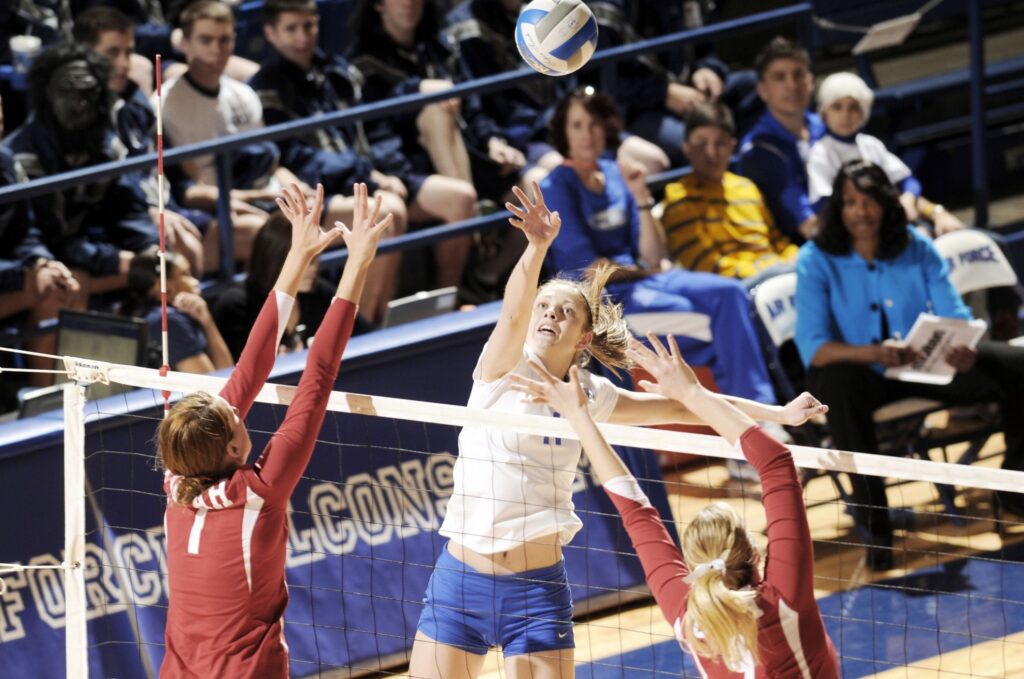
For official rules and deeper technical detail, the FIVB publishes the current international indoor volleyball rulebook. It is more information than most beginners need for a first game, but it is useful when you want to understand court markings, rotations, substitutions, and competitive rules.
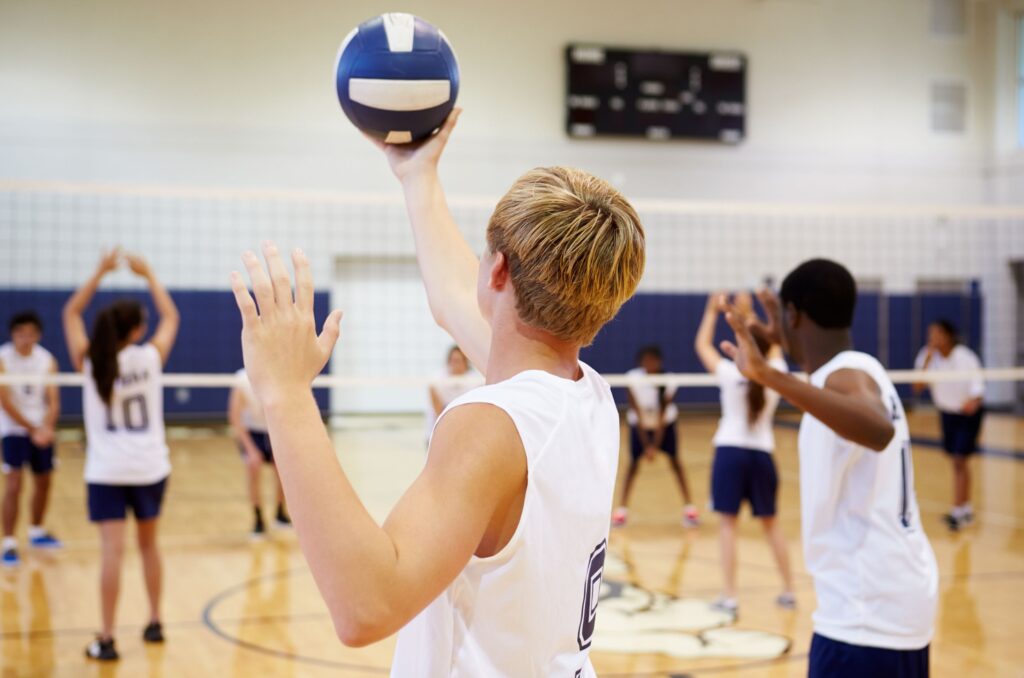
Local parks and recreation departments, YMCAs, community centers, schools, colleges, and sports complexes are often the easiest places to find open gyms, adult leagues, youth clinics, and beginner programs. Adults can also try searching “open volleyball” or “adult volleyball league” with their city. USA Volleyball specifically recommends local Parks and Recreation programs and YMCAs as places adults can look for playing opportunities.
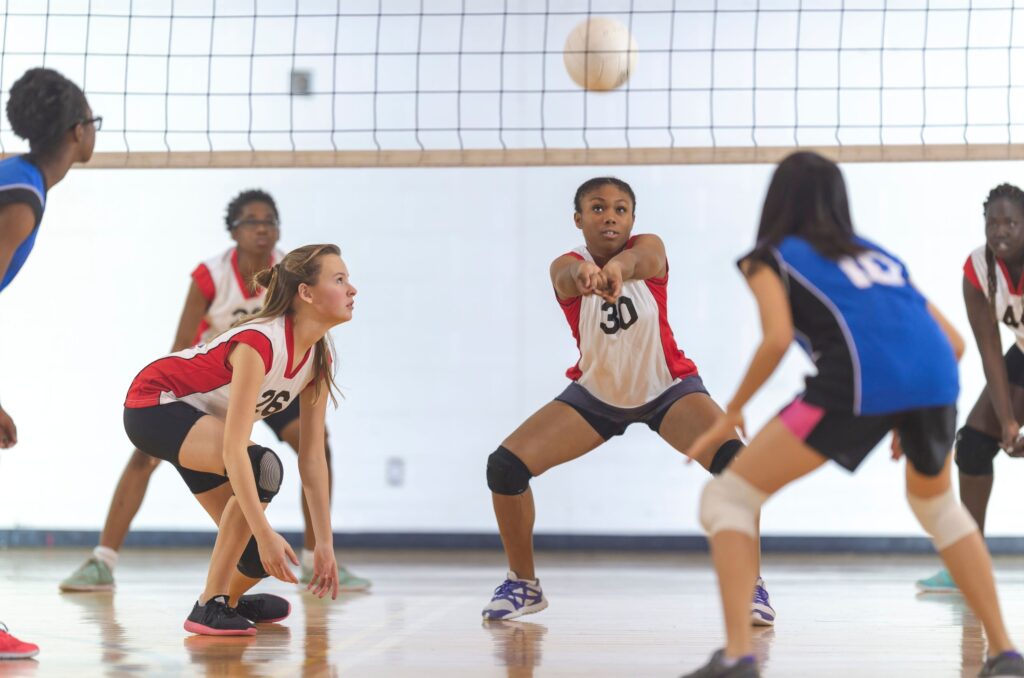
Youth players considering club volleyball should compare commitment levels before joining. Some programs are local and developmental, while others involve several practices each week and travel tournaments. Ask about schedule, total fees, playing-time philosophy, and expected experience before signing up.
Video demonstrations can help with skills that are difficult to understand from words alone. Look for reputable coaches or volleyball organizations and practice one technique at a time. Sporting-goods stores and online retailers carry balls, knee pads, shoes, and portable nets, but most beginners only need a ball and appropriate footwear to start.
Safety & Tips
Warm up before you start jumping hard or chasing balls across the court. A few minutes of easy movement, shoulder motion, and gradual passing gives your body time to adjust before the pace increases.
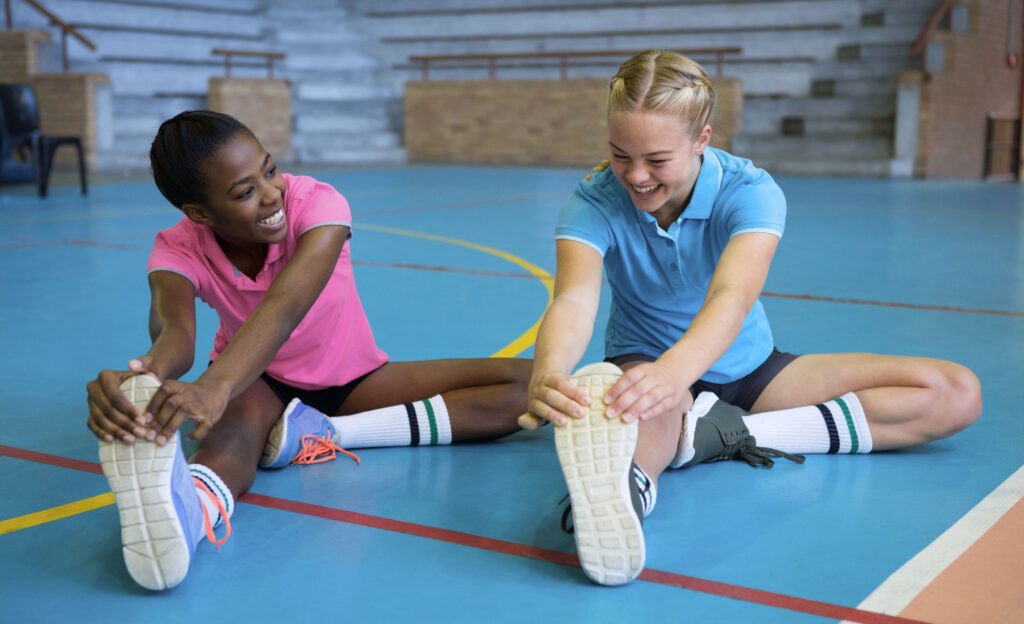
Pay attention to the surface. Indoor courts can become slick from dust or moisture, while sand, grass, and outdoor courts can be uneven. Good traction and a quick look around the playing area can prevent many avoidable slips and awkward landings.
Communication is not only a strategy. It also helps keep players from running into each other. Call the ball early, listen when someone else calls it, and learn who is responsible for the space around you.
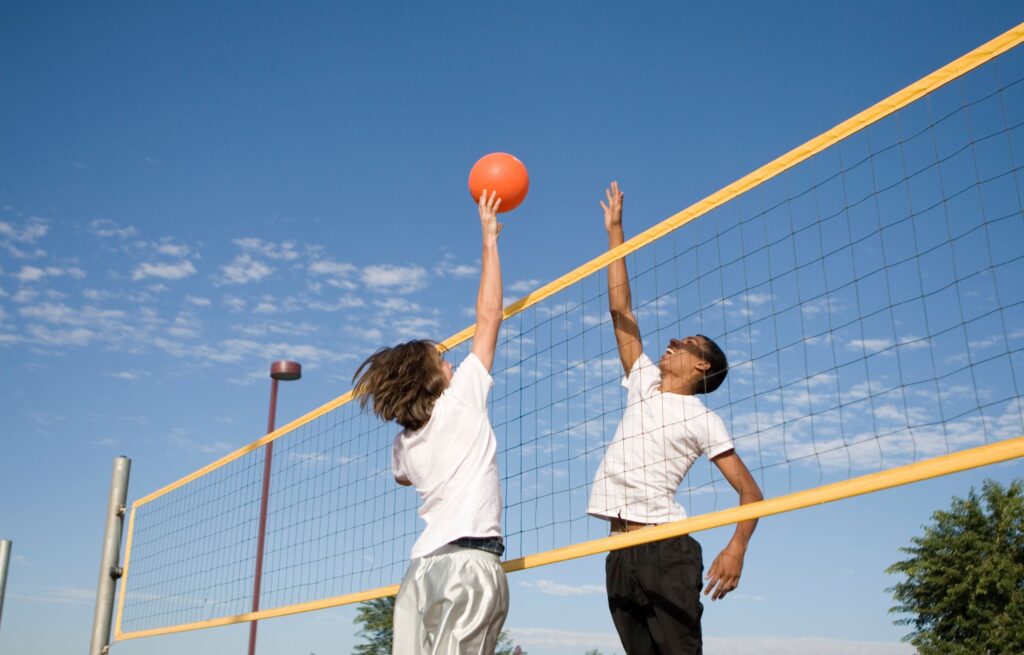
Build jumping and hitting gradually. Control and timing matter more than force, especially at first. Learning a comfortable approach and landing before trying to hit at full power gives you a better base and usually a better contact.
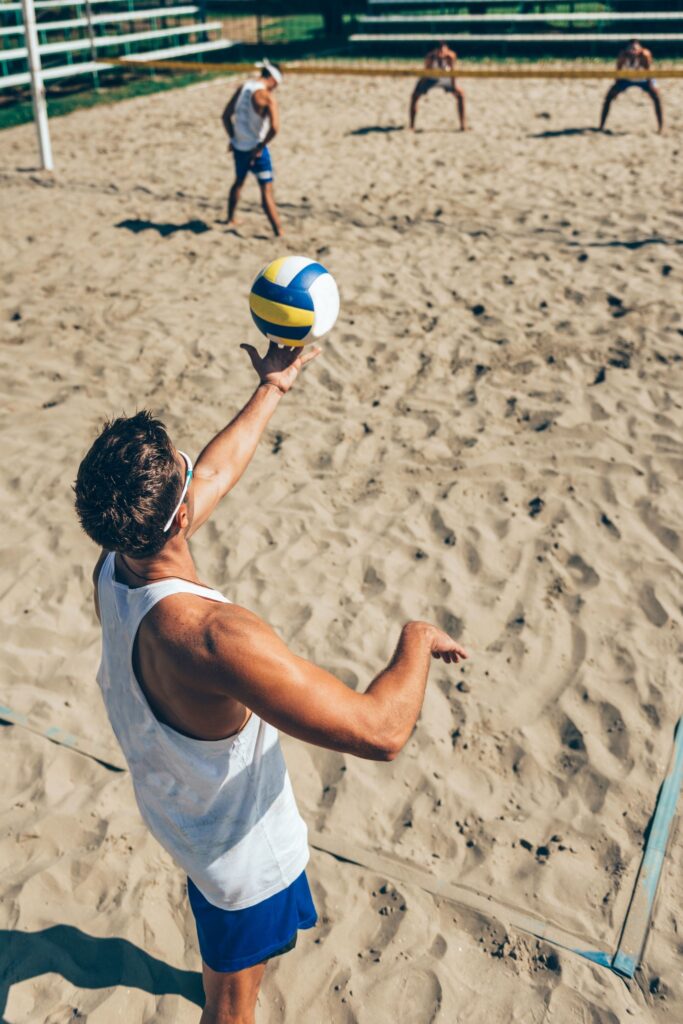
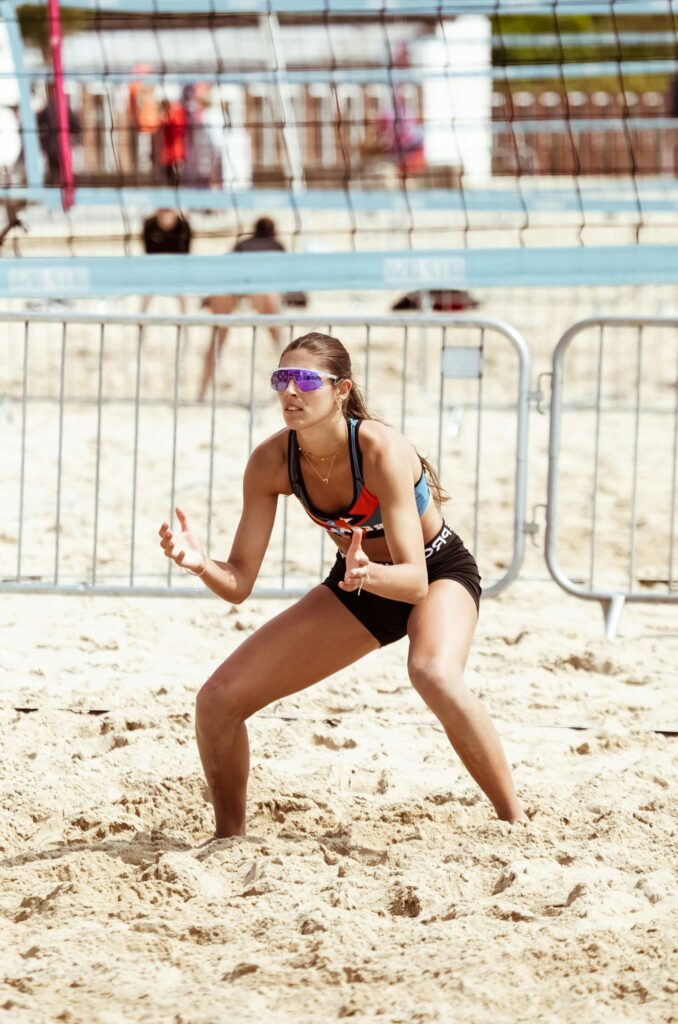
Outdoor play adds sun, heat, wind, and changing surfaces to the mix, so bring water, use sun protection, and take reasonable breaks. Most of all, give yourself permission to be new. Volleyball has its own vocabulary and court habits, and nobody absorbs all of them in one afternoon.
Final Thought
Volleyball is a sport of small connections. One person makes the pass, another turns it into a set, someone attacks, and the rest of the team is already moving for what might happen next.
That is part of what makes it satisfying. You can enjoy the athletic challenge, the competition, or simply the feeling of a rally finally coming together after several imperfect ones. There is always another skill to work on, but you do not have to master the whole game before you can enjoy playing it.
Have you played volleyball before, or is there a version of the game you would like to try?
Leave a Reply