Welcome to Saturday Sparks! This week, we’re exploring freshwater fishing, an outdoor activity that can be peaceful, practical, and surprisingly exciting all at once. It is one of those hobbies that gives people a reason to slow down, spend time near the water, and reconnect with a quieter, slower pace of life.
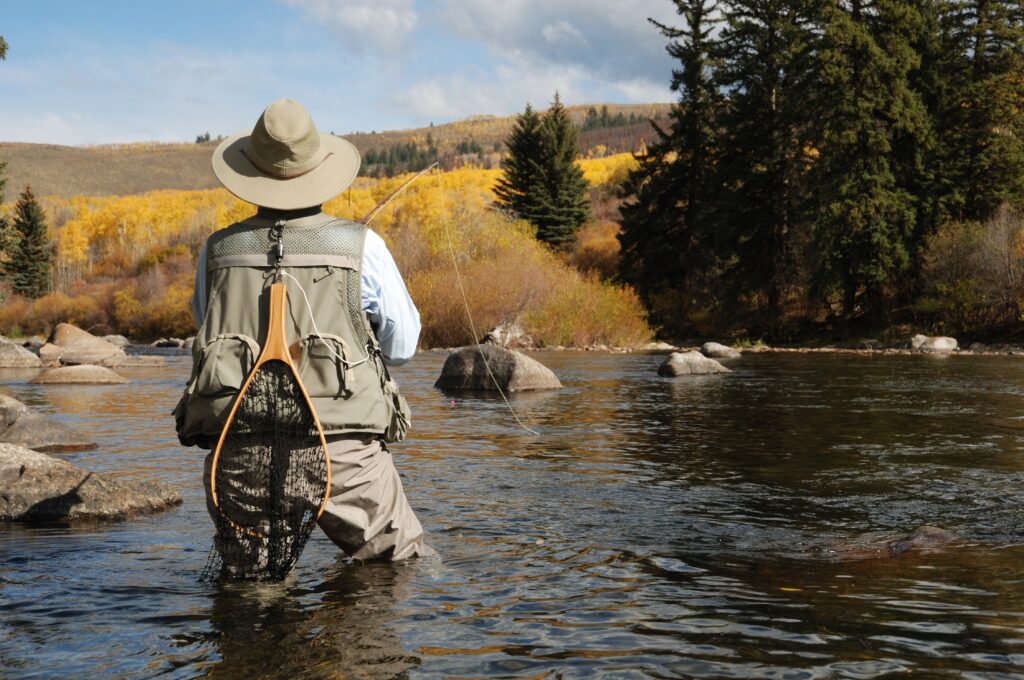
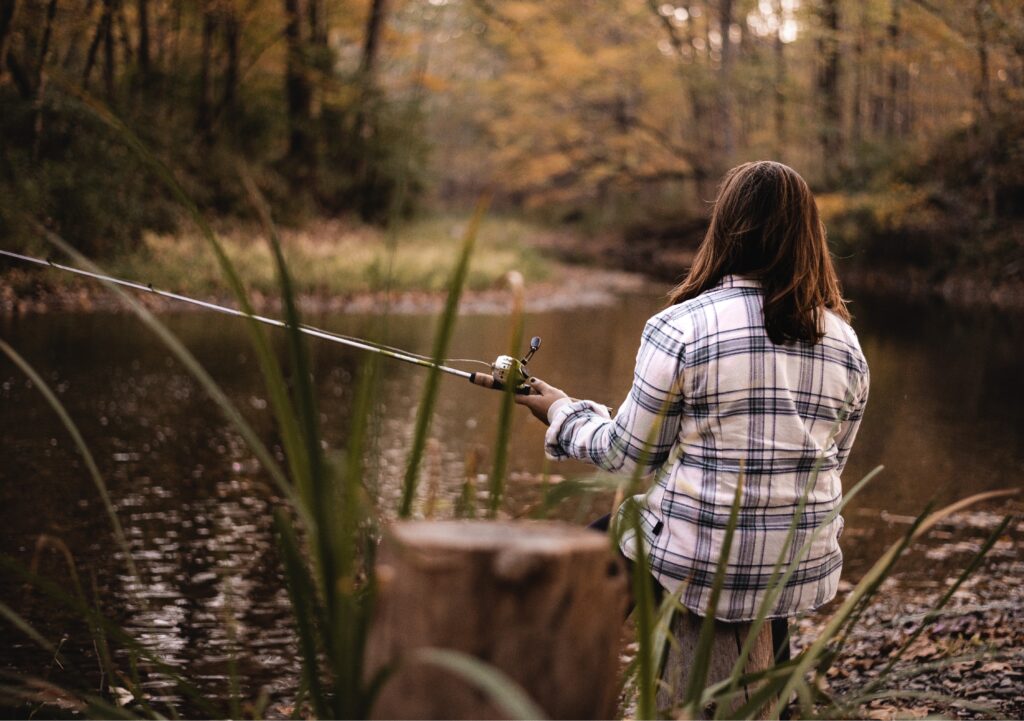
Freshwater fishing takes place in ponds, lakes, rivers, streams, and reservoirs — nearly anywhere moving or still water collects. Beginners can start with nothing more than a basic rod, some bait, and a quiet spot along the bank. With time, though, it grows into something richer: a skillful pursuit shaped by patience, timing, local knowledge, and a deepening sense of how fish move and feed in different seasons and conditions.
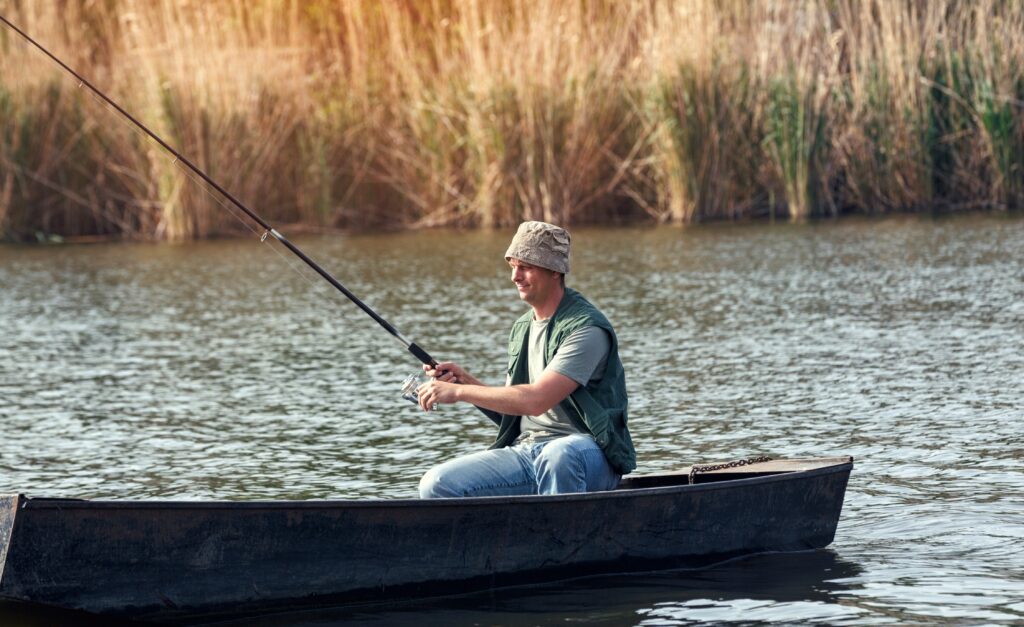
Part of what makes freshwater fishing so enduring is that it meets people wherever they are. Some come for the stillness — the unhurried hours, the sound of water, the absence of everything urgent. Others are drawn to the challenge of reading a river or outsmarting a wary fish.

Many cherish it as a tradition, something passed down and shared with family or friends over generations. And sometimes, the catch itself almost feels beside the point. What lingers is the time spent outside — watching, waiting, and feeling that hopeful tension just before the line goes taut.
What is Freshwater Fishing?
Freshwater fishing is the practice of catching fish in non-saltwater places such as ponds, lakes, rivers, streams, reservoirs, and creeks. It can be done from the bank, a dock, a pier, a boat, a kayak, or while wading in shallow water. The setting can be as quiet as a neighborhood pond or as wide open as a large lake.
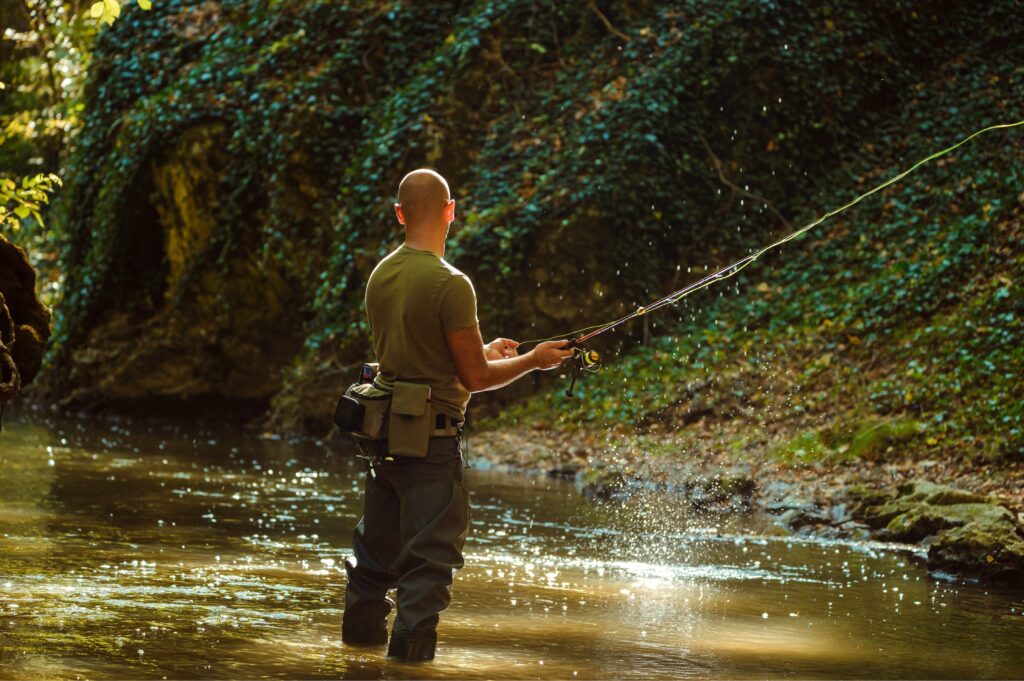
Most beginners start with a spinning rod and reel because it is easy to learn, widely available, and useful for many freshwater situations. A basic setup usually includes a rod and reel, fishing line, hooks, bobbers, sinkers, bait or lures, and a pair of pliers or line cutters. This simple setup is enough for many first trips to a pond, lake, or calm bank fishing spot.
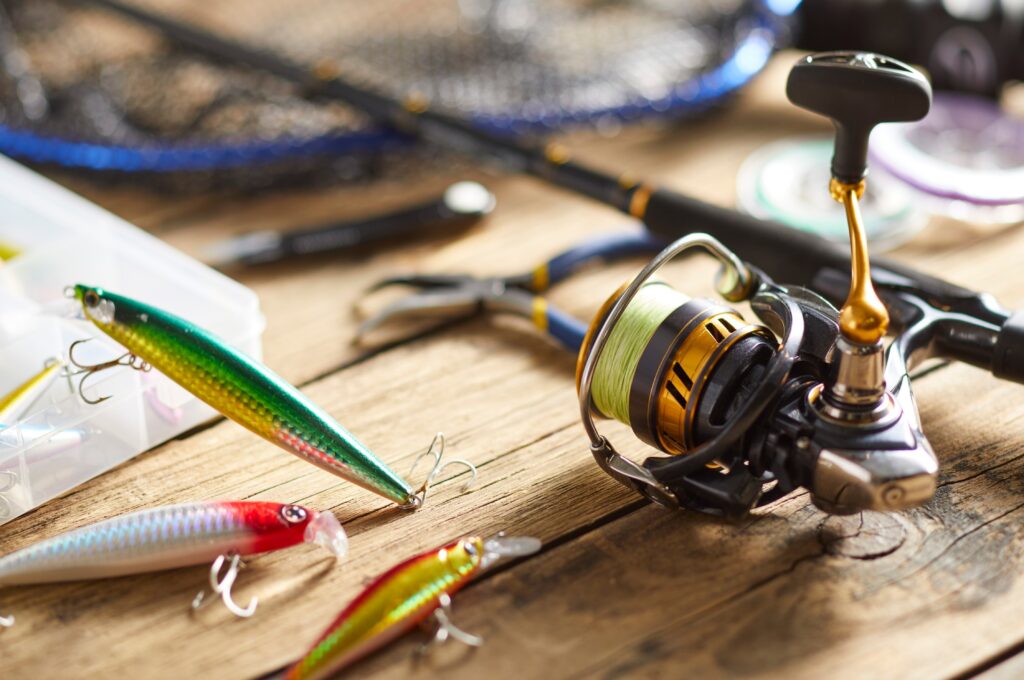
Freshwater anglers commonly fish for species such as bluegill, crappie, bass, trout, perch, and catfish, depending on the region and waterway. Some fish are caught with live bait like worms, crickets, or minnows. Others are caught with artificial lures that imitate small fish, insects, or other food sources.
The basic idea is to place bait or a lure where fish are likely to be, then watch and feel for signs of a bite. Sometimes that means a bobber dipping under the water.
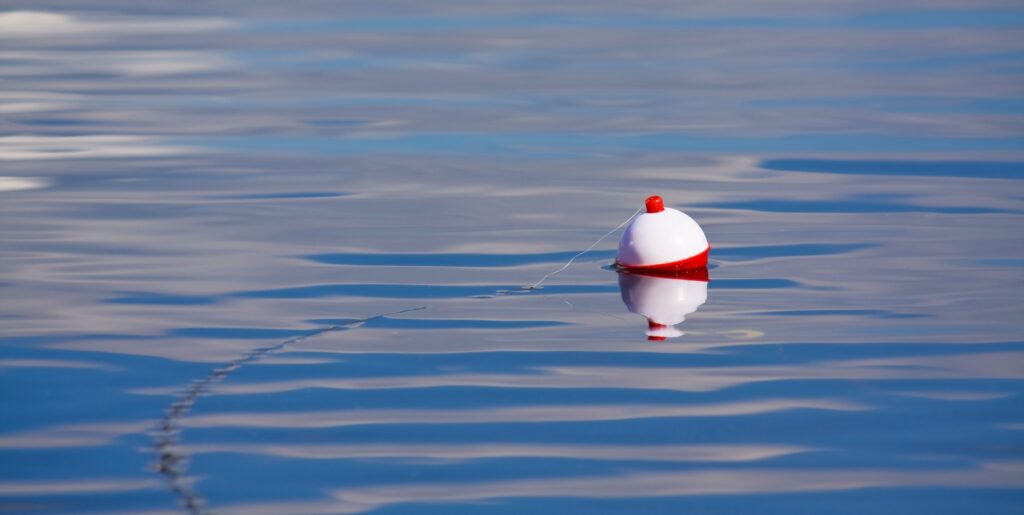
Sometimes it is a light tap on the line. Sometimes it is the unmistakable pull that makes you suddenly remember every instruction you were supposed to follow.
Freshwater fishing can be casual or competitive. Some people fish for relaxation and release everything they catch. Others fish for food, following local rules about size limits, species limits, and seasons. Many people do a little of both, depending on the day.
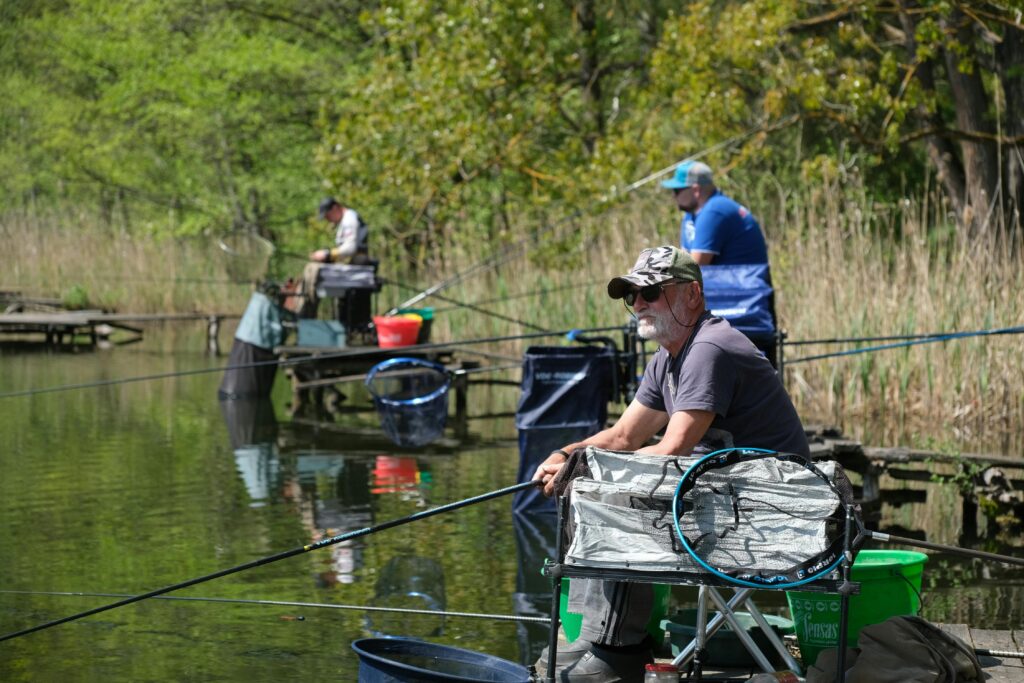
Rules matter because freshwater fishing is connected to real ecosystems. In most places, anglers need a fishing license, and requirements vary by state. The U.S. Fish & Wildlife Service notes that licenses are usually available online, by phone, or at retail locations, and that each state has its own rules. License fees also help fund conservation and outdoor access.
The Benefits of Freshwater Fishing
Freshwater fishing offers a quiet mental reset because it naturally pulls your attention toward the water, the line, the weather, and the small details around you. You cannot really rush it. That slower pace gives your mind something steady to focus on, which can feel especially welcome when everyday life is loud, busy, or screen-heavy.
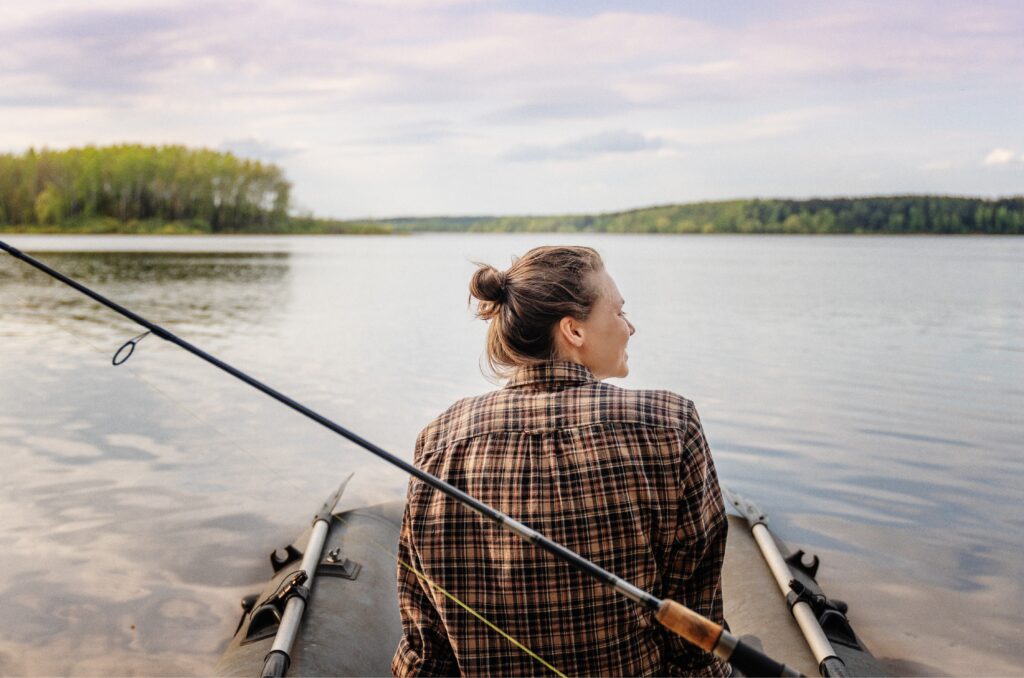
It also builds patience and observation in a very real way. Fishing asks you to notice where the shade falls, how the wind moves across the water, whether insects are active, and where fish might be feeding. Over time, those small observations turn into better instincts, and those instincts are part of what keeps people coming back..
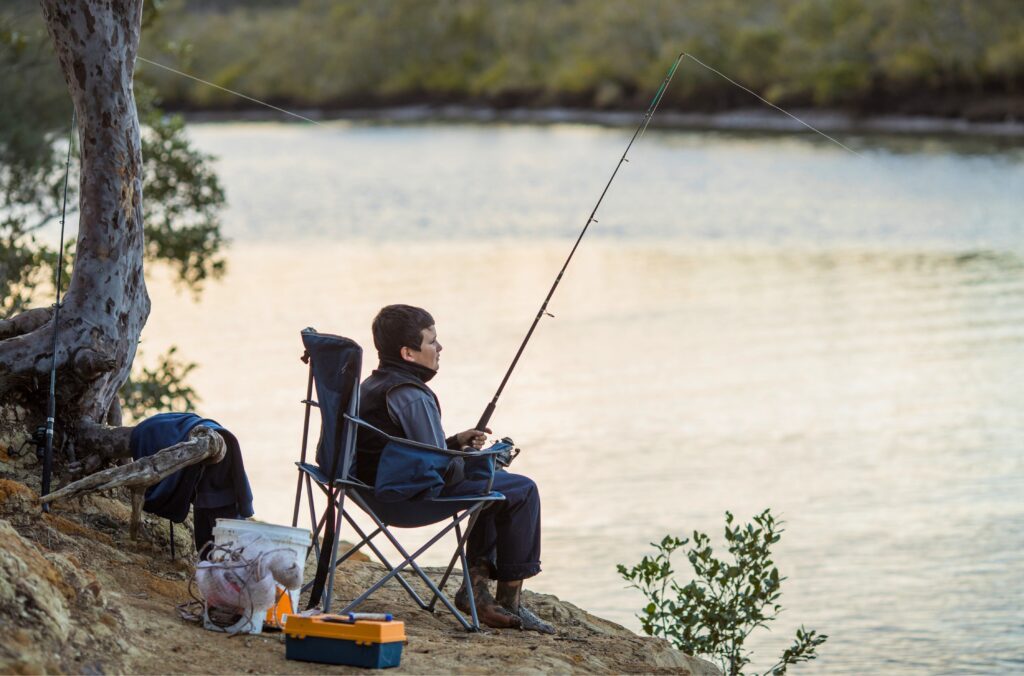
It fits many lifestyles because you can make it as simple or as involved as you want. A short evening trip to a nearby pond can be satisfying. So can a full weekend at the lake. Some people enjoy learning knots, lures, fish behavior, and seasonal patterns, while others are perfectly happy with a bobber, a chair, and snacks.
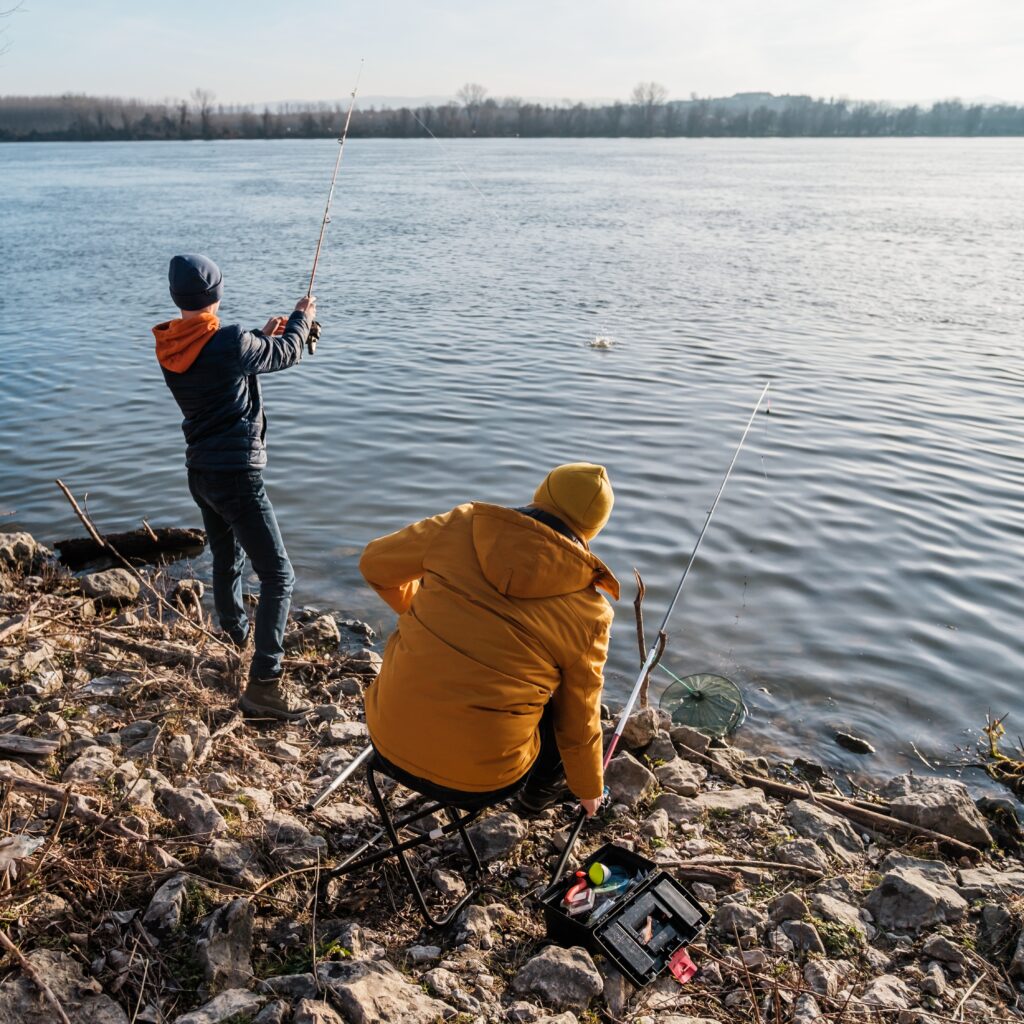
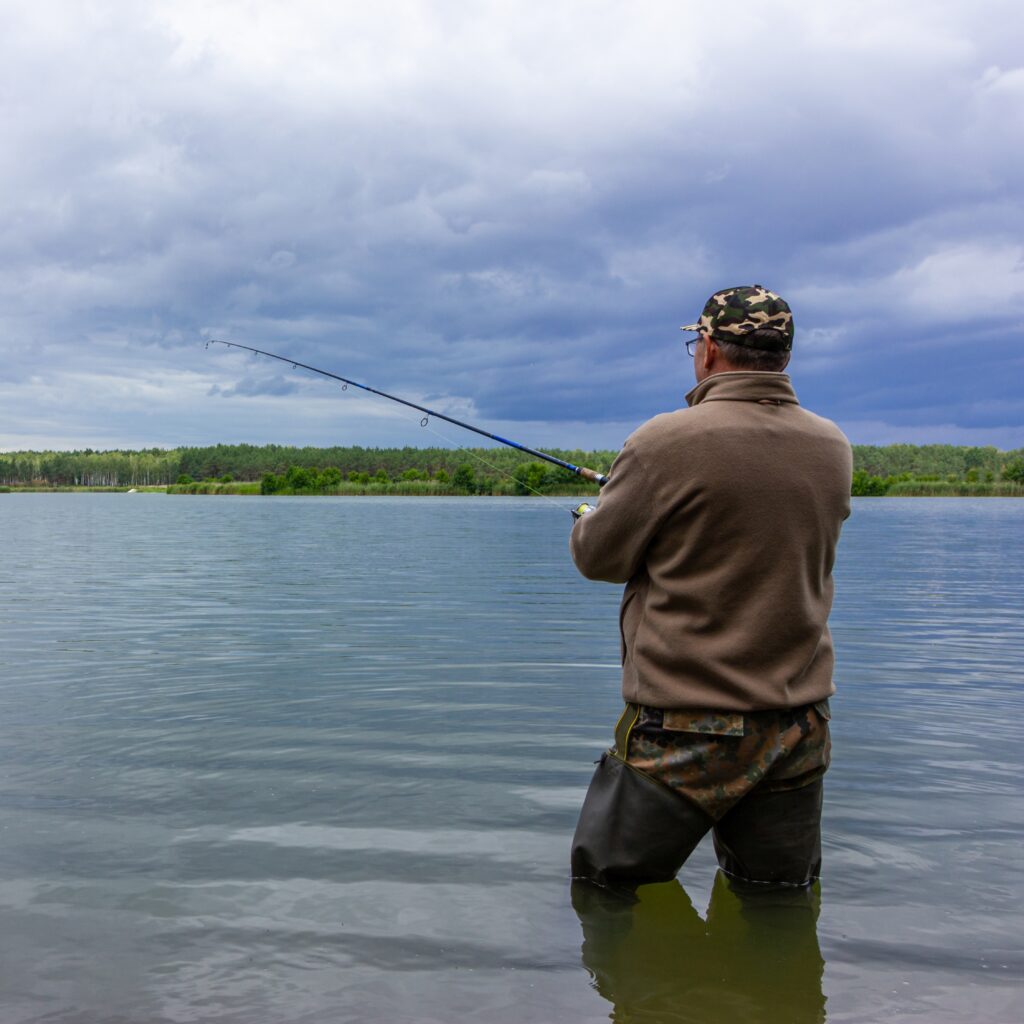
One of its biggest strengths is accessibility. You do not need a boat, expensive equipment, or years of experience to begin. A simple rod and reel, a few basic supplies, and a legal place to fish can be enough for a first outing. For many people, a local pond or community lake is the easiest starting point.
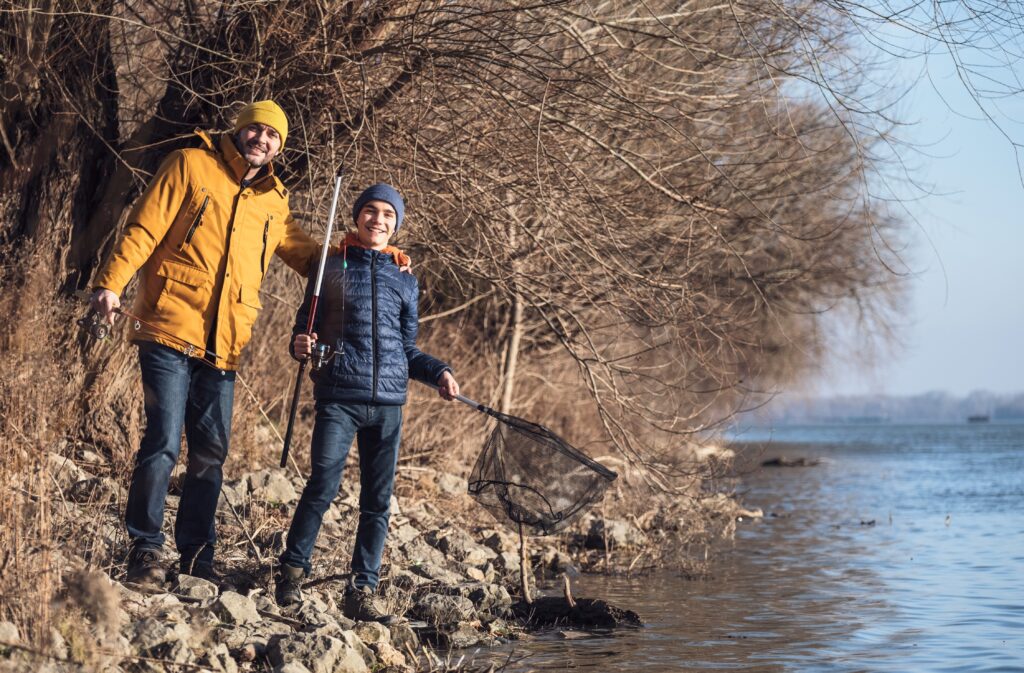
Freshwater fishing supports light physical activity without feeling like a formal workout. Walking along a bank, carrying gear, casting, reeling, balancing near the water, or paddling to a fishing spot all add movement to the day. It is not usually intense, but it gets people outside and active in a way that feels relaxed and purposeful.
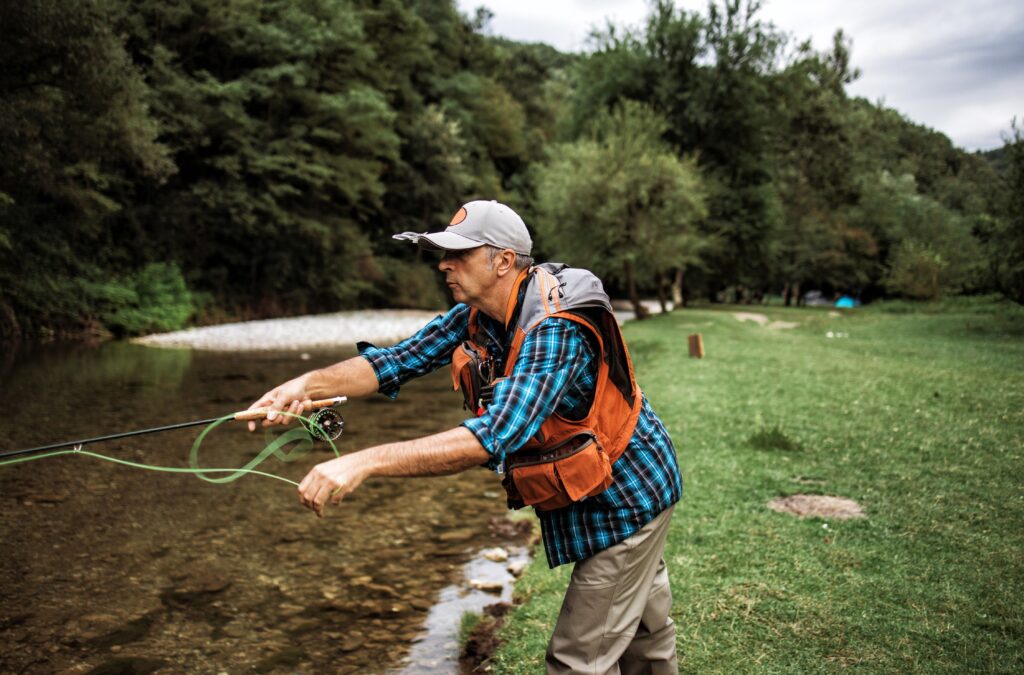
Freshwater fishing works well as both a solo and social activity. Some anglers enjoy the quiet of going alone, especially early in the morning or after a long week. Others love fishing with family, friends, children, grandparents, or a group of people who all swear they know the best spot.
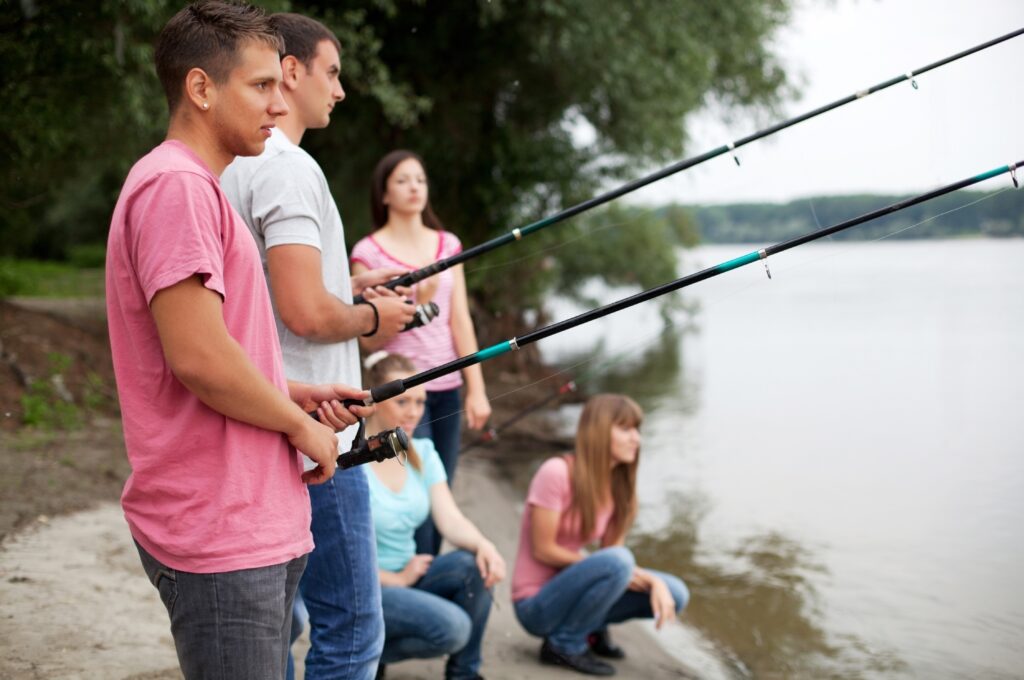
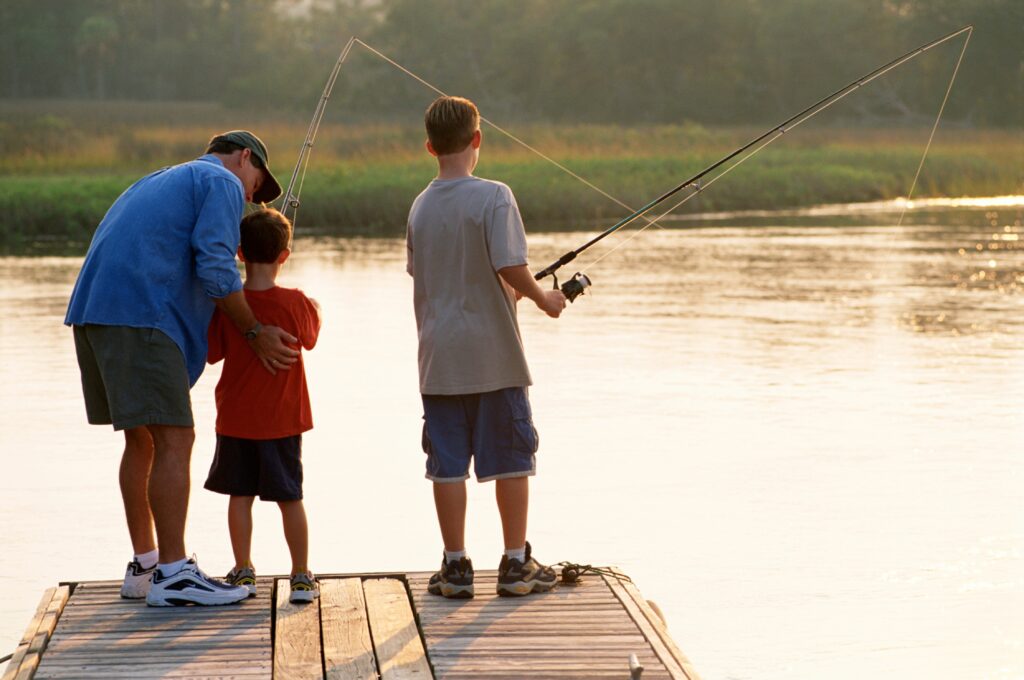
Freshwater fishing also creates real-life memories because it is rarely just about the fish. People remember the first catch, the one that got away, the person who helped them bait a hook, the child who was more interested in minnows than fishing, or the afternoon when nothing happened and everyone still had a good time.
Getting Started
The easiest way to start freshwater fishing is to keep the first trip simple. Choose a beginner-friendly place such as a stocked pond, small lake, public fishing pier, or calm bank access. You do not need to find the most impressive fishing spot in the county. You need a place where you can safely practice casting, watch the water, and get comfortable.
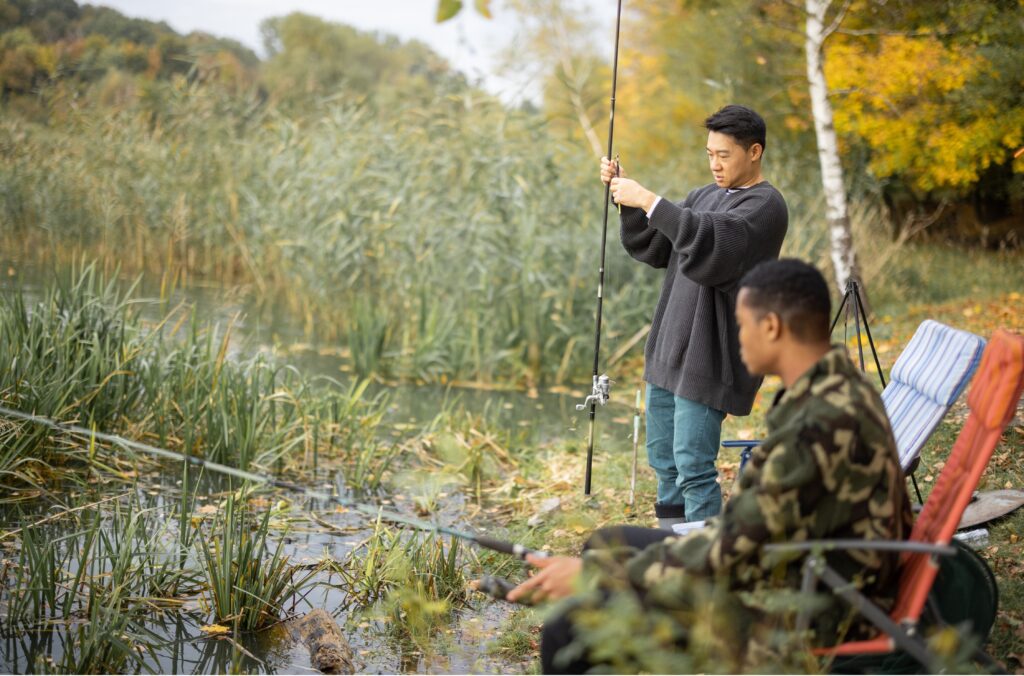
Before you go, check your local fishing license rules and regulations. Requirements depend on where you live, your age, and where you plan to fish. State fish and wildlife agencies are the best source for local rules, and the U.S. Fish & Wildlife Service also points anglers toward state-specific license information.
For your first setup, a basic spinning rod and reel combo is usually enough. Add monofilament line, small hooks, bobbers, split-shot sinkers, and simple bait such as worms. This kind of setup is especially beginner-friendly for panfish like bluegill, which are often found in ponds and lakes.
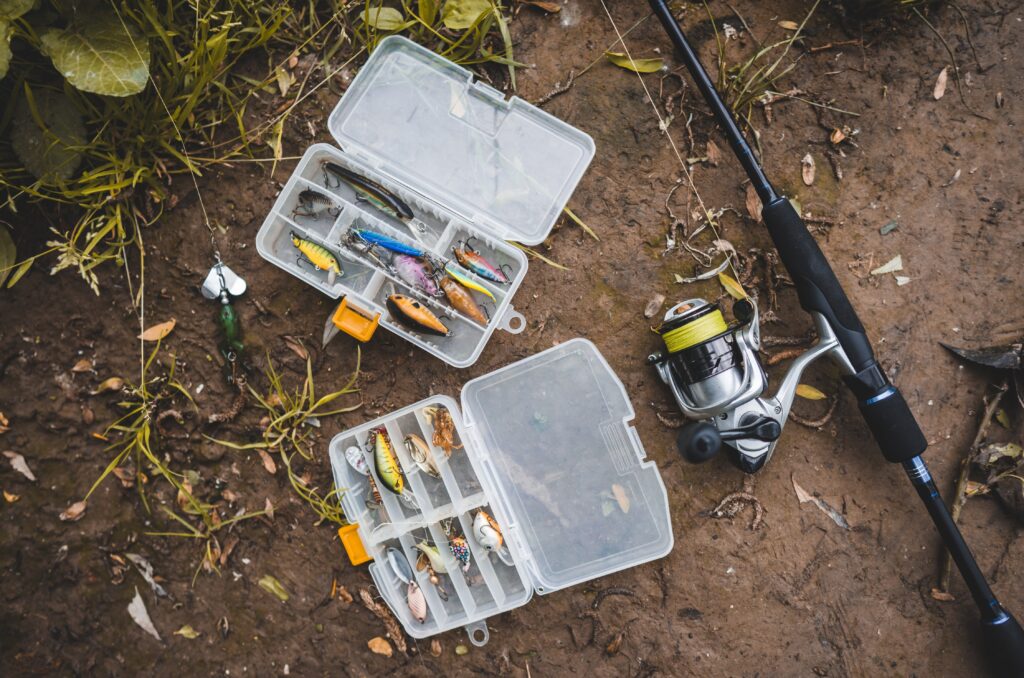
Dress for the setting, not for a catalog. Comfortable clothes, closed-toe shoes, sun protection, bug spray, and a small towel can make the outing much easier. If you are fishing near brush, mud, rocks, or tall grass, practical clothing matters more than looking the part.
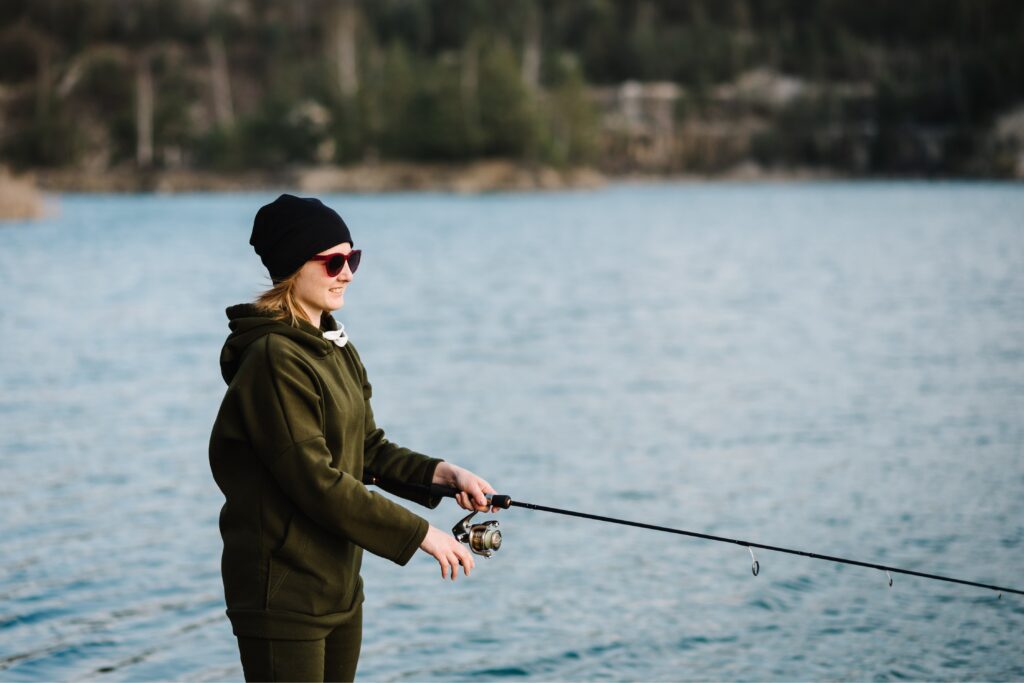
Give yourself permission to be new. Practice casting in an open area if you can, and do not worry if your first few casts are not graceful. Most anglers have hooked a branch, tangled a line, or launched bait in the wrong direction at least once. That is part of the learning curve.
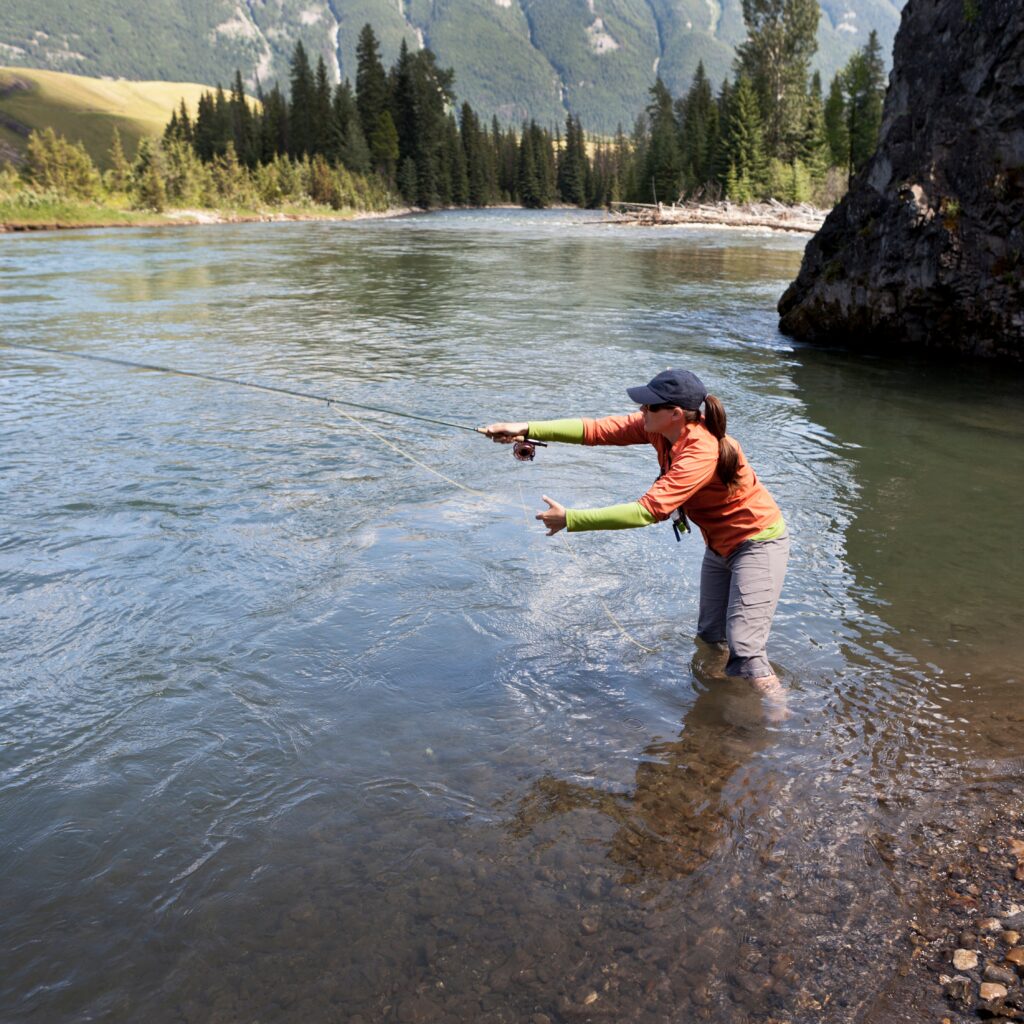
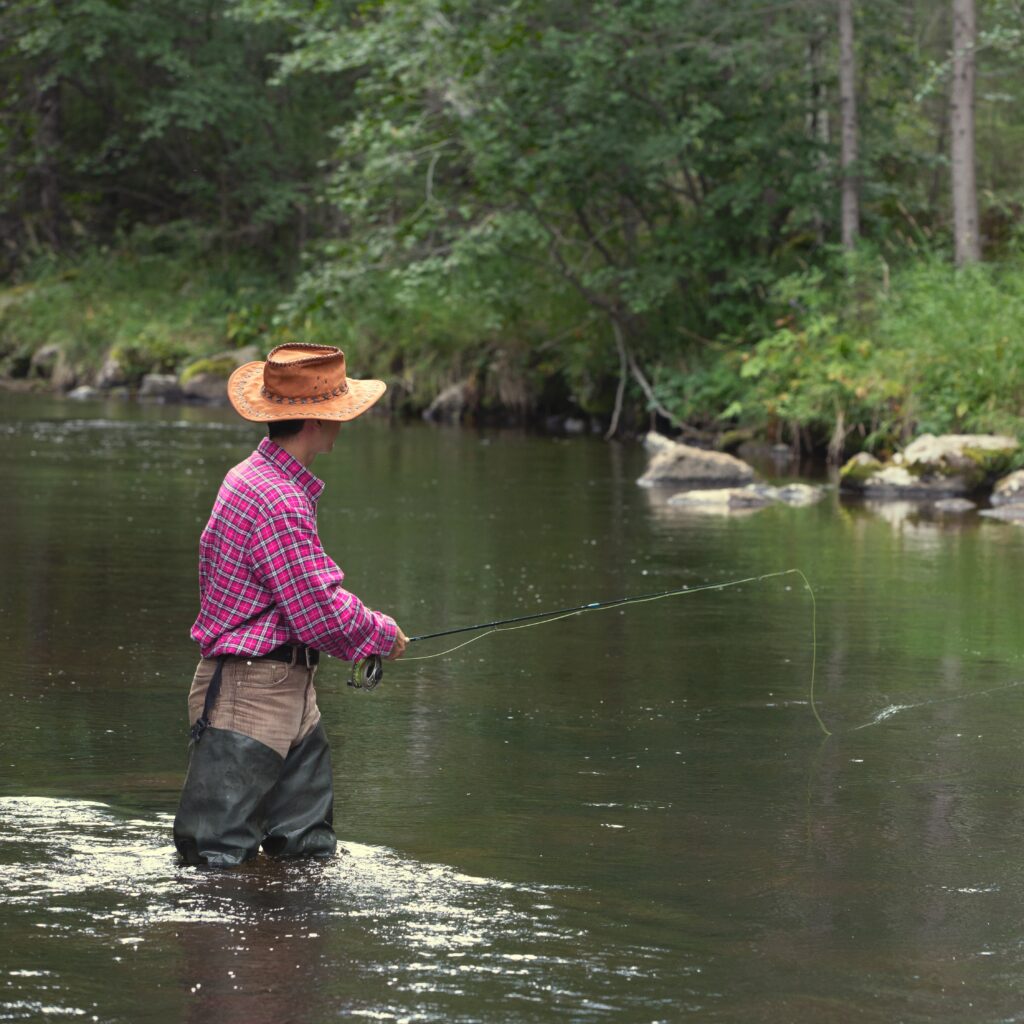
It also helps to start with a short trip. An hour or two is plenty for a beginner, especially with kids. The goal is not to master everything on the first day. The goal is to leave with enough curiosity to want to try again.

If you have access to a local bait and tackle shop, stop in and ask what is working nearby. These shops are often full of practical, location-specific advice. They can tell you what bait people are using, what fish are active, and which local spots are reasonable for beginners.
Resources
Take Me Fishing is a beginner-friendly fishing and boating education website that offers guides on basic gear, fishing licenses, knots, casting, conservation, and places to fish. Their beginner freshwater guide walks through licenses, starter tackle, finding fishing spots, conservation practices, casting, basic knots, and landing fish, making it a useful starting point for new anglers who want a broad overview before getting more specific.

Your state fish and wildlife agency is the most important resource for licenses and regulations. Fishing rules can vary by state, waterway, species, season, and method, so local agencies are the best place to confirm what is legal before you go. These agency websites often include current license information, size limits, daily limits, stocking reports, public fishing access points, and education programs.
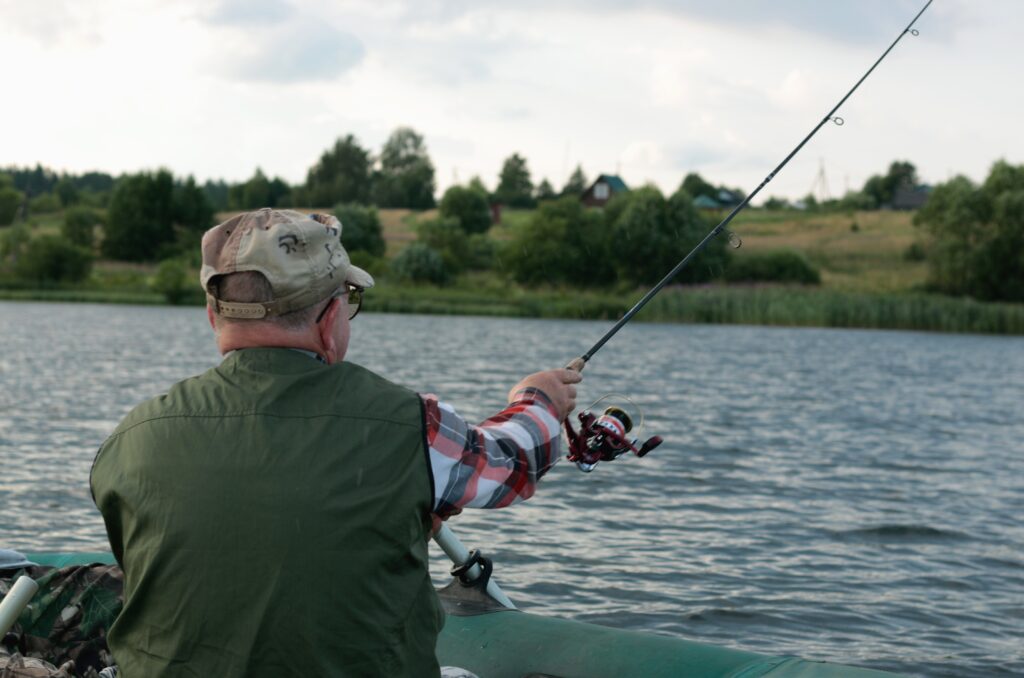
National parks, wildlife refuges, and managed public lands may have additional fishing rules. The National Park Service explains that park fishing can involve state regulations, servicewide NPS rules, park-specific regulations, and temporary rules when needed. The U.S. Fish & Wildlife Service also notes that National Wildlife Refuges follow state fishing rules and may have refuge-specific regulations as well. If you plan to fish on public land, it is worth checking that specific park, refuge, or property website before your trip.
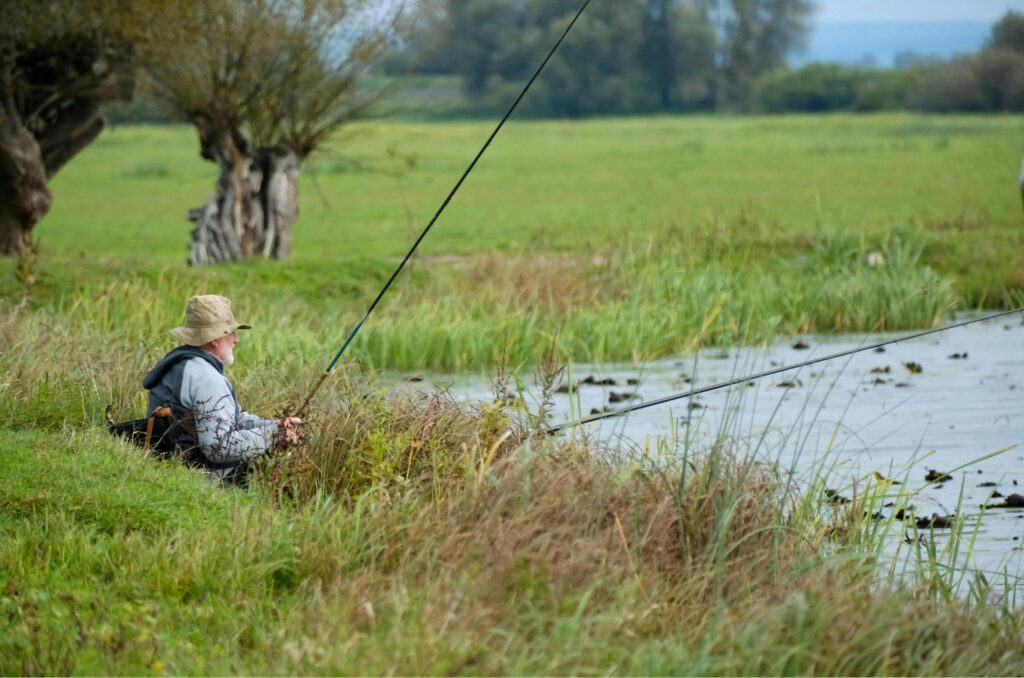
Local parks and recreation departments can be helpful for finding public ponds, fishing piers, family fishing events, and beginner programs. Some communities offer youth fishing days, stocked ponds, seasonal clinics, or accessible fishing areas that make it easier to try fishing without figuring everything out alone. These programs can be especially helpful for families, first-time anglers, or anyone who wants a low-pressure way to get started.
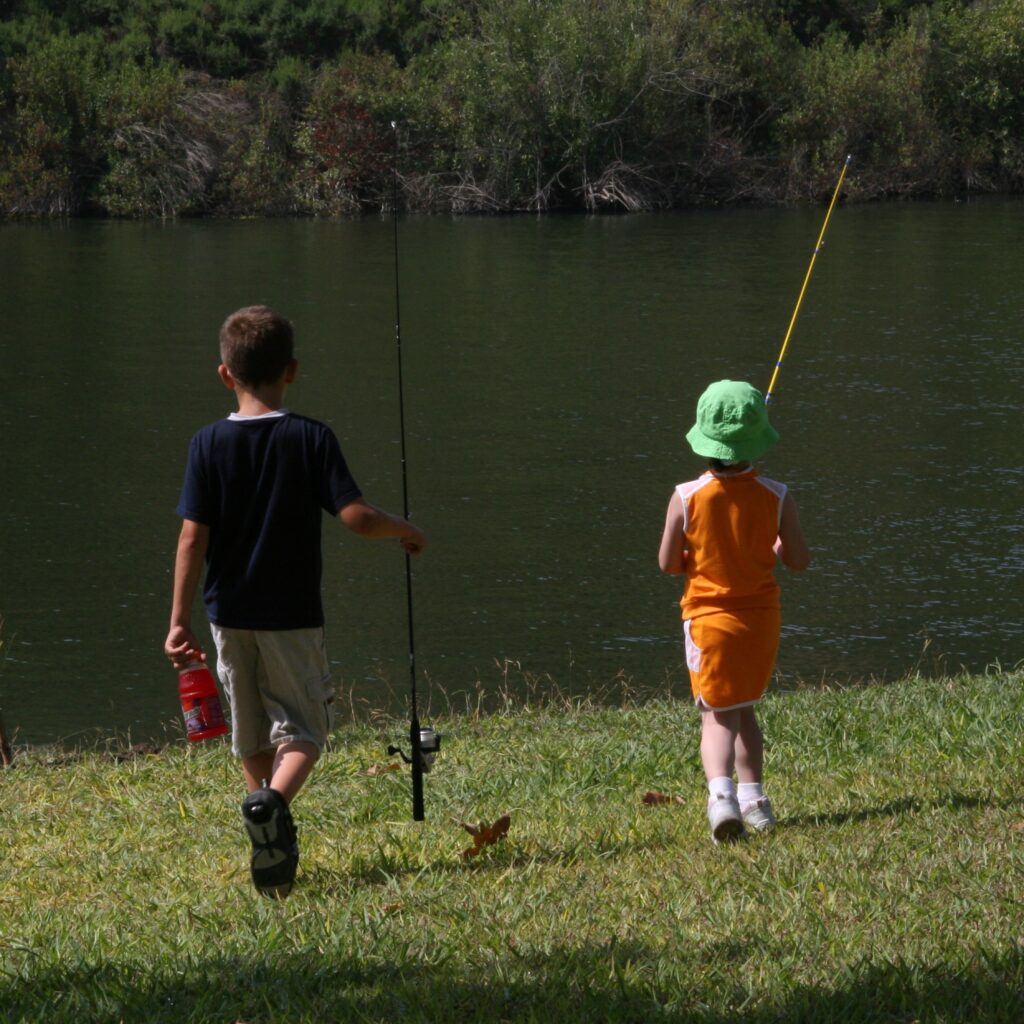
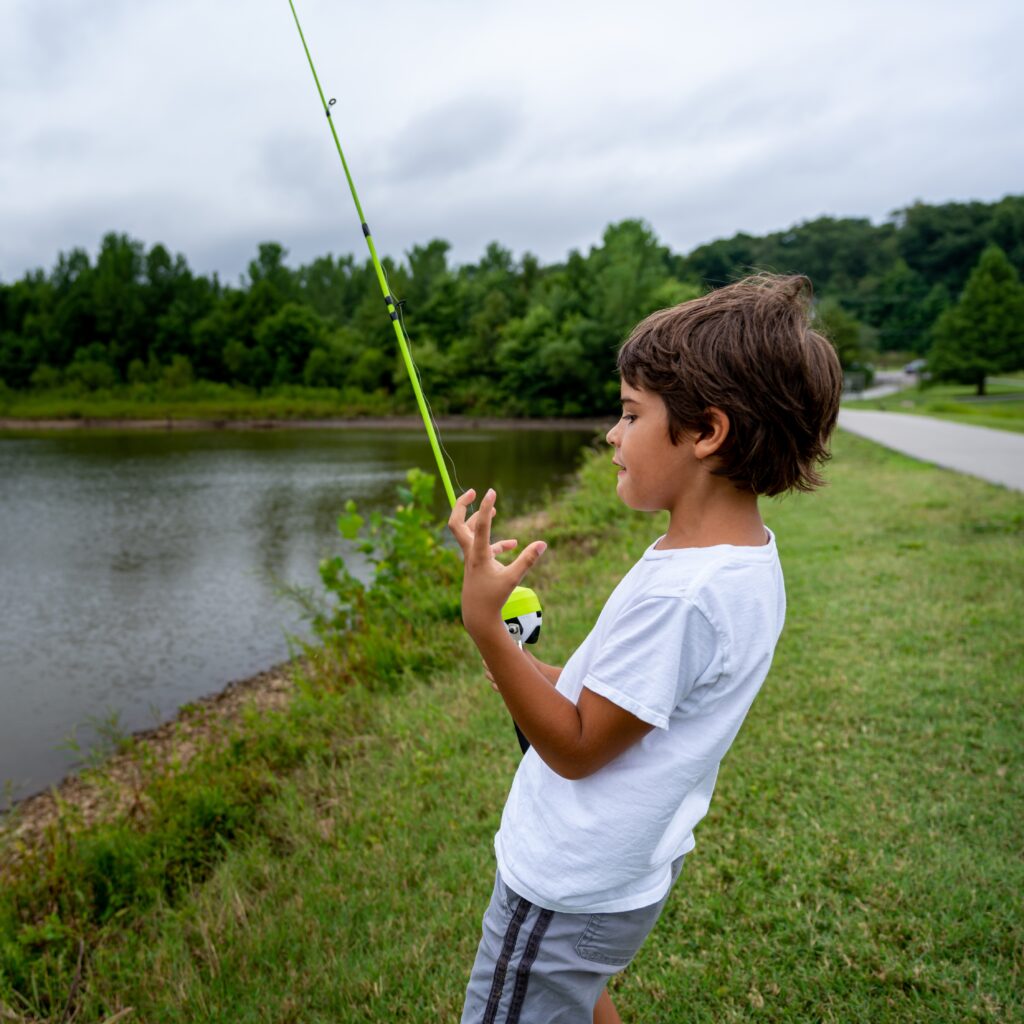
For South Carolina readers, SCDNR offers aquatic education resources and a Fishing Tackle Loaner Program. At official loaner sites, people can borrow a rod, reel, and tackle box, and some sites also provide beginner information on knots, bait, and rigging. South Carolina State Parks also notes that fishing gear is available at no charge at parks where fishing is offered through the tackle loaner program, which can be a great option for trying freshwater fishing before buying your own equipment.
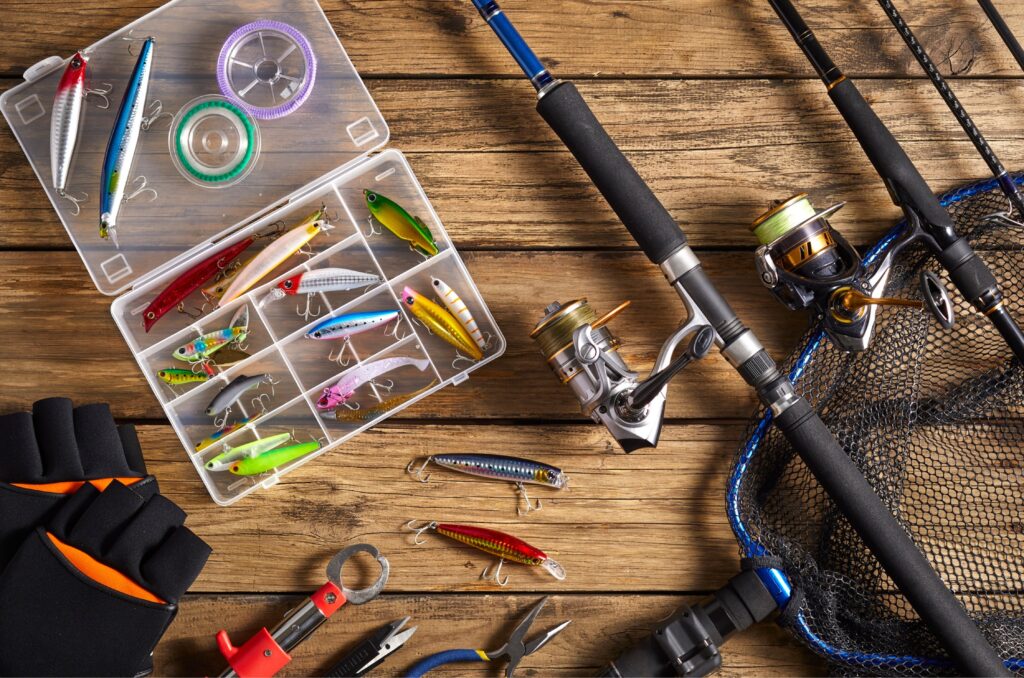
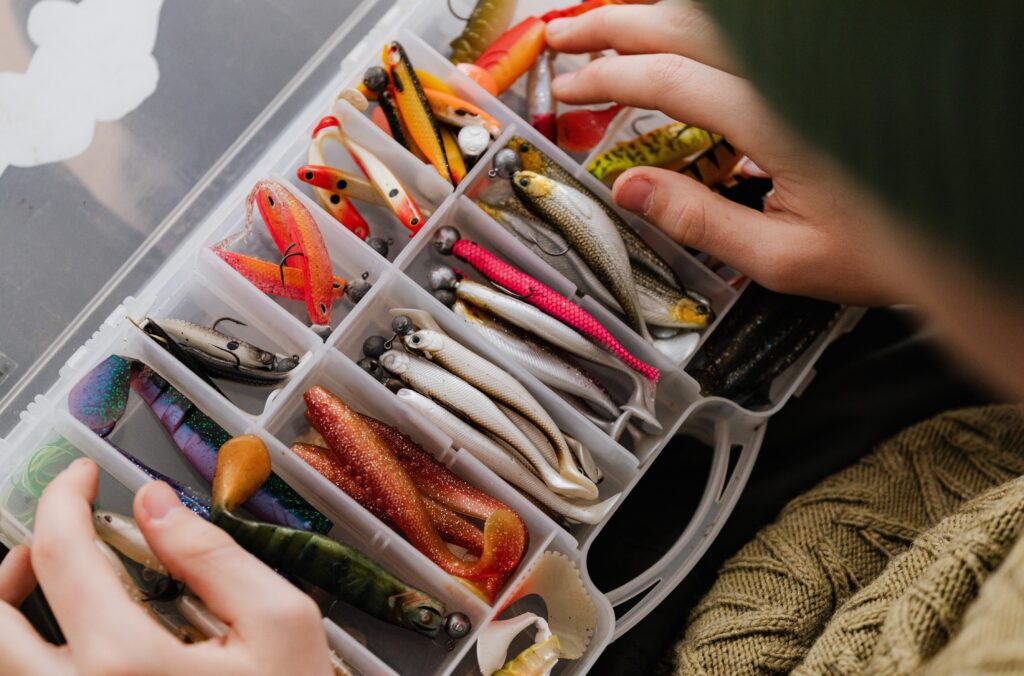
Sporting goods stores, bait shops, and outdoor retailers are good places to buy beginner gear. A simple starter rod and reel combo, basic tackle, and bait are enough for many first trips. Local bait and tackle shops can also be especially helpful because they often know what fish are active nearby, what bait is working, and which local spots are reasonable for beginners. You can always add more gear later once you know what kind of fishing you enjoy.
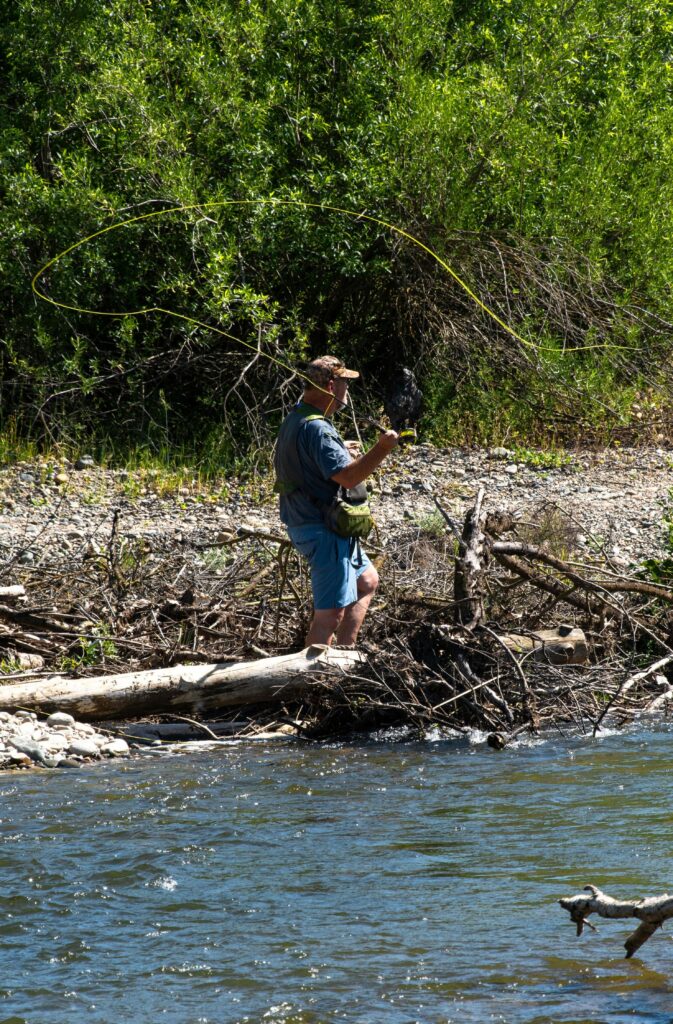
Apps and maps can help you find nearby fishing access points, boat ramps, public ponds, docks, and waterways.
Take Me Fishing, a beginner-friendly fishing and boating education website, offers a Places to Fish and Boat Map that can help anglers look for local fishing spots and boating access.
Apps like Fishbrain can also help anglers explore nearby waterways, track catches, and learn more about popular fishing areas.
These tools are useful for planning, but they should be paired with official state or local regulations before you fish.
YouTube can be useful for learning visual skills like tying knots, casting, setting up a rod, and safely handling fish.
This is one of those activities where watching someone do it can make the instructions much easier to understand. Beginner videos can be especially helpful before a first trip, since they let you see the movement, setup, and timing instead of trying to figure it all out from written instructions alone.
Safety and Tips
Start by checking the rules before you fish. This does not need to feel intimidating, but it is important. Look up license requirements, size limits, daily limits, bait rules, and any waterway-specific restrictions. Regulations help protect fish populations and keep fishing opportunities available for the future.
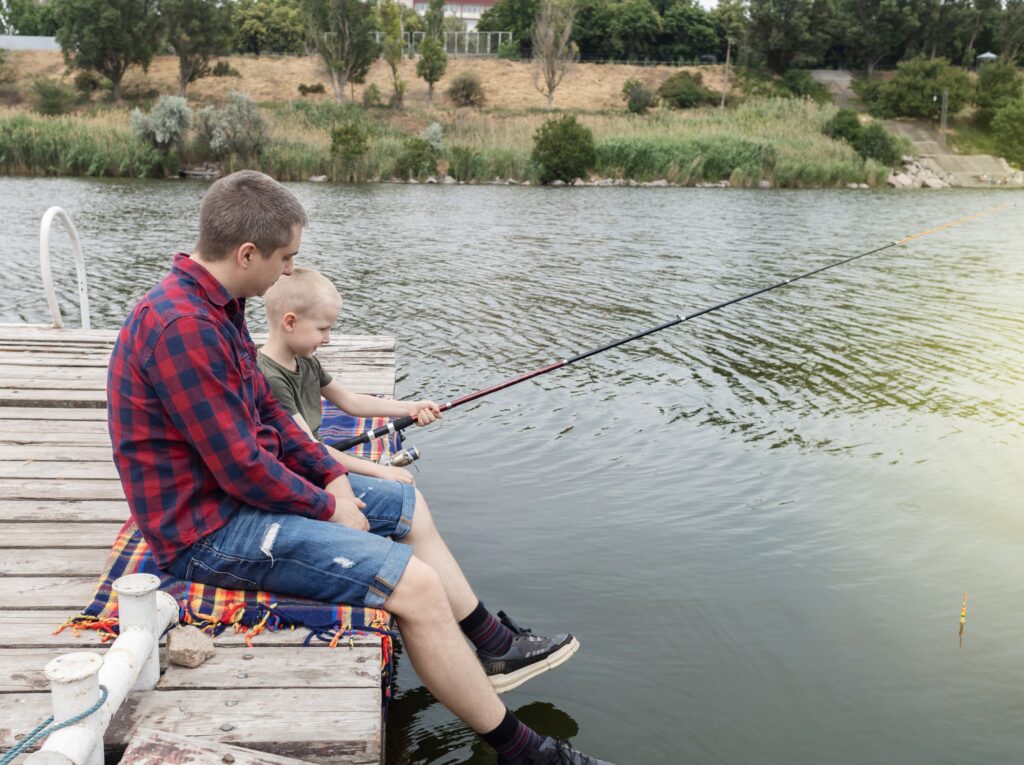
Pay attention to the water and your footing. Banks can be muddy, rocks can be slippery, and docks can become slick. Closed-toe shoes with decent grip are a smart choice, especially if you are fishing with children or near uneven ground.
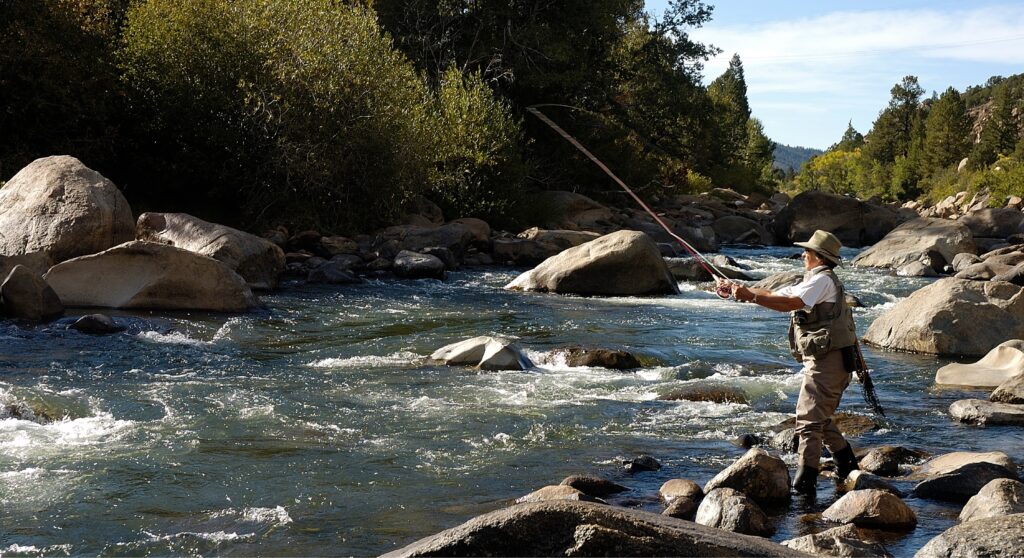
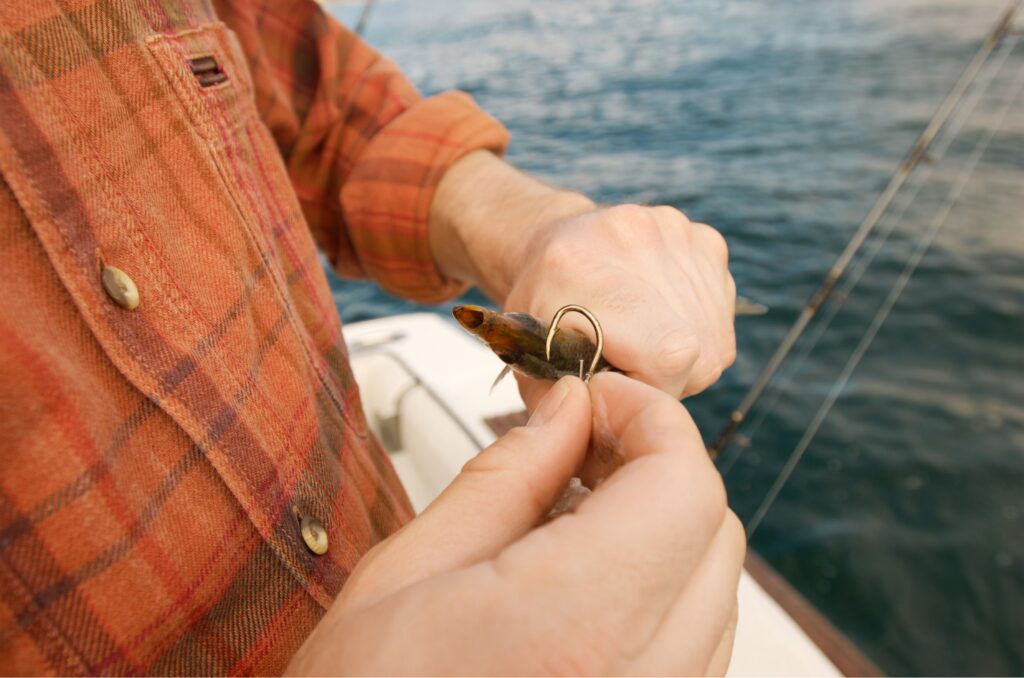
Handle hooks with care. Hooks are small, sharp, and surprisingly good at finding sleeves, fingers, backpacks, and innocent bystanders. Give yourself space when casting, look behind you before you swing the rod, and keep extra hooks stored securely.
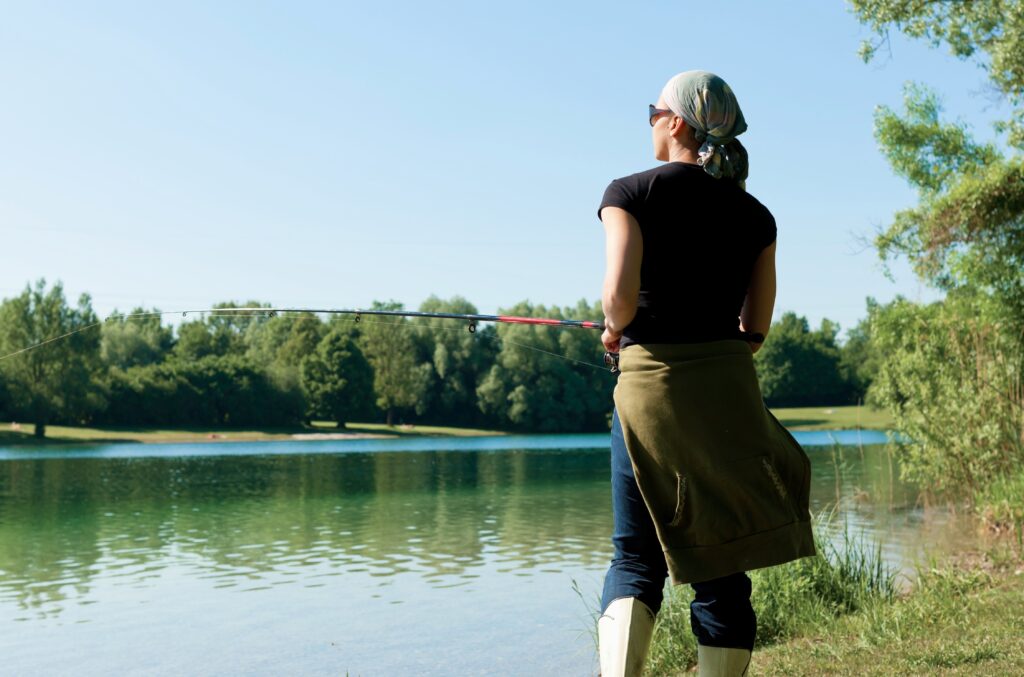
Bring sun protection, water, and insect repellent. Fishing often involves standing or sitting outside longer than expected. A hat, sunscreen, sunglasses, and a water bottle can make a big difference, especially during warm-weather trips.
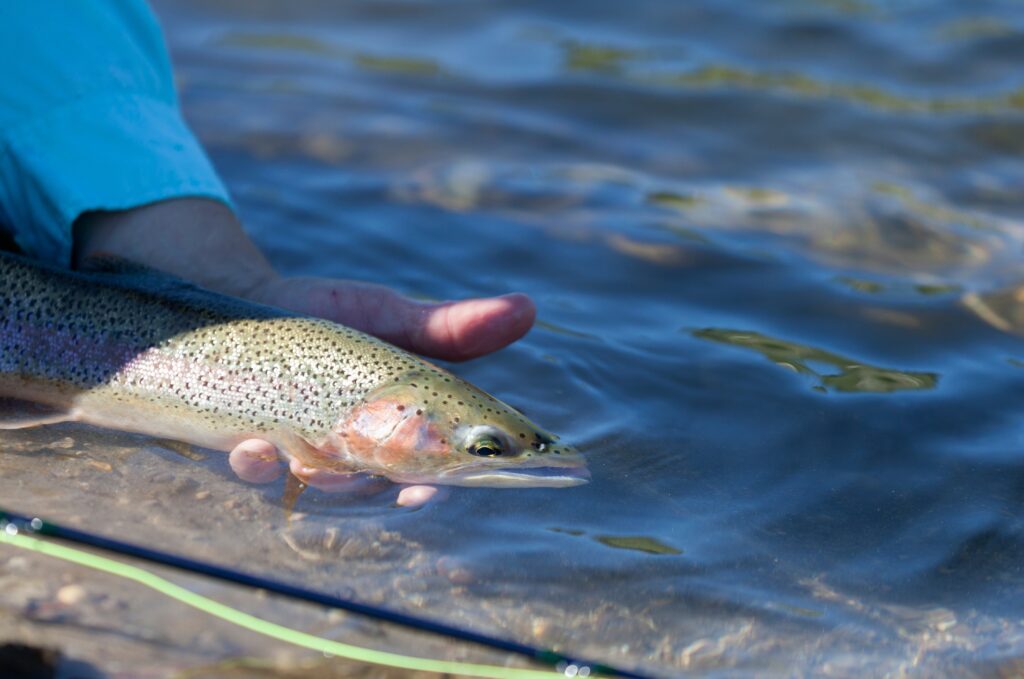
If you are practicing catch and release, handle fish gently and return them to the water as quickly as reasonably possible. Wetting your hands before handling fish can help protect their outer coating, and using pliers can make hook removal easier.
Pack out what you bring in. Fishing line, bait containers, snack wrappers, and hooks should never be left behind. Take Me Fishing includes responsible conservation habits like packing out litter, knowing regulations, and using proper catch-and-release techniques as part of being an ethical angler.
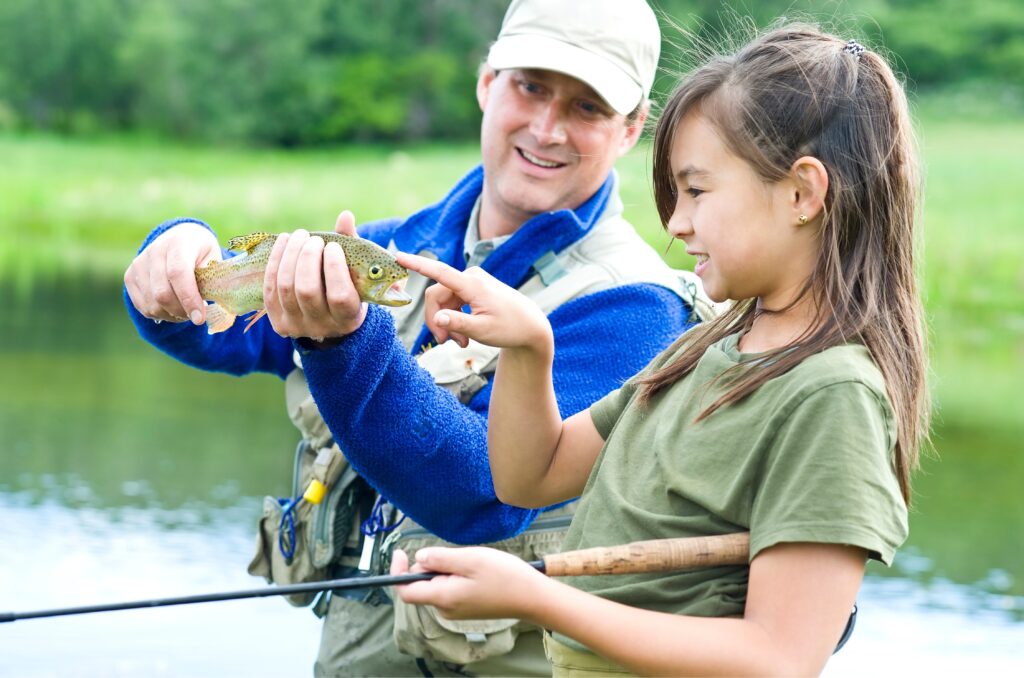
Keep expectations realistic. Some days you will catch fish. Some days you will mostly feed them. That does not mean the trip failed. Freshwater fishing is partly about learning the water, noticing patterns, and enjoying the time outside.
Final Thoughts
Freshwater fishing is one of those activities that can be as simple or as detailed as you want it to be. You can sit beside a pond with a basic rod and a bucket of bait, or you can spend years learning fish behavior, seasonal patterns, and the perfect lure for the perfect moment.
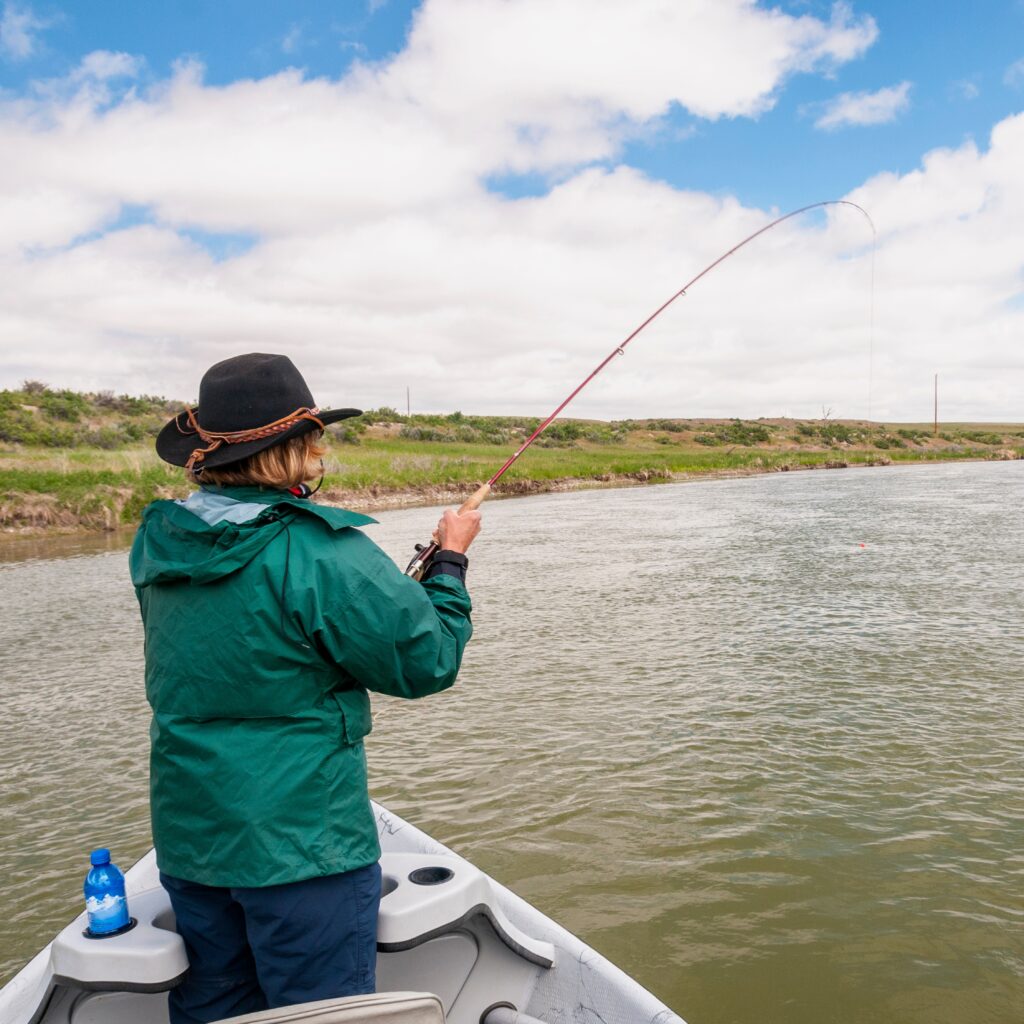
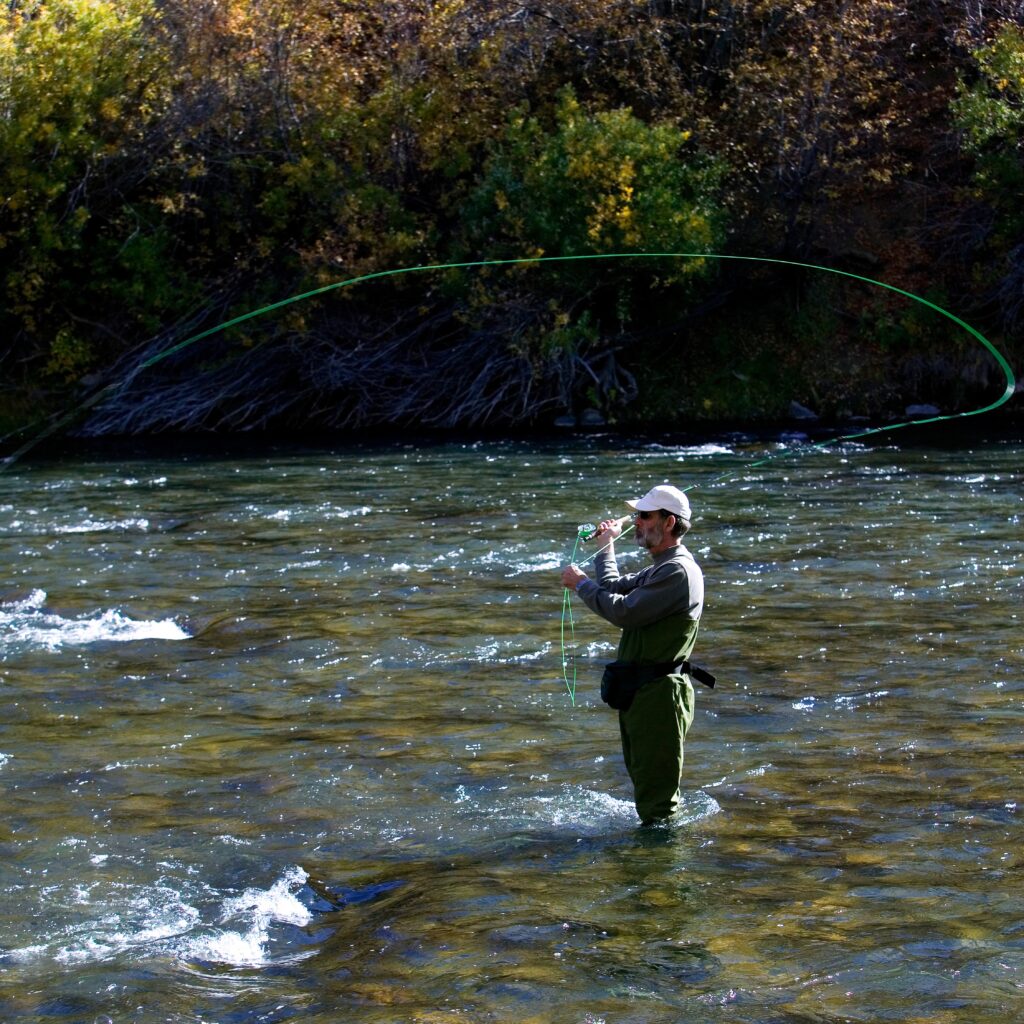
What makes it accessible is that neither approach is wrong. A child catching their first bluegill off a dock and a seasoned angler reading the current of a trout stream are doing the same thing at heart — trying to connect with something just below the surface. The entry point is low, but the depth is there for anyone who wants it.
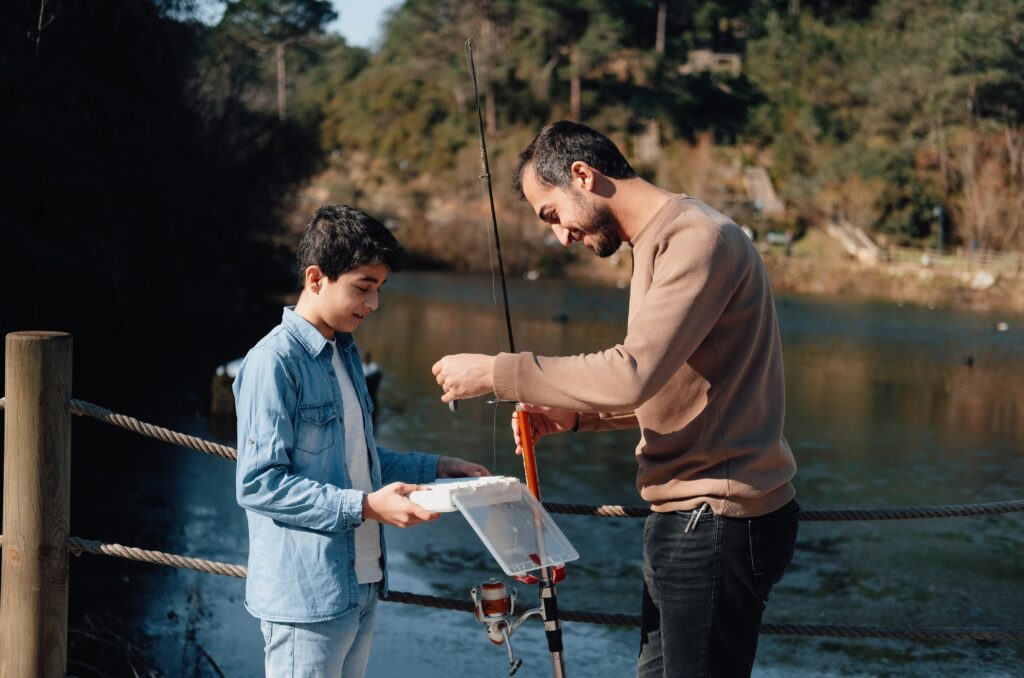
At its best, fishing gives people a reason to slow down and pay attention. It gets you outside, creates space for conversation or quiet, and reminds you that not every good thing happens on command. There is something genuinely valuable about an activity that requires patience — one where checking your phone feels like missing the point.
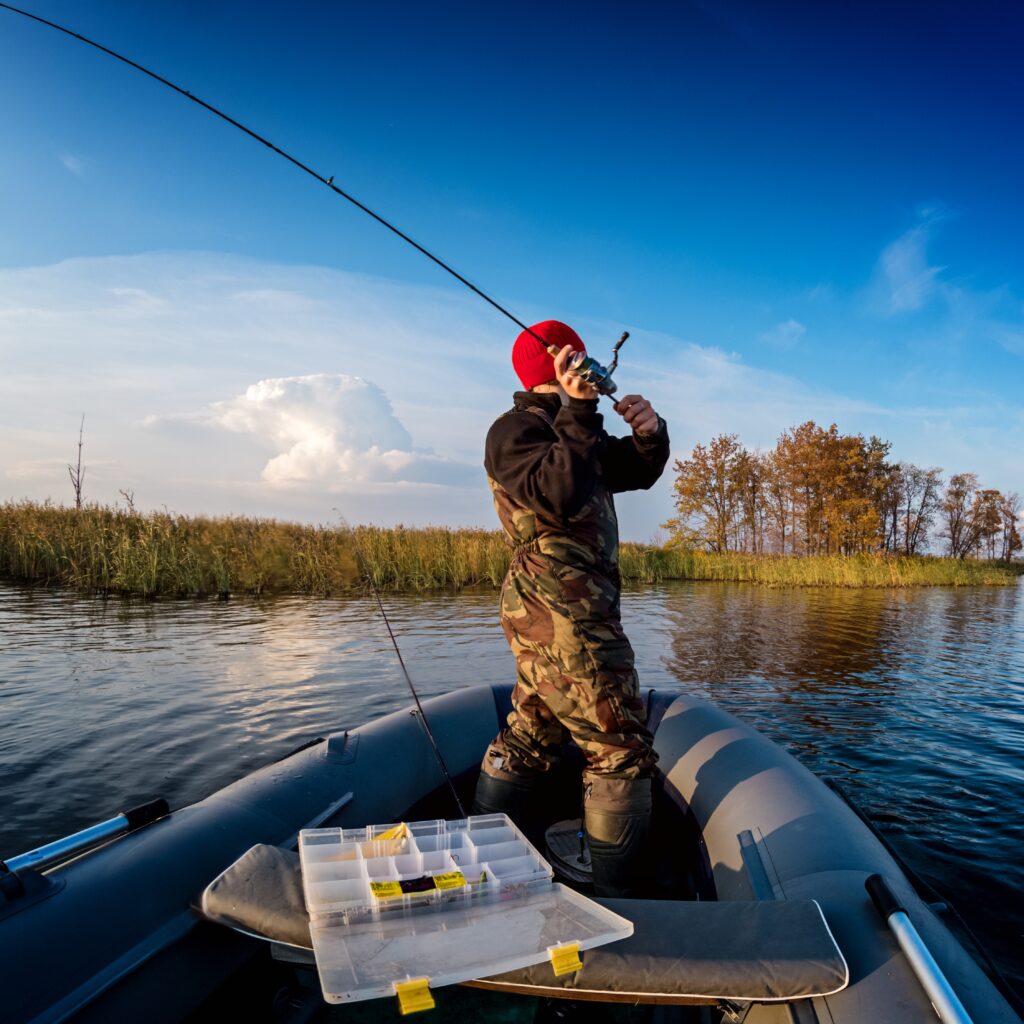
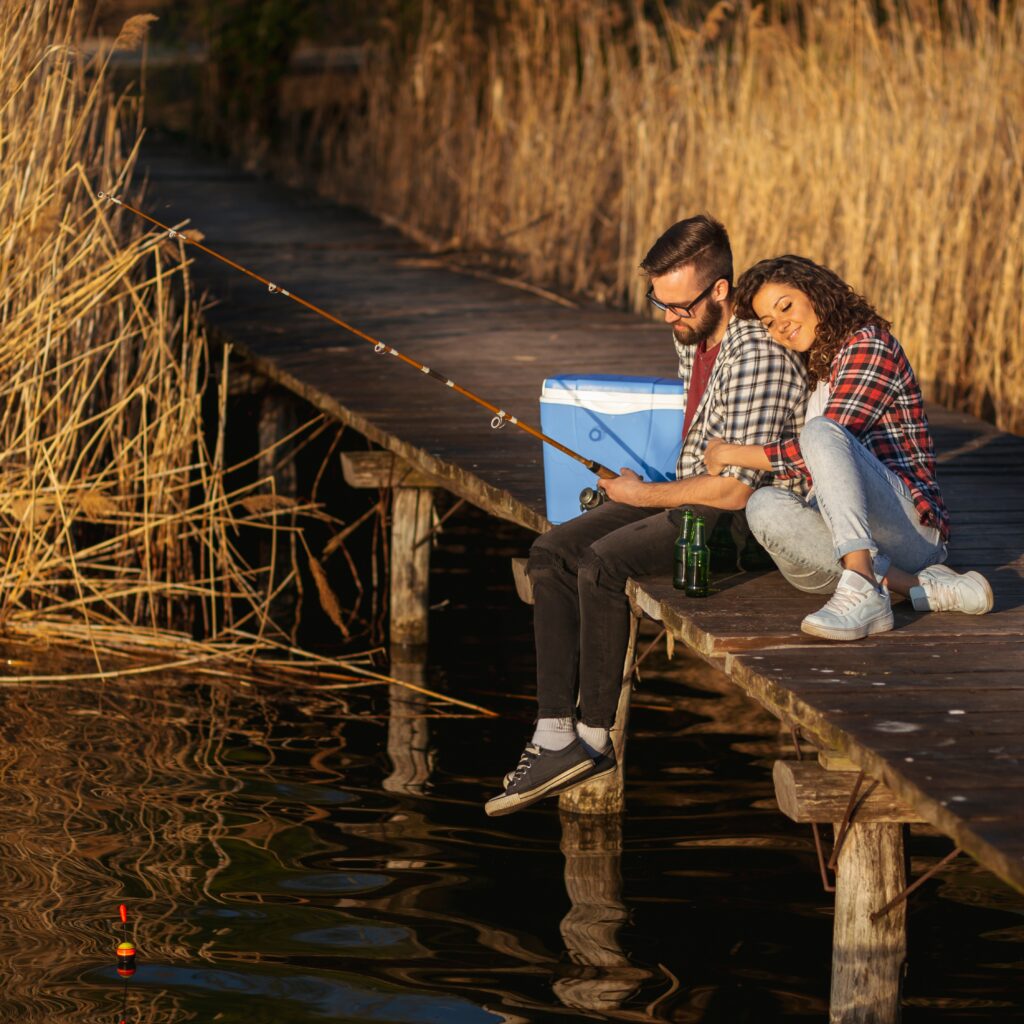
Sometimes the best part is the catch. Sometimes it is the story afterward. And sometimes it is just the hour you spent outside, doing one thing, with nowhere else to be.

Do you enjoy freshwater fishing, or is it something you have been meaning to try?
Leave a Reply