When most people think of swimming, they picture a pool.
Blue water. Lane lines. Goggles. Swim caps. Maybe the sharp beep of a starting signal and swimmers diving from blocks in perfect rows.
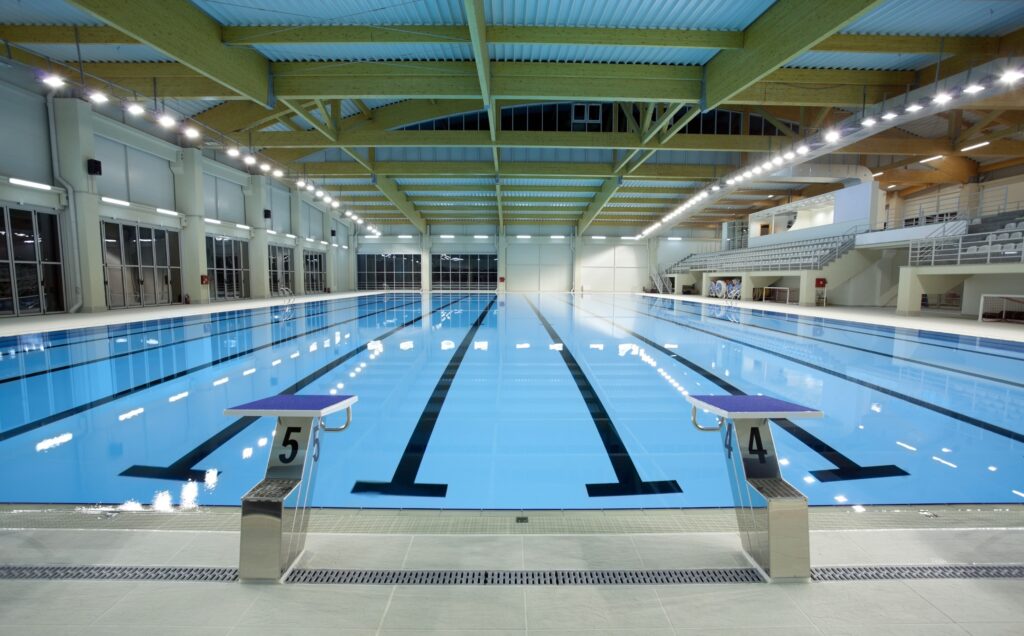
But swimming has another side — colder, rougher, less predictable, and far less controlled.
Open-water swimming takes the sport out of the pool and places it in lakes, rivers, bays, oceans, and channels, where swimmers are not just racing the clock or the person beside them. They are dealing with weather, waves, currents, tides, temperature, visibility, and the mental challenge of being surrounded by open water for hours at a time.
And long before today’s open-water gear became common, one of the most famous swims in history began with something that might sound strange now: Grease.
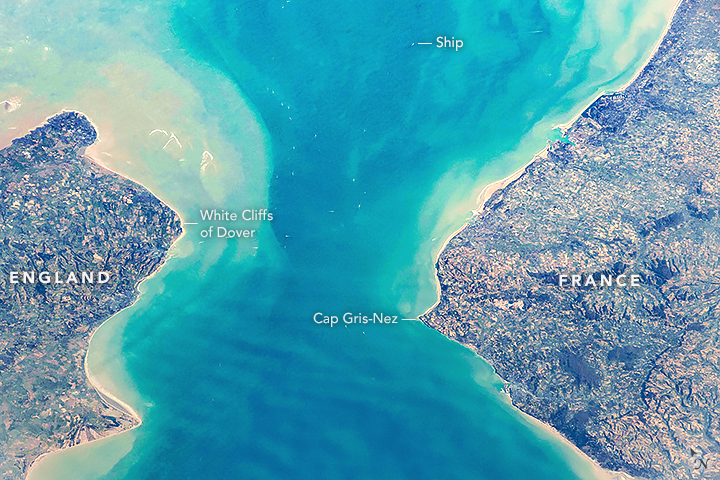
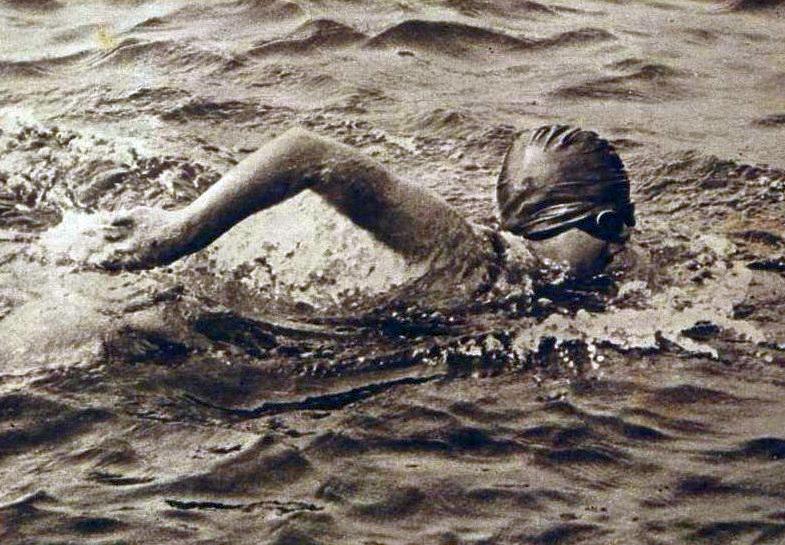
On August 6, 1926, a 20-year-old American named Gertrude Ederle waded into the sea at Cap Gris-Nez, France, and set out to swim the English Channel. At that point, only five people had ever completed the crossing. Ederle herself had tried the year before, but the attempt ended in controversy when her trainer decided she should stop.
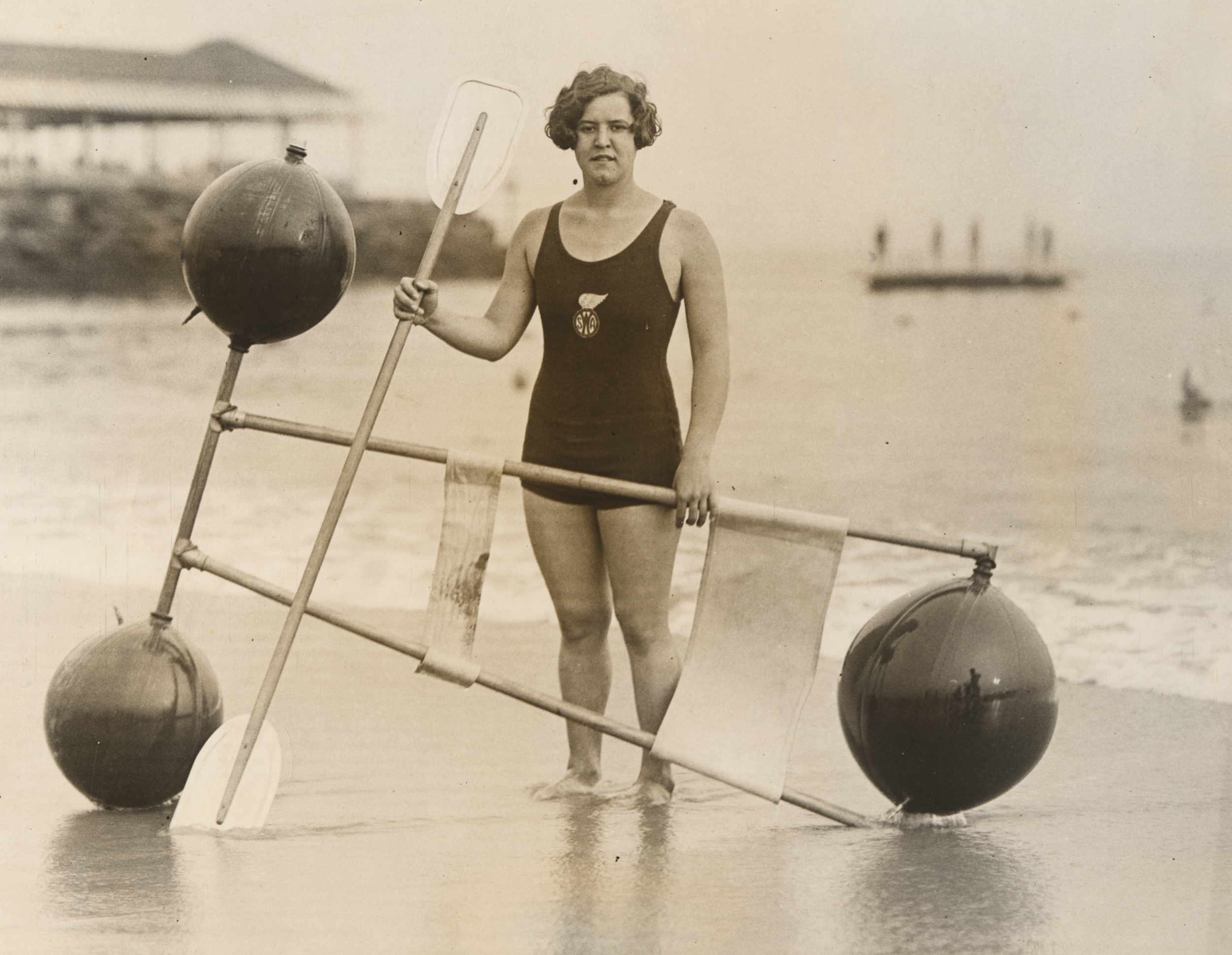
So when she stood on that French beach in 1926, she was not just attempting one of the hardest endurance challenges in the world. She was attempting it for the second time, with newspapers, spectators, and skeptics watching to see whether she could finish what so few people had ever done.
Her swim was not a polished, high-tech athletic event. There were no sleek modern wetsuits, no GPS watch on her wrist, no bright inflatable buoy clipped to her waist, no nutrition gels tucked into a race belt.
There was a two-piece silk swimsuit she had helped design herself — radical for the era, when women were expected to swim in heavy, modest suits that dragged in the water. There were goggles, often described as motorcycle-style, sealed around the edges with wax to help keep the salt water out.
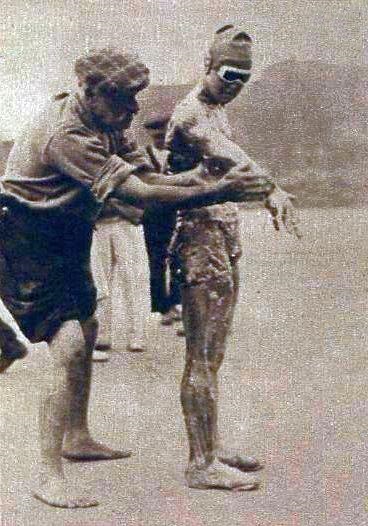
There was a support boat. And covering her body, there was a thick, smelly coating of grease: a homemade mixture that Channel swimmers of the era blended from things like lanolin, lard, olive oil, and petroleum jelly.
The grease was not mainly for speed. It was protection.
Swimmers of Ederle’s era believed it helped guard them against the cold, while also creating a crude barrier against chafing, salt water, and jellyfish.
Modern open-water swimmers are more likely to point out that grease mostly helps prevent chafing over long hours in the water, not that it truly keeps the body warm. But in 1926, it was part of the preparation.
Forget the medals and records for a moment and just picture one person on a shoreline, slick with grease, about to step into cold water with no promise of reaching the other side.
The English Channel: a Different Kind of Test
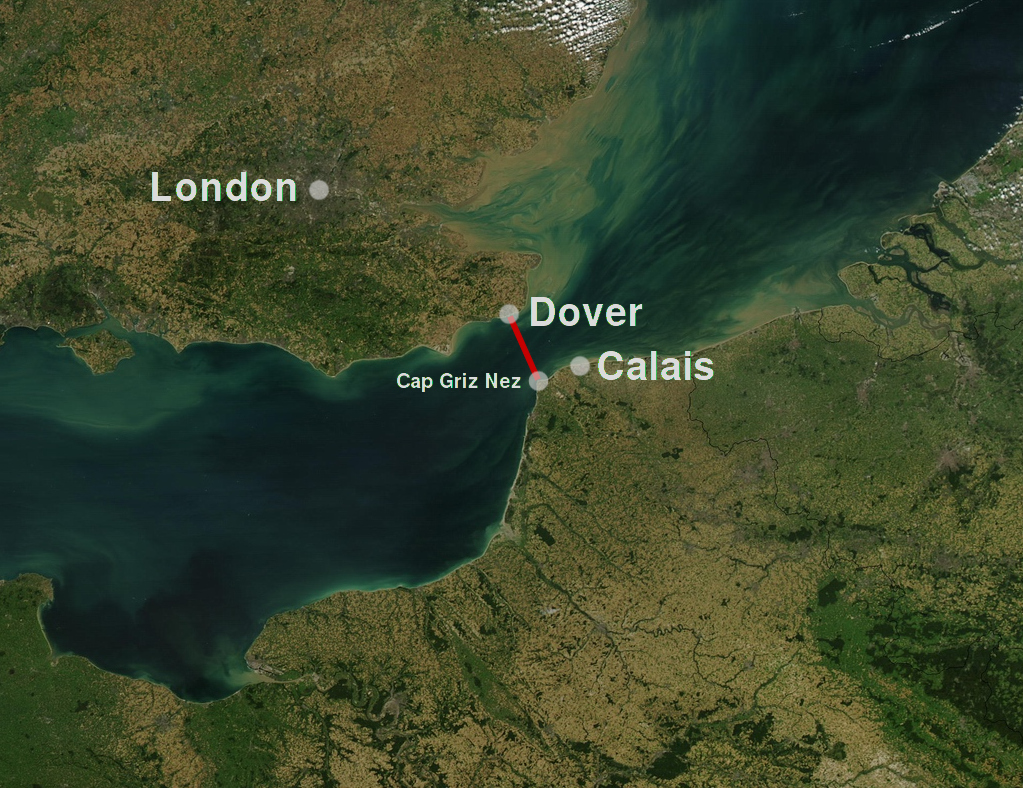
The English Channel is not just a long swim. On paper, the narrowest point between England and France is about 21 miles, but swimmers rarely travel in a straight line.
Tides and currents push them off course, forcing them to swim much farther than the map suggests. On her crossing, Ederle is estimated to have covered roughly 35 miles to complete a 21-mile route.
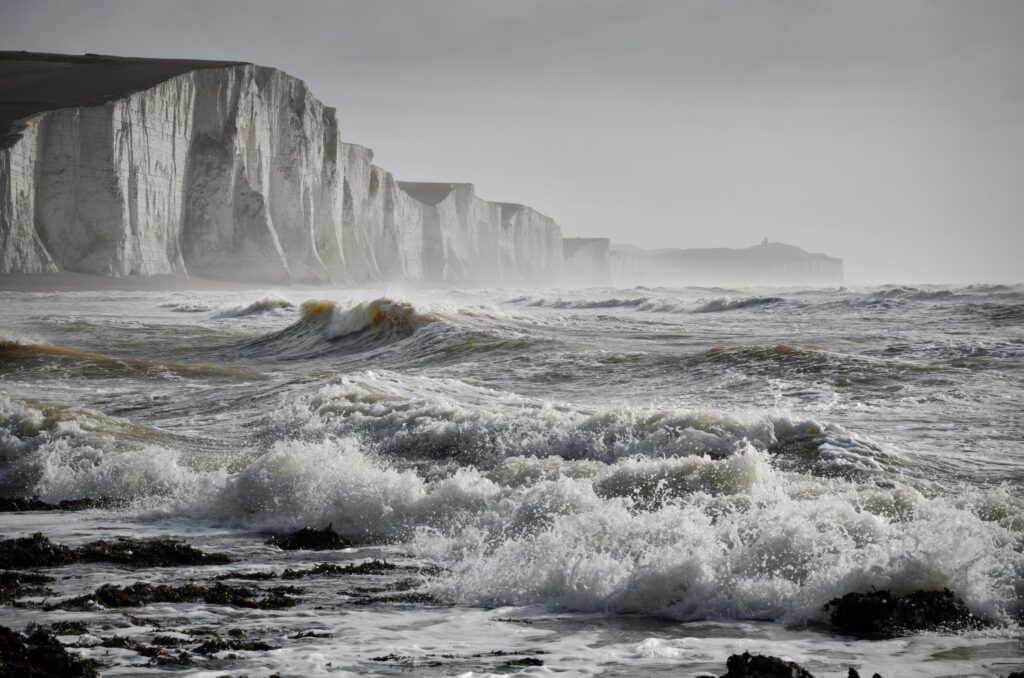
That is part of what makes Channel swimming legendary.
A pool swim is measured, marked, and contained. A Channel swim is alive. The water moves. The weather changes. The swimmer has to keep going through discomfort, uncertainty, and exhaustion while the coastline slowly — sometimes painfully slowly — comes closer. There is no wall to push off from, no clear bottom below, no easy way to stop and stand up. The support crew can guide, encourage, and pass food on a pole, but they cannot make the water warmer or the distance shorter.
The conditions on Ederle’s day were rough enough that, partway through, her own trainer reportedly shouted from the boat that she should come out.
Her answer became famous: “What for?”
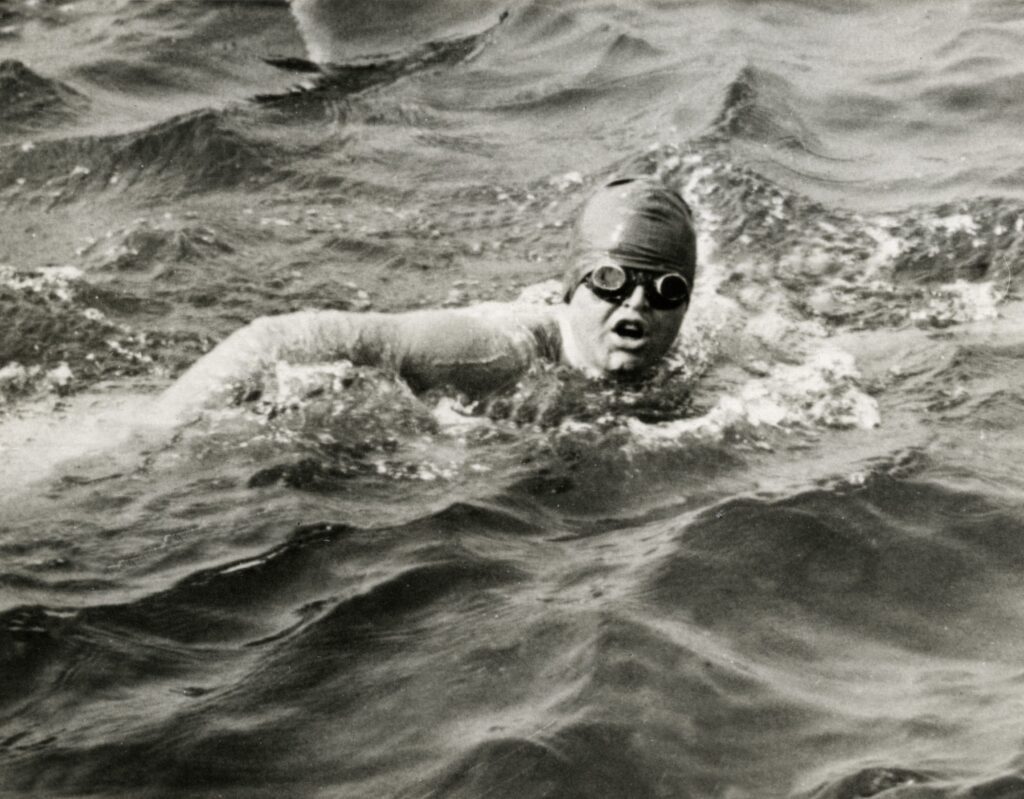
She kept swimming. When she finally walked ashore at Kingsdown, England, she had been in the water for about fourteen and a half hours – and she had not just become the first woman to swim the English Channel. She had beaten the fastest previous crossing on record by nearly two hours.
When she returned home to New York, an estimated two million people lined the streets for her ticker-tape parade.
All of it began with a young swimmer on a beach, coated in grease.
Swimming Is Not Just a Pool Sport
Pool swimming is probably the version most people know best, especially if they grew up around swim teams, summer leagues, or the Olympics. It is structured and familiar. Each swimmer has a lane, each race has a set distance, and the setting is designed to make competition as fair and consistent as possible.
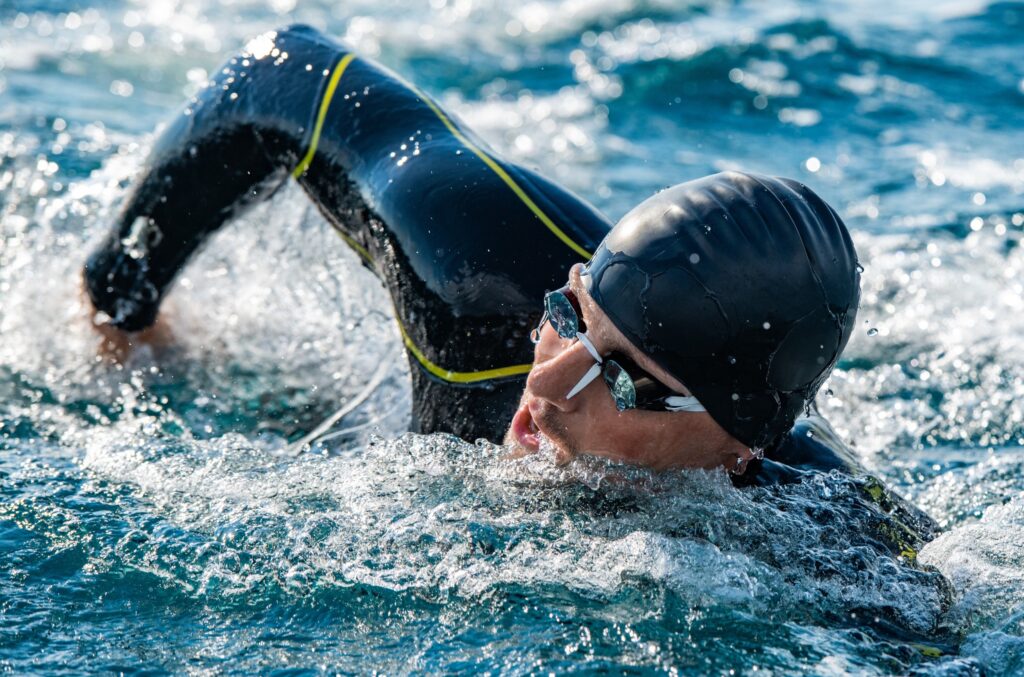
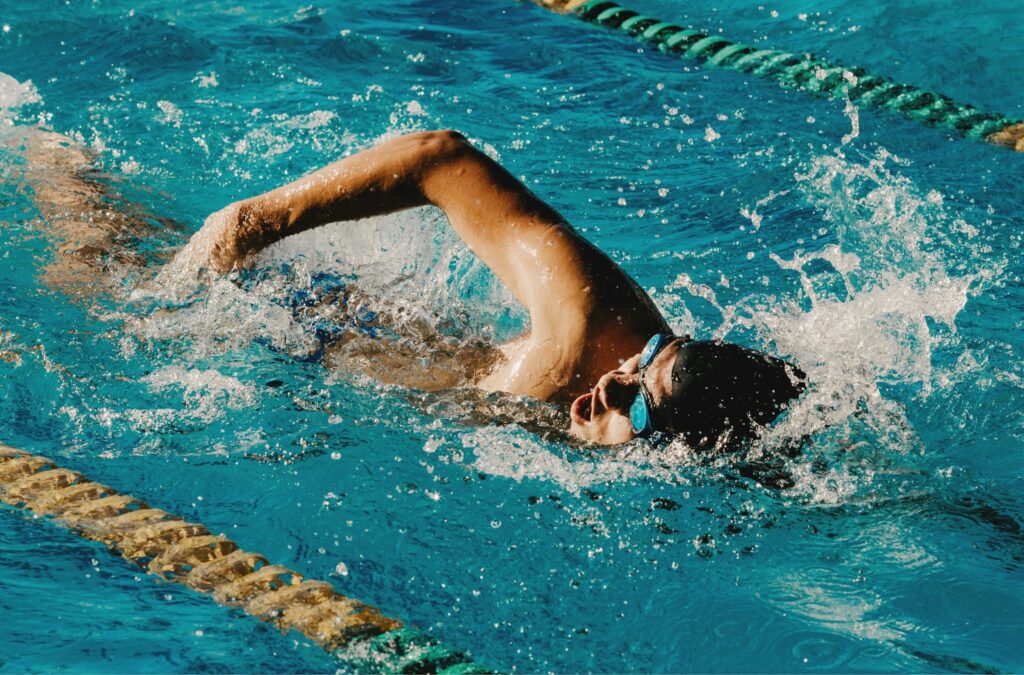
Open-water swimming is different. Instead of racing inside a rectangle, swimmers move through natural water — across a lake, around buoys in the ocean, along a coastline, or from one shore to another. The distance may be a mile, a 5K, a 10K, or a marathon swim that takes most of a day.
Modern open-water swimmers use gear that would have looked like science fiction in Ederle’s time.
Depending on the event and water temperature, they may wear wetsuits engineered for warmth and buoyancy, brightly colored caps for visibility, and tinted goggles for glare.
They are supported by feeding bottles on poles, escort kayaks and boats, timing chips, GPS tracking, and detailed tide and weather planning.
But open-water swimming still keeps something ancient at its core: the swimmer has to move through the water under their own power.
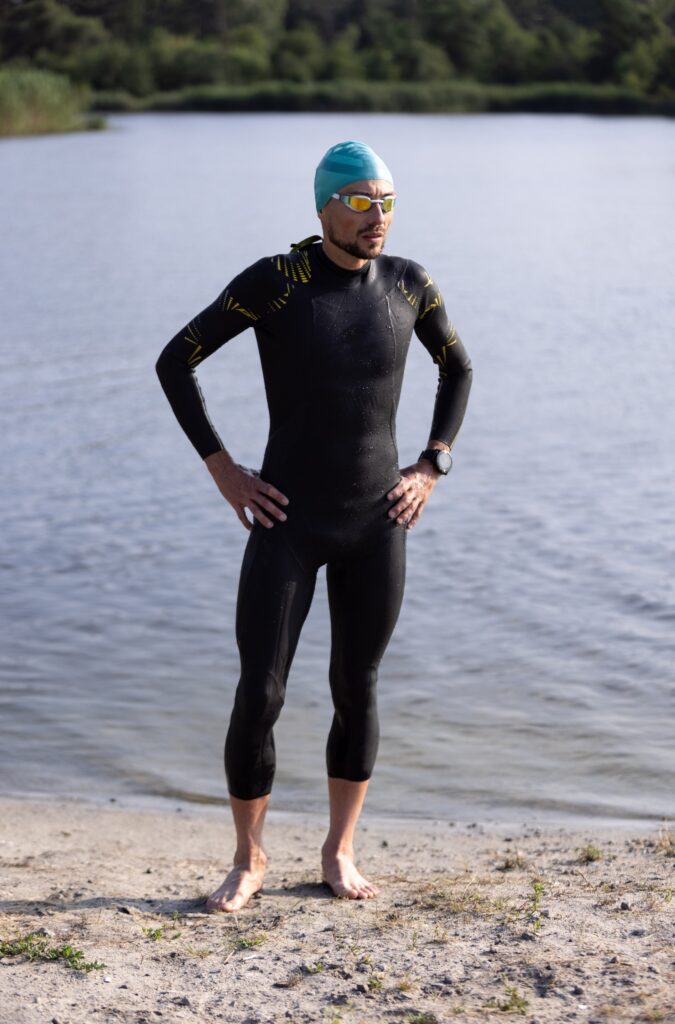
Even with better gear and better safety systems, open water remains open water. It demands patience, courage, and the ability to keep going when there is no wall to touch and no black line to follow.
The Gear Has Changed. The Challenge Has Not.
Today, the word “wetsuit” can mean different things depending on the sport. Divers wear them. Surfers wear them. Triathletes and many open-water swimmers do too, especially in cold water, where they provide warmth, buoyancy, and protection. Swim wetsuits are designed for flexibility and body position — nothing like a heavy diving suit.
But classic English Channel swimming is its own tradition, and here is the interesting twist: under those rules, wetsuits are still not allowed. The challenge is deliberately kept close to its historical roots. Swimmers may use a standard swimsuit, one cap, goggles, optional nose clips or ear plugs — and grease — but nothing that provides major help with warmth, buoyancy, speed, or endurance.
In other words, a Channel swimmer setting off under traditional rules today is permitted nearly the same short list Ederle worked with in 1926 — a suit, a cap, goggles, and grease. A hundred years of sports technology, and the classic equipment list has barely grown.
That makes Ederle’s story even more remarkable. The grease was not just a strange old detail. It was part of a tradition that survives to this day: facing cold, moving water with as little assistance as the rules allow.
Worth Remembering
Gertrude Ederle’s Channel swim is remembered as a groundbreaking athletic achievement, and it was. But beyond the record books, the image itself is unforgettable.
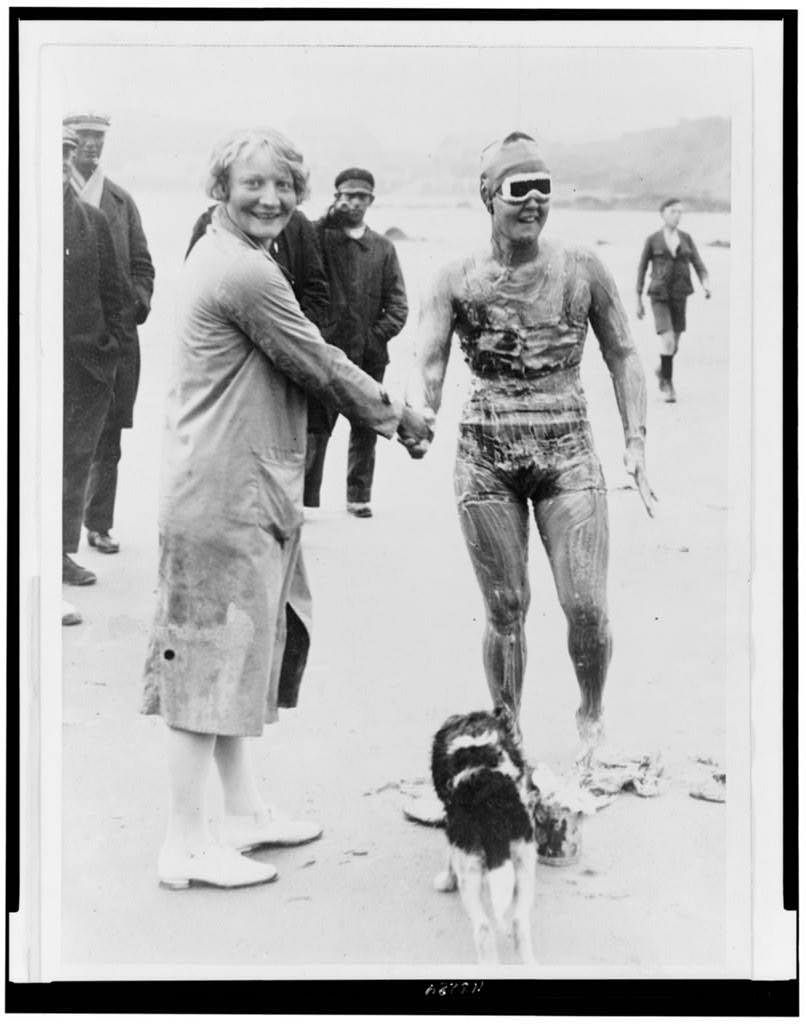
A 20-year-old swimmer on the shore. Cold gray water ahead. A body covered in grease. A support boat waiting nearby. Fourteen hours of uncertainty between one coastline and the next — and a question shouted back at the boat that told everyone exactly how it would end.
“What for?”
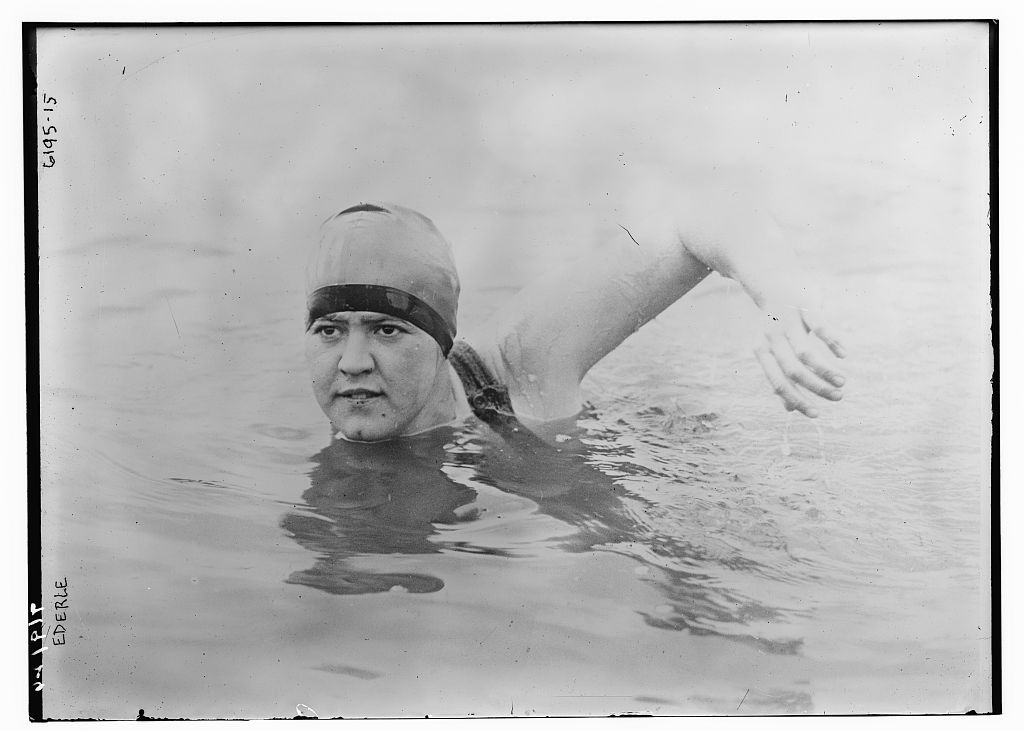
That is what makes this such a good swimming curiosity. It pulls history out of the textbook and makes it physical. You can almost feel the chill of the water, the slick coating on her arms, the nerves before that first step in.
It reminds us that swimming is bigger than the pool. It can be competitive, recreational, peaceful, grueling, technical, and wildly adventurous. It can happen in a calm lane under bright lights or in a restless channel between two countries.
And sometimes, the difference between then and now is not the water itself. It is everything swimmers had — or did not have — when they entered it.
Before the sleek wetsuits, the GPS trackers, and the carefully planned race systems, there were swimmers willing to face cold, moving water with grit, preparation, and a coating of grease.
It sounds almost impossible now.
That is exactly why it is worth remembering.
Leave a Reply