Welcome to Saturday Sparks! This week, we’re exploring waterfall hiking, an activity that combines movement, scenery, and a clear destination that makes the experience even more memorable.
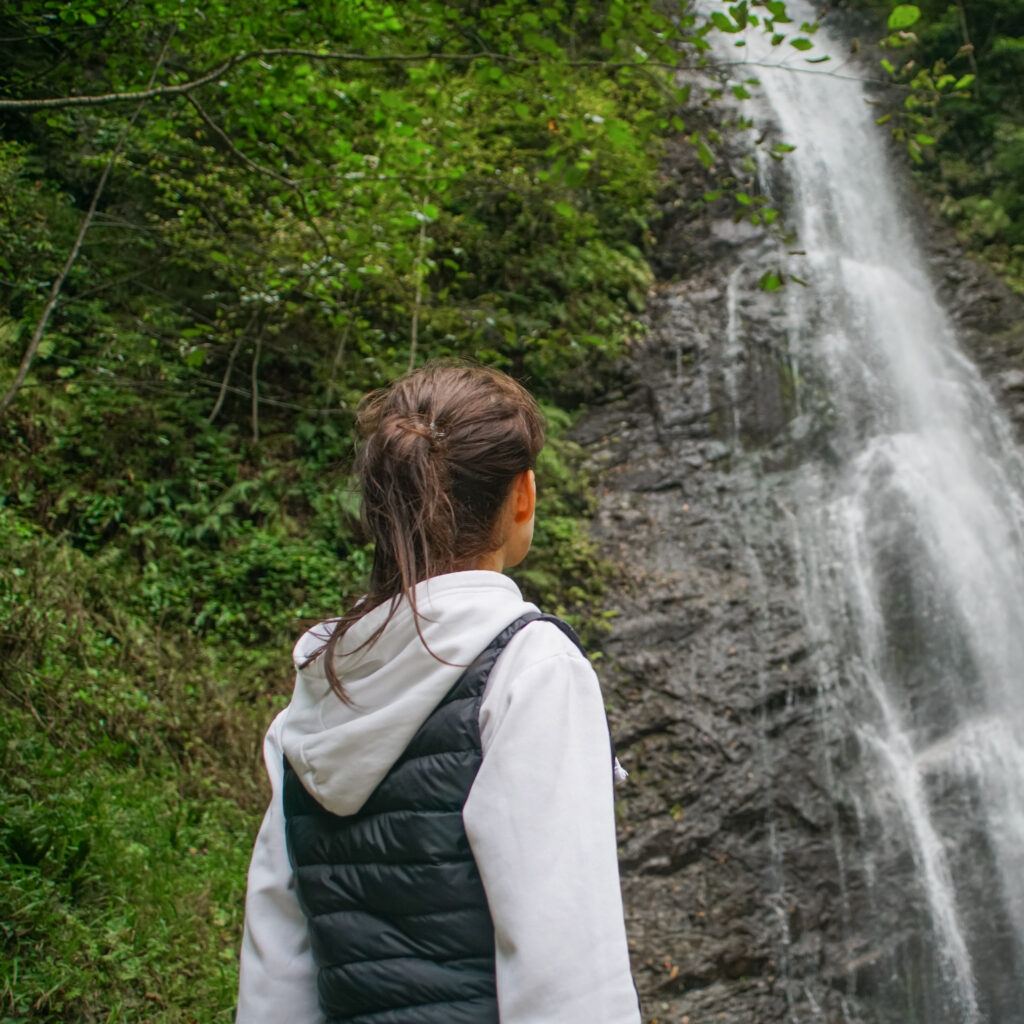
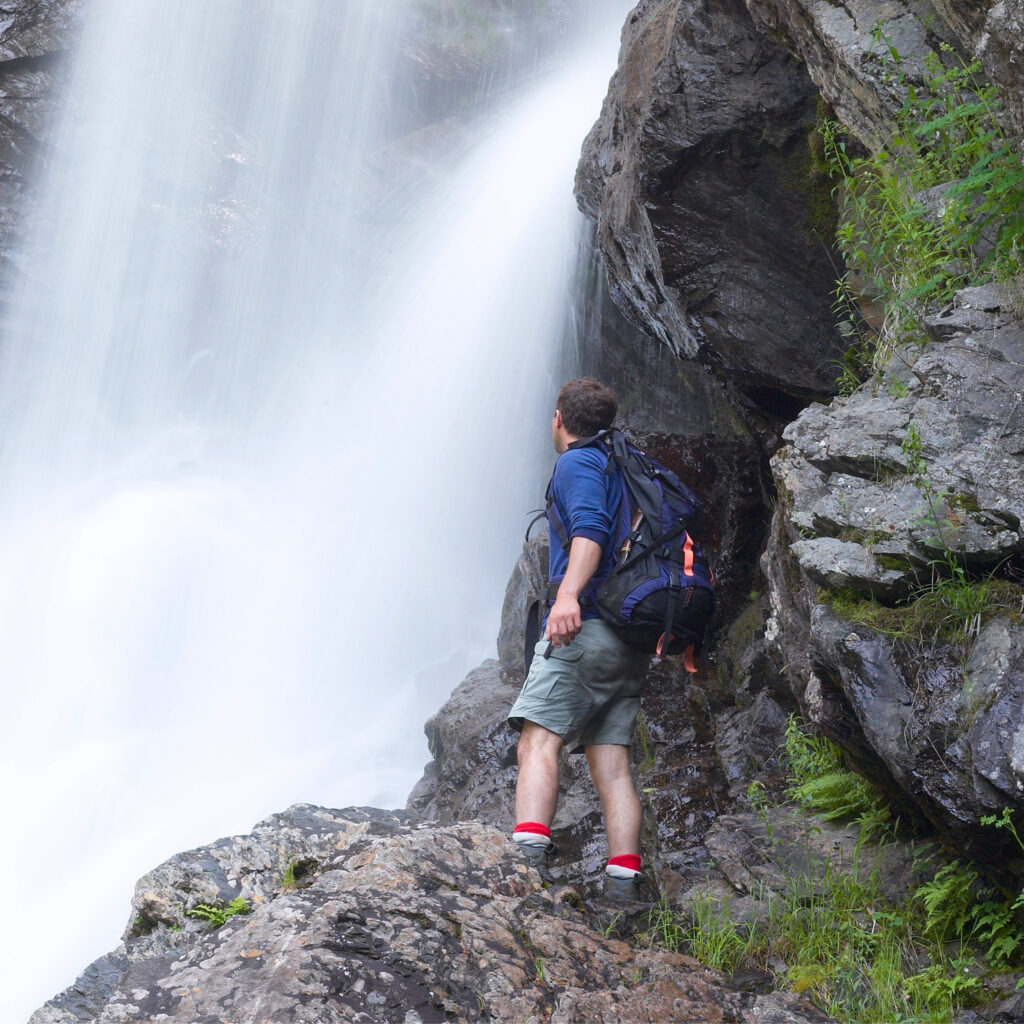
There is something about knowing a waterfall is waiting at the end of the trail. It gives the walk a sense of purpose while still allowing you to settle into the rhythm of being outdoors. The sound, the air, and the setting all come together in a way that feels different from an ordinary hike.
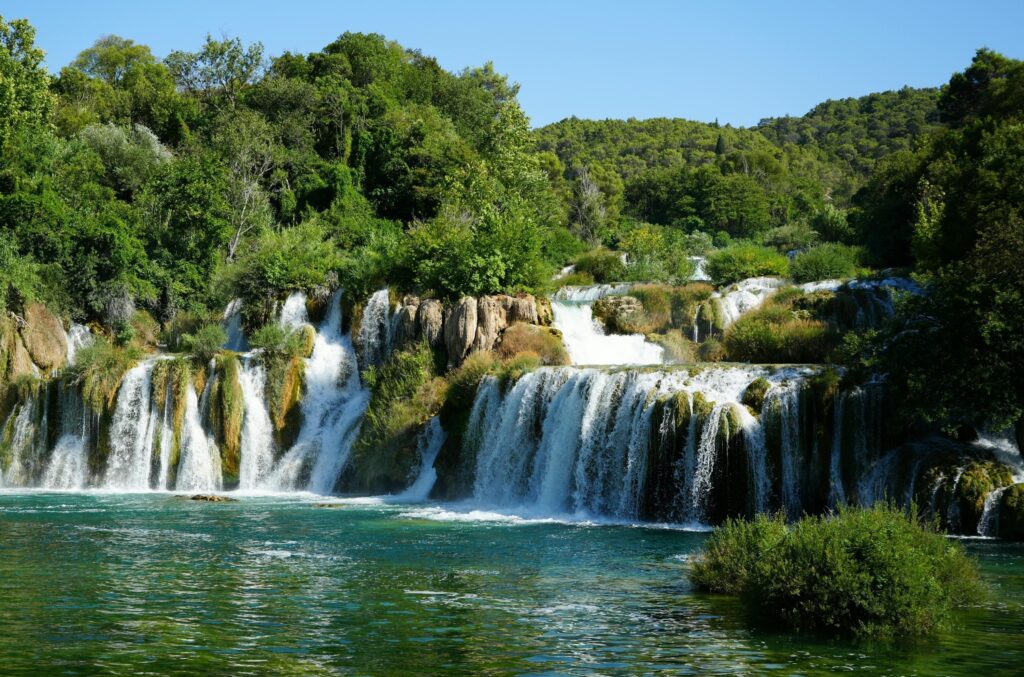
Waterfall hiking can be as simple or as challenging as you want it to be. Some trails are short and easy, while others require more time and elevation. No matter the level, the experience tends to feel rewarding in a very immediate way.
What is Waterfall Hiking?
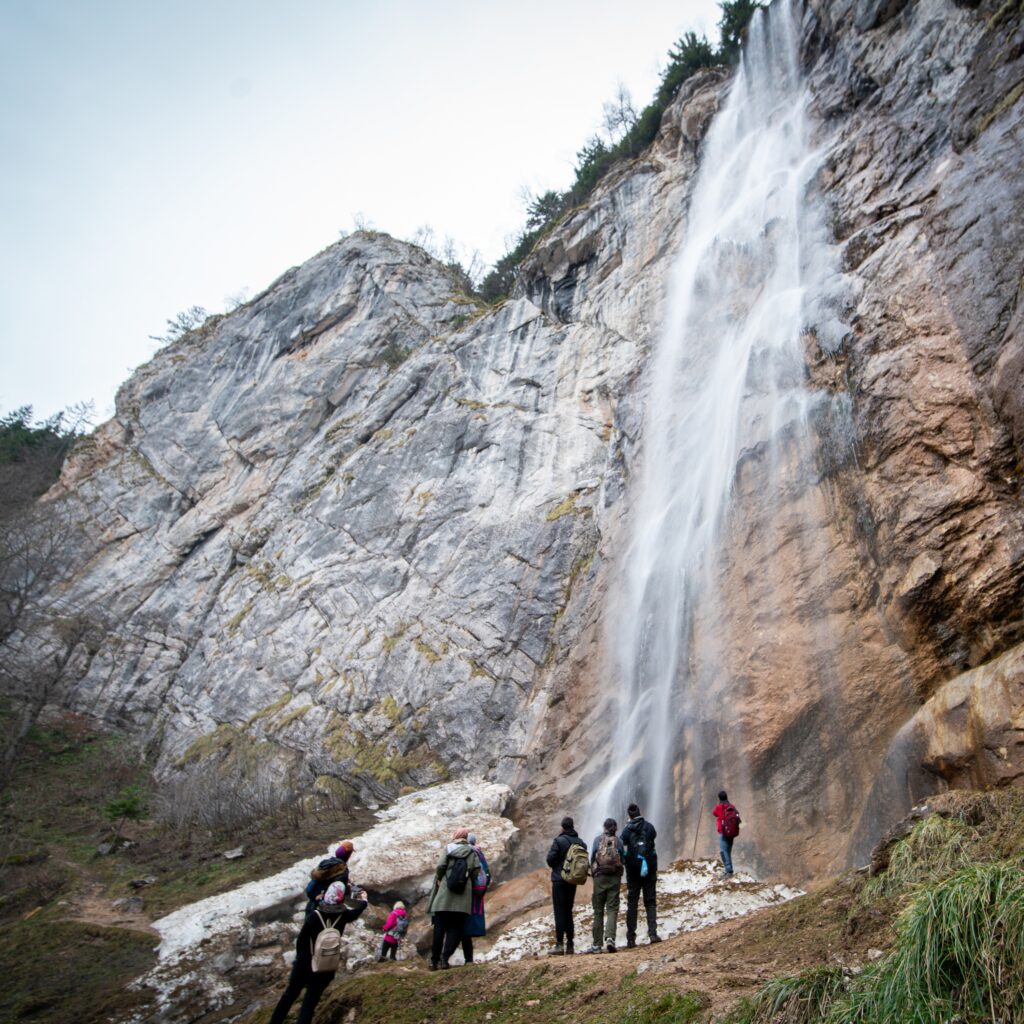
Waterfall hiking is a form of trail hiking that leads to a natural waterfall, typically along established paths within parks, forests, or mountainous regions.
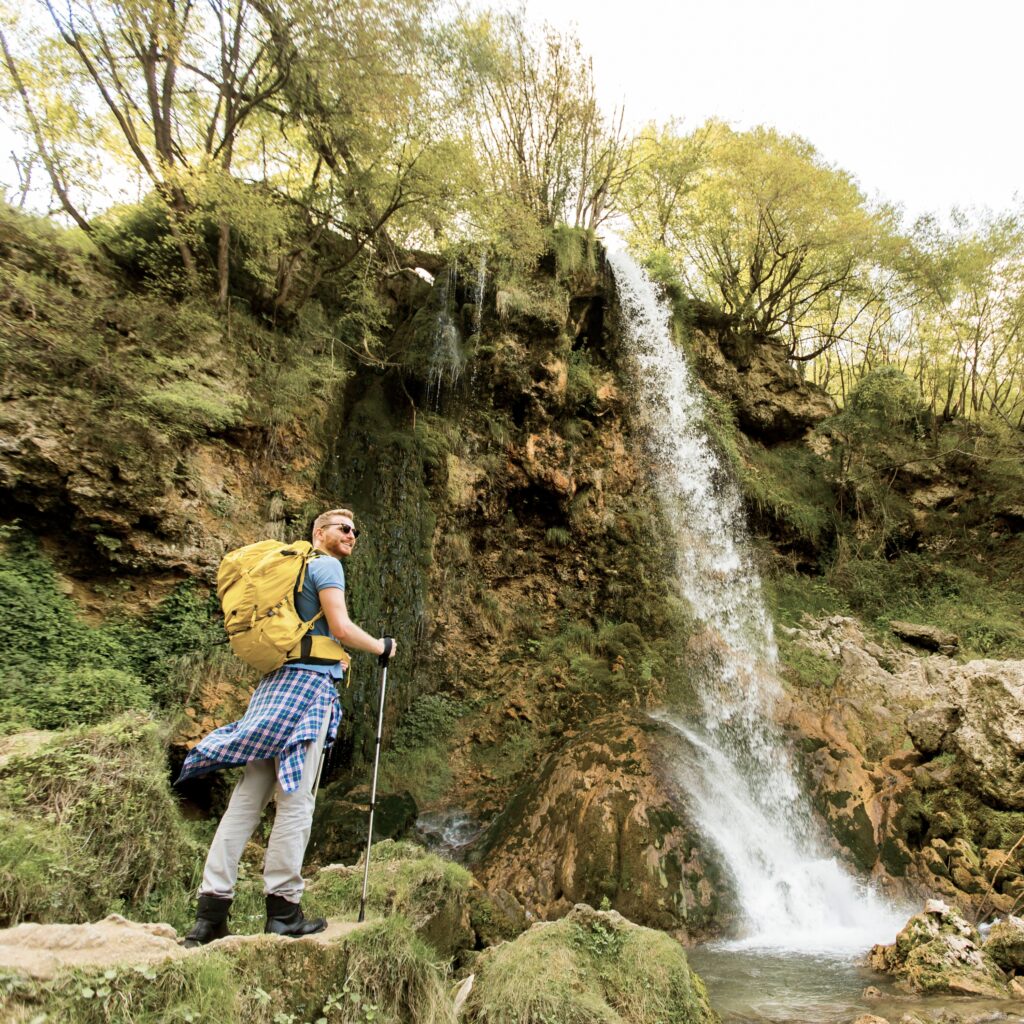
These trails vary in distance, elevation gain, and terrain, ranging from short, well-maintained routes to longer hikes that include uneven ground, inclines, and natural obstacles such as rocks or roots.
Most waterfall hikes follow waterways such as creeks, rivers, or drainage paths where elevation changes create natural cascades.
The trail may include features like switchbacks, wooden bridges, or stone steps to help navigate the landscape safely.
In some areas, observation points, platforms, or designated viewing areas are built near the waterfall to allow for safe access and visibility.

Trail difficulty is often rated as easy, moderate, or strenuous based on distance, elevation change, and terrain conditions.
These ratings give a general sense of what to expect, but actual difficulty can vary depending on factors like weather, trail maintenance, and personal experience level.
Elevation gain, measured in feet, is a key factor in determining effort level, along with trail surface, which may include packed dirt, gravel, mud, or exposed rock.
Steeper inclines require more sustained effort, while uneven or loose terrain can affect balance and pacing.
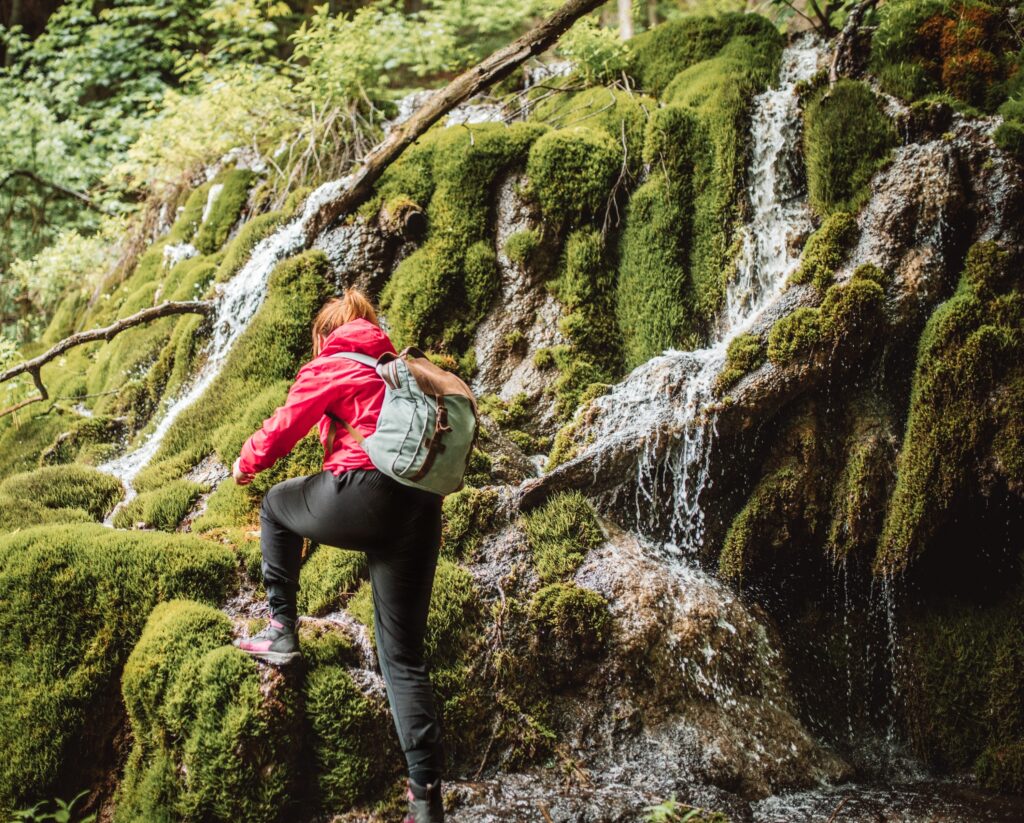
Other elements such as narrow paths, stream crossings, or changes in footing can also influence how challenging a trail feels from start to finish.
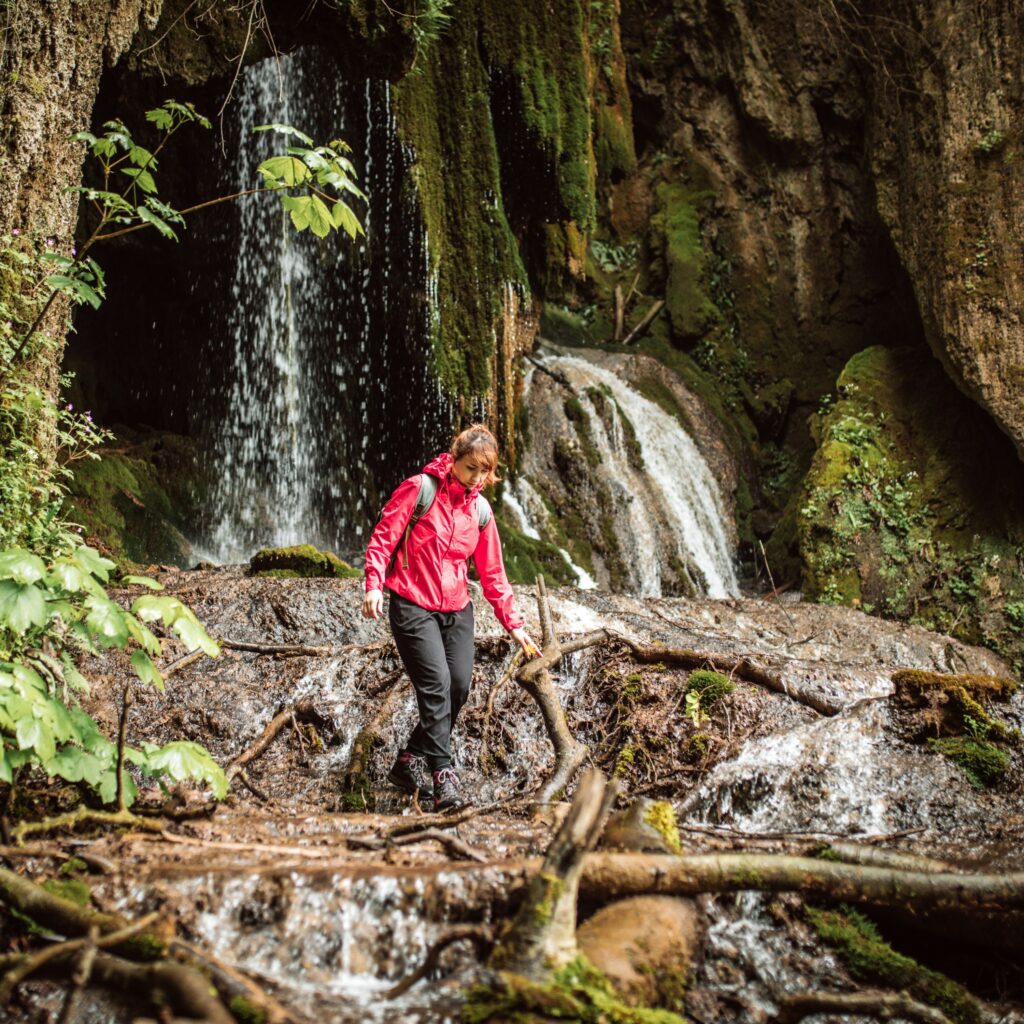
Water flow can vary depending on recent weather and seasonal patterns. Rainfall, snowmelt, and temperature changes all influence how much water is moving through the area at any given time.
After rainfall, waterfalls are typically stronger and more active, while in drier conditions, flow may be reduced or more gradual.
In colder climates, seasonal changes can also affect whether water is partially frozen or flowing at lower levels.
This variability can change both the visual experience and the surrounding trail conditions. Increased water flow may lead to damp or muddy paths, while lower flow can expose more rock and change the overall look of the area. Checking recent conditions can help set expectations before heading out
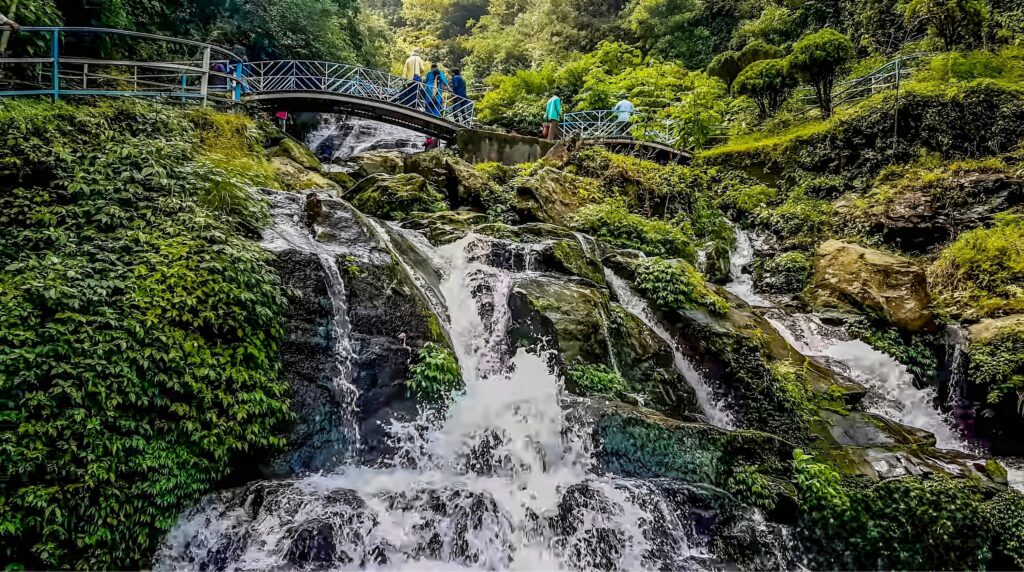
Waterfall hiking can be done on out-and-back trails, loop trails, or as part of a larger trail system. It is commonly practiced as a recreational outdoor activity, either independently or within guided park systems, and does not require specialized equipment beyond basic hiking essentials for most beginner-friendly routes.
The Benefits of Hiking Waterfalls
Waterfall hiking naturally supports mental clarity and stress relief by combining steady movement with a calming sensory environment. The sound of flowing water, fresh air, and the rhythm of walking help quiet mental noise, making it easier to step away from daily pressures and reset your focus.

Many people are drawn to the sense of reward and accomplishment by arriving at their destination. It creates a natural goal to work toward, giving the hike a sense of direction and purpose along the way.

Reaching the waterfall creates a clear and satisfying endpoint, where the effort of the hike is matched by a visual and sensory payoff that feels immediate and meaningful. It is a moment that often encourages you to pause, take it in, and fully experience where you are.
It also offers lifestyle flexibility, fitting into both short outings and longer day trips. This makes it easy to revisit regularly without needing to commit to a full day each time.
Whether you have an hour or an entire afternoon, waterfall hikes can be adapted to your schedule without requiring extensive planning or preparation.
With many trails offering different lengths and difficulty levels, it is easy to choose an option that fits your time, energy, and environment.
Waterfall hiking offers variety and repeatability, even when returning to the same trail. Changes in season, weather, and water flow can shift the experience, allowing each visit to feel slightly different without needing to seek out a new location.
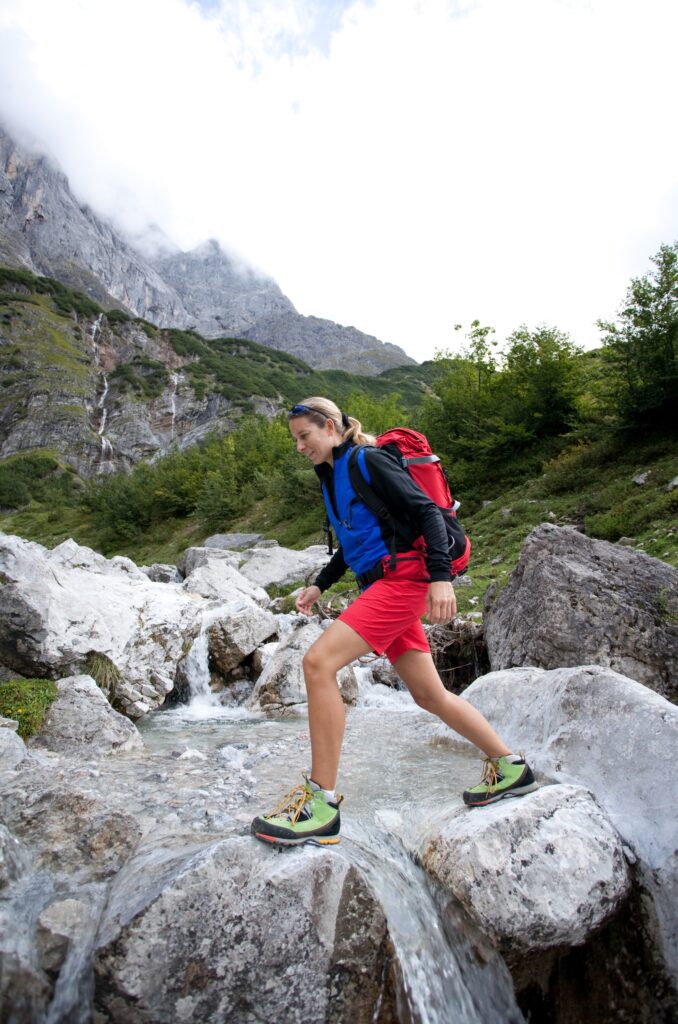
It encourages physical activity in a natural and engaging way, without feeling like a structured workout.
Walking on uneven terrain, navigating inclines, and maintaining balance all work together to engage different muscle groups while keeping the experience enjoyable and exploratory rather than routine.
Over time, this type of movement can help build strength, stability, and overall endurance in a way that feels gradual and sustainable.
Waterfall hiking can also provide low impact cardiovascular activity that supports overall endurance and heart health.
The steady pace of walking, combined with gradual elevation changes, helps increase heart rate without placing excessive strain on joints, making it a sustainable option for a wide range of fitness levels.
Waterfall hiking remains accessible across experience levels, with trails ranging from short, well-maintained paths to more challenging routes. This flexibility makes it easy for beginners, families, or those returning to activity to find an option that fits their comfort level.

Waterfall hiking is typically low or no cost and easy to access, with many trails located in public parks or natural areas that require little to no entry fee. With minimal gear needed to get started, it offers a way to spend time outdoors without a significant financial commitment.
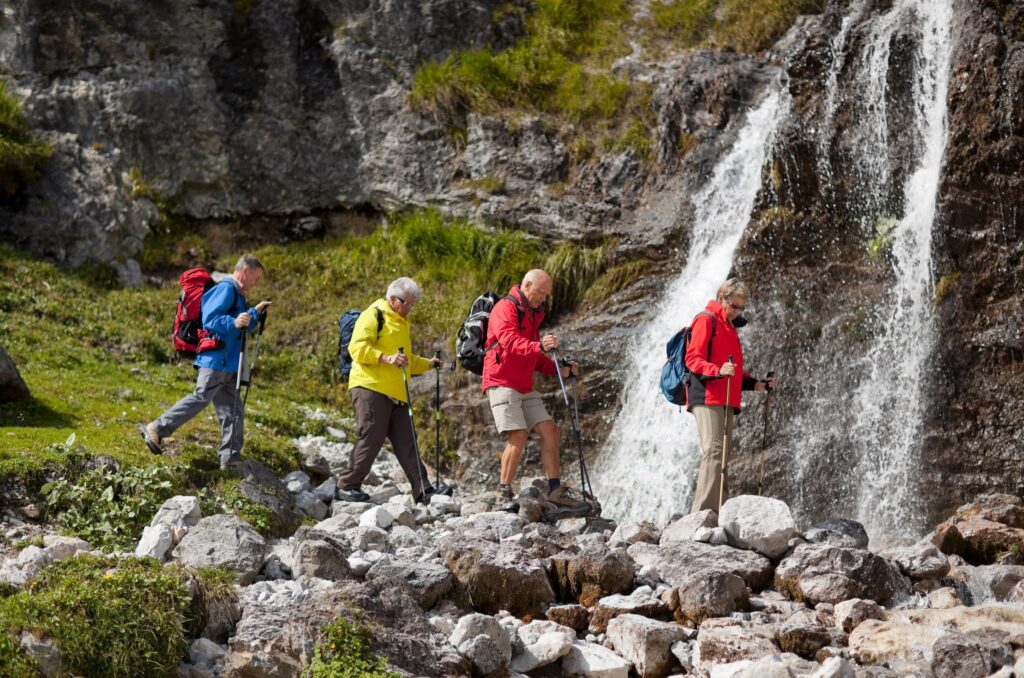
It provides space for both social connection and solo reflection. Some prefer the quiet of hiking alone, while others enjoy sharing the experience with friends and family, making it easy to approach in a way that fits your mood or routine.
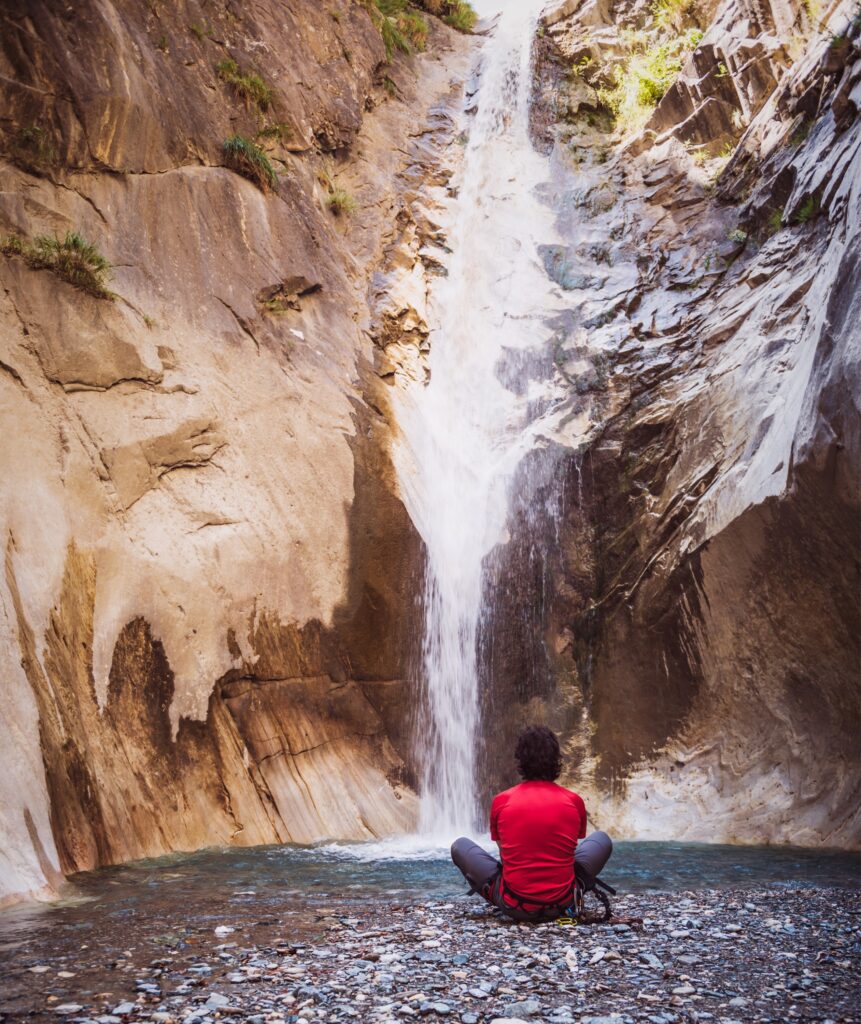
Waterfall hiking also encourages being present in the moment as the environment naturally draws your attention outward.
The sound of moving water, shifting light through trees, and the need to watch your footing help keep your focus on what is right in front of you, creating a more grounded and steady experience.
It supports reduced screen time and mental reset by offering a clear break from devices and constant input. Even a short hike gives your eyes and attention a chance to adjust, making it easier to step away from notifications and return feeling more refreshed.
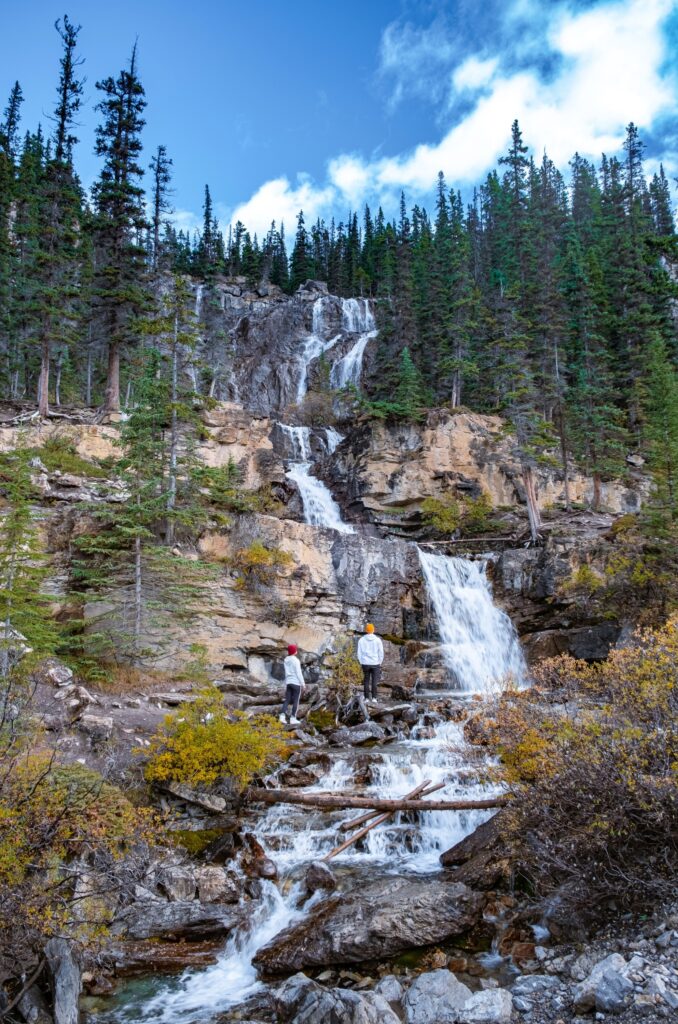
Spending time on these trails can deepen a connection to nature in a way that feels immersive rather than passive. Being near flowing water, surrounded by trees, and moving through natural landscapes creates an experience that feels more engaging than a typical walk.

Getting Started
Start by looking for local trails known for waterfalls. Many parks list trail difficulty, distance, elevation gain, and accessibility, which makes it easier to choose something that fits your comfort level. Reading recent reviews or checking photos can also give you a better sense of what the trail and waterfall currently look like.

Check the weather and trail conditions before heading out. Waterfalls are often best after recent rain, but trails can also be more slippery or muddy, so it helps to know what to expect. Seasonal conditions can also affect accessibility, especially in colder or wetter months.
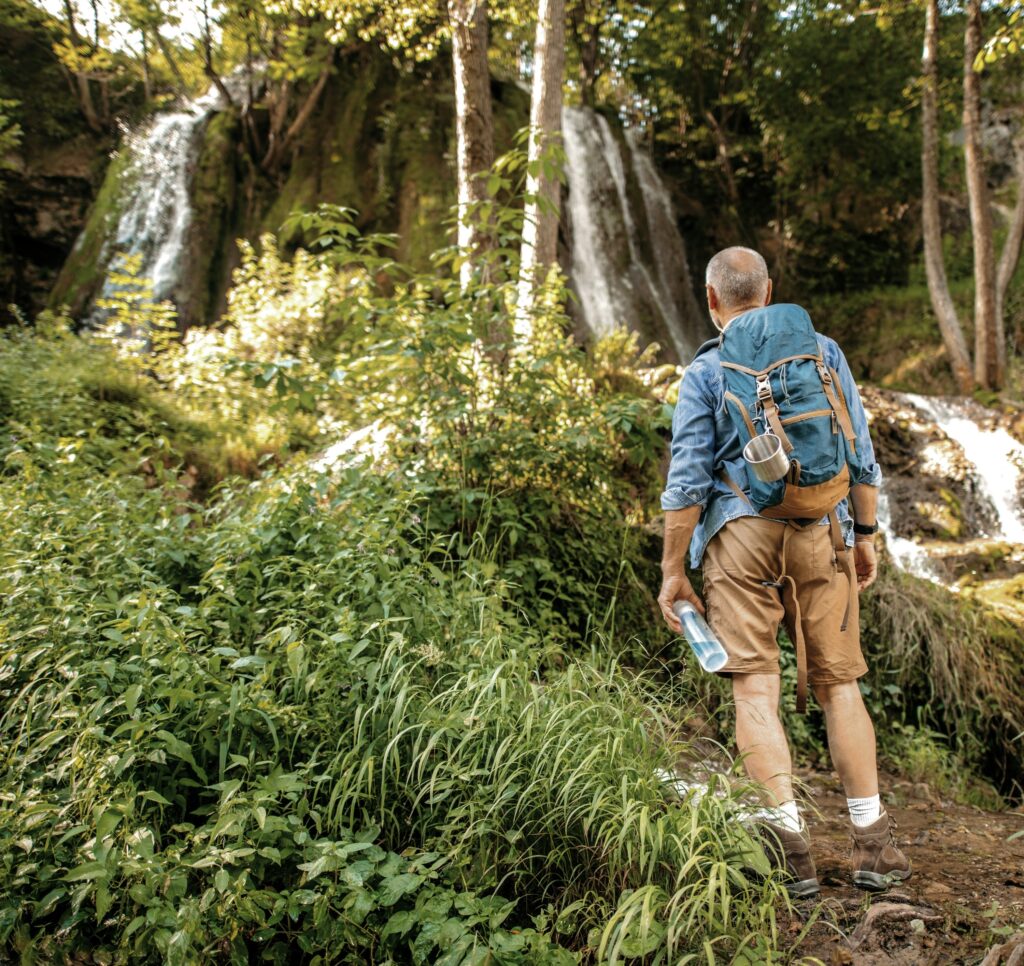
Comfortable walking shoes with good traction, water, and a simple plan are enough for most beginner hikes.
Wearing breathable, weather appropriate clothing, including light layers, can help you stay comfortable as temperatures shift along the trail or near the water.
Depending on the length of the trail, you may also want to bring a light snack, sunscreen, or a small day pack to carry essentials without feeling weighed down.
A fully charged phone or a downloaded trail map can also be helpful for navigation, especially in areas with limited cell service.

Trails labeled easy or beginner friendly are a good starting point, especially those with clear signage and maintained paths.
Begin with a shorter, well-marked trail. This helps you get a feel for the terrain, pacing, and overall experience without overcommitting.
Choosing a more popular or well-traveled trail can also make the experience feel more easygoing as you get more familiar with it.
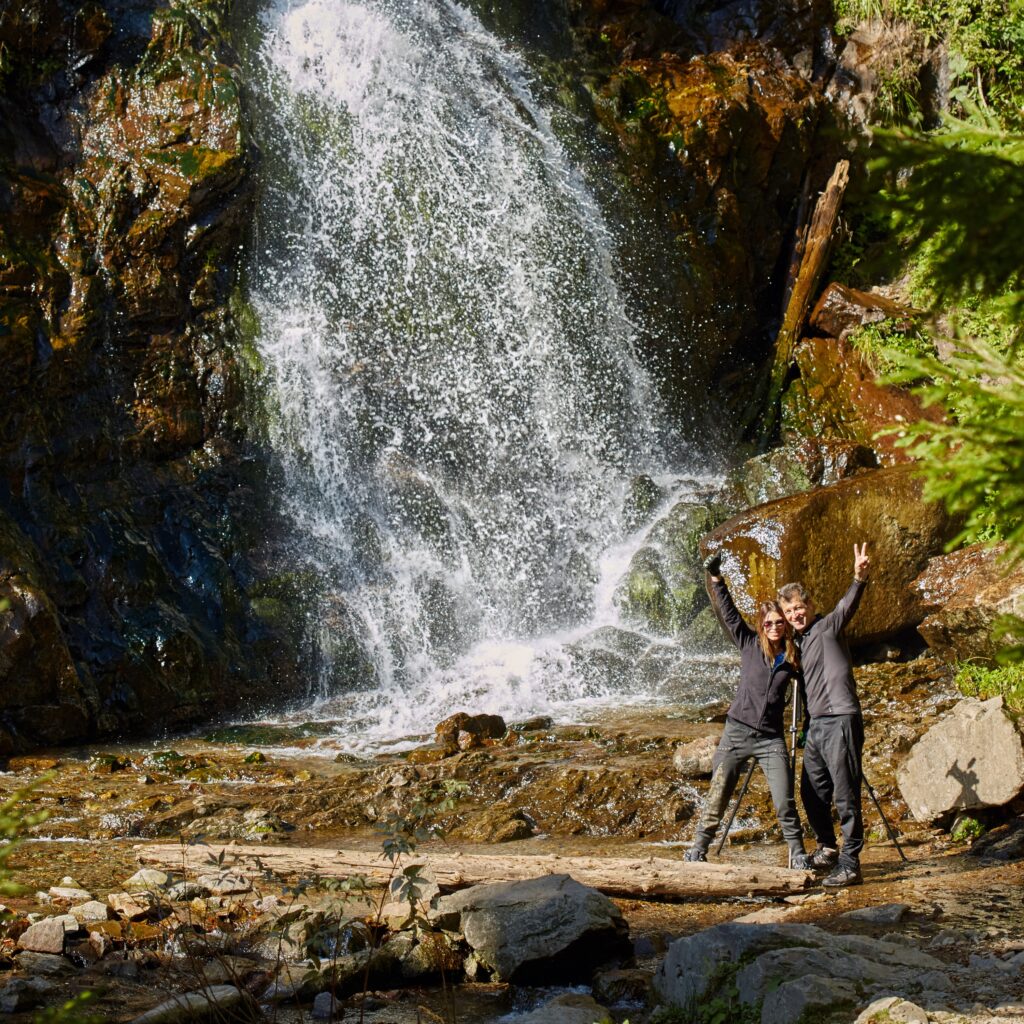
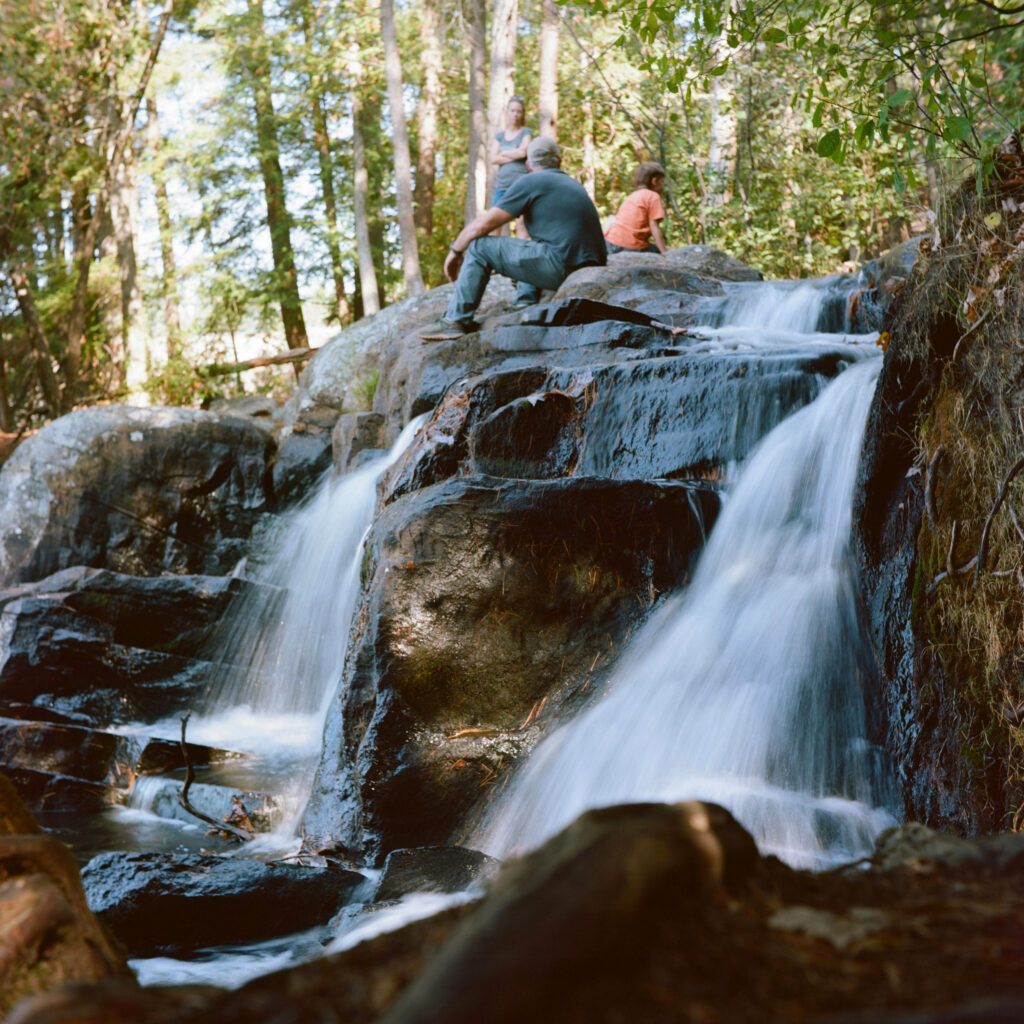
These trails are often easier to follow and more consistently maintained, and the presence of other hikers can provide a sense of reassurance while still allowing you to move at your own pace.
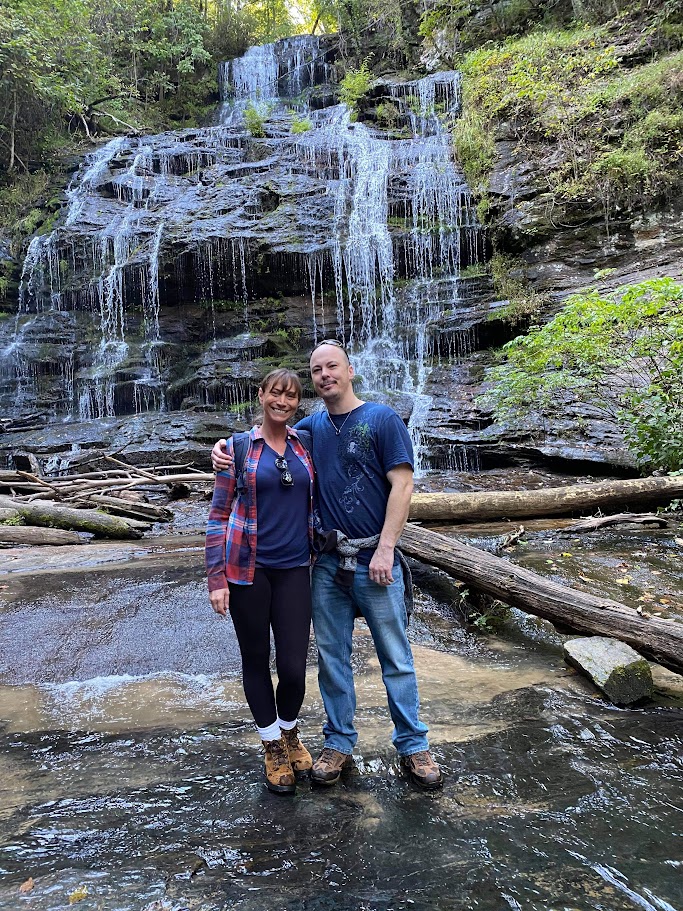
Consider going with a friend. Hiking with someone else can make the experience more fun and relaxed, whether you are new to it or have done it before.
It gives you someone to share the views, conversation, and moments along the way, especially once you reach the waterfall.
Go at your own pace. The goal is not speed, but the experience of getting there and being present once you arrive.
Taking breaks, adjusting your pace, and allowing time to enjoy the surroundings can make the hike feel more relaxed and enjoyable from start to finish.
Whether alone or in a group, it is always a good idea to let someone know where you are going and your expected return time. This simple step adds an extra layer of awareness and helps ensure that someone is familiar with your general plan while you are out on the trail.
Resources
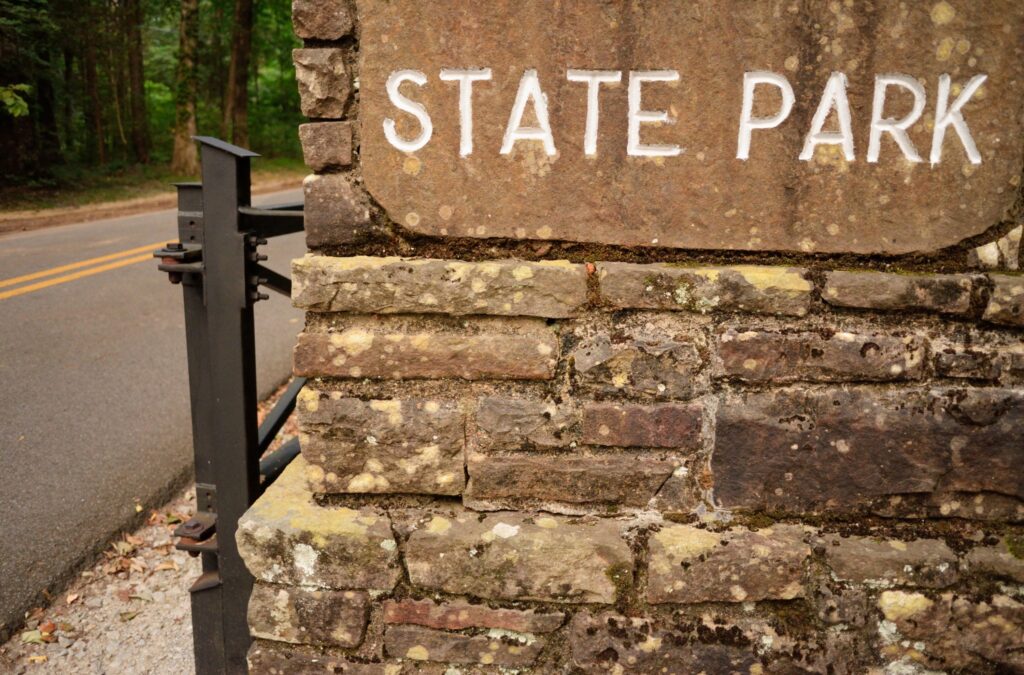
Local and state park websites are often the best place to start. They typically provide trail maps, difficulty levels, elevation details, parking information, and current conditions, making it easier to plan ahead and choose a trail that fits your time and comfort level. Many also include alerts for closures, weather impacts, or seasonal changes.
Visitor centers and park offices can offer helpful, up to date guidance on which trails are best for beginners or current conditions. Staff can often recommend trails based on your time, experience level, or what you are hoping to see, including waterfalls that are flowing well at the time of your visit.

Maps, whether digital or printed, are another useful resource. Having a map available helps you stay aware of your route, nearby landmarks, and distance remaining, which can make the experience feel more manageable.
Downloading a trail map ahead of time or carrying a simple printed version can make navigation easier, especially in areas with limited service. It also provides a reliable backup if your phone battery runs low or signal becomes unavailable.
Apps like AllTrails and Hiking Project can help you find nearby waterfall hikes, filter by distance and difficulty, read recent reviews, and see photos from other hikers. Many also include route tracking, elevation profiles, and the ability to save trails for later, making it easier to plan and stay on course.
These tools are especially helpful for getting a real sense of trail conditions and what to expect before you go. Recent reviews can offer insight into water flow, trail conditions, and any changes that may not yet be reflected on official park sites.

Outdoor stores carry basic gear if you need it, and staff can often offer practical advice on what is actually useful for your specific plans. Many areas also have local outfitters or rental shops where you can pick up items like day packs or trekking poles without needing to purchase them.
Online retailers make it easy to find affordable gear if you decide to go more often. Simple items like comfortable shoes, lightweight packs, and reusable water bottles are widely available and do not require a large investment to get started.
Local hiking groups, community boards, and social media groups can also be valuable. These spaces often share trail recommendations, recent conditions, and tips from people who are familiar with the area.

Online videos and blogs can give you a clear sense of what to expect before you go, especially if you are visiting a new location. Seeing the terrain, trail layout, and waterfall ahead of time can help you feel more prepared and confident.

Safety and Tips
Starting earlier in the day can give you more time to move at a comfortable pace and return before it gets dark. It also helps reduce the need to rush, allowing you to stay more aware of your surroundings throughout the hike.

Pay attention to footing, especially near water. Rocks, exposed roots, and damp surfaces can be slippery, even on well-traveled trails. Areas near waterfalls often have mist or runoff that can make surfaces more slick than they appear. Taking steady, deliberate steps and watching where you place your feet can help prevent unnecessary slips.
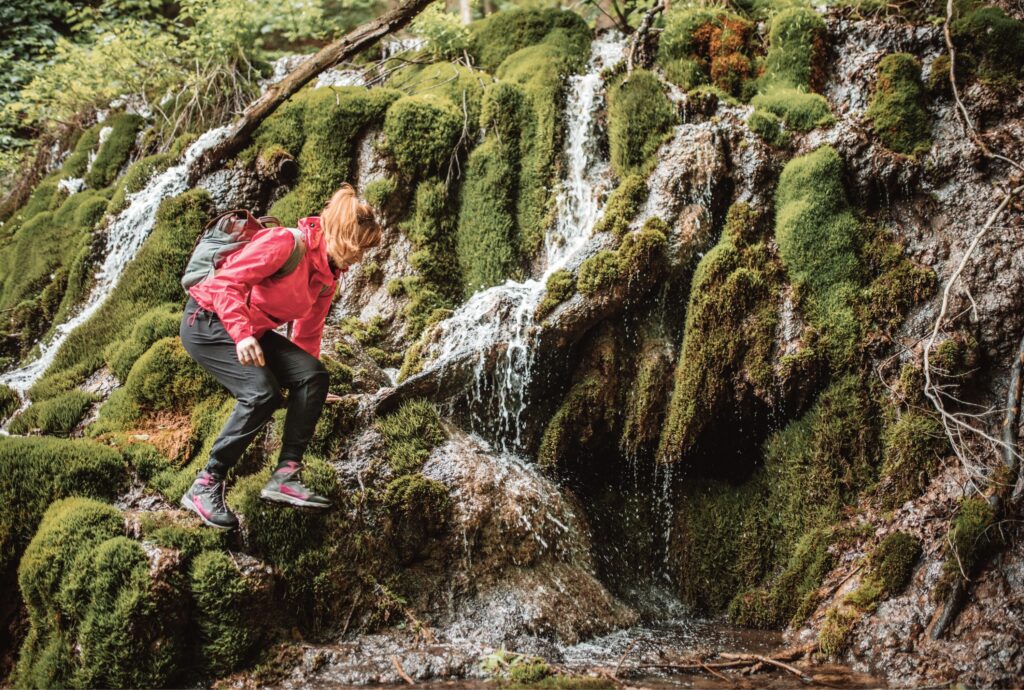
Stay on marked trails. It protects both you and the surrounding environment while reducing the risk of getting lost or encountering unstable ground. Straying off trail can lead to loose footing, steep drop offs, or areas that are more difficult to navigate than expected.
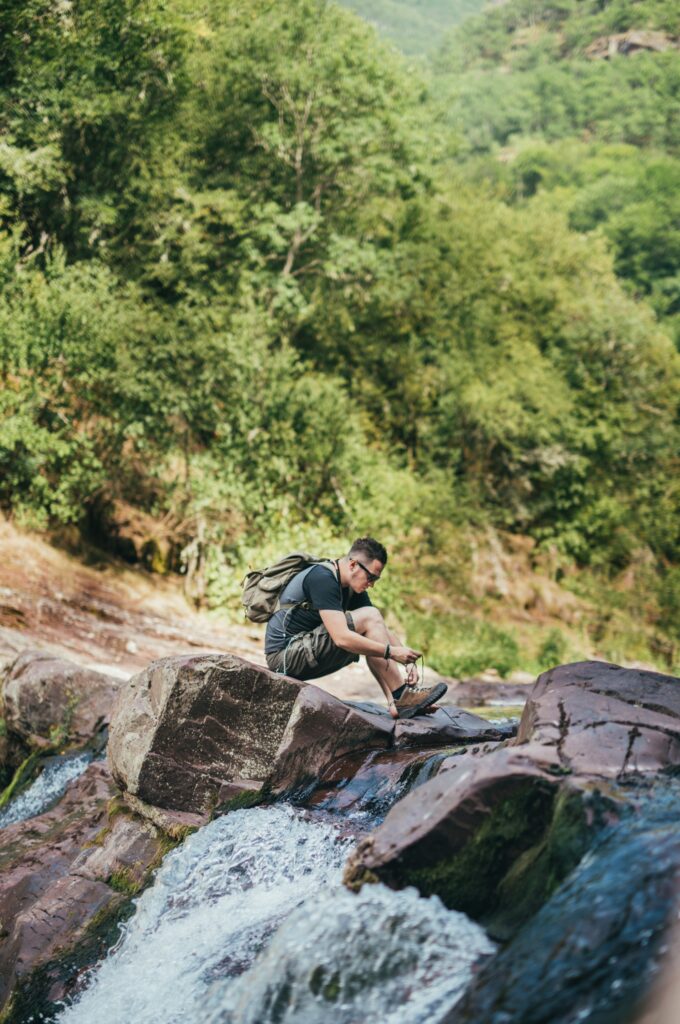
Be mindful of changing conditions. Rain can affect both water levels and trail safety, sometimes making paths muddy or increasing the flow and force of the waterfall.
Weather can also shift quickly in certain areas, so it helps to stay aware of your surroundings and adjust your pace or plans if needed.
Be aware of your energy level as you move through the trail.
Fatigue can affect balance, focus, and decision making, especially on uneven terrain. Slowing your pace or turning around when needed helps keep the experience safe and manageable.
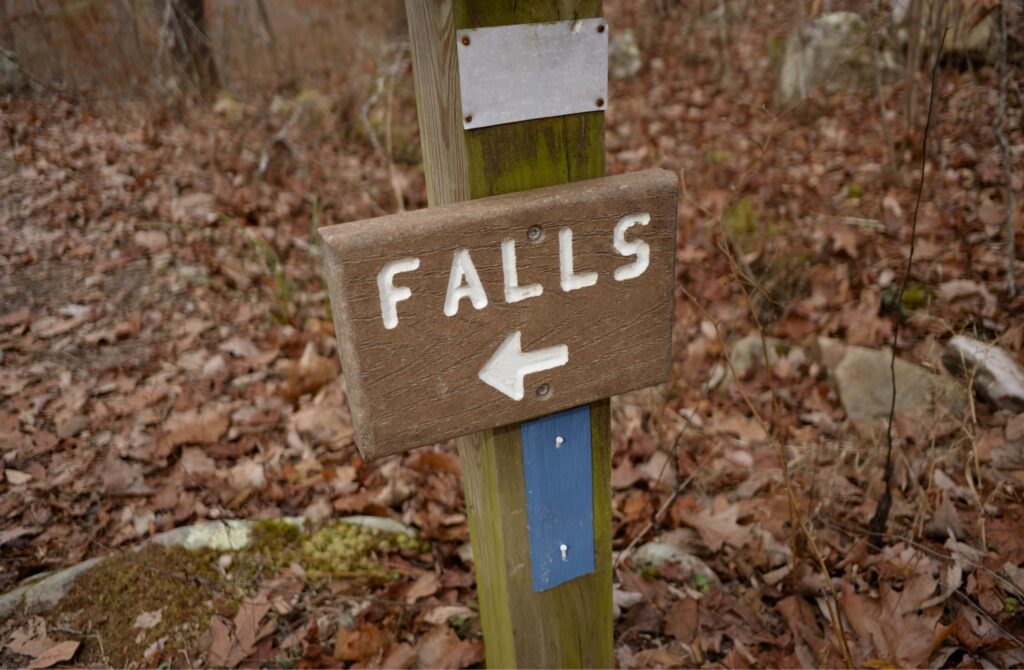
Pay attention to trail markers, signs, and posted guidance along the way. These are placed to help keep you on track and alert you to any hazards, closures, or changes in conditions that may not be immediately visible.
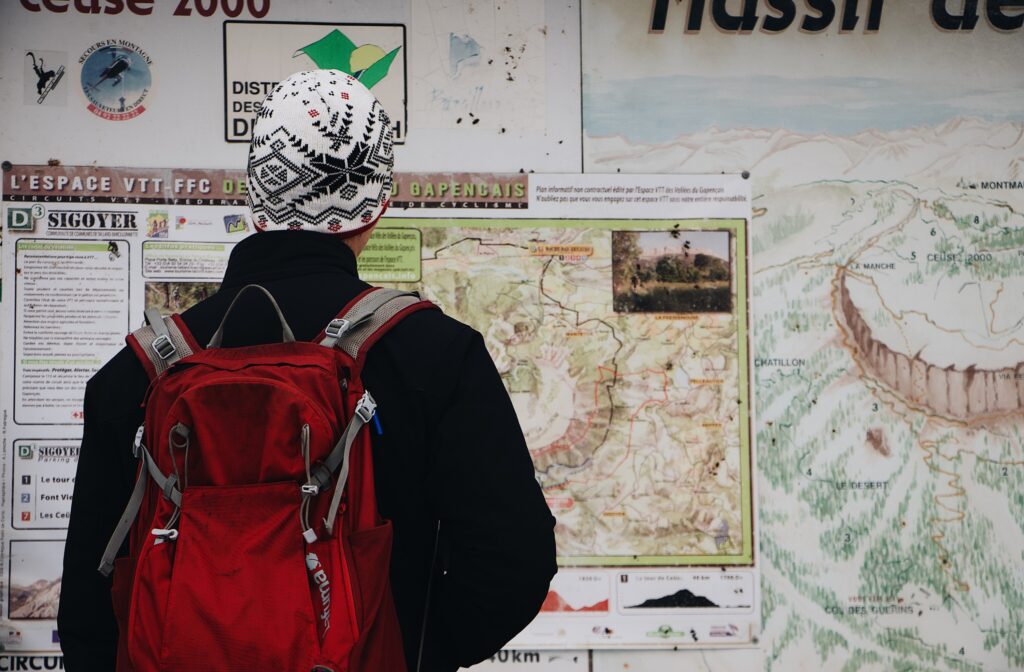
It is helpful to understand the trail before you head out. Many routes have maps posted at the trailhead or online descriptions that explain the general layout and key features.
Knowing whether a trail includes climbs, narrow sections, or rocky terrain can help you choose a pace that feels steady and manageable, and avoid being caught off guard along the way.
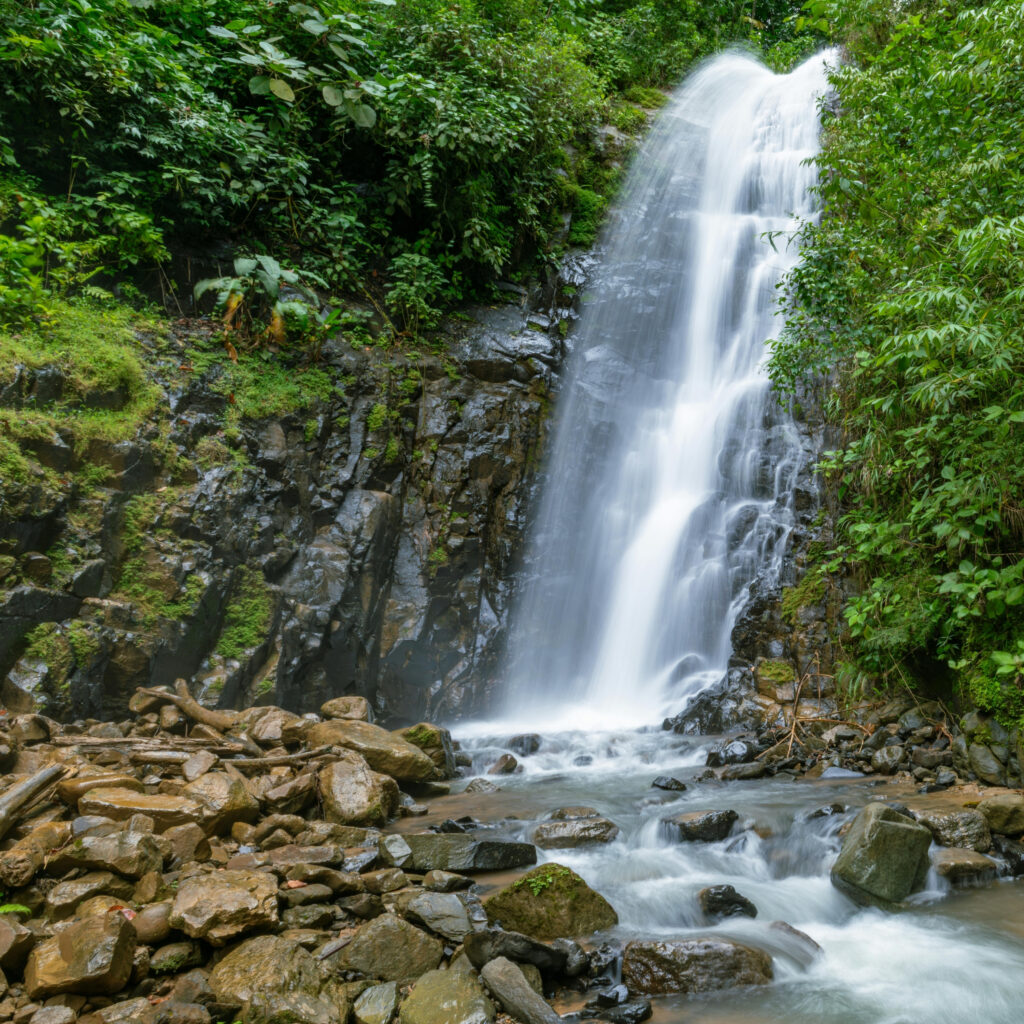
Bring water and take breaks when needed. Even shorter hikes can feel more demanding depending on terrain, elevation, and weather conditions. Staying hydrated and giving yourself time to rest helps maintain energy and keeps the experience more enjoyable from start to finish.
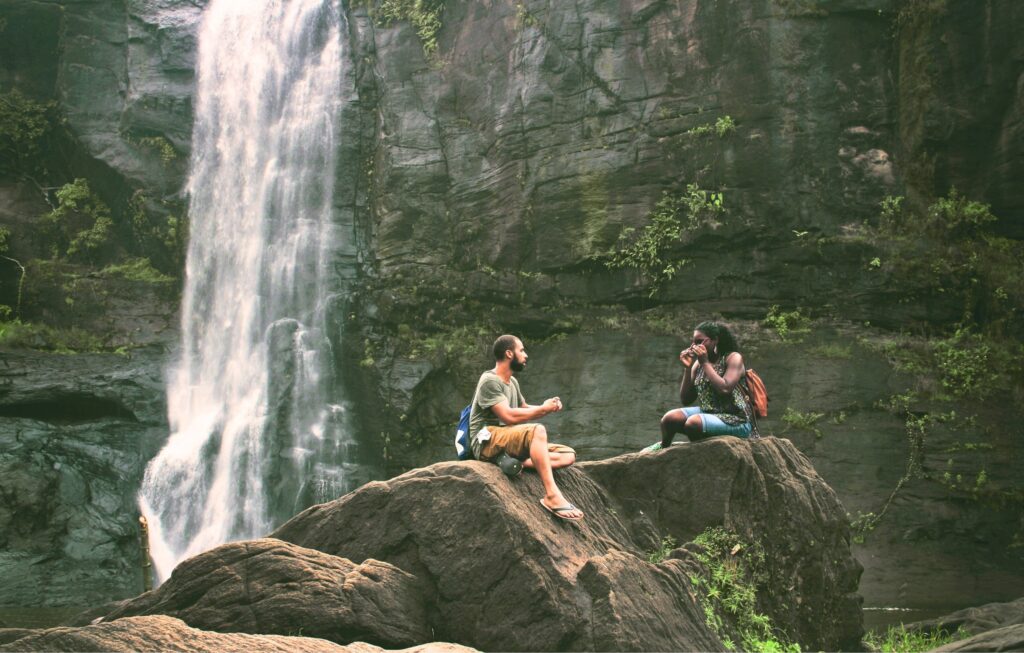
Stay a safe distance from the edge of waterfalls and overlooks. Surfaces near drop offs can be wet, unstable, or eroded, even if they appear solid. Keeping a bit of distance allows you to enjoy the view without taking unnecessary risks.

Let someone know your plan if you are heading out alone. Sharing where you are going and your expected return time adds an extra layer of awareness and safety. Even on shorter or familiar trails, it is a simple step that helps ensure someone knows your general plan while you are out.
Final Thoughts
Waterfall hiking is a great way to step outside and move a little. It offers a clear destination, but the experience is just as much about the time it takes to get there. The movement, the surroundings, and the steady pace all work together to create something that feels both grounded and meaningful.

It is an activity you can return to, whether for a short outing or a longer day outside. It does not require much to begin, but it offers a way to step away from routine, reset your focus, and spend time doing something that feels worthwhile.
Have you hiked to a waterfall, or is it something you have been thinking about trying?
Leave a Reply