Welcome to Saturday Sparks! This week, we’re exploring cardio boxing, an energetic and engaging activity that blends movement, rhythm, and focus into a workout that feels both structured and freeing.
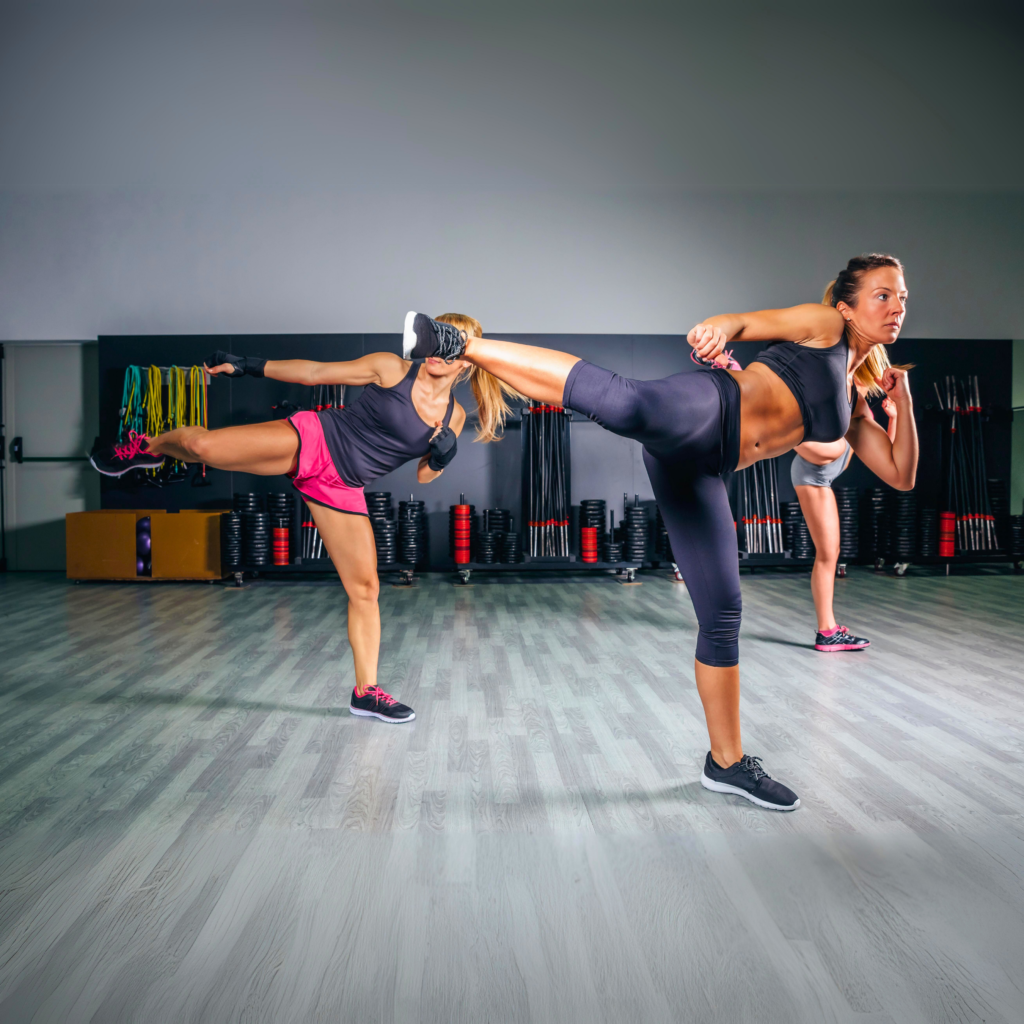
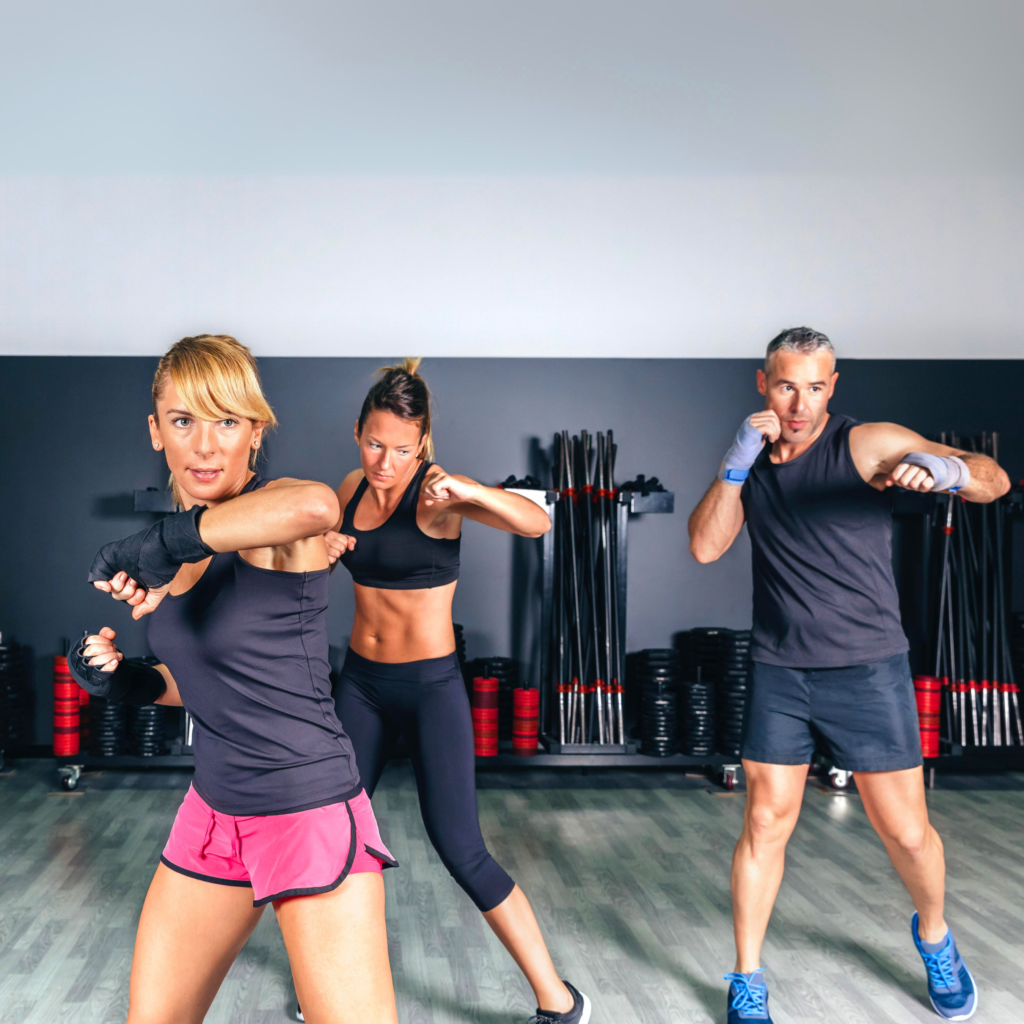
Cardio boxing takes the fundamentals of boxing and removes the pressure of competition, creating a space where the goal is movement, not impact. It is less about fighting and more about flow, coordination, and releasing energy in a way that feels productive and satisfying.
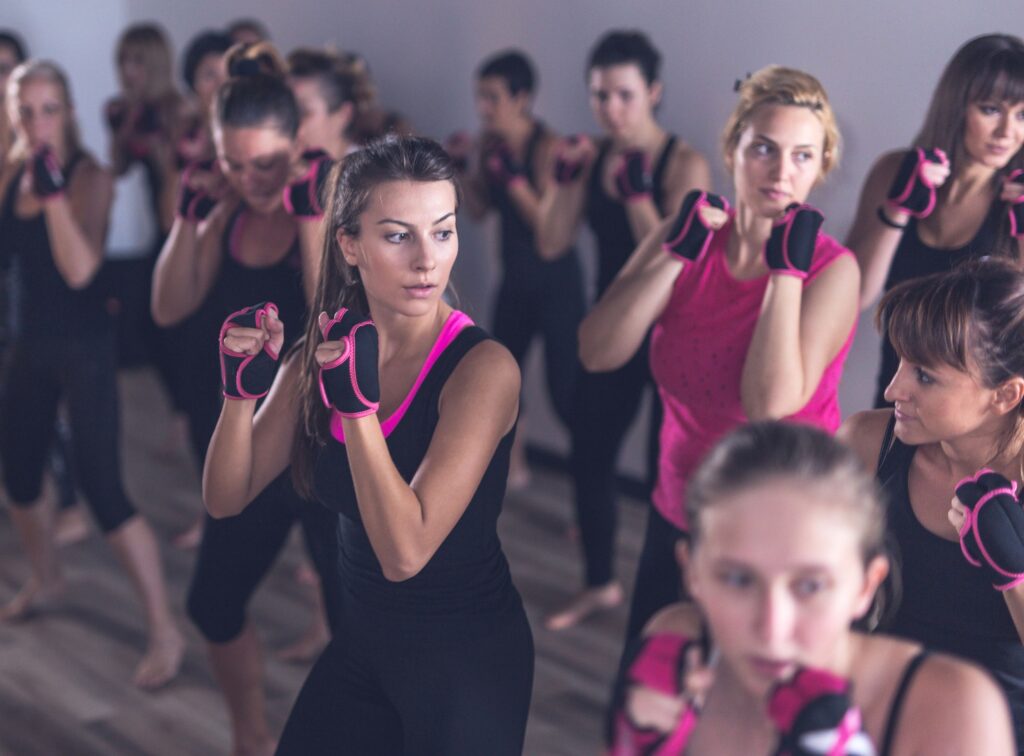
Whether done at home, in a class, or as part of a gym routine, cardio boxing offers a way to move your body with purpose while staying mentally engaged from start to finish.
What is Cardio Boxing
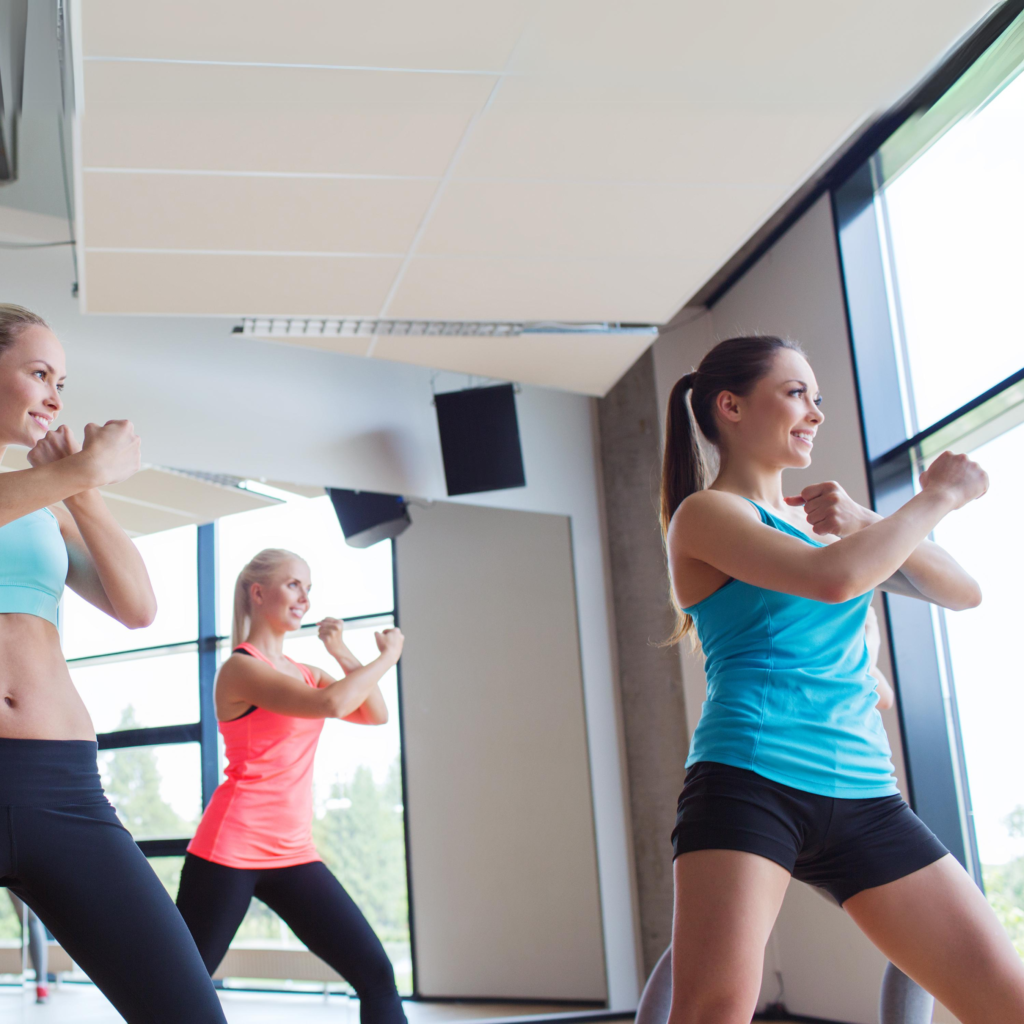
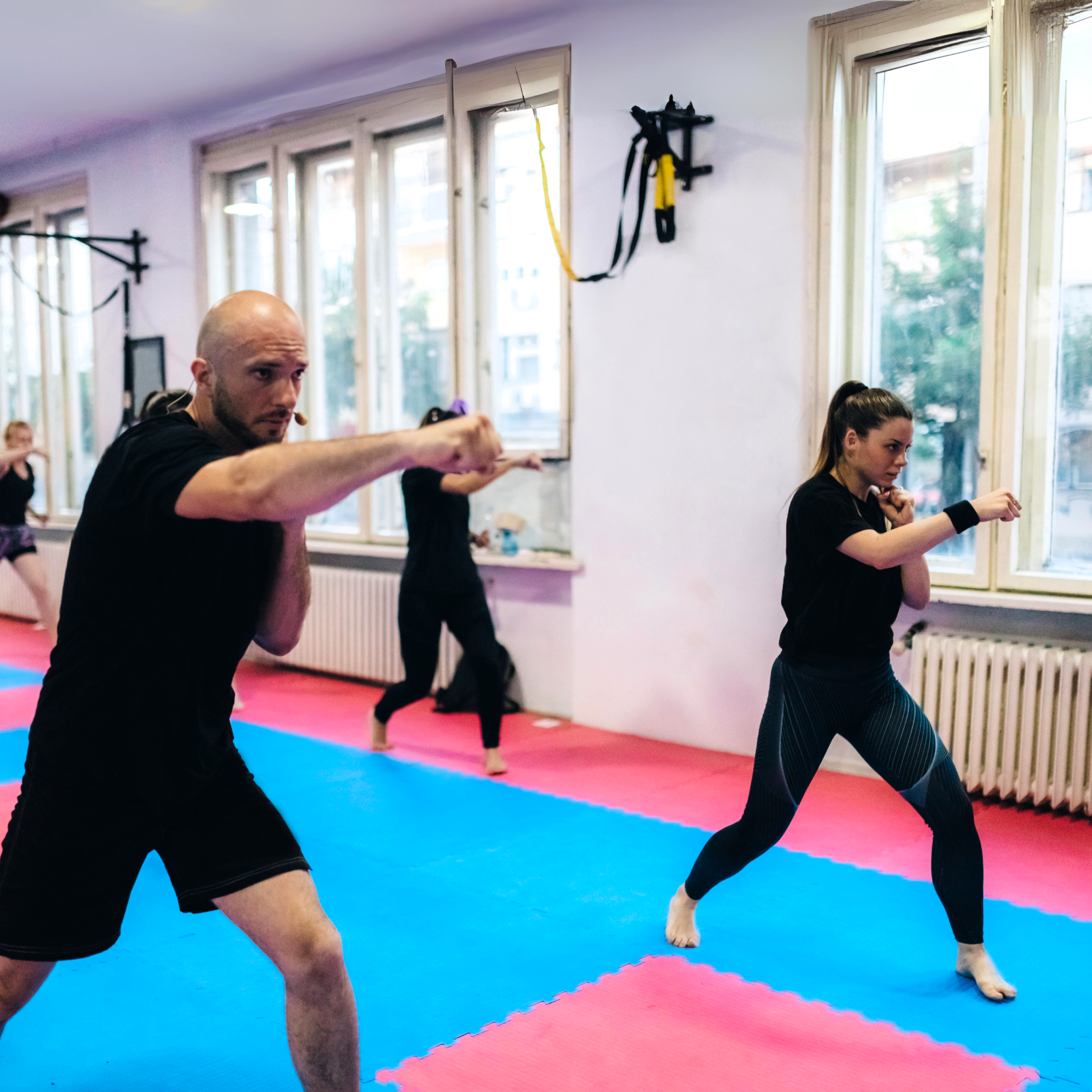
Cardio boxing is a fitness-based version of boxing that focuses on punches, footwork, and movement patterns without physical contact. Instead of sparring, participants work through combinations such as jabs, crosses, hooks, and uppercuts, often set to a steady rhythm or guided instruction.
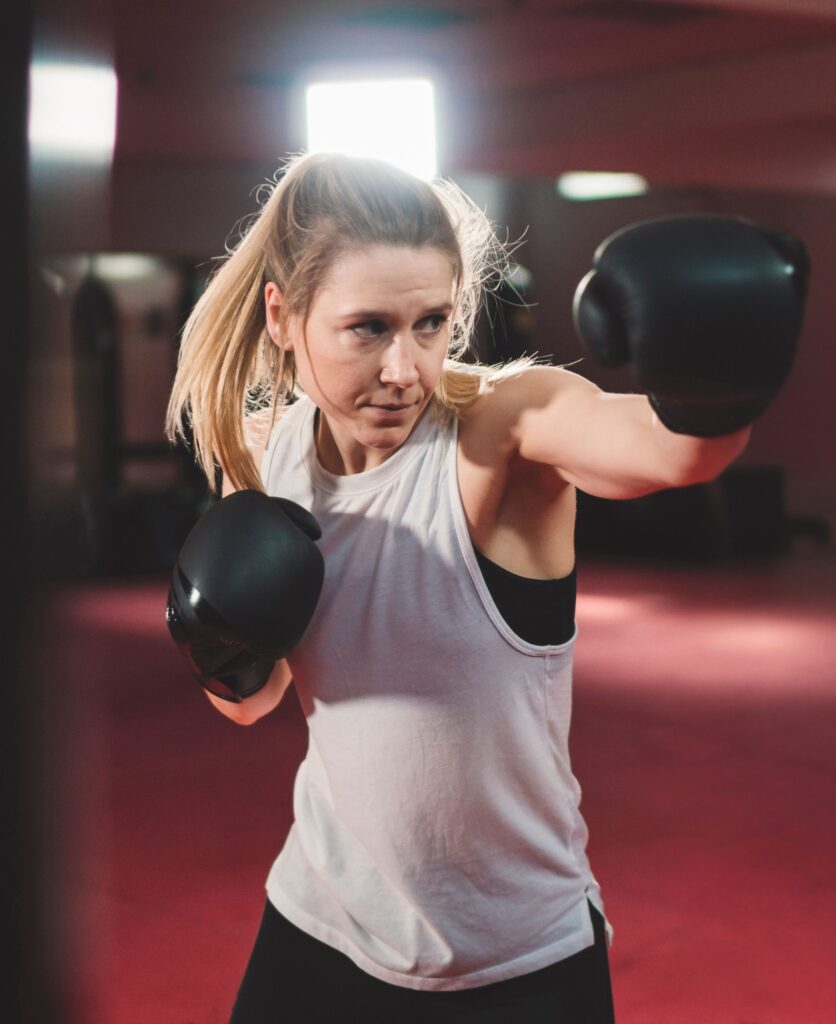

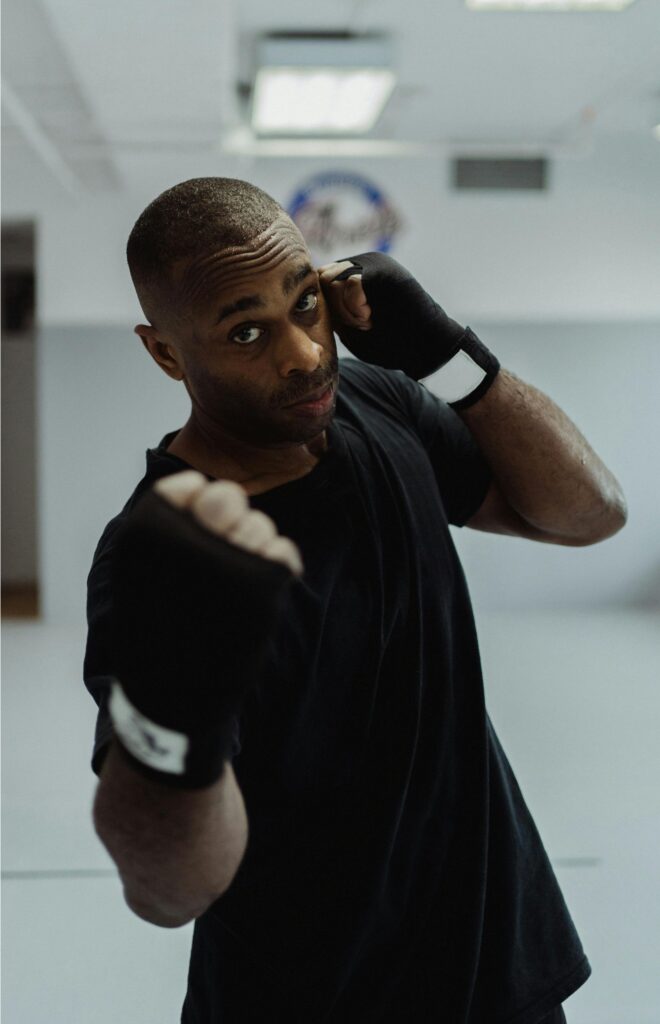
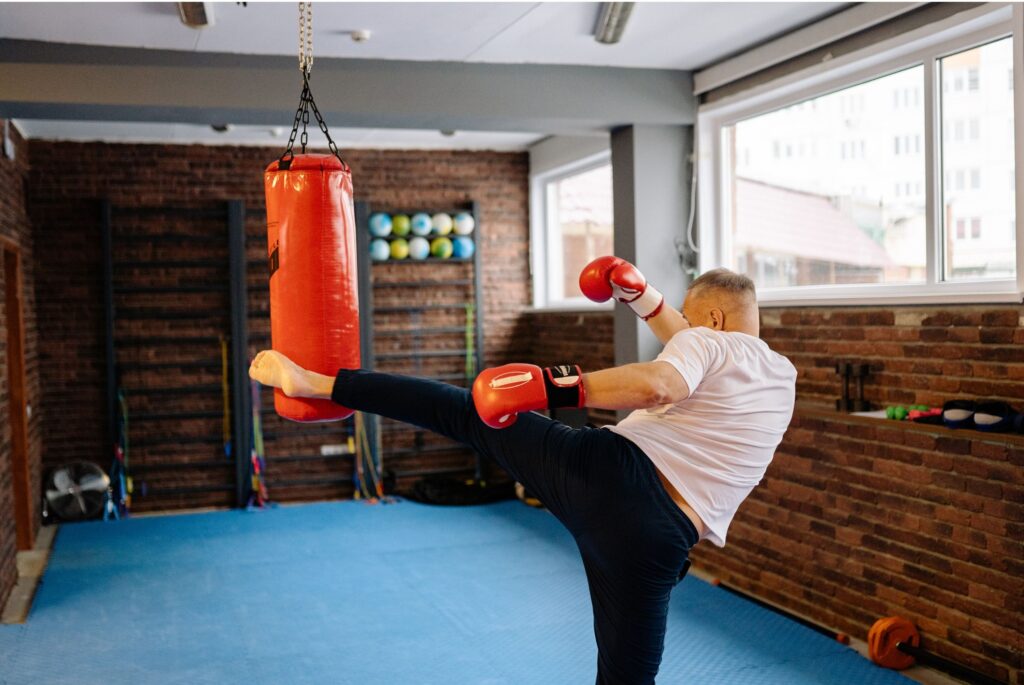
The workout may include shadowboxing, where you move and punch through the air, or the use of equipment like heavy bags, speed bags, or focus mitts. Many routines also incorporate intervals, combining bursts of punching with bodyweight exercises like squats, lunges, or core work.
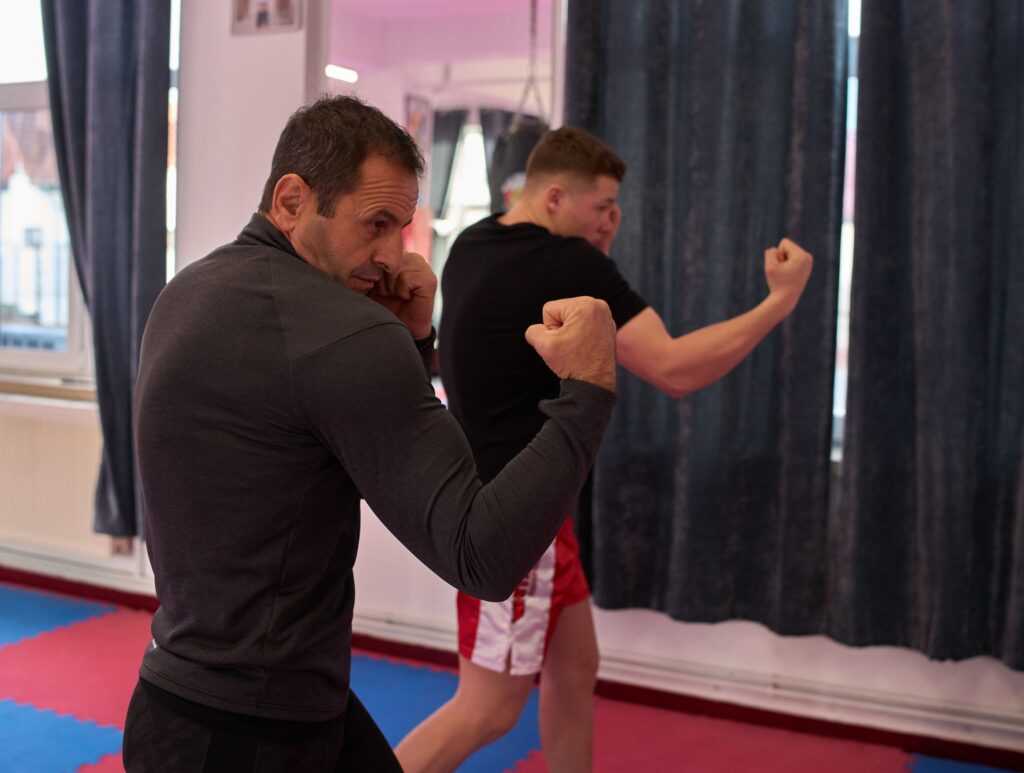

Part of the appeal comes from the balance it creates. It is structured enough to keep you focused, yet dynamic enough that it rarely feels repetitive. The rhythm of combinations, paired with movement and breathing, creates a steady flow that people often find both energizing and mentally clearing.
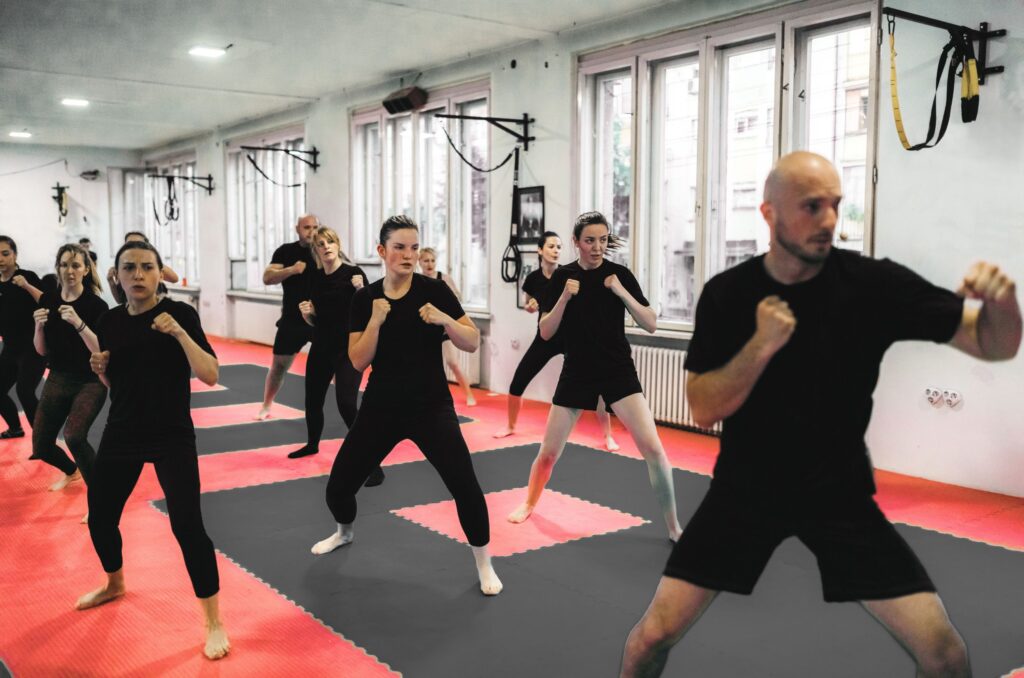
Cardio boxing can be done in group classes, guided through online workouts, or practiced individually at home. It adapts easily to different fitness levels, making it approachable whether you are just starting out or looking to add variety to an existing routine.
The Benefits of Cardio Boxing
Cardio boxing naturally works the entire body as you move through punches and footwork, engaging your arms, shoulders, core, and legs at the same time.
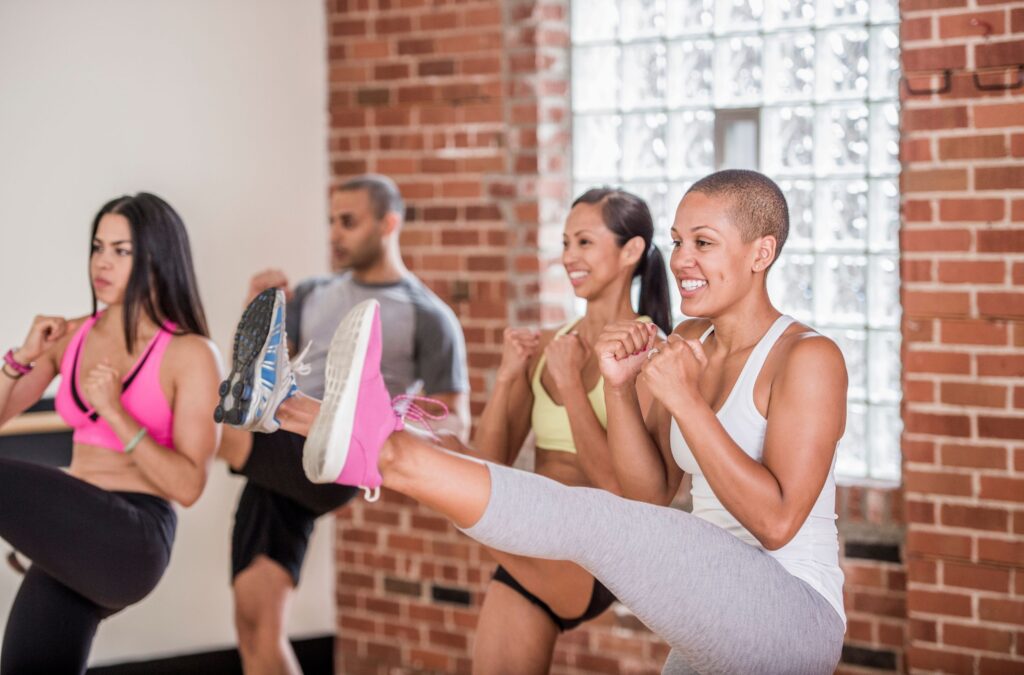
As these movements repeat, your strength and endurance begin to build in a way that feels steady rather than forced, supporting a full body workout without the need for heavy equipment.
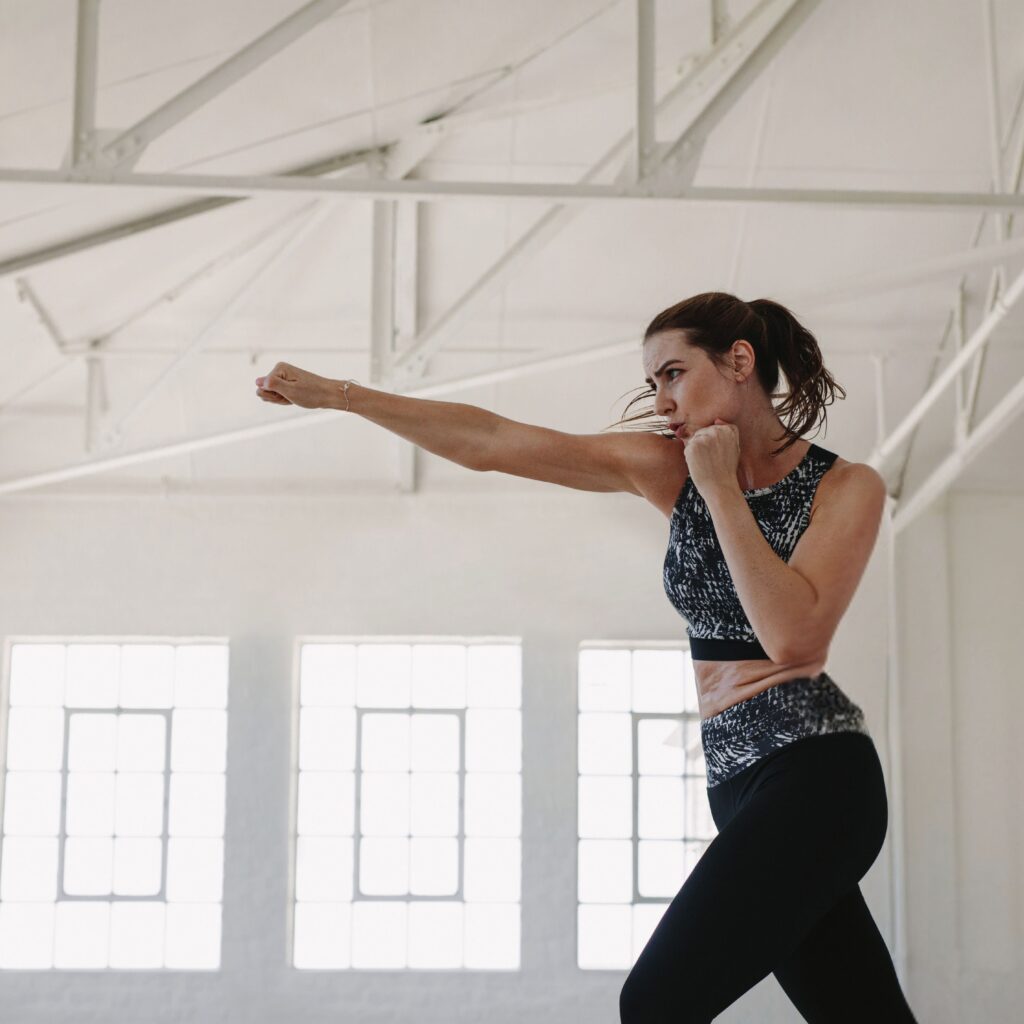
As you learn combinations and start to connect movements together, your coordination improves and your body awareness becomes more noticeable.
Timing your punches with your footwork creates a sense of rhythm and control, helping develop coordination and body awareness that carries into everyday movement.
The repetitive motion of punching, paired with steady breathing, creates a natural outlet for releasing built up stress and tension.
There is something grounding about the rhythm of it, where your focus shifts into the movement and gives your mind a break, offering a steady release of stress and tension.
Staying engaged with combinations and movement patterns keeps your attention in the present moment.
Instead of your thoughts drifting, your focus stays on what comes next, helping create mental focus and presence that often extends beyond the workout itself.
As your sessions become more consistent, the continuous movement helps build stamina and supports heart health.
Over time, what once felt tiring becomes more manageable, gradually improving cardiovascular endurance and overall energy levels.
One of the reasons people return to cardio boxing is how easily it adapts.
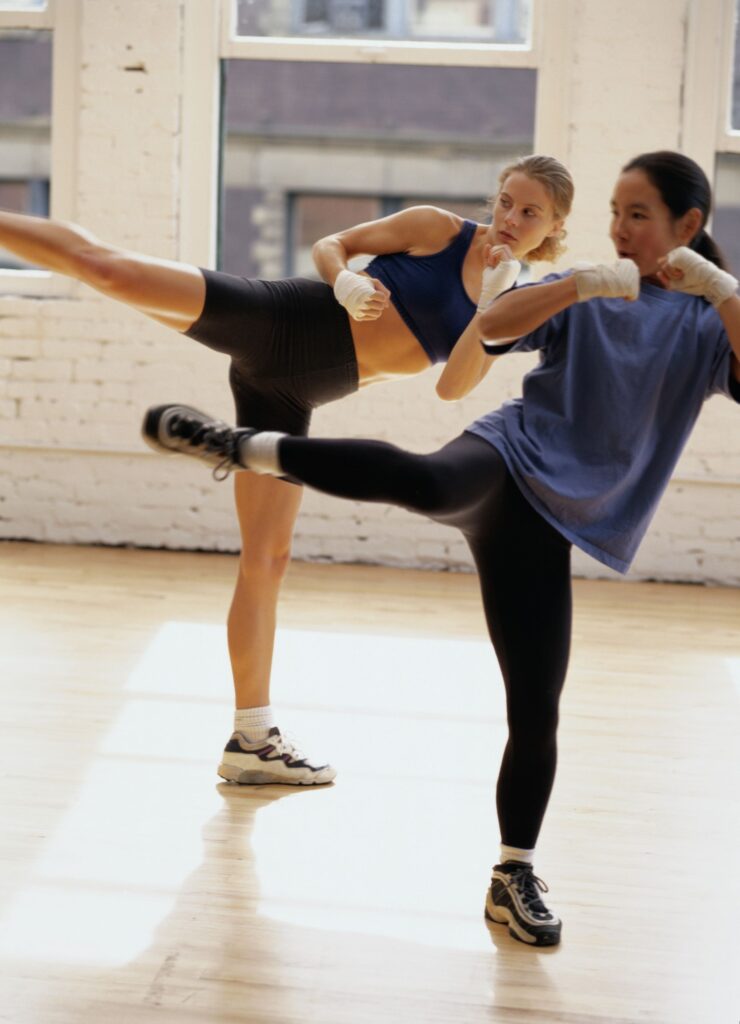
Movements can be slowed down, simplified, or intensified depending on your pace, making it approachable for a wide range of people and supporting accessibility across fitness levels.
It also fits different preferences when it comes to how you like to spend your time. Some people enjoy the shared energy of a class, while others prefer working through a routine on their own, both offering flexibility between solo and social experiences.
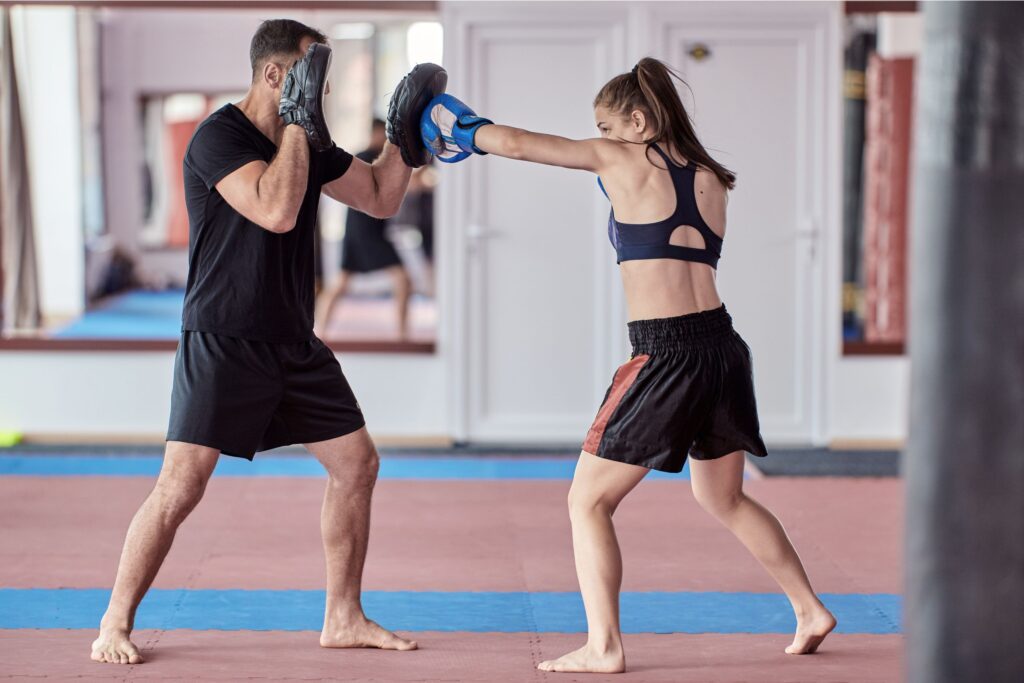
Because sessions can be short and effective, it fits into a wide range of lifestyles. Whether you have a few minutes or a longer window, it offers a practical and time flexible way to stay active without needing a large time commitment.
Getting Started
Getting started with cardio boxing does not require much. A small, open space where you can move your arms and shift your footing is enough, making it easy to begin without setting up a full workout area and reinforcing a minimal, low barrier entry point.
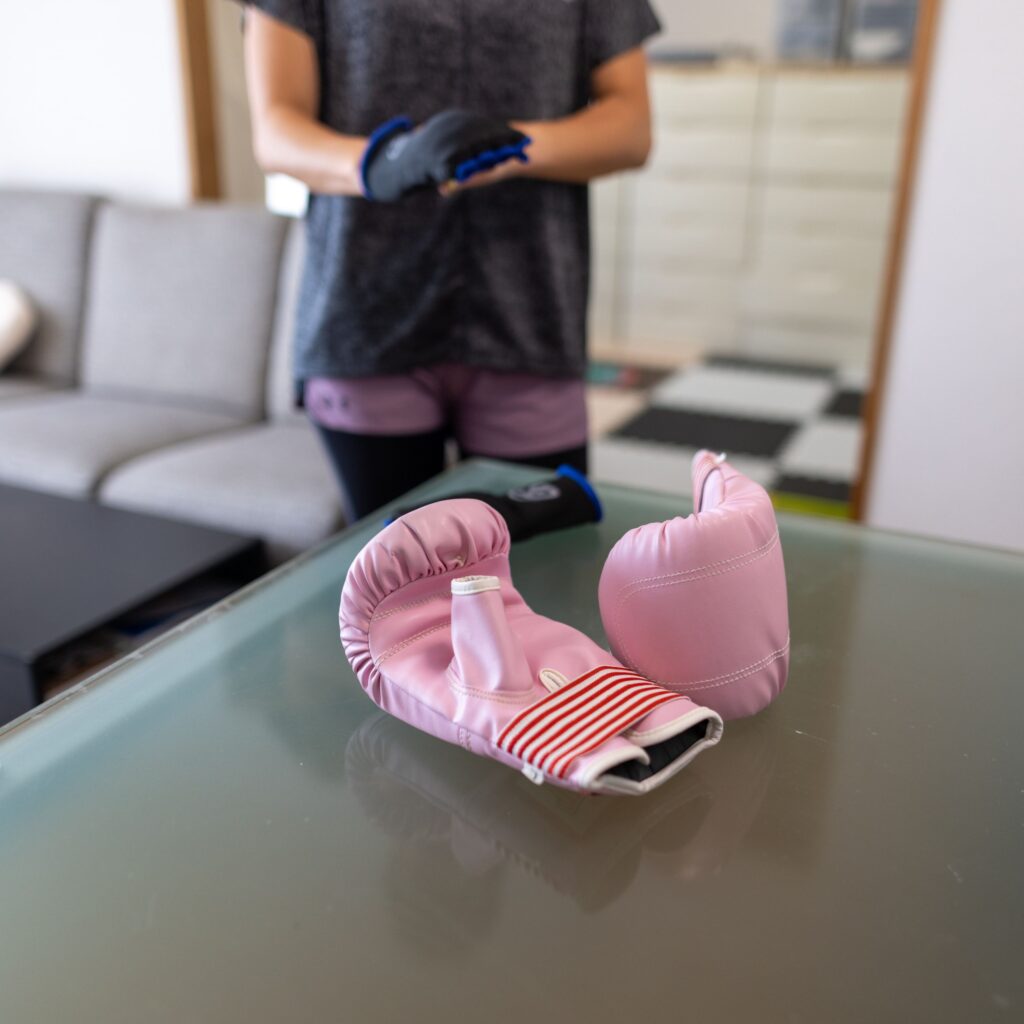
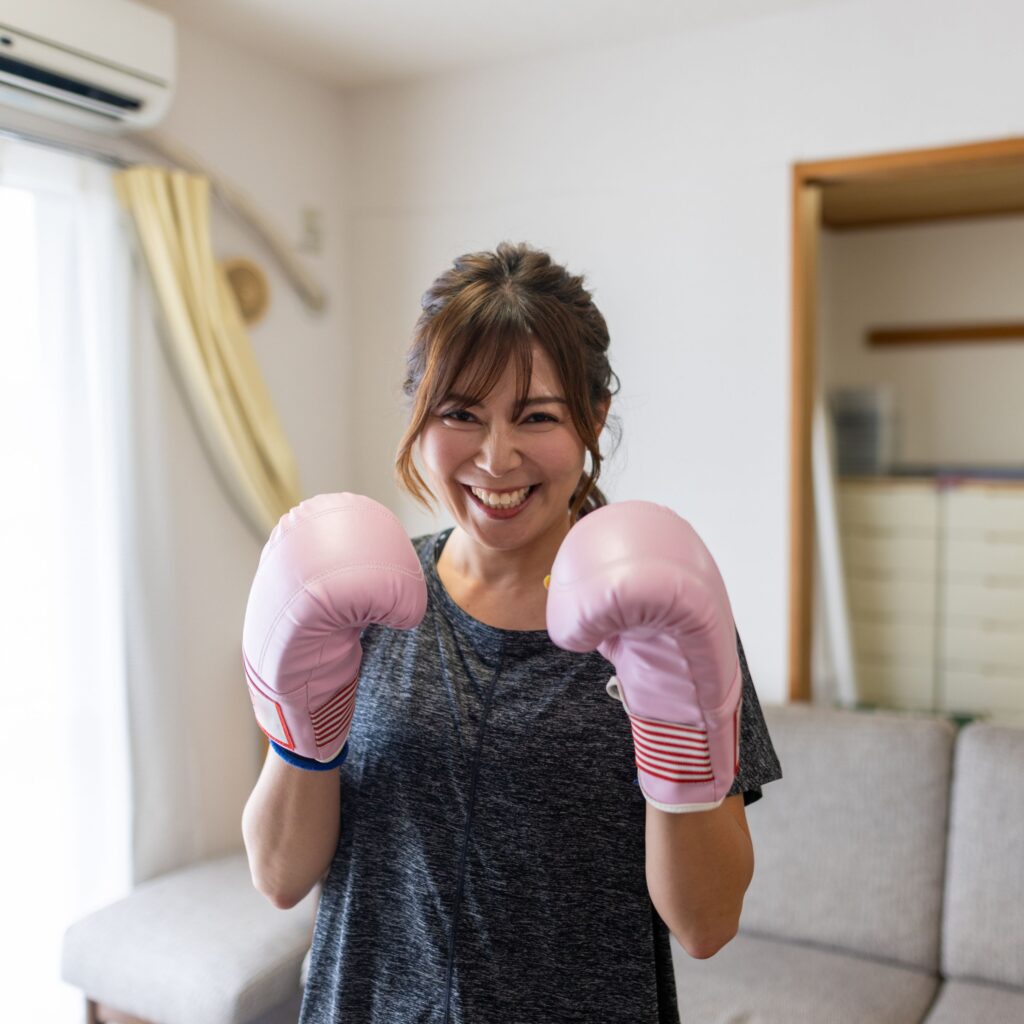
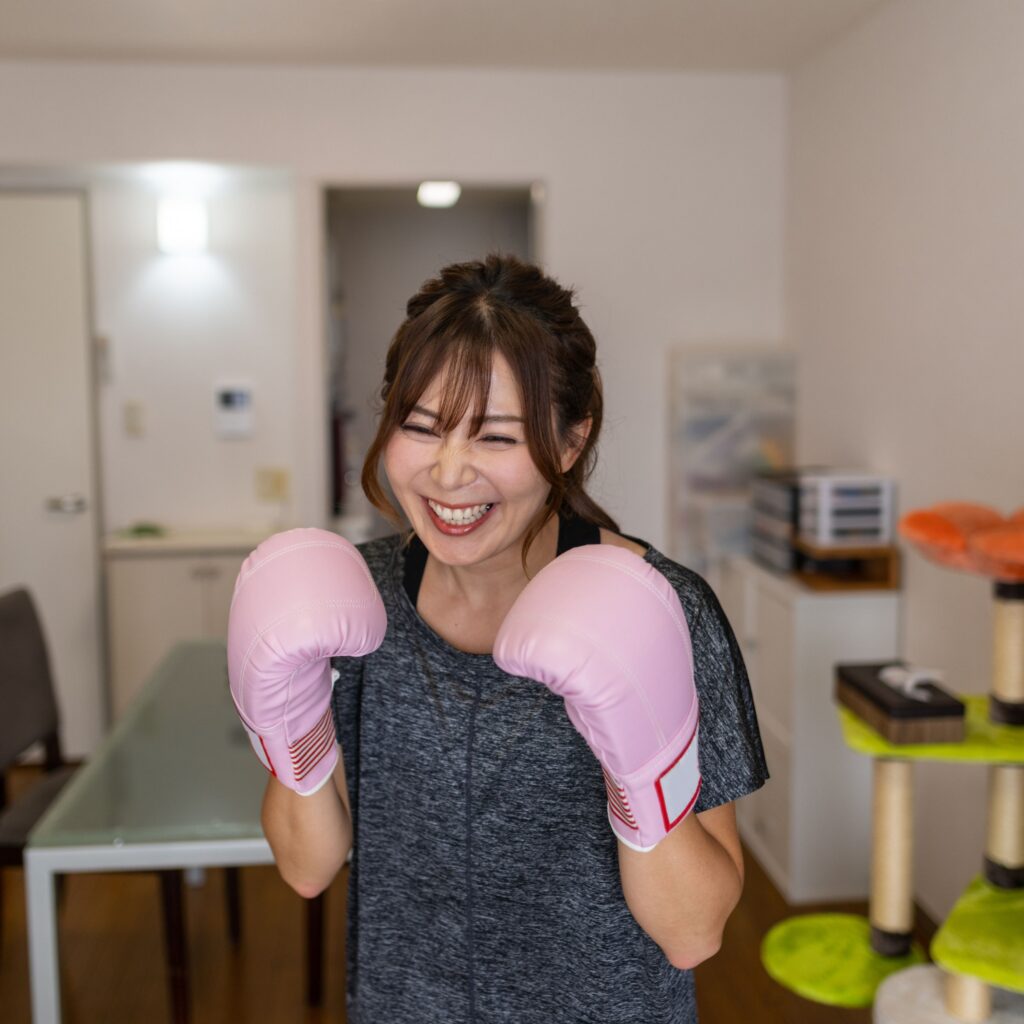
It helps to begin with a few basic punches and simple combinations so you can get a feel for the movement. Starting slowly allows your body to adjust to the rhythm, and over time those movements begin to connect more naturally, building confidence through simple, repeatable movement.
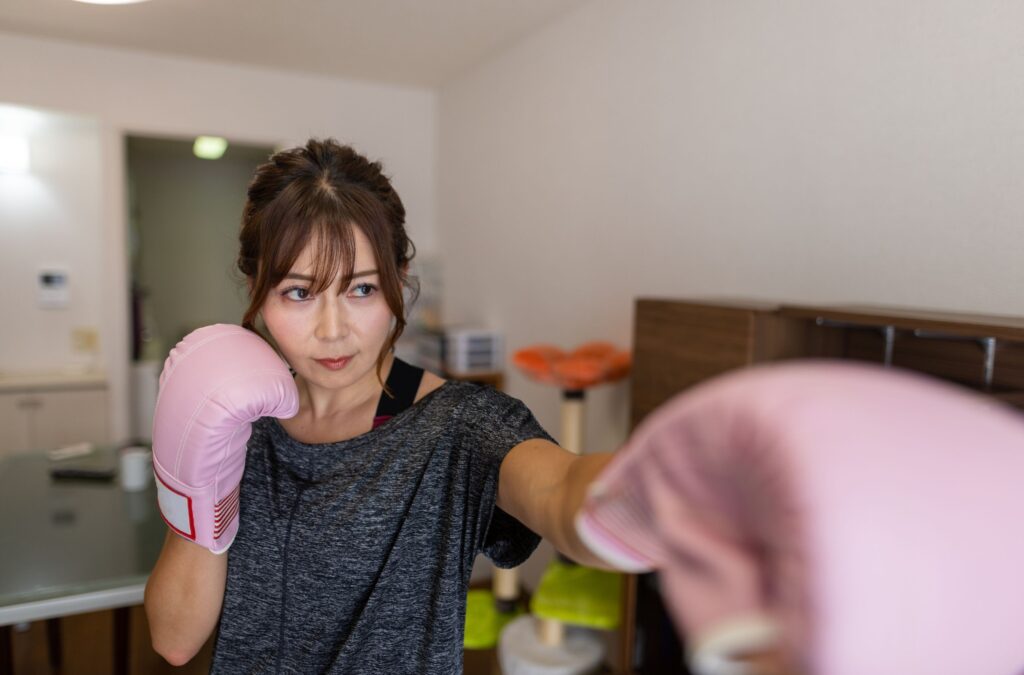
Many gyms and fitness studios offer cardio boxing or kickboxing classes. These classes provide instruction, pacing, and energy from a group setting, making it easier to stay motivated while also supporting a structured and community based starting point.
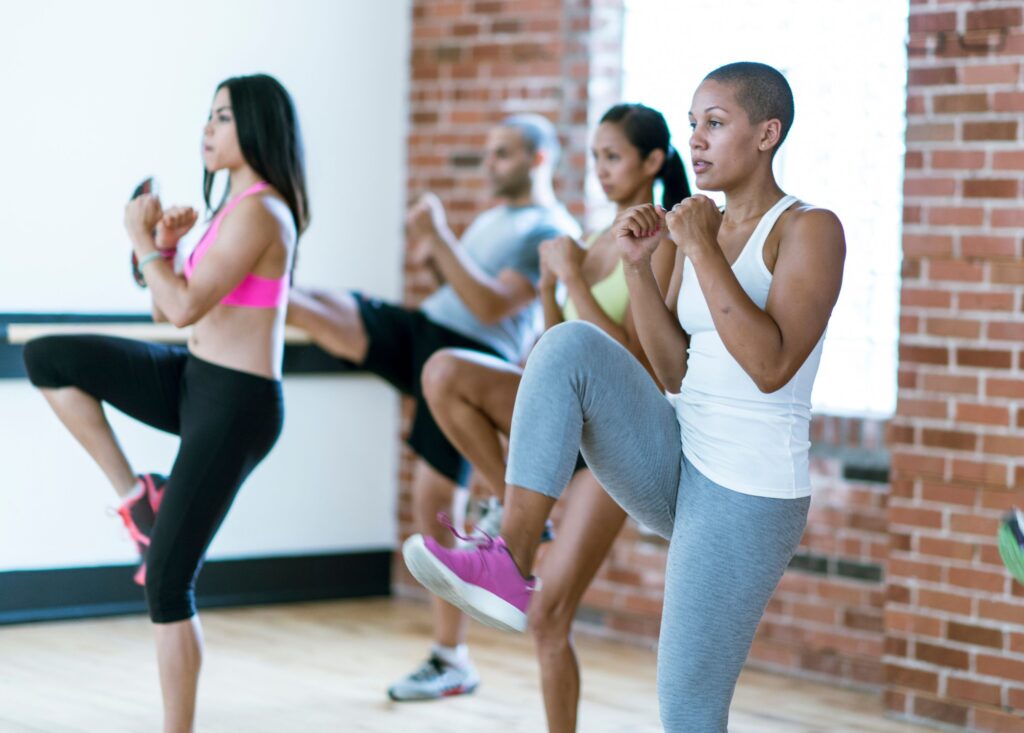
Wearing comfortable clothing and supportive shoes will help you move freely and stay balanced as you practice.
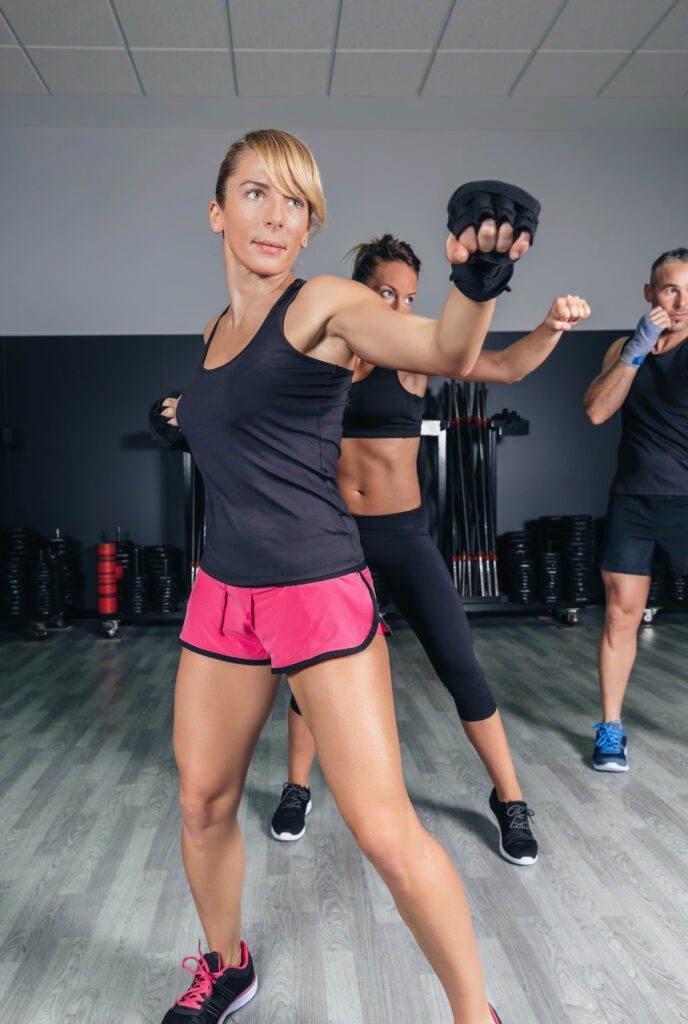
You can always add gloves or wraps later, but starting simple keeps the focus on movement and reinforces an equipment light approach.
Following a beginner video or guided workout can make the process feel more approachable.
You can always add gloves or wraps later, but starting simple keeps the focus on movement and reinforces an equipment light approach.
Keeping your sessions short at first makes it easier to build consistency.
Even ten to fifteen minutes is enough to learn the flow and understand how your body responds, helping establish a manageable and sustainable routine.
As you continue, focusing less on getting everything perfect and more on staying relaxed within the movement can make a noticeable difference. With repetition, movements begin to feel more natural, supporting progress through consistency rather than perfection.
Resources
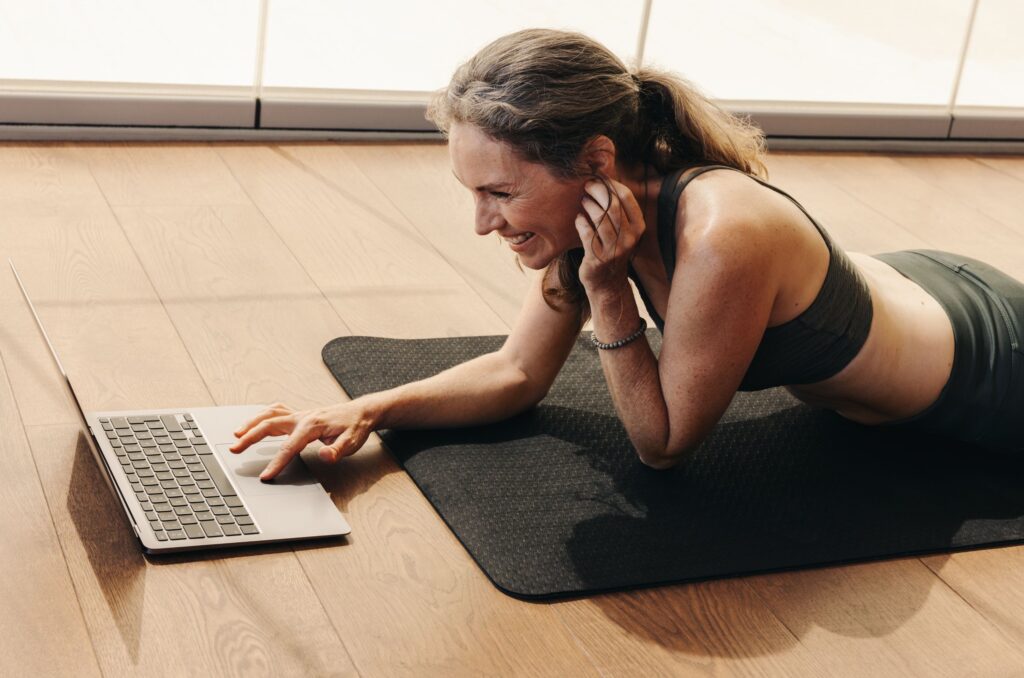
There are many ways to learn cardio boxing, whether you prefer guided instruction or exploring it at your own pace. Online platforms like YouTube offer a wide range of beginner friendly workouts that walk through basic punches, combinations, and full routines. Fitness apps often include boxing style workouts as part of structured programs, giving you a simple way to follow along at home.
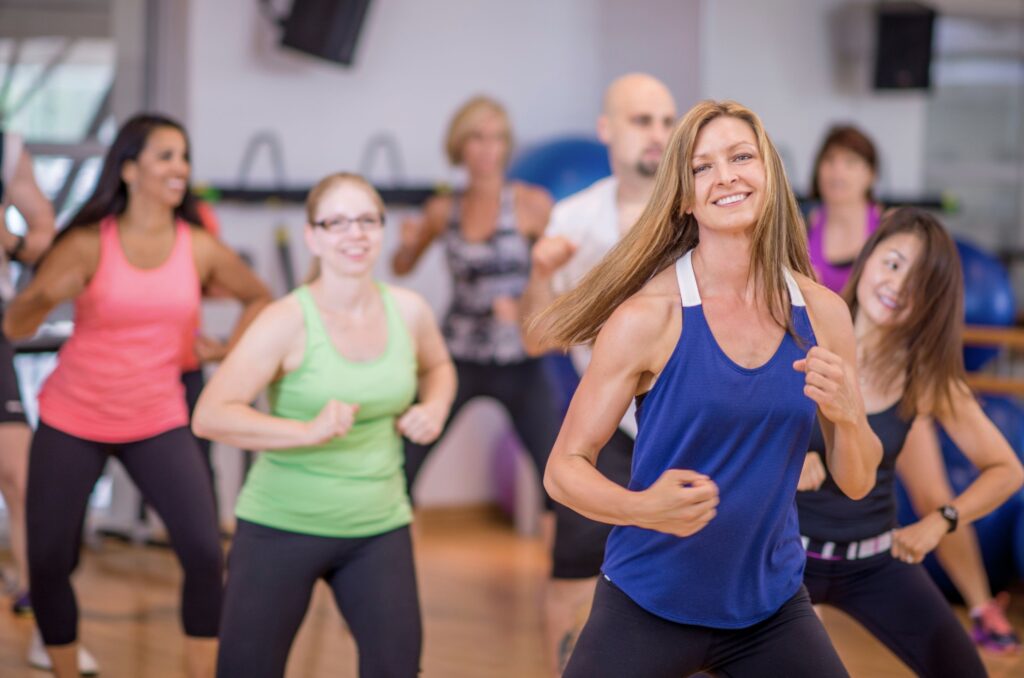
For those who prefer in person guidance, local gyms and fitness studios frequently offer cardio boxing or kickboxing classes. These classes provide instruction, pacing, and a group environment that can make it easier to stay consistent and build confidence. Community centers may also offer lower cost classes, making them a good option for trying it out without a long-term commitment.
If you are looking to build a simple home setup, sporting goods stores and online retailers carry a wide range of accessories. Items like boxing gloves, hand wraps, and light punching bags are widely available and come in beginner friendly options that do not require a large investment. Many people start with just gloves or shadowboxing and gradually add equipment as they become more comfortable.
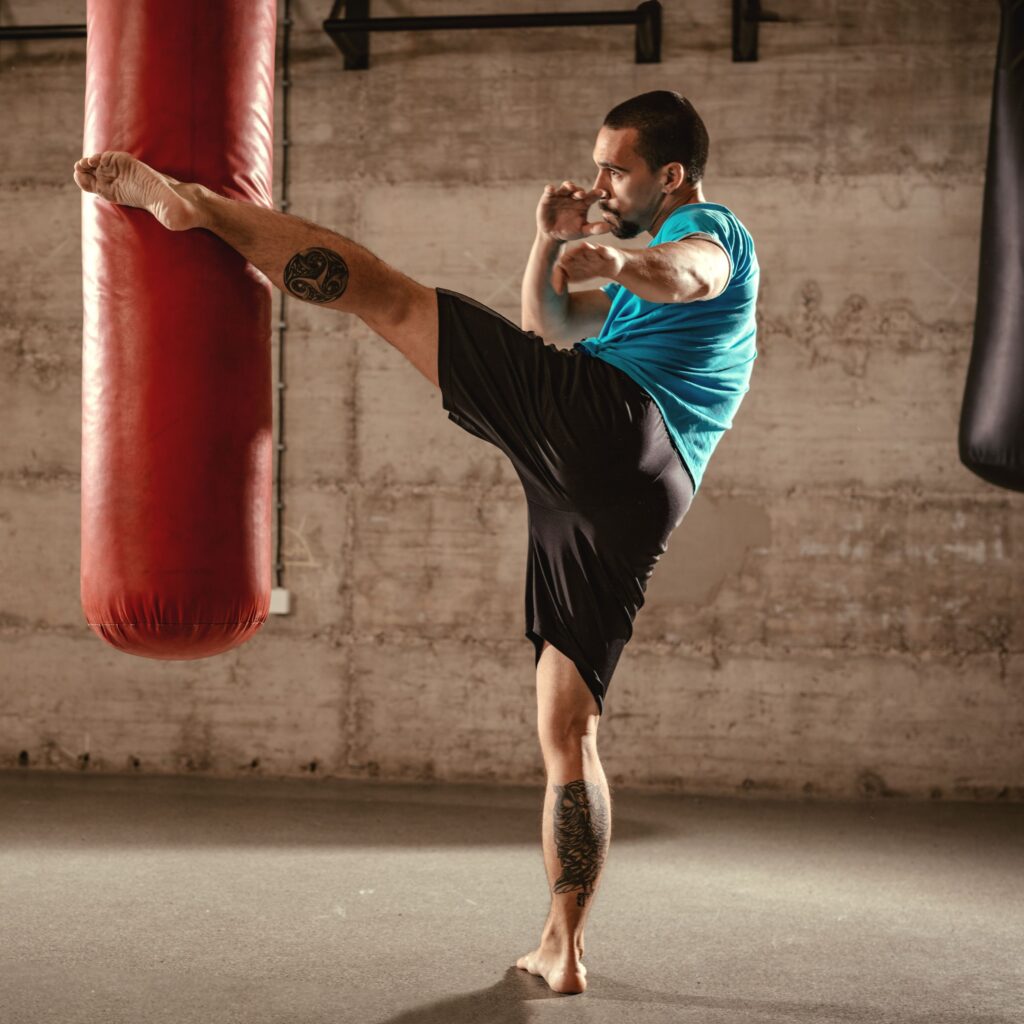
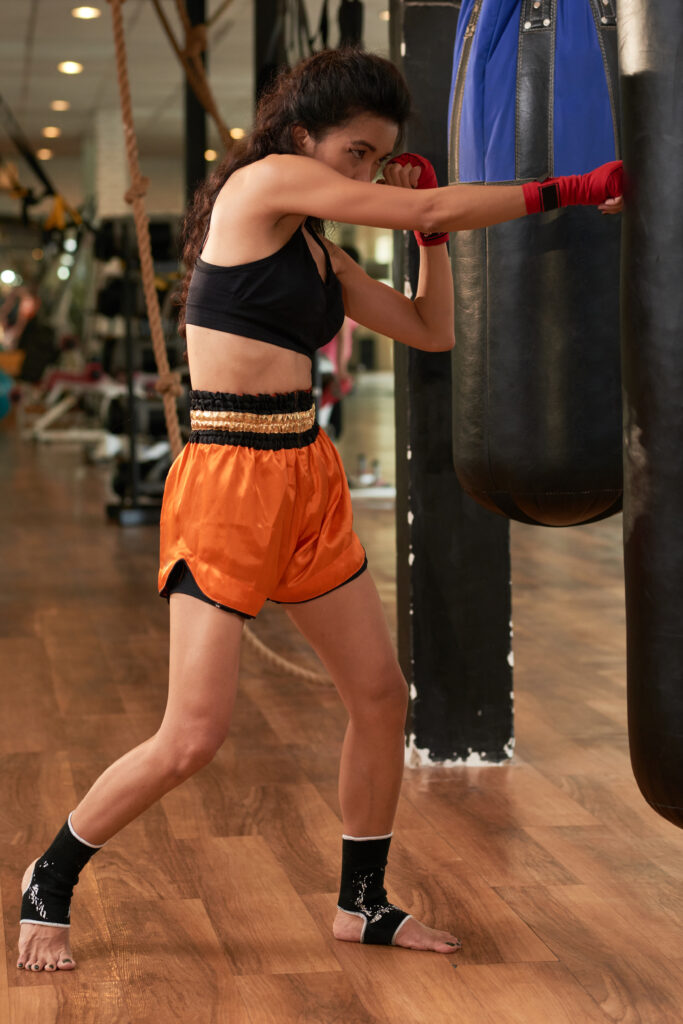
For those interested in expanding further, equipment like freestanding heavy bags, reflex bags, or speed bags can be found through larger fitness retailers and online marketplaces. Reading reviews and starting with basic, well rated options can help you find what works best without overcomplicating the process.
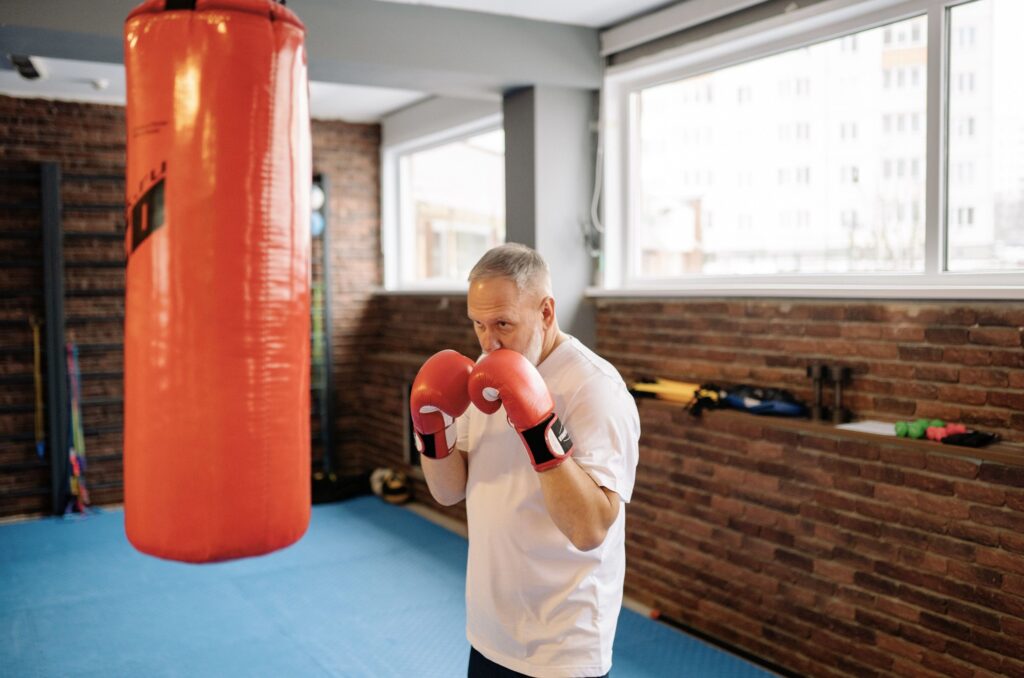
Local fitness communities, social media groups, and gym bulletin boards can also be helpful for finding classes, recommendations, and support. Whether you are learning at home or joining a class, having access to the right resources can make it easier to stay engaged and continue building your routine over time.
SAFETY and TIPS
Taking a few minutes to warm up before you start helps your body adjust to the movement and reduces the chance of strain. Light stretching, shoulder rolls, and gentle movement can make a noticeable difference once you begin, supporting safer, more controlled movement from the start.
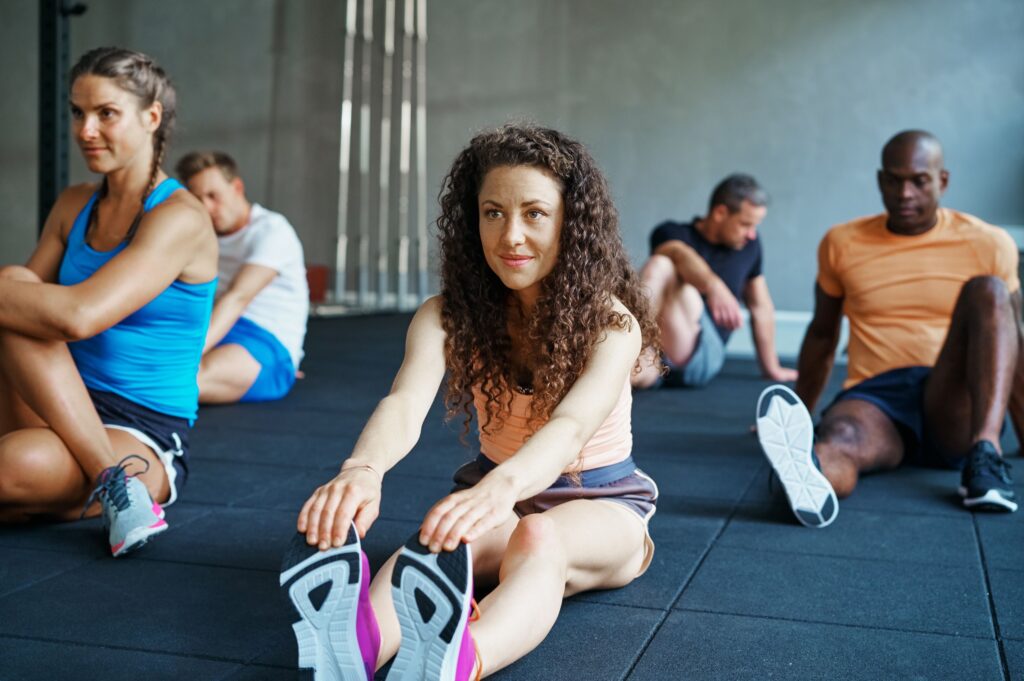
As you move through punches and combinations, focusing on form before speed helps everything feel more natural and effective. Keeping your alignment steady and your movements intentional not only improves how the workout feels, but also supports better technique and reduced risk of strain over time.
It can be tempting to hit harder or move faster as you get into it, but keeping your movements controlled rather than forceful makes a difference.
The goal is to stay consistent and in rhythm, allowing your body to build strength and coordination while supporting smoother, more sustainable movement.
It is easy to get caught up in the pace, especially in a class or guided workout, but listening to your body is important.
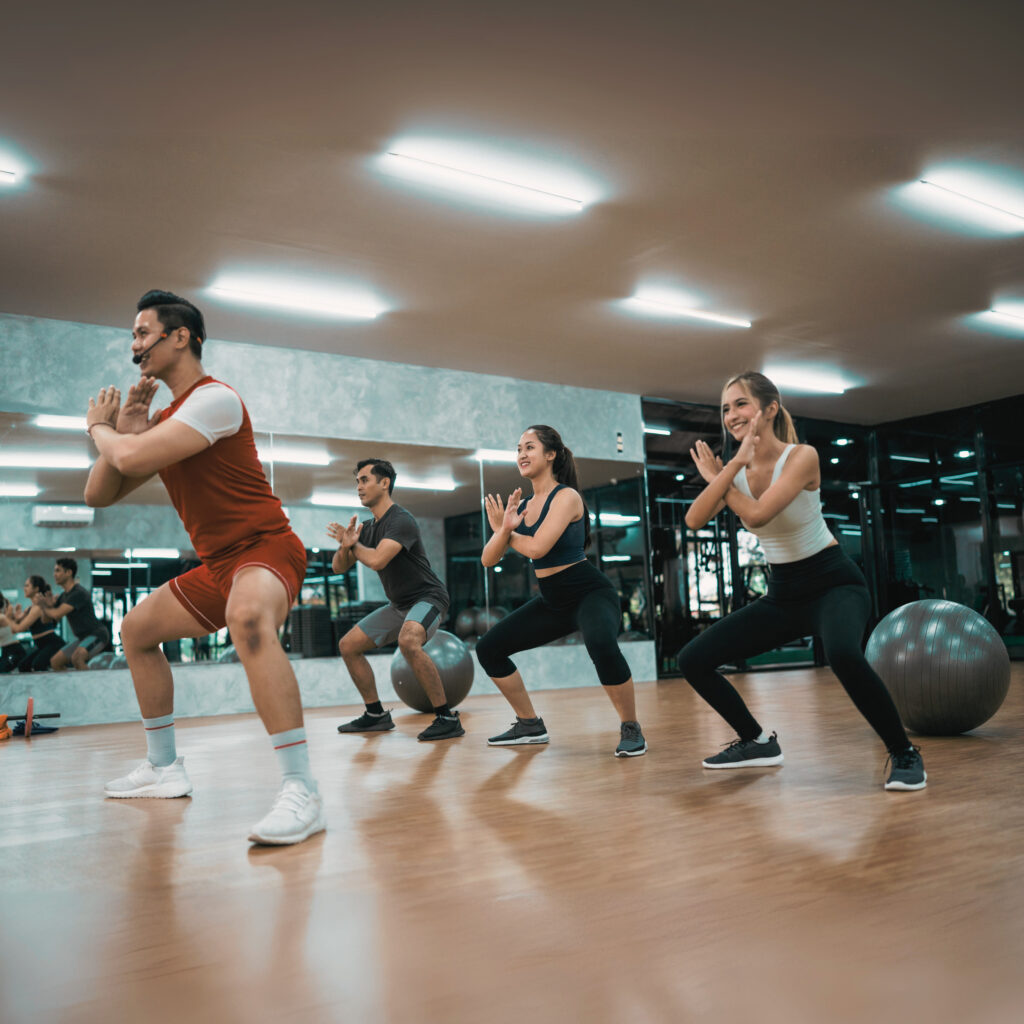
Slowing down, modifying movements, or taking a break when needed helps you stay consistent without overdoing it, supporting long term progress without burnout.
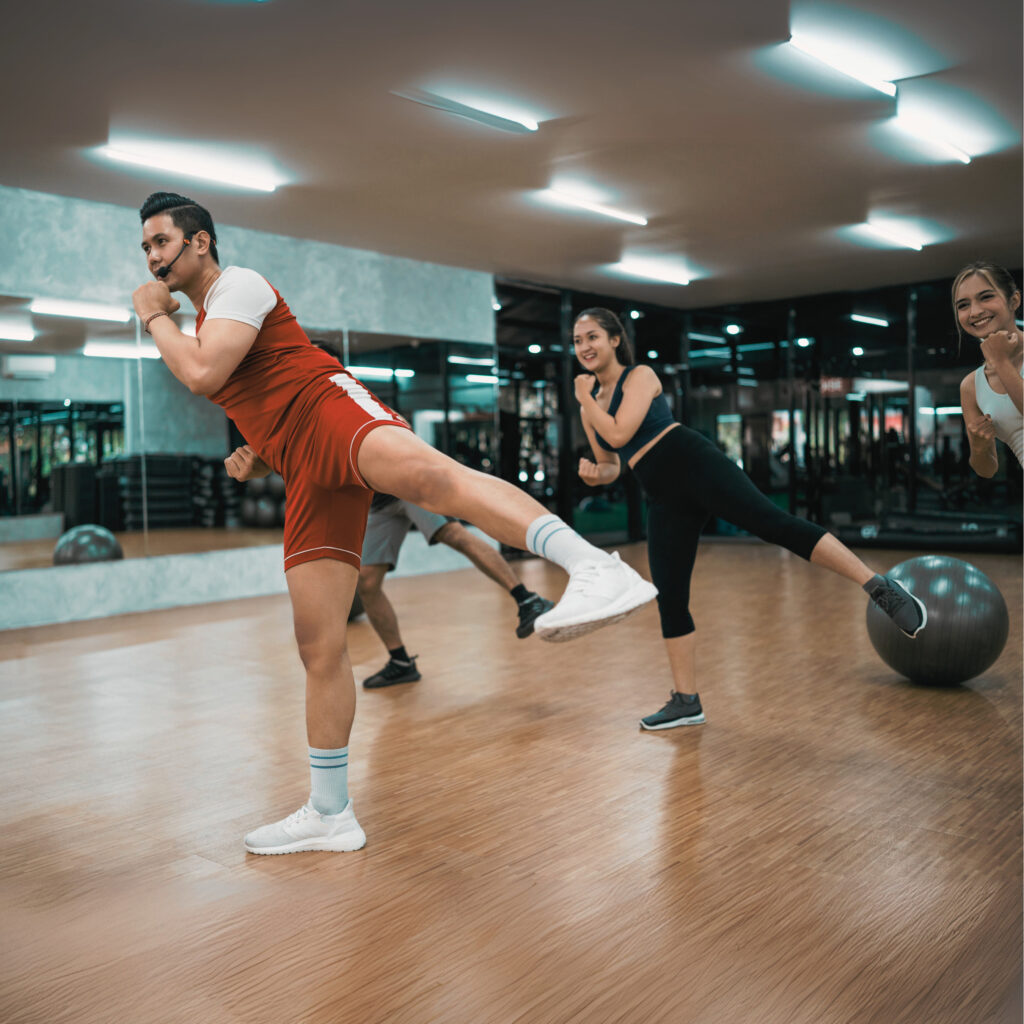
Paying attention to your space helps prevent unnecessary strain or accidental impact. Making sure you have enough room to move freely allows you to focus on the workout itself, creating a safer and more comfortable environment.
Staying hydrated and taking a few minutes to cool down after your session helps your body settle back into a steady rhythm.
Slowing down at the end can make the transition out of the workout feel more balanced and complete, supporting a smoother recovery overall.
Over time, building gradually rather than pushing too hard too quickly helps your body adapt in a steady way. Letting progress happen through consistency allows the experience to stay enjoyable and sustainable, reinforcing steady improvement without unnecessary strain.
Final Thoughts
Cardio boxing is one of those workouts that does not feel slow or drawn out. You stay moving, stay focused, and work through each round without a lot of downtime. It pushes your cardio, challenges your coordination, and keeps your attention on what you are doing the entire time.
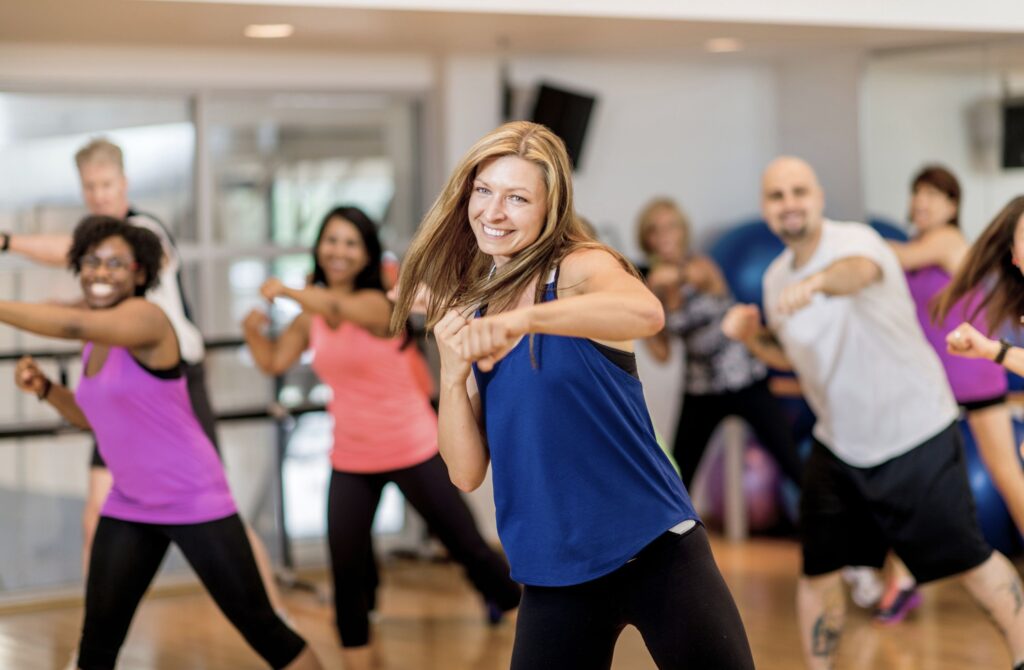
It takes a few sessions to get comfortable with the combinations, and you will feel it early on. That is part of it. You build into the rhythm, get more confident with the movements, and start to move through it instead of thinking through every step.
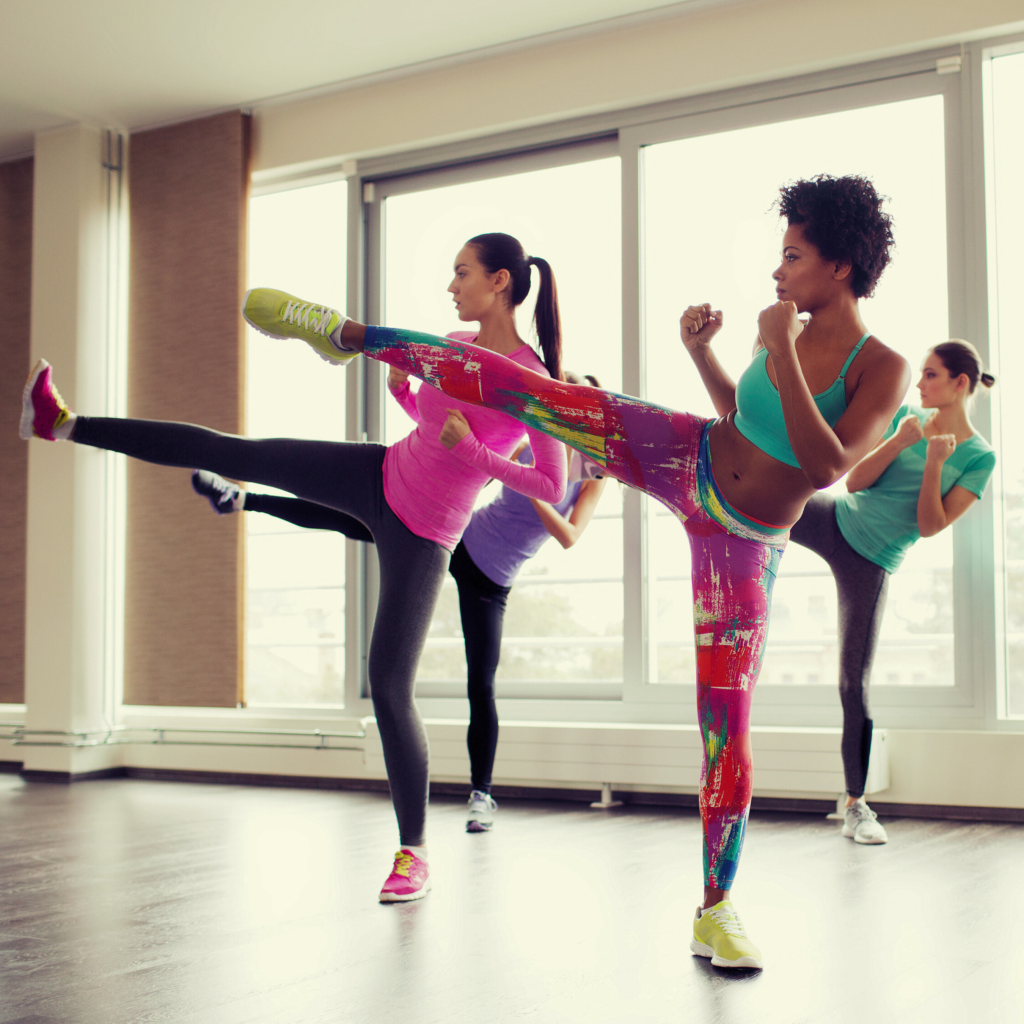
What makes it stick is how accessible it is. You do not need a ring, a partner, or prior experience to start. You can step into a class or follow along at home and get the same full, effective workout.
If you have been looking for something active, engaging, and a little different from the usual routine, this is an easy one to try. Start with a class or a short session at home and see how it feels once you get into it.
Is this something you would try at home, or would you prefer a class setting?
Leave a Reply