Welcome to Saturday Sparks! This week, we’re exploring the fun, social, and fast growing world of Pickleball. With a smaller court, simple rules, and a pace that feels active without being overwhelming, pickleball has become a popular way for people of all ages to move, connect, and enjoy a little friendly competition.
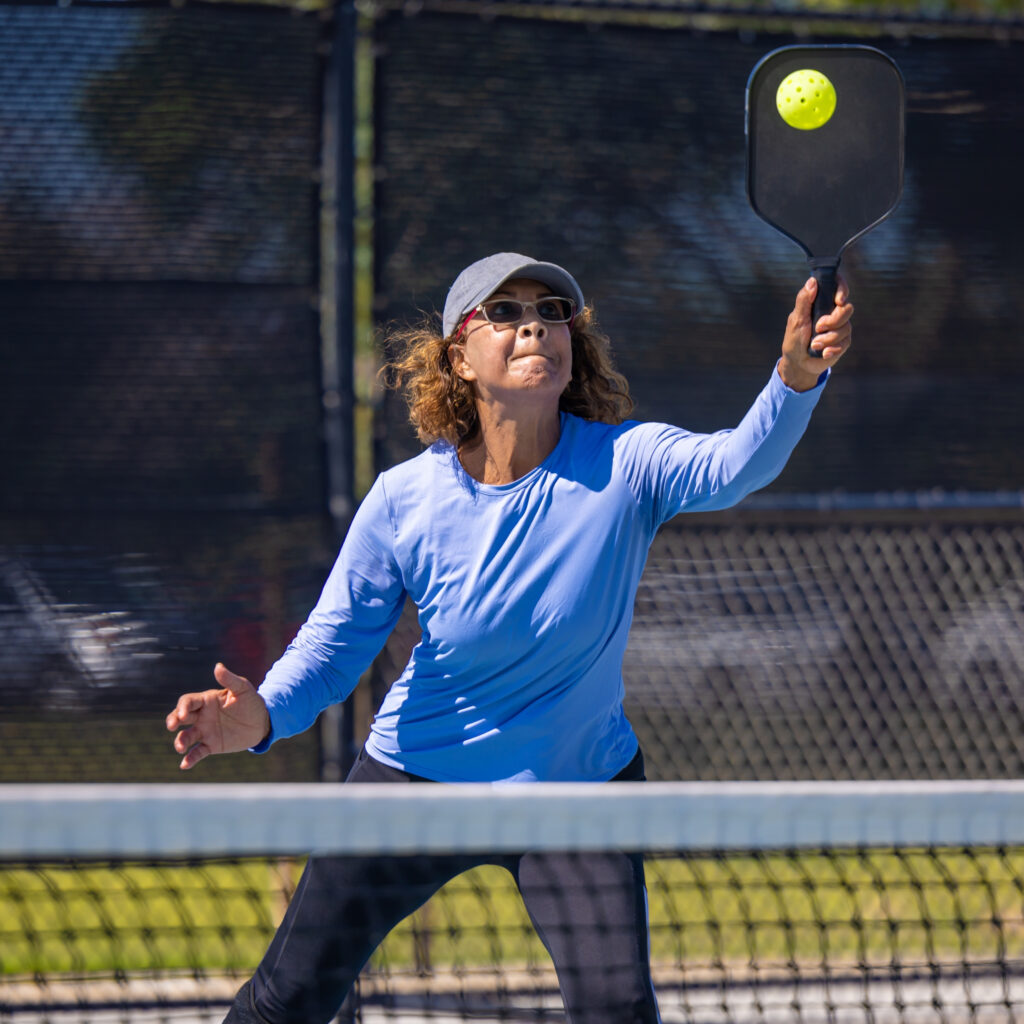
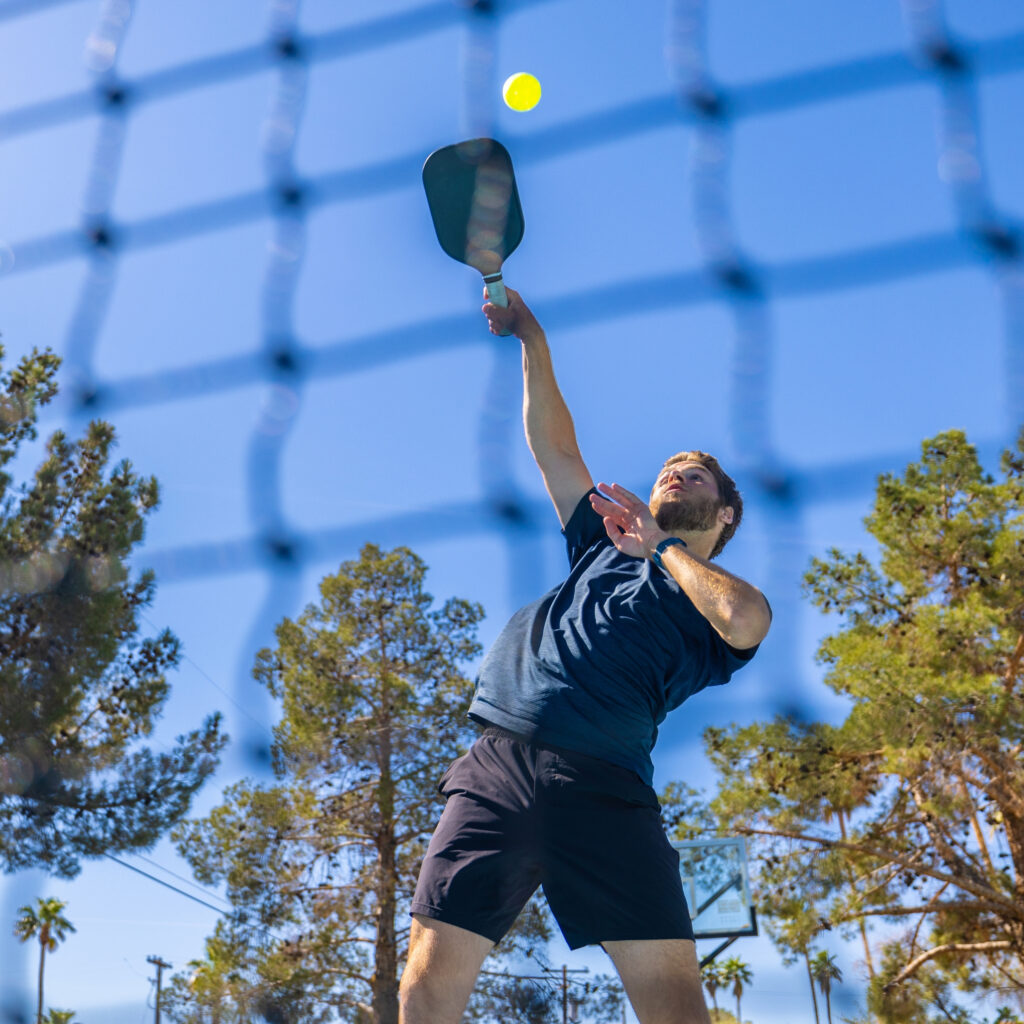
Part of its appeal is how quickly it feels approachable. Many people can begin rallying within a short time, even if they have never played before. That early sense of progress makes it easier to stick with and enjoy.
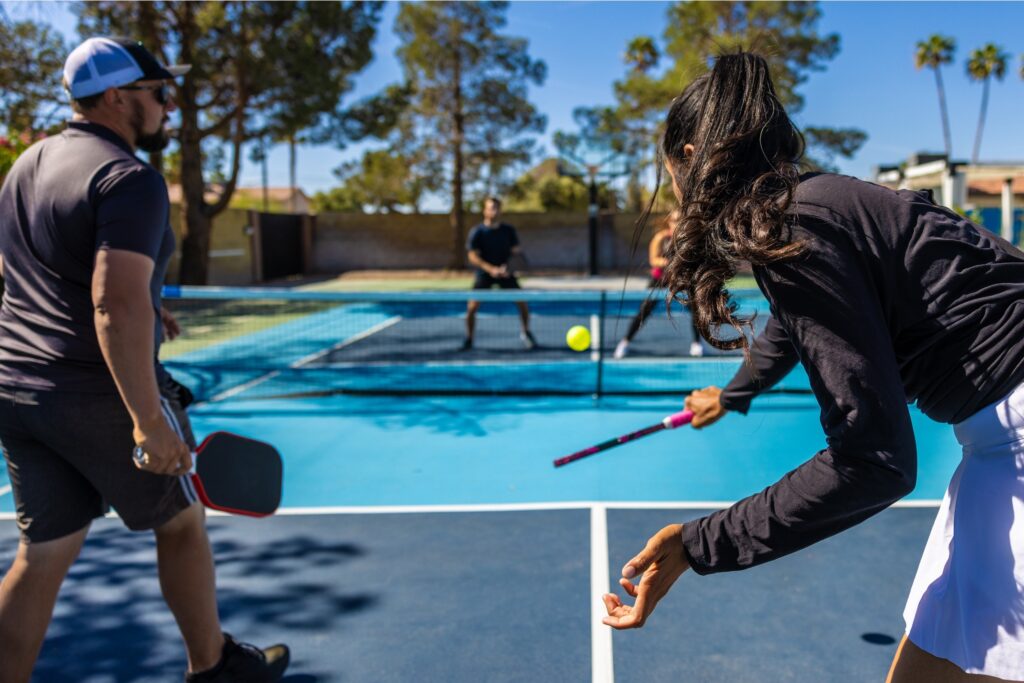
Pickleball can be casual and lighthearted or more focused and competitive, depending on how you like to play. Whether someone wants a new hobby, a way to be more active, or a reason to spend time with others, it offers a practical and enjoyable option.
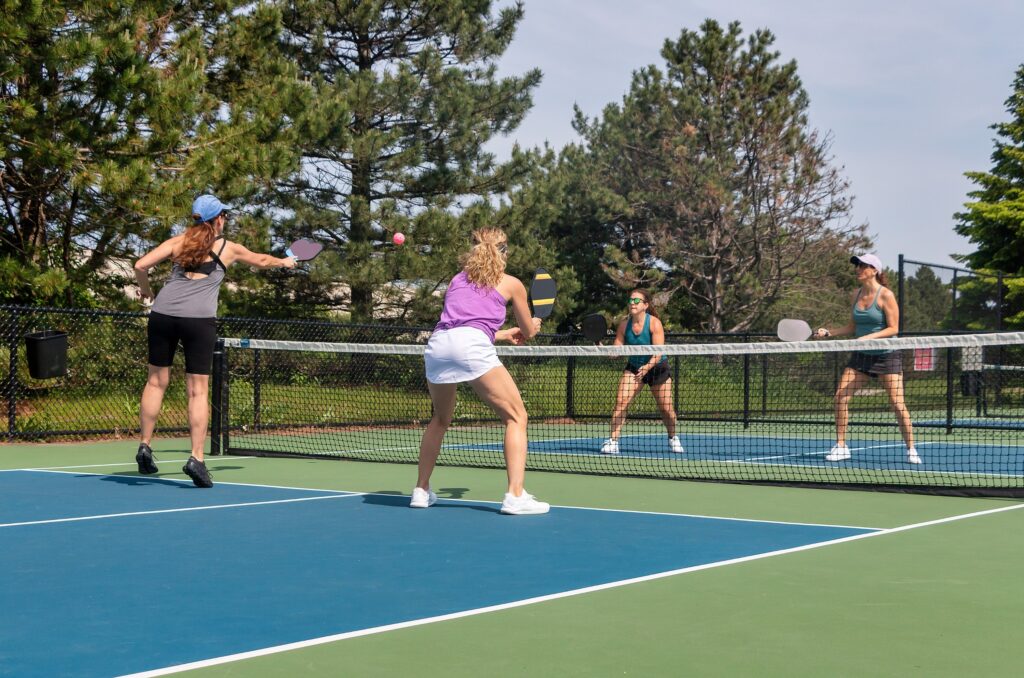
What is PIckleball
Pickleball is a paddle sport that combines elements of tennis, badminton, and table tennis. It is played by two players (singles) or four players (doubles) who use solid paddles to hit a lightweight plastic ball back and forth over a net. The objective is to keep the ball in play while attempting to place shots in a way that prevents the opposing player or team from returning them.
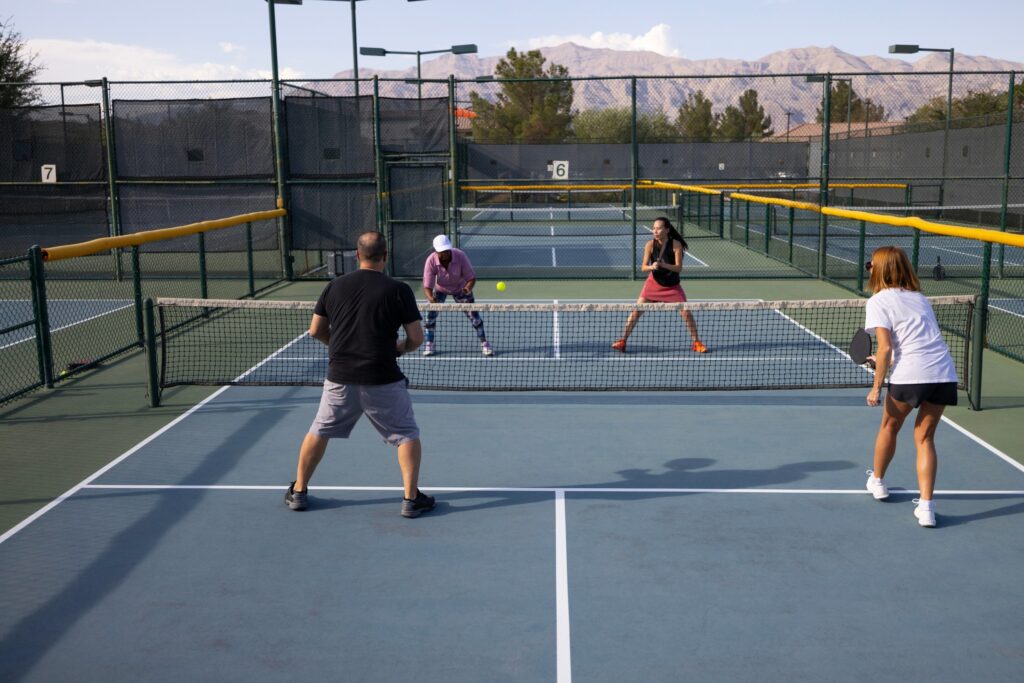
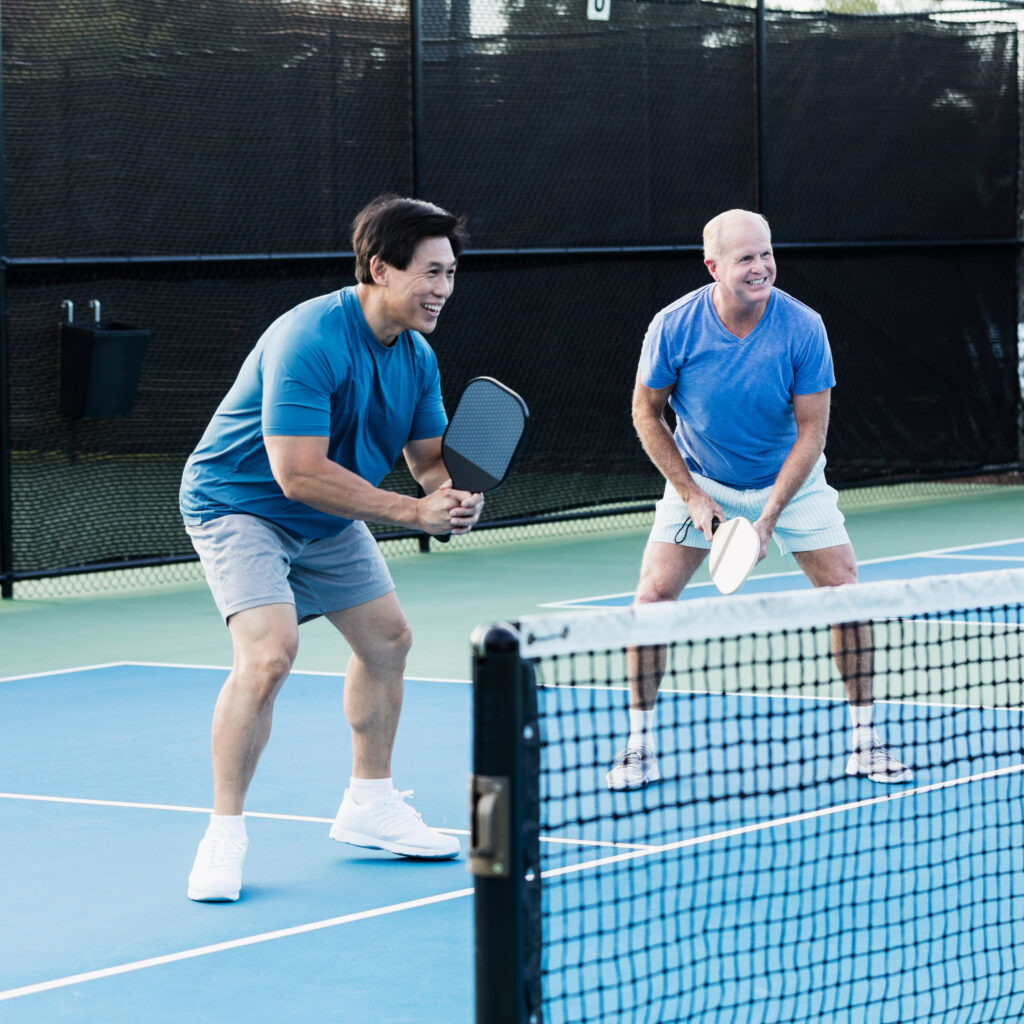
The game is played on a rectangular court measuring 20 feet wide by 44 feet long, which is roughly one quarter the size of a standard tennis court. A net stretches across the center of the court and stands 36 inches high at the sidelines and 34 inches high at the center. The smaller court size allows players to cover the space efficiently while still creating a fast paced and strategic game.
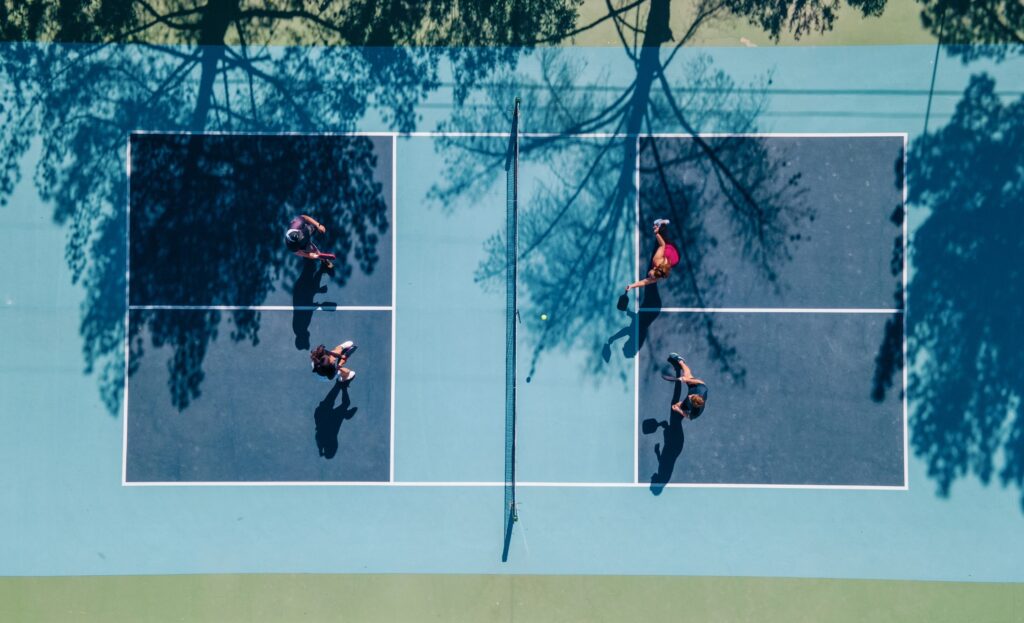
The court is divided into left and right service areas on each side of the net, along with a seven foot non volley zone directly in front of the net. These boundary lines help determine where serves must land and where certain shots are allowed during play. Clear court markings make it easier for players to understand positioning and movement as rallies develop.
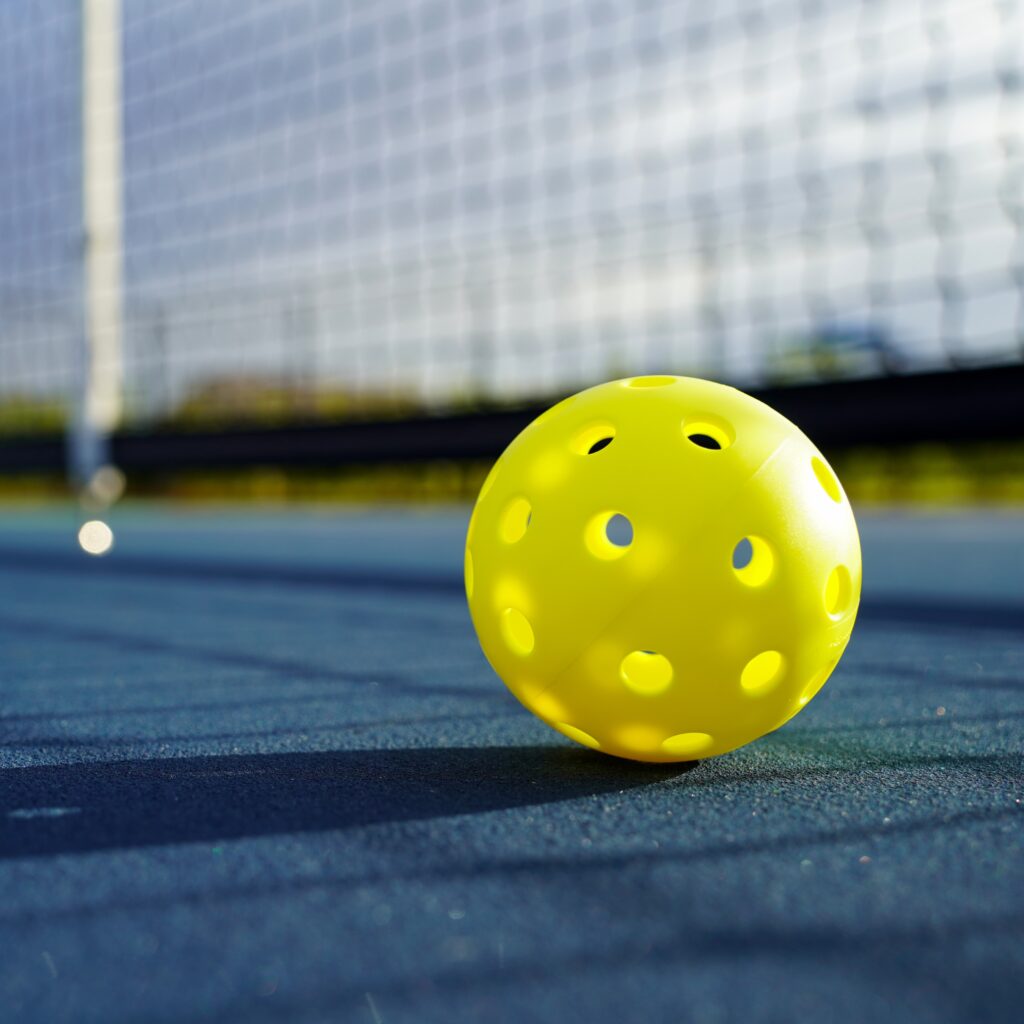
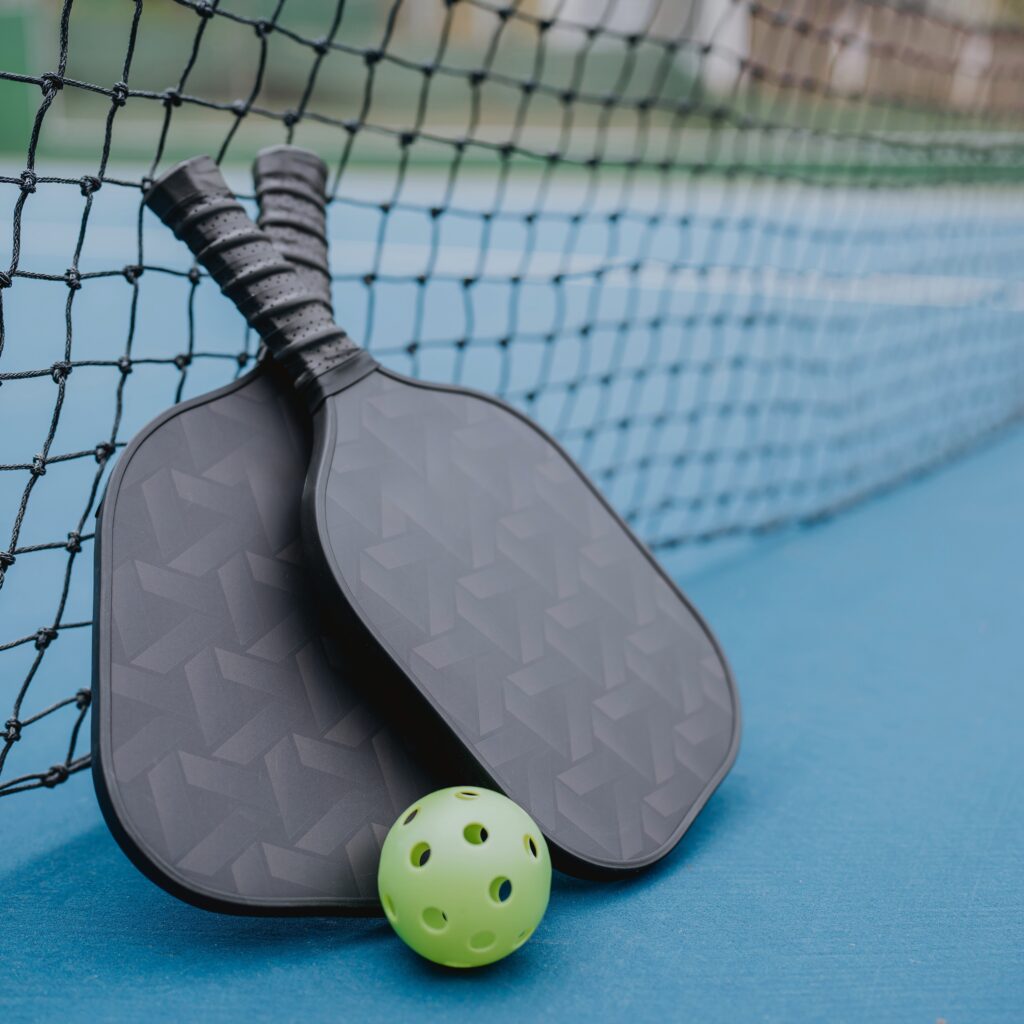
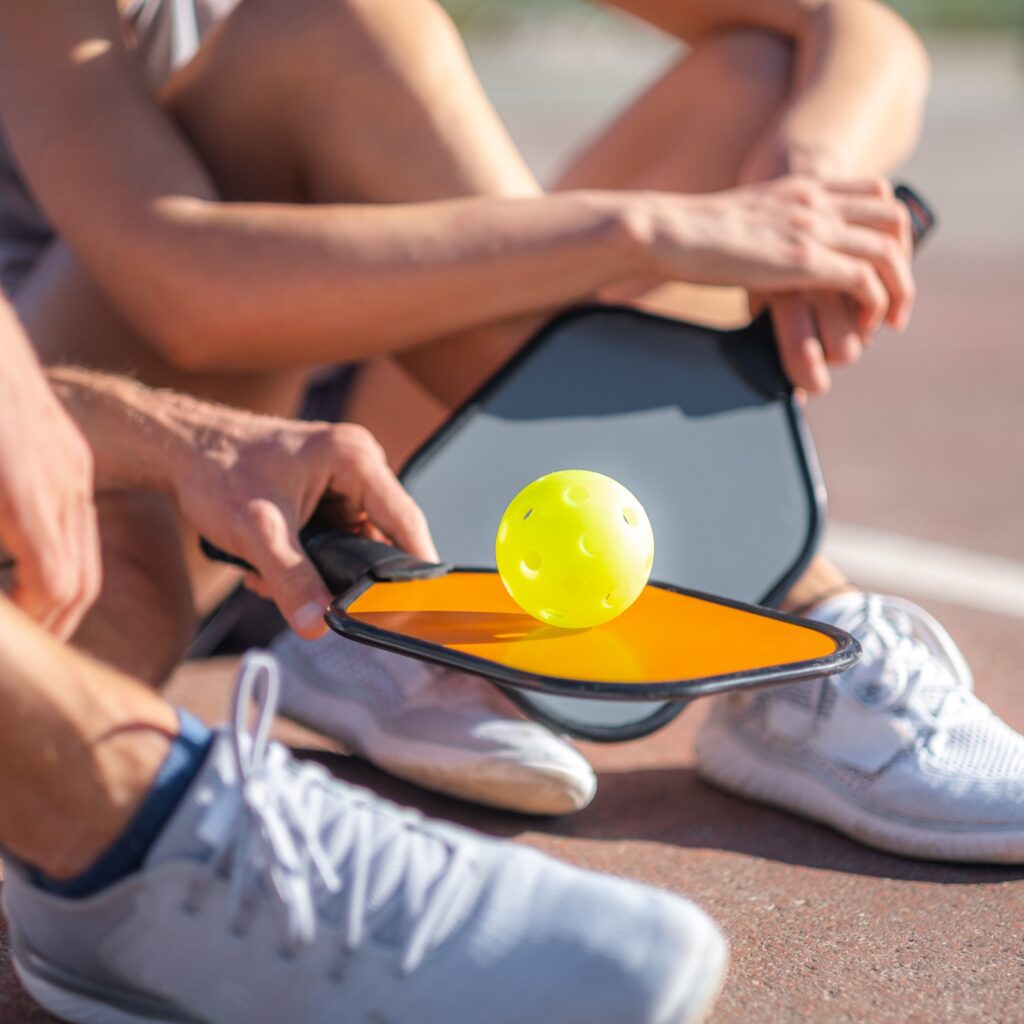
Players use solid paddles, typically made from composite materials, graphite, or wood, to strike a lightweight perforated plastic ball. The ball resembles a wiffle ball and contains evenly spaced holes that help control its speed and bounce. Because the ball travels slower than a tennis ball, players generally have more time to react during rallies.
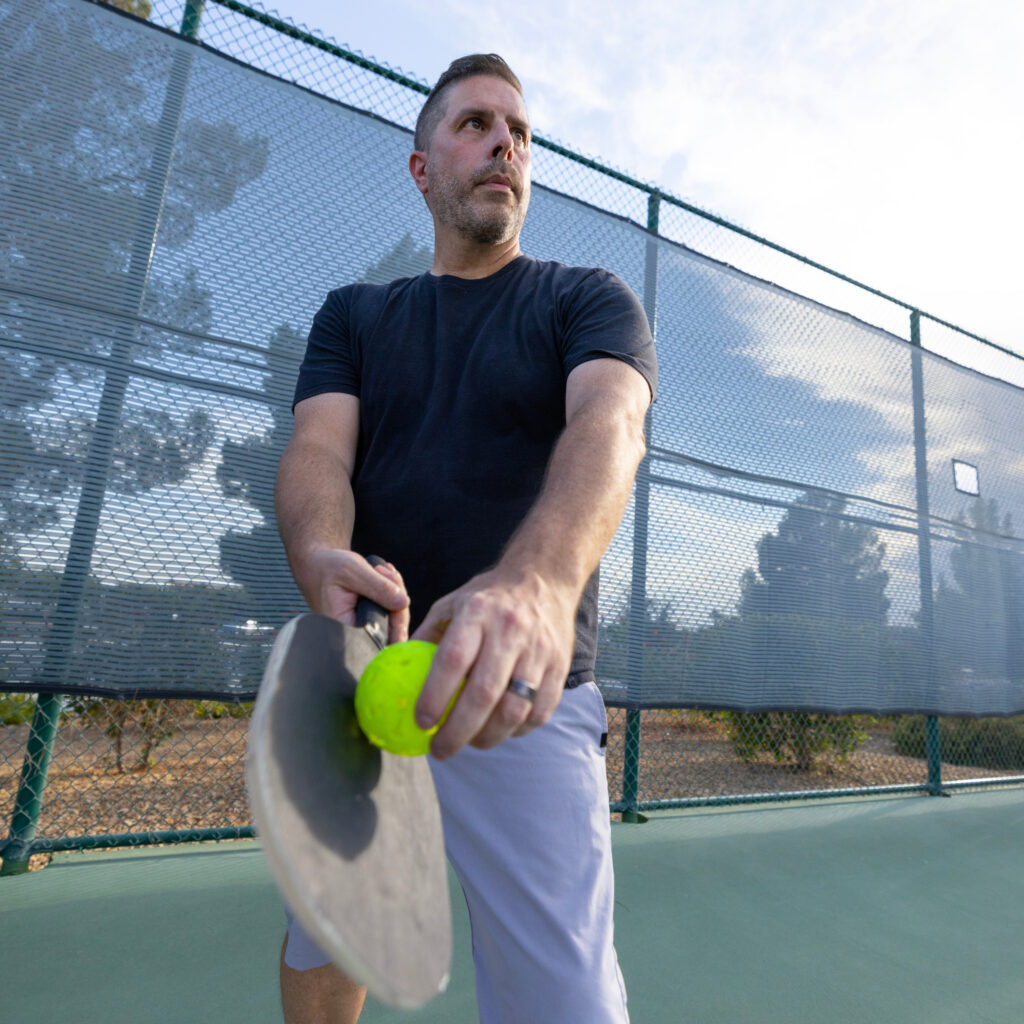
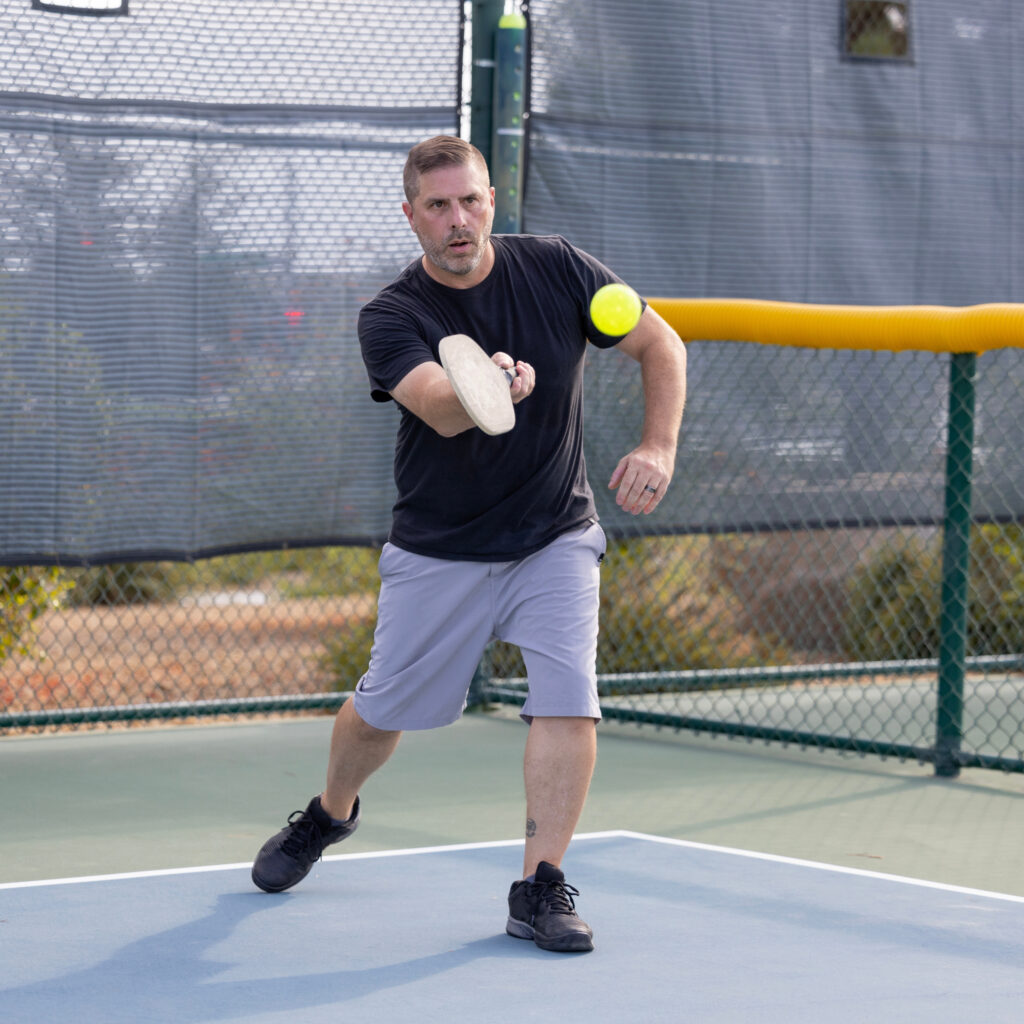
A game begins with an underhand serve, which must be hit diagonally across the court and land within the opposite service area. The serve must be made with the paddle contacting the ball below the server’s waist. After the serve, the ball must bounce once on each side of the court before either player can volley the ball in the air. This is known as the double bounce rule, which helps create longer rallies and balanced play.
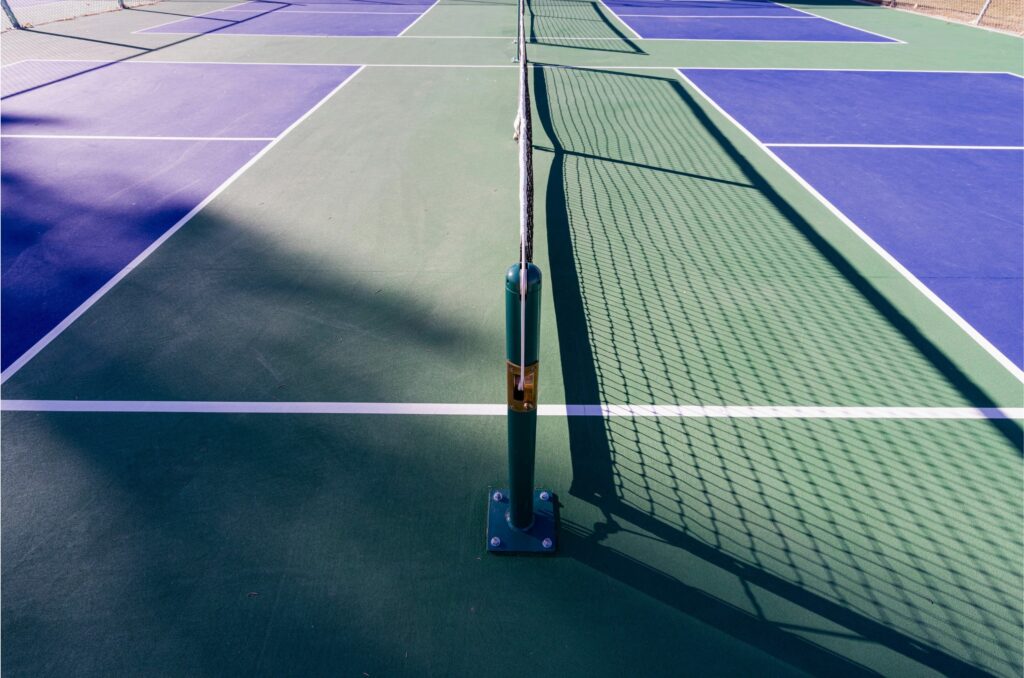
One of the defining features of pickleball is the non volley zone, commonly called the kitchen. This area extends seven feet from the net on each side of the court. Players may step into the kitchen to return a ball that has bounced, but they are not allowed to volley the ball while standing in this zone. This rule encourages controlled shot placement and positioning rather than aggressive net play.
Pickleball can be played in singles or doubles, though doubles is the most common format. Games are typically played to 11 points, and a team must win by at least two points. Only the serving side can score points, which creates a rhythm of alternating serves and rallies throughout the match.
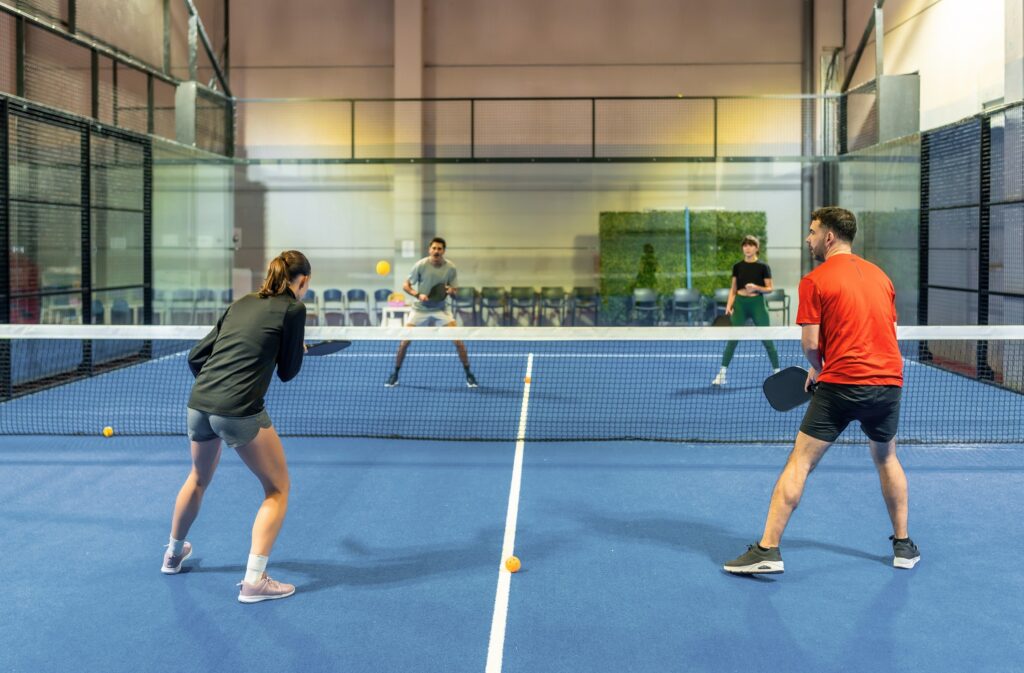
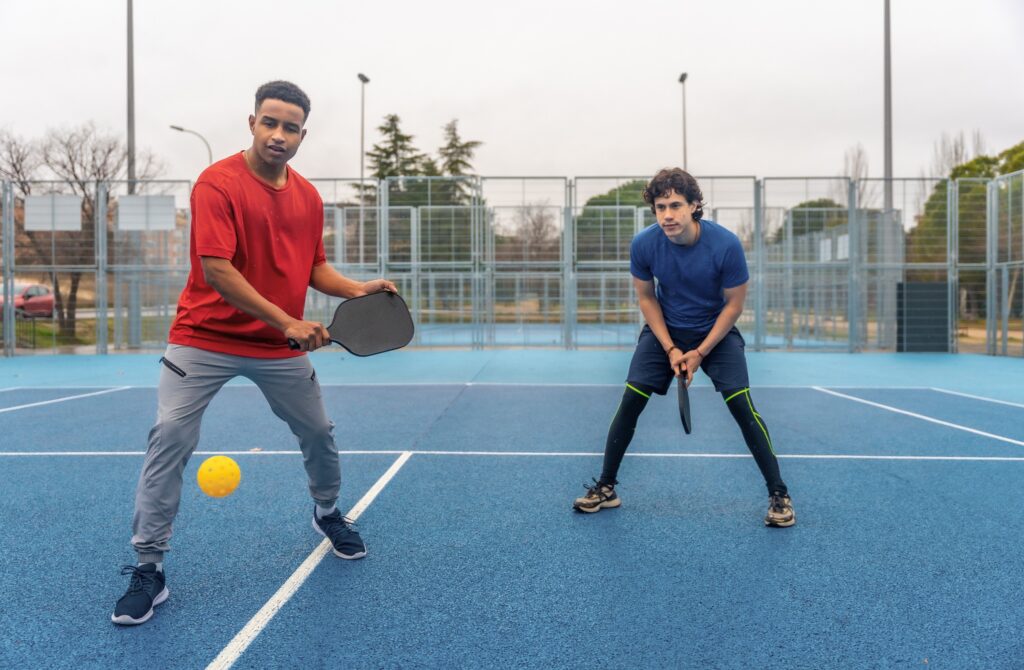
The sport can be played indoors or outdoors on dedicated pickleball courts or adapted tennis or gymnasium courts. Its relatively simple equipment, compact court size, and easy to learn rules have helped make pickleball one of the fastest growing recreational sports in many communities.
The Benefits of Playing Pickleball
One of the reasons many people enjoy pickleball is the balance it creates between activity and approachability. The smaller court keeps players moving without requiring long distance running, so most rallies involve short bursts of motion, quick reactions, and controlled positioning. This creates a satisfying mix of movement and manageability, allowing players to stay active while still feeling comfortable with the pace of the game. Over time, regular play can also contribute to cardiovascular activity, as rallies and steady movement keep players engaged throughout a match.
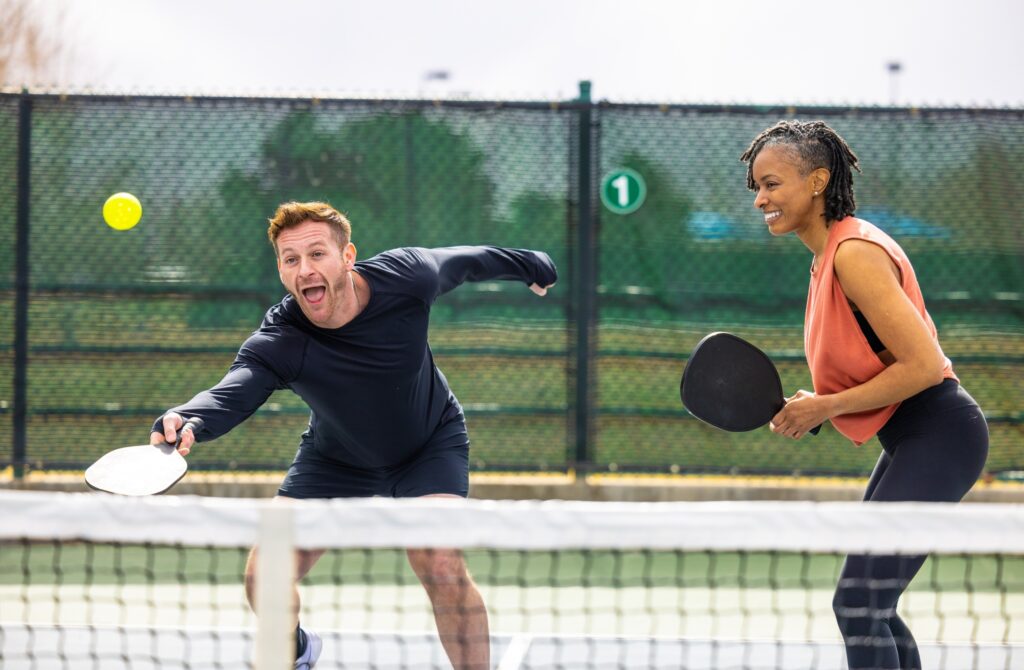
Even though the rules are straightforward, the game still requires attention and quick thinking. Players watch the ball carefully, anticipate where opponents might place their shots, and decide how to respond within a short moment. This constant awareness keeps players mentally involved, creating a sense of focus and mental engagement that adds another layer to the experience beyond simply hitting the ball back and forth.
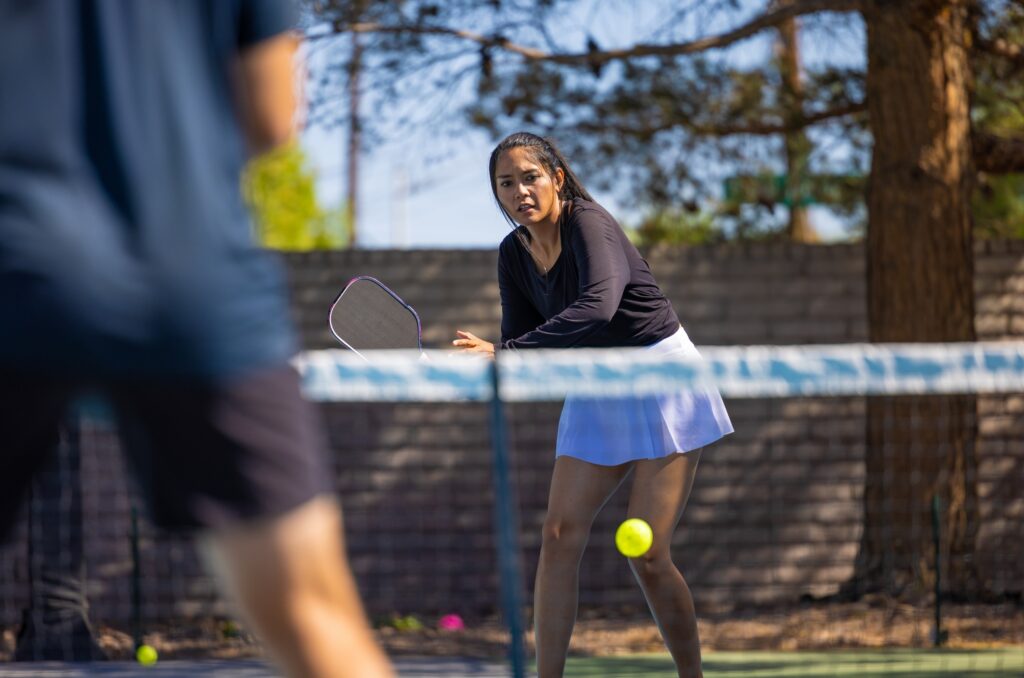
As rallies unfold, players continually adjust their stance, shift their position, and control the paddle to respond to different shots. These movements naturally support coordination and balance, helping players develop timing and body awareness as they react to the pace of the game.
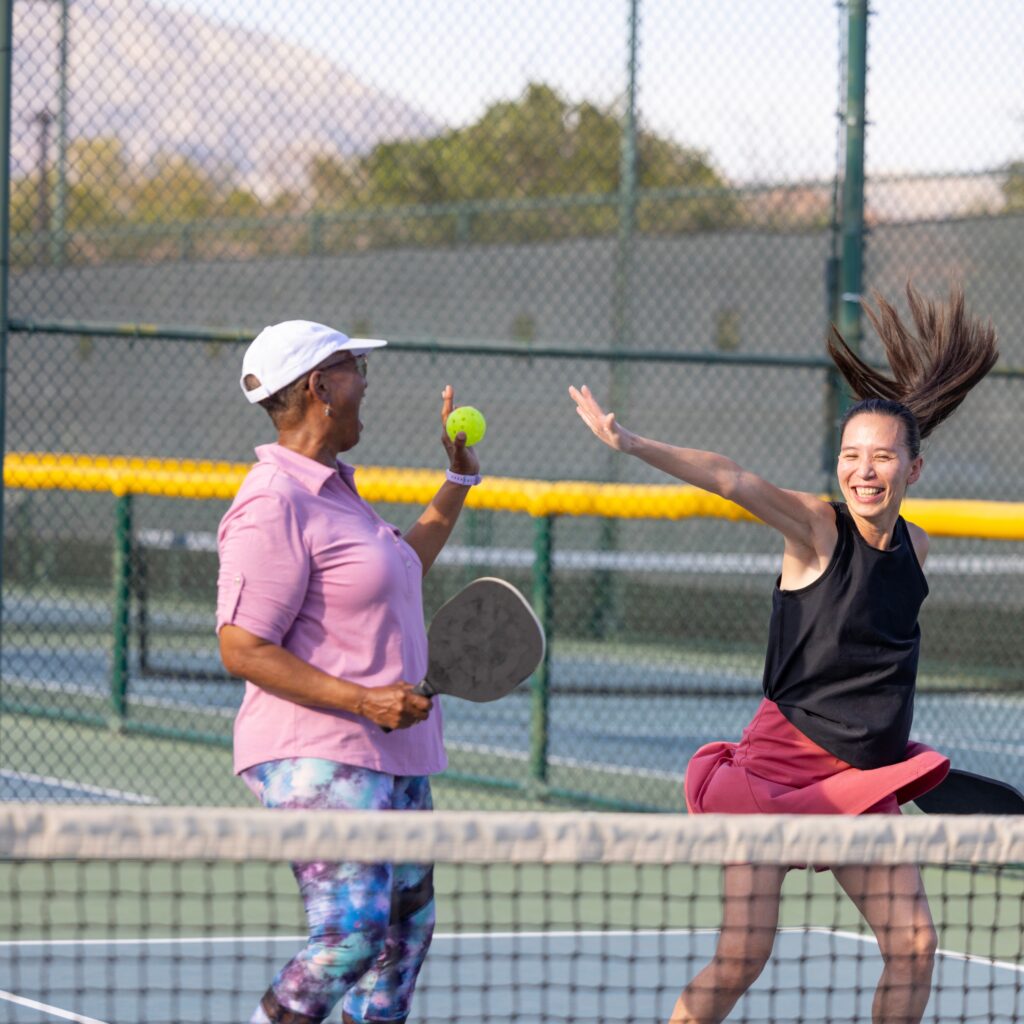
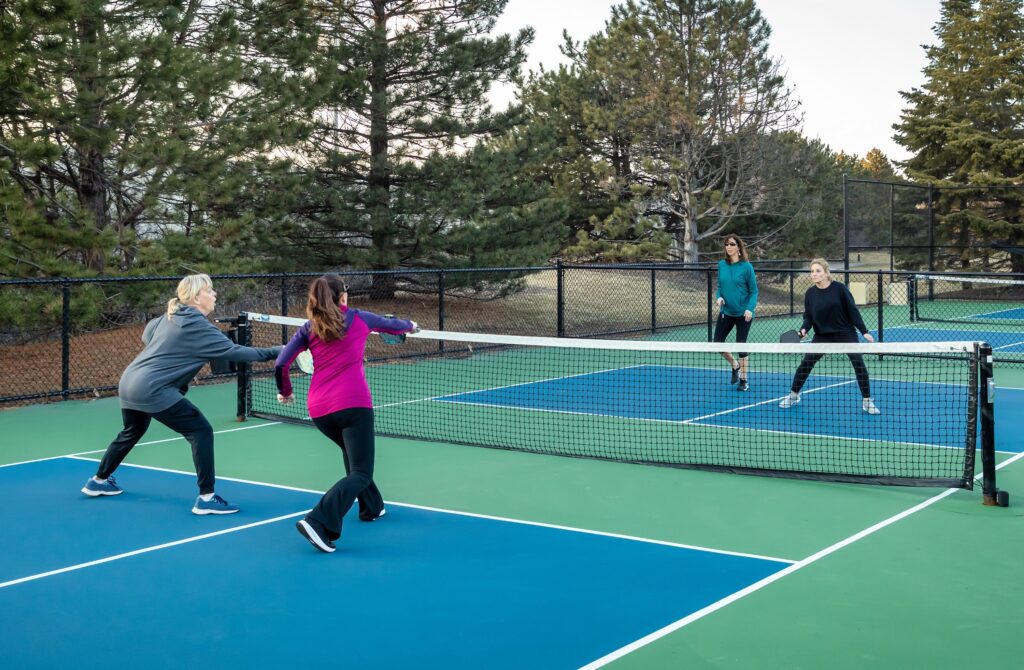
Many people also appreciate how easy it is to connect with others through the sport. Because pickleball is commonly played in doubles and many courts offer open play sessions, players frequently rotate partners and meet new people during games.
This format naturally encourages conversation and teamwork, creating social connection that often becomes just as enjoyable as the game itself. Over time, many players find that regular games lead to familiar faces at the courts, shared routines, and a welcoming sense of community built around the activity.
While games themselves require at least two players, people can still spend time practicing independently. Working on serves, paddle control, or shot placement helps develop confidence and skill over time, creating opportunities for improvement both alone and with others as players continue to enjoy the hobby.
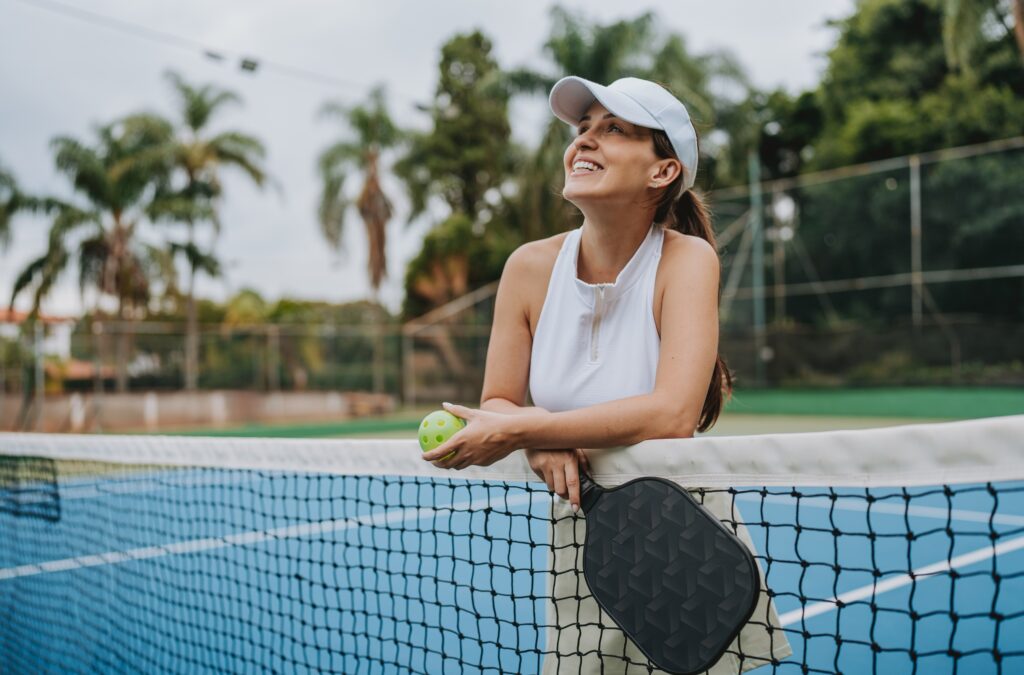
Many players find that spending time on the court offers a positive mental break from daily routines. Focusing on the rhythm of the game, moving around the court, and interacting with others can create a refreshing shift away from everyday responsibilities.
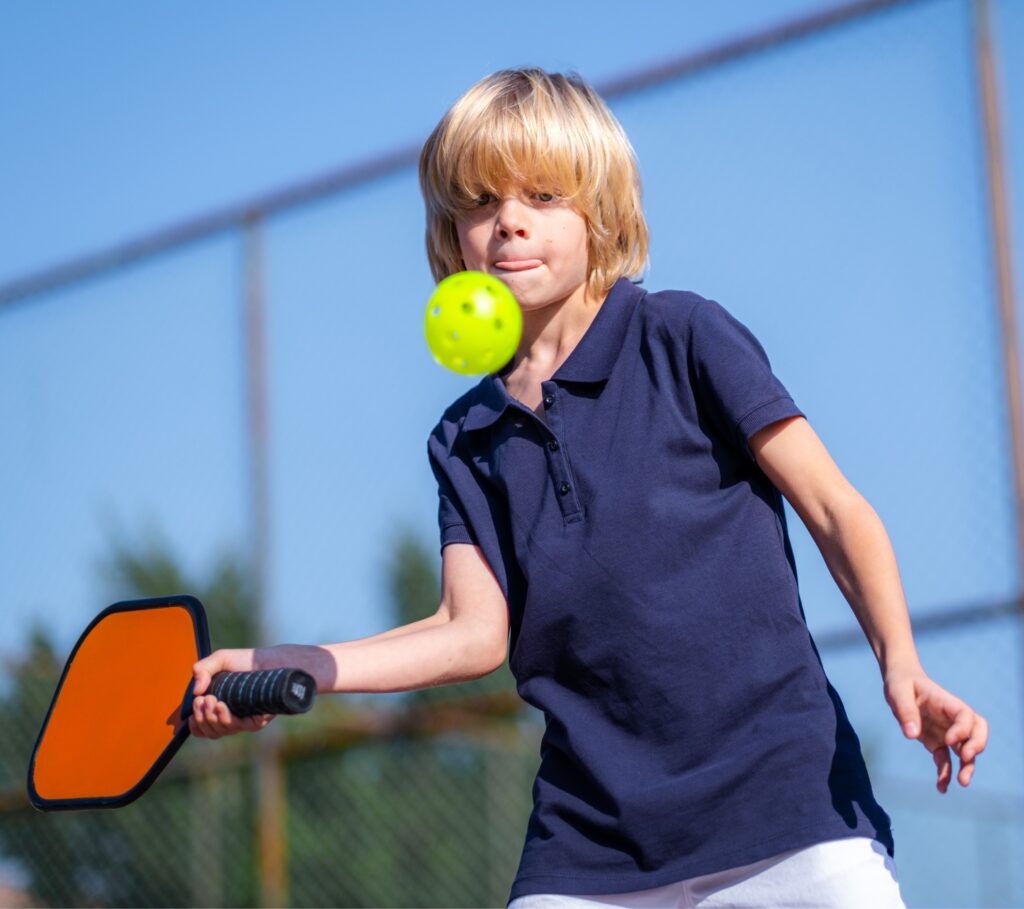
Another reason pickleball has grown quickly is that it tends to be beginner friendly and accessible.
The paddle is easier to control than a tennis racket, and the perforated plastic ball travels at a slower speed, giving players a little more time to react.
Many beginners are able to rally during their first few sessions, which helps build confidence and makes the game feel welcoming.
The pace of pickleball also makes it easier on the body than many court sports. Because the court is smaller and the ball moves at a manageable speed, players often find the activity physically engaging without requiring extended running or powerful swings.
GETTING STARTED
Getting started with pickleball is fairly straightforward, and most people can begin playing with only a small amount of equipment and a basic understanding of the rules. Many communities already have courts and open play opportunities, making it easier than expected to try the sport for the first time.
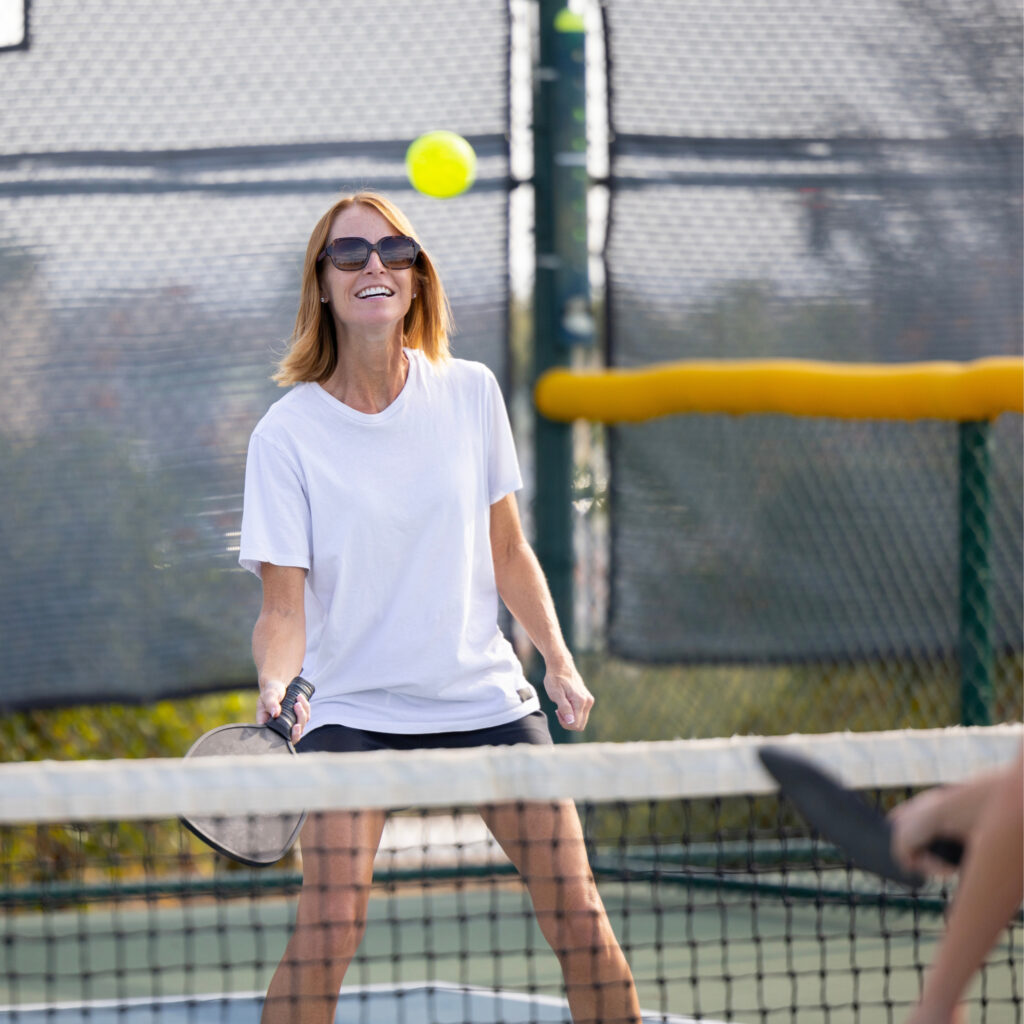
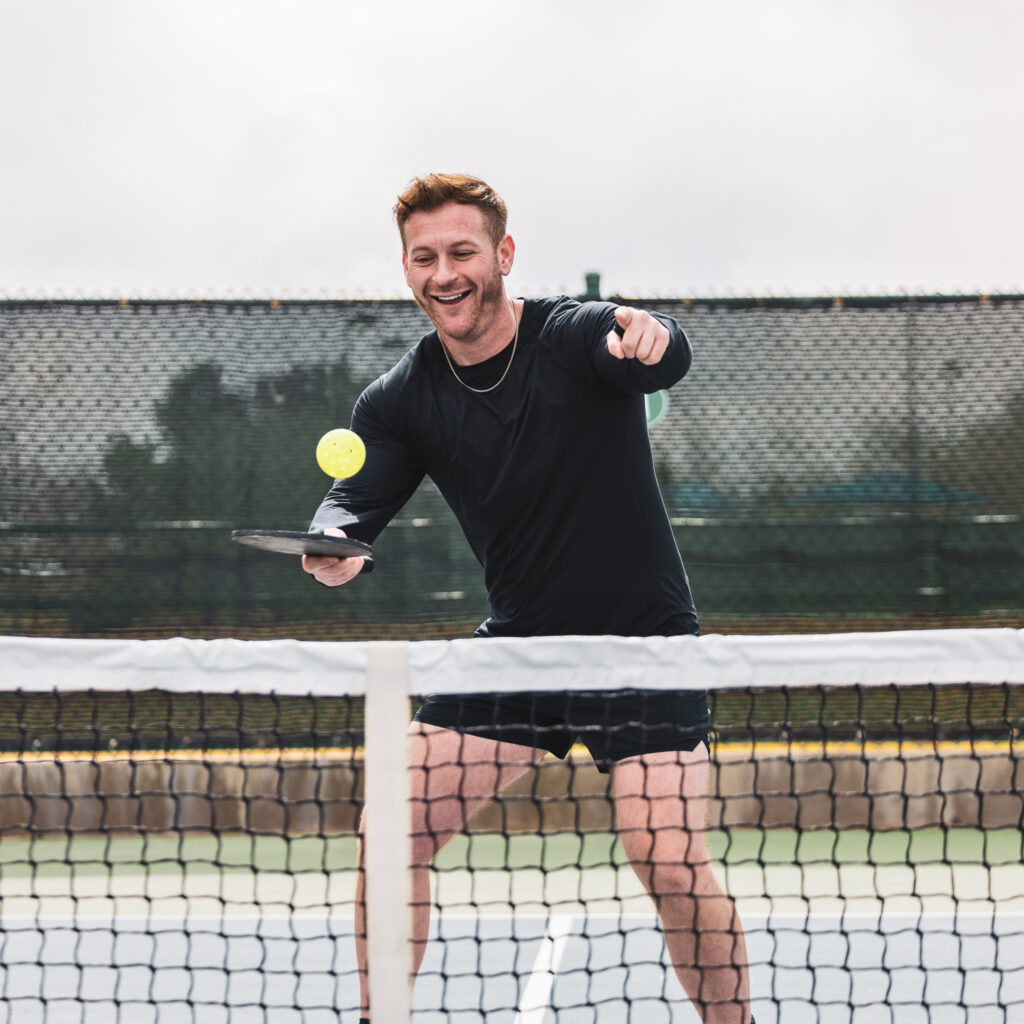
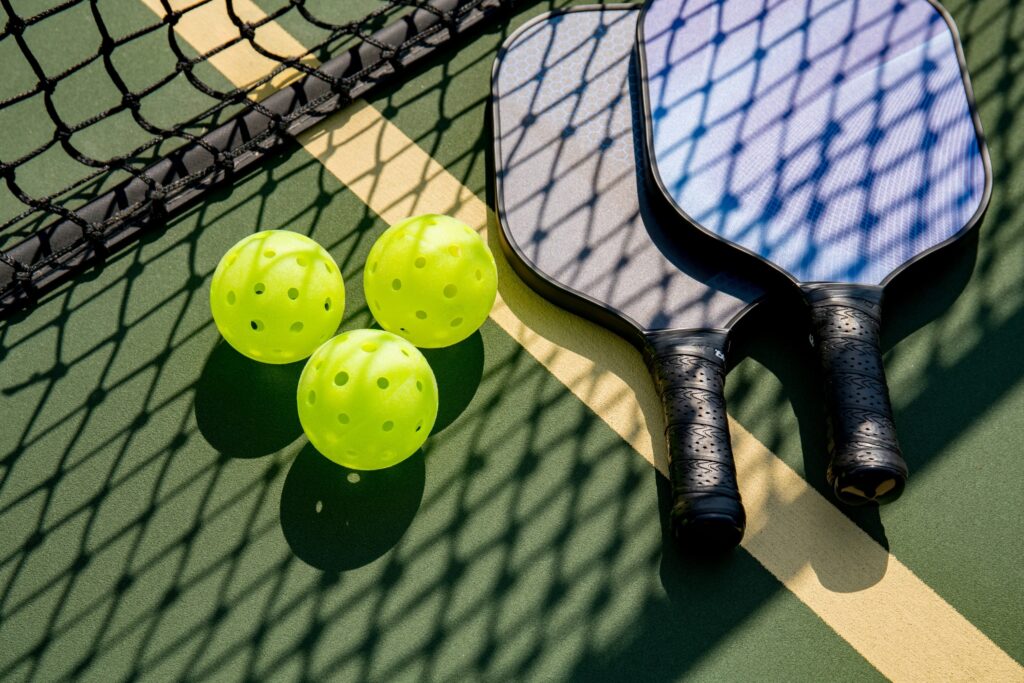
Equipment is simple and relatively affordable. At minimum, you will need a pickleball paddle and a few balls. Beginner paddles are widely available and typically made from composite materials or graphite, offering a balance of control and durability. Plastic pickleballs come in two main types: indoor balls and outdoor balls. Outdoor balls are slightly harder and have smaller holes to handle wind, while indoor balls are lighter with larger holes designed for gymnasium surfaces. Comfortable athletic clothing and court shoes with good lateral support are also recommended, since the game involves quick side to side movement.
Finding a place to play is often easier than many beginners expect. Pickleball courts are commonly found at public parks, recreation centers, YMCAs, community centers, and some tennis facilities. Many tennis courts are now lined for pickleball or converted to accommodate both sports. Local recreation departments often publish open play schedules, lessons, or beginner sessions that make it easier to join a game without needing to organize a full group of players.
Learning the basic rules will help the game feel much more approachable. A typical game begins with an underhand serve hit diagonally into the opposite service area.
After the serve, the double bounce rule requires the ball to bounce once on each side of the court before players can begin volleying the ball in the air.
Players must also be mindful of the non volley zone, or kitchen, where volleying the ball is not allowed.
Games are commonly played to 11 points, and a team must win by two points, with points scored only by the serving side.
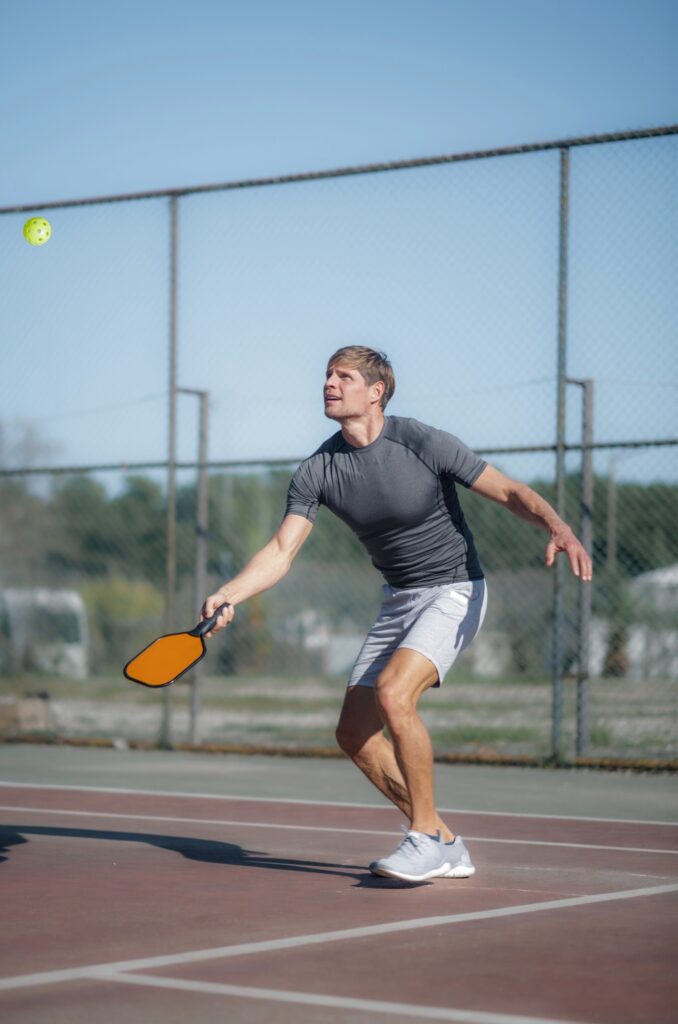
Practicing basic skills can also help new players feel more confident on the court. Simple drills such as practicing serves, gently rallying with a partner, or hitting the ball against a wall can improve paddle control and consistency. As players become more comfortable with the mechanics of the game, rallies tend to become longer and more enjoyable.
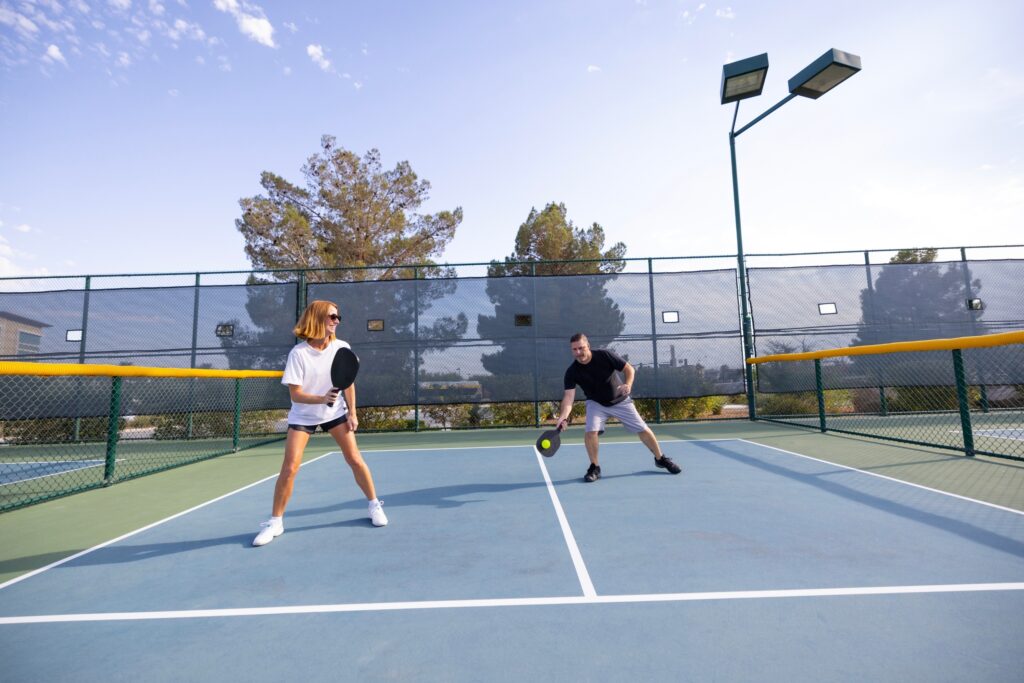
Starting with relaxed games is often the best way to build comfort. Many beginners join open play sessions where players rotate in and out of games, allowing everyone to participate regardless of experience level. Early games are usually informal and provide a good opportunity to get used to serving, positioning, and the pace of play.
Most importantly, the goal when starting pickleball is simply to get comfortable with the rhythm of the game. With a paddle, a ball, and access to a court, many people find that they can begin enjoying the sport within their first few sessions.
RESOURCES
Local parks and recreation departments are often one of the best places to begin. Many offer open play times, beginner sessions, leagues, or community court listings that make it easier to find a place to play.
Community centers, YMCAs, and fitness clubs may also offer indoor pickleball, especially for beginners or people looking for structured play. These spaces can be helpful if you want a lower pressure introduction.
Beginner videos and tutorials online can help explain rules, scoring, and positioning in a clear visual way.
Video lessons are especially useful for understanding the kitchen, serving, and court movement.
Sporting goods stores and online retailers carry beginner paddles, balls, and starter sets at a range of price points. For many people, a basic set is more than enough in the beginning.
Apps, local Facebook groups, and community sports listings can help players find courts, open play sessions, or local groups. These are often useful once you feel ready to move beyond just practicing on your own.
Safety & Tips
Like many recreational sports, pickleball is most enjoyable when players take a few simple steps to stay comfortable and avoid unnecessary strain. Paying attention to movement, equipment, and court awareness can help keep the experience positive for both new and experienced players.
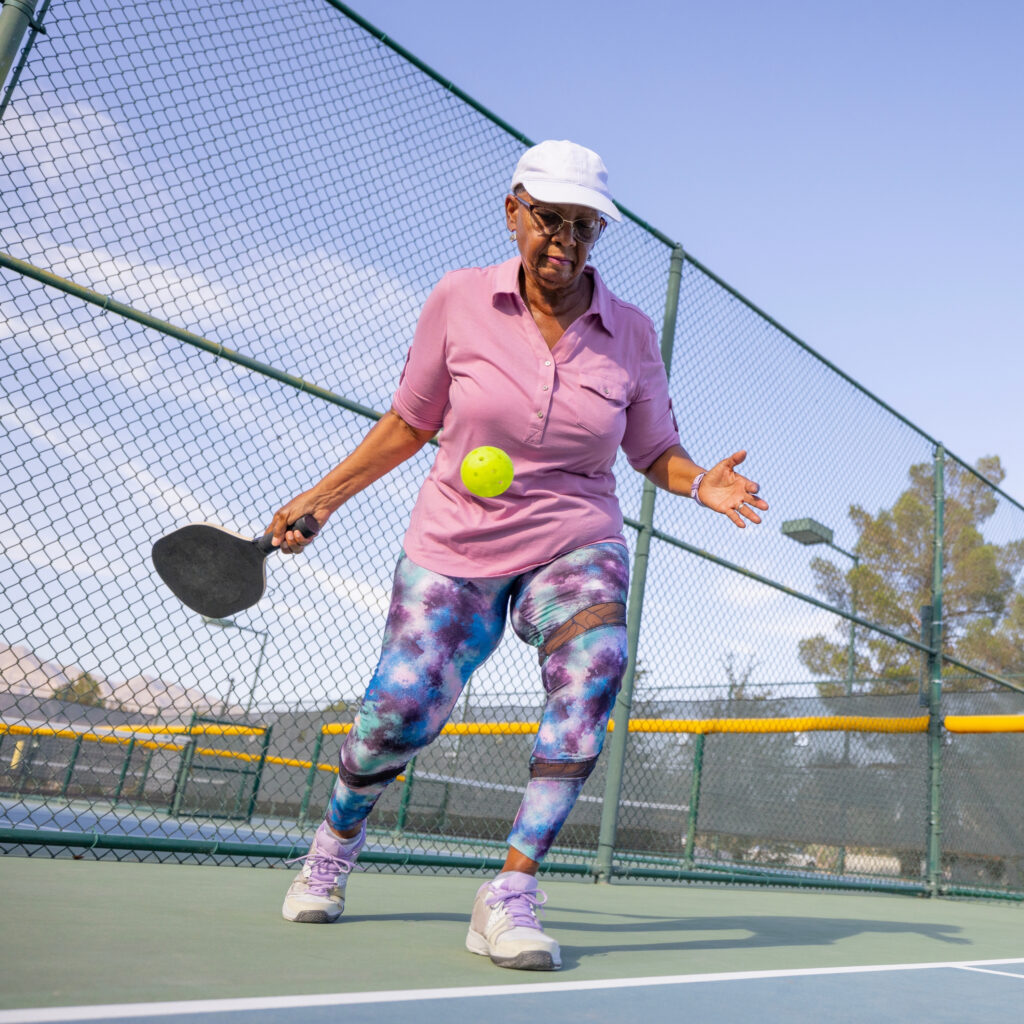
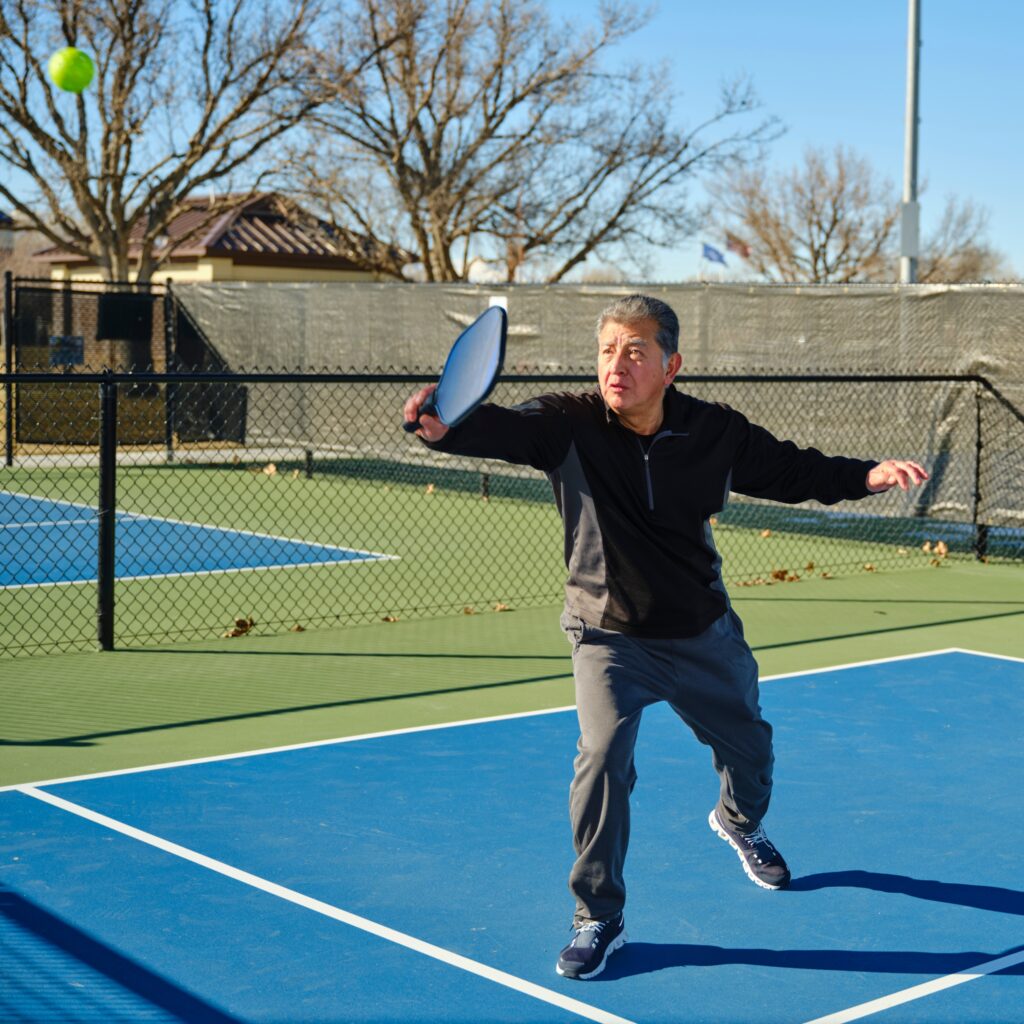
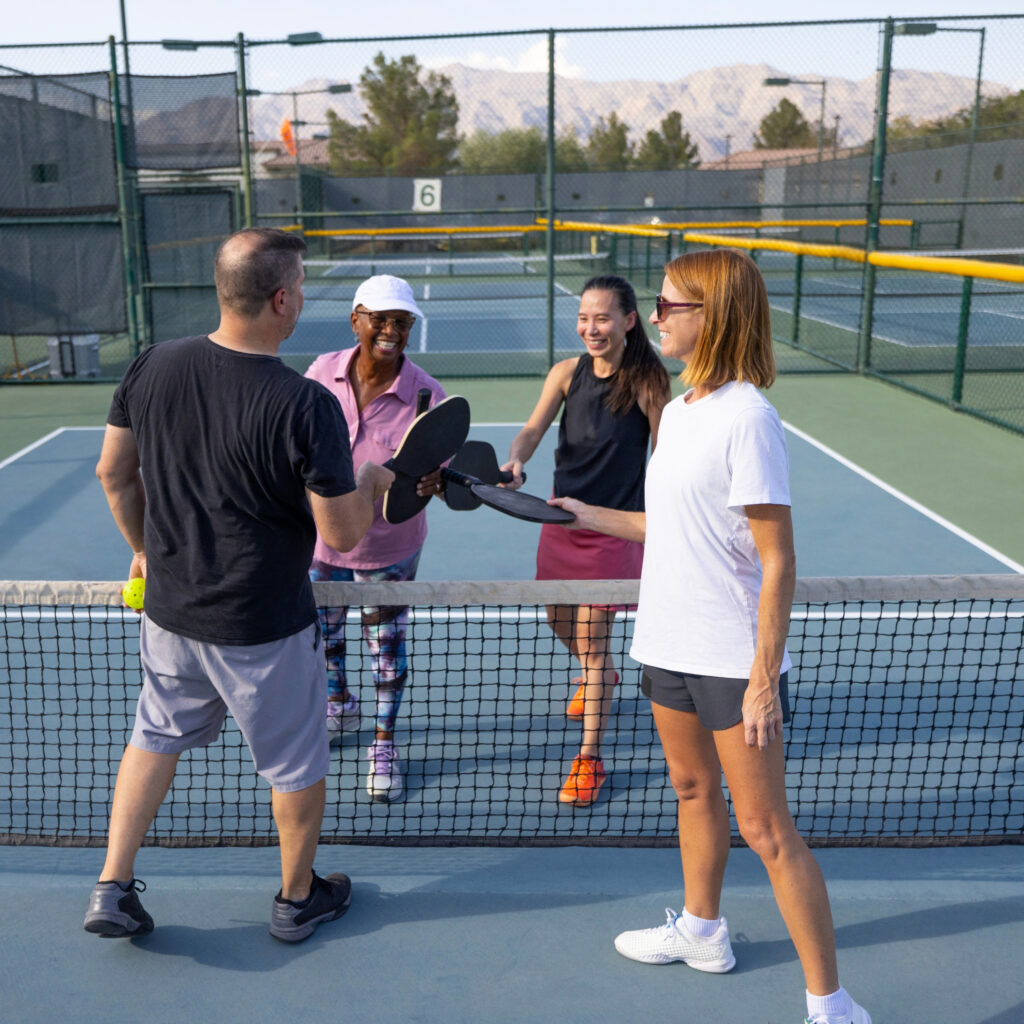
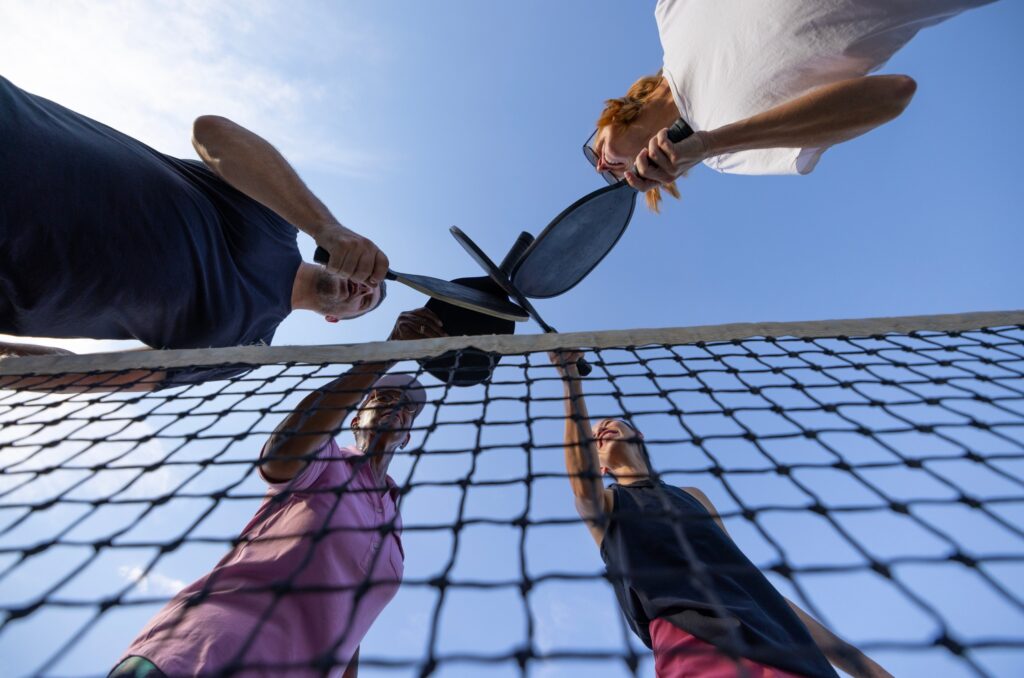
Learn basic court etiquette. Simple habits such as calling the score clearly, retrieving stray balls safely, and communicating with partners help games run smoothly. These small practices contribute to a positive environment that encourages both friendly competition and good sportsmanship.
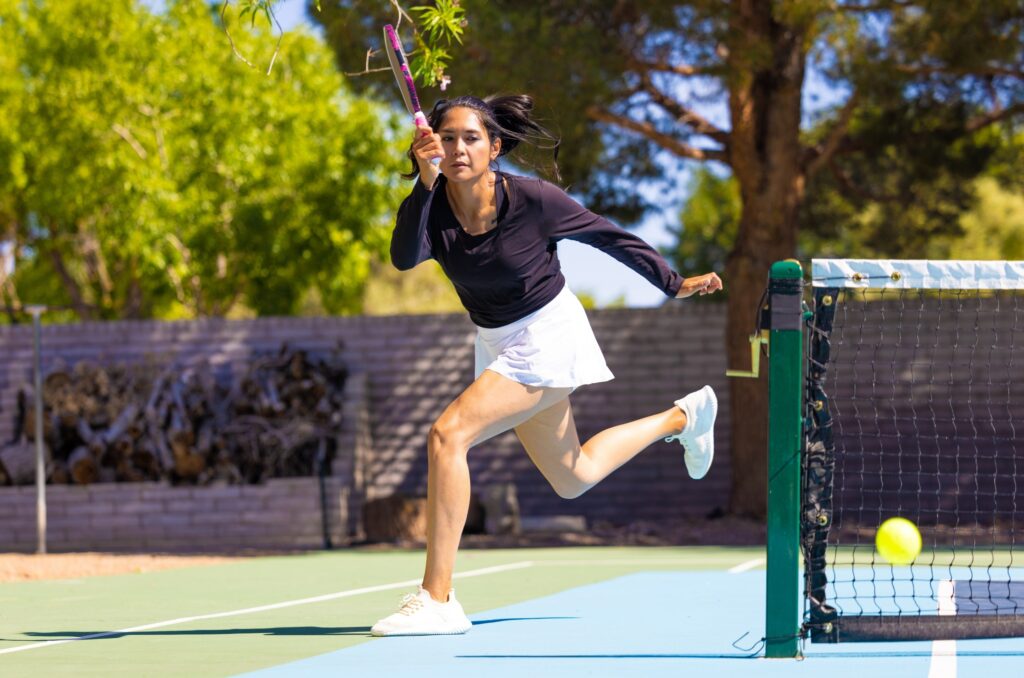
Wear appropriate court shoes. Pickleball involves frequent side to side movement, quick stops, and changes in direction. Shoes designed for court sports provide better grip and lateral support than running shoes, which are typically made for forward motion. Proper footwear can help reduce the chance of slipping or twisting an ankle during play.
Warm up before playing. A few minutes of light movement can help prepare the body for the pace of the game. Gentle stretching, short walks around the court, or a few easy practice rallies can loosen the shoulders, legs, and ankles before full play begins.
Start at a comfortable pace. New players sometimes try to match the speed of more experienced players too quickly.
Beginning with relaxed games and shorter sessions allows the body to adjust to the movement patterns of the sport. As comfort and stamina improve, players can gradually increase the length and intensity of their games.
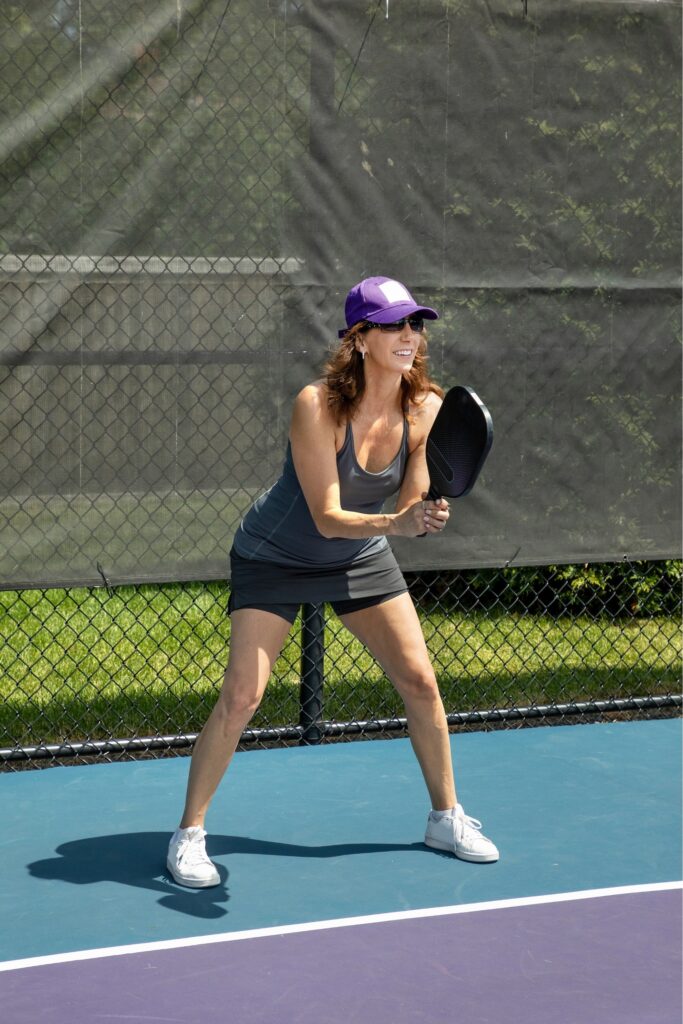
Focus on control rather than power. Many new players benefit from concentrating on consistent paddle control and ball placement rather than trying to hit the ball with maximum force.
Controlled shots often lead to longer rallies and a more enjoyable experience for everyone on the court.
Stay aware of court surroundings. Pickleball courts are often located close together, especially during open play sessions. Being mindful of nearby games, loose balls, and other players moving around the court helps prevent accidental collisions or interruptions.
Hydrate and take breaks when needed. Even though the court is smaller than other sports courts, rallies and repeated movement can still lead to fatigue. Drinking water and stepping off the court for short breaks during longer sessions can help maintain energy and focus.
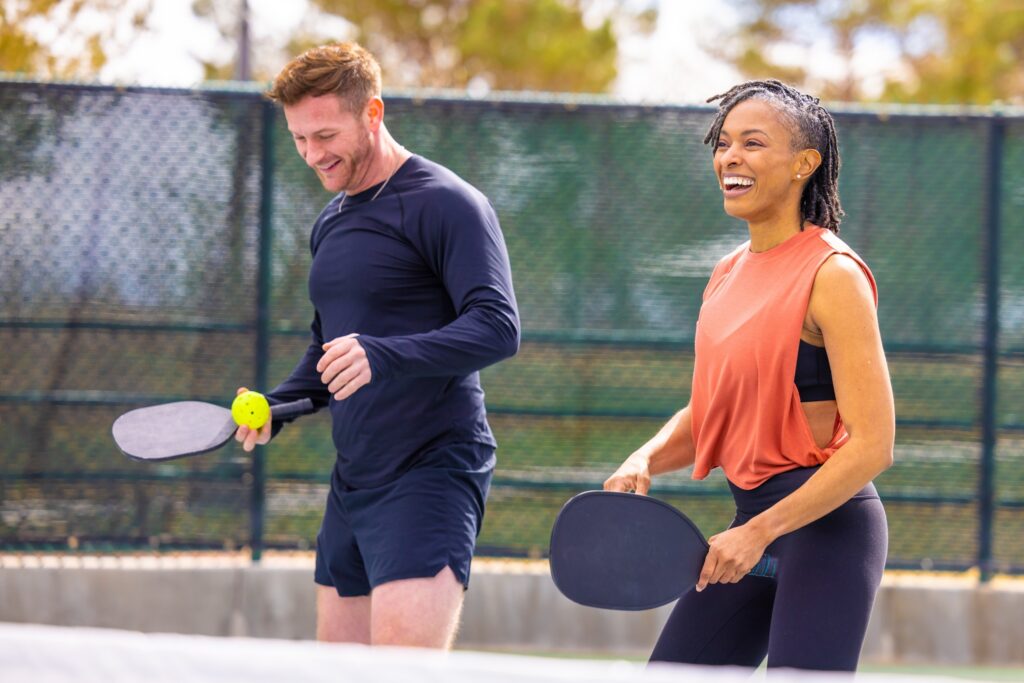
With a little preparation and awareness, most people find that pickleball is an activity that can be enjoyed comfortably while still offering movement, challenge, and social interaction.
Final Thoughts
Pickleball is one of those activities that can feel simple at first, then gradually become something you genuinely look forward to. It gives you movement, focus, and a reason to engage with other people, all in a format that feels approachable and easy to return to.
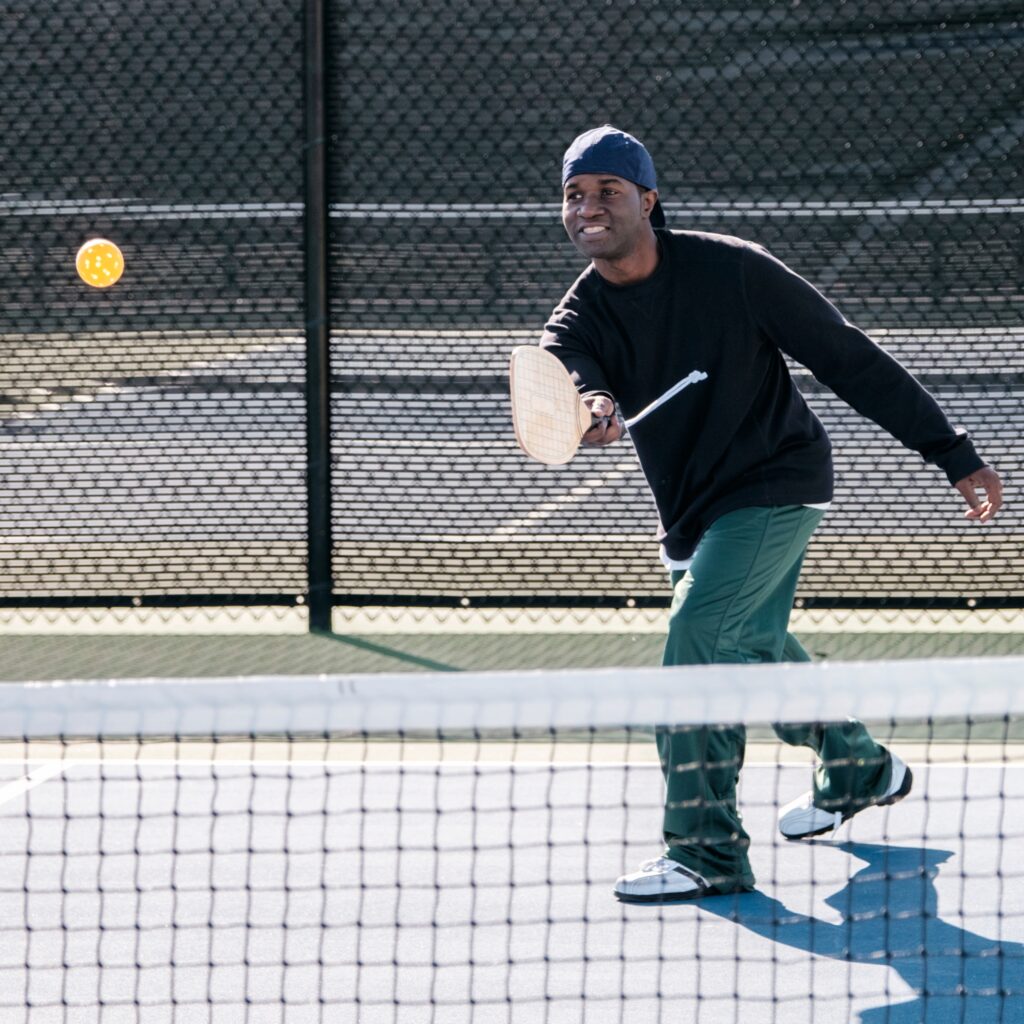
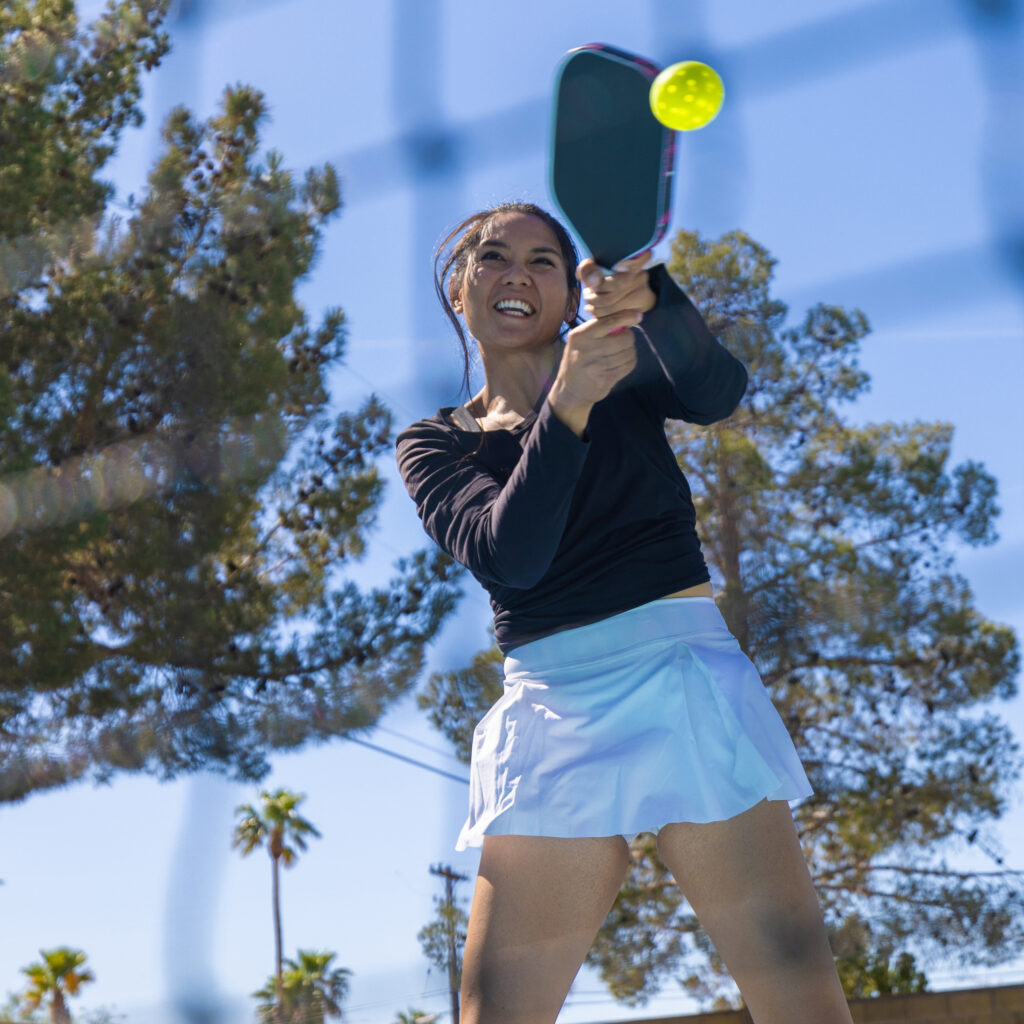
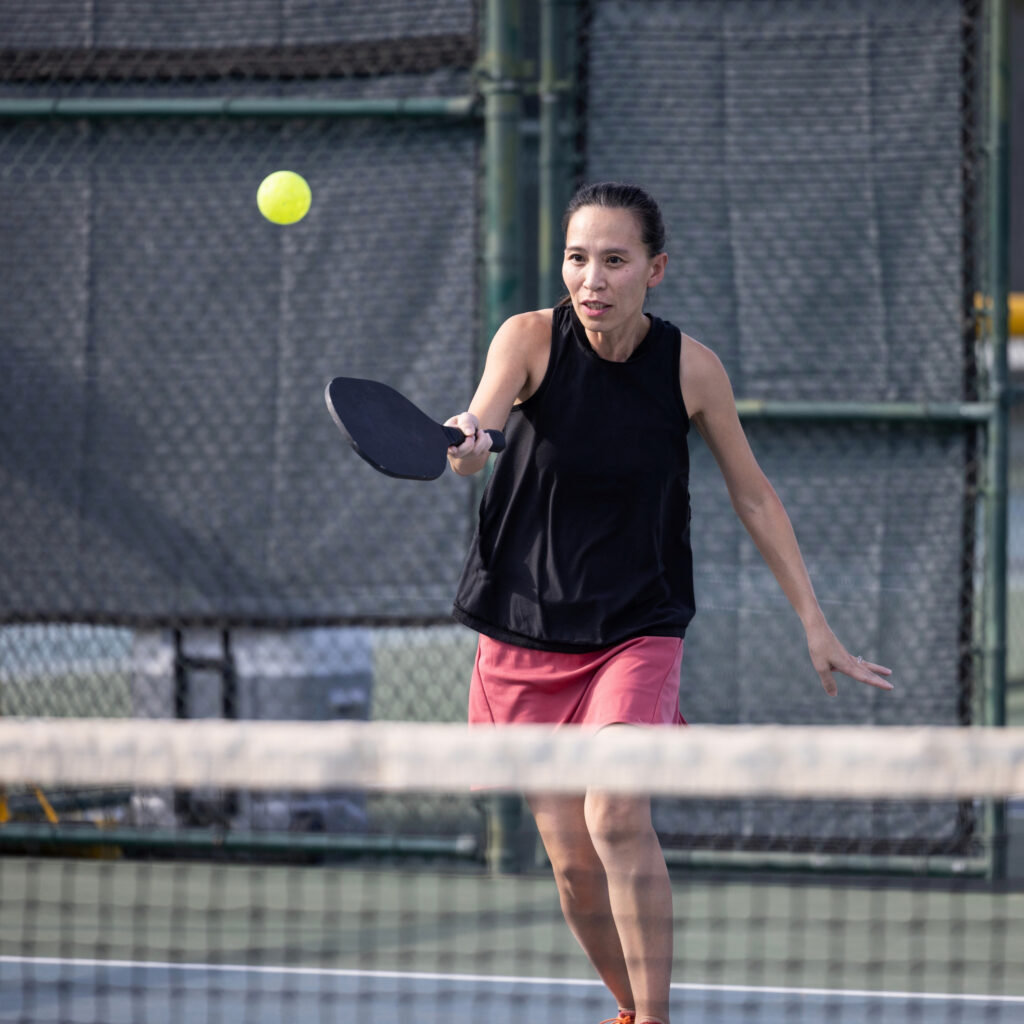
Whether you’re looking for a new hobby, a social outlet, or just a different way to be active, pickleball offers a practical place to start.
Have you tried pickleball yet, or is it something you have been curious about?
Leave a Reply