Welcome to Saturday Sparks! This week, we’re stepping onto the court with Basketball, a fast moving activity built on rhythm, awareness, and steady motion. Whether you are practicing shots on your own, joining a casual pick up game, or playing as part of a team, basketball offers an engaging way to spend time in movement while enjoying a familiar and widely loved sport.
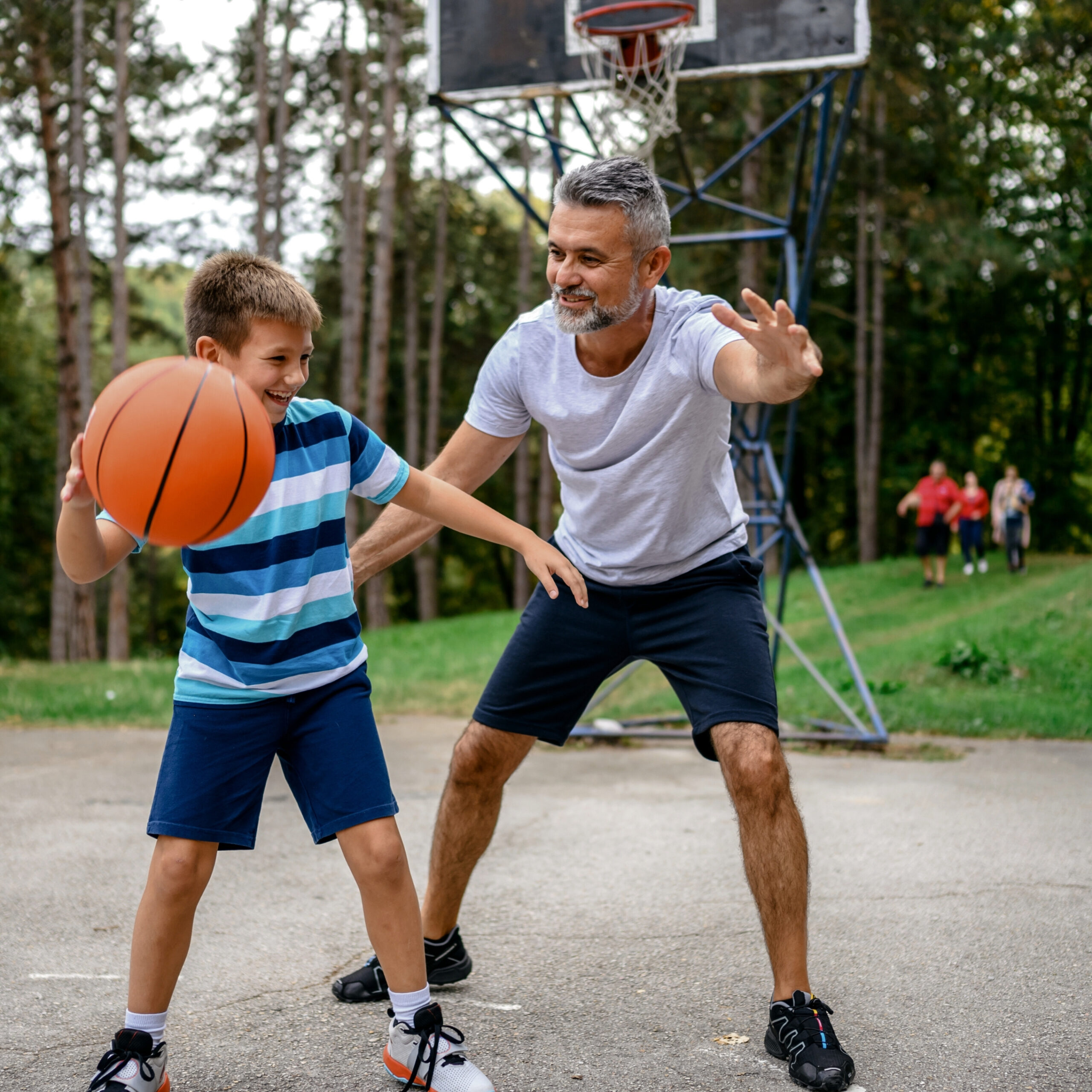
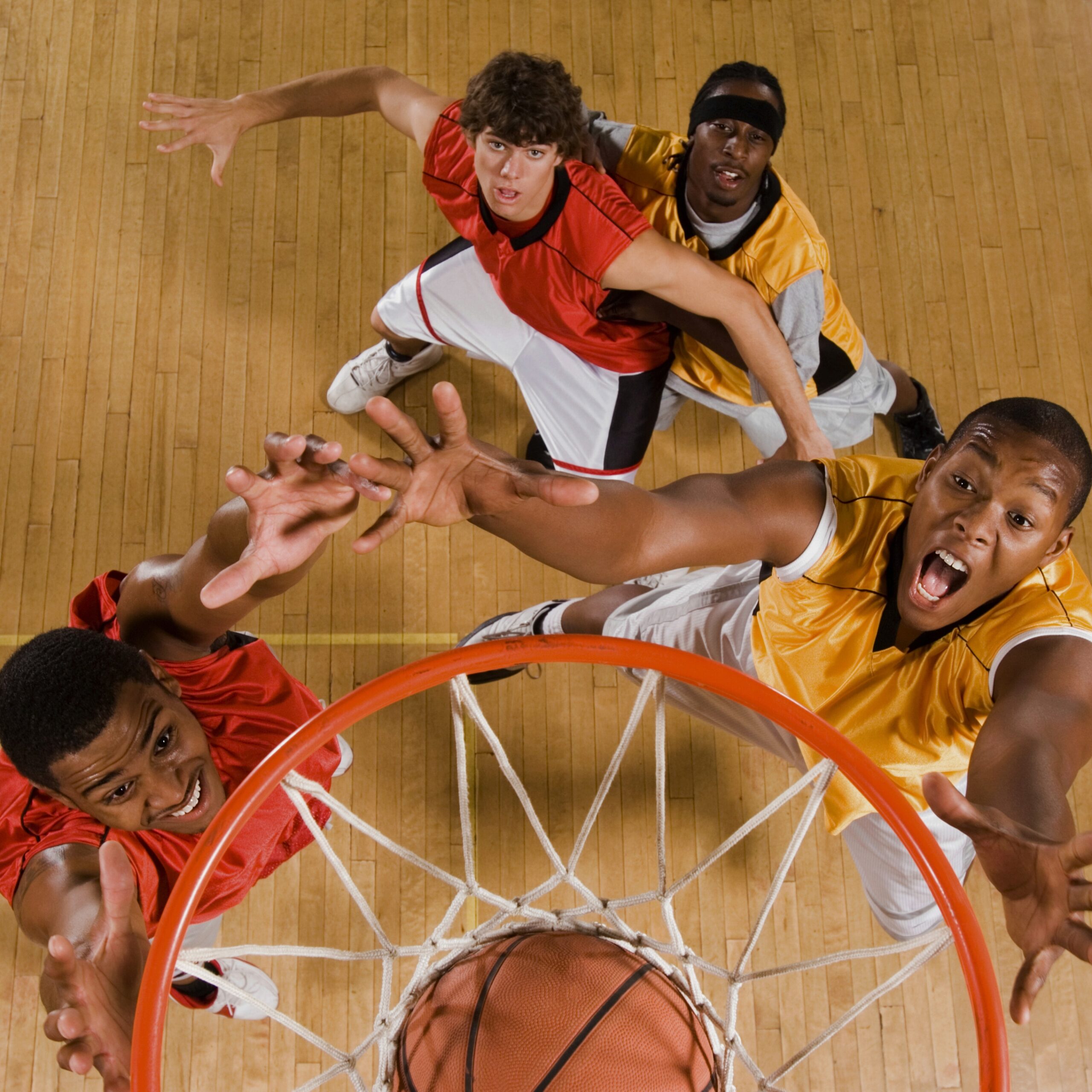
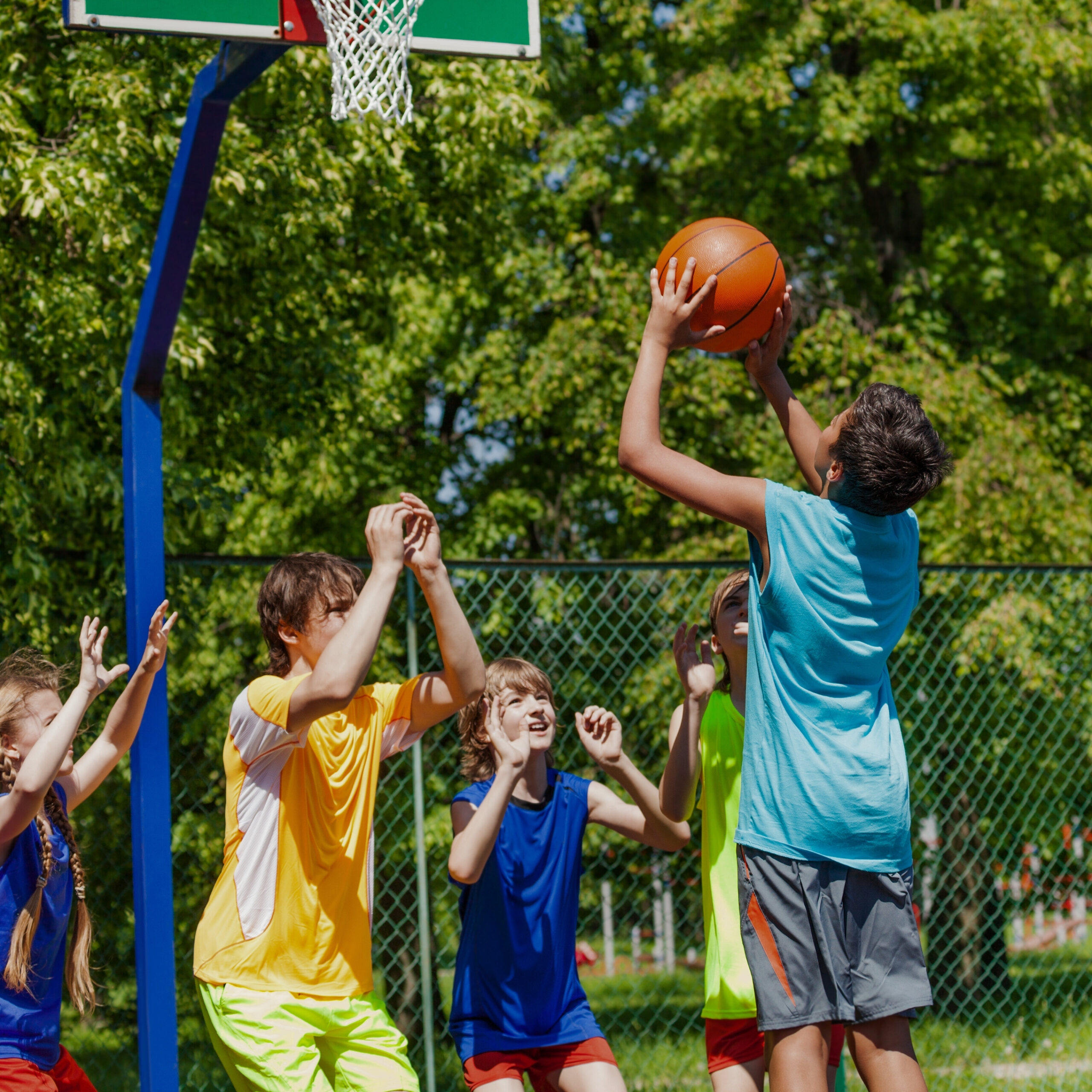
Basketball has a unique way of blending individual focus with shared energy. The sound of the ball against the pavement, the steady bounce while dribbling, and the quick shifts in direction all create a pace that keeps both body and mind involved. It is a sport that can be as relaxed or as competitive as you choose, fitting easily into parks, gyms, driveways, and community courts.
Because it requires minimal equipment and can be played in many settings, basketball is an accessible activity for people of different ages and experience levels. At its heart, it is simply about movement, timing, and the enjoyment of being active in a way that feels natural and energizing.
Basketball Description
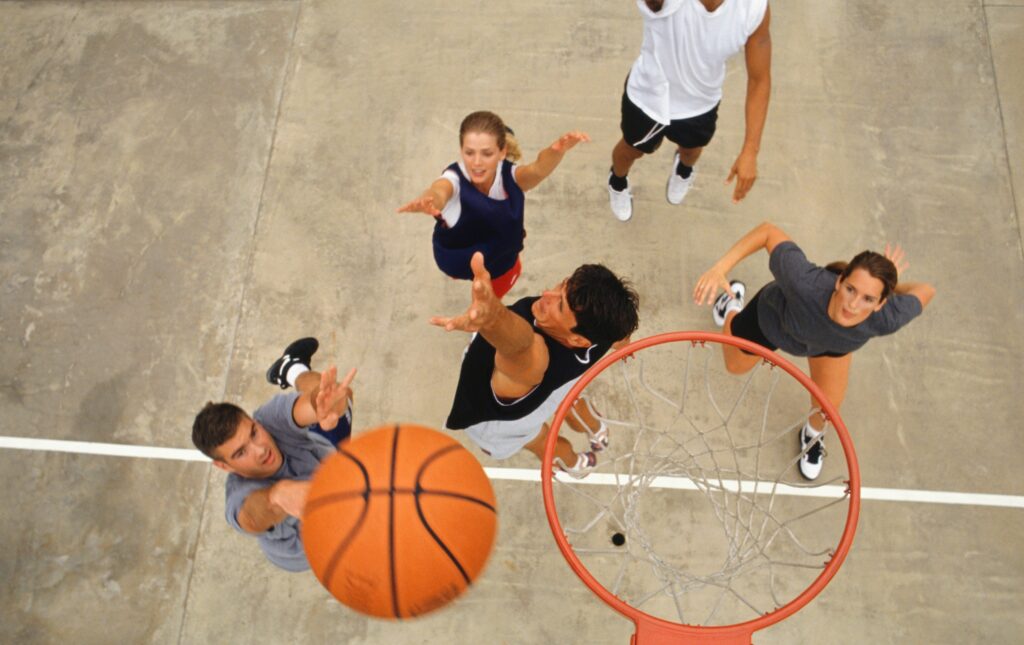
Basketball is a court based sport played between two teams who move a ball by dribbling and passing with the goal of shooting it through a raised hoop. While the objective is simple, the movement involved is varied and continuous. Players change direction quickly, adjust their pace, and remain aware of both teammates and opponents as the game flows up and down the court.
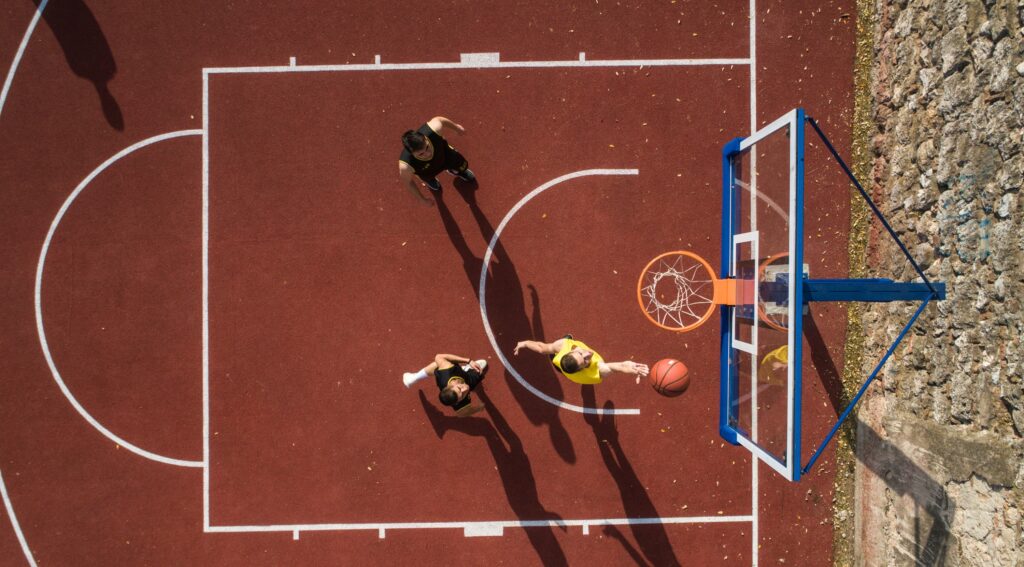
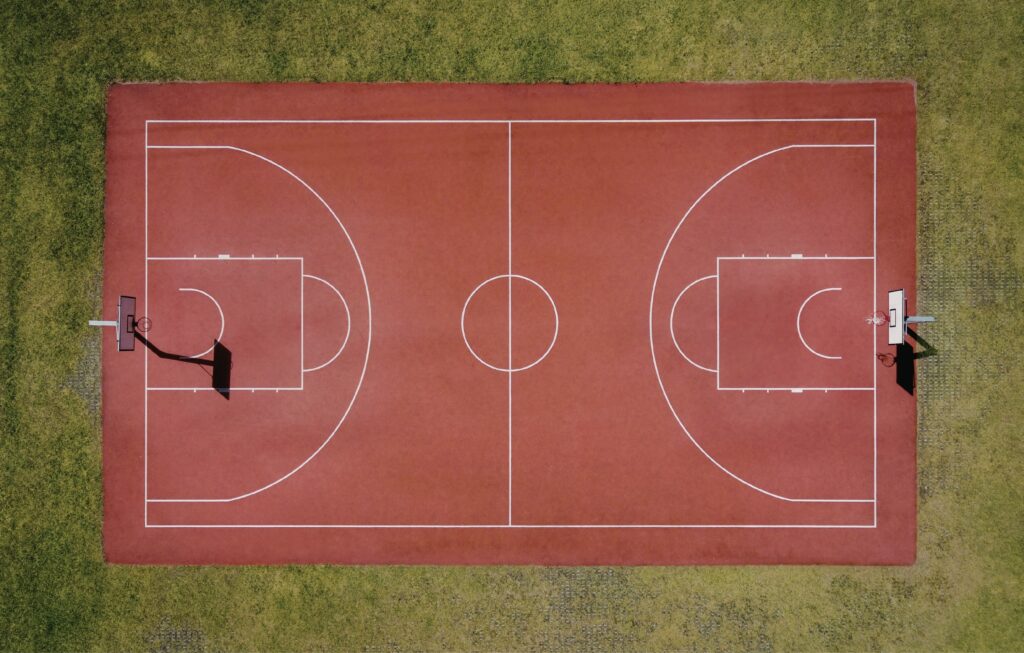
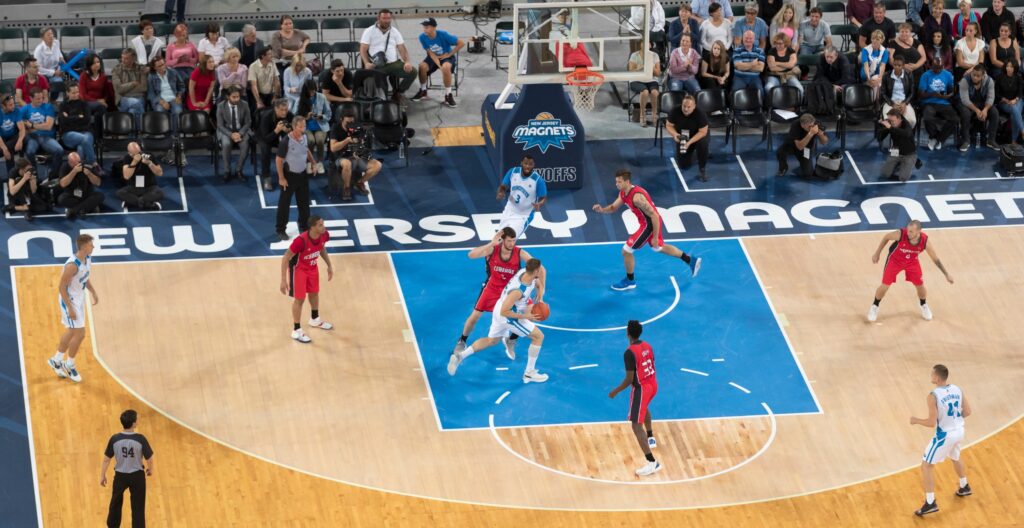
The court itself is clearly marked to guide play, with boundary lines, a center circle, free throw lanes, and a three point arc that influences shooting strategy. Each of these markings shapes how players move and make decisions. The design of the space encourages constant motion, quick transitions, and thoughtful positioning.
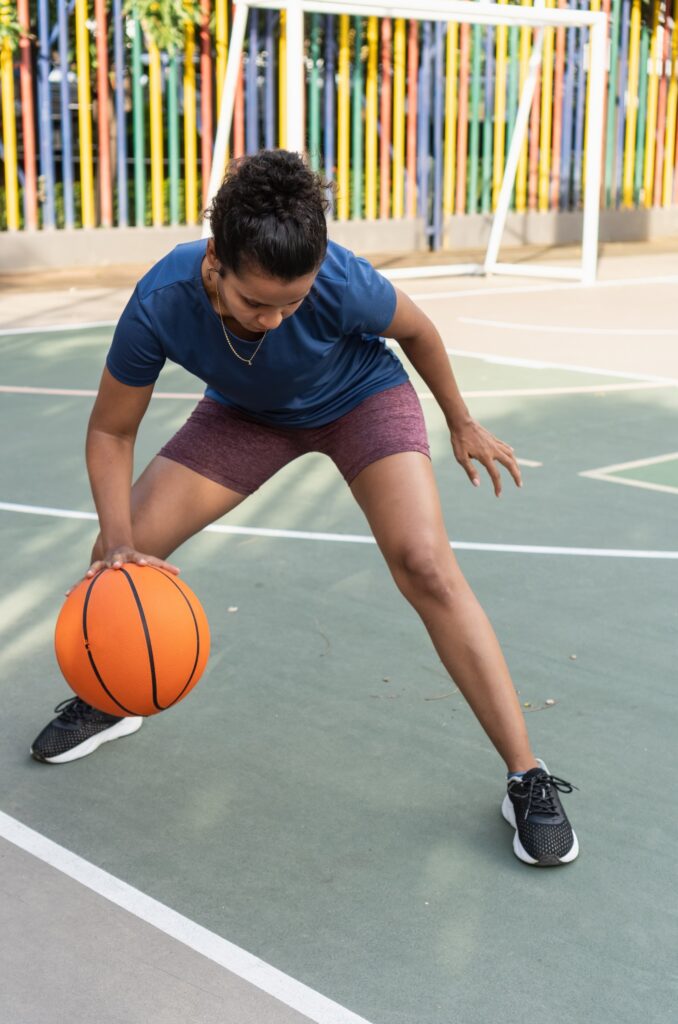
Basketball relies on a small set of foundational skills. Dribbling allows players to move with the ball while maintaining control. Passing creates opportunities for teamwork and shared movement. Shooting combines balance, timing, and coordination to guide the ball accurately toward the hoop. Rebounding and defensive positioning add another layer of awareness as players anticipate where the ball will travel next.
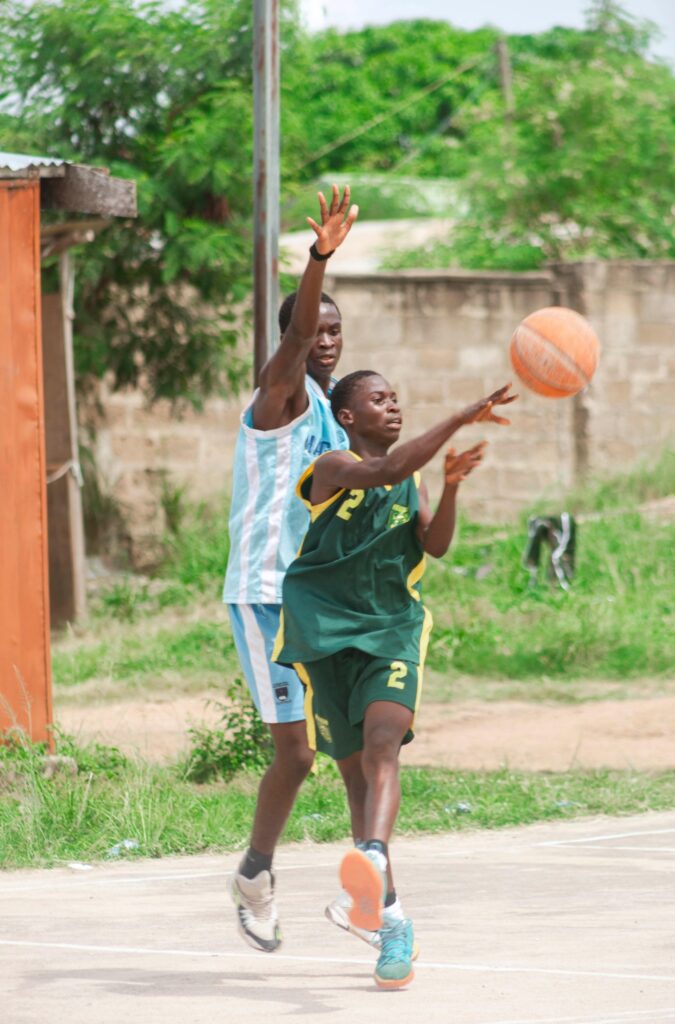
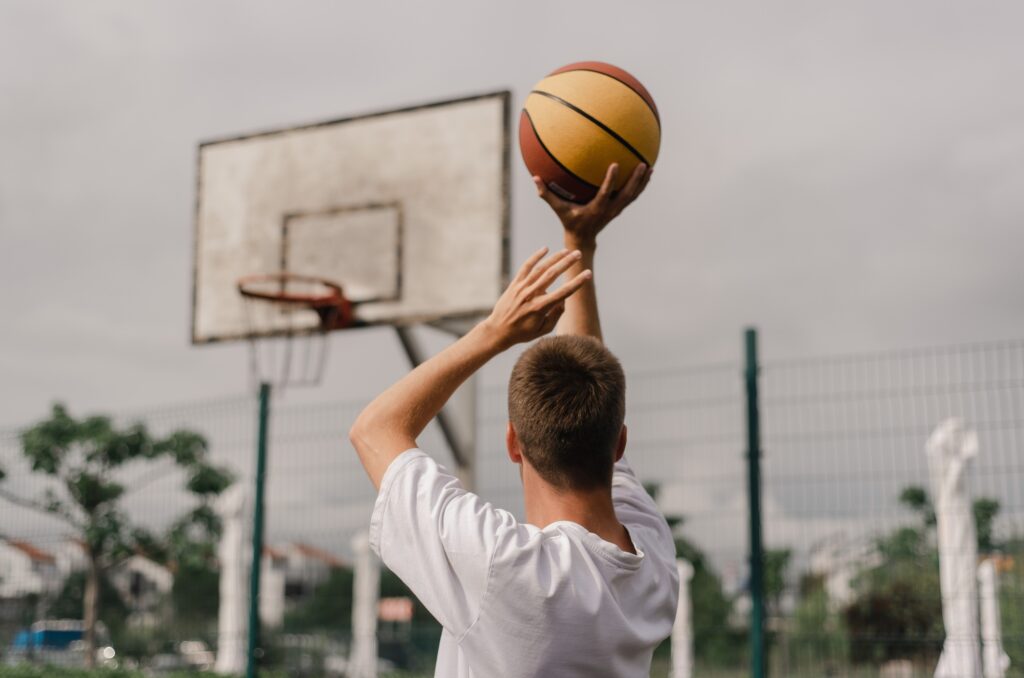
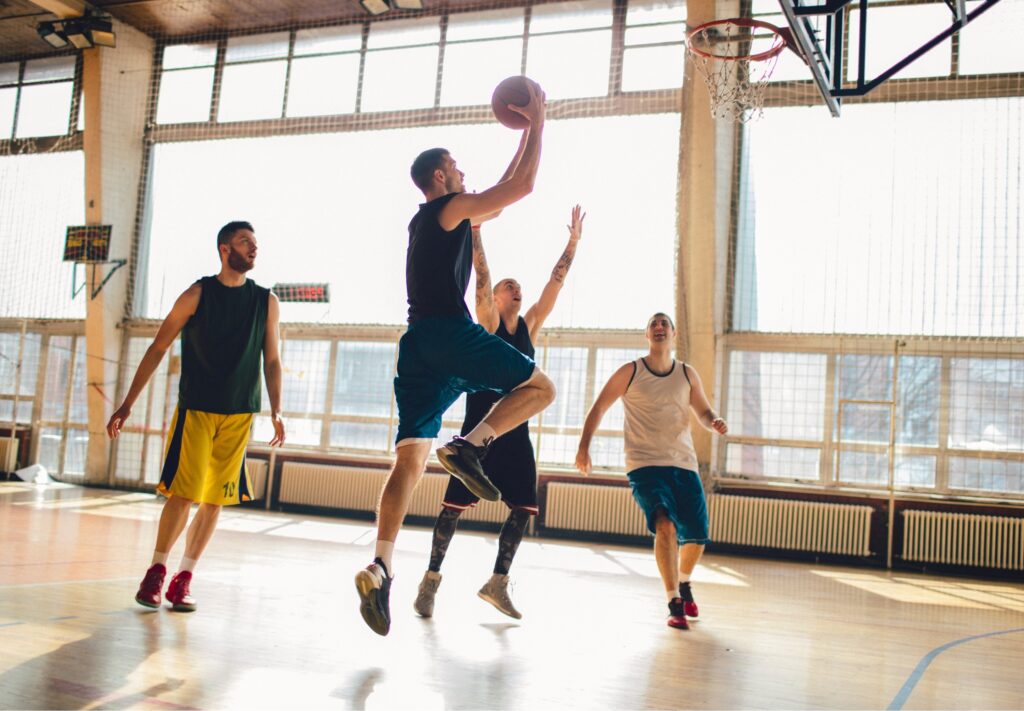
Unlike many sports that require large fields or specialized environments, basketball can be played almost anywhere a hoop and a flat surface exist. Outdoor courts, indoor gyms, schoolyards, and even driveways can become places to practice and play. This flexibility is part of what has made basketball one of the most widely played sports around the world.
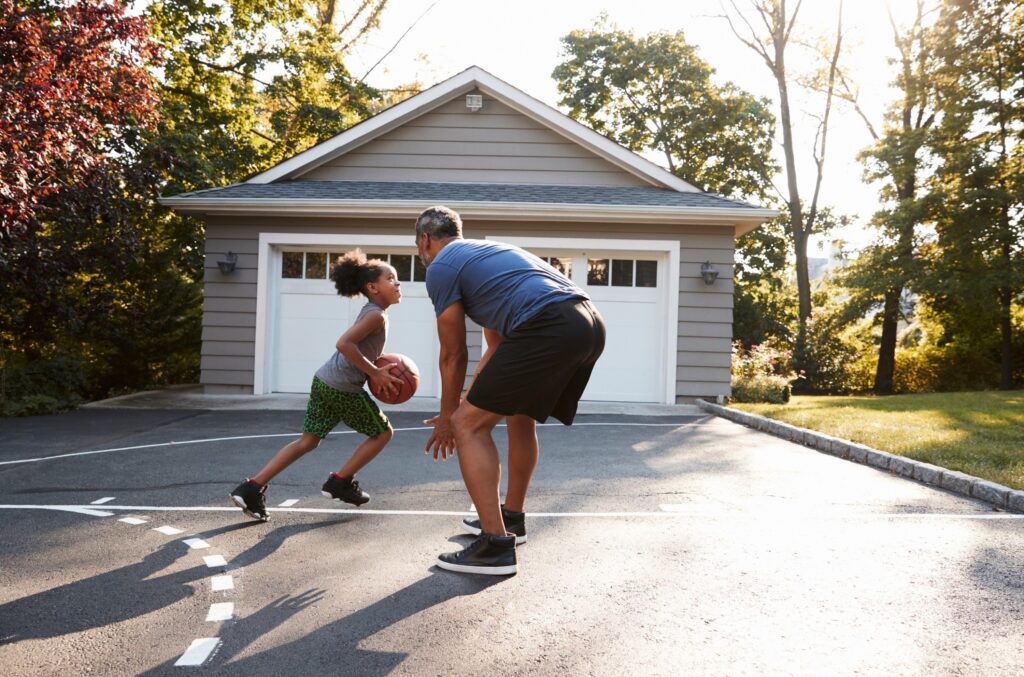
Because the game moves quickly and continuously, players remain mentally engaged as much as physically active. Reading the court, adjusting to the pace, and responding to the movement of others all contribute to the flow of the game. Whether played casually or competitively, basketball combines structured rules with dynamic motion in a way that feels both organized and energetic.
The Benefits of Basketball
Basketball provides a full body workout. Running up and down the court, jumping for rebounds, pivoting to change direction, and reacting quickly to the movement around you engage the legs, core, and upper body all at once. These varied motions not only build strength and coordination but also elevate the heart rate in a way that supports cardiovascular health and overall endurance throughout the game.
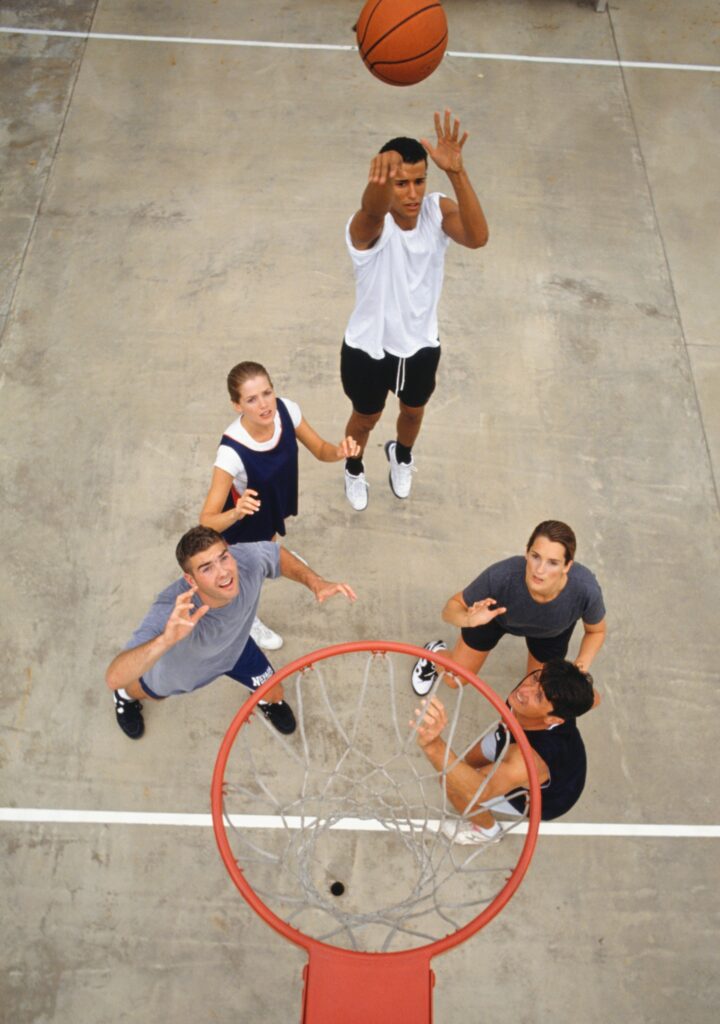
Hand eye coordination, balance, and agility improve through repetition. Dribbling, passing, and shooting all require precise timing and control, which naturally strengthens coordination and body awareness over time.
Basketball offers both social and independent play. You can join others for a game or practice entirely on your own, depending on your preference and schedule.
Basketball encourages teamwork and communication. Passing, positioning, and shared movement require players to pay attention to one another and anticipate how the group will move together. This constant awareness builds a natural sense of collaboration and connection, between players.
The game builds confidence through steady improvement. As shooting accuracy, ball control, and court awareness improve, players often feel a growing sense of comfort and self assurance in their abilities.
It sharpens focus and quick decision making. The pace of the game requires players to stay alert, read the court, and react quickly to changing situations, helping strengthen awareness and concentration.
It can be a calming solo activity. Practicing shots alone, repeating free throws, or dribbling quietly on an empty court can feel rhythmic and grounding while still keeping the body in motion.
Regular play helps relieve stress and clear the mind. Physical movement combined with focused attention on the game offers a healthy outlet for mental tension.
The rhythm of the game supports mindfulness. The sound of the ball, the steady motion, and the awareness of timing create a natural sense of presence in the moment.
Minimal equipment makes it a low cost activity. A ball and access to a hoop are often all that is needed to begin playing and enjoying the game.
It can be played indoors or outdoors in many seasons. This flexibility makes basketball an activity that fits easily into different environments and weather conditions.
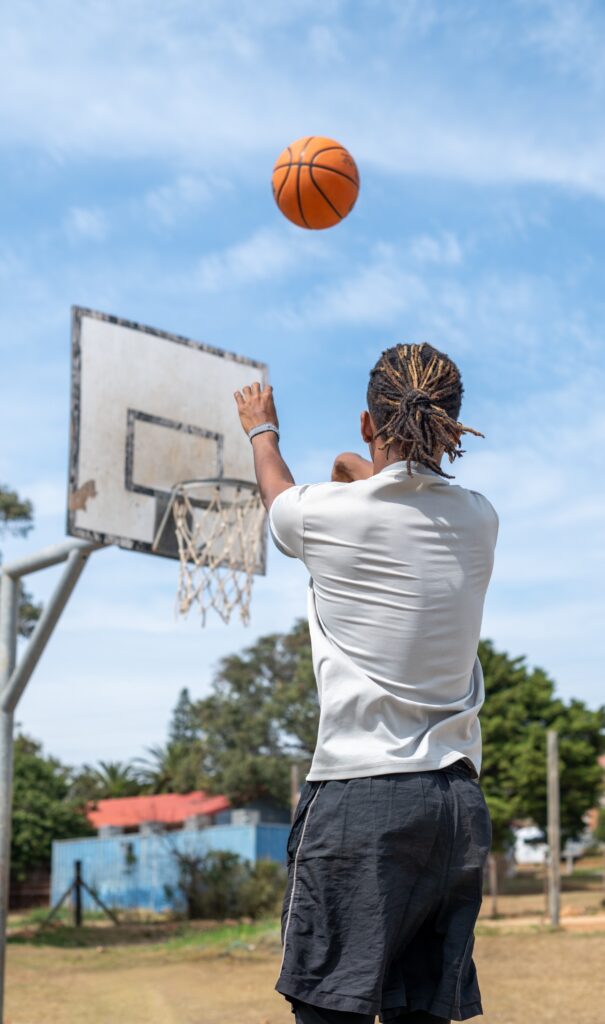
Basketball is accessible to many ages and skill levels. Beginners can learn the basics at their own pace, while more experienced players can challenge themselves with faster play and advanced techniques.
Getting Started
The easiest way to begin playing basketball is to find a nearby court. Parks, schools, and recreation centers often have hoops available for casual use. If you have space at home, you can install a hoop in your driveway or use a portable one for convenient practice.
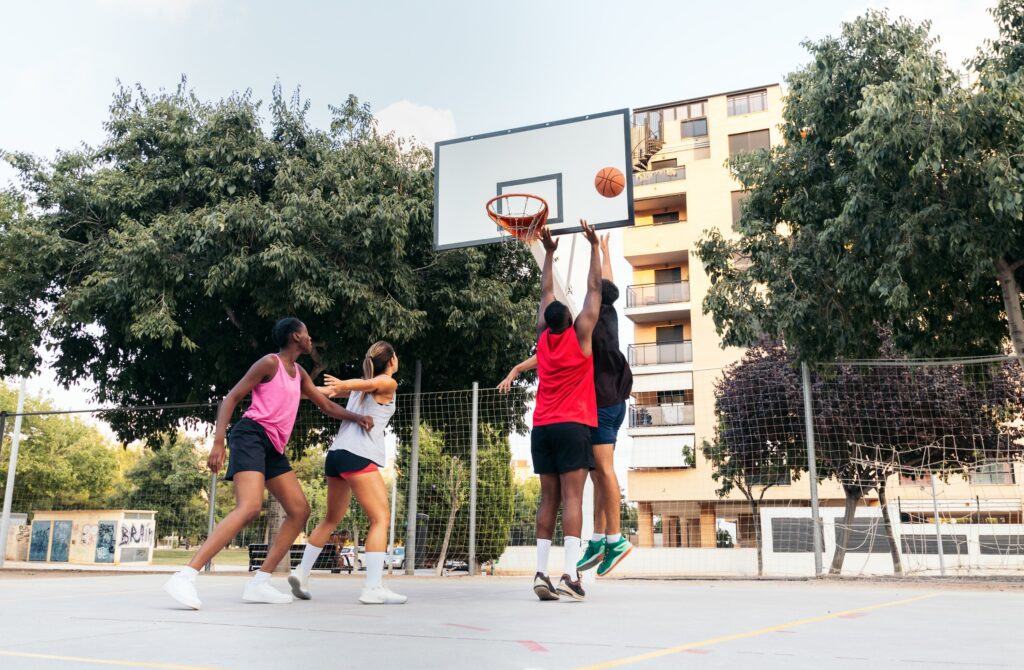
All you really need to begin is a basketball and a good pair of supportive tennis shoes with solid grip. Comfortable clothing that allows you to move freely will make practice and play more enjoyable.
Start by practicing the fundamentals on your own. Spend time dribbling, passing the ball against a wall, and shooting from different spots on the court. This solo practice helps you build comfort with the ball and develop a natural rhythm before joining others for a game.
As you gain confidence, invite friends or family for a casual pick up game. Playing with others introduces teamwork, movement, and a better sense of how the game flows in real time. These informal games are a great way to learn without pressure.
If you would like more structure, look into local recreational leagues, community programs, or open gym times at recreation centers. Many organizations offer programs for both youth and adults, making it easy to find a level of play that matches your experience.
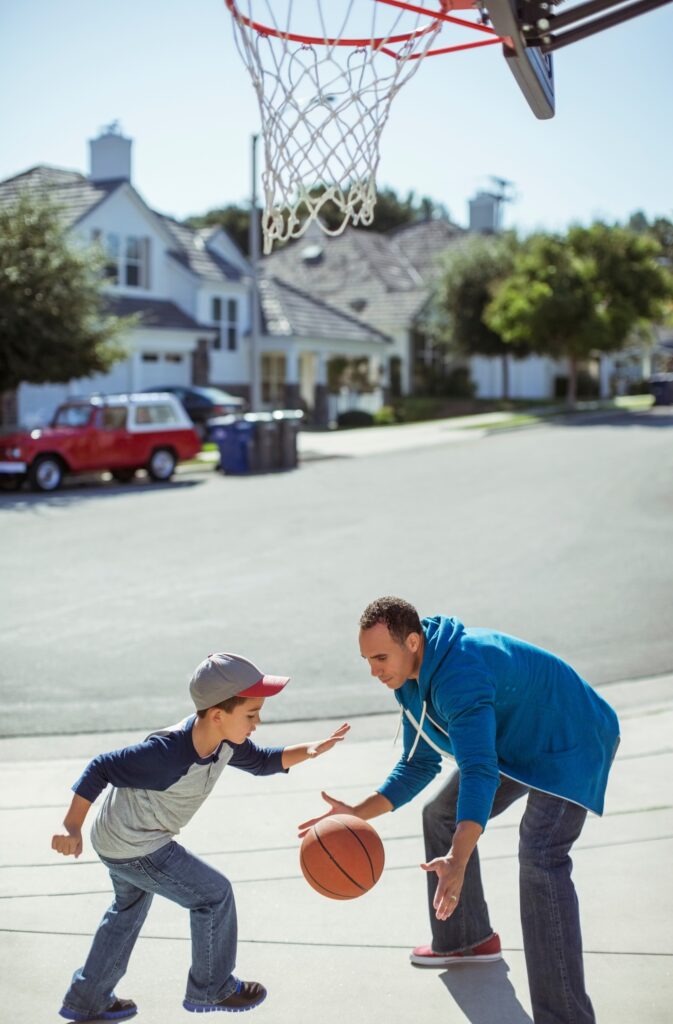
Basketball is learned through repetition. The more time you spend dribbling, shooting, and moving on the court, the more natural the game will begin to feel.
Resources
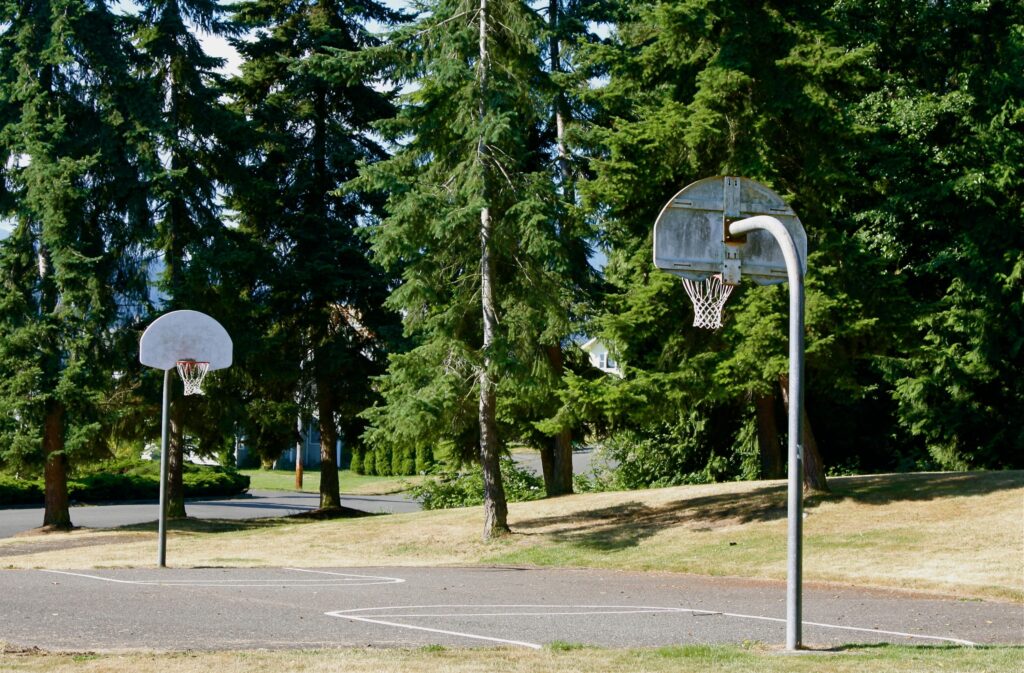
Finding places to play basketball is often easier than expected. Local parks, schools, and community recreation centers frequently have outdoor and indoor courts available for public use. Many recreation departments also post open gym schedules and court availability on their websites.
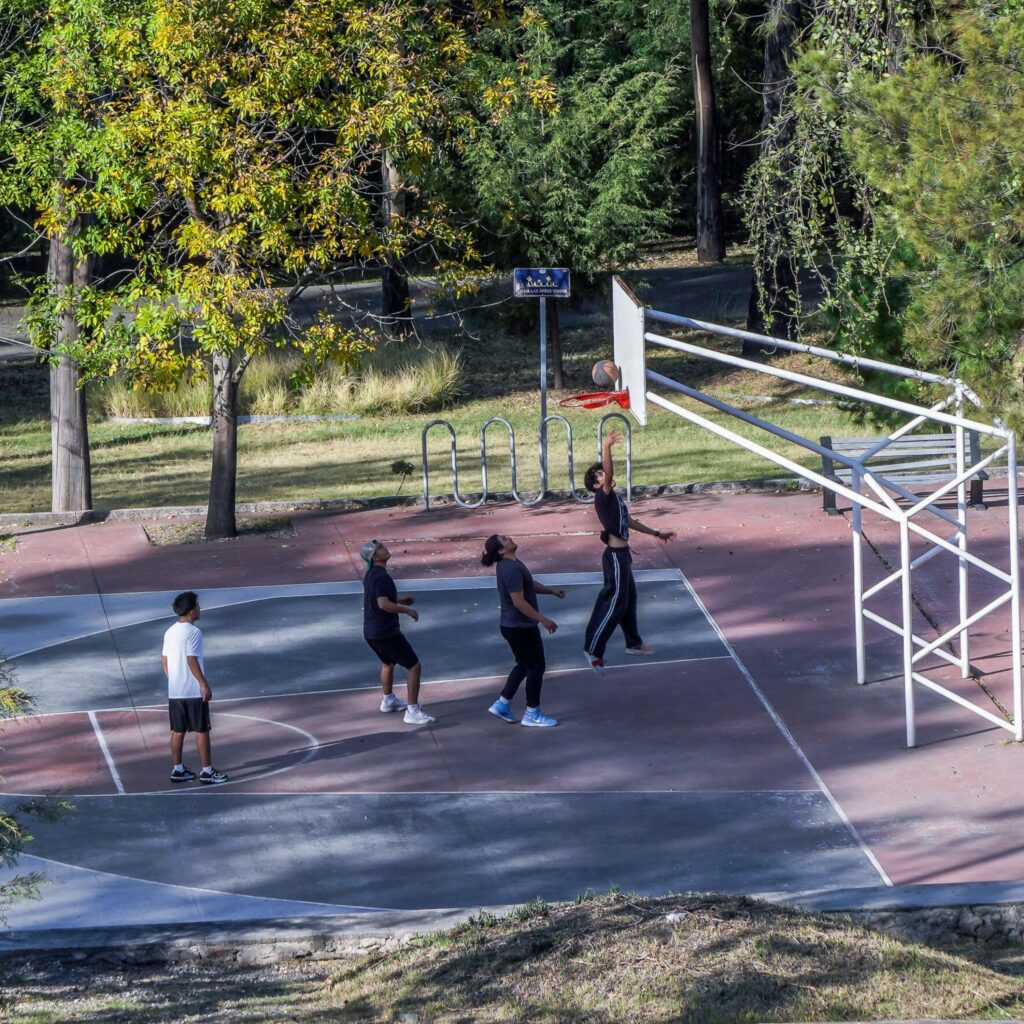
Recreational leagues and community programs are great options for those who want regular play and a bit more structure. Organizations such as local city leagues, YMCAs, and youth sports programs often offer basketball opportunities for both children and adults at various skill levels.
If you are looking to improve your skills, online tutorials and video platforms provide free drills, practice routines, and technique guidance for dribbling, shooting, and footwork. These resources allow you to practice at your own pace and revisit fundamentals as often as needed.
Sporting goods stores and online retailers carry basketballs, supportive shoes, and portable hoops for home use. Staff at these stores can often help you choose the right ball size and footwear based on age and level of play.
Community bulletin boards, neighborhood social media groups, and local event listings are helpful for finding pick-up games, clinics, and basketball camps in your area. These informal gatherings are often welcoming to new players and provide a relaxed way to join in.
Safety and Tips
Warming up before playing helps prepare your muscles and joints for the quick movements basketball requires. Light jogging, leg swings, and gentle stretches can reduce the risk of strains and make the first few minutes on the court feel more comfortable.
Wearing supportive athletic shoes with good grip is important for stability.
Basketball involves sudden stops, pivots, and jumps, so proper footwear helps protect your ankles and provides traction on both indoor and outdoor surfaces.
Be mindful of the court surface. Outdoor courts may have cracks, debris, or uneven areas, while indoor floors can become slippery with dust or moisture. Taking a quick look around before playing helps prevent avoidable slips or trips.
Stay hydrated, especially when playing outdoors or during longer sessions.
Even moderate play can lead to fatigue if you are not drinking enough water throughout your time on the court.
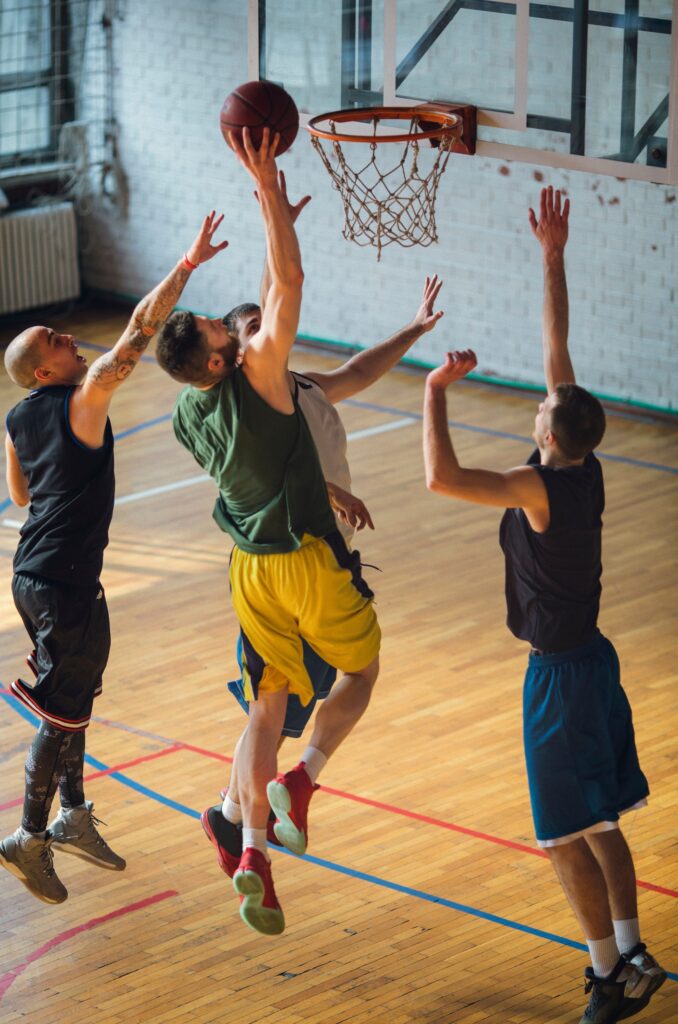
Pay attention to how your body feels as you play. If you begin to feel overly tired, lightheaded, or sore, take a break. Resting when needed helps prevent overexertion and supports steady improvement over time.
Cooling down after playing with light stretching and slower movement helps your muscles recover. This small step can reduce stiffness and make your next time on the court feel more comfortable.
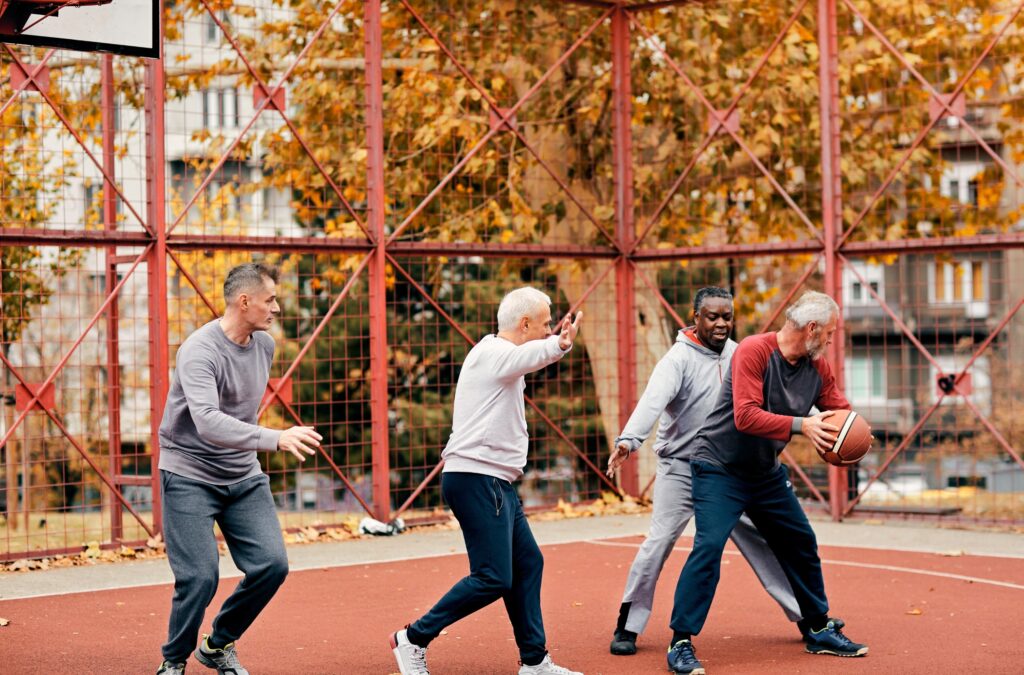
Finally, keep the experience enjoyable. Basketball is meant to be active and engaging, not exhausting or stressful. Playing within your comfort level and gradually building your skills helps maintain both safety and enjoyment.
Final Thoughts
Basketball has a way of bringing movement, focus, and enjoyment together in a simple and familiar setting. A ball, a hoop, and a little time on the court can turn into an experience that feels energizing, social, and satisfying all at once.
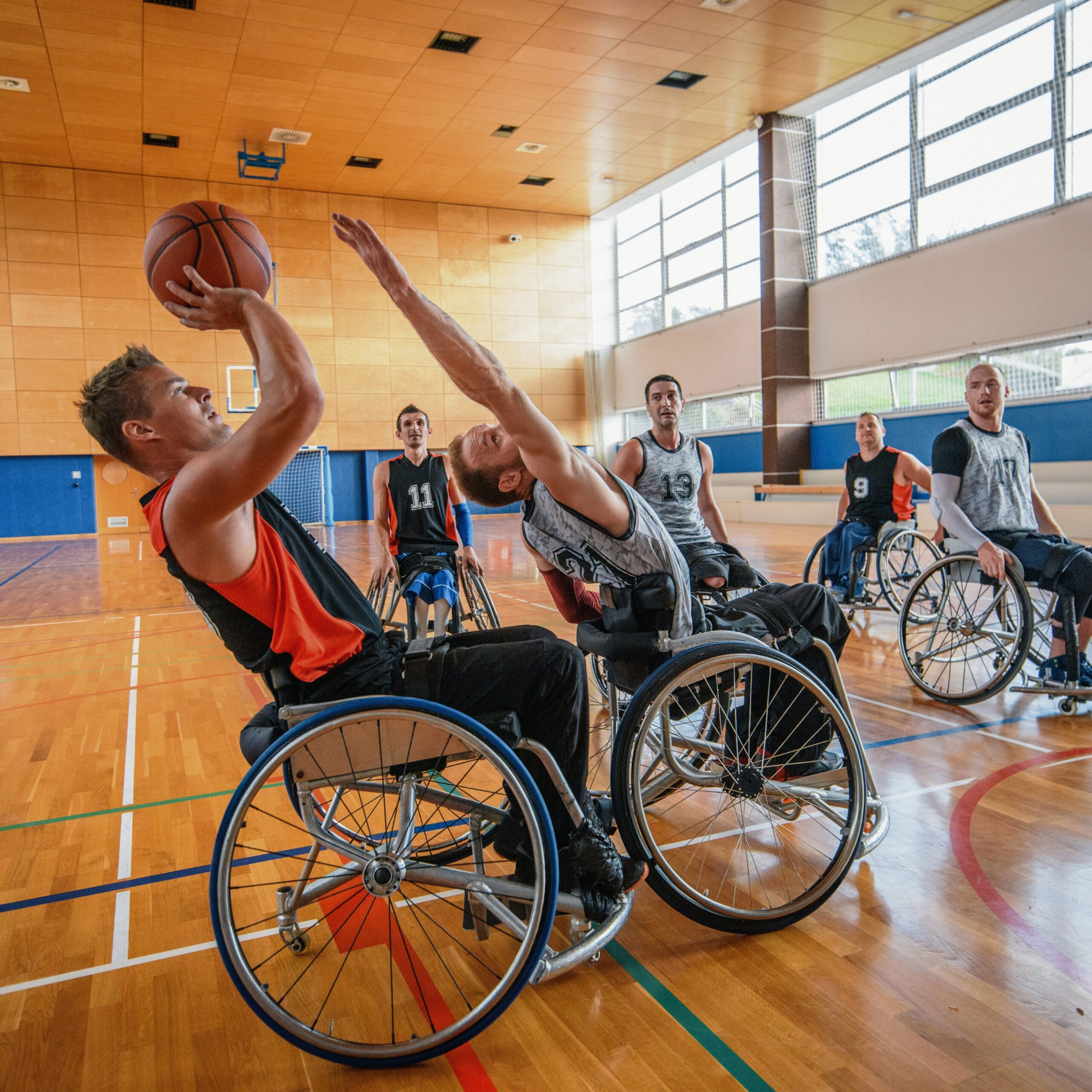
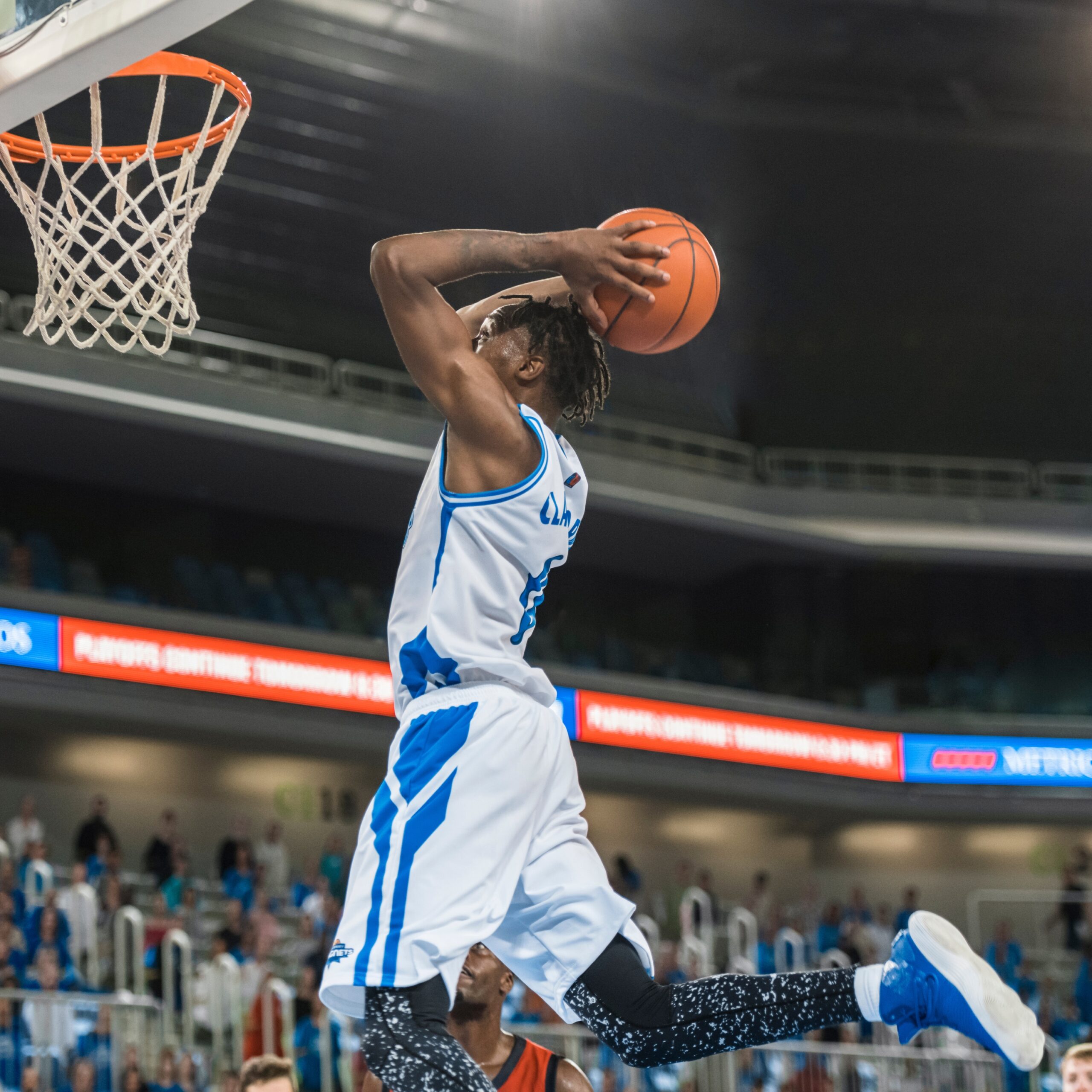
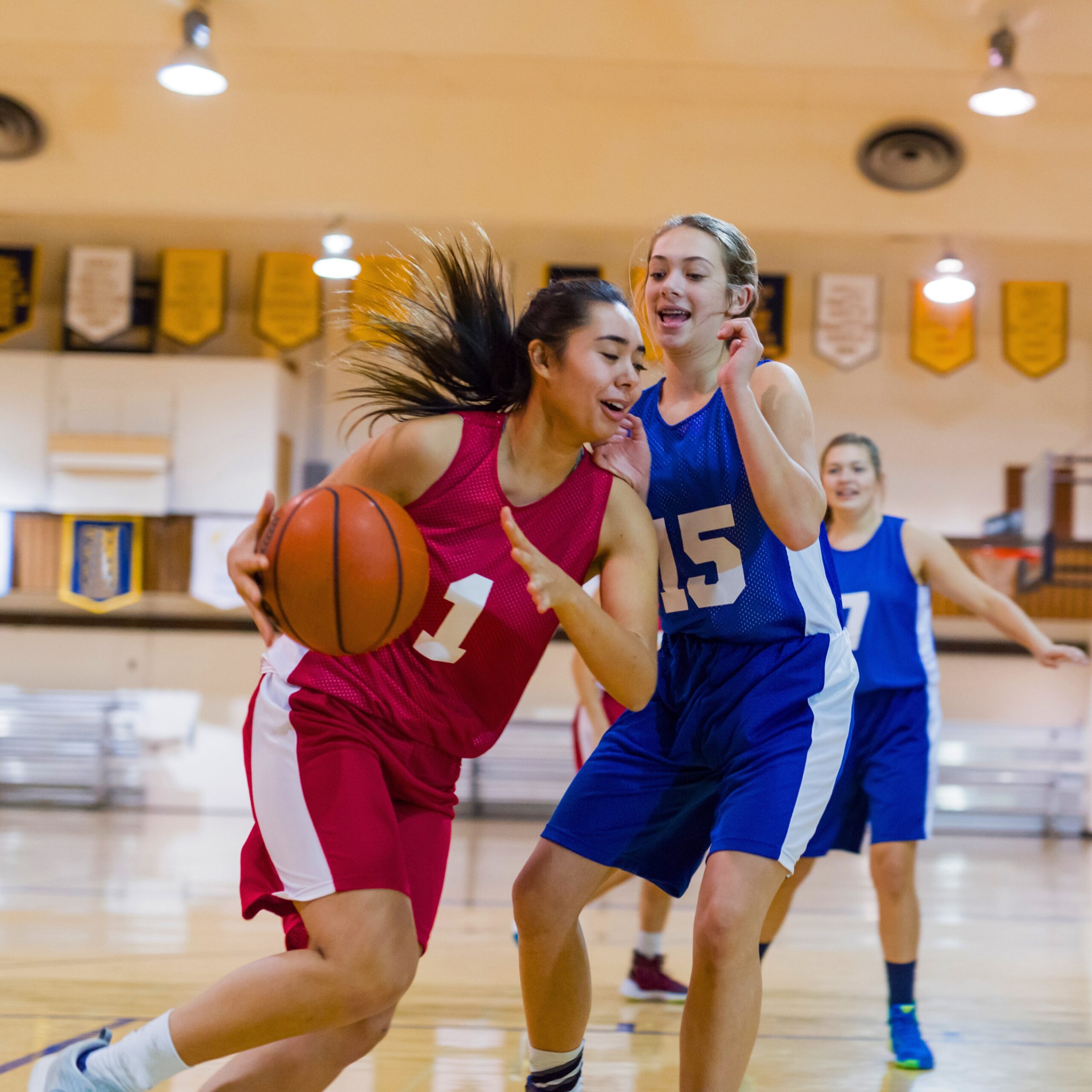
Whether you practice on your own, meet friends for a casual game, or join a local league, basketball offers a steady way to stay active while enjoying the rhythm of play. Each visit to the court is an opportunity to move, improve, and reconnect with the simple fun of the game.
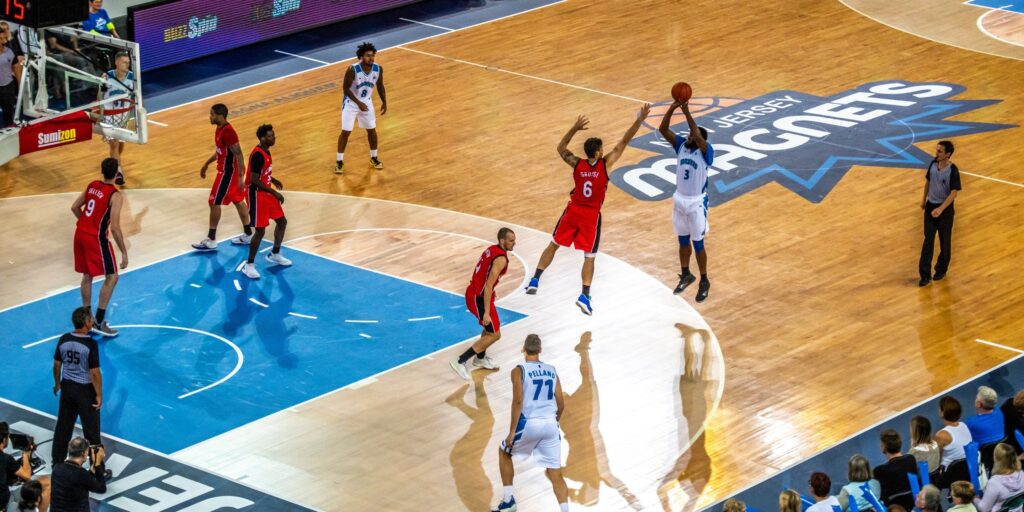
Do you enjoy playing basketball, or is it something you have been meaning to try? Share your thoughts or favorite court memories in the comments below.
Leave a Reply