Welcome to Saturday Sparks! This week, we’re exploring the timeless, expressive and deeply rewarding world of Piano. It is an instrument that invites you to slow down, sit with intention, and create something tangible through sound. Whether played softly in a quiet room or confidently in a shared space, it offers a balance of focus and creativity.
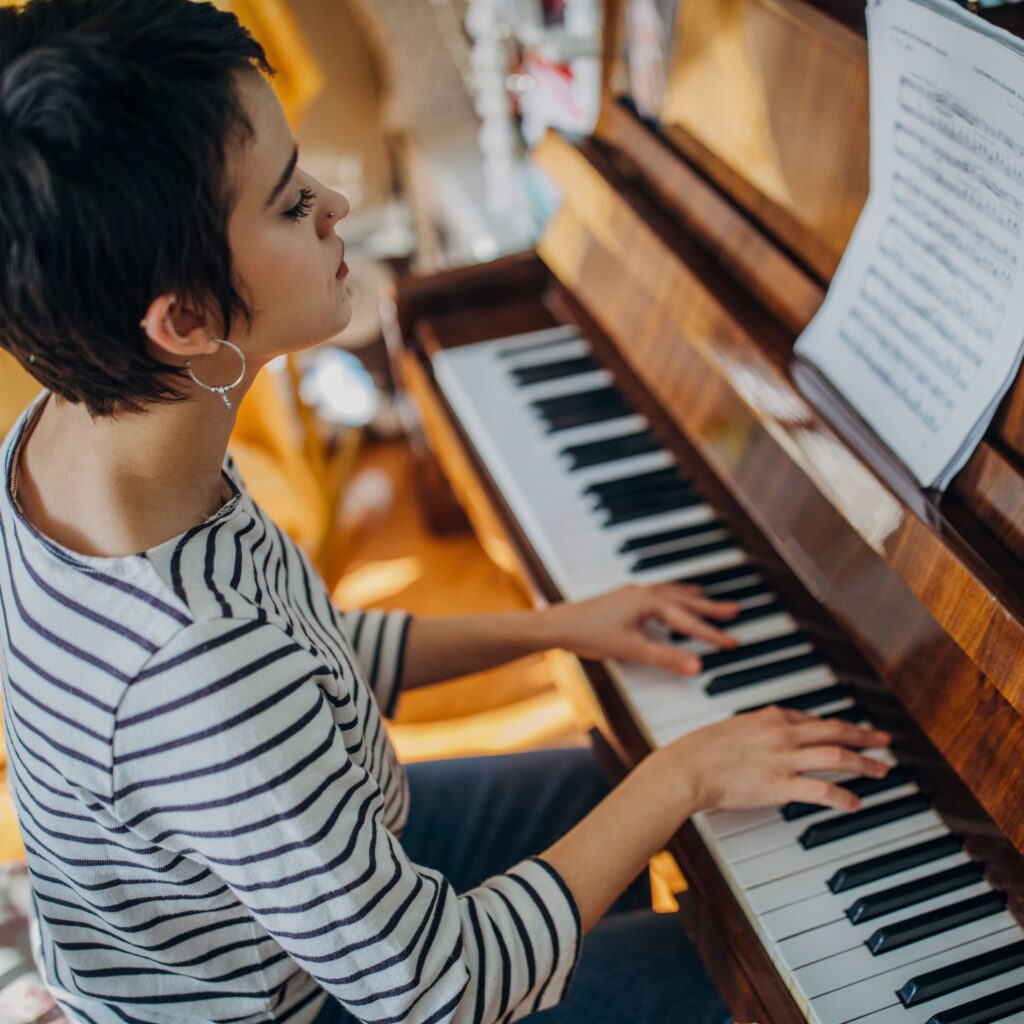
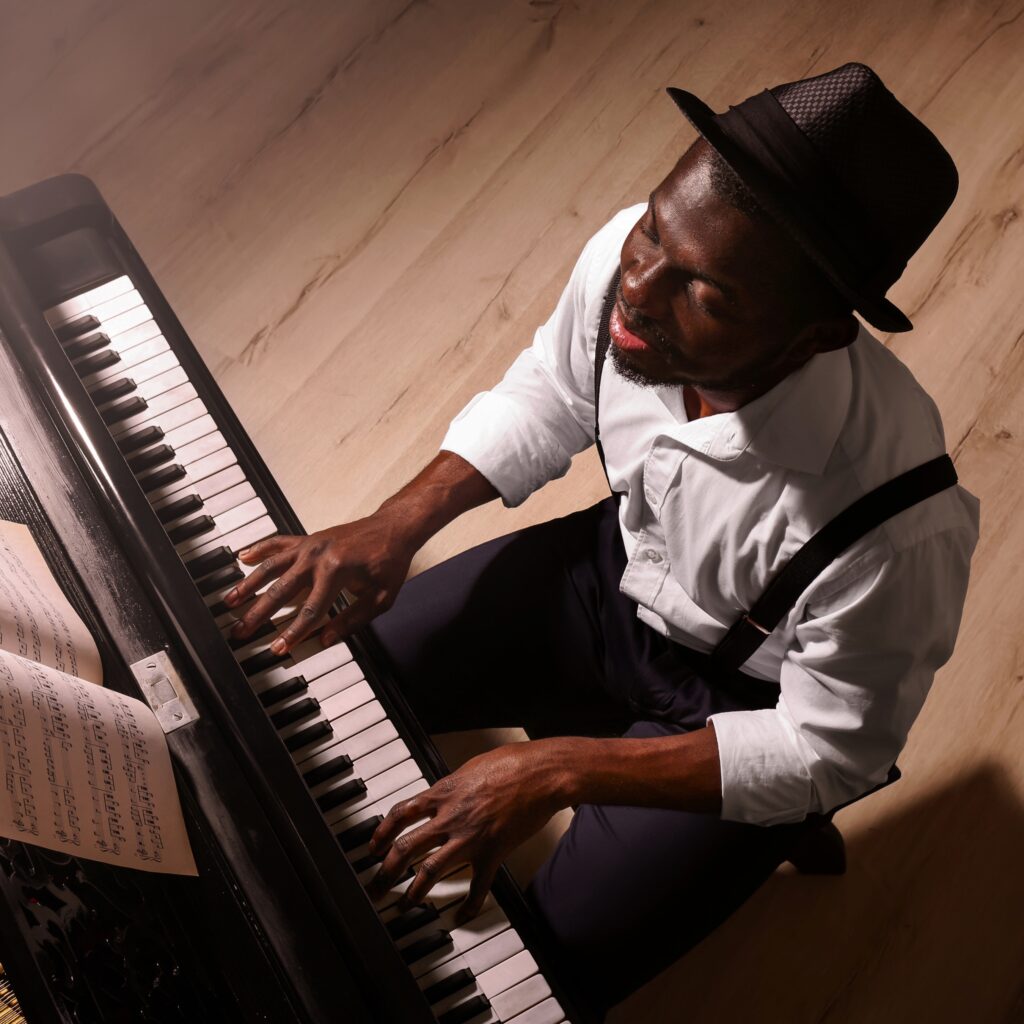
For generations, the piano has lived in living rooms and classrooms, an instrument people gather around naturally. Its voice can be gentle or bold, simple or layered, depending on how you play it. That flexibility is part of its appeal. It adjusts to you.
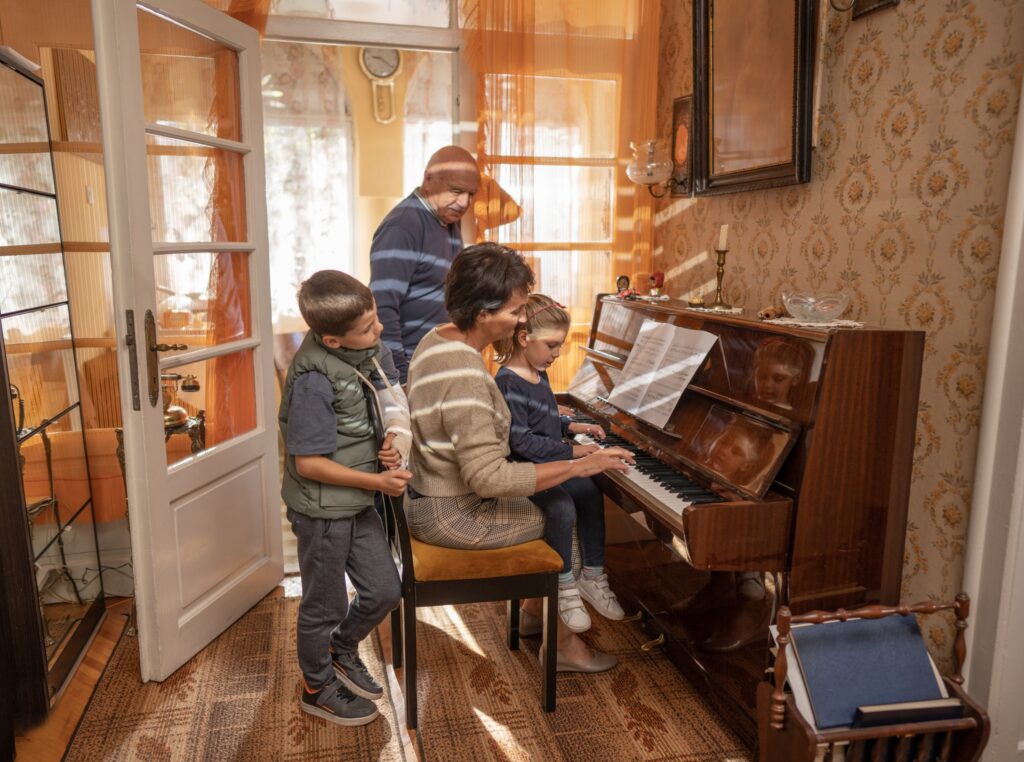
What makes piano such a compelling hobby is how naturally it begins. One hand can carry a melody. Add the other, and you start building harmony and depth. With consistent practice, small efforts turn into music that feels personal and satisfying to create.

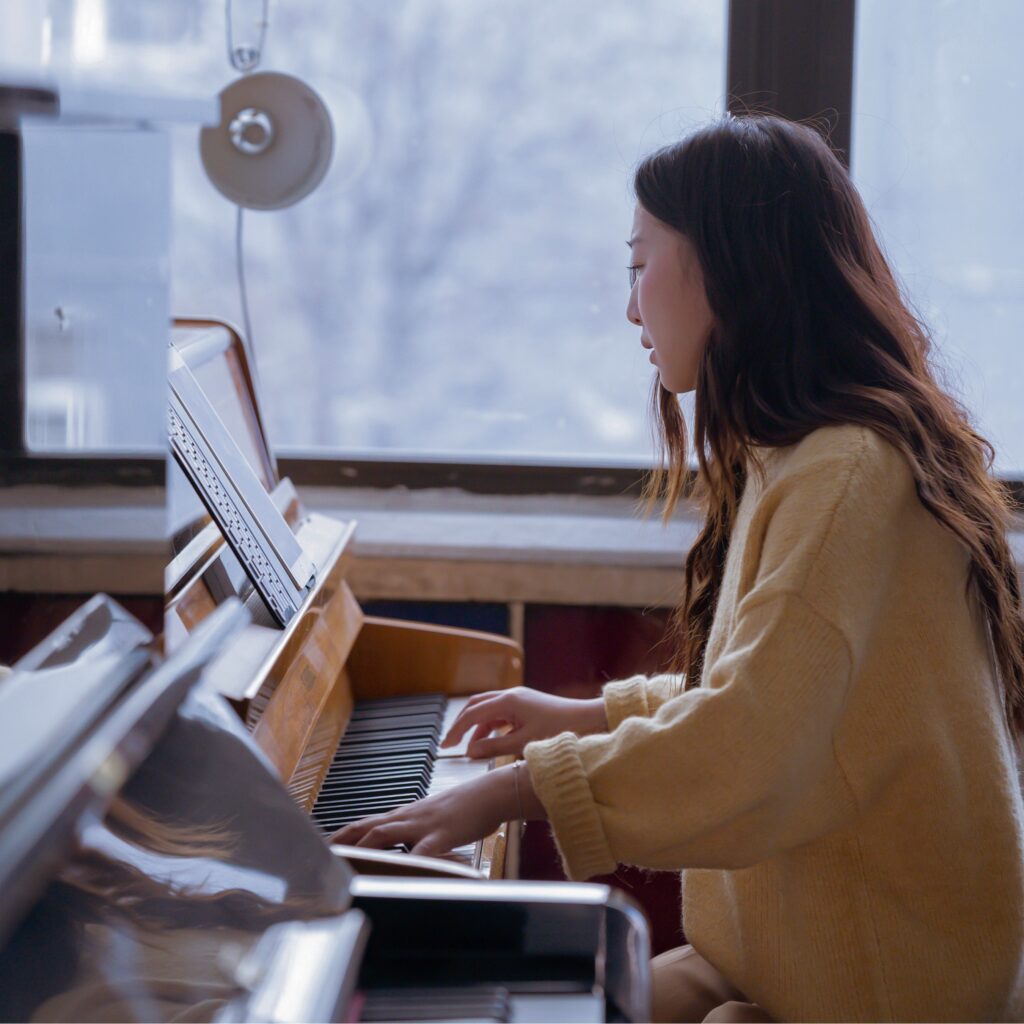
There is also something grounding about sitting at the keys. Your posture settles. Your hands find their place. Your focus shifts to rhythm, timing, and sound. In a world that rewards constant multitasking, that kind of focused engagement feels steady and clear.
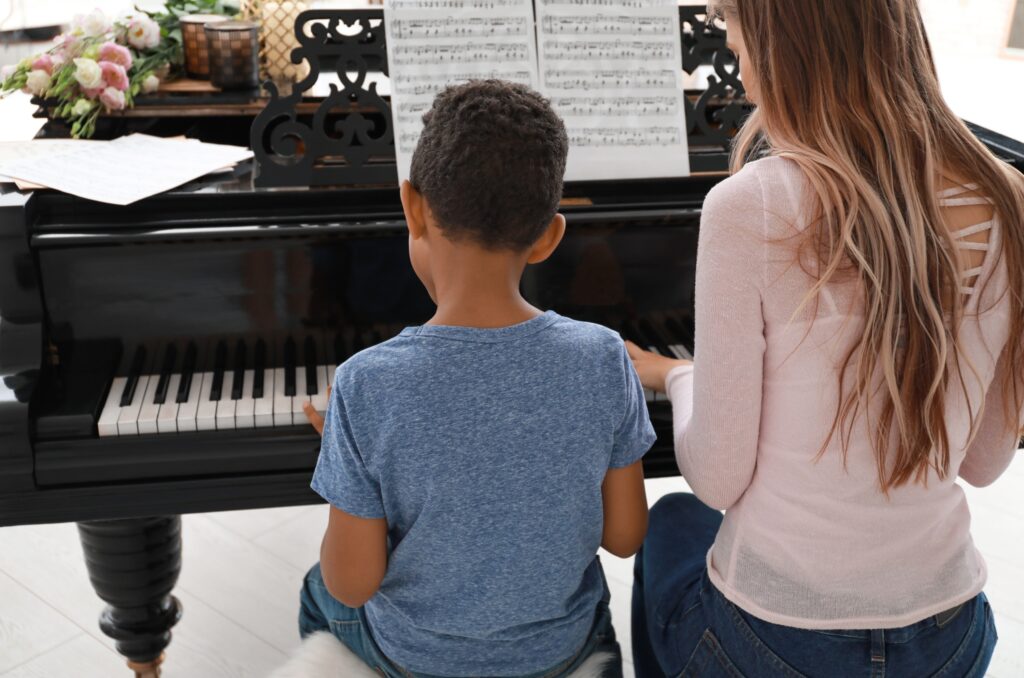
If you have ever been curious about learning an instrument, or you want a hobby that blends creativity with structure and visible progress, piano offers a practical place to begin.
What is Piano
Piano is a musical instrument played by pressing keys that activate hammers striking strings inside the instrument. The player uses both hands, often performing different patterns simultaneously, which creates harmony and depth.
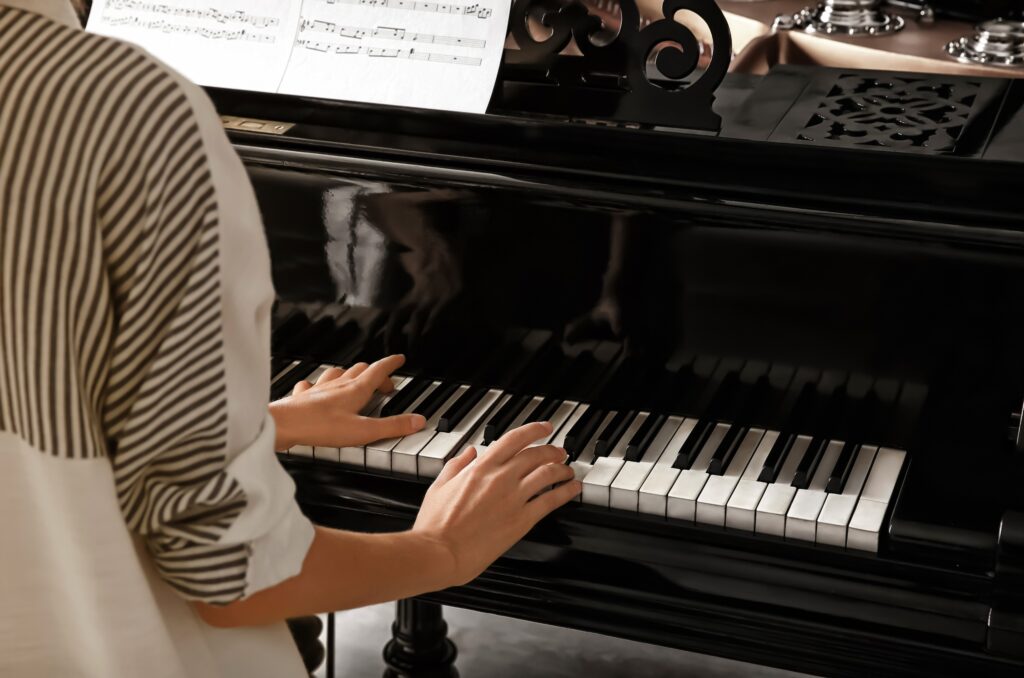
The piano developed in the early 1700s as an improvement on earlier keyboard instruments such as the harpsichord, which could not vary volume based on touch. Over time, builders strengthened the frame and increased string tension, expanding both range and projection. The result was an instrument capable of both delicate nuance and powerful sound, which helped it become central to classical music, jazz, popular music, and songwriting.
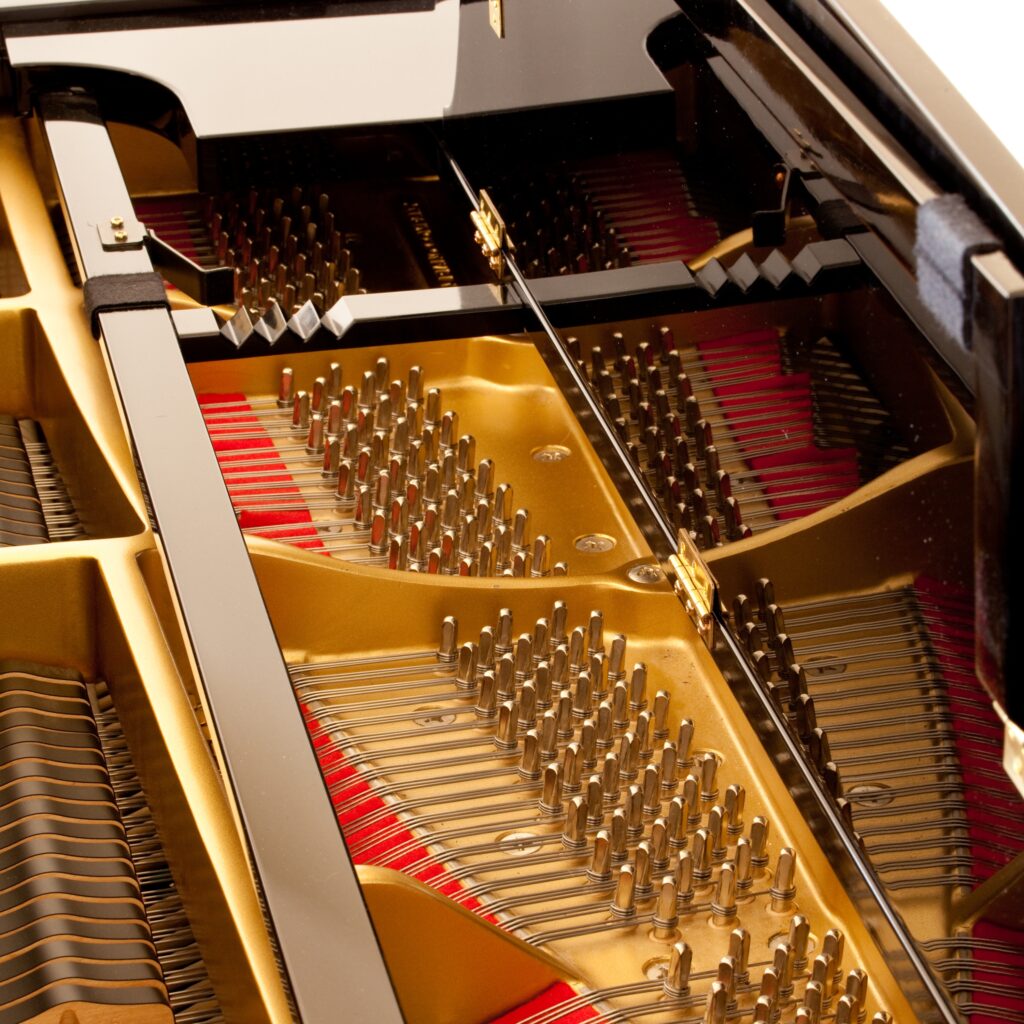
Inside a traditional acoustic piano, each key is connected to a complex system of levers that lift a felt covered hammer toward a tightly stretched steel string. When the hammer strikes the string, it vibrates and produces sound.
The speed and weight of your touch determine the volume, allowing you to play softly or with power.
This ability to control dynamics through touch is one of the defining characteristics of the instrument.
Modern pianos typically have 88 keys, covering a wide range of pitches from deep bass notes to bright treble tones.
The sustain pedal allows notes to continue ringing even after your fingers lift, adding richness and resonance. Additional pedals can soften the sound or subtly change tone, giving the player more expressive control.
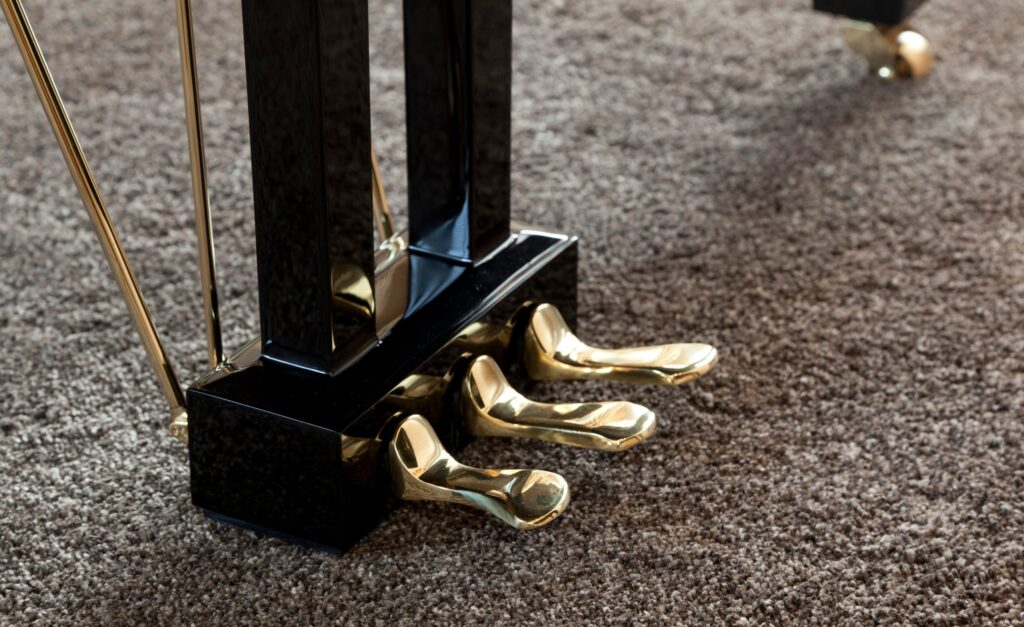
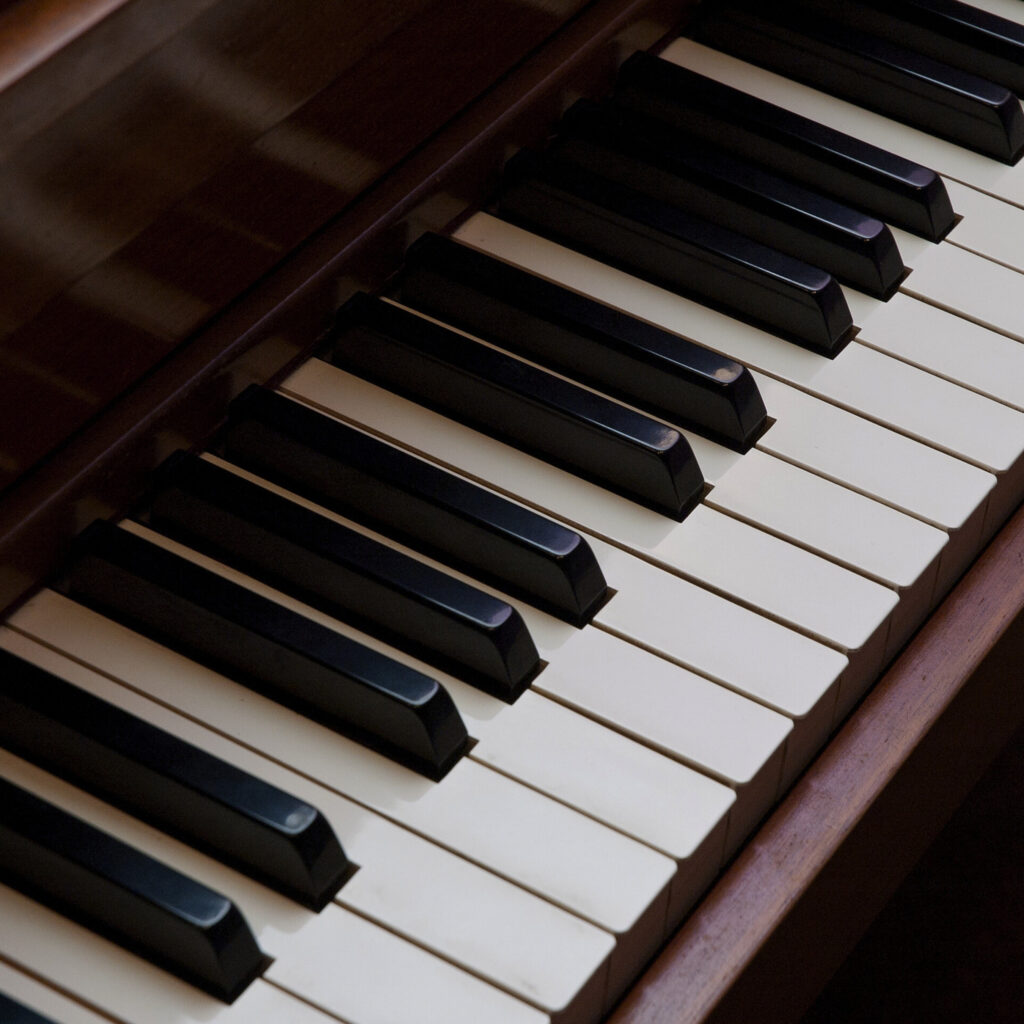
It can be played on a traditional upright or grand piano, where strings resonate through a wooden soundboard, or on a digital keyboard that uses weighted keys and recorded sound samples to replicate the experience. Digital options often include volume control and headphones, making practice more flexible in modern homes.
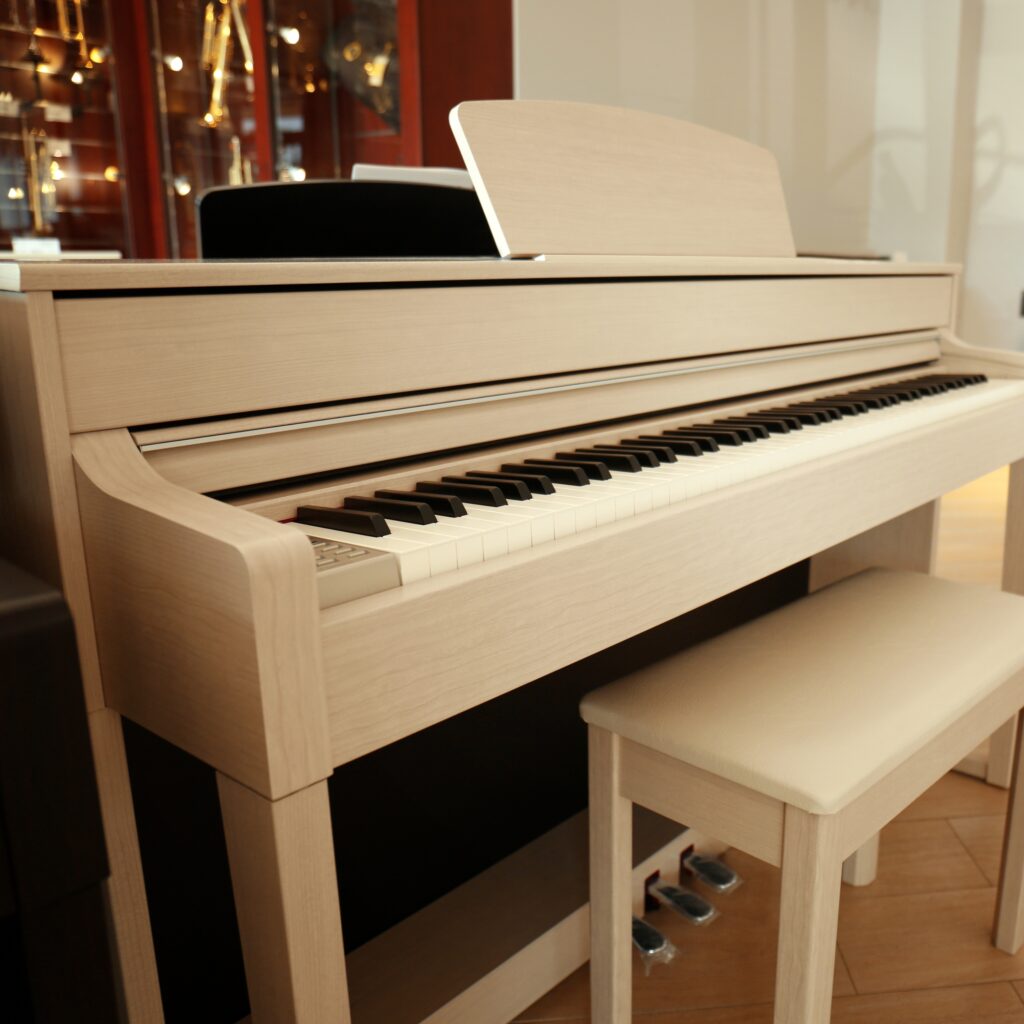

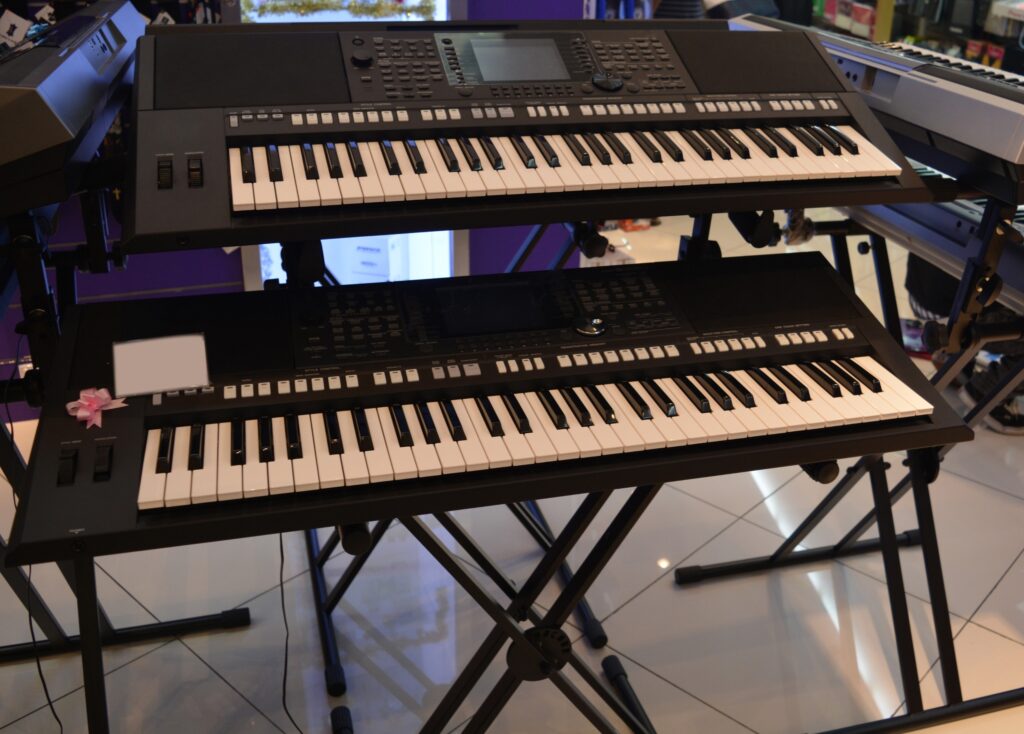
What makes piano appealing is the immediate feedback. Press a key and you hear a tone. Combine a few notes and you hear a melody. Progress is audible. That sense of building something real with your hands draws many people back to it again and again.
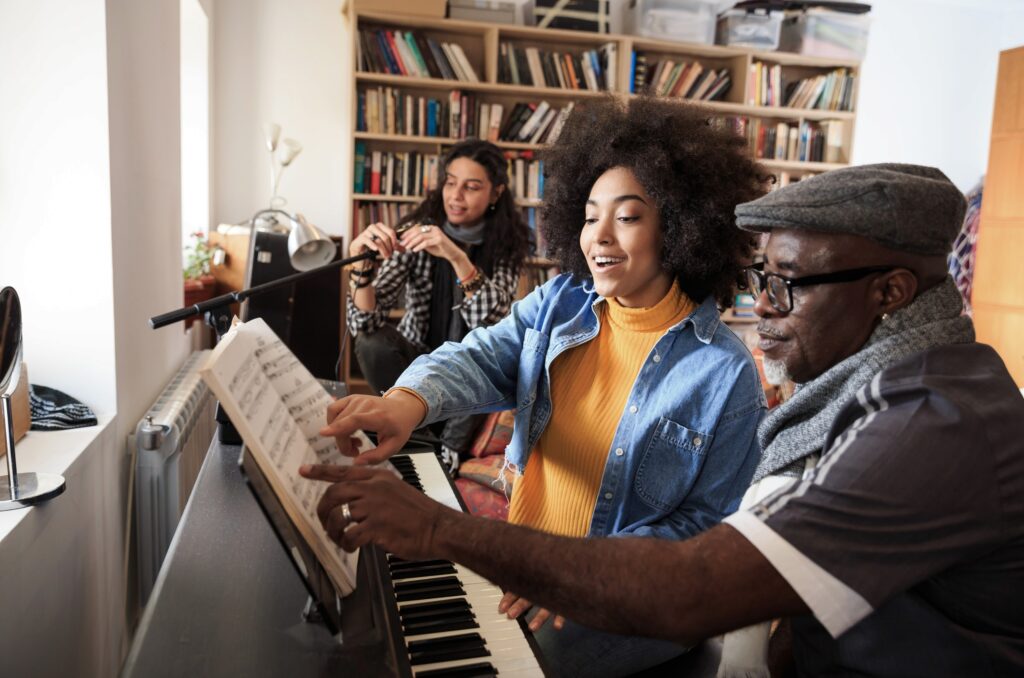
Piano works well as a solo activity, but it also supports collaboration. It can accompany singers, join bands, or be shared in recitals and small gatherings. It fits both private reflection and shared experience.
The Benefits of Playing Piano
Playing the piano requires steady attention to rhythm, timing, hand placement, and often reading music at the same time, strengthening focus and mental clarity. You are tracking multiple elements at once, which keeps the brain actively engaged. As you concentrate on the keys, outside distractions tend to fade. Even a short session can leave you feeling mentally sharper and more settled.


Learning songs through repetition and sequencing reinforces recall, supporting memory and pattern recognition. Notes group into familiar shapes, chord progressions begin to feel predictable, and transitions become easier to anticipate. As patterns become recognizable, new pieces feel less overwhelming and more manageable.
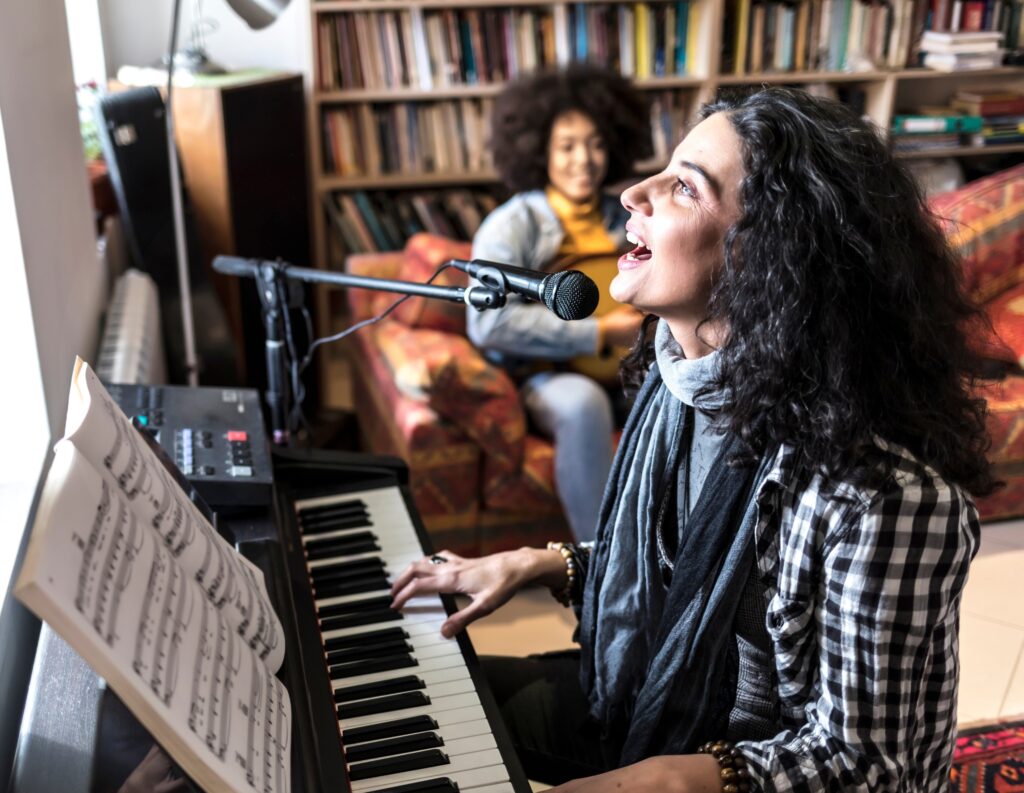
Practicing consistently over time requires follow through, developing discipline and steady progress. Improvement does not happen all at once. Small gains accumulate into noticeable growth, reinforcing the value of consistent effort.
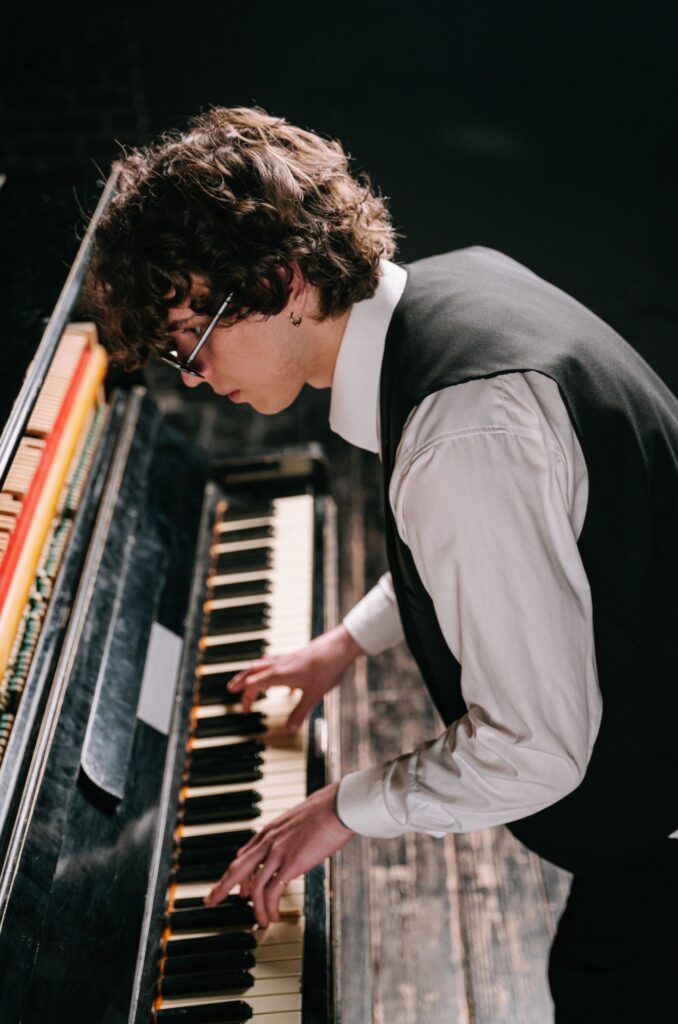
Shaping tone, volume, and tempo gives you control over how a piece feels, offering emotional expression without words. A melody can feel reflective, energetic, calm, or intense depending on how it is played.
The structure of music provides a constructive outlet for mood and energy in a way that feels focused and purposeful.
Listening closely to pitch, rhythm, and subtle changes in sound naturally strengthens listening skills and musical awareness. Over time, your ear becomes more attuned to detail, not only while playing but while listening to music in general.
Beginning at any age and progressing at your own pace highlights accessibility across life stages.
Digital keyboards with headphone options allow practice in small spaces, and entry level instruments are available at a range of price points. The learning curve can be gradual and adapted to your schedule.
Choosing between quiet independent practice and shared musical experiences allows for both solitary and social engagement. Some people prefer working alone at the keys, while others take lessons, perform in recitals, accompany singers, or play casually with friends and family.

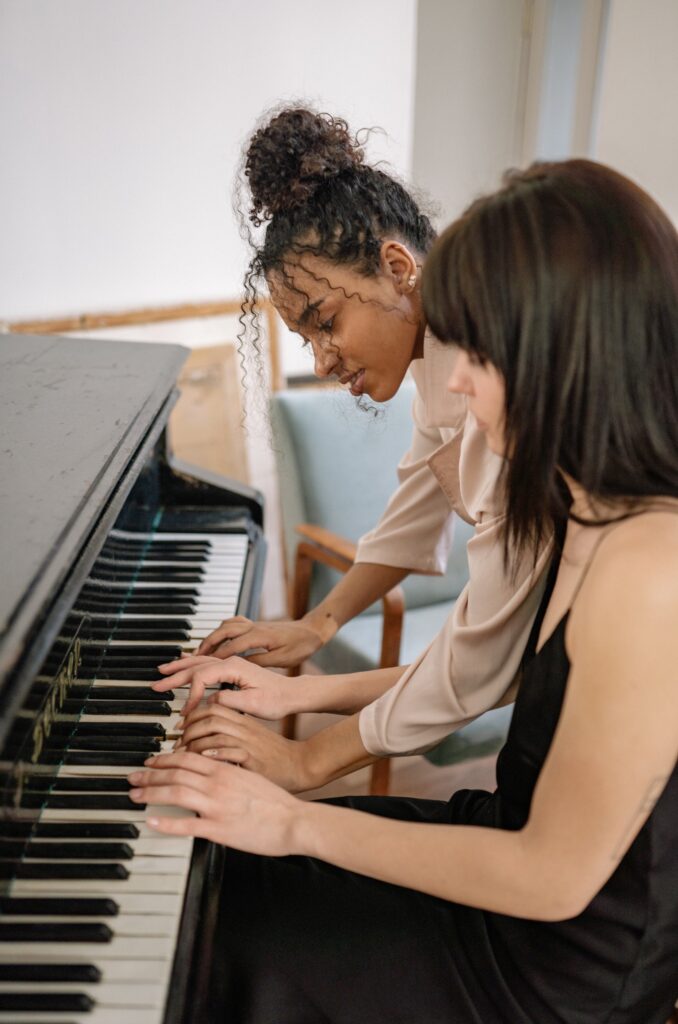
Adjusting practice time to fit your day demonstrates flexibility for both short and long sessions. Five focused minutes reviewing a passage can be productive, and so can an hour spent refining a piece. That adaptability helps piano fit into real routines rather than requiring major lifestyle changes.
Hearing clear improvement over time provides a visible and audible sense of progress. What once felt uneven begins to sound steady. Notes that required effort start to flow more naturally under your fingers.
A song that once felt awkward eventually becomes fluid and controlled. Timing tightens, transitions smooth out, and the piece begins to sound the way you intended it to.
That tangible evidence of growth builds confidence and reinforces the satisfaction that comes from learning a skill step by step.
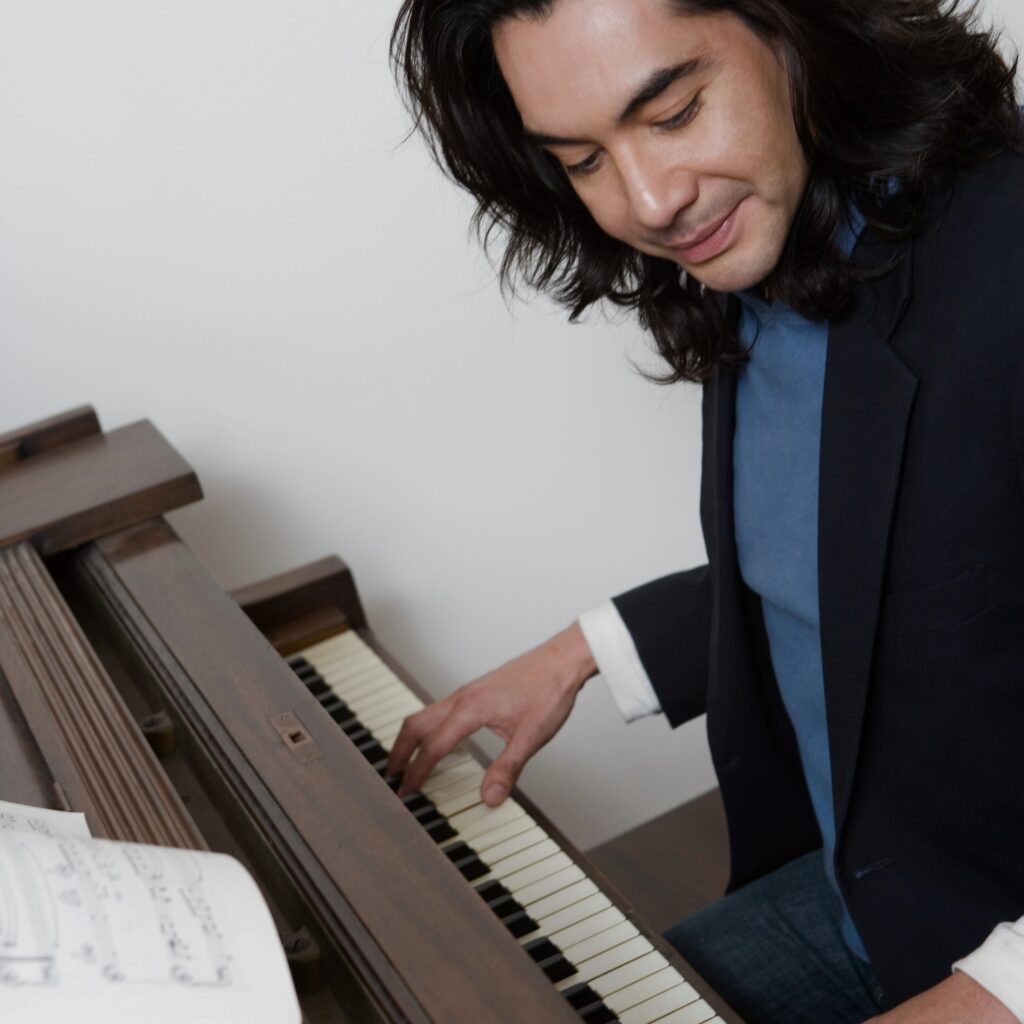
Using both hands to perform different patterns simultaneously builds independence between them, improving coordination and fine motor control. One hand may carry the melody while the other supports with chords or rhythm. Over time, dexterity increases and movements become more precise and controlled.
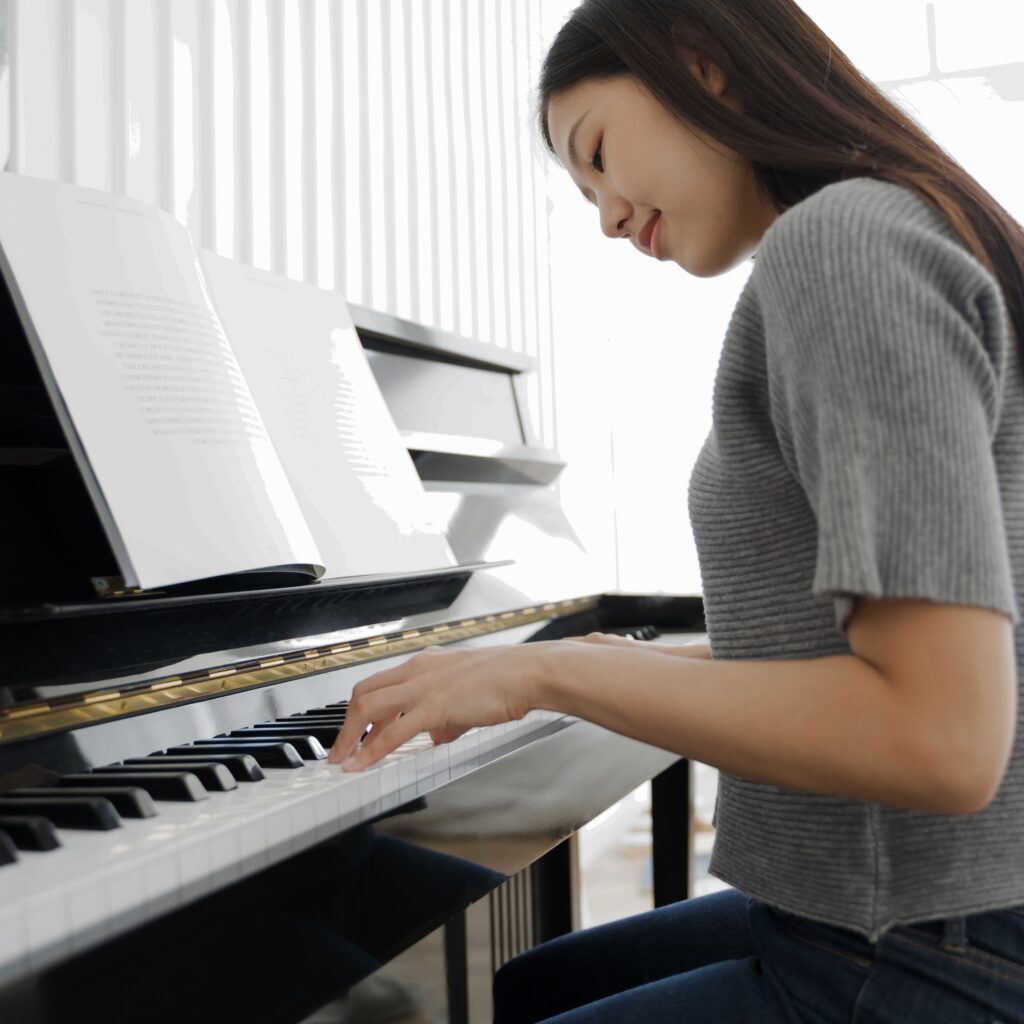
Moving through steady rhythms and repeated passages often creates a calming effect that supports stress regulation. The consistency of the movement and sound gives your mind something structured to settle into.
Focusing on tempo, touch, and sound draws attention away from scattered thoughts and into a single task.
The predictable structure of practice can feel stabilizing, especially after a long or overstimulating day.
Even a short session can help reset your pace and leave you feeling more centered before moving on to whatever comes next.

Working through challenges at the keyboard builds confidence through visible skill mastery. A section that once felt awkward eventually becomes fluid with repetition and adjustment. That shift from difficulty to control reinforces the belief that steady effort leads to real improvement, strengthening confidence in your ability to learn and grow.
GETTING STARTED
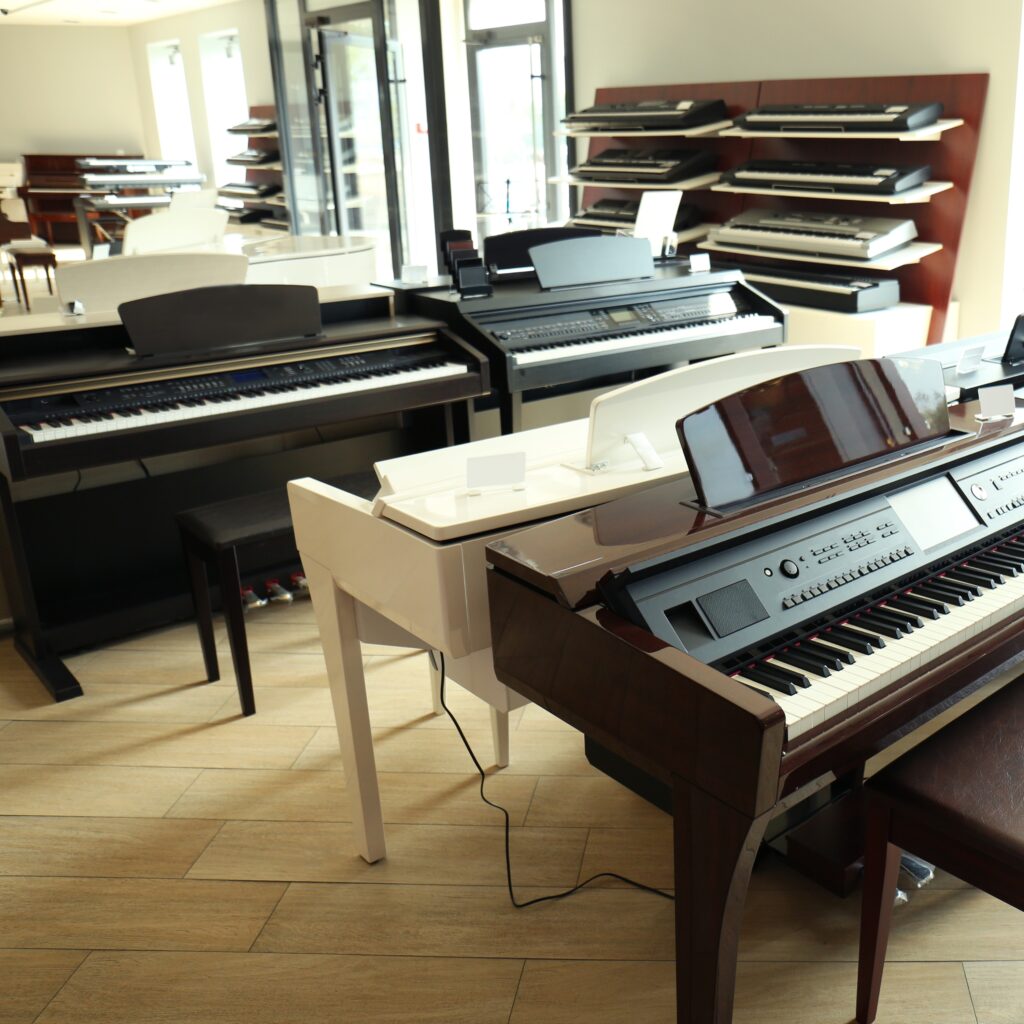
Start simple. You do not need a full grand piano to begin. An inexpensive digital piano is more than enough to explore the basics, and entry level models are widely available at reasonable price points.
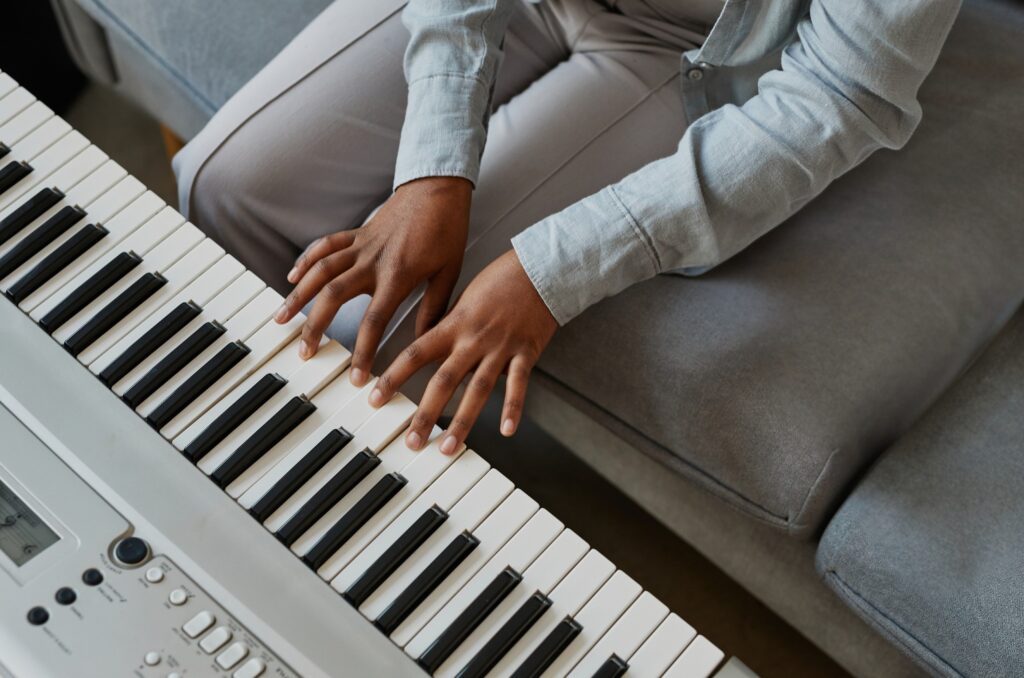
If you are not ready to purchase anything, community spaces can provide access. Some churches, schools, music stores, and community centers have pianos available during open hours, and certain libraries offer practice rooms. Exploring these options allows you to try the instrument without immediate commitment.
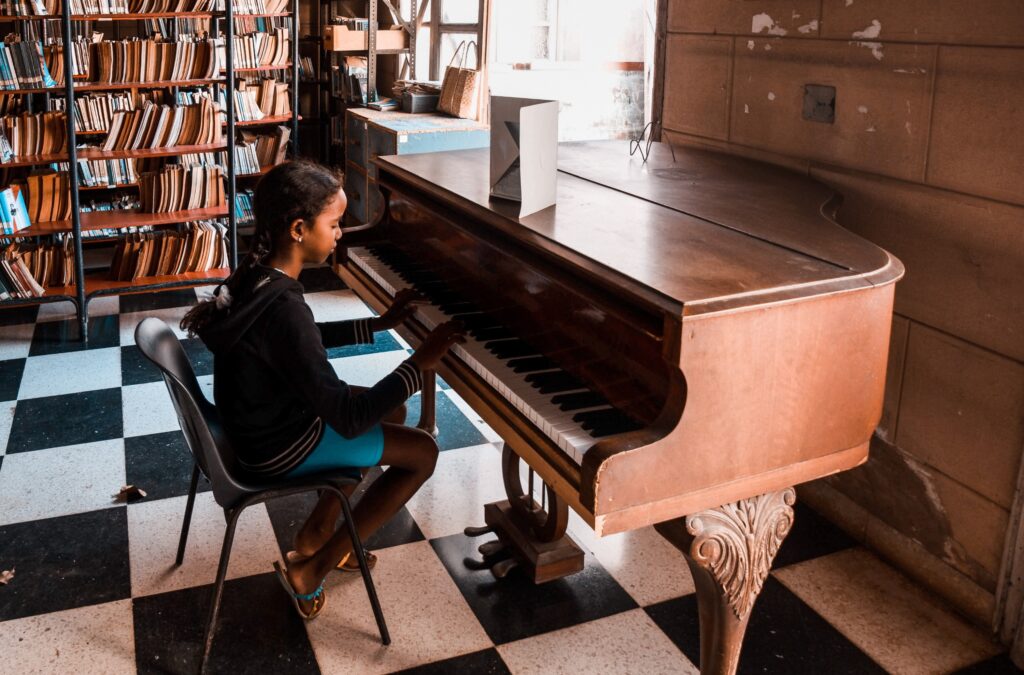
It is also worth asking around. Many families have one stored away, and friends or relatives might be willing to lend one for a few weeks. Trying an instrument before investing can help you decide whether it is something you want to pursue longer term.
If you decide you would like something at home, a basic 61 or 88 key digital keyboard with touch sensitivity is more than enough for beginners. Weighted or semi weighted keys can feel closer to an acoustic piano, but they are not essential in the early stages. Headphones make practice flexible and considerate in shared spaces.
Renting is another option worth considering. Many local music stores offer short term keyboard or piano rentals, giving you time to determine whether it is something you want to pursue longer term. The used market is also strong, and affordable keyboards are widely available in good condition.
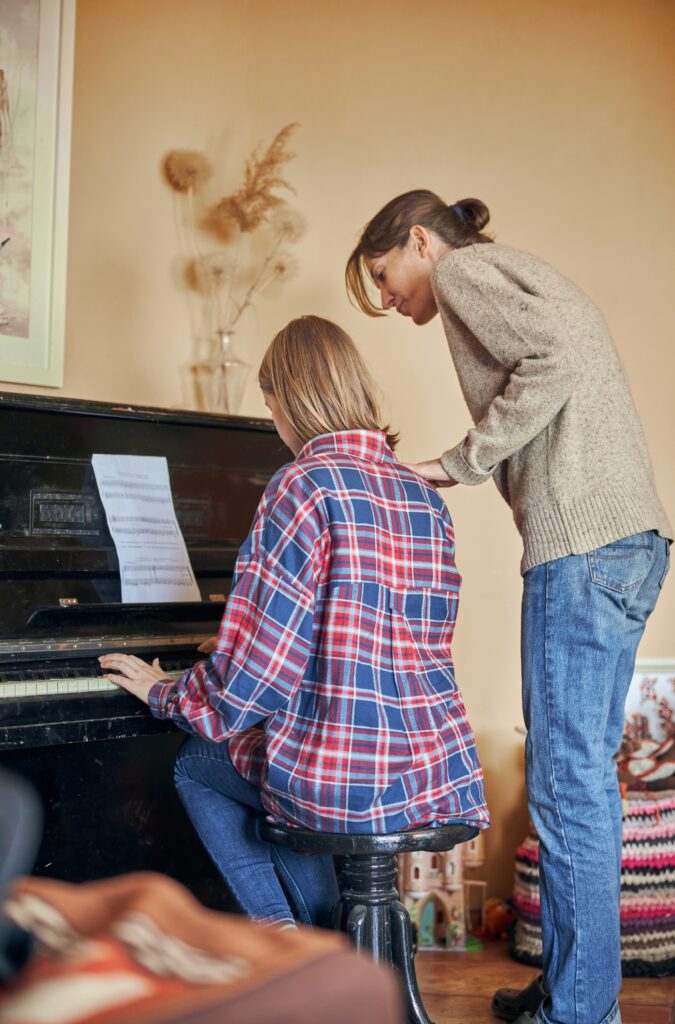
Once you have access to an instrument, begin with simple finger placement and familiar melodies.
Learning a song you already recognize can make the process feel engaging and less technical.
There is no need to dive immediately into complex theory. Comfort with the layout of the keys comes first.
Short, consistent practice sessions are far more effective than occasional long ones.
Even ten focused minutes several times a week builds momentum. Repetition strengthens muscle memory and confidence.
Lessons can provide structure and feedback, especially in the beginning, but self guided learning is completely possible. Many people use apps, online tutorials, and beginner books successfully. Some choose a combination of both approaches over time.
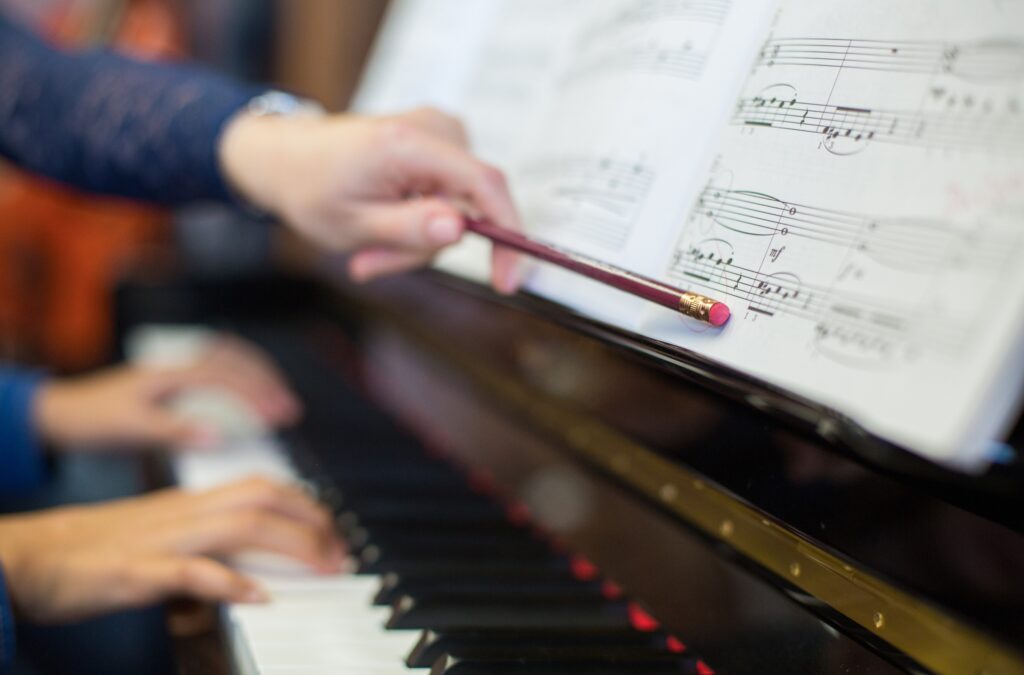

The most important step is simply sitting down at the keys regularly. Progress grows from familiarity. Regular engagement matters far more than perfection.
RESOURCES
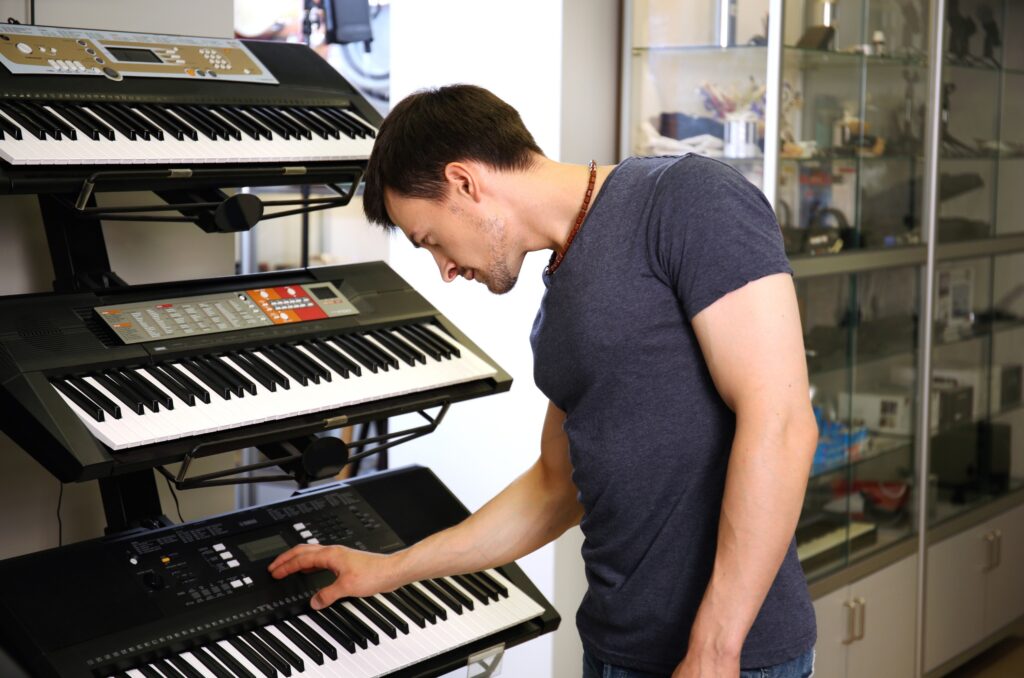
Local music stores are often a strong starting point. Many carry beginner keyboards, stands, benches, sustain pedals, headphones, and starter books. Staff can usually explain the differences between key sizes, weighted keys, and basic features without overwhelming you. Some stores offer lesson referrals, in house instructors, rental programs, and maintenance services for acoustic pianos.
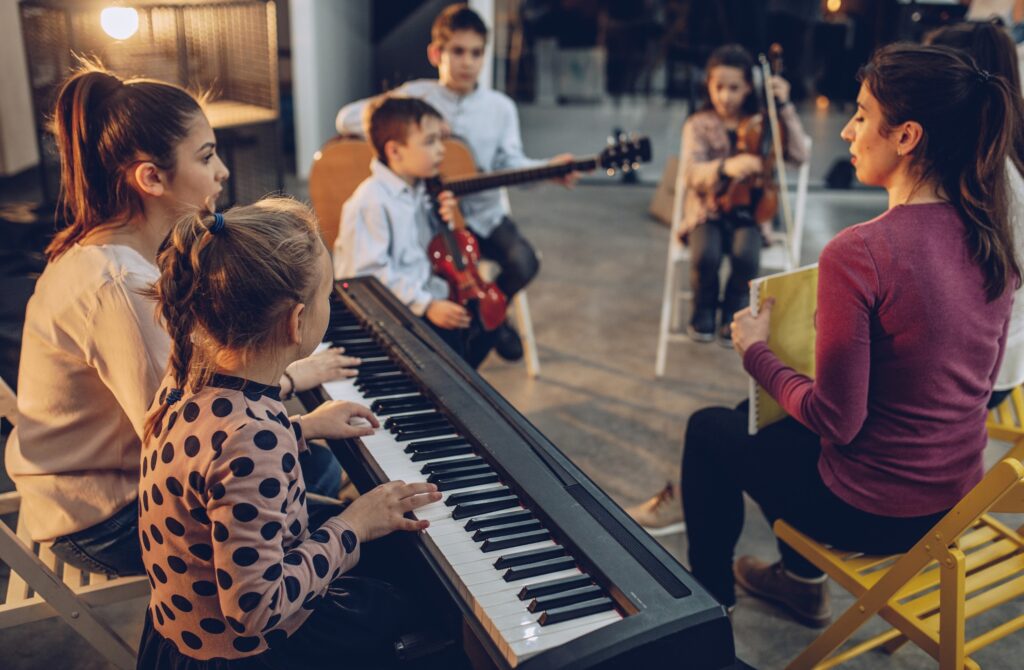
Community centers, schools, churches, and private instructors provide in person lessons for children and adults. These structured settings can be helpful for beginners who benefit from accountability and direct feedback. Many teachers offer short trial lessons so you can see if their teaching style fits your learning preferences.


Mobile apps can supplement practice by offering digital metronomes, chord libraries, ear training exercises, and note reading drills. These small tools can strengthen foundational skills without requiring additional equipment.
Online learning platforms such as Simply Piano and Flowkey offer structured digital lessons that guide beginners step by step. These programs often include interactive feedback and allow you to move at your own pace.
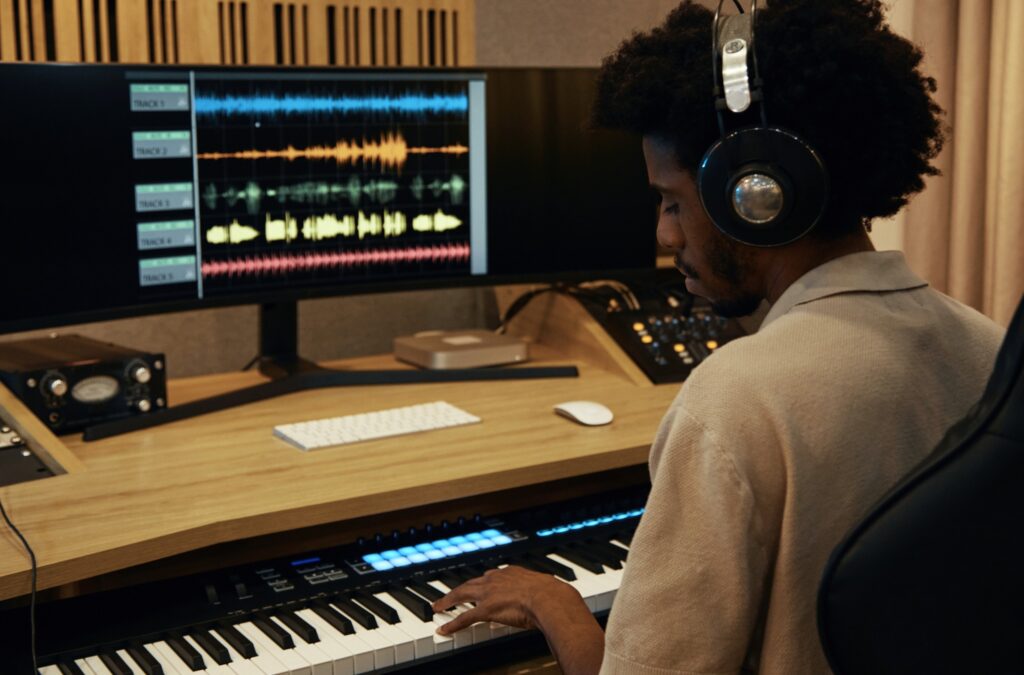
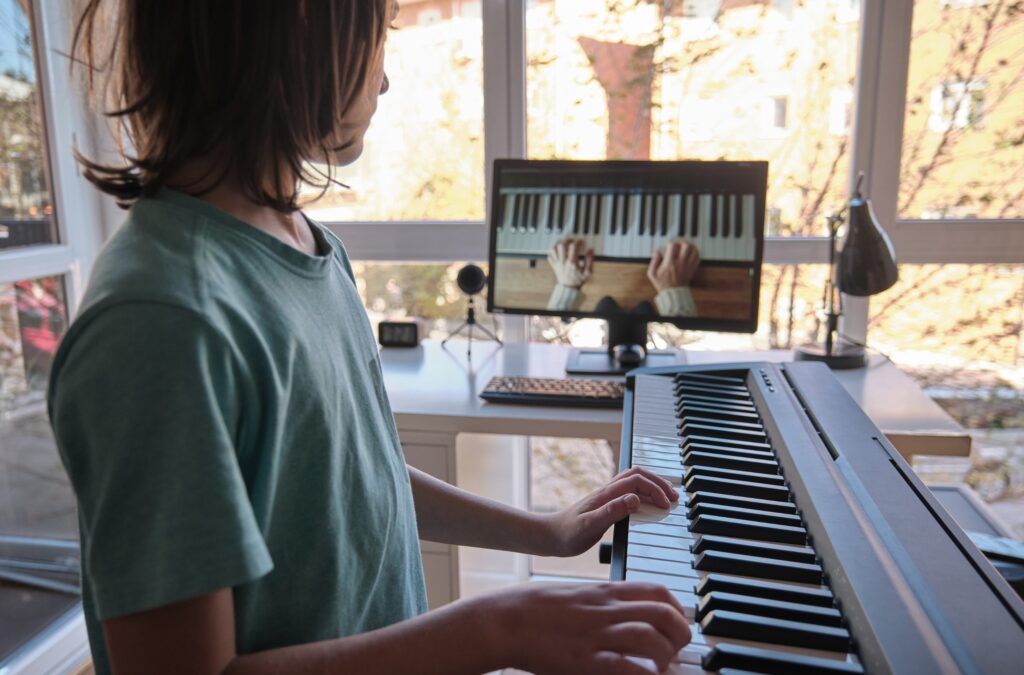
Websites like YouTube host thousands of free tutorials covering everything from beginner finger placement to advanced technique. Many creators walk through specific songs slowly, making it easier to follow along at home.
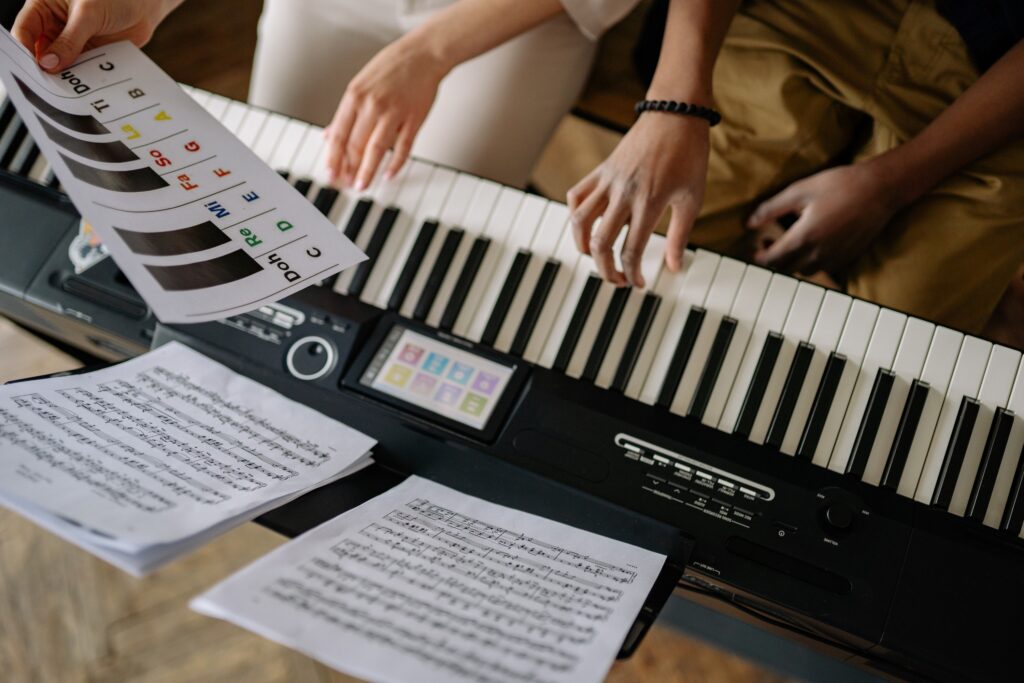
Sheet music is widely available through local music shops, libraries, and online retailers. Beginner method books are designed to introduce concepts gradually, often combining short exercises with simple songs. Printable sheet music websites also allow you to download individual songs rather than purchasing full books.
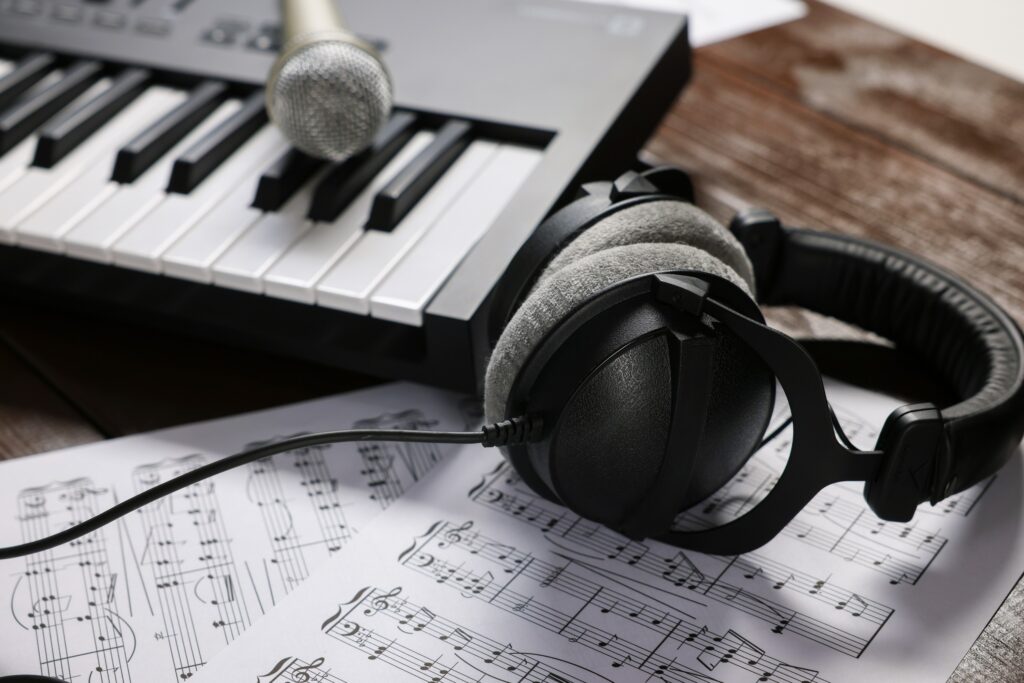
Accessories are minimal but helpful. A stable keyboard stand, adjustable bench or chair, and a sustain pedal improve comfort and control. Headphones allow for quiet practice in shared homes. A simple metronome, whether physical or app based, supports rhythm and timing development.
For those exploring on a budget, used keyboards are often available through local marketplaces and resale platforms. Many instruments are lightly used and in good condition. Renting from a music store is another low risk way to begin before committing to a purchase.
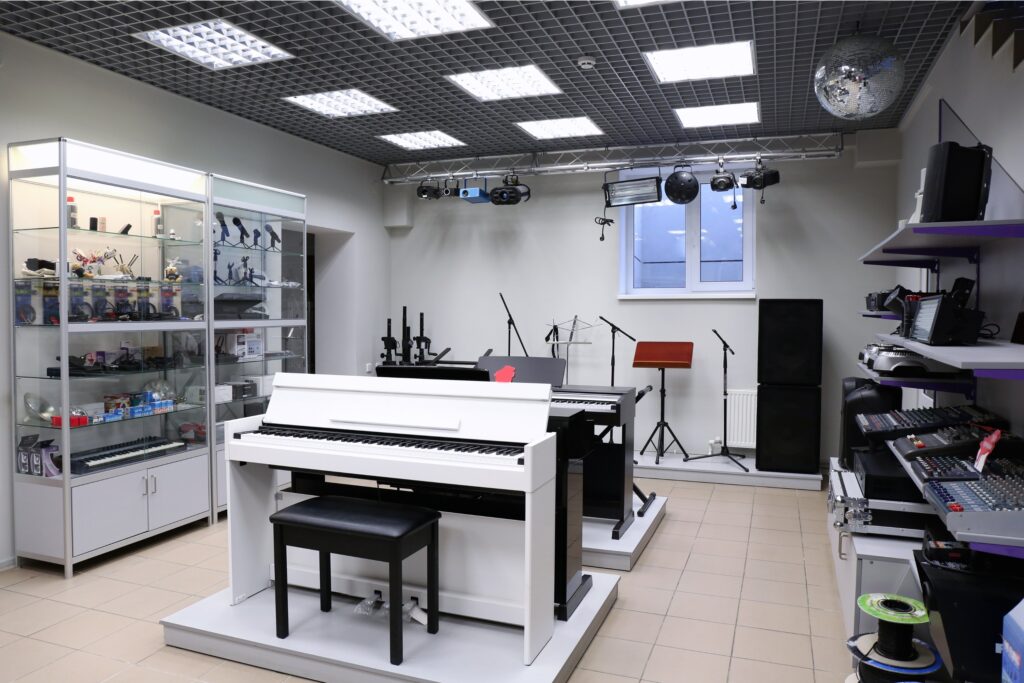
If you are unsure about setup, posture, or technique, short consultation lessons or introductory workshops can help prevent common beginner mistakes. Starting with correct habits often makes practice more comfortable and sustainable.
Tips for Success
Sit with balanced posture and relaxed shoulders to prevent strain in your wrists, neck, and lower back. Your forearms should be roughly level with the keys, and your wrists should remain neutral rather than bent upward or downward.

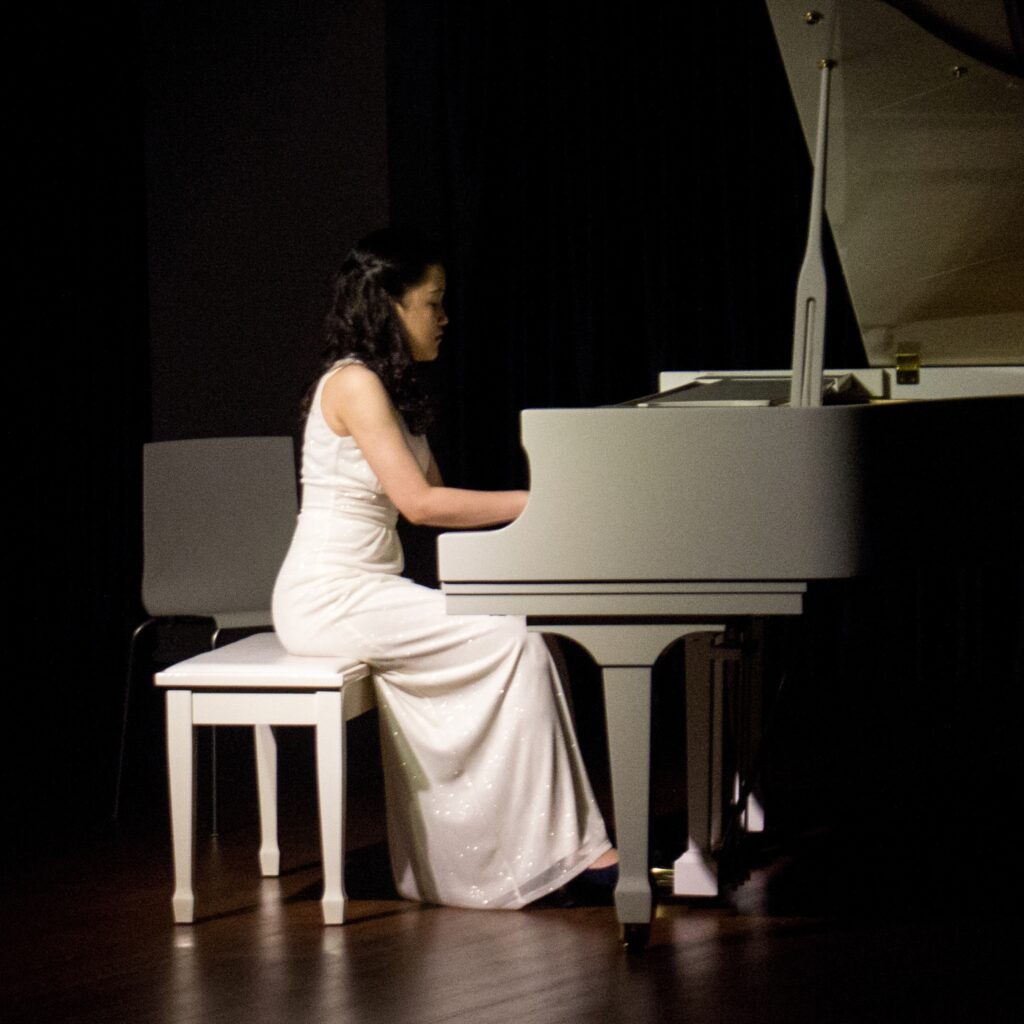
Keep your fingers gently curved instead of flat against the keys, allowing the fingertips to make contact naturally. Proper alignment reduces tension and makes longer practice sessions more comfortable and sustainable.

Move slowly when learning something new. Accuracy matters far more than speed in the early stages. Playing correctly at a slower tempo builds muscle memory and reinforces proper hand placement. Once a passage feels controlled and consistent, tempo can gradually increase without sacrificing clarity.
Break songs into small sections rather than attempting to play the entire piece repeatedly. Focus on a few measures at a time, working through transitions carefully. Once each section feels steady, begin linking them together. This approach prevents overwhelm and allows you to isolate and correct specific challenges more efficiently.
Use a metronome occasionally to strengthen timing and rhythmic consistency. Starting at a comfortable speed and increasing gradually builds precision. Even a few minutes of focused rhythm work can noticeably improve control.
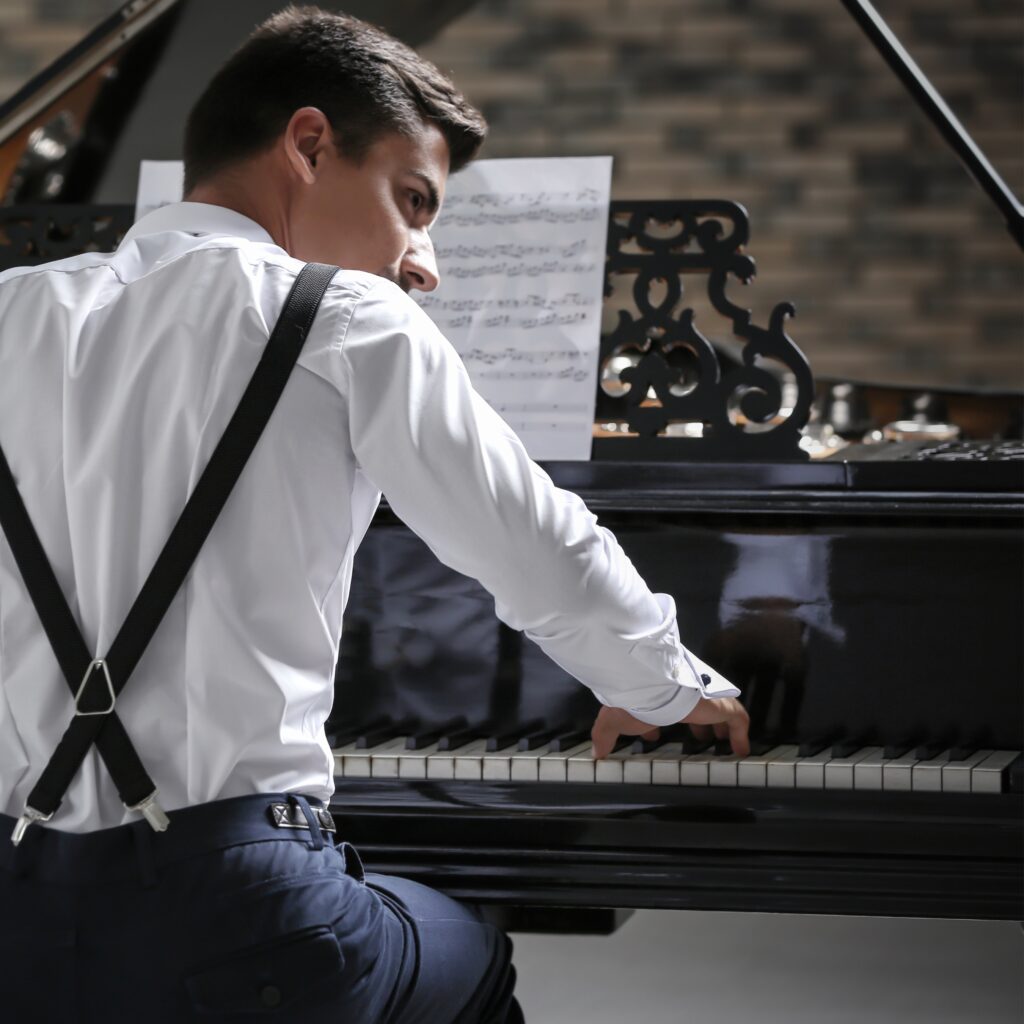
If frustration builds, step away and return later. Mental fatigue can affect coordination and concentration. A short break often restores clarity and allows you to approach the piece with fresh perspective. Piano is meant to be engaging and skill building, not discouraging.
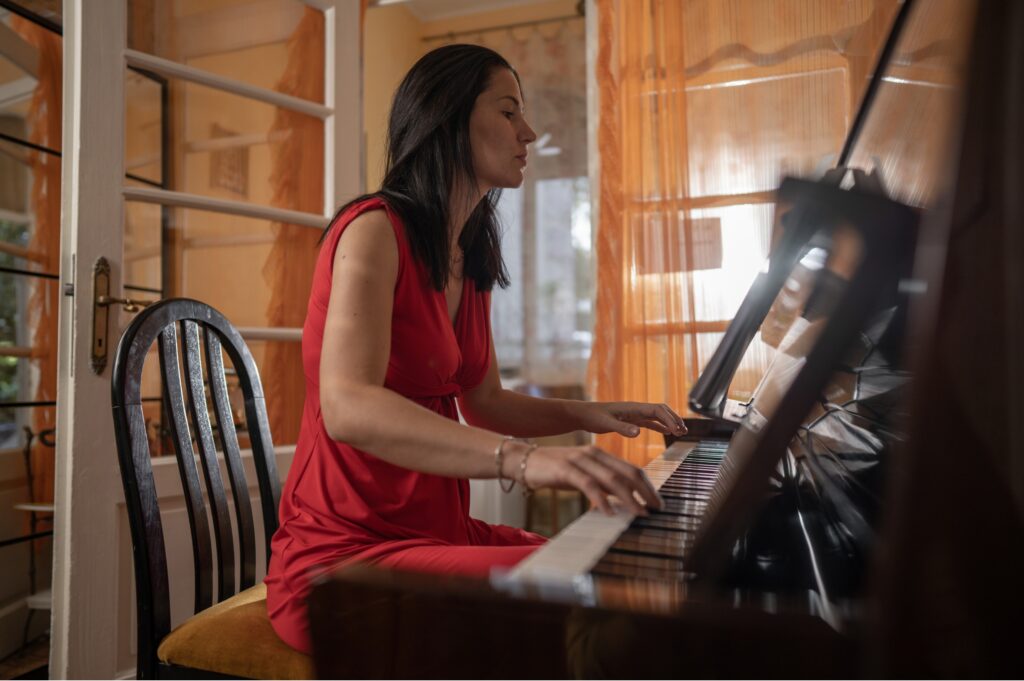
Finally, pay attention to tension in your hands and arms. If you notice tightness, pause and gently shake out your hands before continuing. Relaxation supports fluid movement and reduces the risk of repetitive strain. Small, steady improvements compound over time, and consistency matters more than intensity.
Final Thoughts
There is a quiet enjoyment in hearing a piece come together, in playing something that once felt out of reach, and in sitting down for a few minutes knowing you are creating sound rather than just listening.
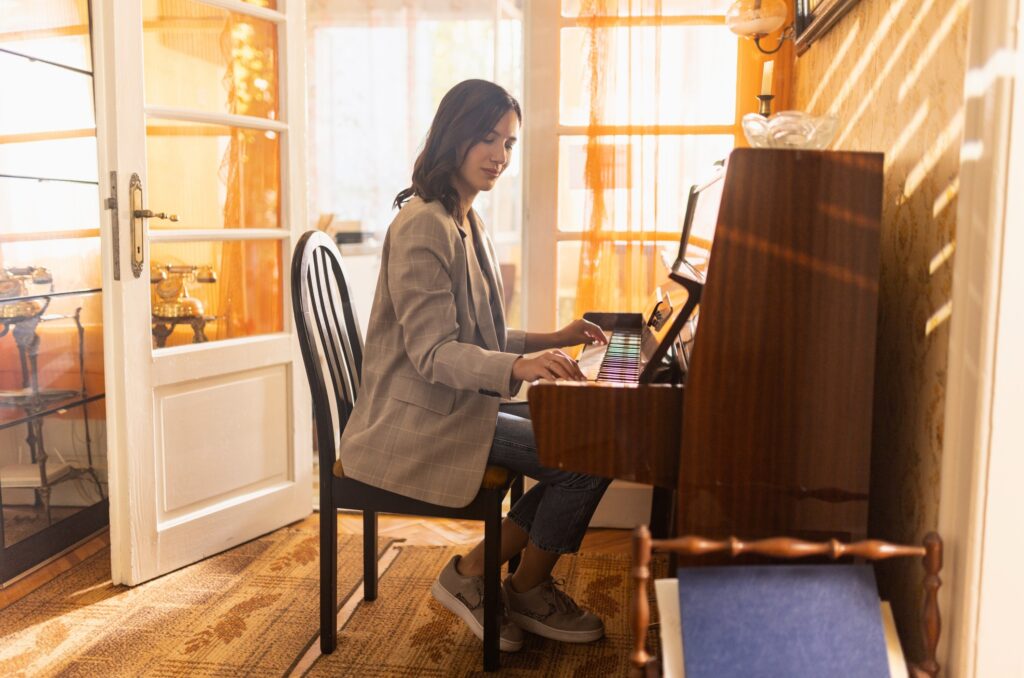
Piano does not require you to be a performer or a musician to begin. It starts with a single key, a simple melody, and a few focused minutes. Over time, those small efforts become something fully recognizable and deeply satisfying.
If you have ever been curious, there is no need to commit to years of lessons or a major investment. Try a few notes. Learn one song. Notice whether you lose track of time while you play and whether it becomes something you genuinely look forward to.
Start with one melody this week and see where it takes you.

Leave a Reply