Welcome to Saturday Sparks! This week, we are stepping into Ballet, a movement practice that blends strength, precision, and artistry. Often associated with grace and elegance, ballet is also a physically demanding discipline rooted in control, balance, and intentional motion. Whether experienced in a studio, on stage, or simply admired from afar, ballet carries a quiet power that comes from years of tradition and disciplined movement.
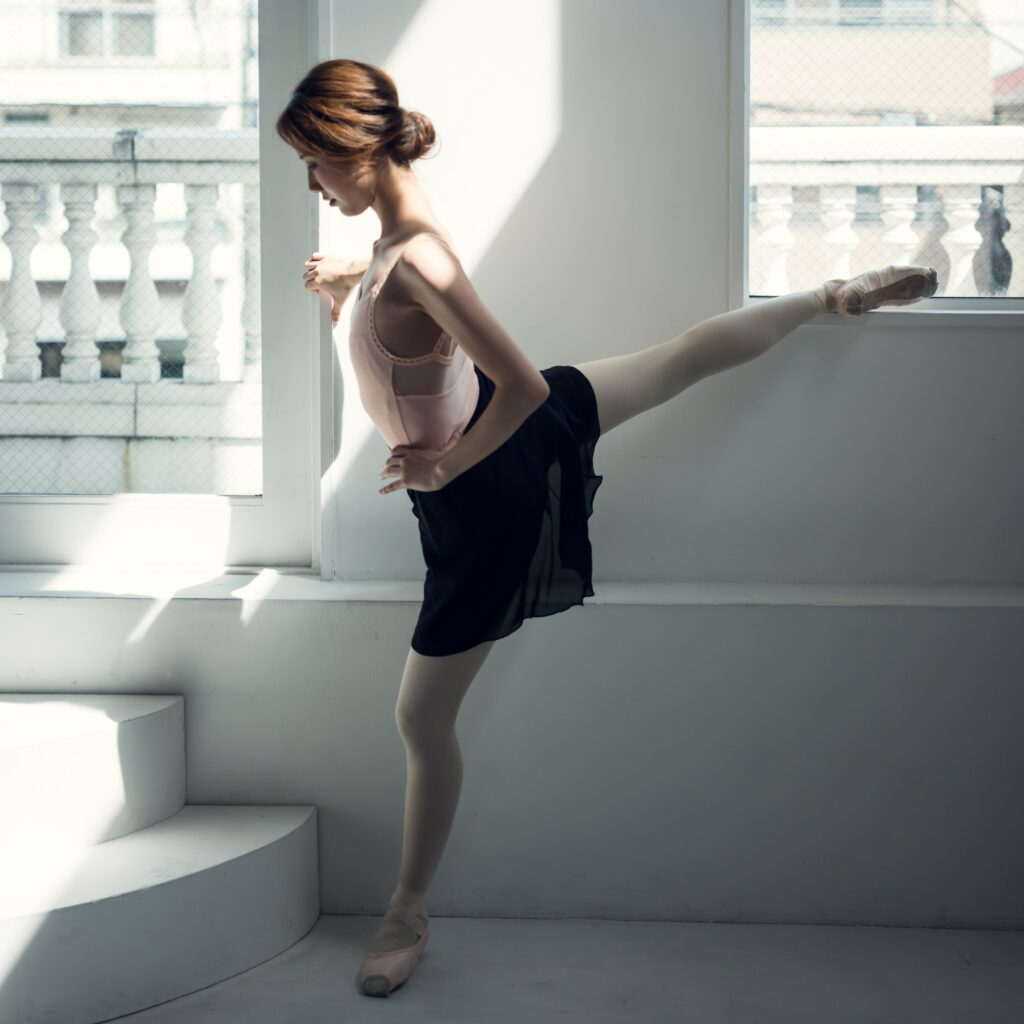
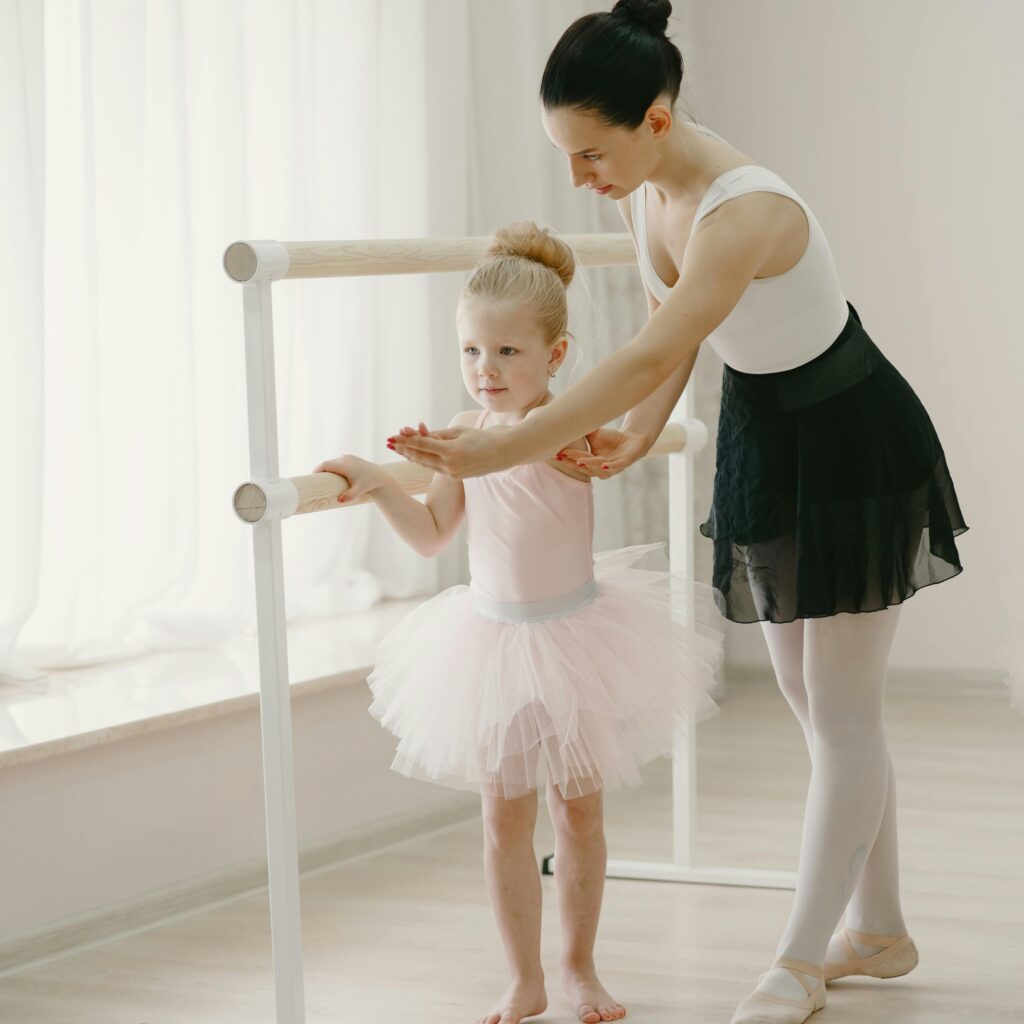
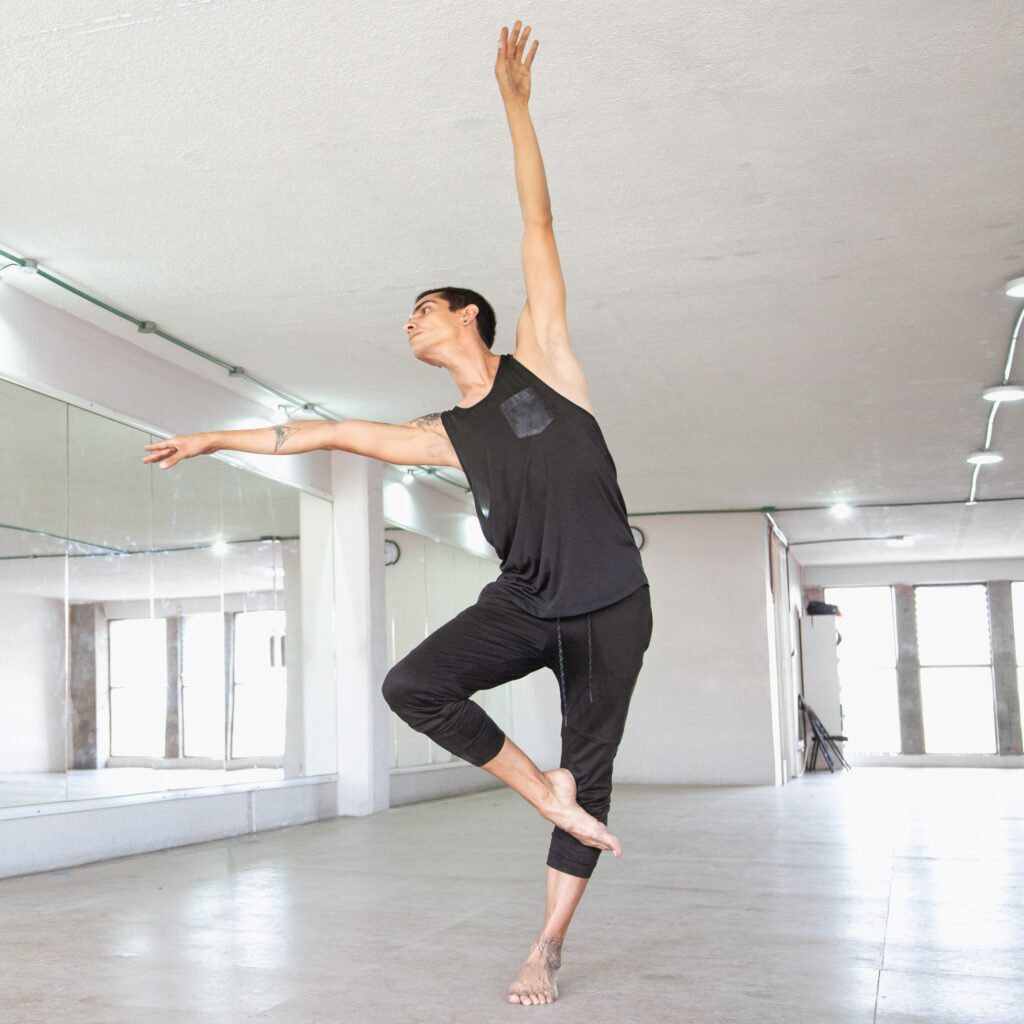
Ballet has long been a way for people to express emotion and story through the body. Each position, turn, and leap is deliberate, shaped by technique and timing rather than speed or force. While it is known for its visual beauty, ballet is also deeply physical and structured, requiring focus, coordination, and awareness with every movement.
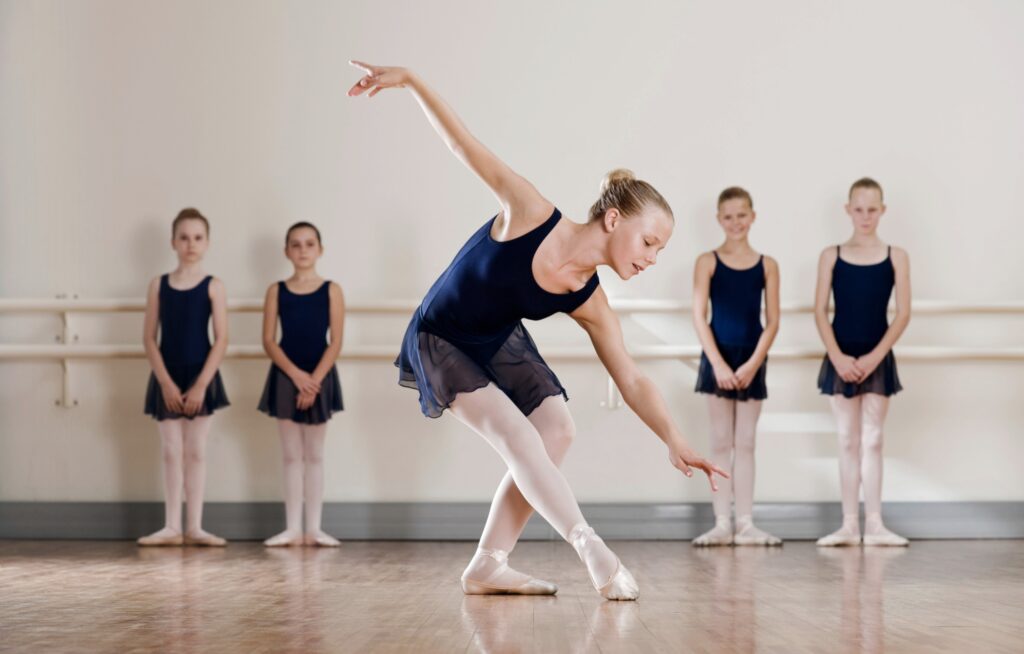
Today, ballet exists in many forms and settings. Some engage with it as a lifelong practice, others return to it later in life, and many enjoy it recreationally for its structure and movement. No matter the setting, ballet continues to invite movement with intention and respect for the body’s capabilities.
What is Ballet
Ballet is a classical dance form characterized by precise technique, formal positions, and controlled movement. It is built on a foundational vocabulary of steps and positions that guide posture, alignment, and balance. Movements are designed to appear fluid and effortless, even though they require significant strength, coordination, and control.
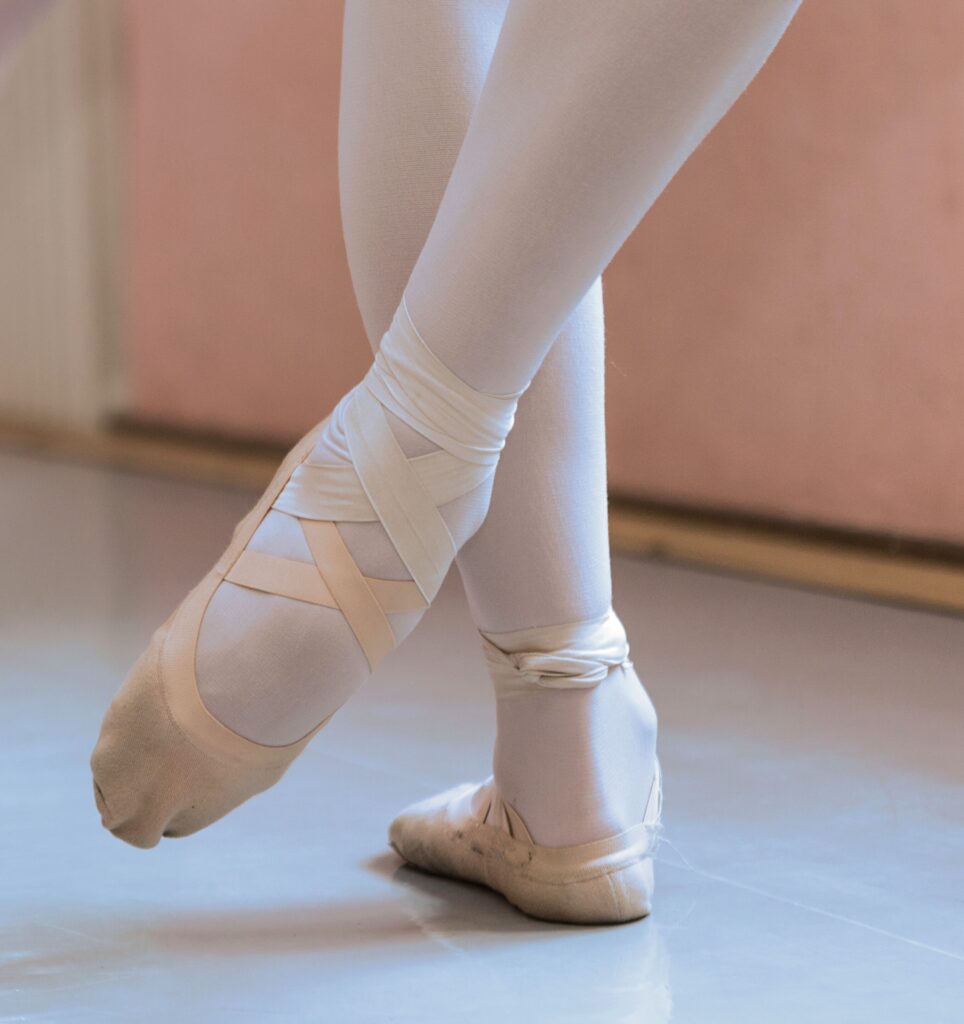
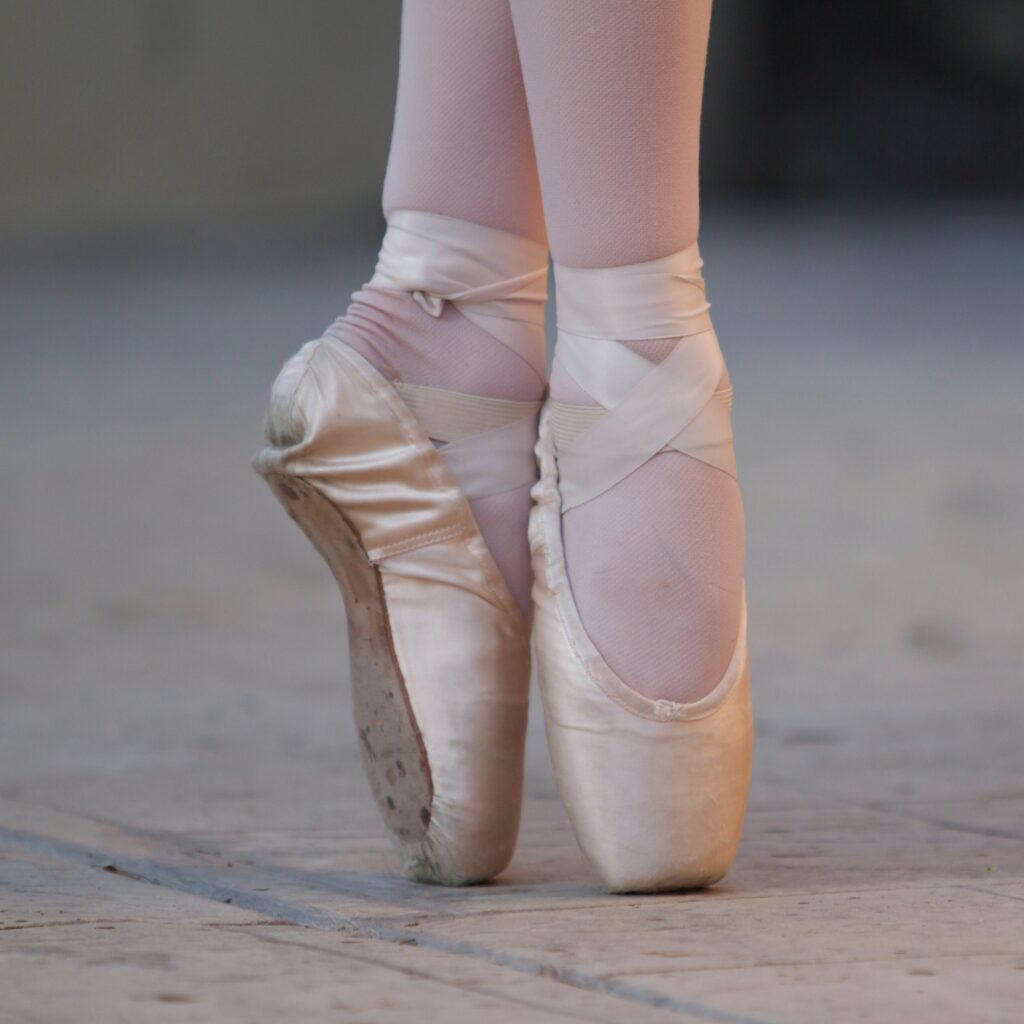
The structure of ballet is rooted in five basic foot positions, which serve as the foundation for nearly all movements.
From these positions come steps such as pliés, tendus, relevés, and jumps, each designed to train specific muscles and reinforce proper alignment. Ballet technique emphasizes turnout of the legs, upright posture, and controlled transitions between movements.
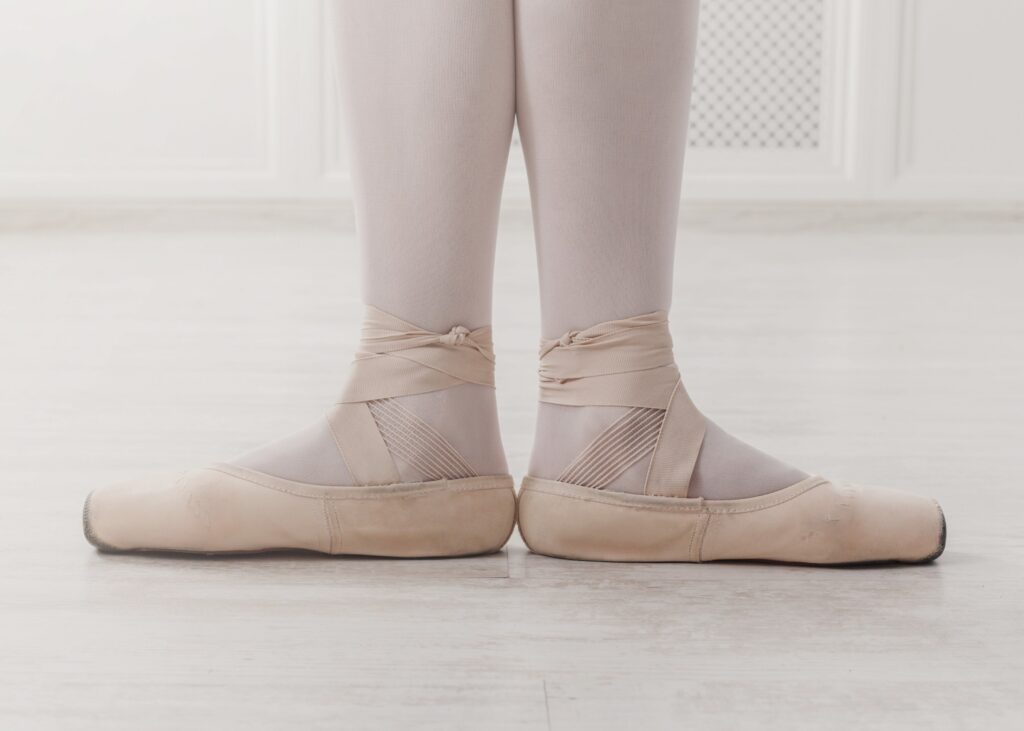

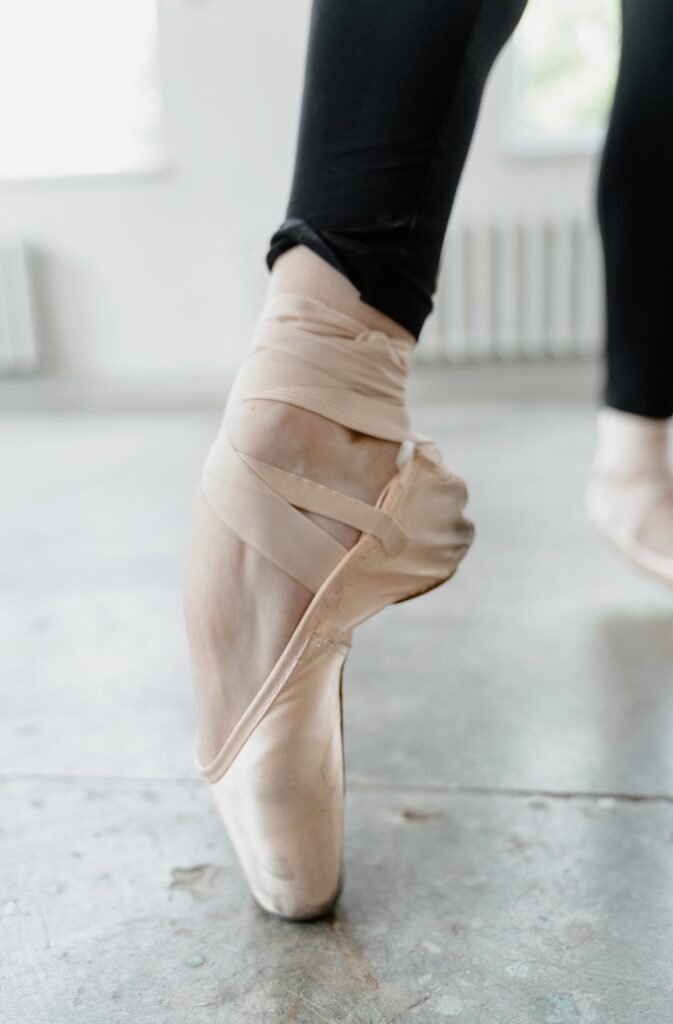
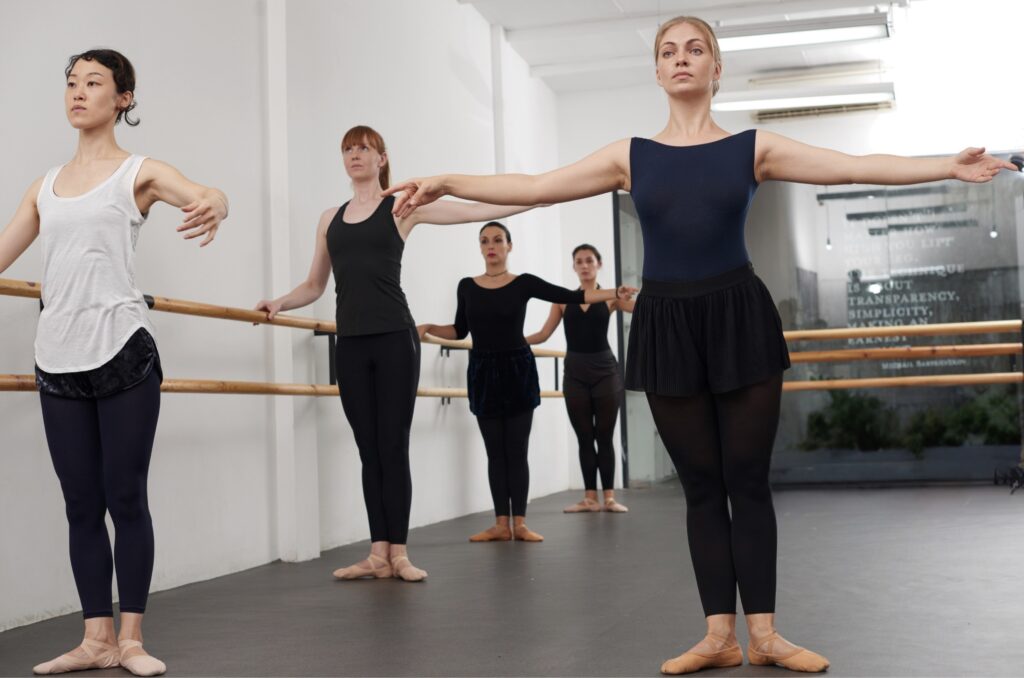
Ballet is traditionally practiced at the barre and in the center of the floor. Barre work focuses on warming up the body, building strength, and refining technique through repetition. Center work allows dancers to apply those skills to balance, turns, and traveling movements. Together, these elements create a balanced practice that develops both stability and freedom of motion.
The art form has a long history that dates back to the Italian Renaissance and later developed in the royal courts of France and Russia. Over time, ballet evolved into various styles, including classical, romantic, and neoclassical forms. While professional ballet remains highly structured, modern studios often adapt training methods to support recreational dancers and varied ability levels.

Today, ballet is practiced worldwide in professional companies, community studios, schools, and adult classes. It continues to evolve while maintaining its technical roots. Whether approached as a disciplined art form or a mindful movement practice, ballet remains a structured and expressive way to engage the body through controlled, intentional motion.
The Benefits of Ballet
Ballet builds strength, balance, and coordination. The controlled movements require engagement from the core, legs, and supporting muscles, helping develop overall body strength. Over time, dancers improve balance and stability as they learn to move with precision and control through each position and transition.
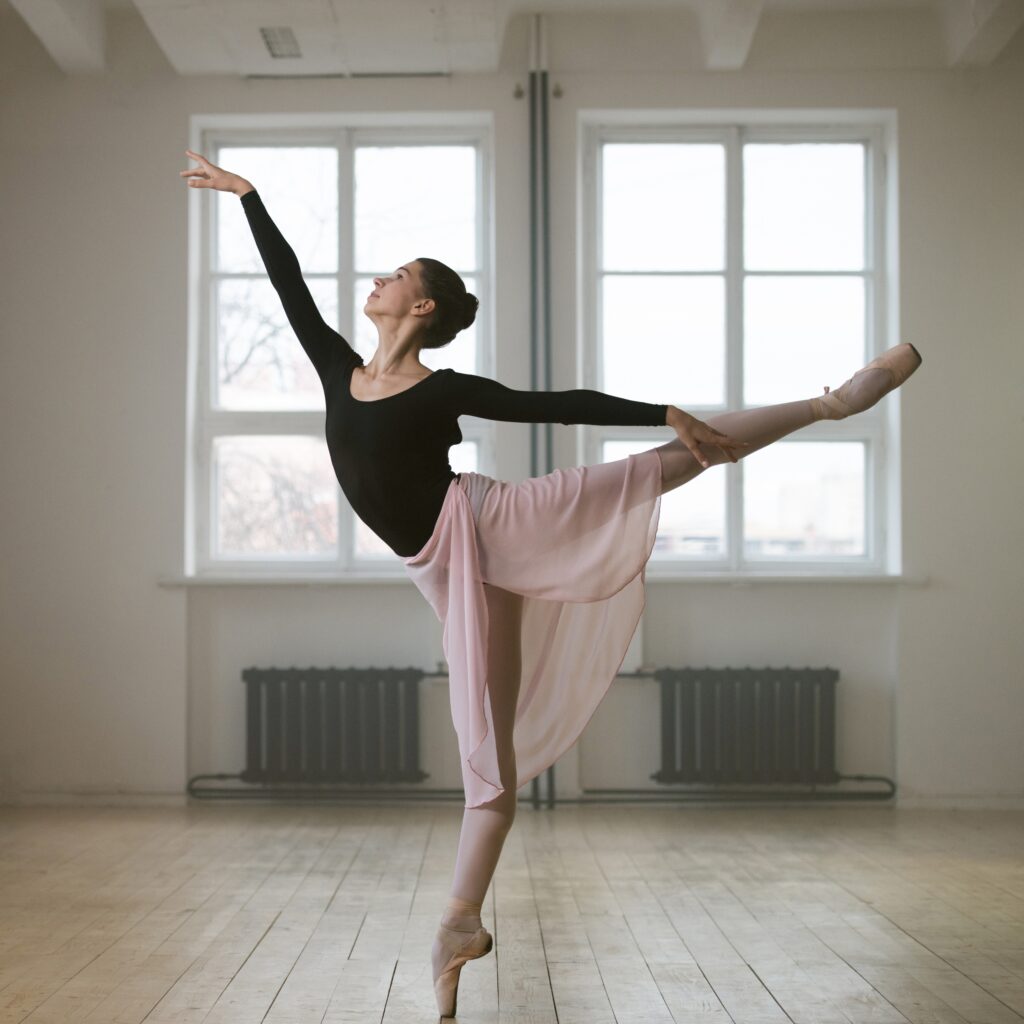
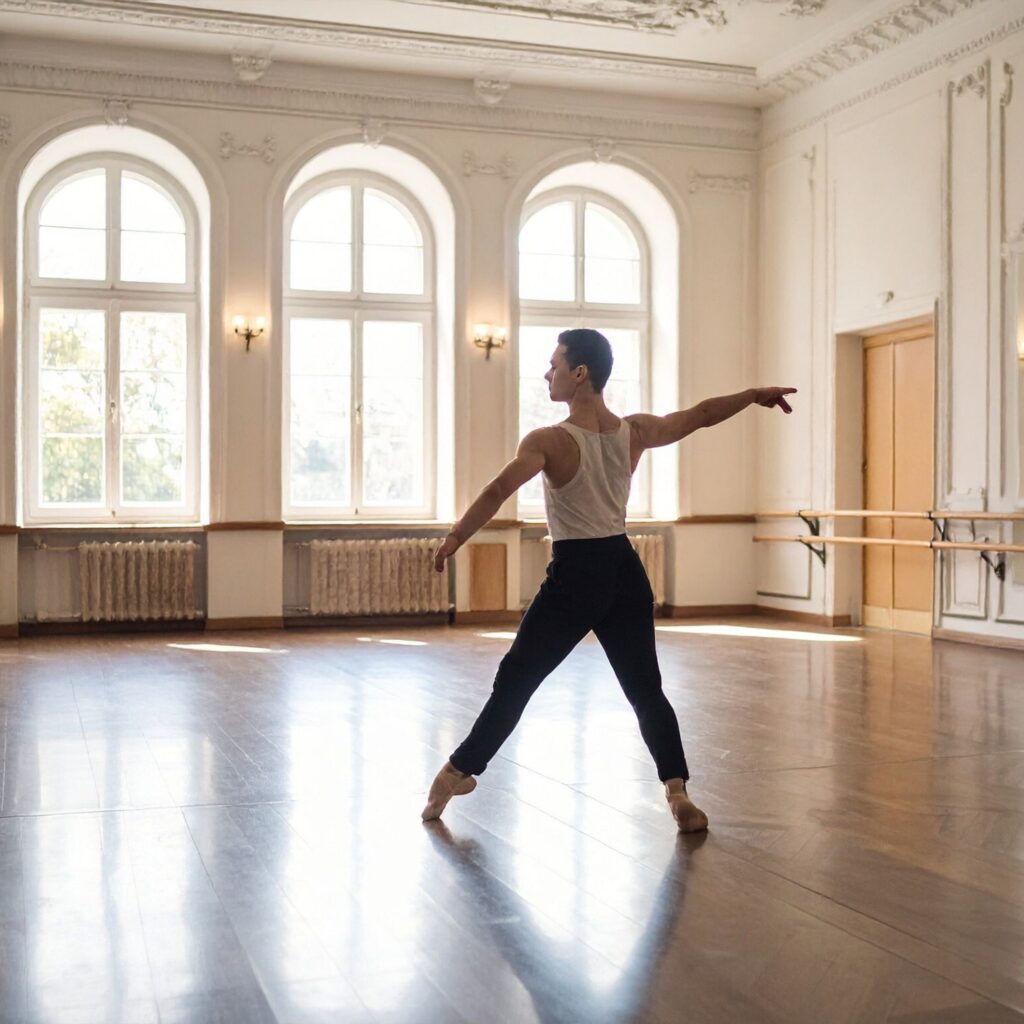
It supports posture and body awareness. Ballet places strong emphasis on alignment, posture, and intentional movement. This awareness often carries into daily life, helping improve how you stand, sit, and move outside of class.
It provides accessibility across ages and experience levels.
Ballet can be adapted for beginners, returning dancers, and those seeking a gentle but structured form of movement.
Classes and styles exist for children, teens, and adults, making it an activity that can grow with you over time.
Ballet fosters discipline and confidence. Progress comes through practice and repetition, which builds patience and self-trust.
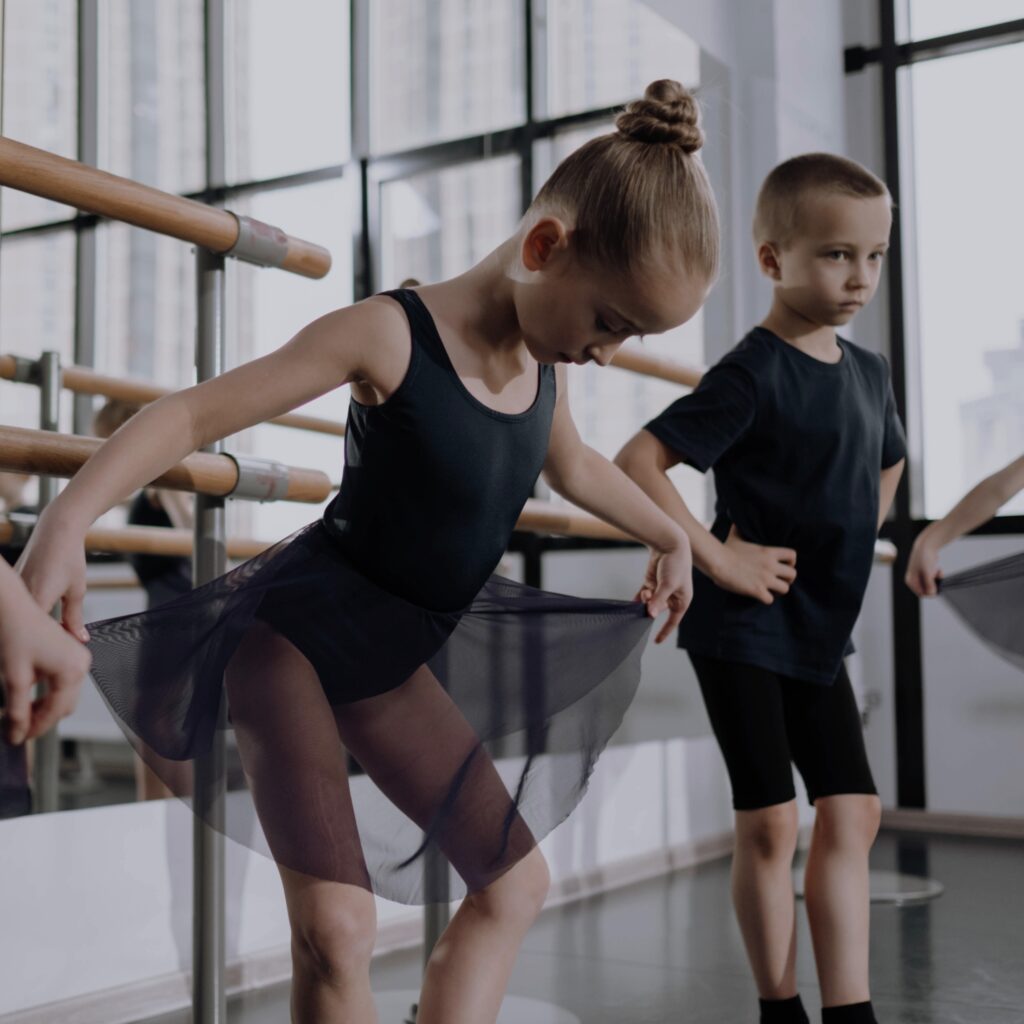
Small improvements accumulate, helping dancers feel a sense of accomplishment and confidence in both movement and mindset.
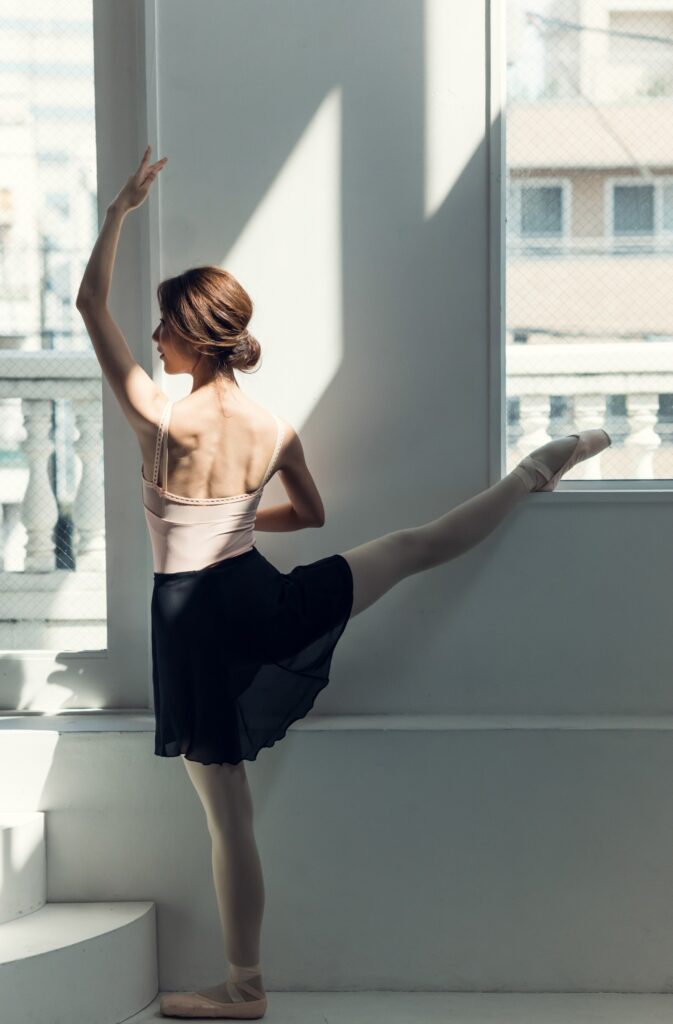
Ballet encourages mindfulness and focus. Each combination requires attention to timing, placement, and movement quality. Staying present becomes essential, which naturally quiets distractions and helps the mind settle into the moment.
It enhances flexibility and range of motion. Through gentle stretching and repeated movement, ballet helps improve flexibility over time. This can support joint health and ease of movement, especially when practiced consistently and with proper technique.
Ballet offers a powerful outlet for creative expression. Movement becomes a way to communicate emotion and intention without words. Even simple exercises allow dancers to explore musicality, rhythm, and personal interpretation.
Finally, ballet offers a sense of connection to tradition and artistry. Practicing ballet links you to a long-standing art form with deep cultural roots. That connection can be both grounding and inspiring, adding meaning beyond the physical movement itself.
Getting Started
Beginning ballet does not require prior dance experience or a specific background. Many people start as adults, returning after years away or trying it for the first time. The key is finding an approach that feels supportive, accessible, and enjoyable rather than intimidating.

Look for beginner friendly ballet classes at local dance studios, community centers, or recreation programs. Many studios offer adult beginner or open level classes designed to focus on fundamentals at a comfortable pace. These classes emphasize posture, balance, and basic movements without the pressure of performance or competition.
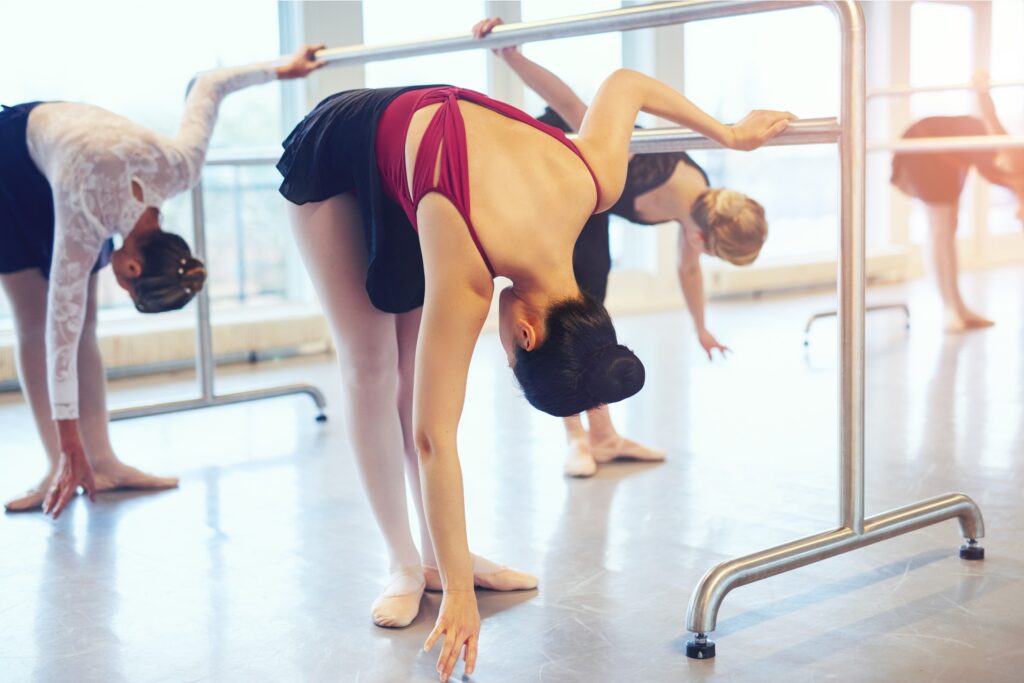
If in-person classes are not available, online platforms can be a good alternative. Many instructors offer beginner ballet videos that focus on barre work, basic positions, and gentle combinations. Starting at home allows you to move at your own pace while building familiarity with terminology and technique.
Comfortable clothing that allows for movement is all you need to start.
While traditional ballet attire exists, beginners can wear fitted athletic wear that lets instructors see alignment and posture.
Ballet slippers are helpful but not always required at first. Some classes allow socks until you decide to invest in proper footwear.
Take time to listen to your body as you begin. Ballet uses muscles in precise ways, and progress comes through consistency rather than intensity.
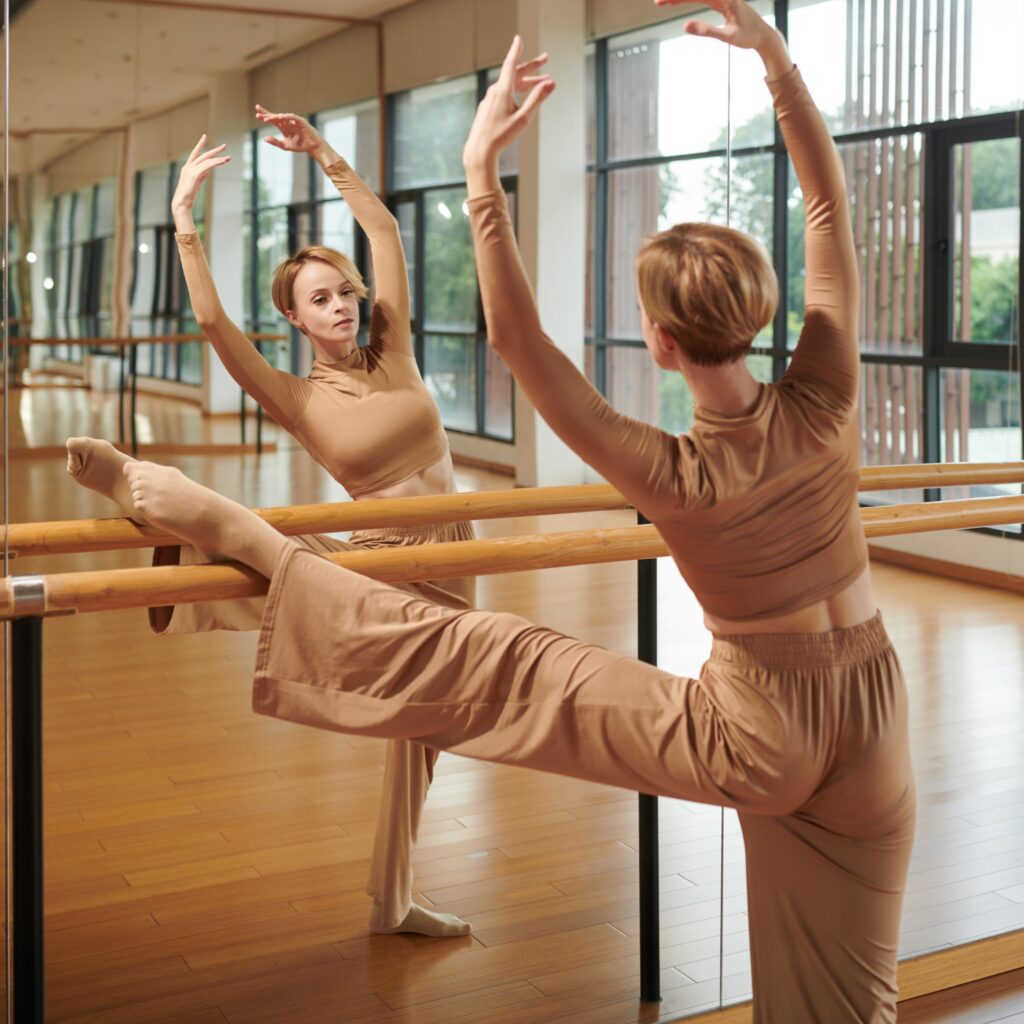
Short, regular practice sessions help build strength and coordination while reducing the risk of strain.

Most importantly, approach ballet with curiosity rather than expectation. There is no single path or timeline. Whether you attend a weekly class or practice occasionally at home, each step builds comfort, awareness, and appreciation for the art of movement.
Resources
There are many ways to connect with ballet beyond your first plié or tendu, whether you want to learn on your own, take a class, or find inspiration. Local dance studios are a great place to begin. Many offer beginner ballet classes for adults and youth. You can observe a class or try a drop-in session to see what feels right for your schedule and comfort level. Instructors can help with technique, body alignment, and choosing appropriate classes.

Community centers and recreation programs often include ballet or beginner dance classes in their seasonal offerings. These classes are usually priced gently and attract people with a range of experience, making them a welcoming environment for new dancers.

Print and online resources can help you build foundational vocabulary and movement patterns. Websites like Dance Magazine and BalletHub share explanations of steps, common combinations, and guidance on posture and alignment.
Books on ballet technique and history are useful references. Titles such as Ballet: The Ultimate Guide to Classical Dance by Julie Gardner and Technical Manual and Dictionary of Classical Ballet by Gleason and Stein provide clear explanations and richly illustrated examples of movement.
If you prefer structured learning at your own pace, online platforms such as MasterClass, Udemy, and Steezy Studio offer ballet fundamentals and practice classes. Video platforms such as YouTube include channels with tutorials designed for beginners. These can be especially useful if you want to explore technique and terminology before or between in-person sessions.
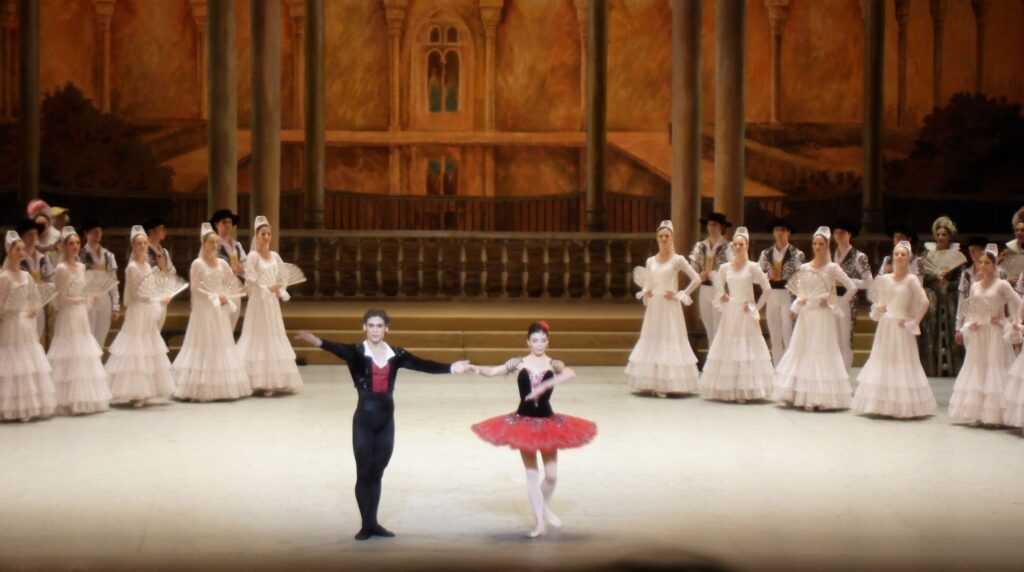
Ballet also has a rich performance tradition. Check your local theater listings for ballet performances, community shows, or outreach events. Watching live or recorded performances by companies such as American Ballet Theatre, New York City Ballet, or regional companies can deepen your appreciation and sense of what is possible.
Consider joining dance communities in person or online. Social media groups, local meetup groups, and forums allow you to ask questions, share progress, and find encouragement from others who are learning, practicing, or simply enjoy ballet.
Ballet supplies and apparel can be found at local dancewear stores, which are often the best place to get proper sizing and guidance. Many specialty shops allow you to try on ballet shoes and can recommend styles based on comfort and experience level.
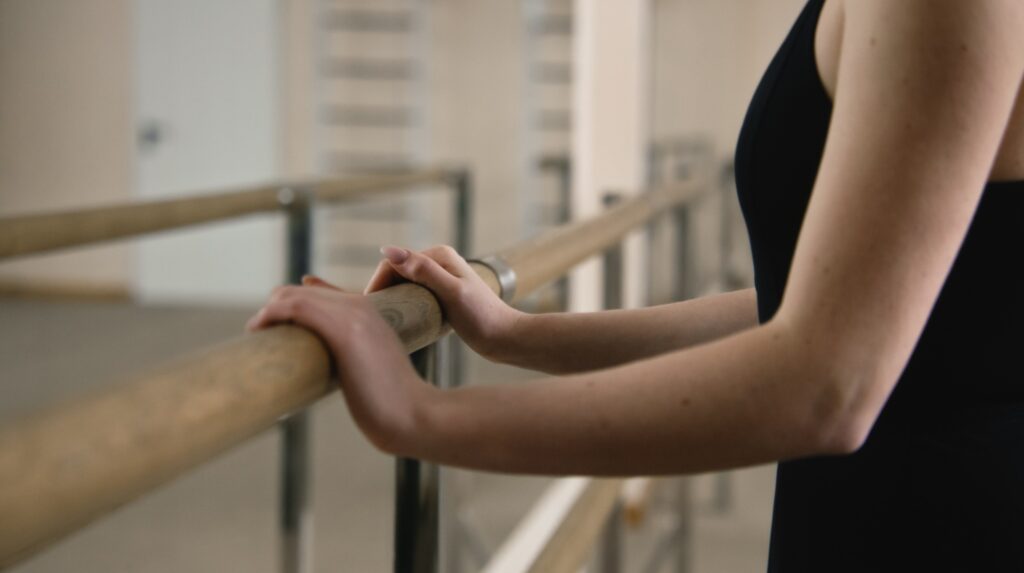
Many online retailers offer a wide selection of beginner and professional ballet shoes, leotards, tights, and warm-up layers. For home practice, comfortable fitted clothing, a clear floor space, and a sturdy chair or countertop can serve as simple alternatives to traditional studio equipment.
SAFETY and TIPS
Ballet places emphasis on precision, posture, and controlled movement, so warming up properly is important. Gentle stretching and slow preparatory movements help loosen muscles and joints, reducing the risk of strain before more focused practice begins.
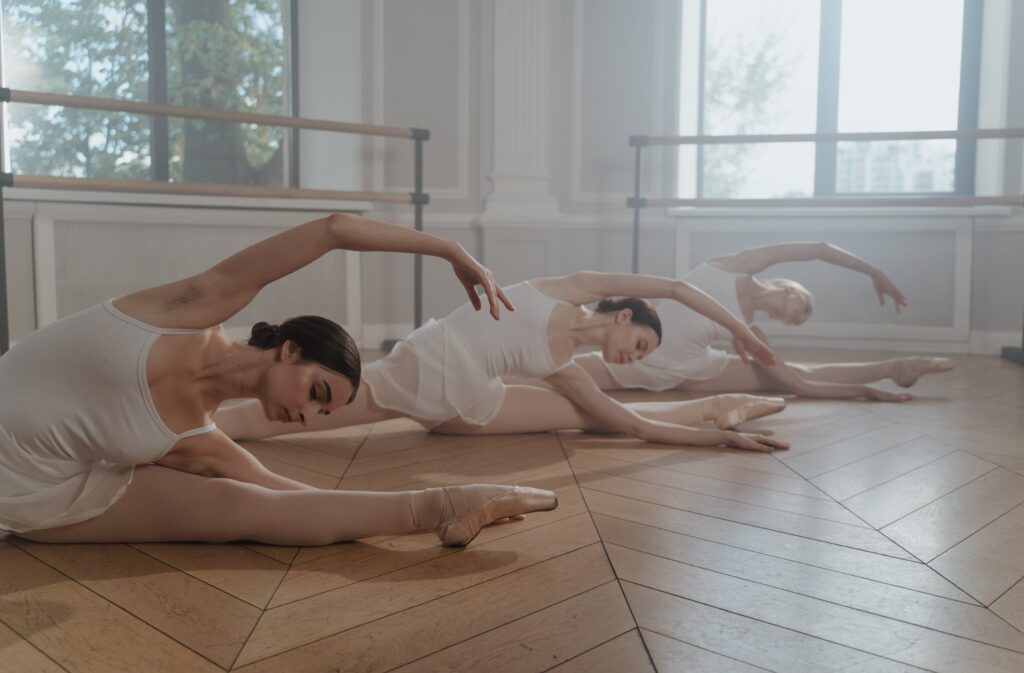

Pay close attention to alignment and posture. Ballet technique relies on proper placement of the spine, hips, knees, and feet. Moving with incorrect alignment can lead to discomfort or injury over time. If possible, learn foundational positions from a qualified instructor or trusted instructional resource to build safe habits early.
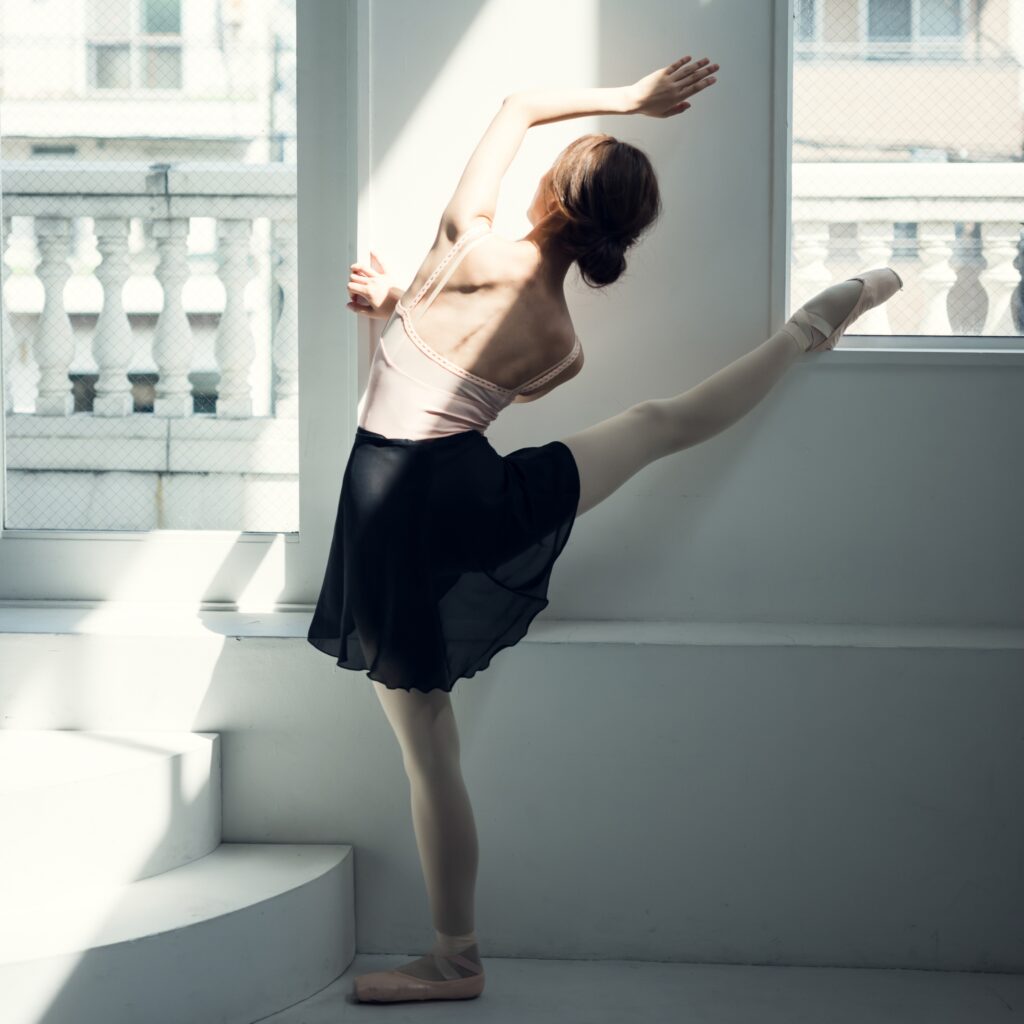
Wear appropriate footwear and clothing. Ballet shoes provide light support and allow you to feel the floor, which helps with balance and control. Clothing that fits well but allows movement makes it easier to see and correct form. Avoid slippery socks or shoes that were not designed for dance, as they can increase the risk of slipping.
Listen to your body and respect your limits. Ballet movements can be demanding, especially for beginners or those returning after time away. It is okay to take breaks, modify movements, or stop if something feels uncomfortable. Progress comes from consistency, not pushing through pain.
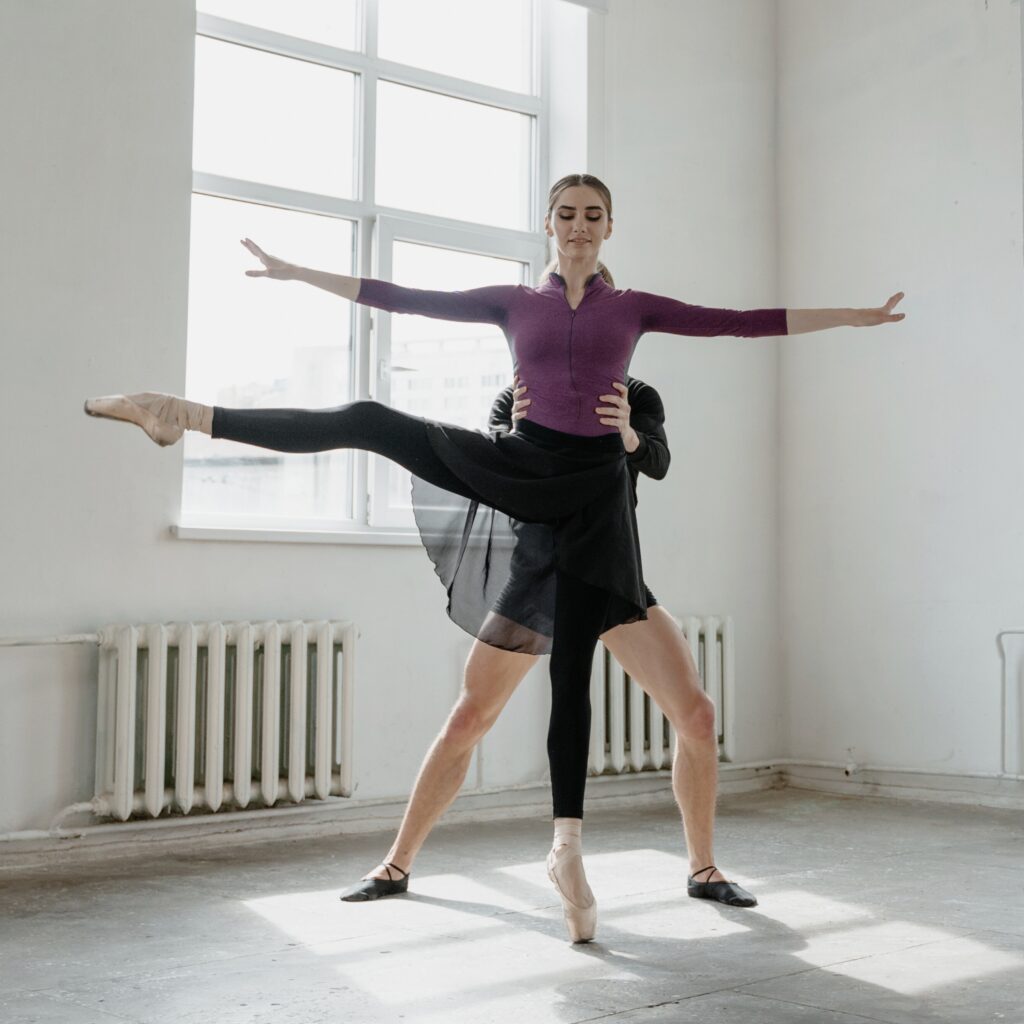
Use a safe practice space. Make sure the floor surface is clean, dry, and free of obstacles. Hard floors can be challenging on joints, so using a sprung floor at a studio or adding a supportive mat at home can help reduce impact. If practicing at home, a sturdy chair or counter can work for balance exercises, as long as it is stable.

Finally, allow time for rest and recovery. Ballet uses muscles in precise and repetitive ways, and rest helps prevent overuse injuries. Stretch gently after practice, stay hydrated, and give your body time to recover between sessions.
Final Thoughts
Ballet is often admired for its grace and beauty, but at its heart it is a practice of awareness, control, and steady effort. Each movement asks for focus and intention, turning even simple exercises into moments of presence and connection with your body.
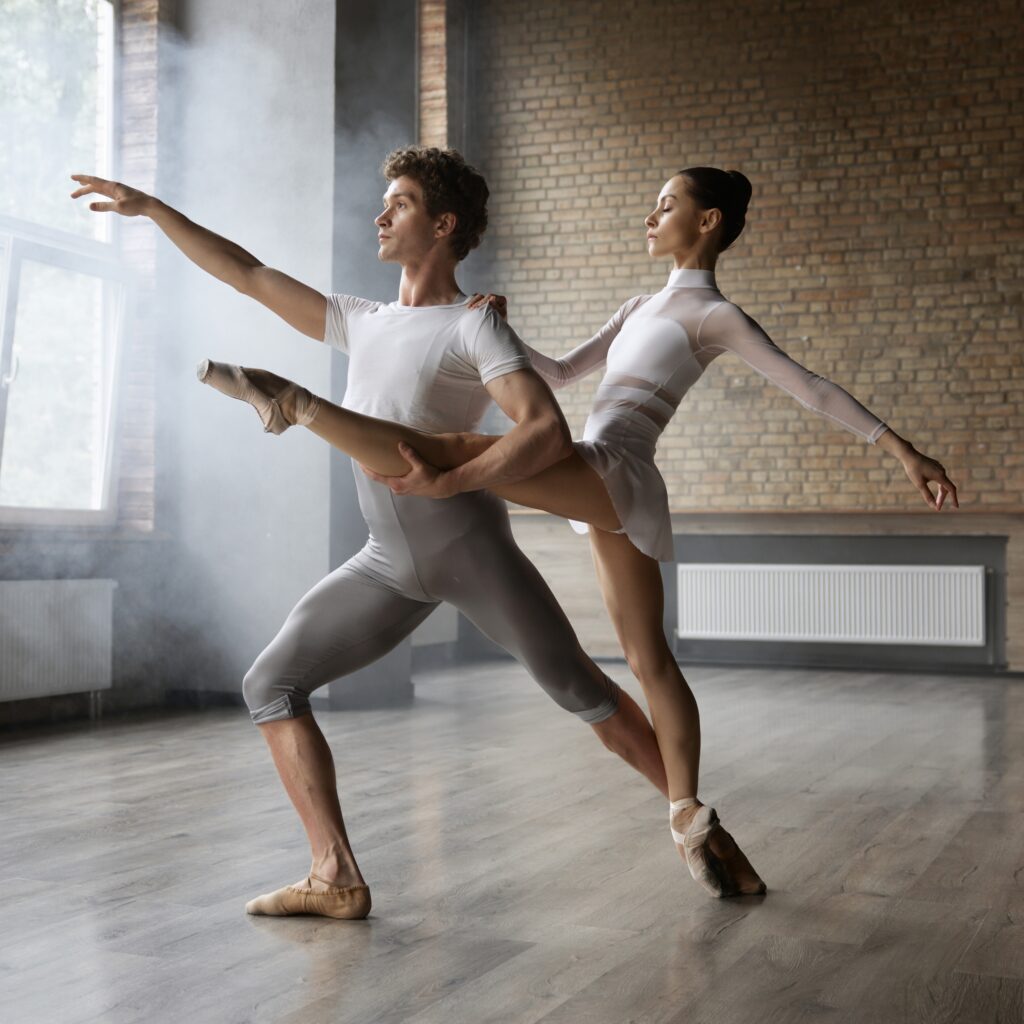
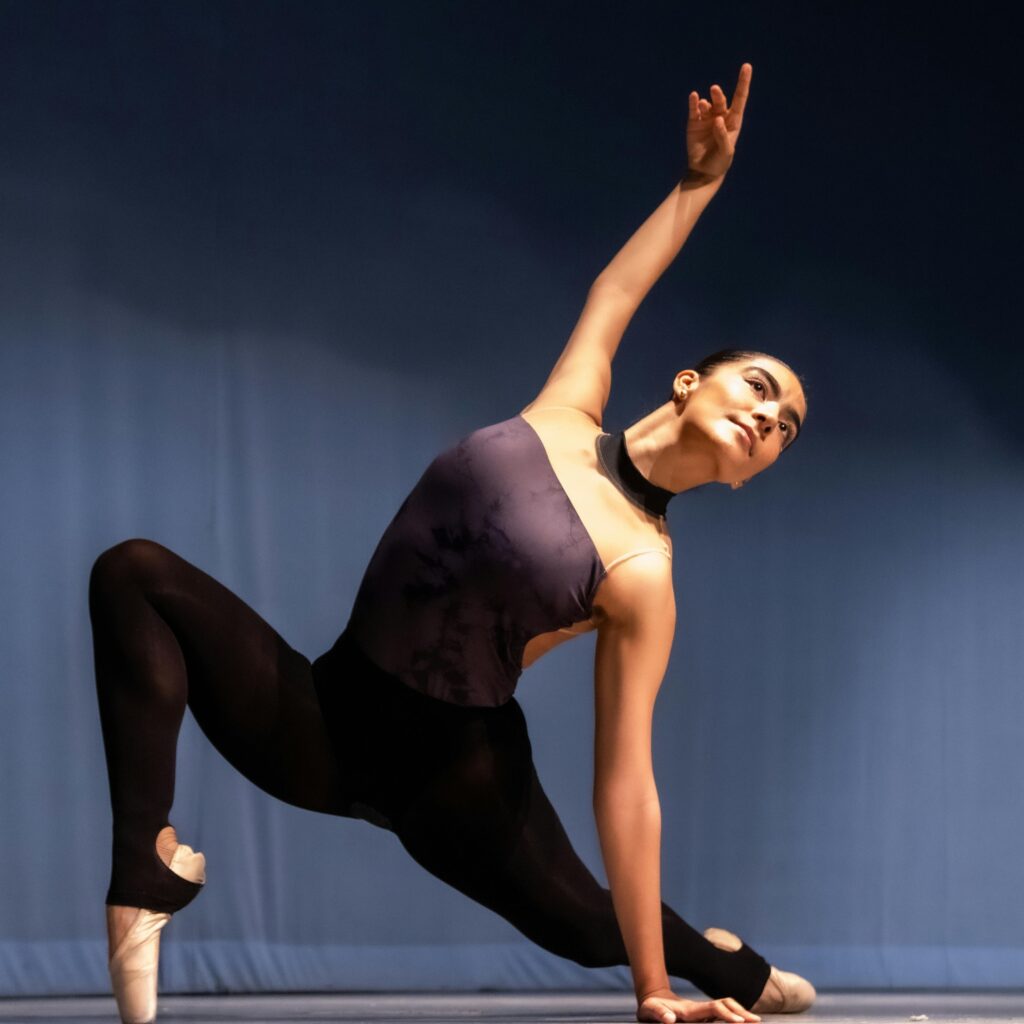
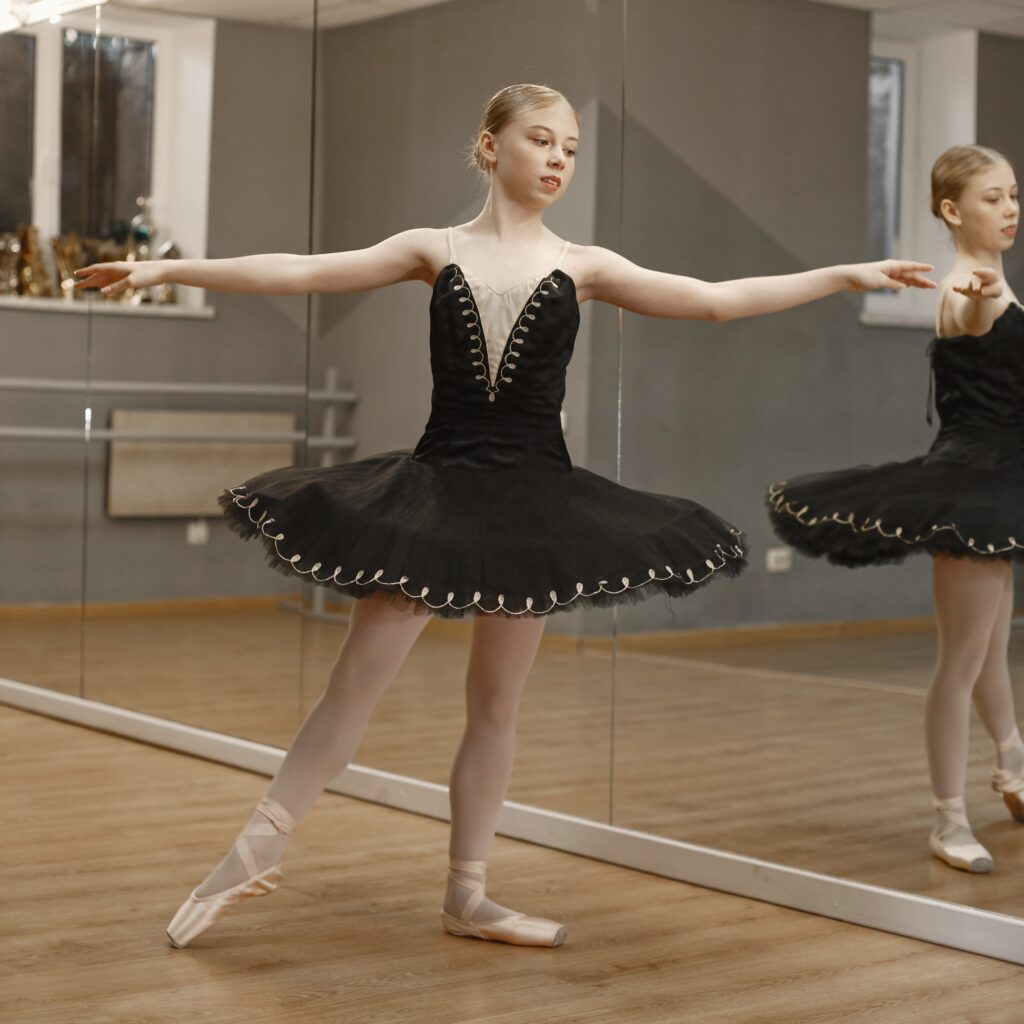
Whether practiced in a studio, at home, or simply appreciated through watching performances, ballet offers a way to slow down and engage with movement thoughtfully. Progress is built over time through consistency, patience, and attention to detail.
Ballet reminds us that strength and elegance can exist together, and that meaningful movement does not need to be rushed to be rewarding.
Do you enjoy ballet, or is it something you have always been curious to try? Share your thoughts in the comments below.
Leave a Reply