Welcome to Saturday Sparks! This week, we’re exploring the strategic and captivating world of Chess. With a simple board and a small set of pieces, chess offers a surprisingly deep and engaging way to challenge the mind while enjoying a game that has been played for centuries.

At first glance, chess may appear straightforward, but each move invites thoughtful consideration, planning, and awareness. The rhythm of the game encourages players to slow down, focus, and think beyond the present moment. It is a quiet activity that rewards patience and careful attention rather than speed.
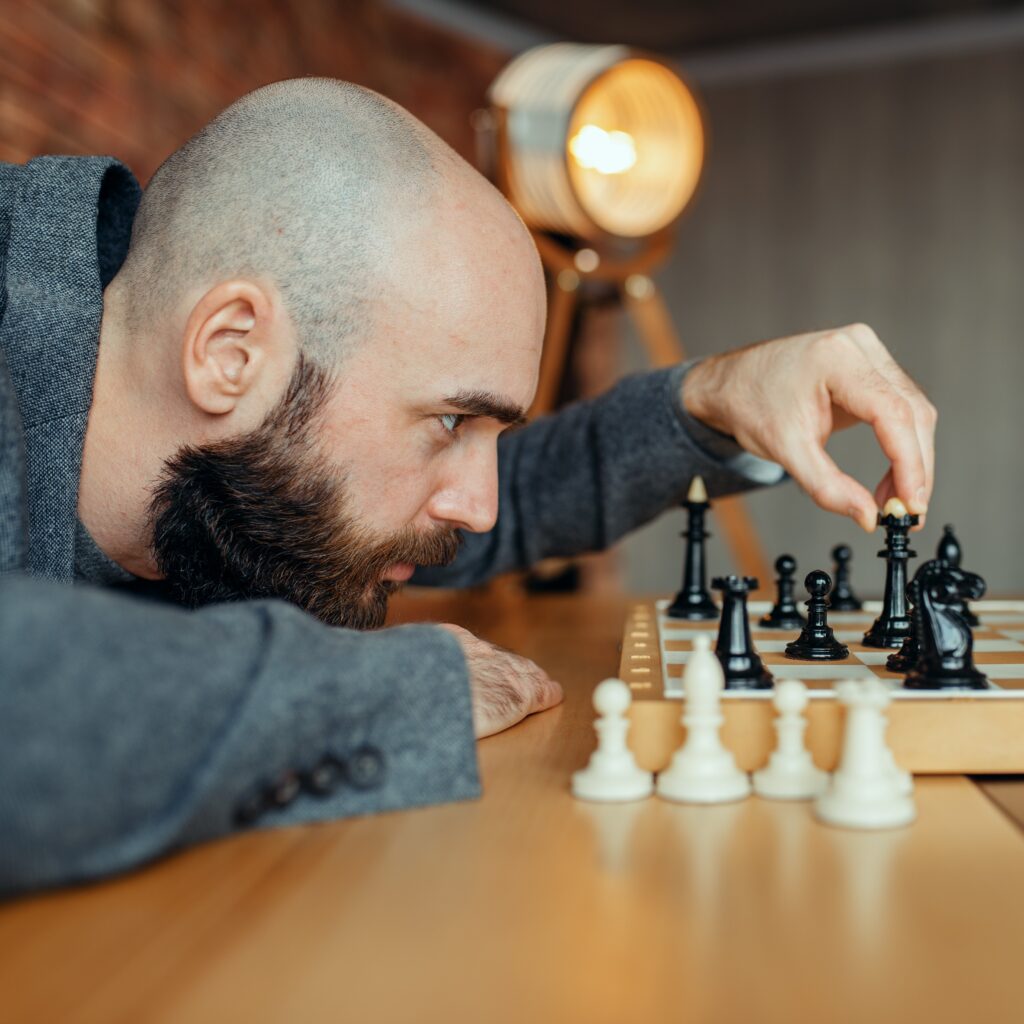
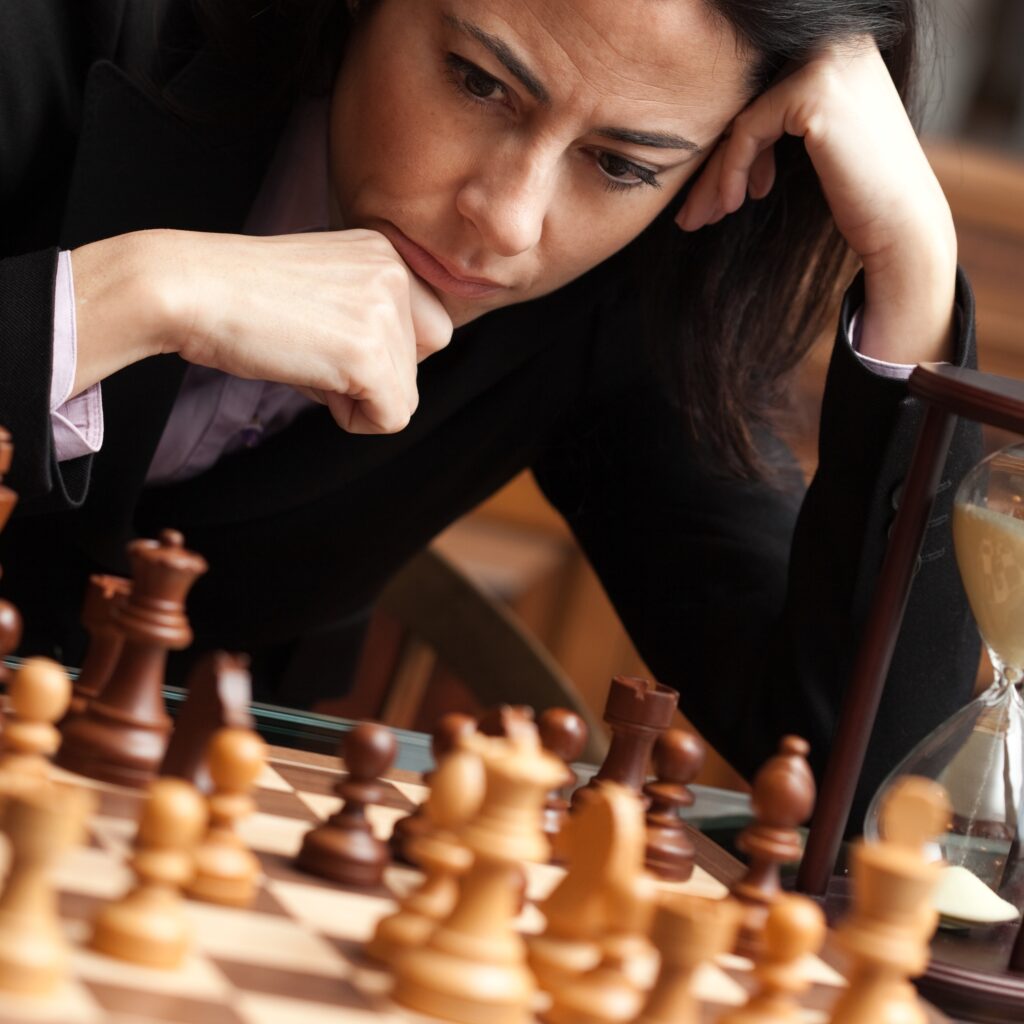
Chess has crossed cultures, generations, and skill levels, remaining one of the most widely recognized strategy games in the world. Its lasting appeal comes from the balance between simple rules and complex possibilities, allowing every game to unfold in a new and unique way.
What is Chess
Chess is a two player strategy board game played on an eight by eight checkered board. Each player begins with sixteen pieces: one king, one queen, two rooks, two bishops, two knights, and eight pawns. Every piece has a specific way it moves, creating a structured system that forms the foundation of the game.

The objective of chess is to place the opponent’s king in a position called checkmate, where it cannot escape capture. While this goal sounds simple, the path to achieving it requires careful positioning, planning, and awareness of how pieces interact across the board. Players must think not only about their current move, but how it affects future possibilities.
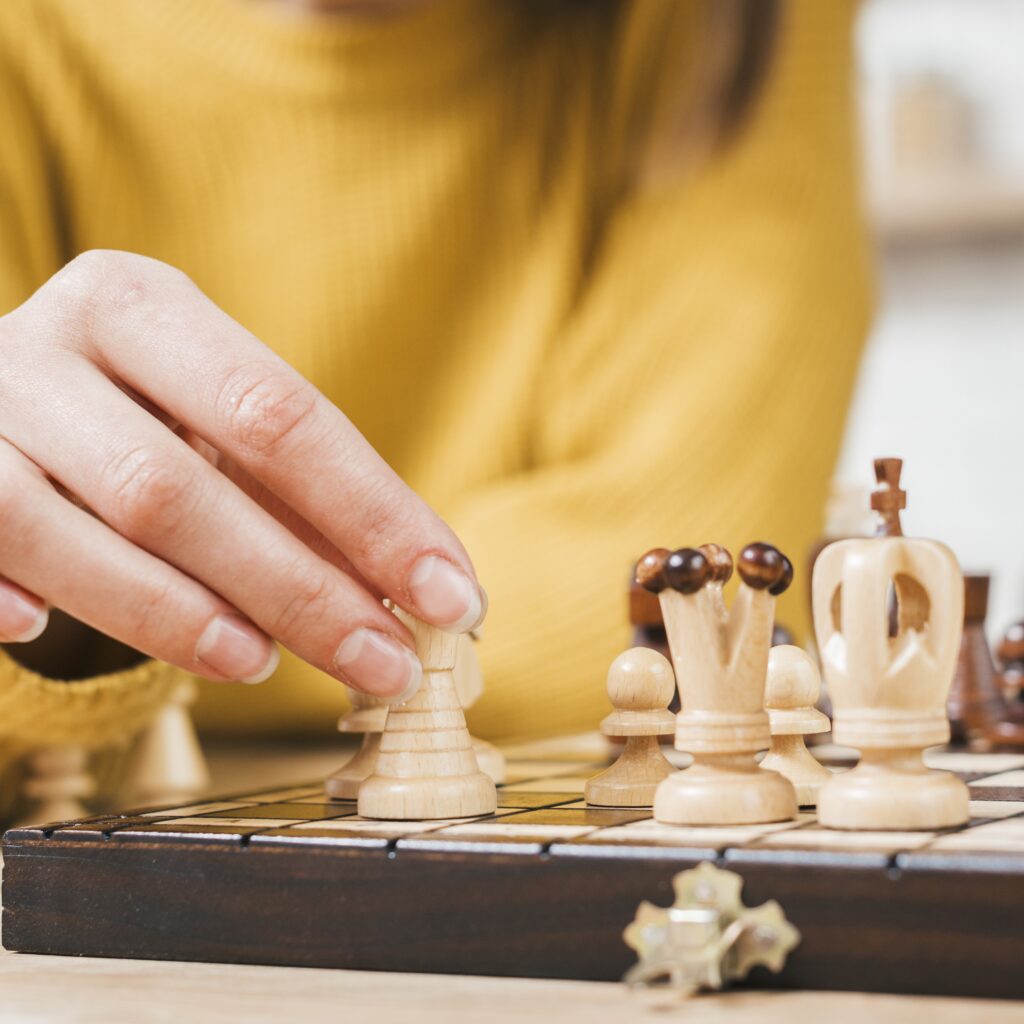
The game unfolds in turns, with each player moving one piece at a time. Early moves often focus on developing pieces and controlling the center of the board.
As the game progresses, players balance offense and defense, protecting their own king while creating pressure on their opponent. The final stage, known as the endgame, often becomes a precise exercise in calculation and positioning.
Despite its structured rules, chess offers an almost unlimited variety of outcomes. No two games play out exactly the same way. The interaction between pieces, combined with individual decision making, creates a dynamic experience that is both predictable in structure and endlessly variable in practice.
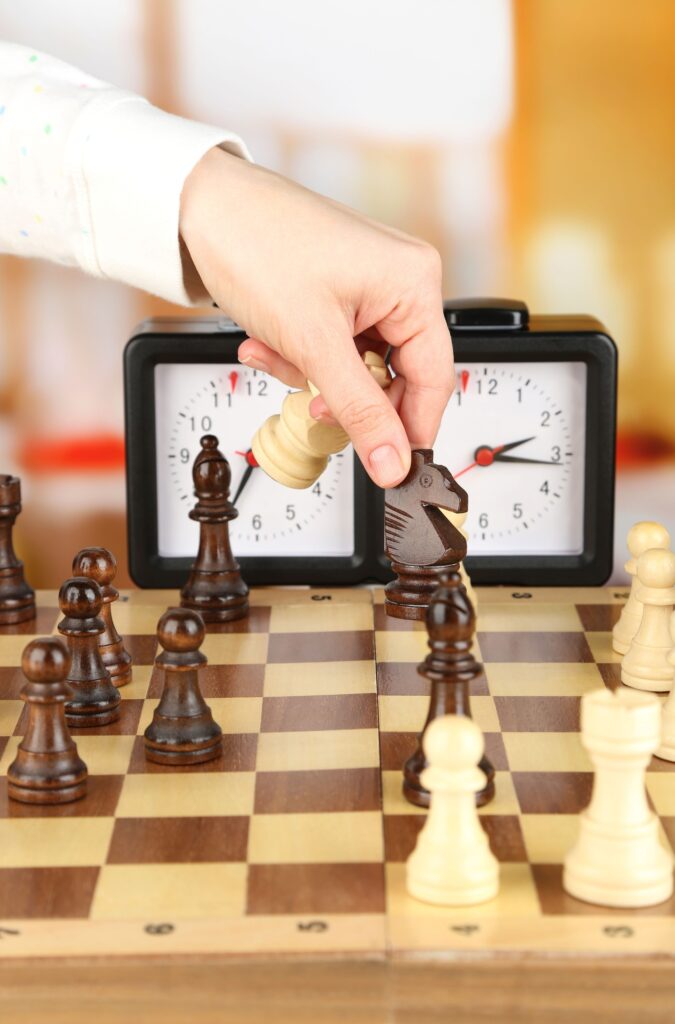
Chess can be played casually, competitively, in person, or digitally. Regardless of the setting, the core mechanics remain the same, making it easy for players to move between environments while continuing to build familiarity and skill.
The Benefits of Chess
Chess strengthens strategic thinking and problem solving by requiring players to plan ahead and anticipate multiple possibilities. Each move asks you to weigh outcomes and consider how present decisions affect future positions, naturally building critical thinking skills that extend beyond the game itself.

It improves memory and pattern recognition as players become familiar with common formations, openings, and tactics. Recognizing these patterns helps strengthen memory and allows for more confident and thoughtful responses during play.
Chess enhances focus and concentration because a single game often requires sustained attention for an extended period of time. Staying engaged with the board encourages players to remain present, helping quiet outside distractions.
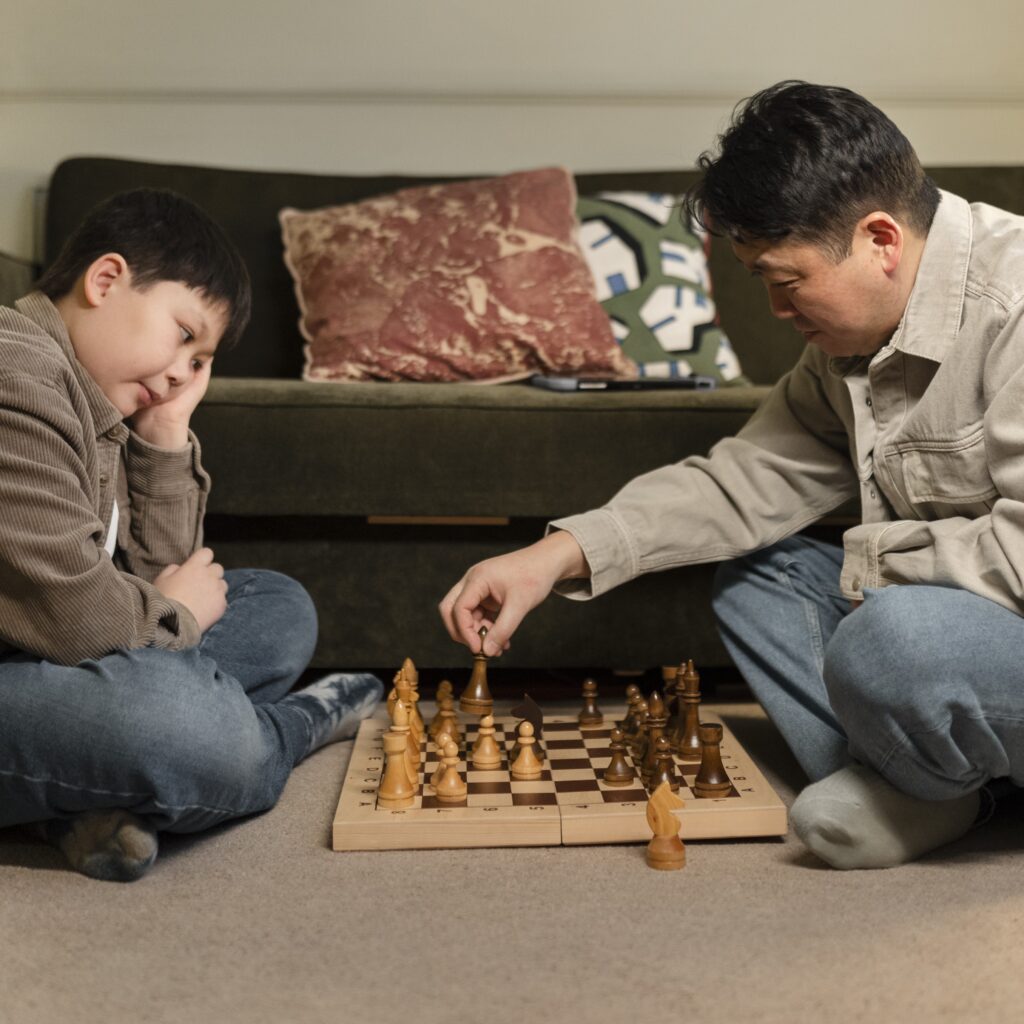
It teaches patience and discipline by rewarding careful thought rather than rushed decisions. Players learn to wait, observe, and act at the right moment, developing a steady and thoughtful approach to problem solving.

Chess offers a calming and immersive mental break as the focus on pieces, positioning, and strategy creates a sense of mental stillness. As your attention narrows to the board, outside distractions tend to fade, allowing you to settle into the rhythm of thoughtful play.
Many players find the game to be a relaxing way to unwind while still engaging the mind. The steady pace and quiet concentration create a balance between challenge and calm that feels both refreshing and restorative.
It supports independent learning and self-improvement through puzzles, solo study, and reviewing past games.
These quiet practice methods help players recognize patterns, understand common mistakes, and build confidence at their own pace.
This allows players to practice and grow their skills even when an opponent is not available. Over time, these small moments of study often translate into clearer thinking and stronger decision making during actual games.
It creates opportunities for social interaction and connection through friendly matches with friends, family, classmates, or fellow enthusiasts in clubs and community settings. Online platforms also allow players to connect with others from around the world.
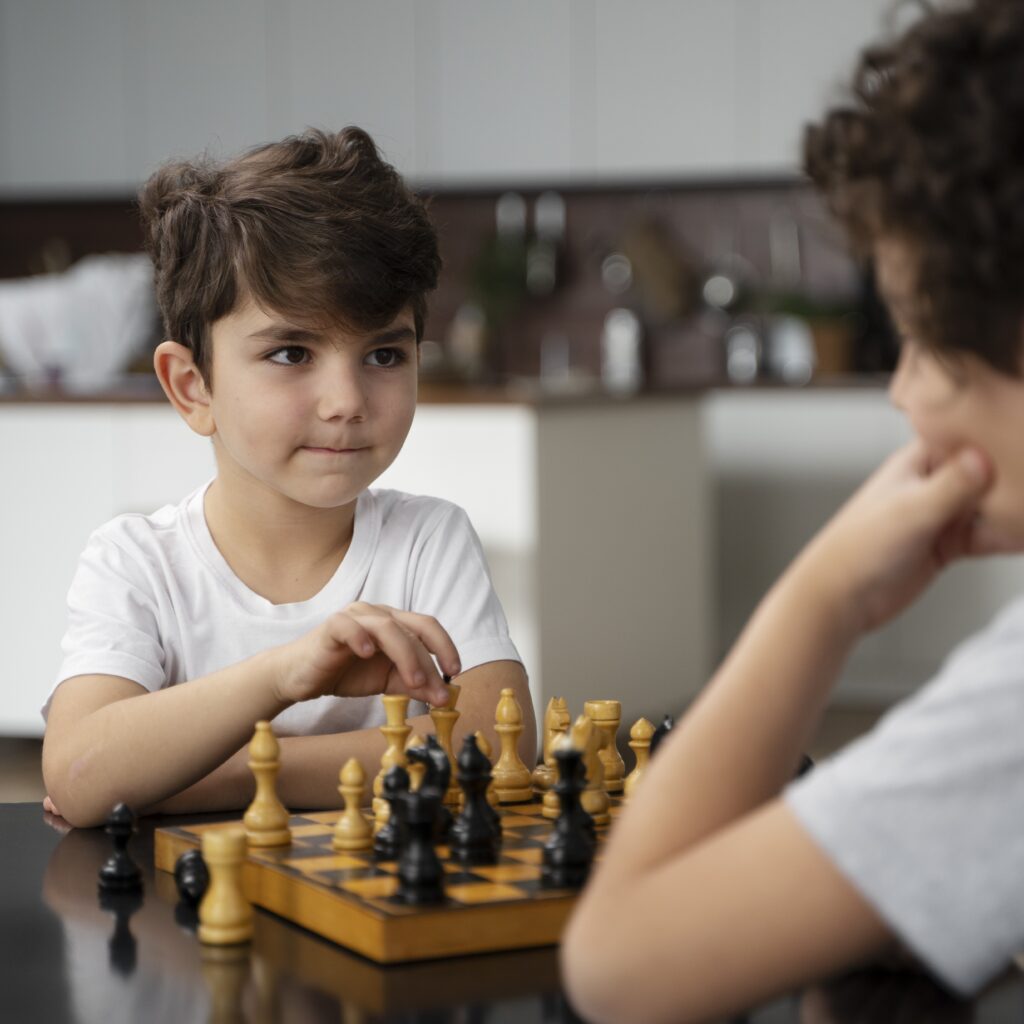
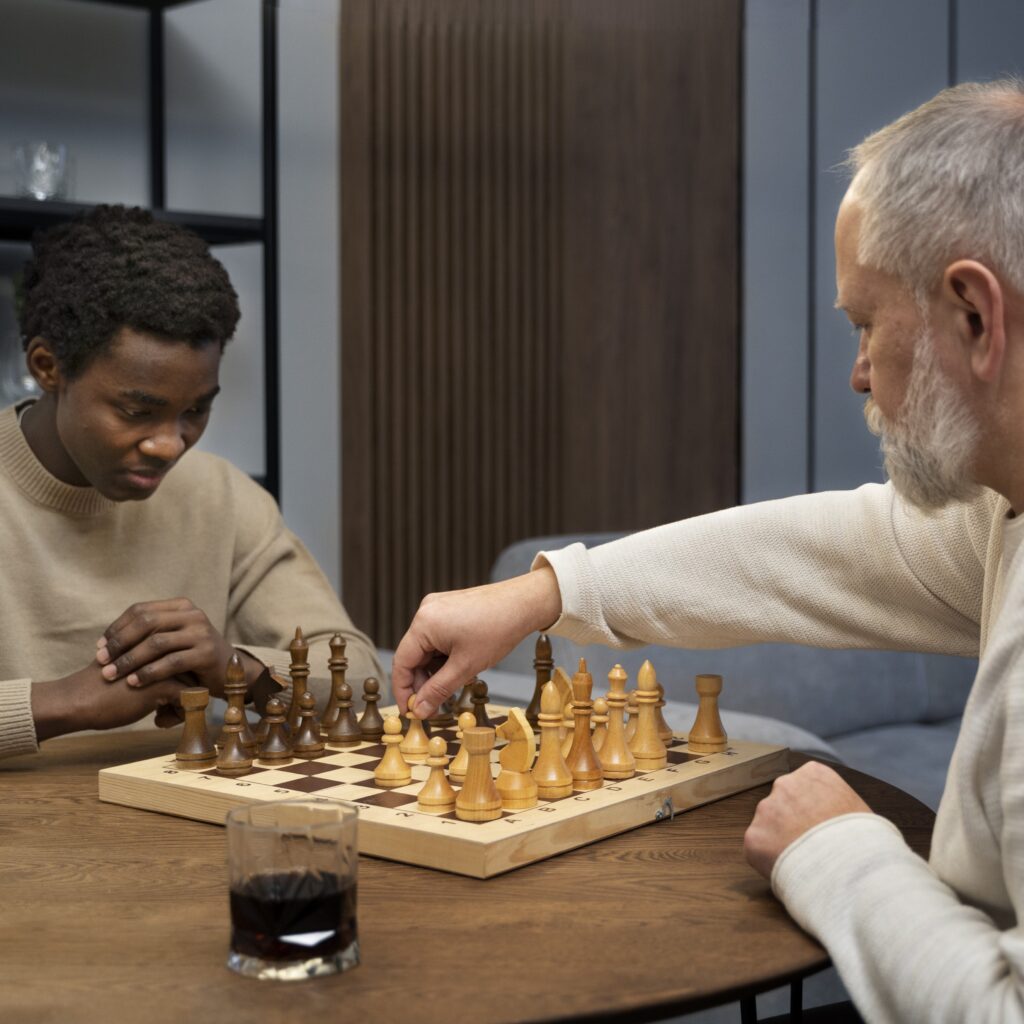
Chess is accessible across ages and experience levels because the rules remain consistent while the depth of understanding grows over time. Children, adults, and seniors alike can enjoy the game at their own pace.
It is a low cost activity with lasting value since a single chess set can provide years of learning and entertainment without ongoing expense or specialized equipment.
GETTING STARTED
Learning the basic rules and piece movements is the first step to playing chess. Each piece moves in a specific way, and understanding these movements builds the foundation for everything that follows. Many beginners find it helpful to practice setting up the board and walking through simple moves before playing a full game.
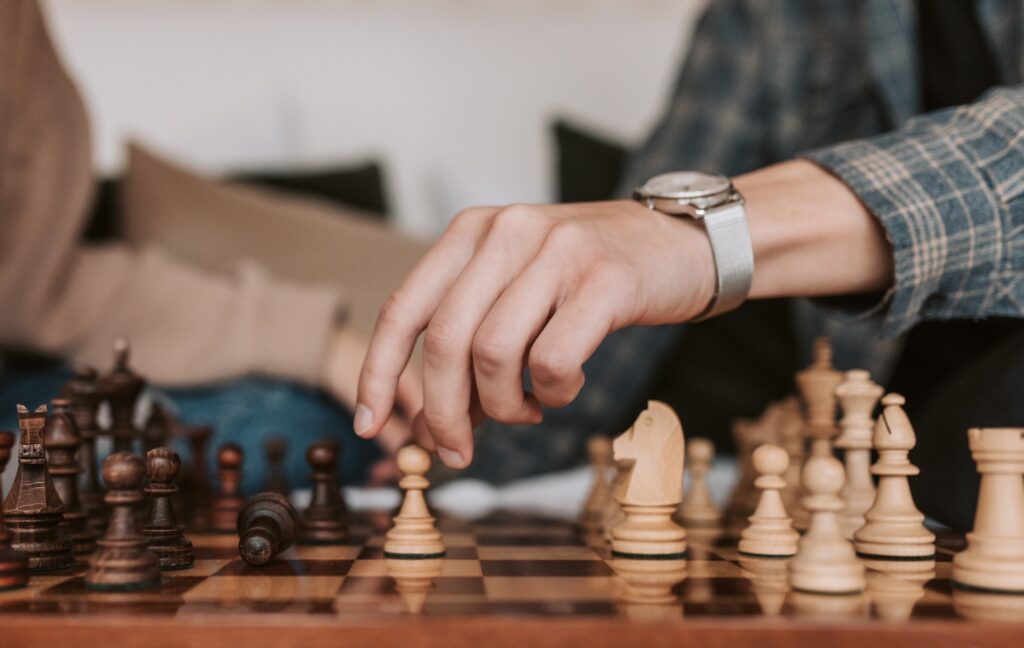
Finding an opponent makes the game come to life. Playing with a friend, family member, or classmate allows you to experience the back and forth rhythm of the game. For those without a partner nearby, online platforms and local chess groups make it easy to find others who are interested in playing.

Using chess apps and websites can build confidence quickly. Digital platforms offer guided lessons, practice matches, and puzzles that help new players become familiar with the flow of the game in a low pressure environment.
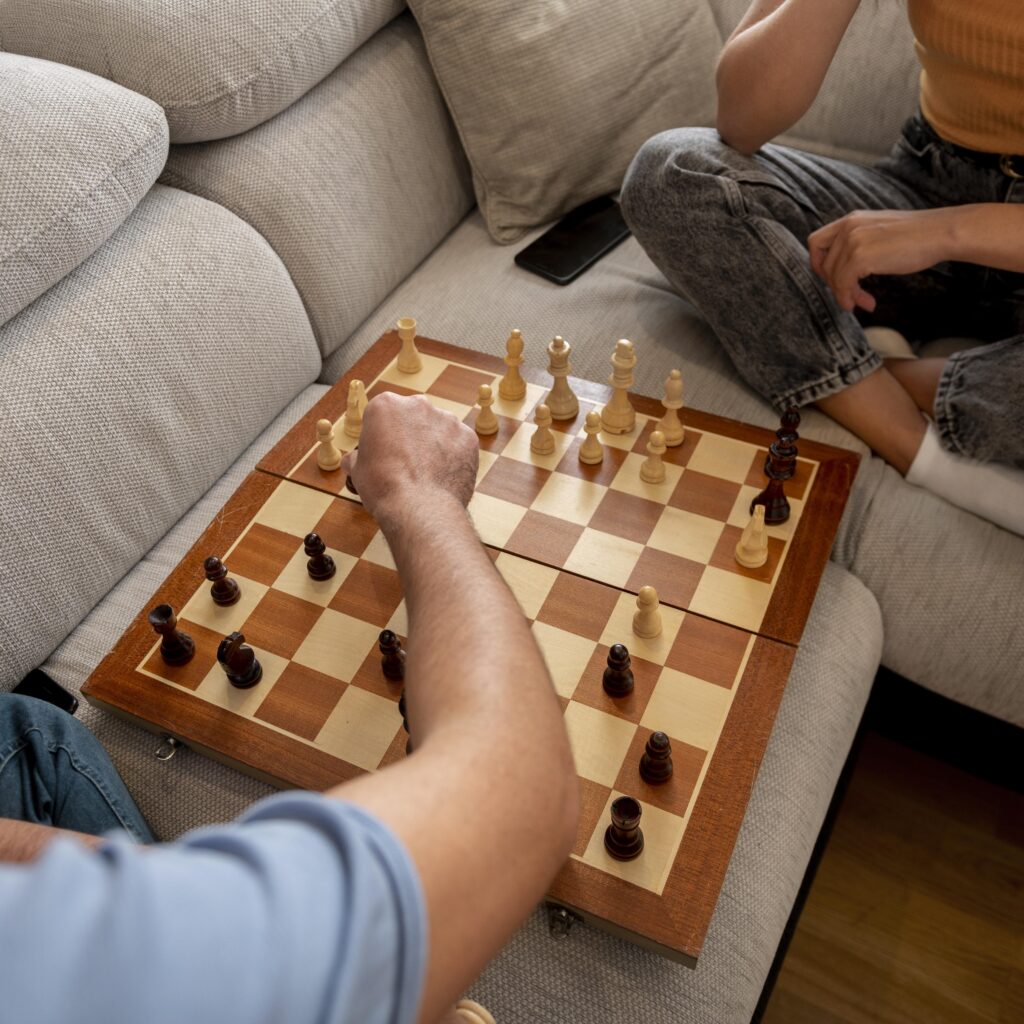
Studying simple strategies helps the game feel less overwhelming. Watching beginner tutorials, reading introductory guides, or reviewing famous games can provide insight into common tactics and patterns that make play more enjoyable and less confusing.

Playing regularly is one of the best ways to improve. Each game offers new experiences and opportunities to learn. Rather than focusing on winning, many players find it helpful to pay attention to how the game unfolds and what they can learn from each move. Reviewing past games helps strengthen understanding. Looking back at completed matches allows players to notice mistakes, recognize missed opportunities, and understand how certain decisions influenced the outcome.
RESOURCES
Local chess clubs and community groups provide welcoming places to play and learn. Libraries, schools, community centers, and even local cafés often host casual chess meetups where players of different ages and skill levels gather to enjoy the game together.

Chess boards and pieces are easy to find and affordable. Sporting goods stores, bookstores, toy stores, and online retailers offer a wide variety of chess sets, from simple beginner boards to decorative sets. Thrift stores, yard sales, and secondhand shops are also common places to find inexpensive sets for home play.
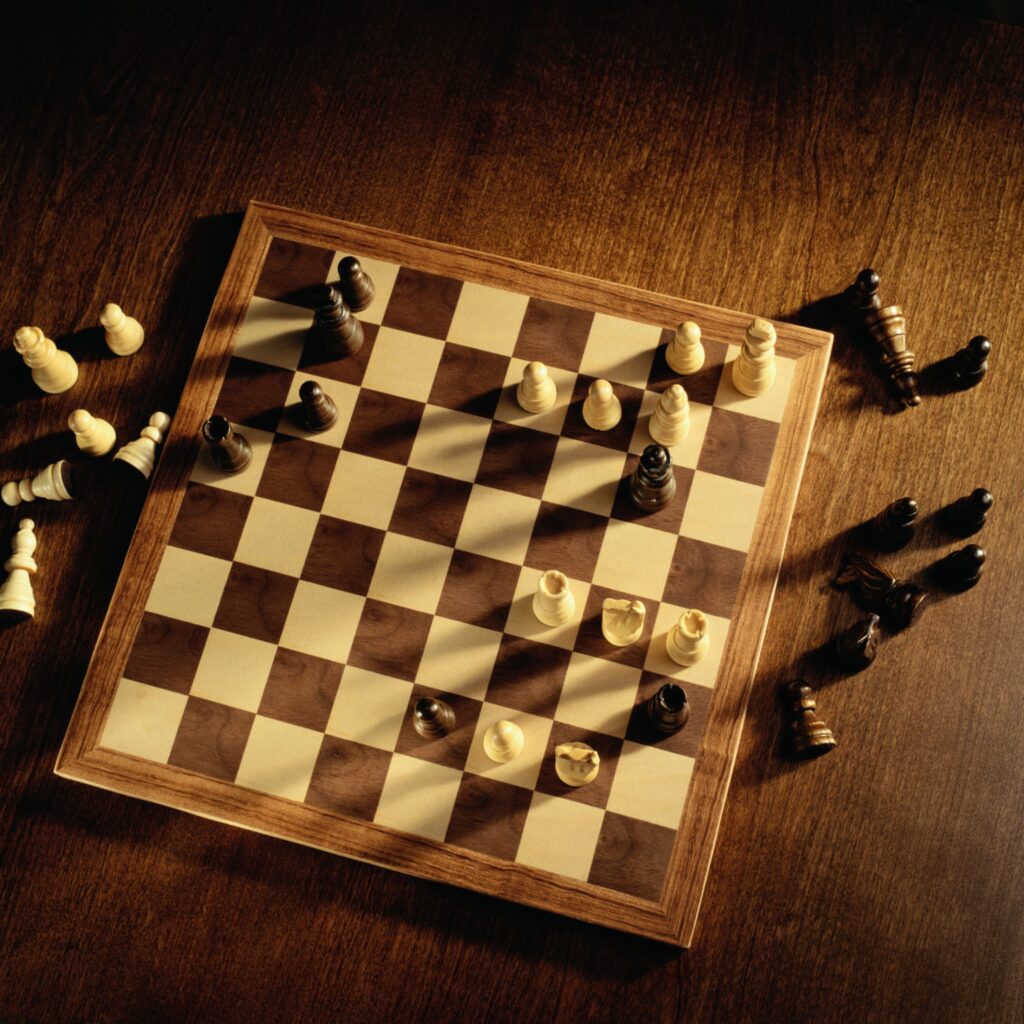
Online platforms offer accessible ways to practice and improve. Sites such as Chess.com and Lichess.org provide lessons, puzzles, tutorials, and opportunities to play against opponents from around the world at any time.
Chess apps allow for practice and play anywhere. Mobile apps provide quick games, puzzles, and tutorials that make it easy to build skills in short sessions throughout the day.
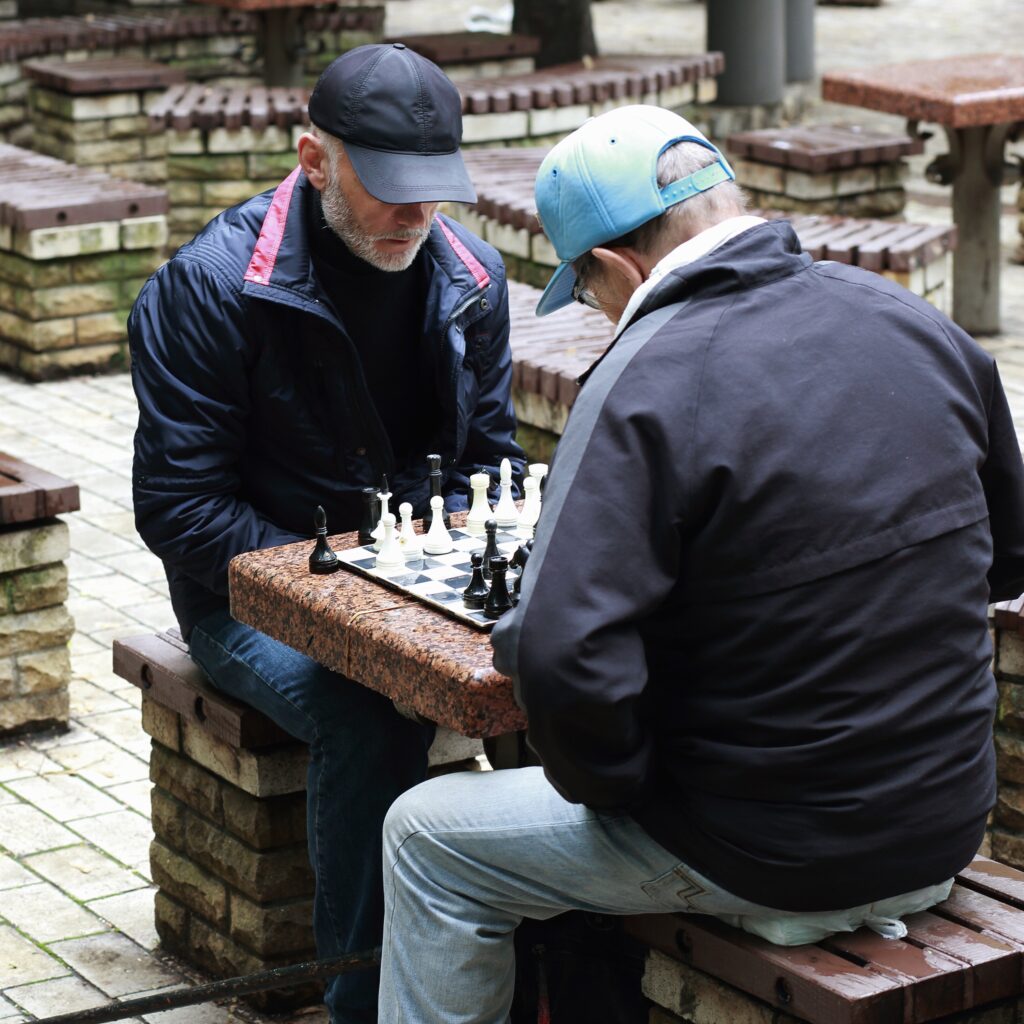
Public parks and outdoor spaces sometimes include permanent chess tables. These areas create opportunities for casual outdoor play and social interaction in a relaxed environment.
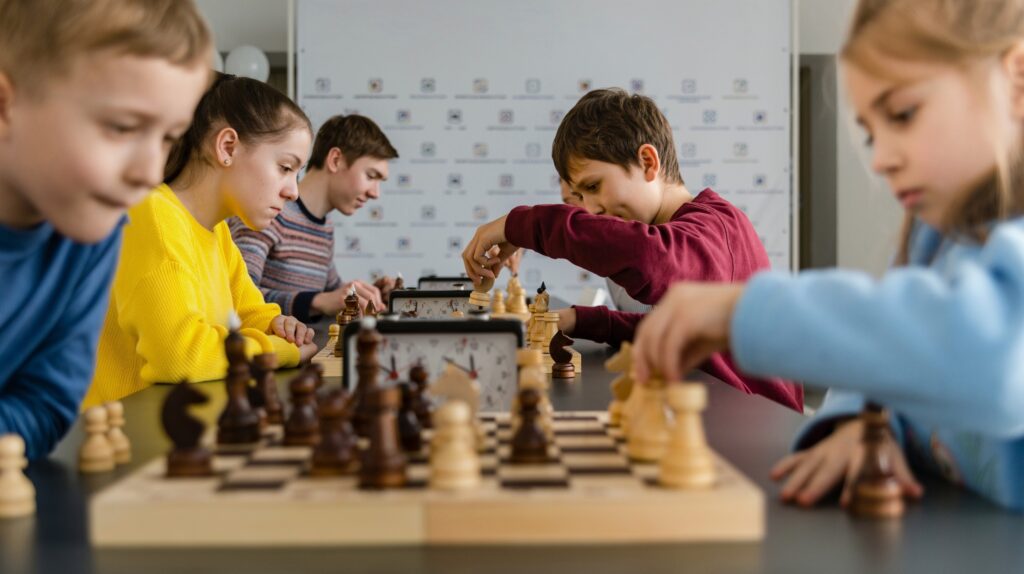
Scholastic and youth chess programs are widely available. Many schools and after school programs offer chess clubs for children, providing a supportive introduction to the game in a social setting.
Video tutorials make learning easy to follow. Many beginner friendly YouTube channels walk through the rules of the game, demonstrate piece movement, and explain strategies in a visual, approachable way.
Books, beginner guides, and printable worksheets support offline learning. Libraries and bookstores carry beginner friendly chess books that explain piece movement, simple strategies, and common tactics. Puzzle books and printable worksheets offer screen free ways to practice.
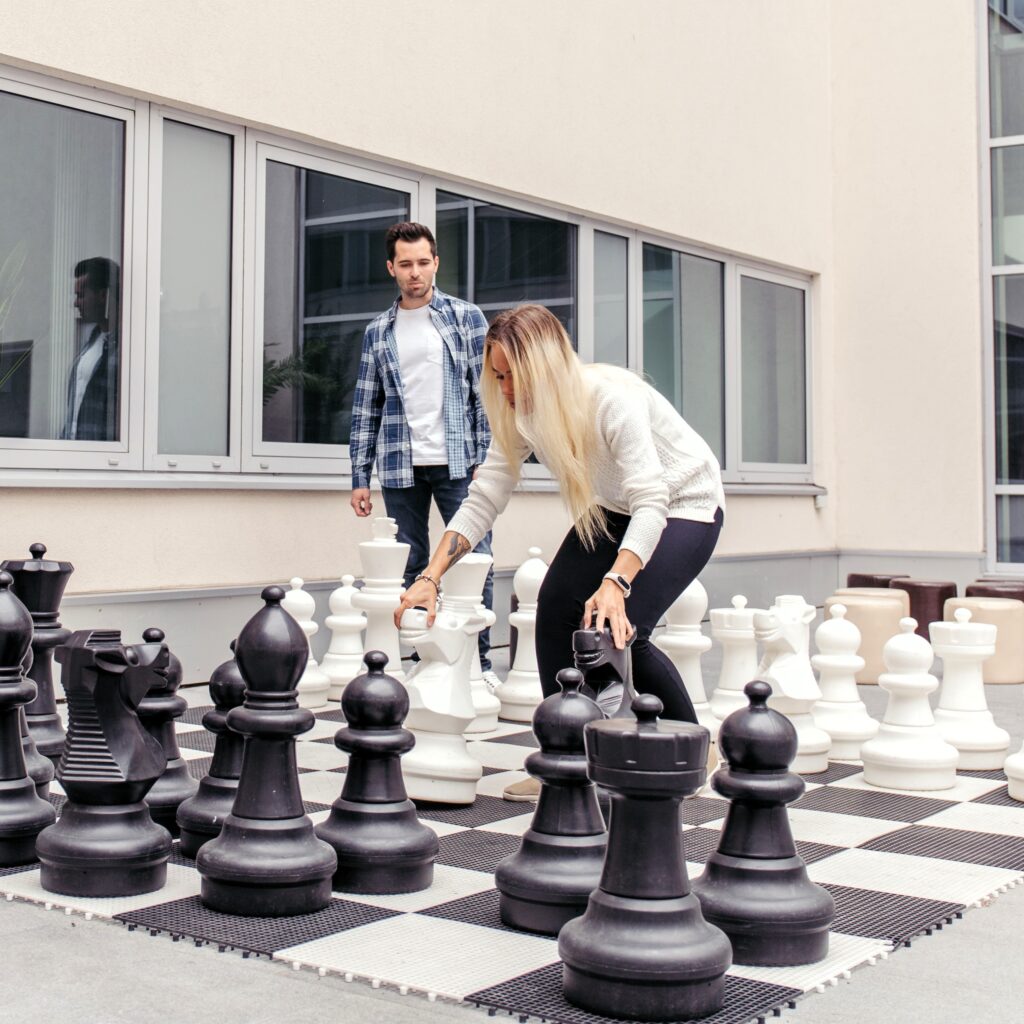
Clear rule guides are widely available for beginners. Websites like Chess.com and Lichess provide easy to follow explanations of how each piece moves, how to set up the board, and how a game begins. Most beginner chess sets also include simple rule booklets, and libraries often carry beginner guides designed for first time players.
Tips for Success
Take your time with each move. Chess rewards thoughtful decisions rather than quick reactions. Slowing down helps you see the board more clearly and avoid simple mistakes.
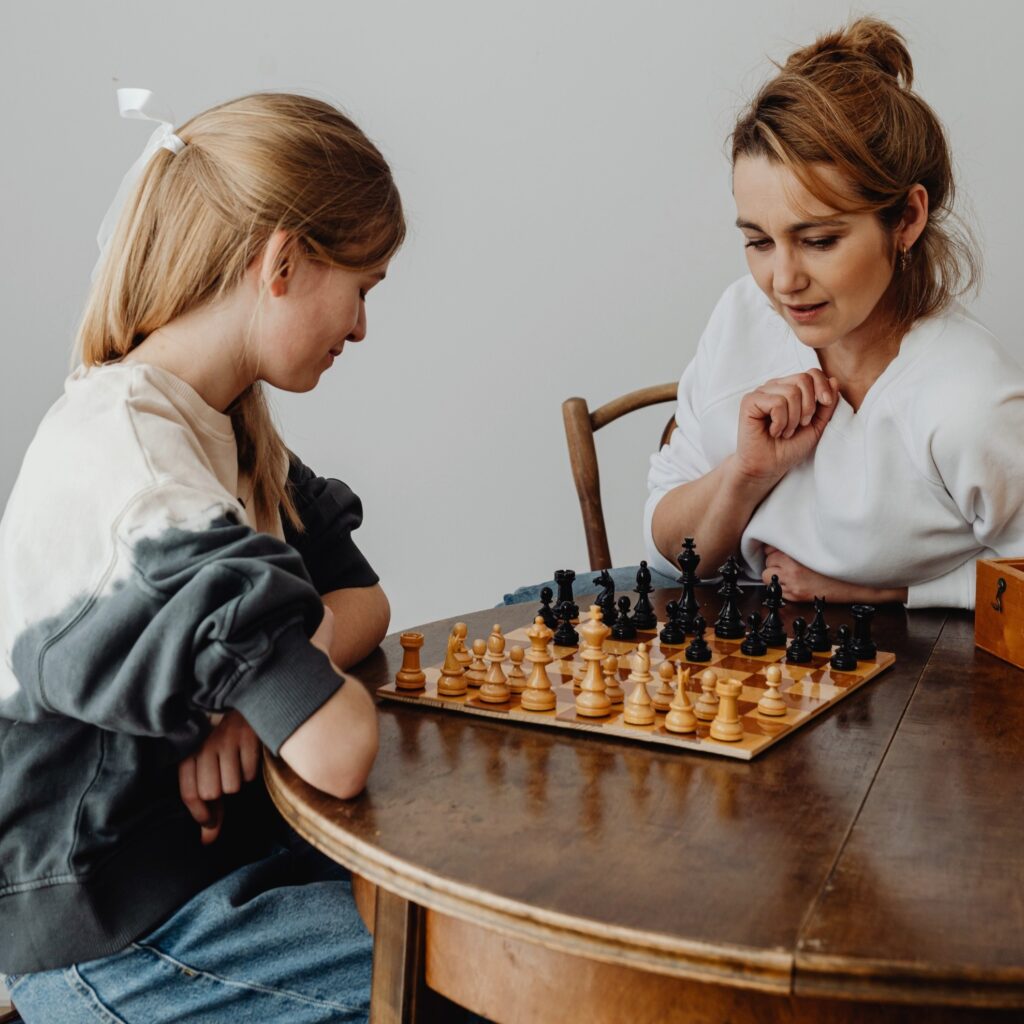
Look at the whole board, not just one piece. Beginners often focus on a single move or piece, but stronger play comes from noticing how all the pieces work together.
Think one move ahead, then two. You do not need to predict the entire game. Simply asking, “What might happen after this move?” builds stronger awareness and strategy over time.
Do not worry about winning at first. Early games are about learning how the pieces interact and how the game flows. Losses often teach more than wins.
Practice with puzzles and small challenges. Chess puzzles help you recognize common patterns and tactics without the pressure of a full game.
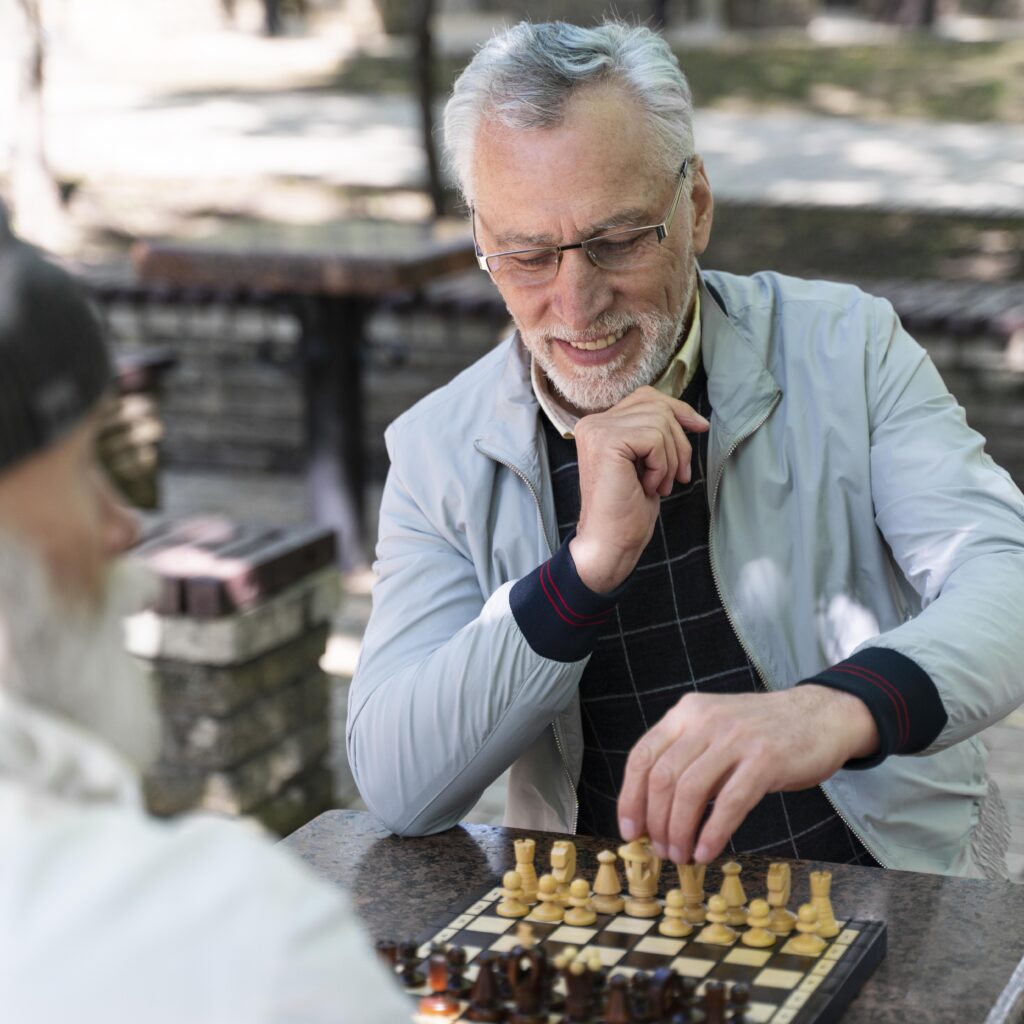
Play a variety of opponents. Each person approaches the game with a different style, pace, and strategy. Experiencing these differences helps you become more adaptable and teaches you to think flexibly rather than relying on a single approach.
Review your games when you finish. Looking back at what worked and what did not helps you understand how your decisions influenced the outcome. This simple reflection often reveals patterns and missed opportunities that are easy to overlook in the moment.
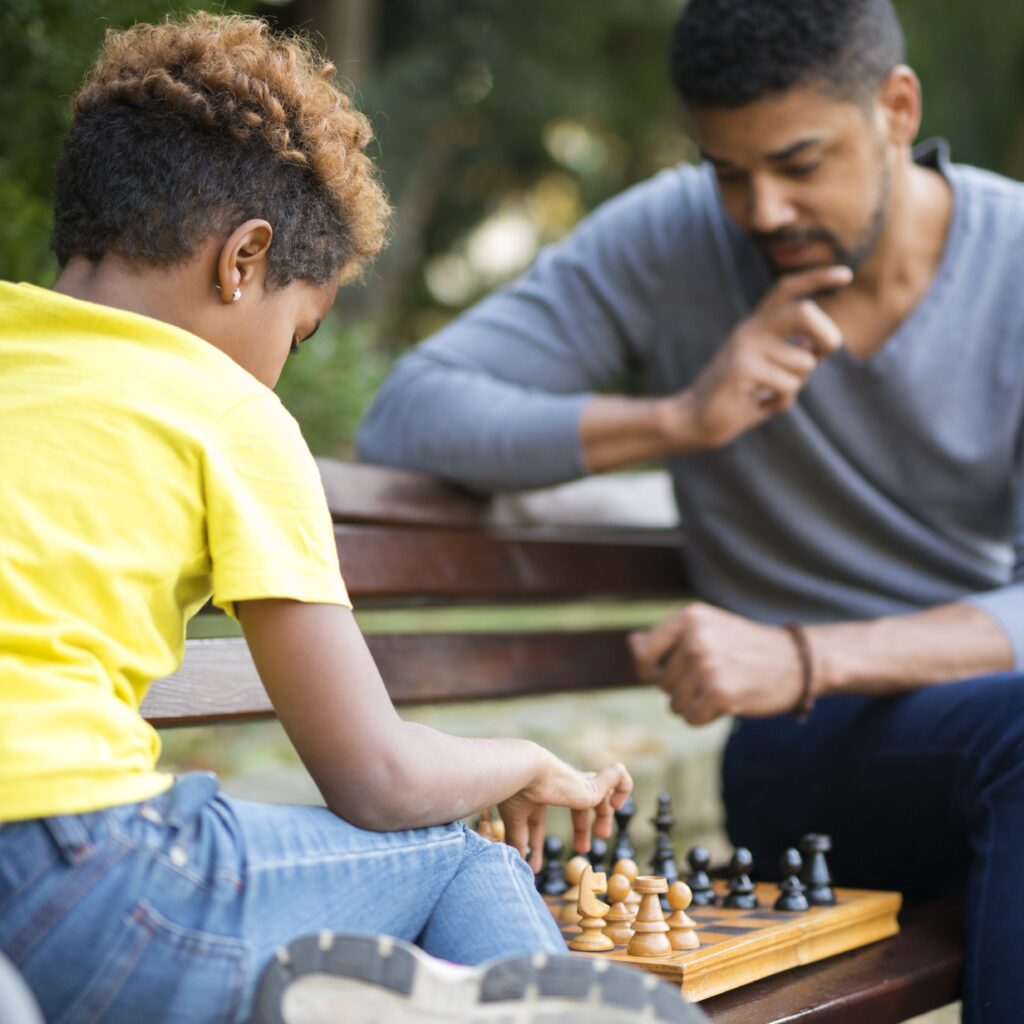
Keep the experience enjoyable. Chess is meant to be engaging and stimulating, not frustrating. Stepping away when you feel mentally tired and returning with a clear mind helps keep the game refreshing and satisfying rather than stressful.
Final Thoughts
Chess is a simple game with surprising depth. A board, a handful of pieces, and a little time can turn into an experience that challenges your mind, sharpens your focus, and invites you to think in new ways.
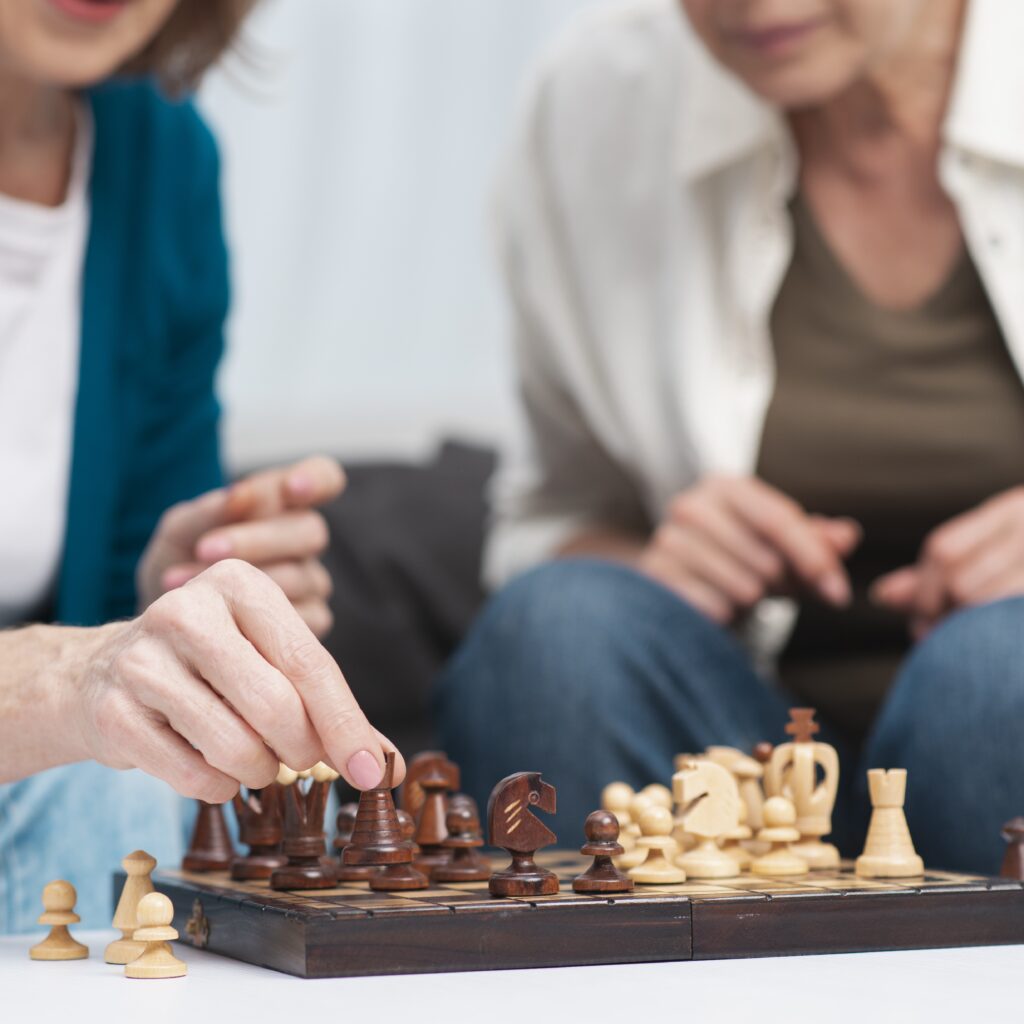
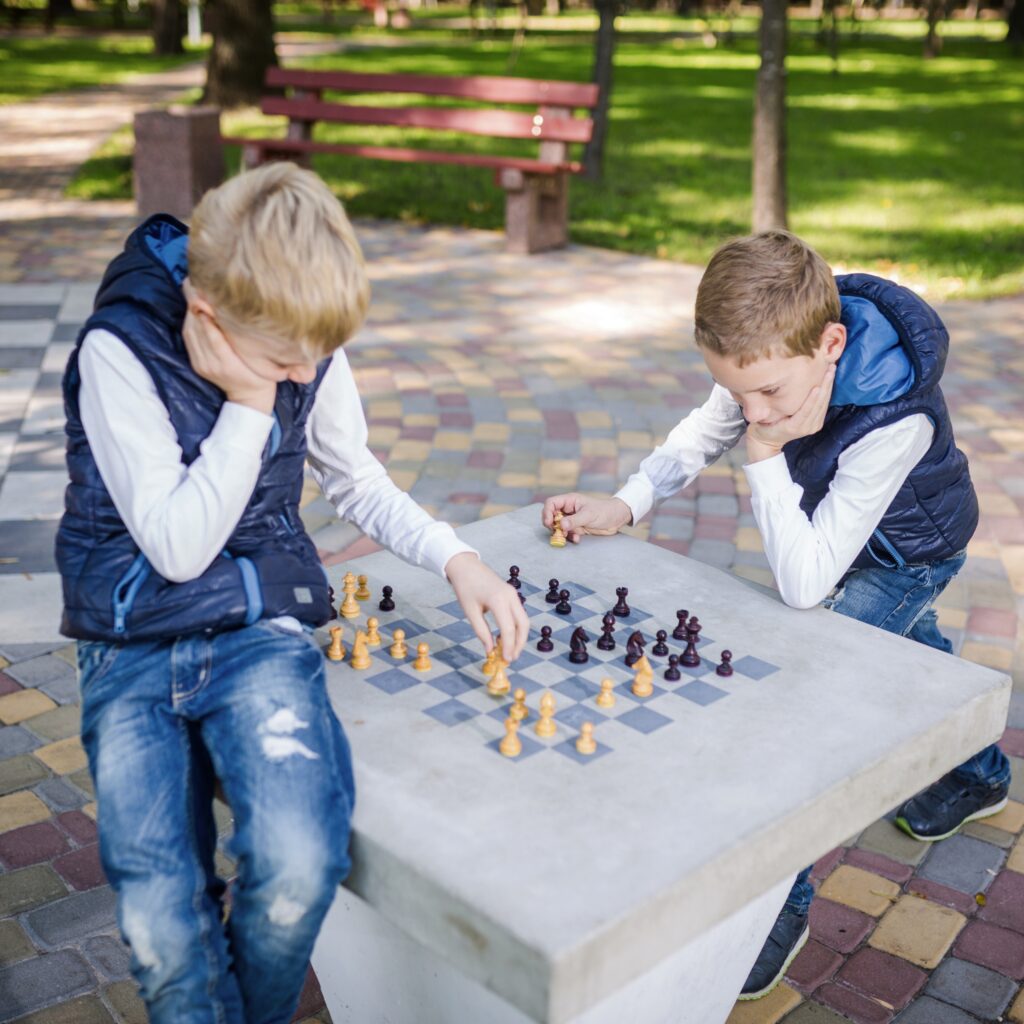
Whether you play occasionally with family, practice puzzles on your own, or meet others for regular matches, chess offers a steady, thoughtful way to engage your brain while enjoying the process. It is an activity you can return to again and again, always finding something new to learn.
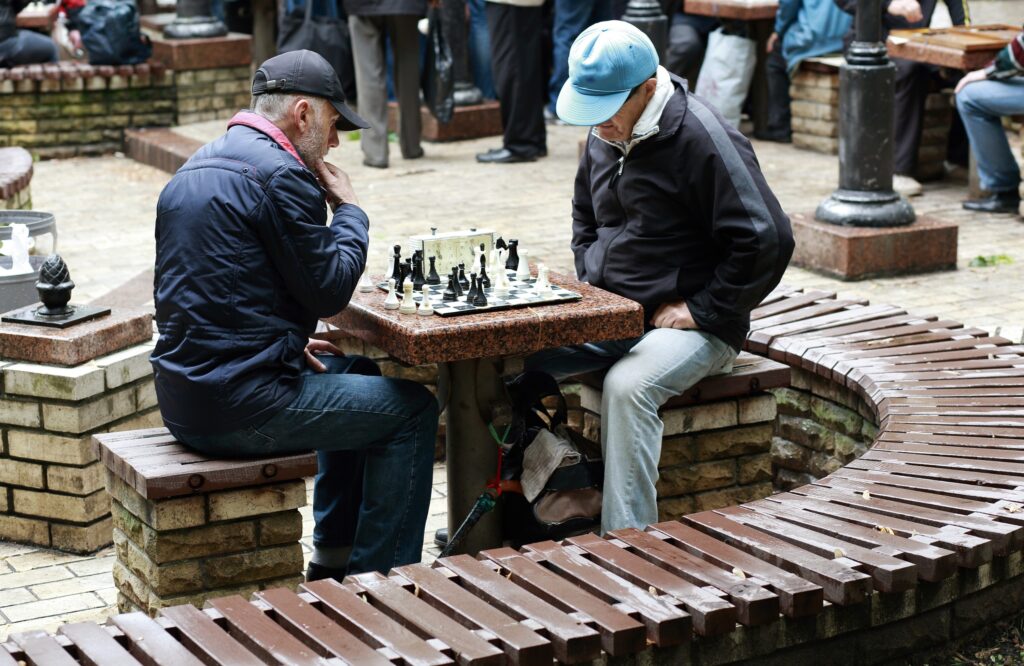
Do you enjoy playing chess, or is it something you have been curious to try? Share your thoughts or favorite strategies in the comments below.
Leave a Reply