Welcome to Saturday Sparks! This week, we are focused on Weightlifting, an activity built around strength, control, and steady progress. Often misunderstood as intimidating or extreme, weightlifting is actually a practical and adaptable way to engage the body through intentional movement and repetition.

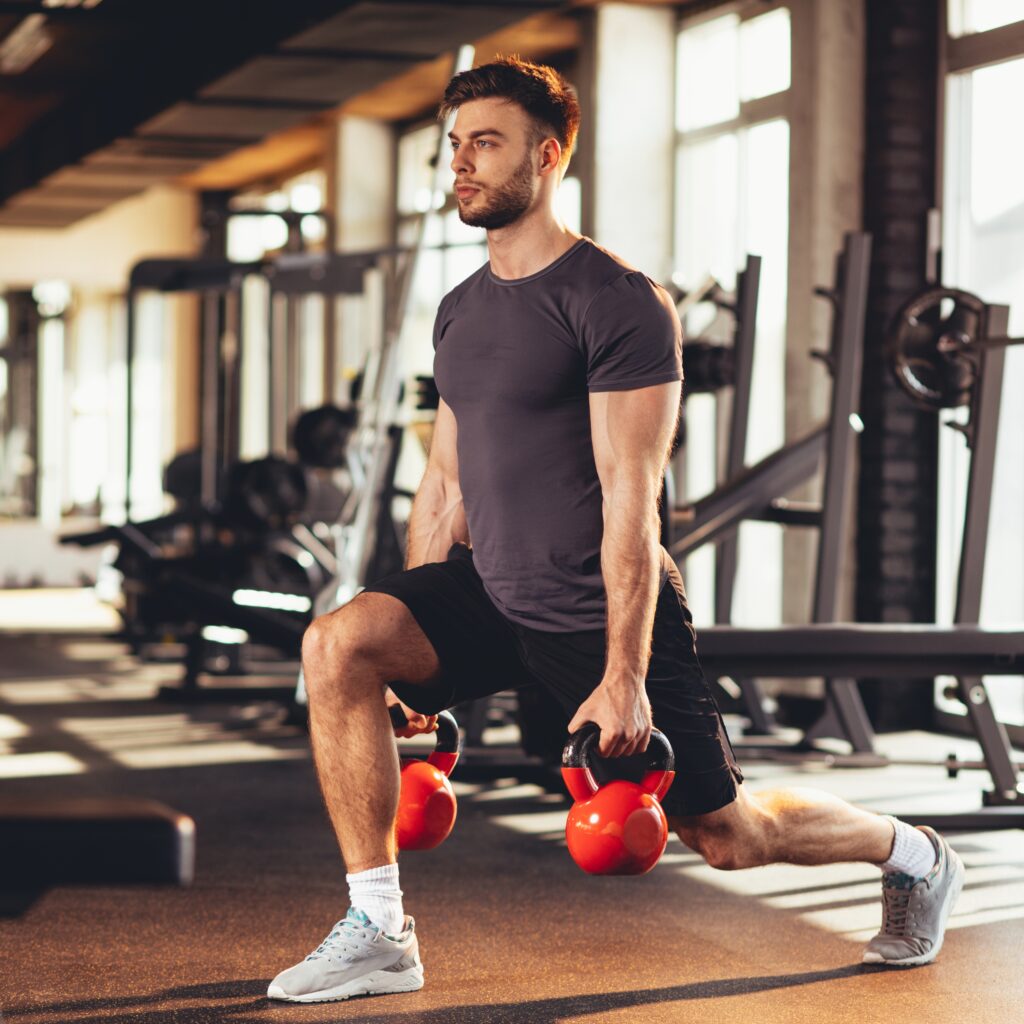
At its core, weightlifting is about learning how your body moves under resistance. Each lift encourages awareness of posture, alignment, and coordination, turning simple movements into opportunities for focus and presence. Whether practiced at home or in a gym, weightlifting offers a structured yet flexible approach to building physical capability over time.
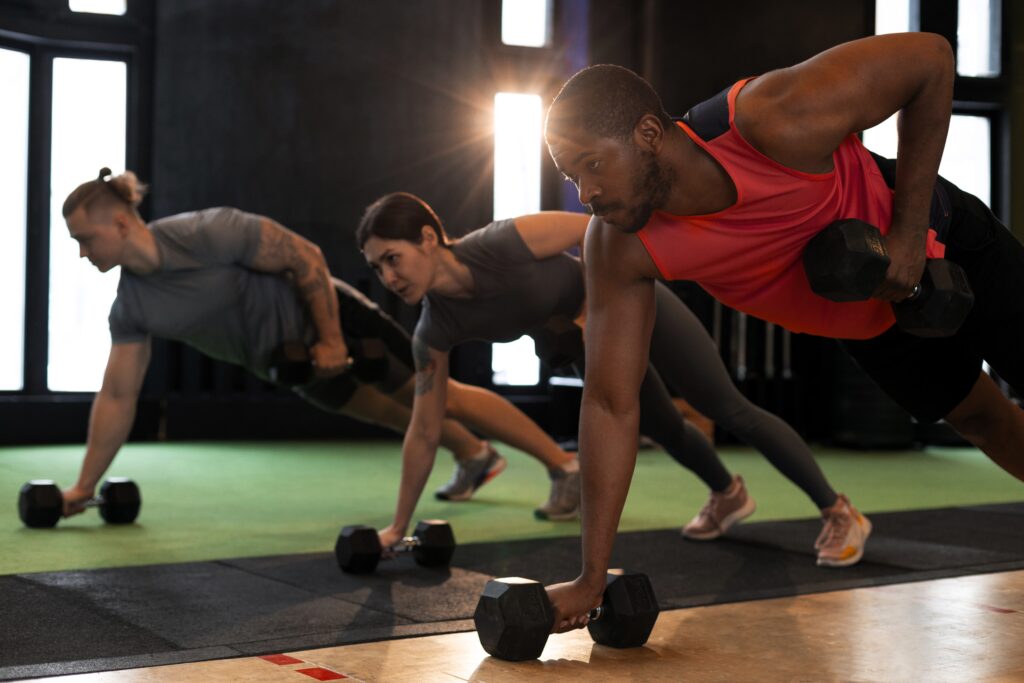
Weightlifting also carries a long history as a foundational form of strength training, used to support health, mobility, and performance across many stages of life. Today, it continues to evolve as an accessible activity that can be adjusted to fit different goals, experience levels, and lifestyles, making it a reliable option for those looking to build strength in a thoughtful, sustainable way.
What is Weightlifting
Weightlifting is a form of strength training that uses resistance to challenge muscles and support physical development. Resistance can come from free weights such as dumbbells and barbells, machines designed to guide movement, resistance bands, or even bodyweight. The purpose is not speed or force, but controlled movement performed through a defined range of motion.
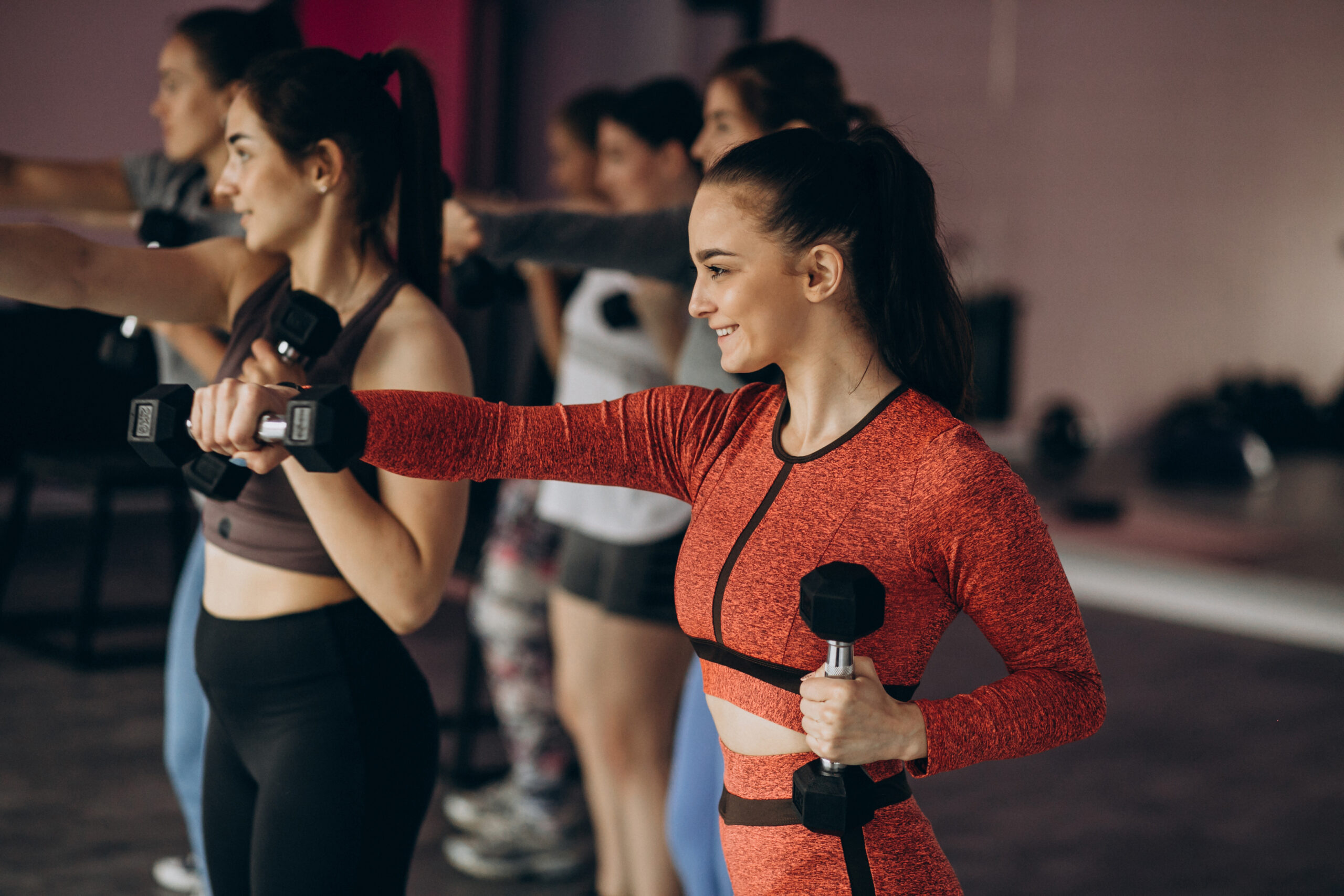
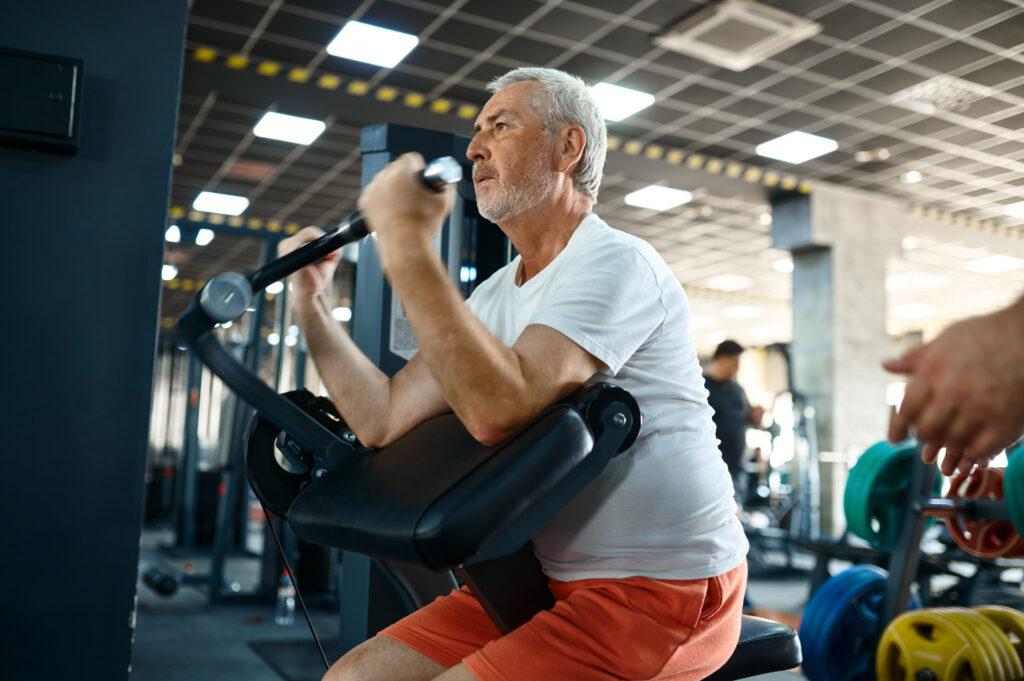
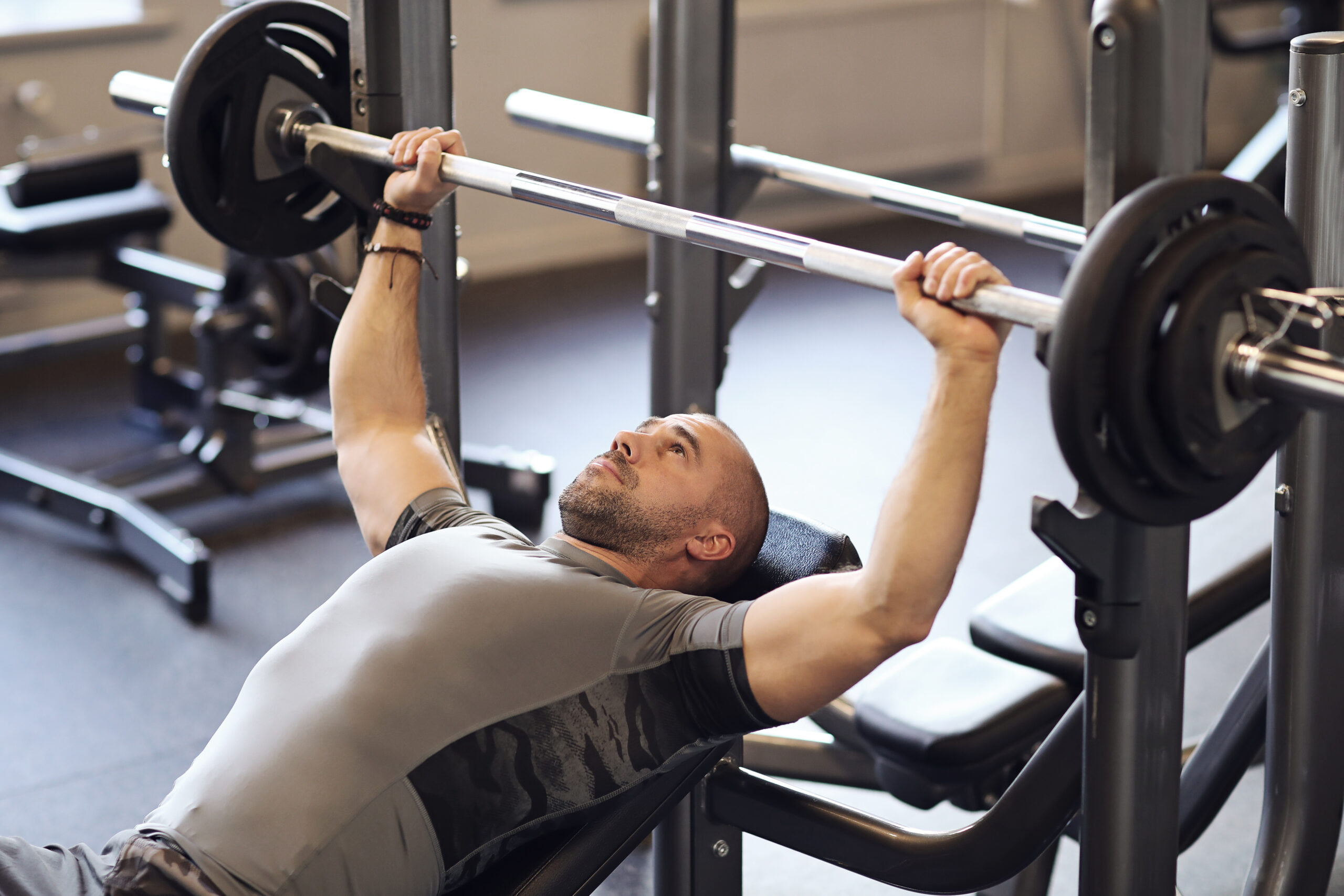
A typical weightlifting movement involves three key elements: posture, alignment, and repetition. Proper posture helps keep the body stable and balanced, while alignment ensures that muscles and joints are working together efficiently. Repetition allows the body to adapt gradually, building strength and coordination over time. This emphasis on structure and control is what separates weightlifting from more explosive or high impact forms of exercise.
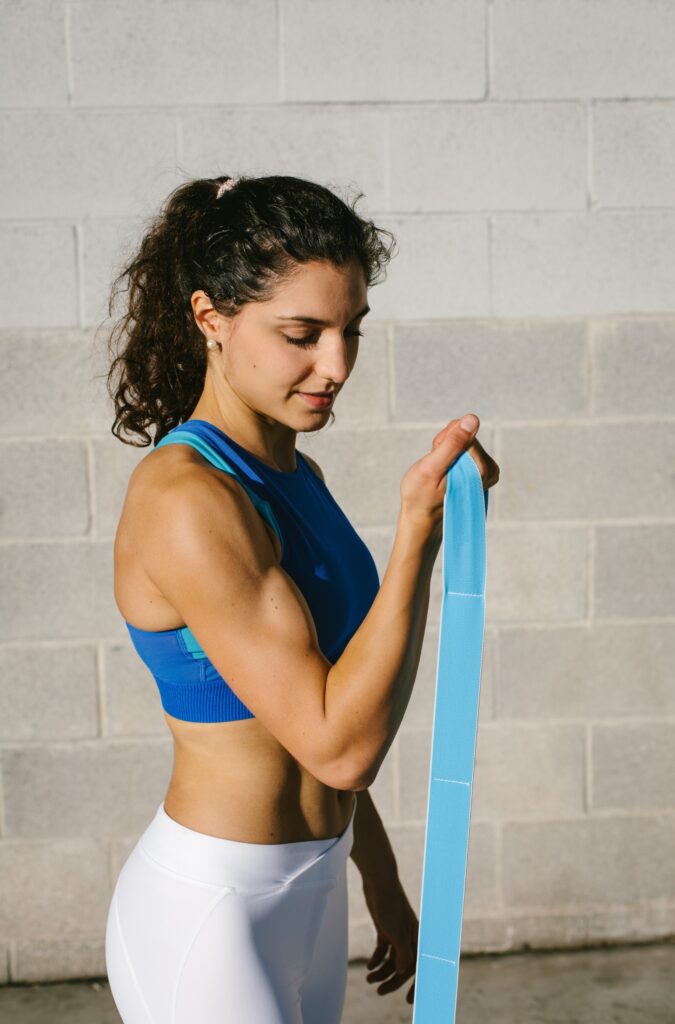
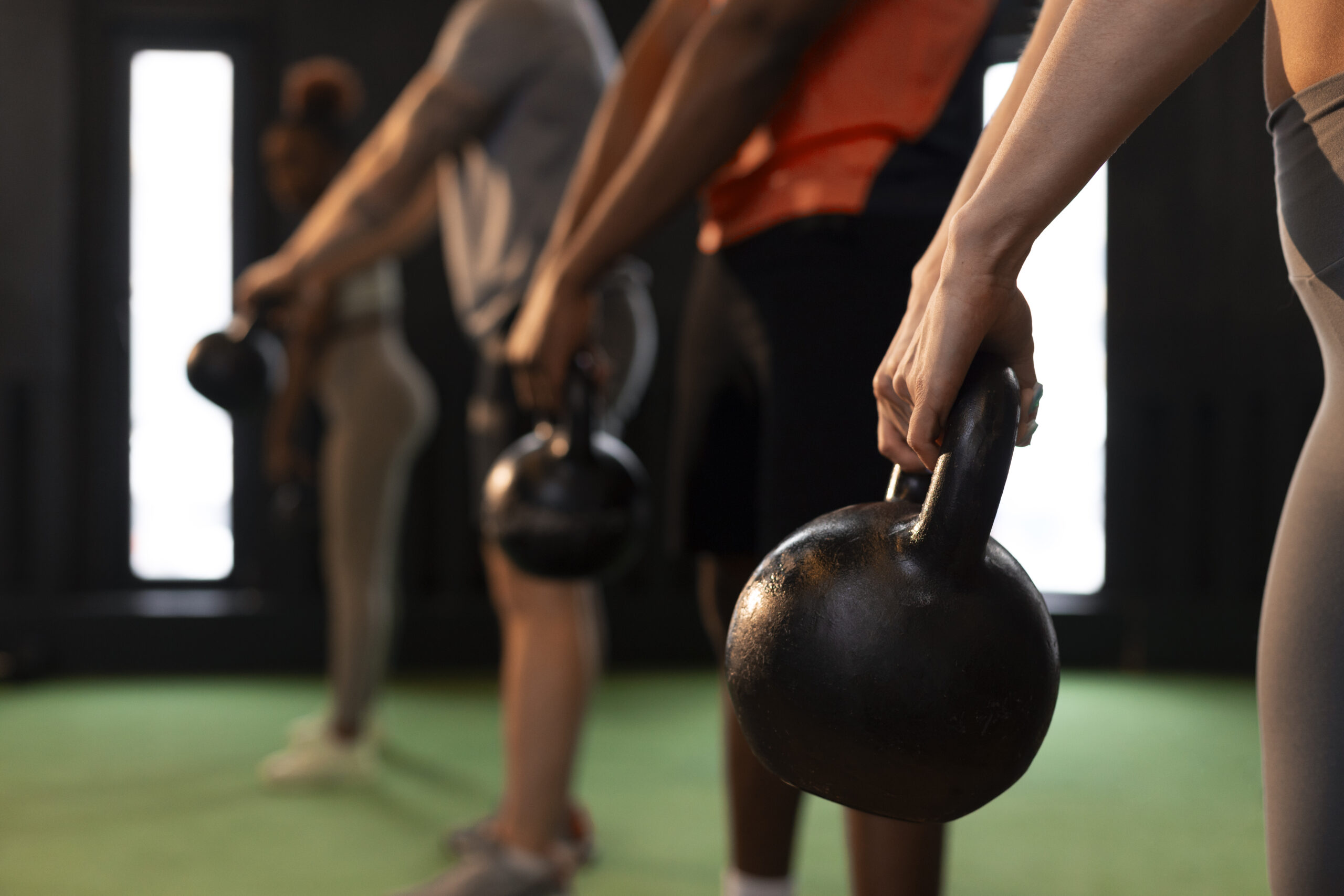

Weightlifting can be organized in many ways. Some routines focus on full body movements, while others target specific muscle groups such as the legs, back, arms, or core. Exercises may be performed using lighter resistance for higher repetitions or heavier resistance for fewer repetitions, depending on goals and comfort level. Regardless of approach, progression is typically gradual, allowing the body to strengthen without unnecessary strain.
The Benefits of Weightlifting
Weightlifting builds strength and physical stability. Using resistance encourages muscles to work together in a controlled way, helping develop strength that supports everyday movement. Over time, this improves how the body handles tasks like lifting, carrying, and maintaining balance in daily life.
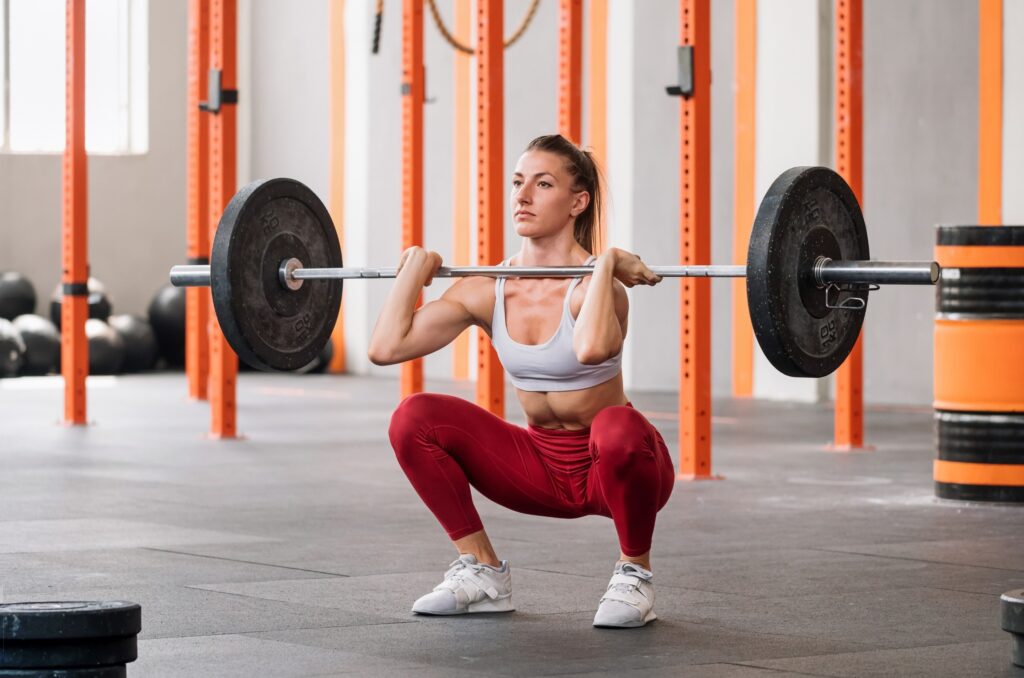
It helps reduce stress and anxiety through focused movement. The structured nature of lifting encourages concentration on the task at hand, offering a mental break from external distractions. This focused effort can feel grounding and provide a constructive outlet for stress.
It supports bone density and joint health. Regular weightlifting places healthy stress on bones and connective tissue, which helps maintain bone density and joint strength. This is especially valuable as the body ages, supporting long-term mobility and structural health.
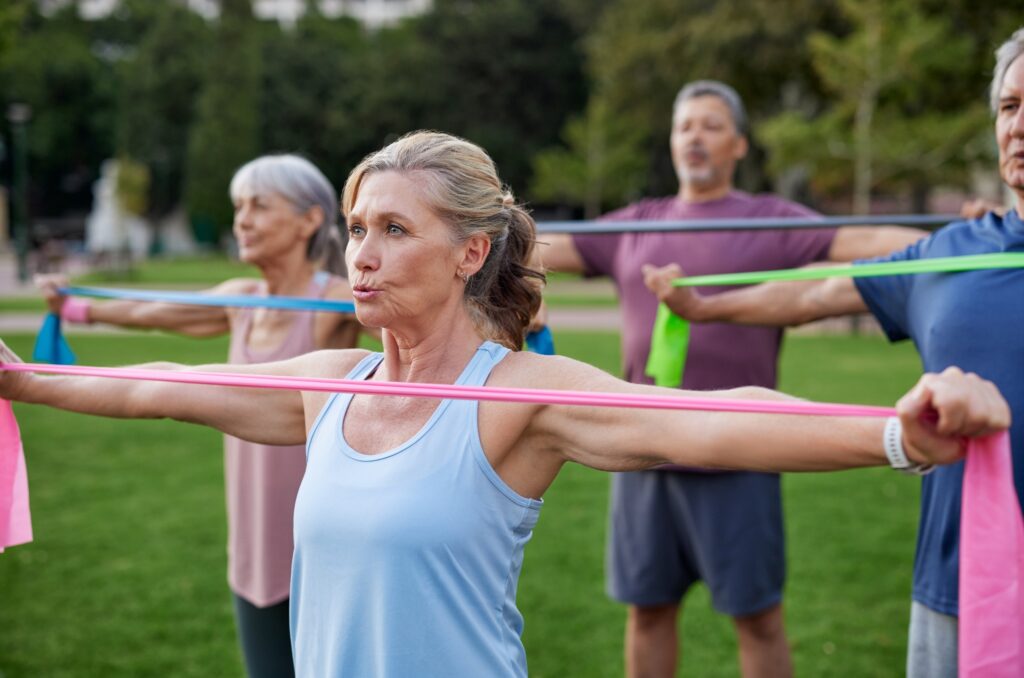
Weightlifting helps support metabolism and overall physical fitness. As muscle mass increases, the body becomes more efficient at using energy. This can support overall fitness and endurance, even outside of structured workouts, by improving how the body functions at rest and during activity.
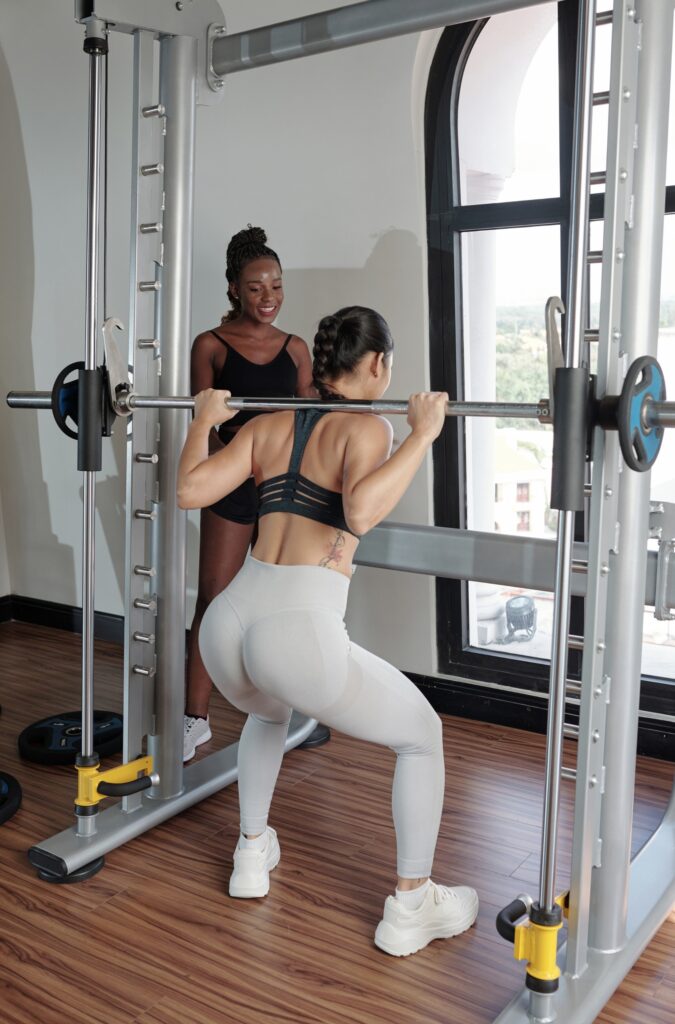
It encourages body awareness and control. Each lift requires attention to posture, alignment, and movement.
This focused engagement helps build a stronger connection between mind and body, improving coordination and reducing reliance on momentum or rushed movement.
Progress in weightlifting is often clear and tangible, whether it shows up as improved form, increased repetitions, or slightly heavier resistance.
These visible changes can feel motivating and reinforce a sense of capability and accomplishment, building confidence through measurable progress.
Weightlifting improves posture and everyday functional movement. Strengthening the core, back, and supporting muscles helps improve alignment and stability. This can reduce strain during daily activities and support more comfortable, efficient movement throughout the day.
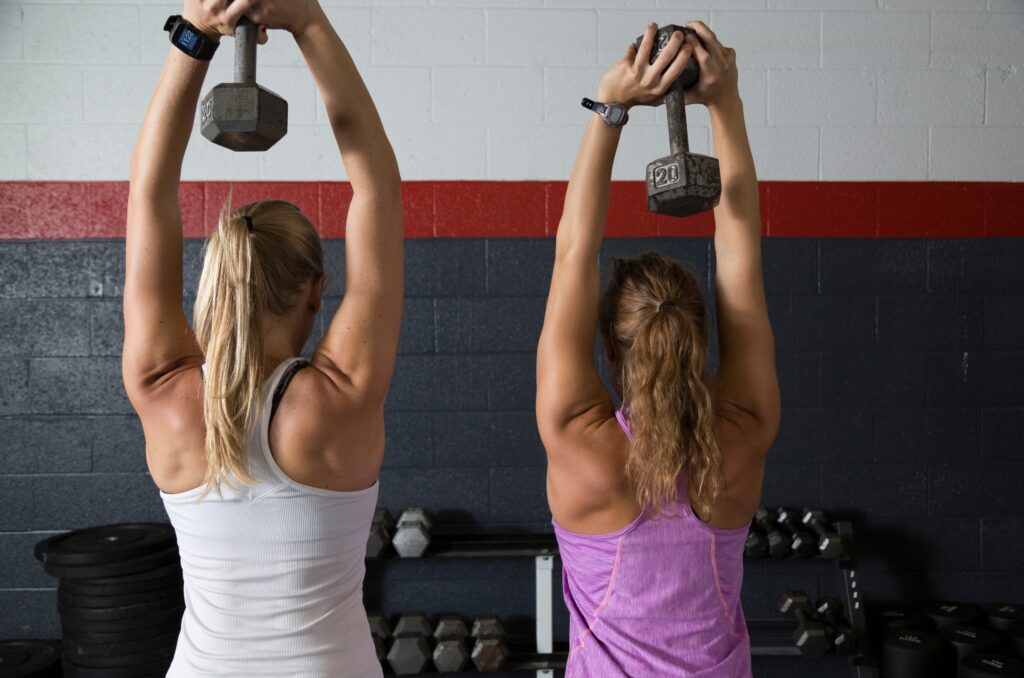
It supports injury prevention by strengthening muscles and joints. Building strength in a balanced way helps protect the body during both exercise and everyday motion. Stronger muscles provide better support for joints, reducing the risk of strain or imbalance.
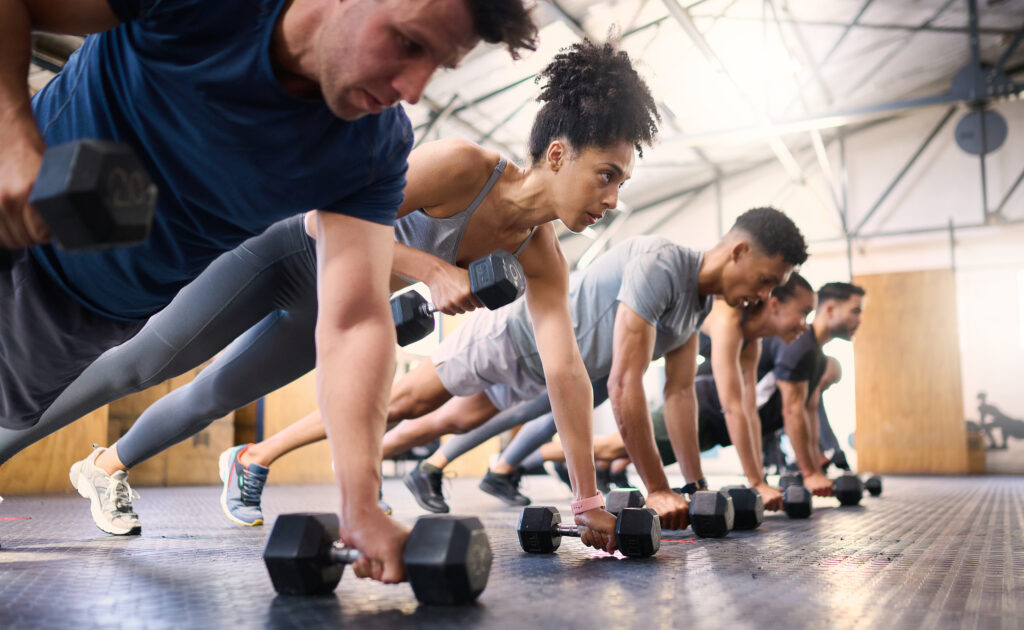
Weightlifting can be both social and flexible. Some people enjoy lifting in gyms, classes, or shared spaces where encouragement and community are part of the experience. Others prefer the quiet focus of home workouts, making the activity adaptable to different personalities and schedules.
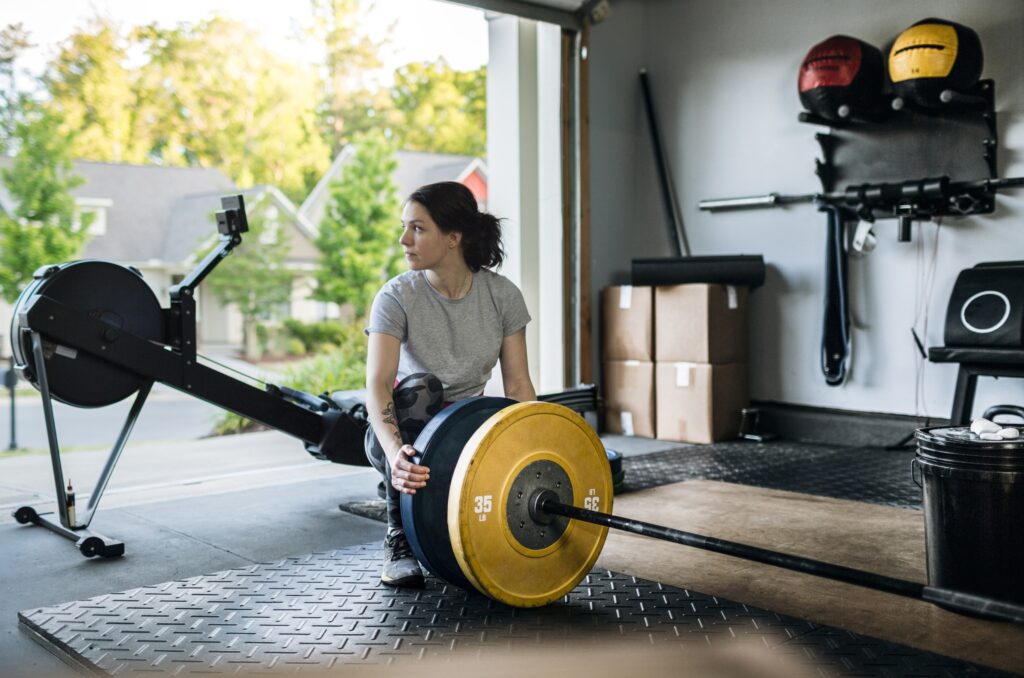
Weightlifting exists on a wide spectrum of participation. While some people pursue weightlifting as a competitive sport or structured discipline, many engage with it casually as part of their personal wellness routine. The activity does not require competition or specialization, allowing individuals to define their own level of involvement.
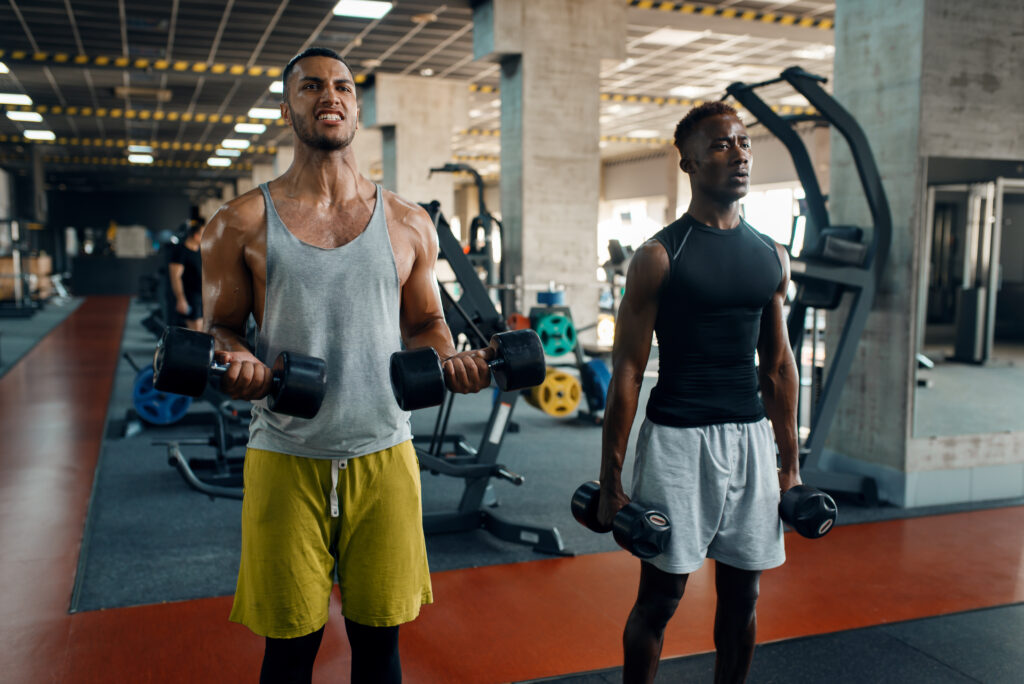
It can be practiced in a variety of environments. Although often associated with gyms, weightlifting can also take place at home, in community spaces, or outdoors. Some people enjoy lifting in open settings such as parks or beaches, where fresh air and changing surroundings add another layer of enjoyment.
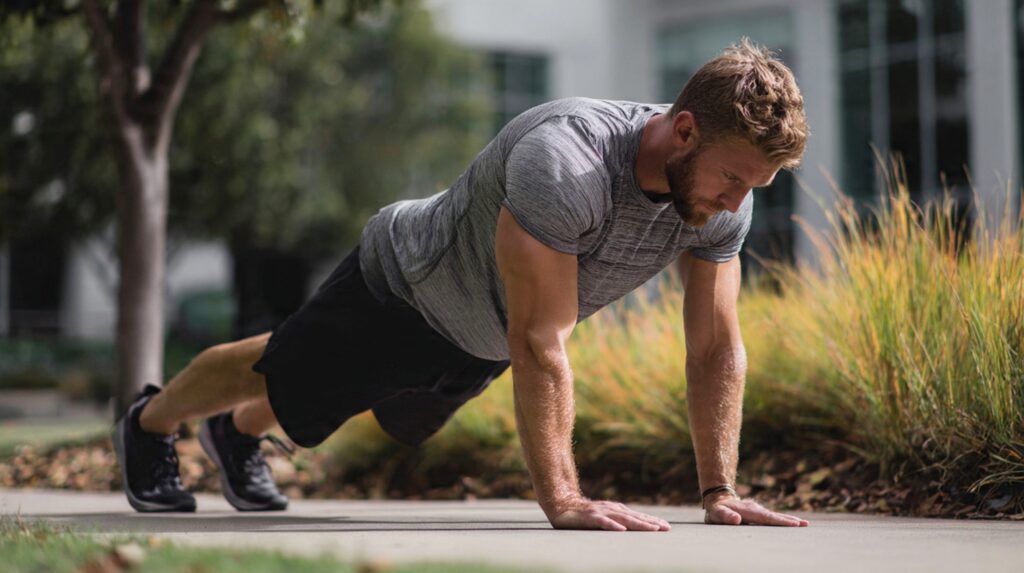
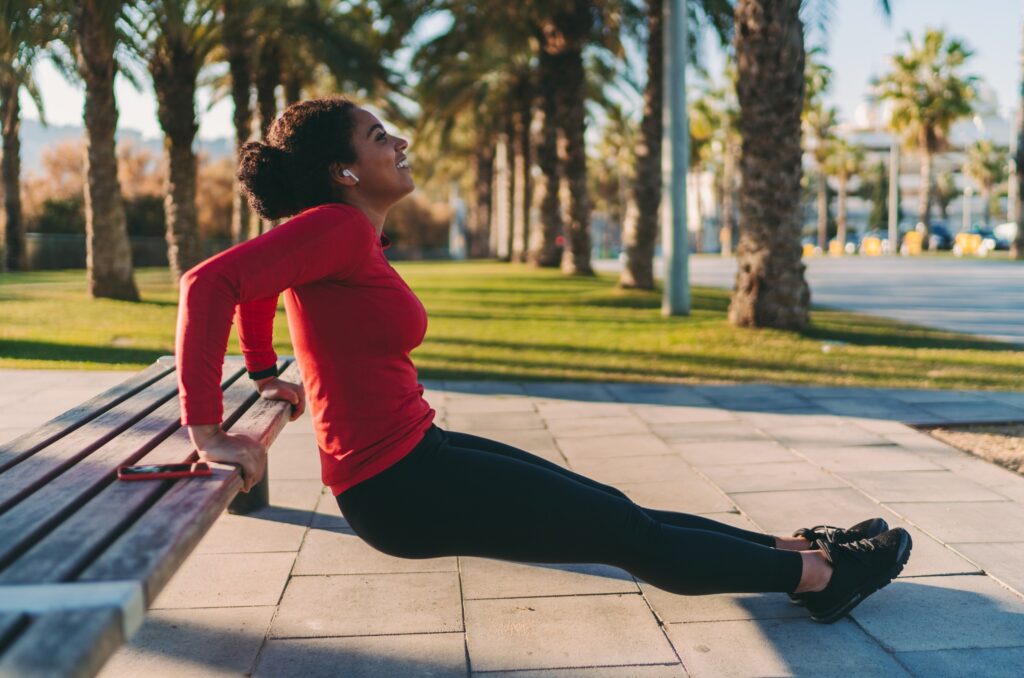
It is accessible across ages and experience levels. Weightlifting can be adjusted in intensity, equipment, and structure to meet a wide range of physical needs. This adaptability allows people to engage with the activity at their own pace and continue building strength over time.
Getting Started
Getting started with weightlifting begins by clarifying your intention. Whether your goal is to build strength, support overall fitness, or become more comfortable with resistance training, having a general direction helps guide your approach without pressure to move quickly.

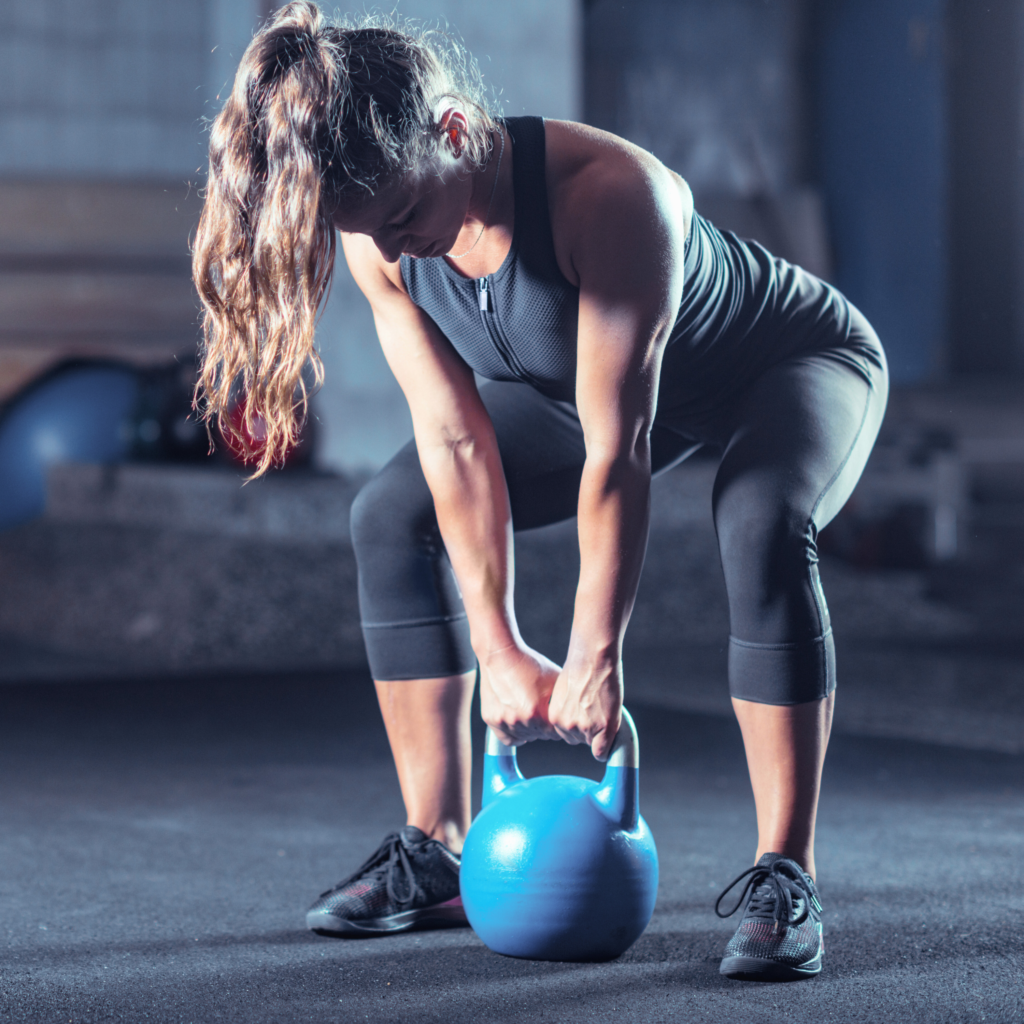
Most beginners benefit from starting with light resistance or bodyweight movements. This allows time to learn proper form, understand how each movement feels, and build confidence before increasing weight. Controlled, intentional movement is more important than lifting heavier loads early on.
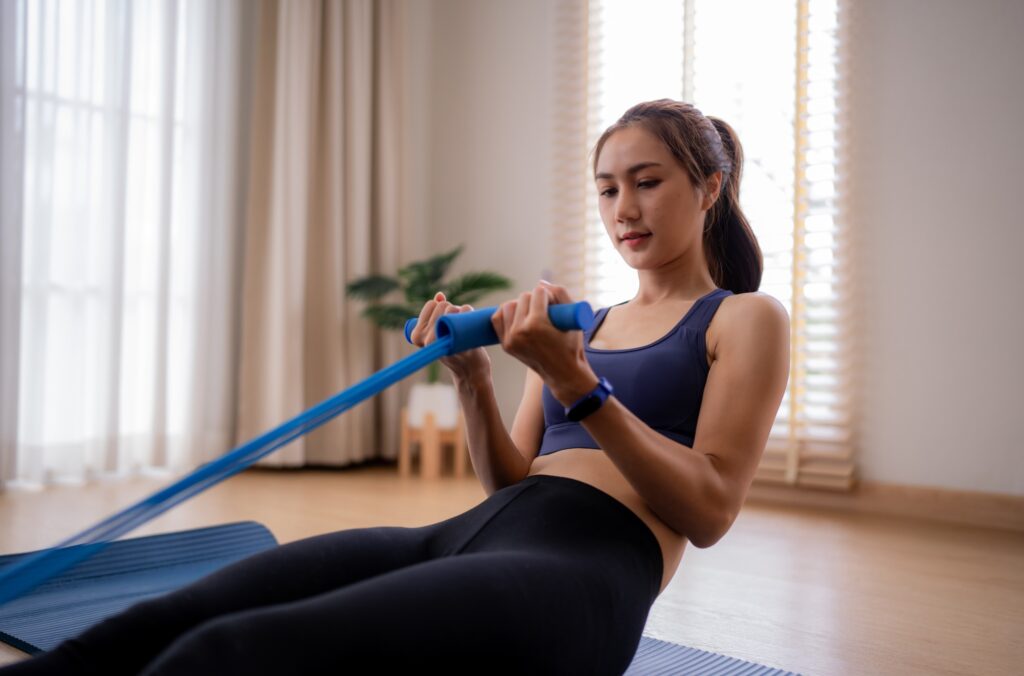
Weightlifting can be done at home or in a gym, depending on access and preference. Basic equipment such as dumbbells, resistance bands, or gym machines is enough to begin. Many people start with a small selection of foundational exercises that work major muscle groups rather than trying to follow complex routines.


Consistency plays a larger role than intensity. Short, regular sessions make it easier to build familiarity and allow the body time to adapt. Rest days are an important part of the process, supporting recovery and long term progress.
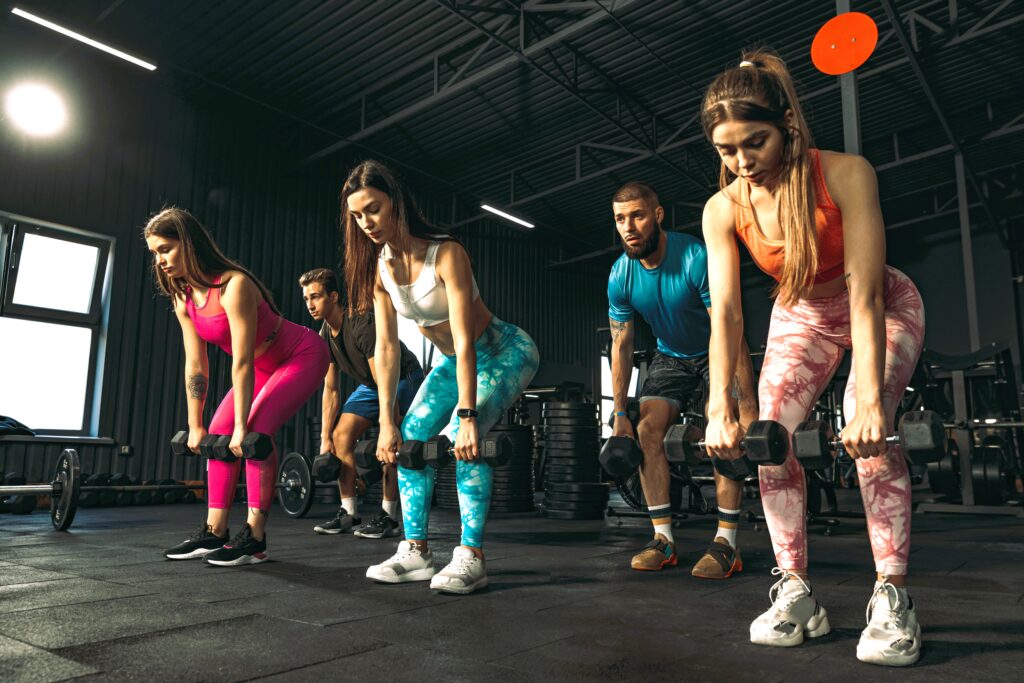
Guidance can be helpful when starting out. Beginner routines, instructional videos, group classes or working with a qualified trainer can provide clarity and support. Tracking workouts by noting exercises, weights, or repetitions can also help highlight progress and reinforce motivation over time.
Resources
Local gyms and recreation centers are a helpful starting point for many people interested in weightlifting. These spaces often provide access to equipment, introductory programs, and beginner friendly classes that help build familiarity and confidence. Staff or trainers may also be available to answer questions and offer guidance on form and equipment use.
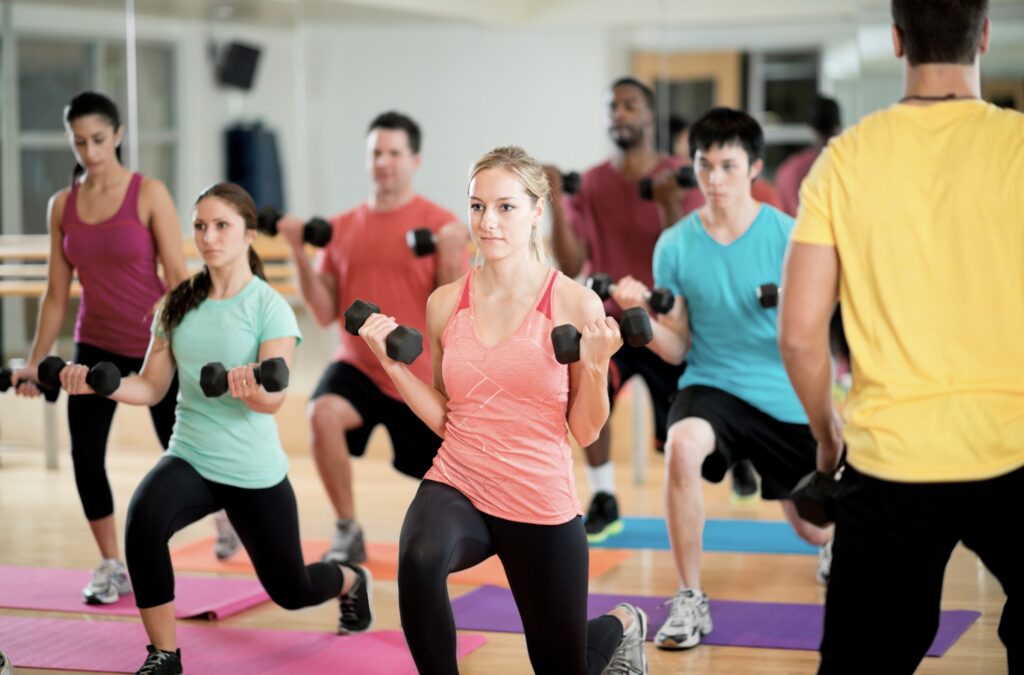
Community classes or small group training sessions can add structure and support. These settings often create a welcoming environment where participants learn together, share progress, and stay motivated through consistency and encouragement.
Online platforms offer a wide range of guided strength routines, from beginner programs to more advanced training plans. Many include video demonstrations and structured progressions that can be followed at home or in a gym. Fitness apps can also be useful for tracking exercises, weights, and progress over time, helping users stay organized and aware of gradual improvement.
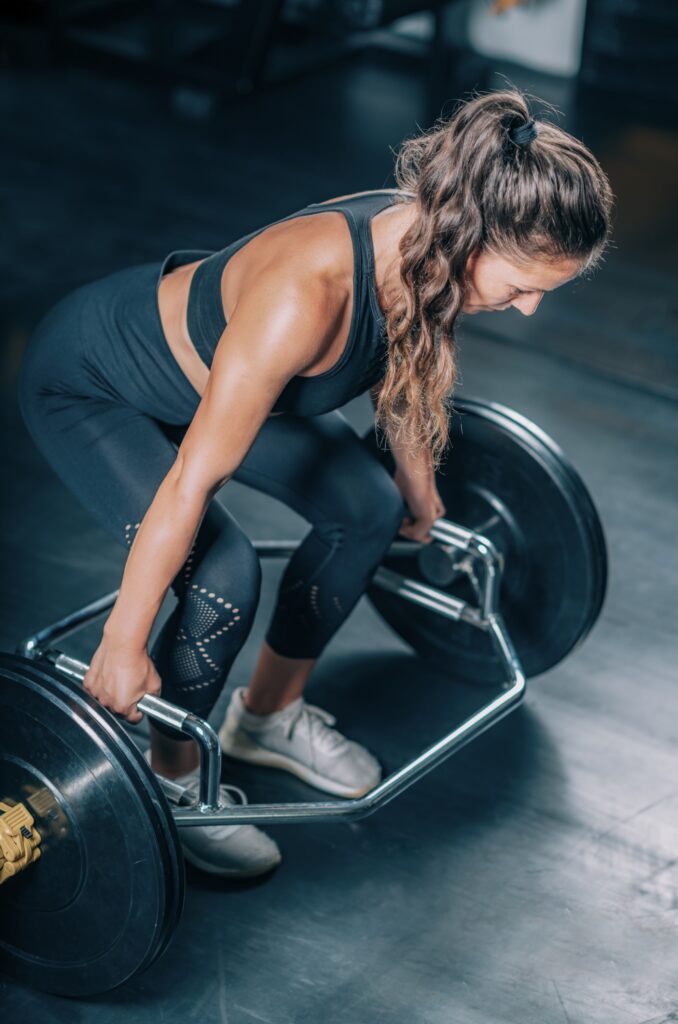
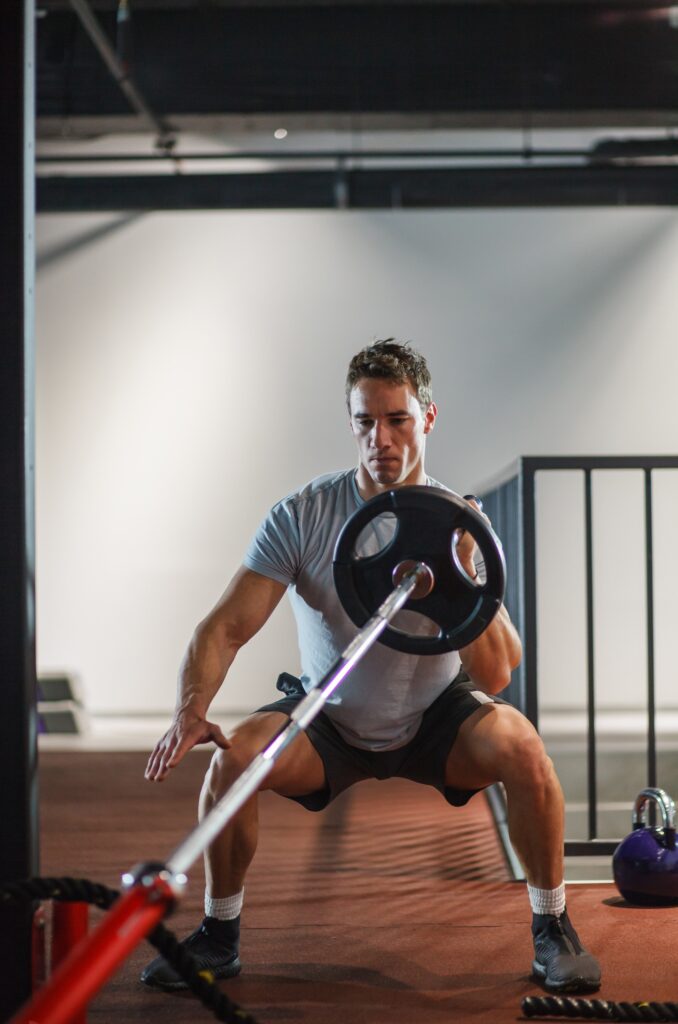
Video platforms and instructional websites provide accessible learning tools. Tutorials focused on proper form, foundational movements, and safe progression are widely available and can help reinforce good habits when starting out or refining technique.
Certified personal trainers offer personalized support for those who prefer individual guidance. A qualified trainer can help tailor routines to specific goals, adjust movements as needed, and support safe progression based on experience and physical needs.
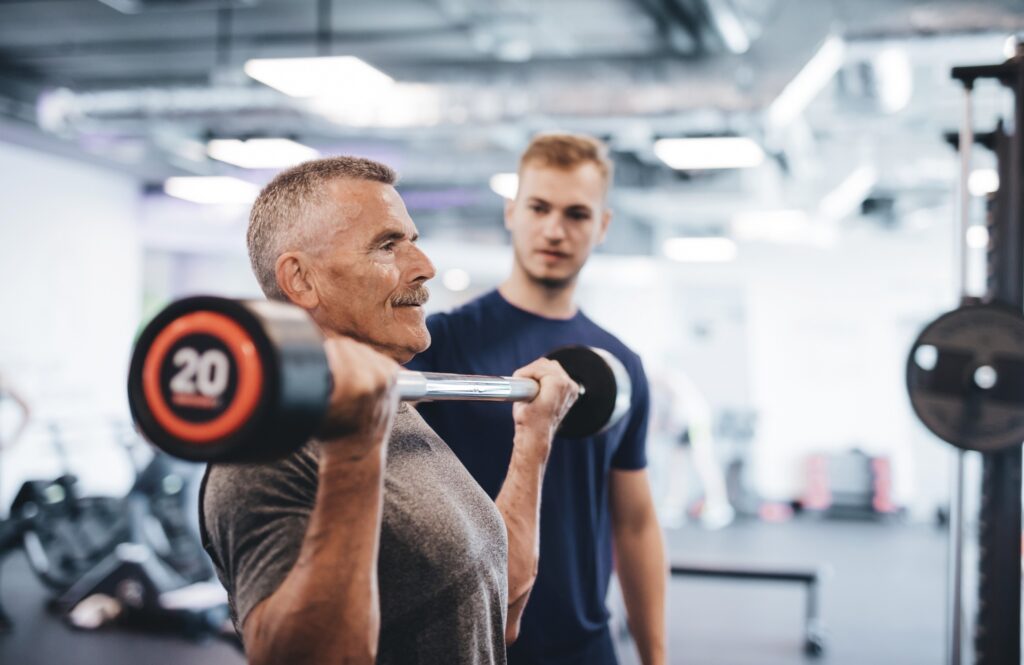
Weightlifting clothing, accessories, and equipment can be found at sporting goods stores, fitness retailers, and online shops. Basic items such as dumbbells, resistance bands, supportive shoes, gloves, and belts are widely available and can be selected based on comfort, space, and experience level. For those practicing at home, a small collection of simple equipment is often enough to get started.
SAFETY and TIPS
Warming up before lifting helps prepare muscles and joints for movement. Light cardio, mobility work, or gentle repetitions of the exercises you plan to perform can help reduce stiffness and lower the risk of strain.
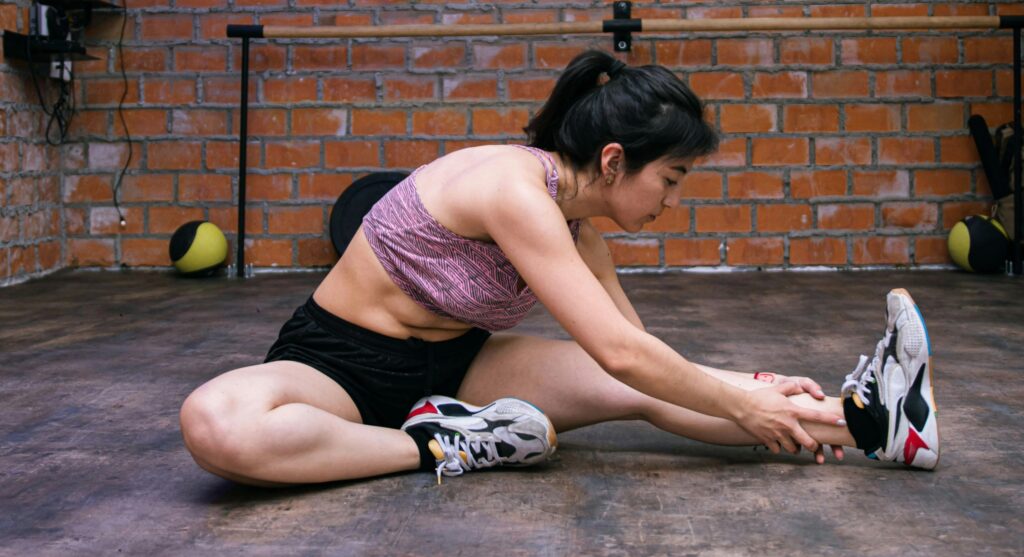
Proper form and alignment matter more than the amount of weight being lifted. Moving with control and paying attention to posture helps ensure muscles are doing the work they are meant to do, while reducing unnecessary stress on joints.

Rushing through repetitions can increase the chance of injury. Slower, intentional movement allows better control, improves muscle engagement, and helps maintain consistent technique throughout each set.
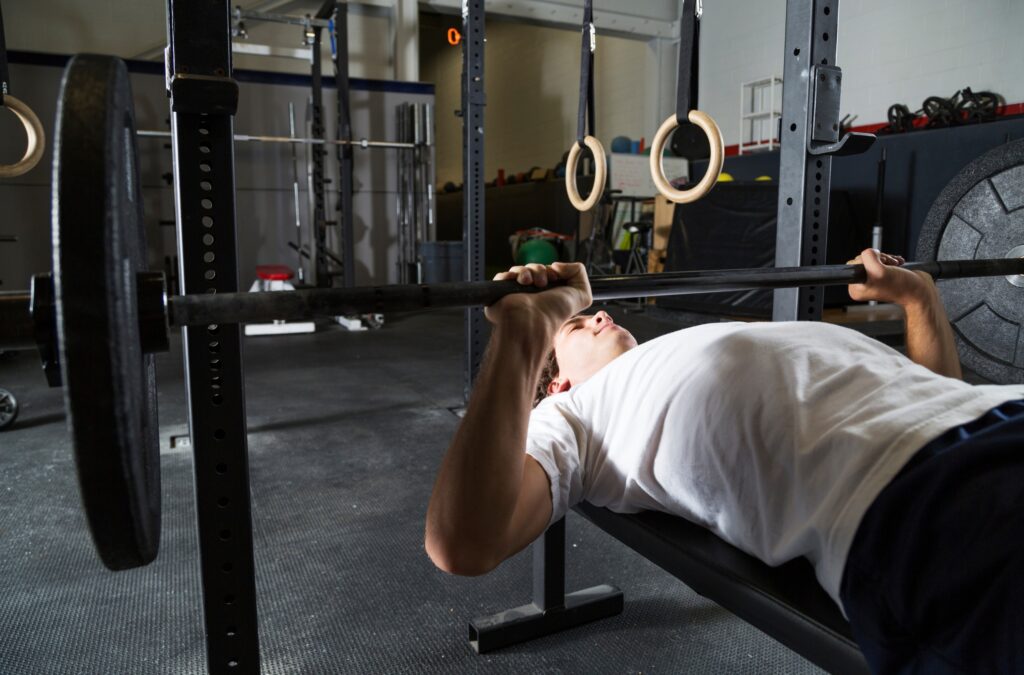
Gradual progression supports safe strength building. Increasing weight should happen slowly and only when movements feel stable and well controlled. If form begins to suffer, it is often a sign to reduce resistance or pause progression.

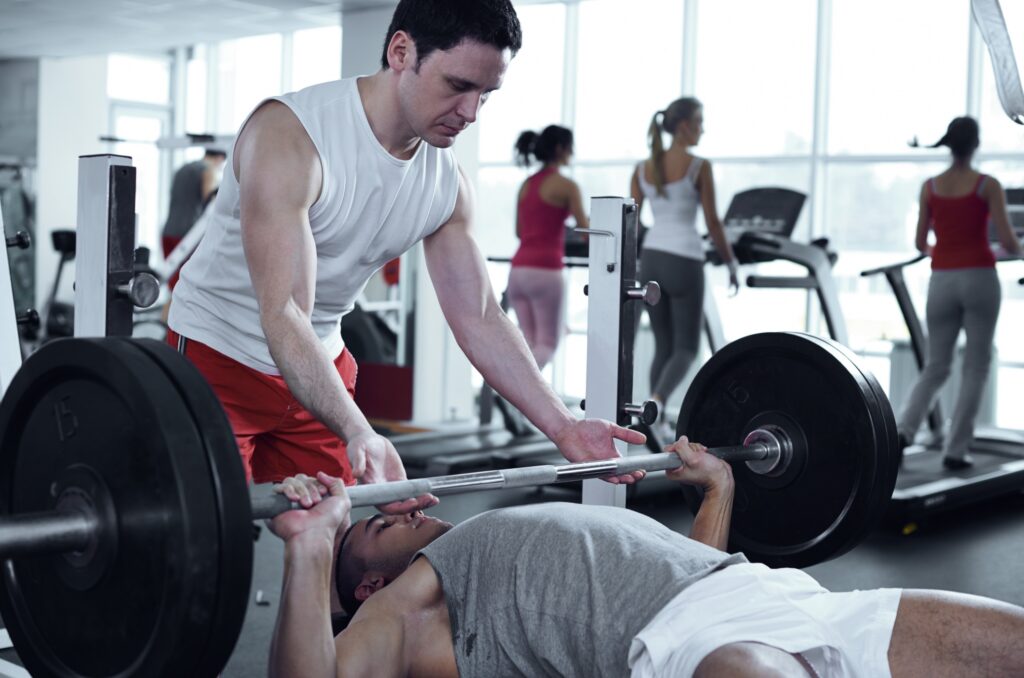
When lifting heavier weights, having a spotter, meaning another person present to assist, can add an important layer of safety. A spotter can help guide the movement, step in if a lift becomes unstable, and provide reassurance during more challenging exercises. This is especially useful when working with free weights or increasing resistance.
Listening to your body is essential. Mild muscle fatigue is normal, but sharp pain or discomfort is not. Adjusting movements, reducing weight, or taking a break when something feels off helps prevent injury and supports sustainable practice.
Rest is an important part of weightlifting. Allowing time between sets and sessions gives muscles the opportunity to recover and adapt, supporting long term progress and reducing the risk of overuse injuries.
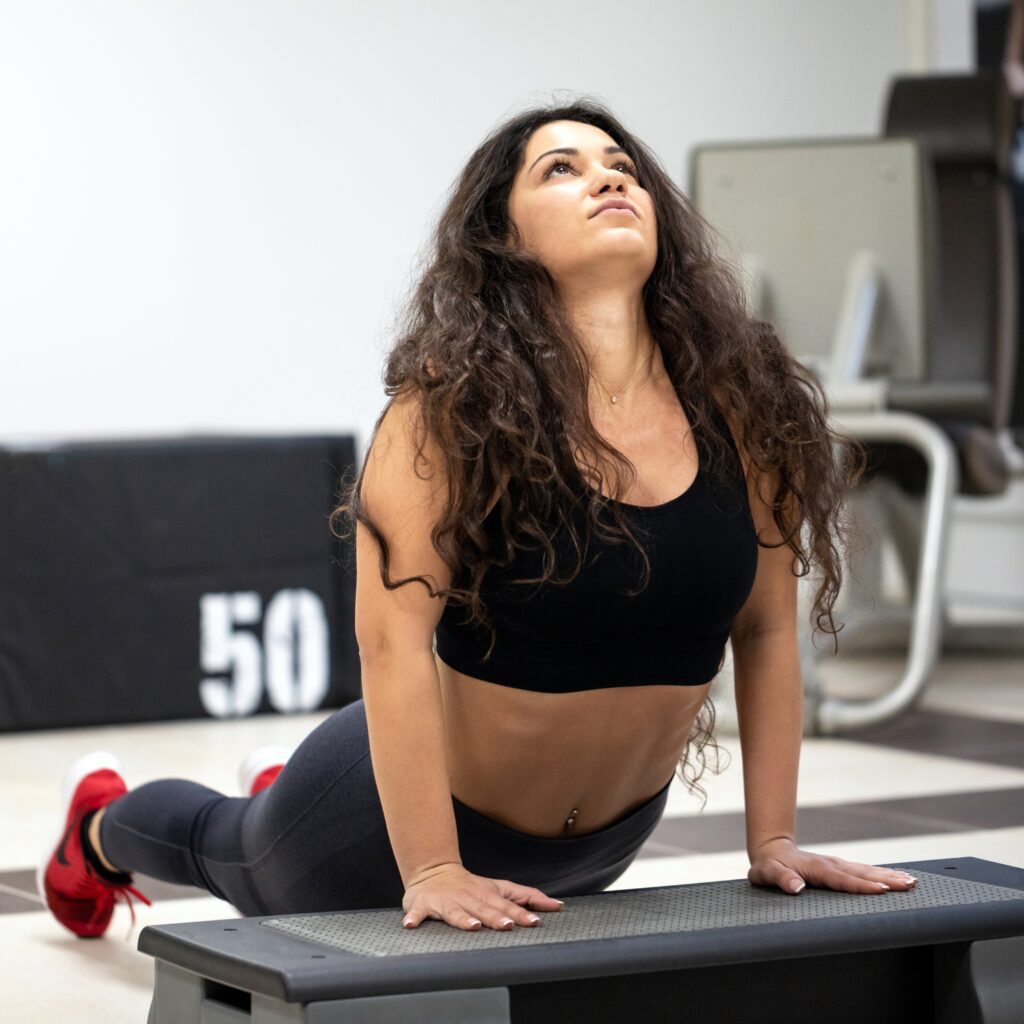
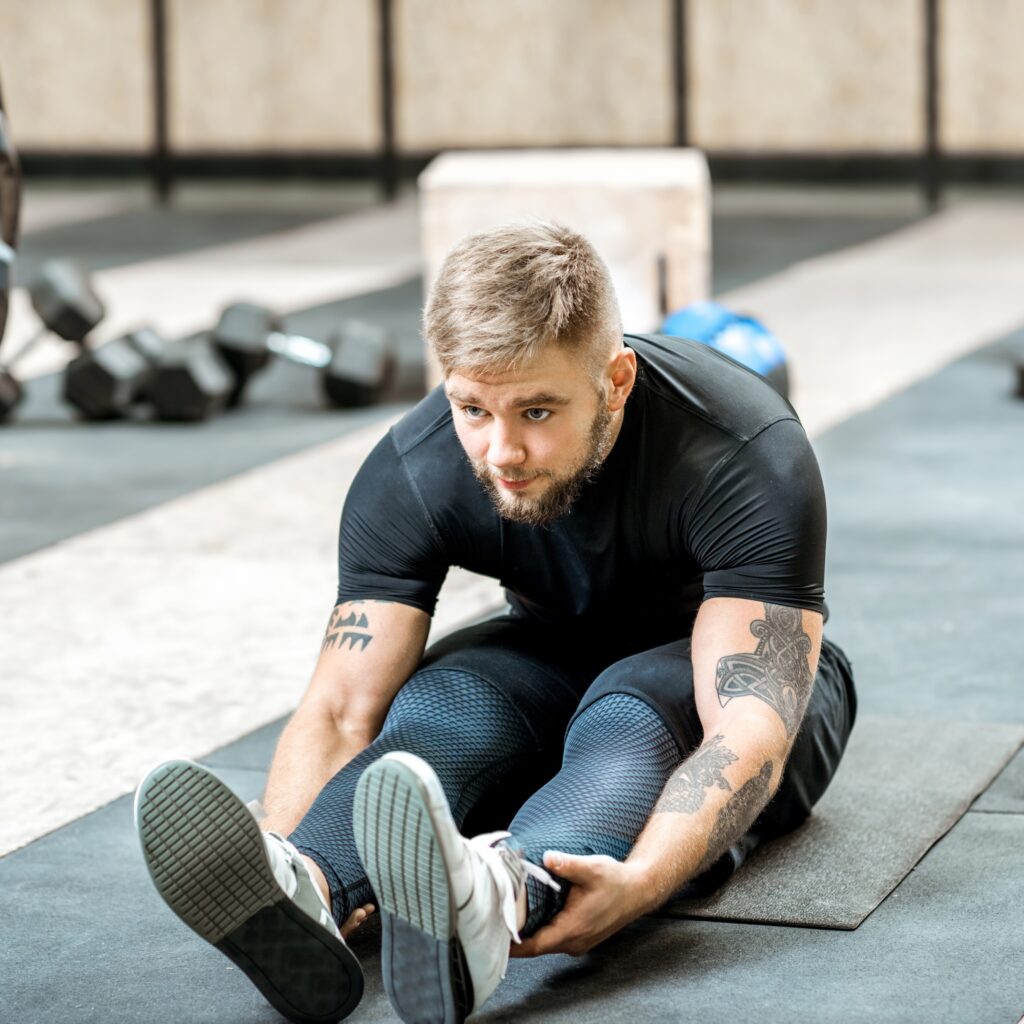
Cooling down after lifting helps the body transition out of activity. Light movement or stretching can support flexibility, reduce muscle tightness, and promote a more comfortable recovery.
Hydration supports performance and recovery, even during shorter sessions. Drinking water before, during, and after lifting helps maintain energy levels and supports overall physical function.
Final Thoughts
Weightlifting is not about lifting the most weight or pushing beyond your limits. It is about steady strength, learning how your body moves, and building confidence through consistency. Over time, those small, intentional efforts support not only physical strength, but a stronger sense of capability in everyday life.


Whether practiced in a gym, at home, or occasionally outdoors, weightlifting offers a flexible way to engage with movement on your own terms. It can be structured or simple, social or solitary, and adjusted as your needs and goals change. That adaptability is part of what makes it a sustainable and approachable activity.
Do you enjoy weightlifting, or is it something you have been curious to explore? Share your experience or questions in the comments below.
Leave a Reply