
The piano didn’t begin because musicians needed more keys, a bigger instrument, or a louder sound.
It began with a different problem: pressing a key harder did not make a harpsichord note significantly louder.
Before the piano, one of Europe’s most important keyboard instruments was the harpsichord. Its strings were plucked when a key was pressed, producing the bright, distinctive sound we still associate with Baroque music. But there was a limitation. Pressing a harpsichord key more forcefully did not make that individual note significantly louder. A player could change the instrument’s overall sound in other ways, but could not shape the volume of each note simply by changing the force of a finger on the key.
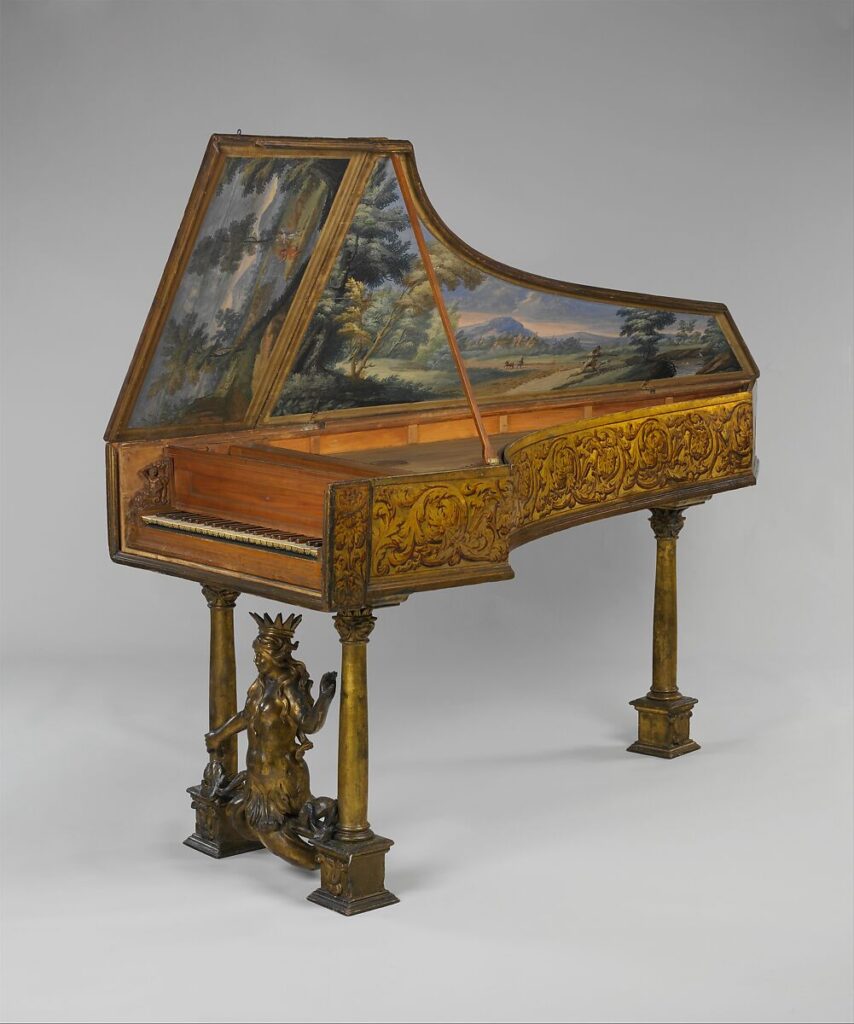
For an instrument built around a keyboard, that left surprisingly little control in the player’s hands.
There was another instrument, the clavichord, that could respond to a player’s touch and produce subtle changes in volume. The problem was that it was very quiet. Its delicate sound worked well in intimate settings, but it did not have the fuller sound musicians could get from a harpsichord.
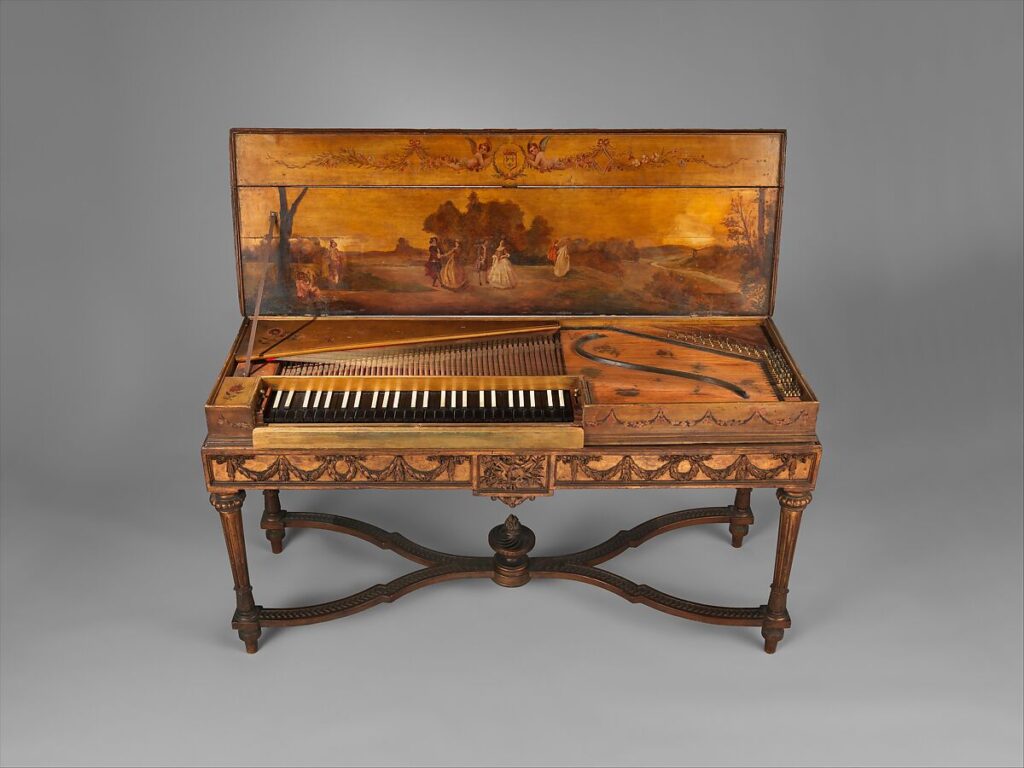
What if a keyboard instrument could offer both?
Cristofori’s Solution
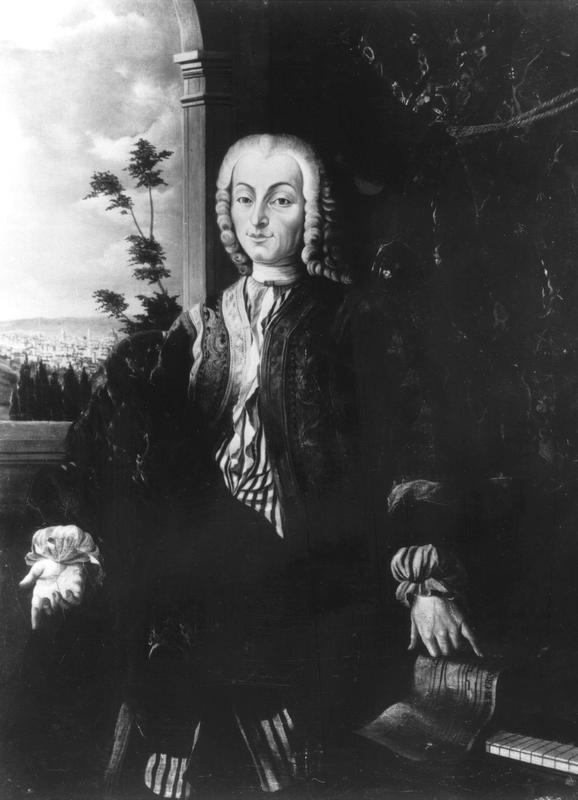
Around 1700, Italian instrument maker Bartolomeo Cristofori found a way.
Cristofori worked in Florence for Grand Prince Ferdinando de’ Medici, caring for and building instruments for the Medici collection. He was already an accomplished harpsichord maker when he began experimenting with a radically different way of making the strings sound.
Instead of plucking a string, his new mechanism used a small hammer to strike it.
That gave the player more control over the volume.
Strike a key gently and the hammer struck the string gently. Play with greater force and the hammer hit harder, producing a stronger sound. For the first time in this kind of keyboard instrument, the player’s touch could directly control the gradations between softer and louder notes.
Making that happen was more complicated than simply putting hammers under the strings. The hammer had to hit the string and immediately move away so the string could continue vibrating. It also had to avoid bouncing back and striking the string a second time. Cristofori devised an ingenious system of hammers, dampers, checks and an escapement mechanism to make it work.
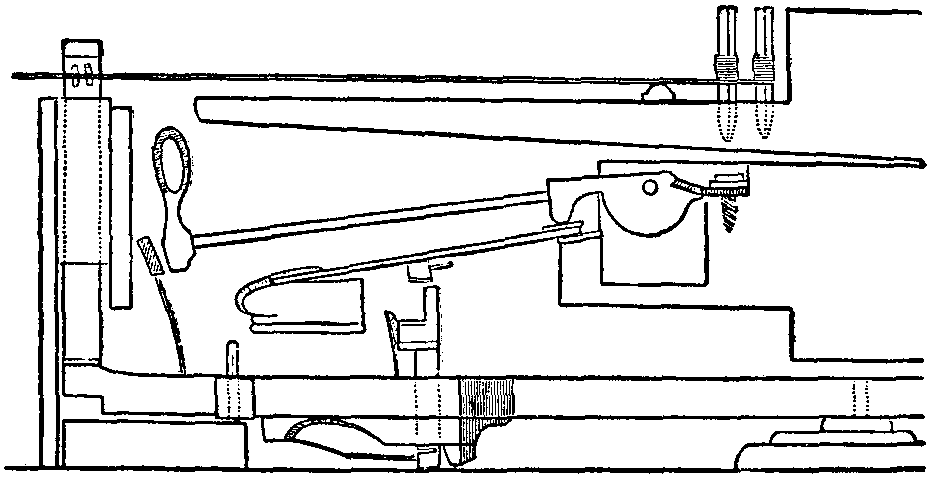
It Didn’t Look Much Like a Modern Piano but many of those ideas remain fundamental to piano action today.
The Name Told You What Was New A Medici inventory from 1700 records an instrument newly invented by Cristofori that used hammers. A few years later, writer Scipione Maffei described Cristofori’s creation as a gravicembalo col piano e forte — essentially a harpsichord with soft and loud.
Those two Italian words eventually gave the new instrument its name: pianoforte.
Over time, of course, we shortened that simply to piano.
The name is so familiar today that it is easy to miss what it was originally telling people. Playing piano and forte — softly and loudly — was one of the qualities that made the new instrument remarkable.
Cristofori’s invention was only the beginning. The oldest surviving piano he made dates to 1720 and is now in the Metropolitan Museum of Art. At first glance, it looks much more like a harpsichord than a modern grand piano. It has 54 keys rather than 88, thinner strings and a very different tone from the powerful concert pianos that would eventually follow.
Bartolomeo Cristofori 1720 Italian Grand Piano
Metropolitan Museum of Art
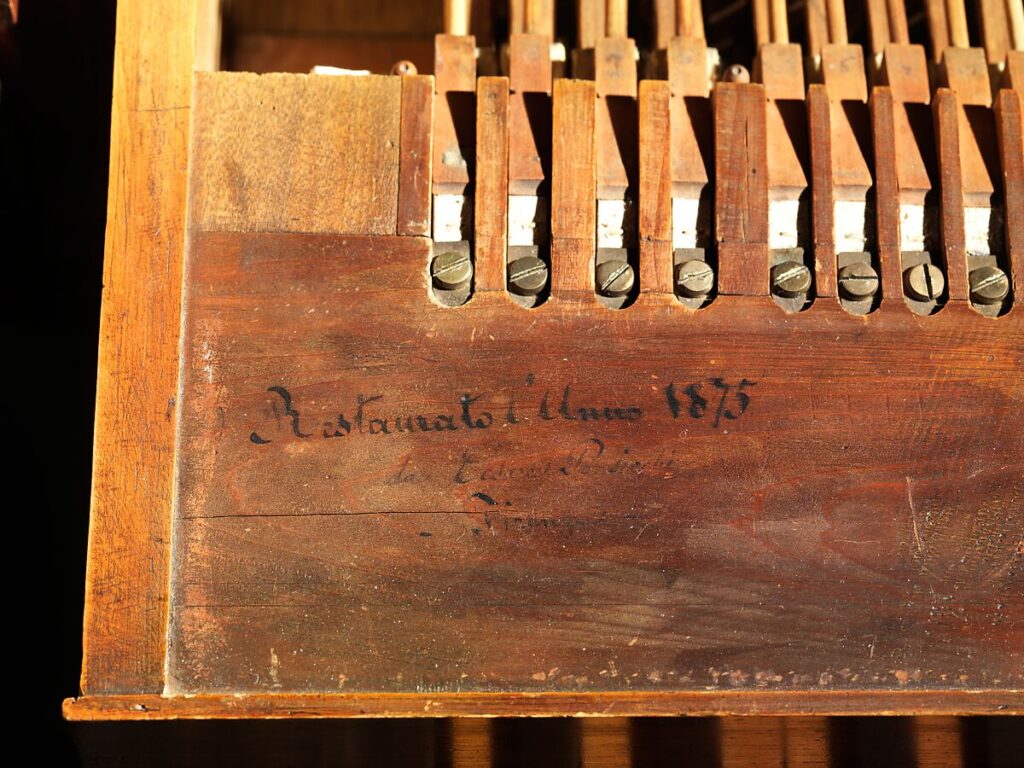
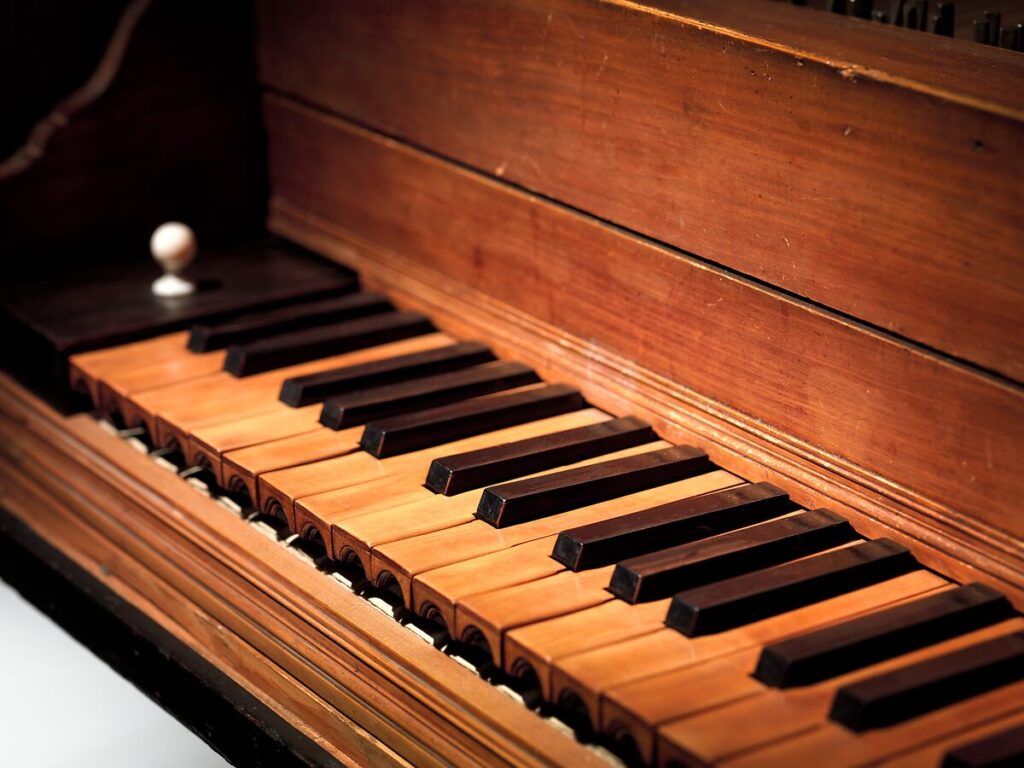
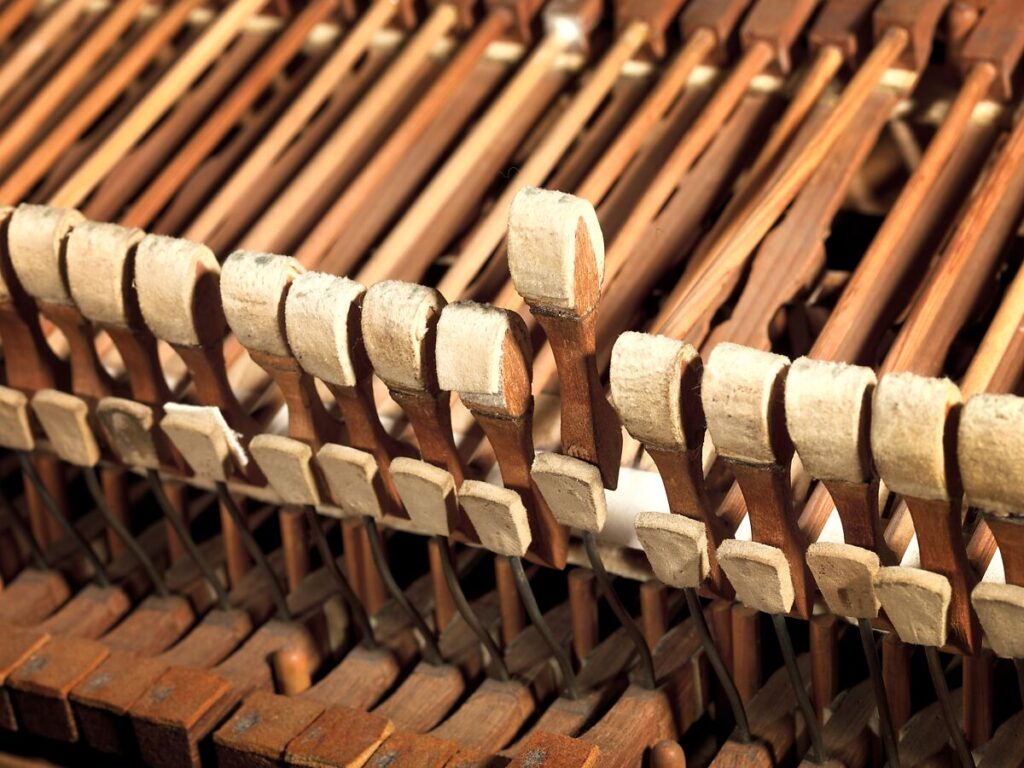
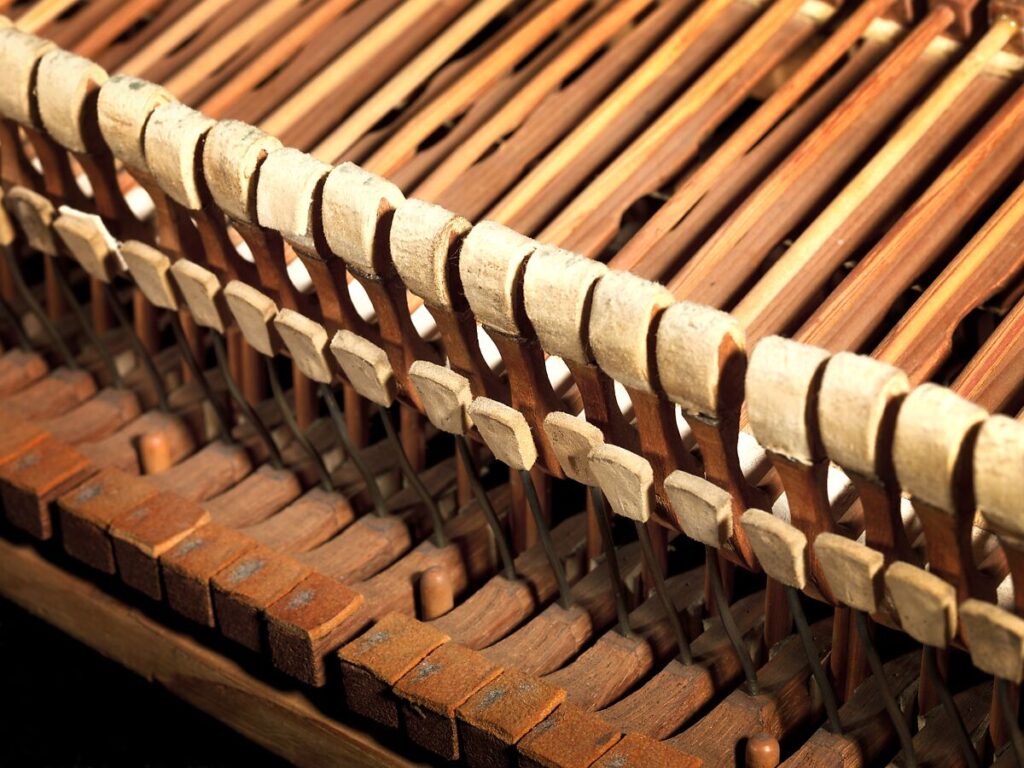
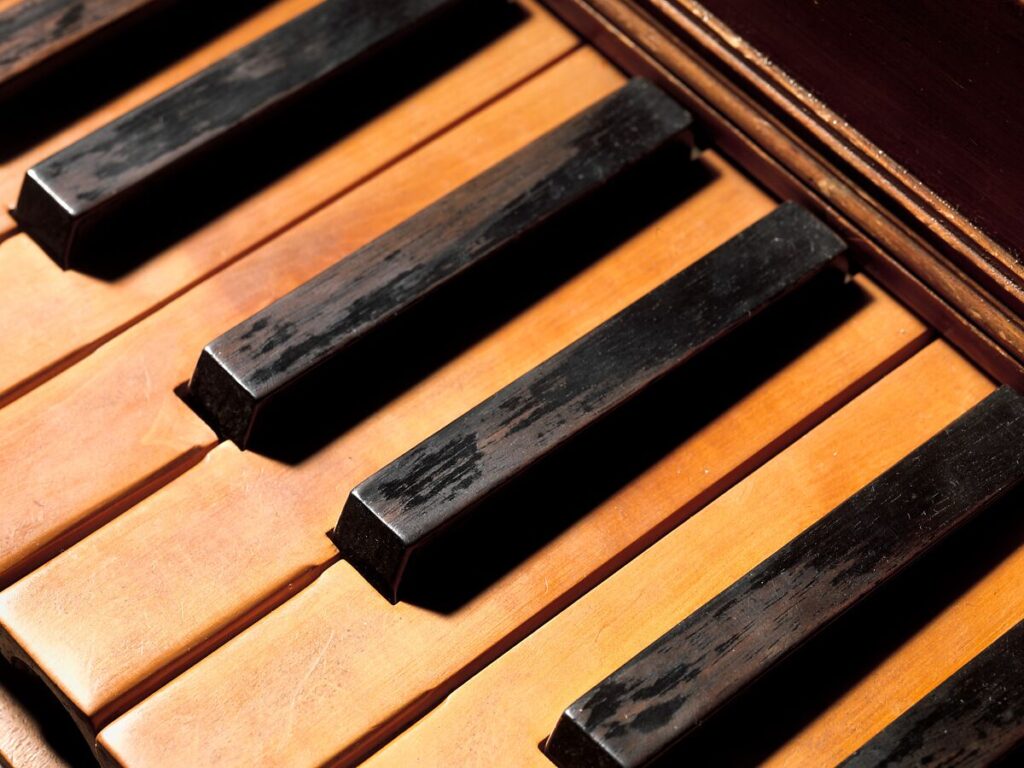
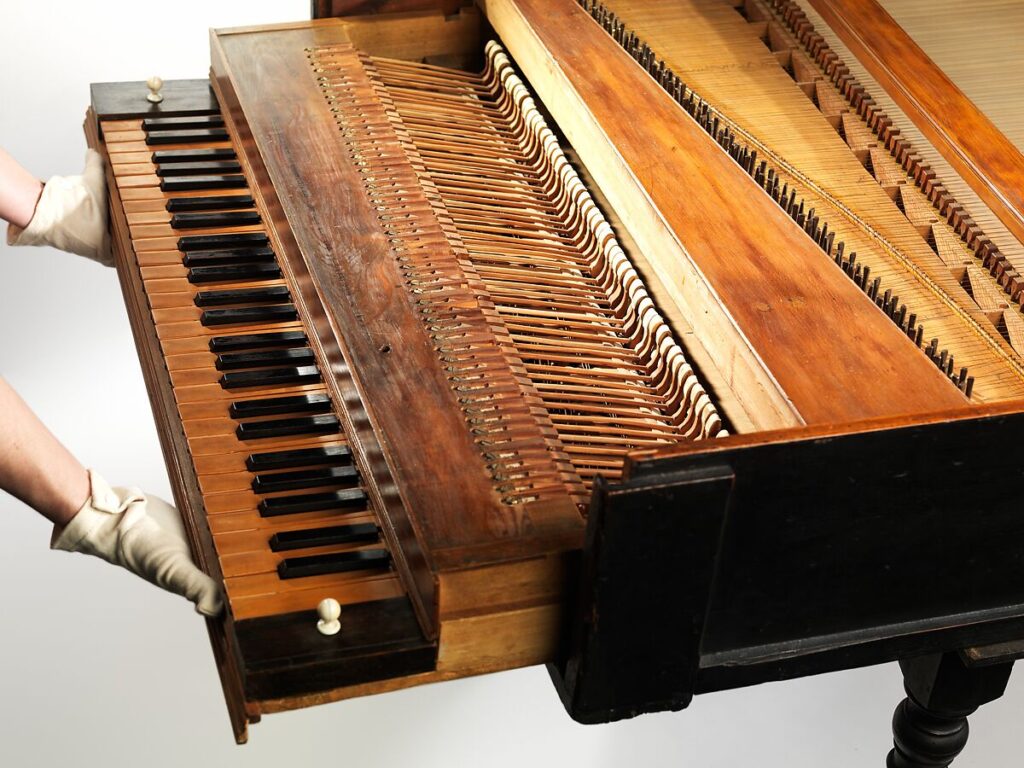
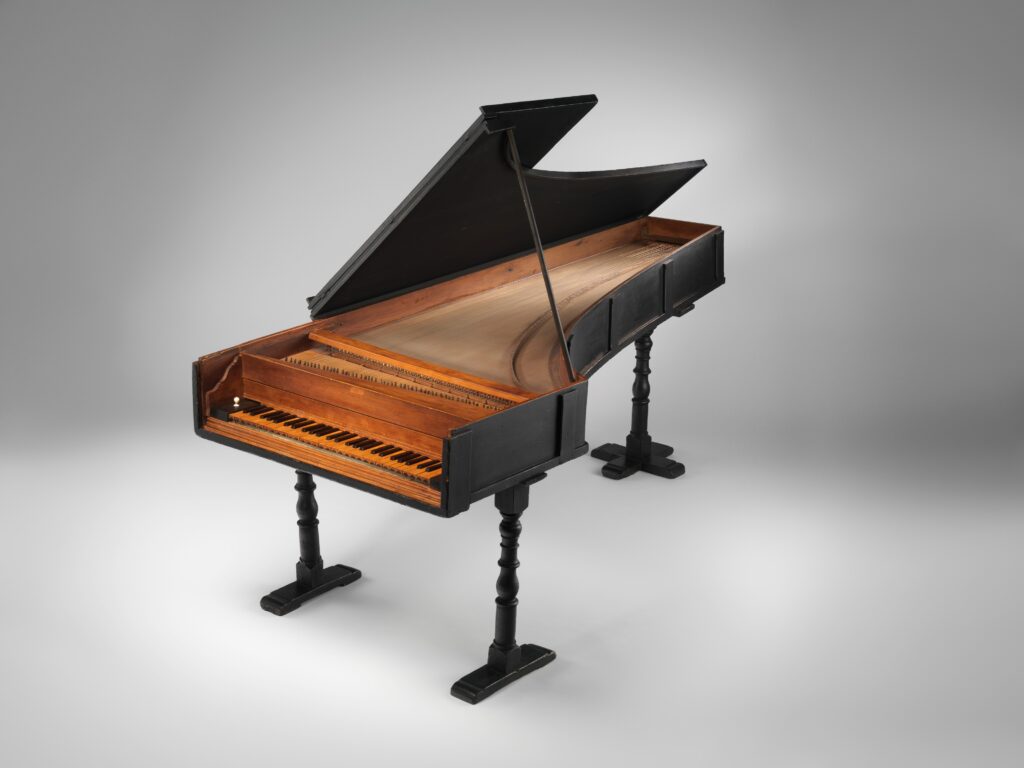
Only three Cristofori pianos are known to survive.
Over the generations that followed, piano makers increased the instrument’s range, strengthened its frame, changed its strings and hammers, and continued refining its action. The piano eventually became capable of filling concert halls and producing an enormous range of sound.
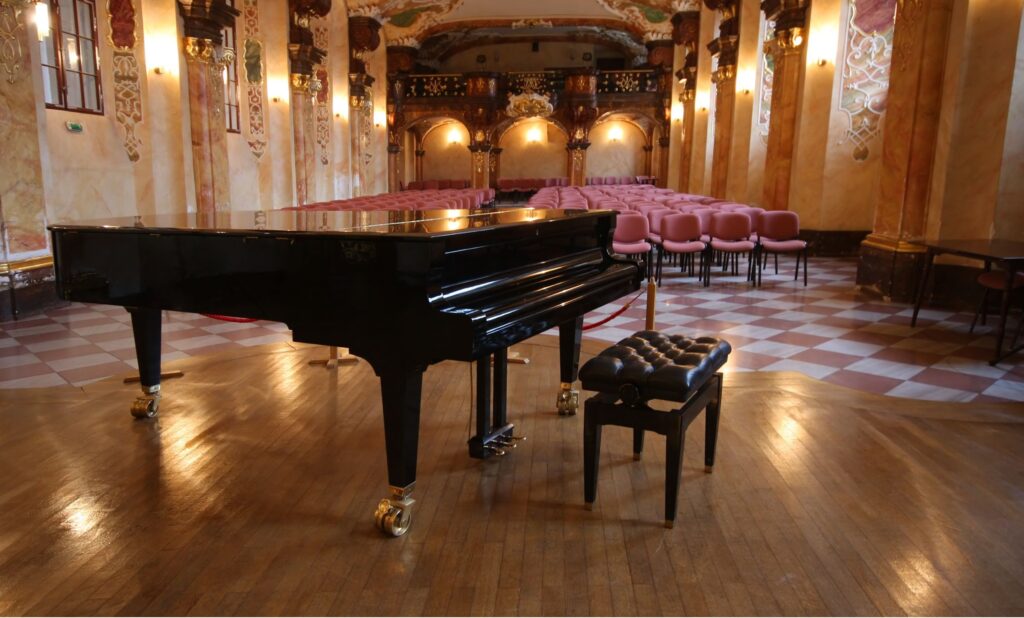
But the idea at its heart remained the one Cristofori had worked out more than three centuries ago; the player’s touch could shape the sound.
Today, that seems inseparable from what a piano is. A pianist can make one note delicate and the next powerful, bring a melody forward while keeping the accompaniment quiet, or move from almost a whisper to a room-filling chord.
That expressive control feels natural now. Around 1700, it was the problem that helped give us an entirely new instrument.
Leave a Reply