How movement, vibration, and pressure changes help fish sense what’s nearby.
Every angler has stood in front of a tackle box and wondered which lure to try next. Bright or natural? Loud or subtle? Topwater or something deeper? A steady retrieve or a slow, deliberate twitch?
It can feel like a guessing game. But there’s a fascinating reason lure movement matters so much — one that most anglers never think about.
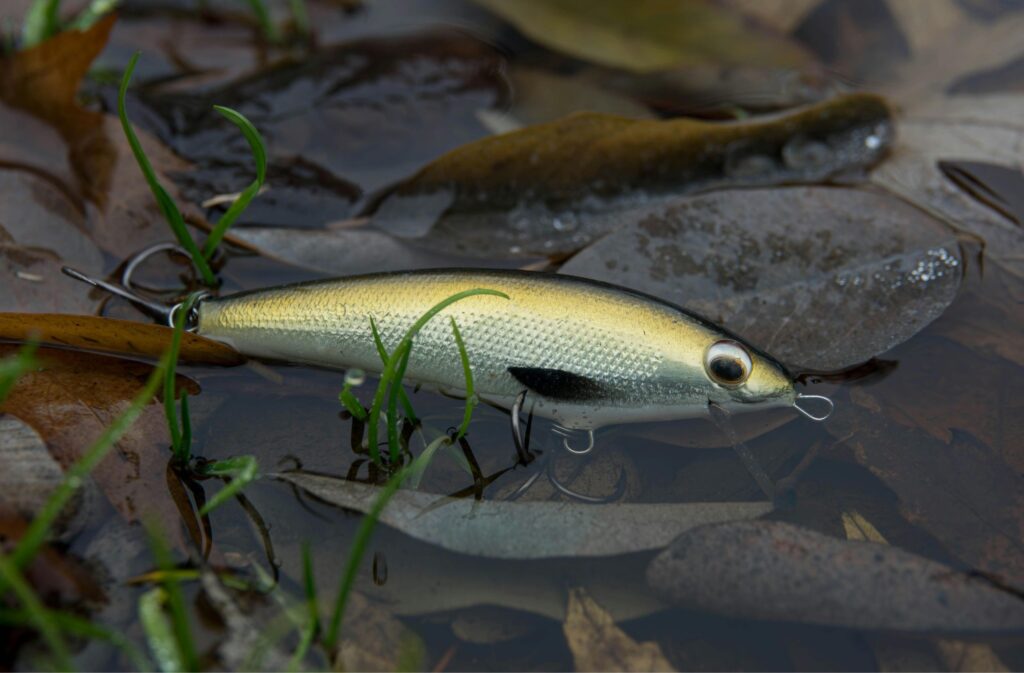
Fish don’t just see your lure. In a very real sense, they can feel it.
Not the way we feel something with our hands. Fish live in a world where movement travels through water. Every tail flick, every struggling insect, every baitfish darting through a school, every splash on the surface — all of it creates pressure changes and vibrations. To a fish, those tiny disturbances carry information.
That’s where the lateral line comes in.
That’s where the lateral line comes in.
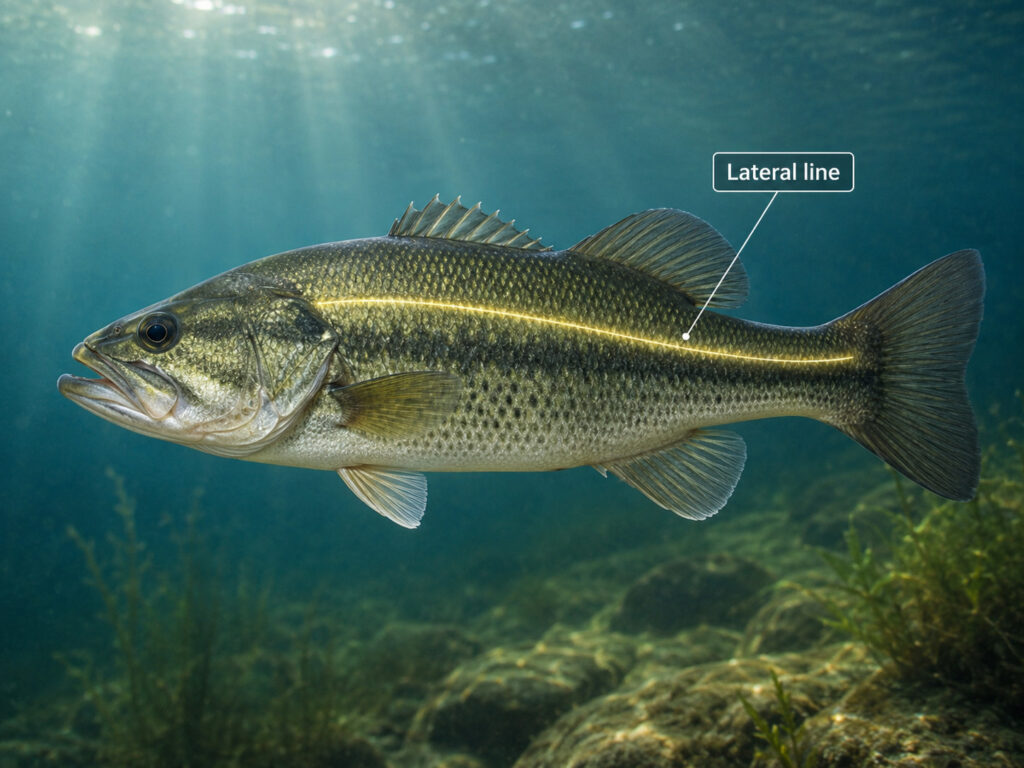
The lateral line is a sensory system found in many fish, typically running along both sides of the body. It detects movement and pressure changes in the surrounding water with remarkable sensitivity. This is part of why fish can react so quickly to nearby motion, stay coordinated in schools, locate prey in the dark, and sense danger even when visibility is nearly zero.
For anglers, that changes how we should think about lures entirely.
A lure isn’t just a visual object — it’s a signal.
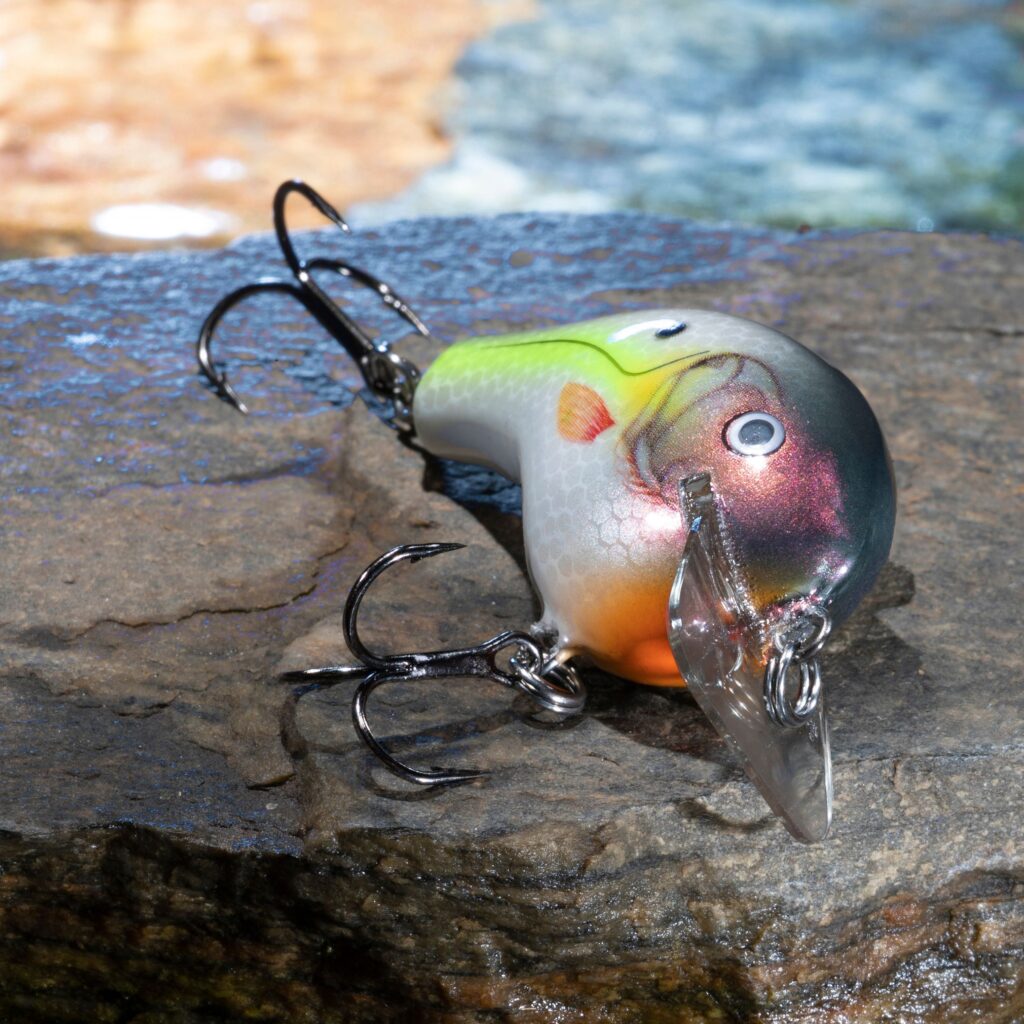
A crankbait wobbling through the water sends a very different message than a soft plastic worm drifting on the drop. A spinner gives off a different pulse than a jig. A topwater lure doesn’t just look like something struggling on the surface; it creates ripples, splash, and disturbance that radiate outward. Even a subtle presentation moving slowly through still water leaves a trail of pressure behind it.
This is why anglers obsess over “action.” The wobble. The pause. The flutter on the fall. The twitch of a rod tip. The difference between a retrieve speed that feels alive and one that feels just slightly off. To the person holding the rod, these adjustments can seem almost superstitious. Underwater, they may be the whole message.
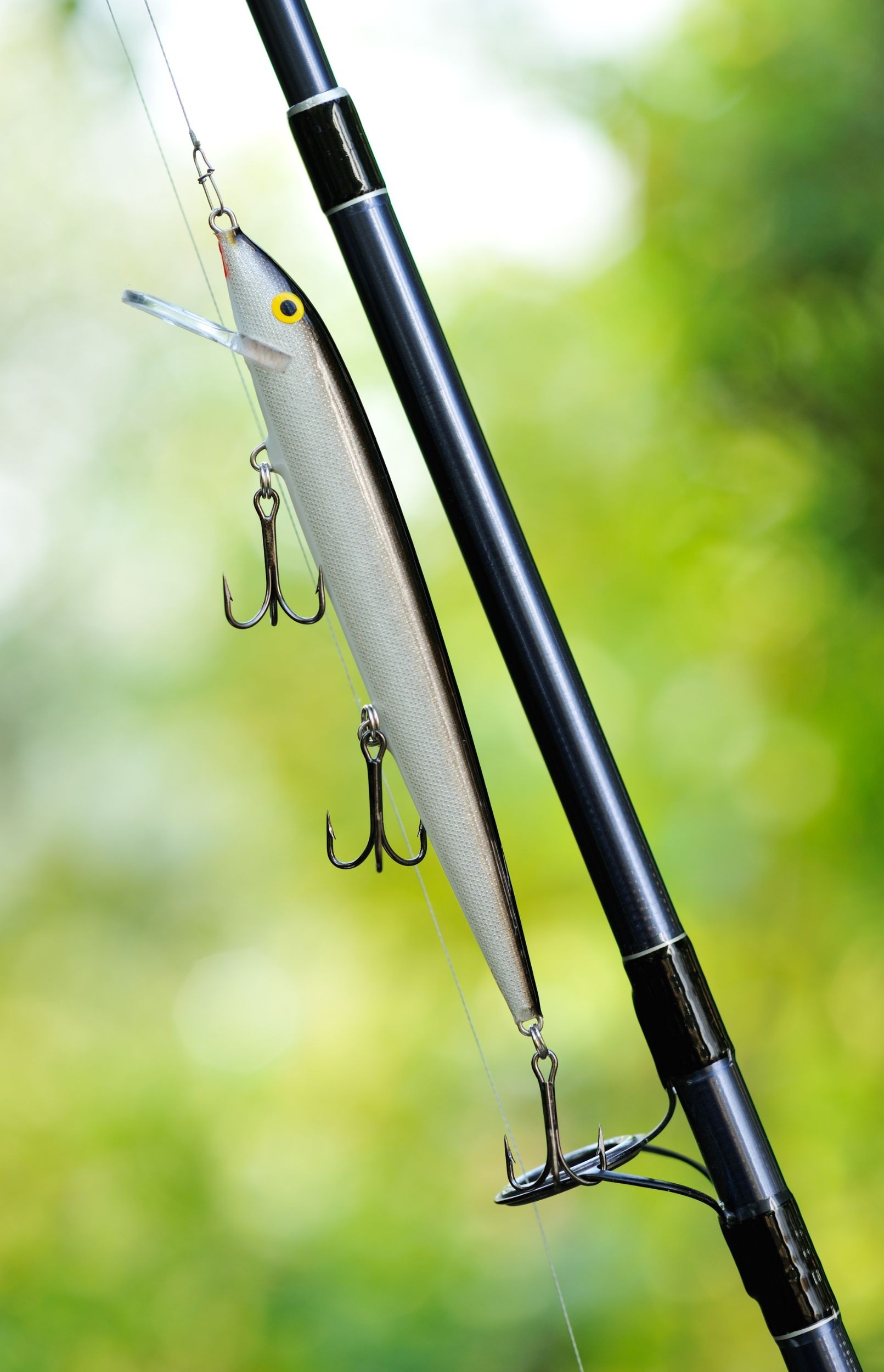
Visibility makes this even more important. In clear water, a fish may spot a lure from several feet away and get a long look before deciding. But in muddy water, shaded cover, deeper structure, or low-light conditions at dawn and dusk, vision becomes unreliable. A fish may detect something moving nearby — feel it, really — before it ever gets a clear visual. In those conditions, how a lure moves can matter more than how it looks.
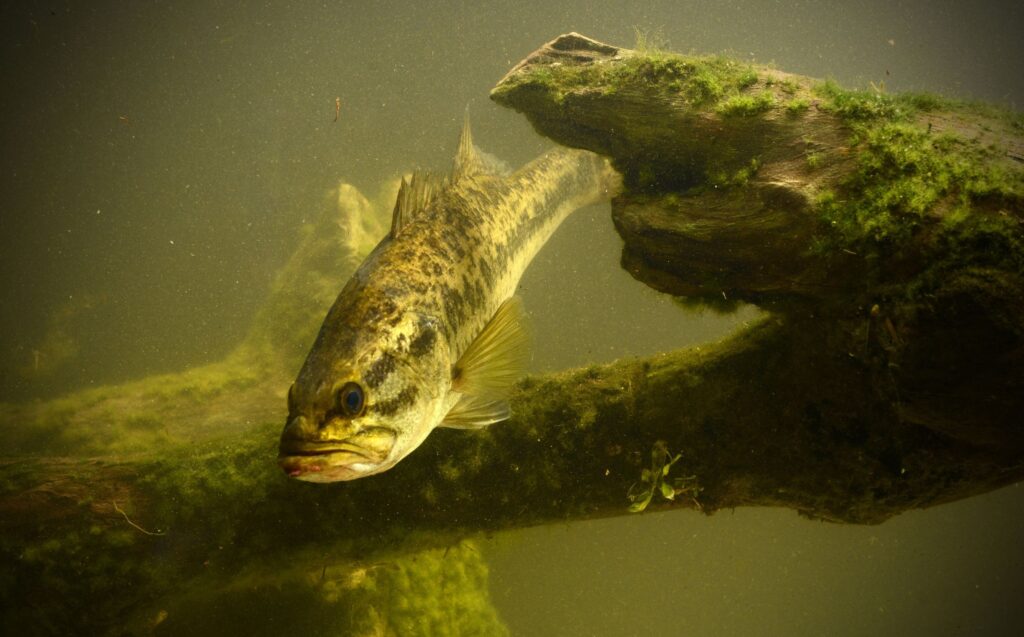
That’s not to say color, size, and shape are irrelevant. They’re not. Fish use a combination of senses, and different species weight those senses differently depending on the conditions. But the lateral line is a reminder that fishing isn’t purely a visual game, and a lure that looks perfect but moves wrong may not fool anyone.
Of course, nothing about fishing is that clean. Fish don’t respond the same way every day. Water temperature, barometric pressure, season, light level, food availability, and fishing pressure all shift the equation. A loud rattling crankbait might draw reaction strikes all morning and go cold by noon. A quiet, subtle drop shot might be exactly right on a pressured lake and totally ignored on the next one.
That uncertainty is part of the puzzle — and honestly, part of the appeal.
Fishing has always been a mix of observation, patience, instinct, and experimentation. You’re not just casting into water and hoping. You’re reading conditions, watching the surface, choosing a presentation, and trying to imagine what’s happening ten feet below where you can’t see any of it.
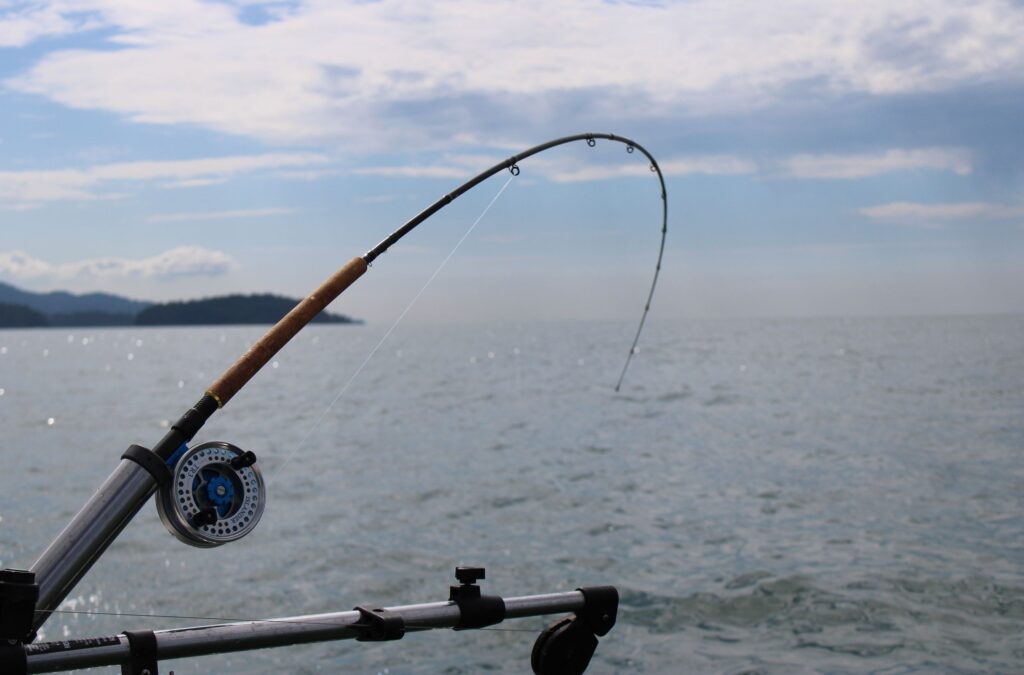
The next time you pick up a lure, think about what it’s doing beyond what your eyes can follow.
It’s flashing. It’s moving. It’s pushing water. It’s sending out a signal that travels in every direction, through a medium that carries information remarkably well.
And somewhere below the surface, a fish may feel it before it ever sees it.
The world beneath the water isn’t silent or still. It’s full of signals. Every cast sends one — and the fish are listening with their whole body.
Leave a Reply