Welcome to Saturday Sparks! This week, we’re diving into swimming. Few activities follow people through life quite the way swimming does. It shows up early as a survival skill, turns into a summer ritual, becomes a workout, a competition, a form of therapy, or simply the best excuse to be somewhere cool and quiet for a little while.

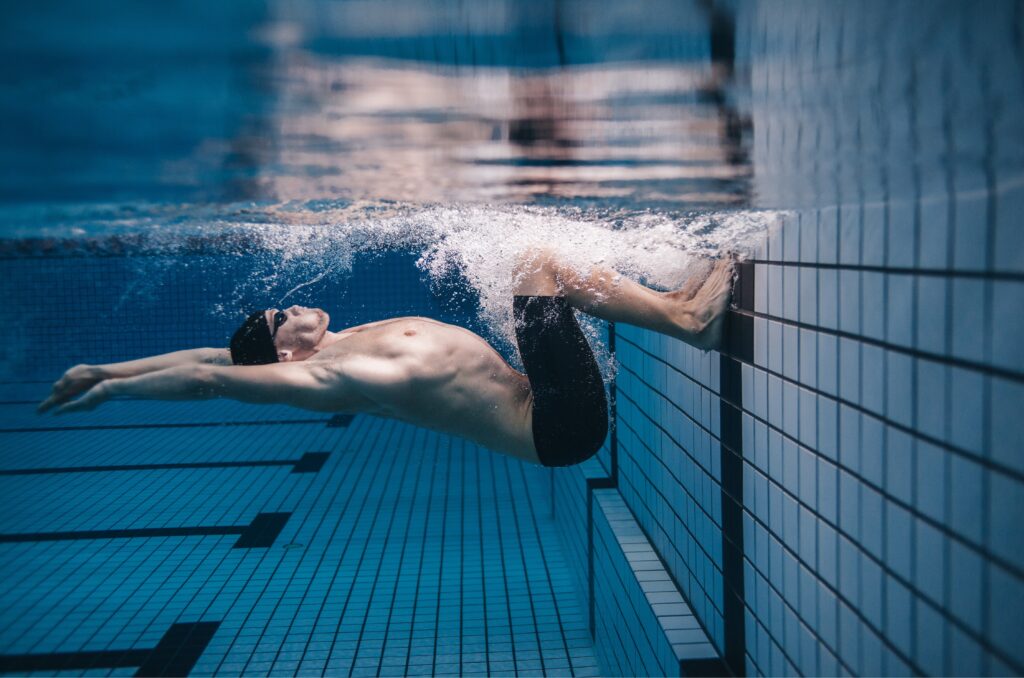
Swimming shows up in a lot of different ways. It can be early morning laps in a quiet pool, swim lessons after school, cannonballs in the backyard, open water practice, a beach vacation, or a slow float when doing anything productive sounds unreasonable.

It can feel playful and practical at the same time. You can swim for fitness, confidence, competition, safety, relaxation, or simply because being in the water feels good. That mix is what gives swimming its staying power. It is easy to begin in a simple way, but there is always more to learn if you want to dive deeper.
What is Swimming?
Swimming is the act of moving through water using coordinated body movement, breath control, and different stroke techniques. It can be practiced in pools, lakes, rivers, oceans, swim schools, fitness centers, community facilities, and private backyard pools when available.
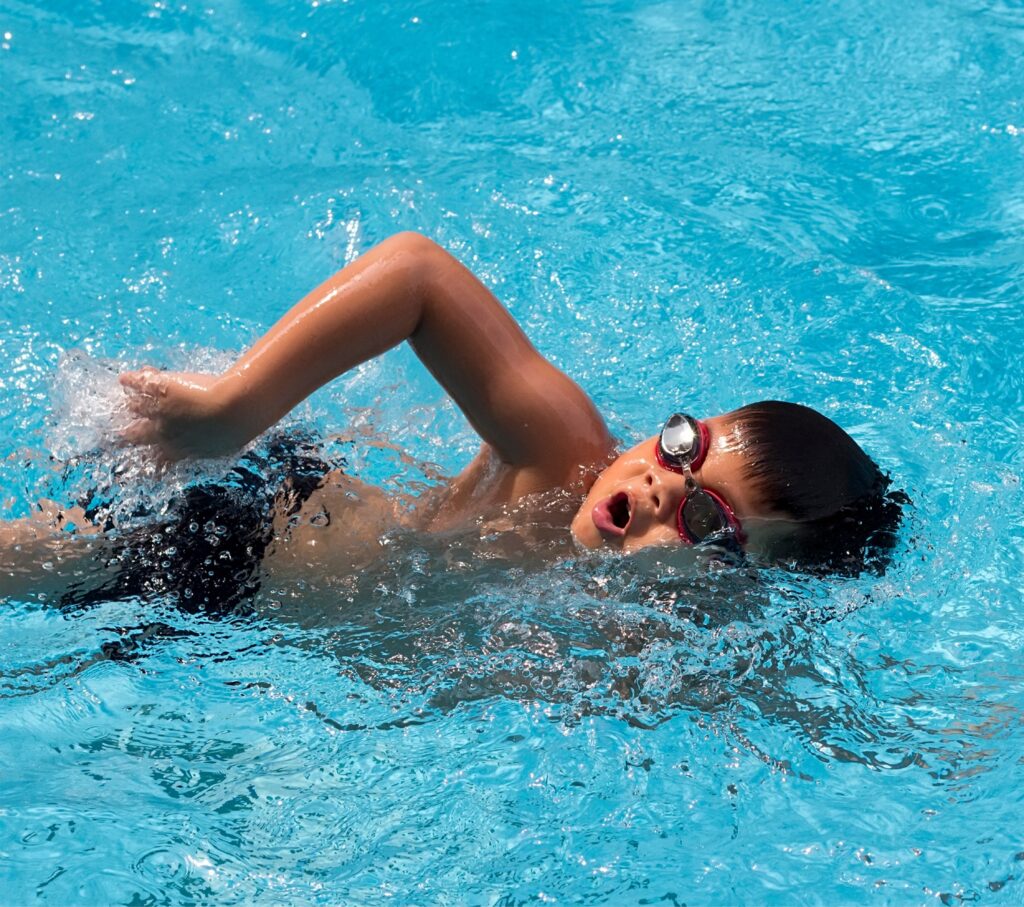
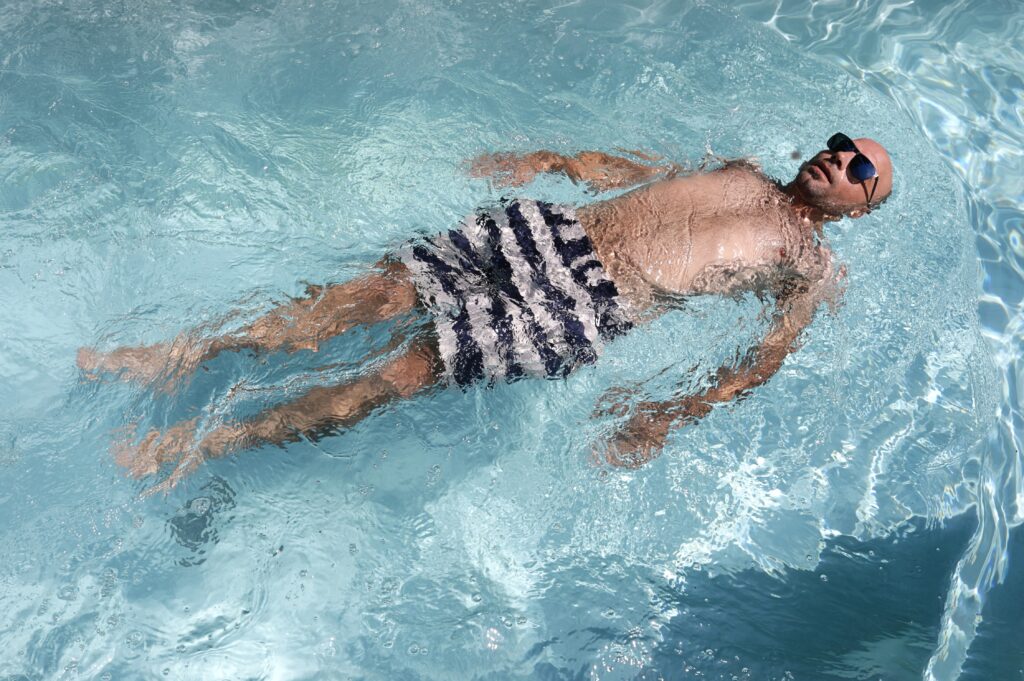
At its most basic level, swimming involves learning how to float, kick, breathe, and move safely through the water. These early skills create the foundation for more structured swimming, including lap swimming, recreational swimming, competitive swimming, open water swimming, and water fitness.
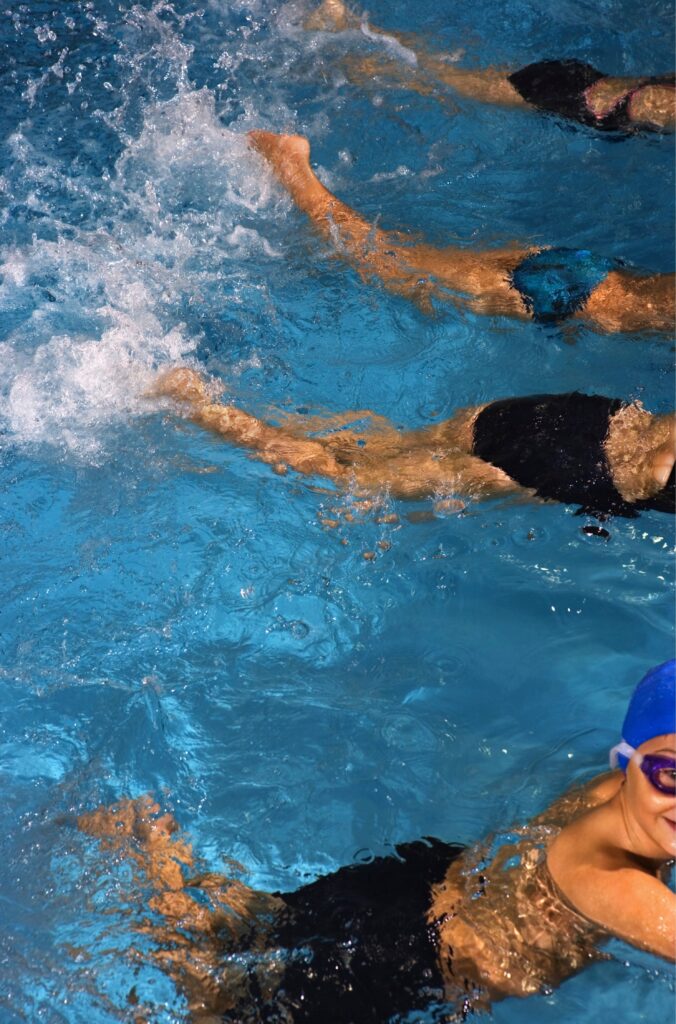
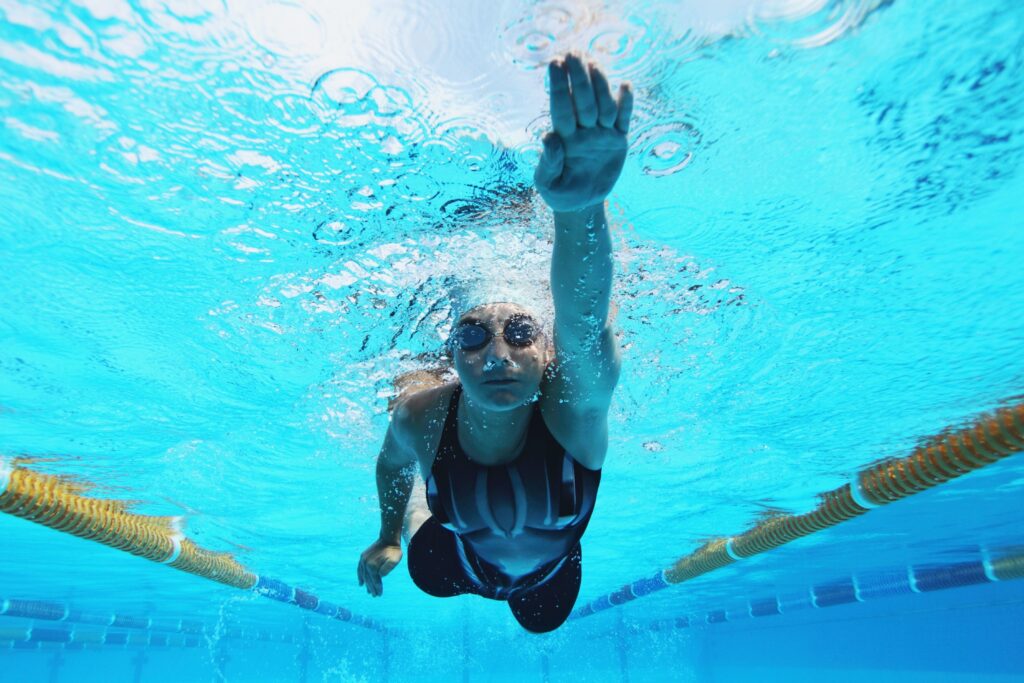
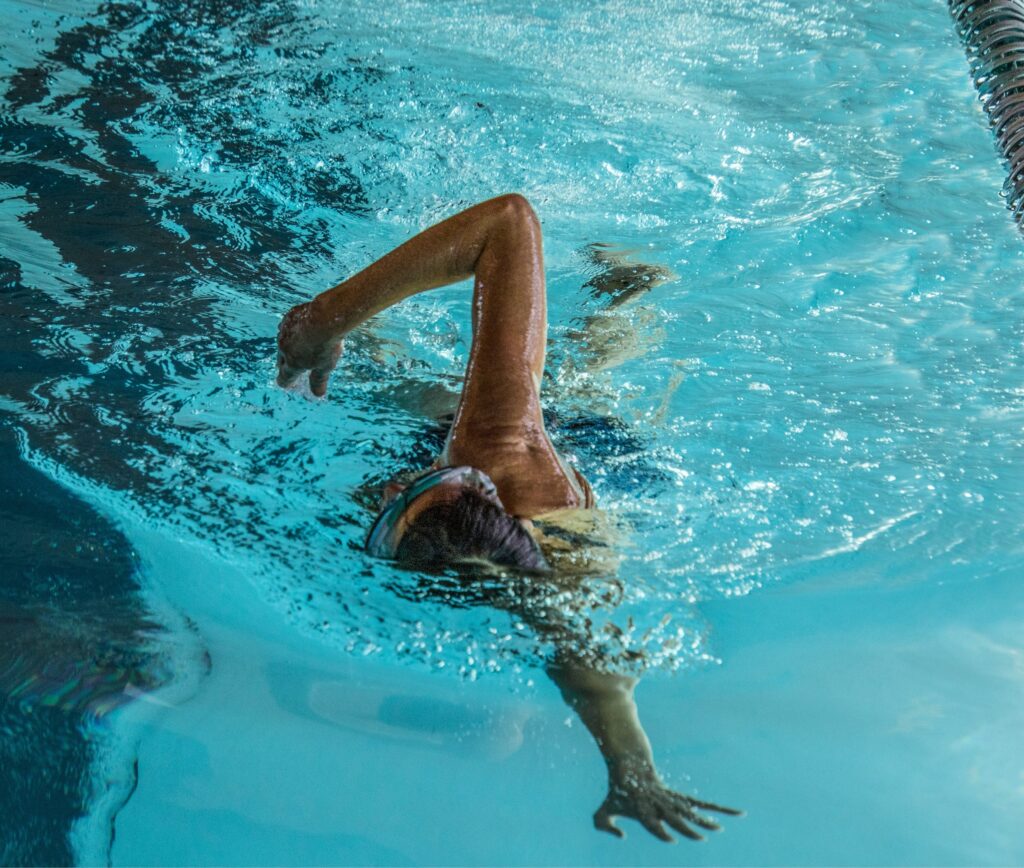
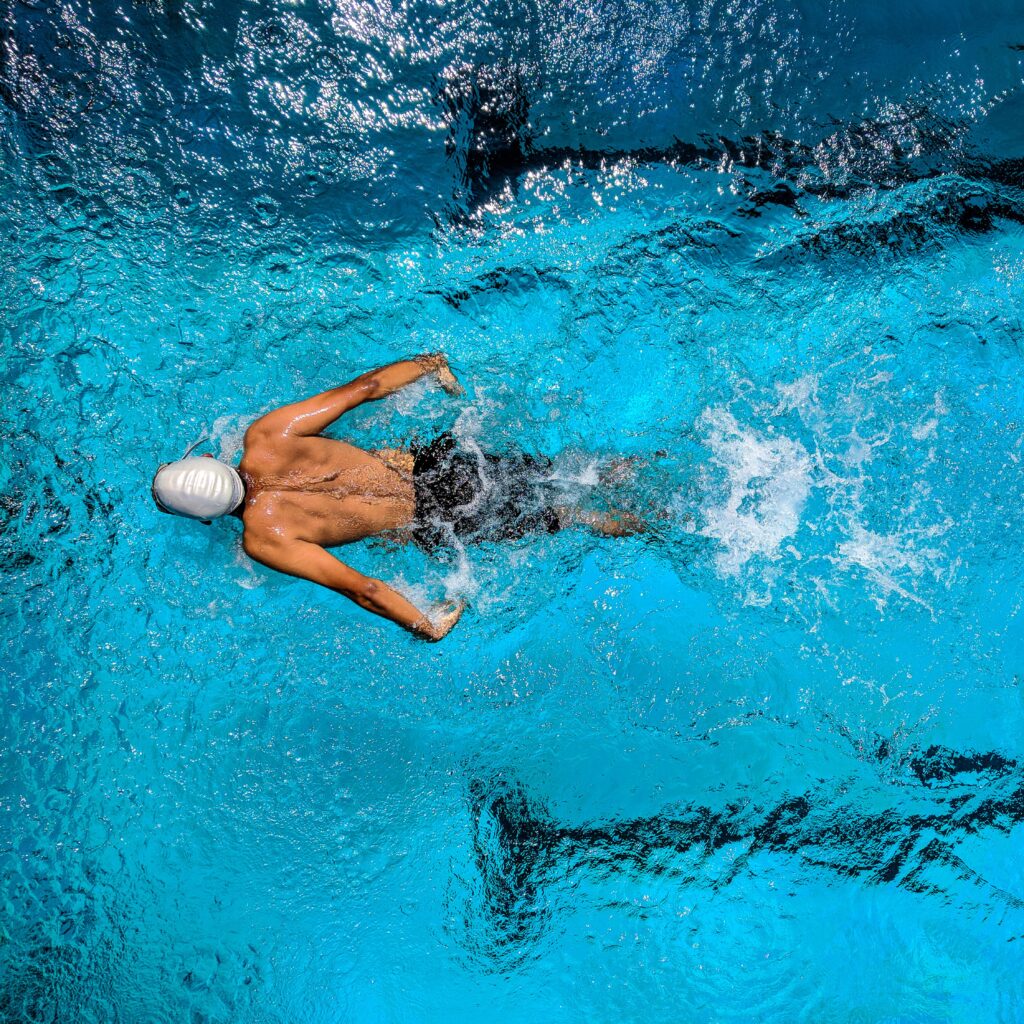
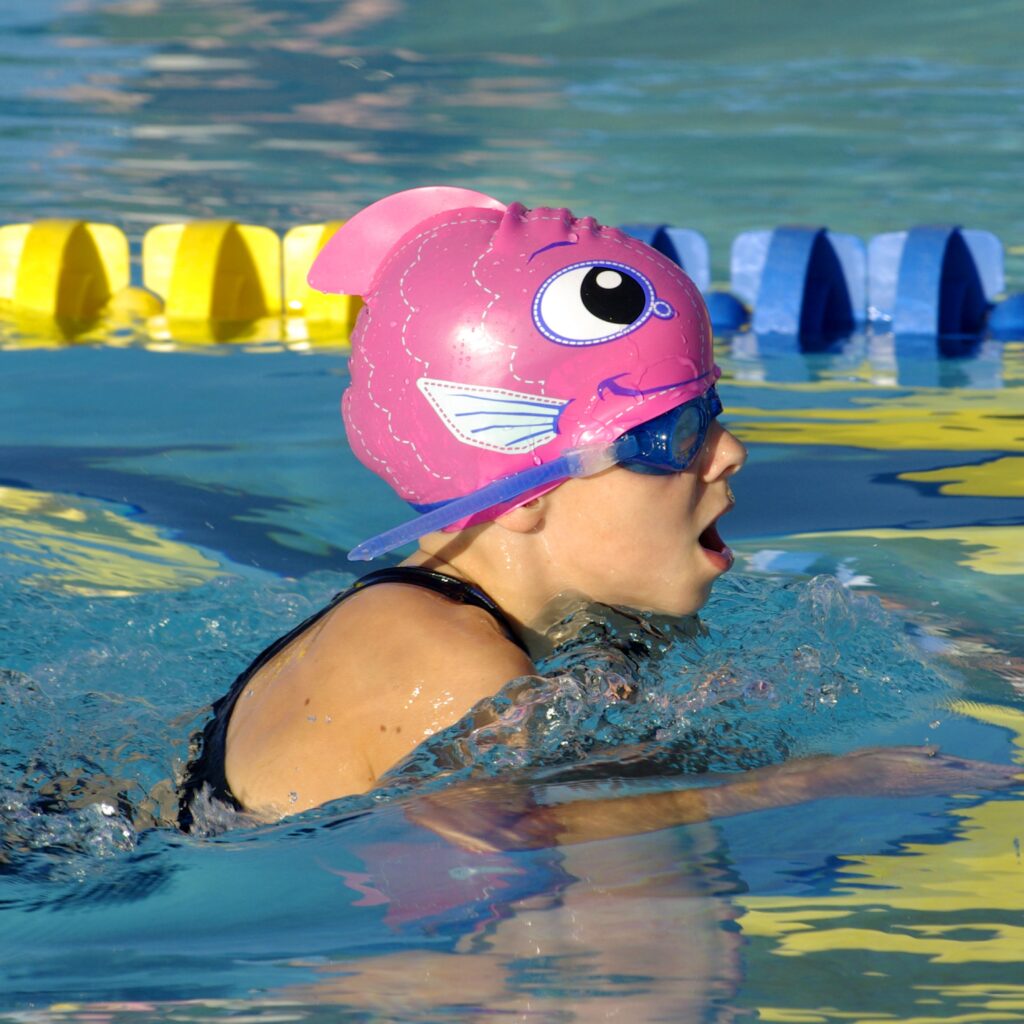
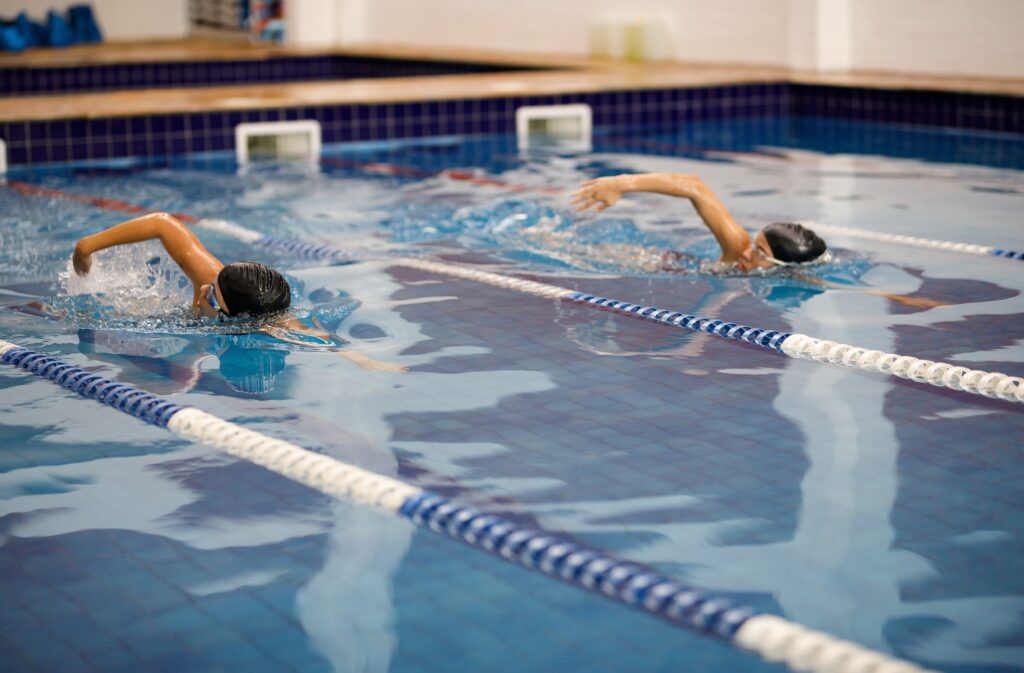
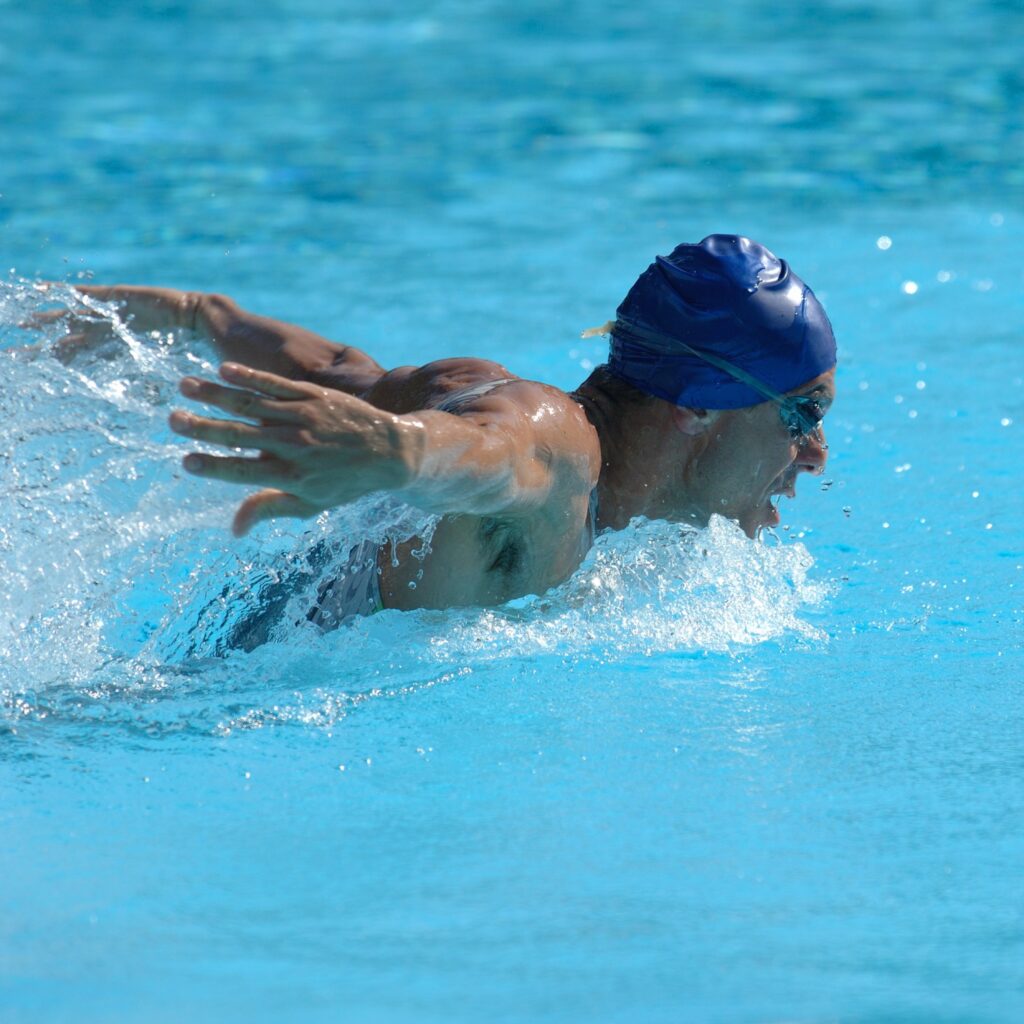
The four main competitive strokes are freestyle, backstroke, breaststroke, and butterfly. Freestyle is often the first stroke many swimmers use for lap swimming because it is efficient and widely taught. Backstroke is performed on the back, breaststroke uses a frog-like kick and sweeping arm movement, and butterfly requires a coordinated dolphin kick with both arms moving together.
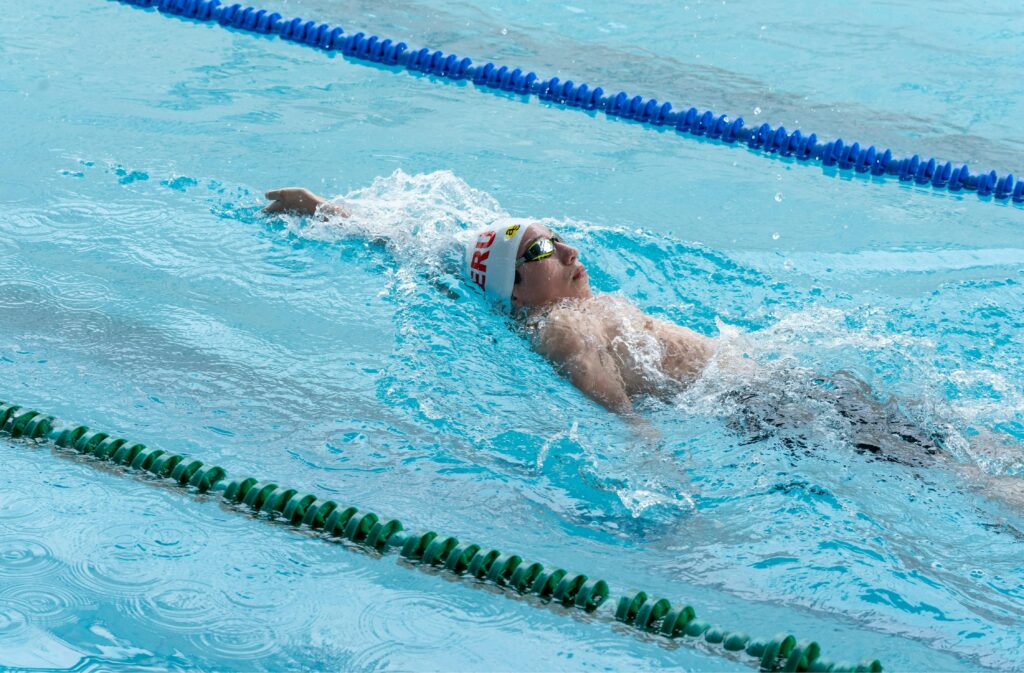
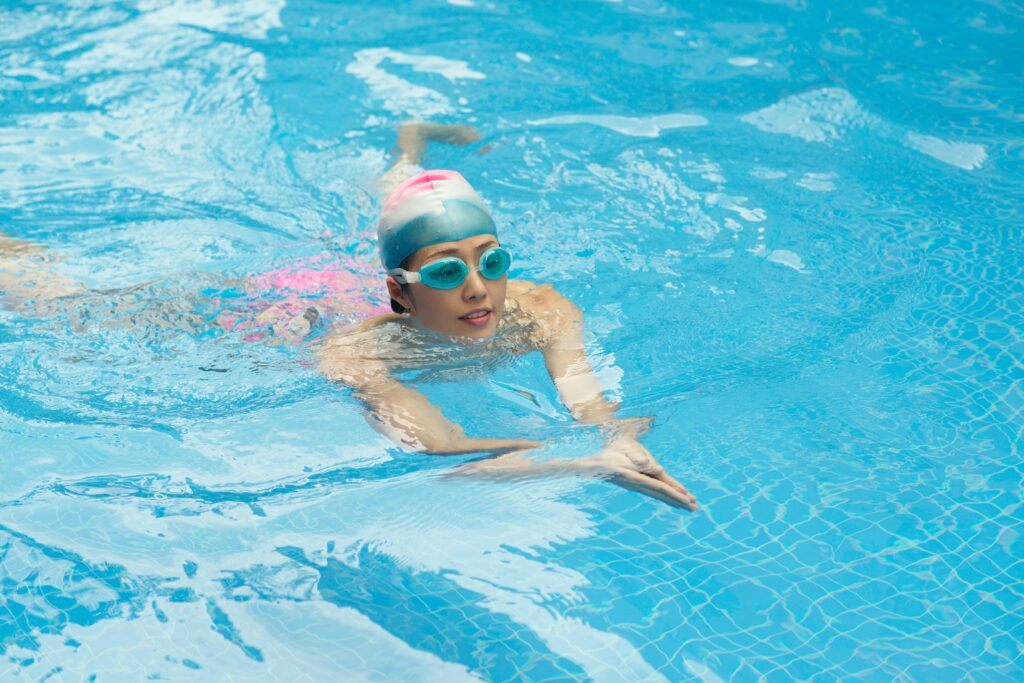
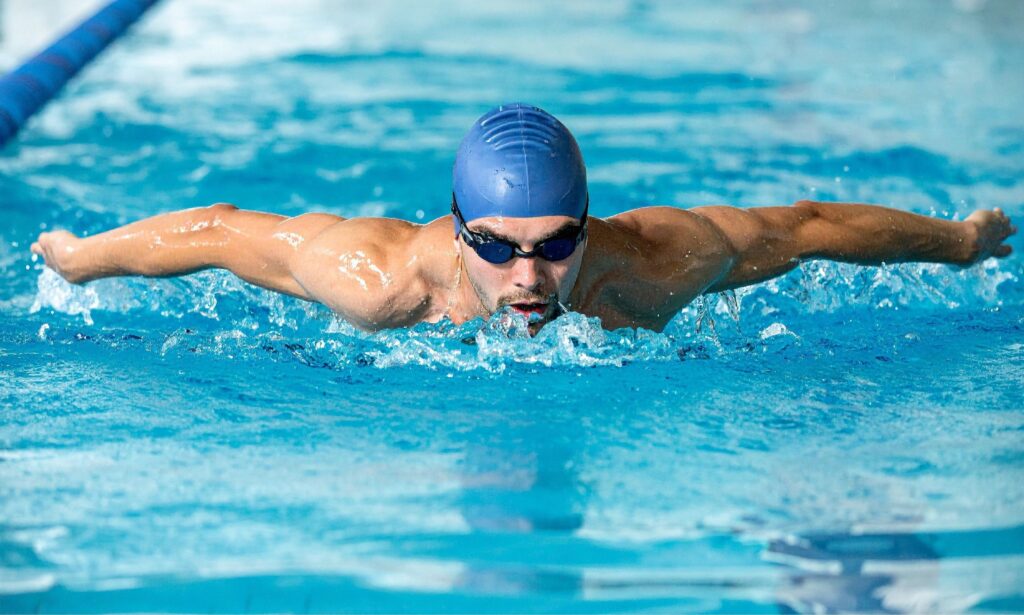
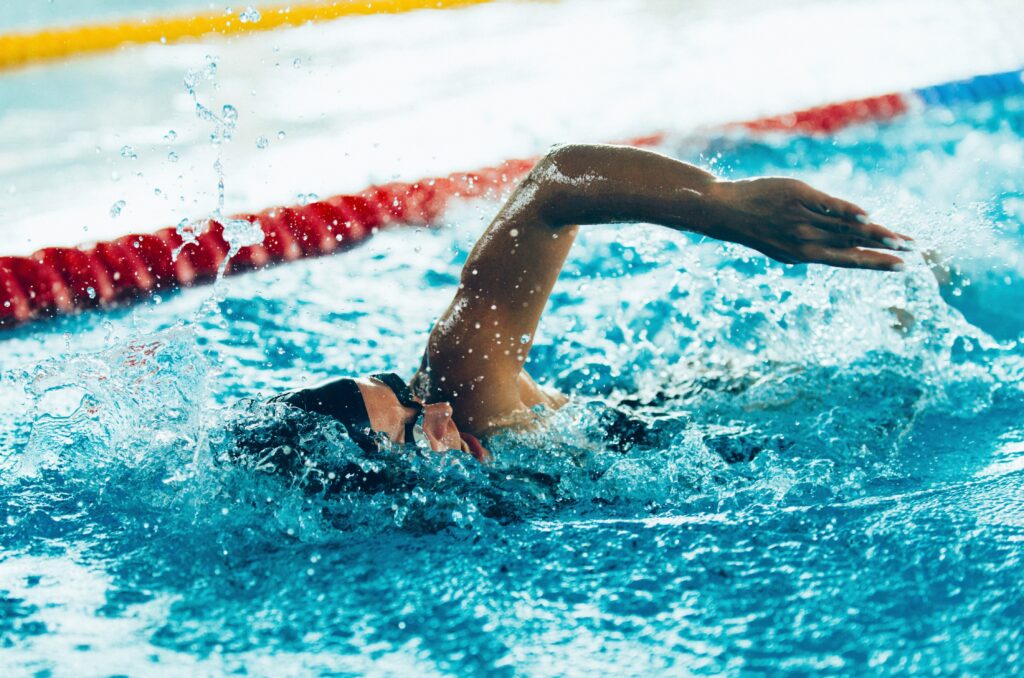
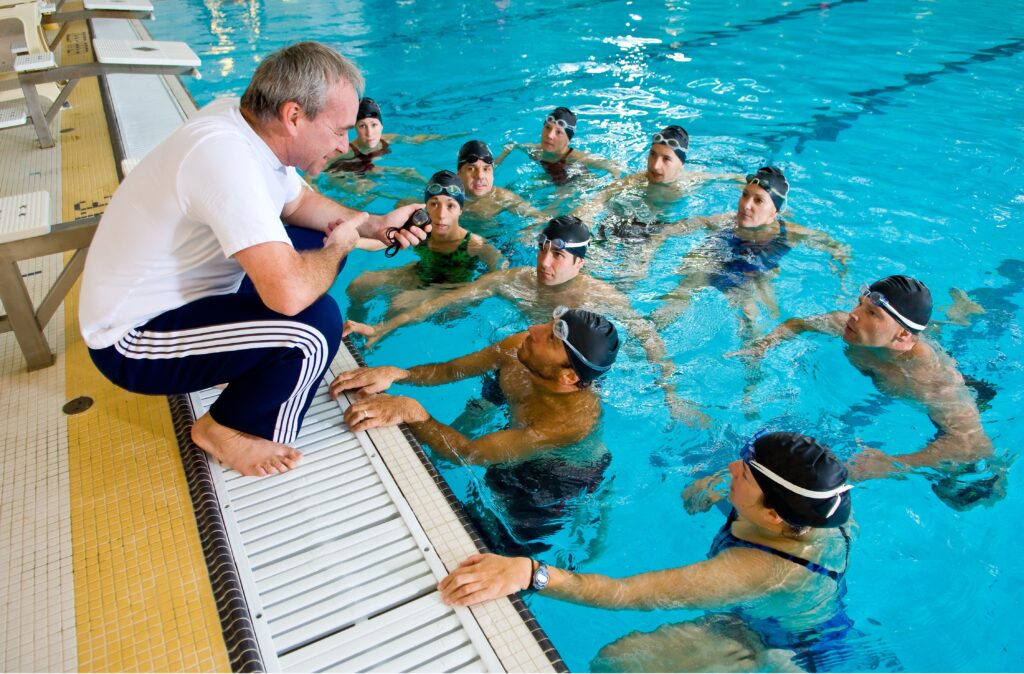
Swimming can be done individually or as part of a group. A person may swim laps alone, take lessons with an instructor, join a recreational swim class, participate in a swim team, or attend open swim sessions with friends and family. Competitive formats may include individual races, relay events, timed meets, and distance-based challenges.
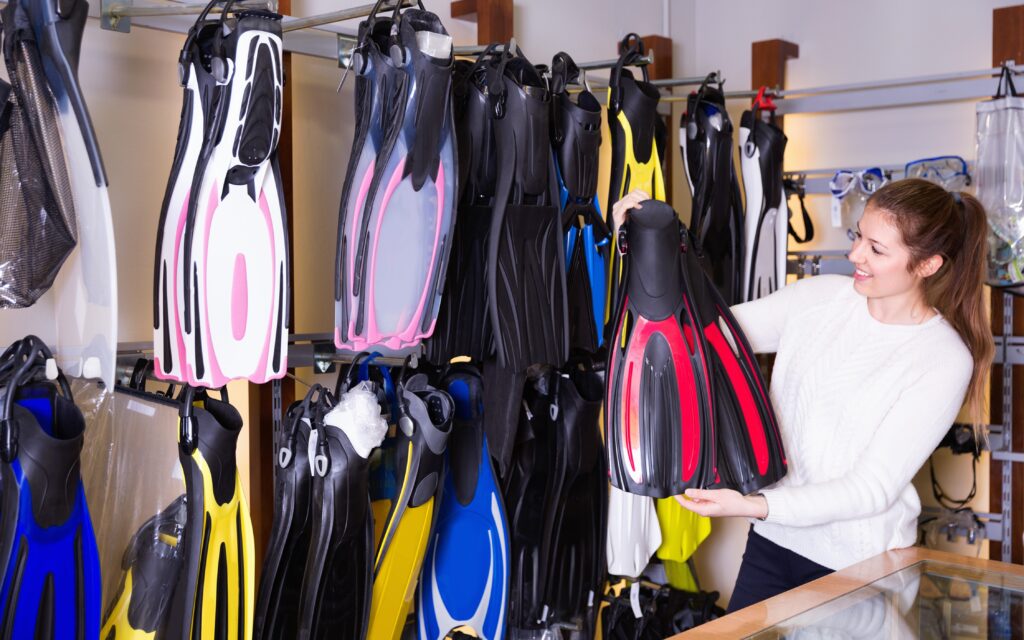
Basic equipment usually includes a swimsuit, towel, and goggles. Swim caps are commonly used to keep hair out of the face and reduce drag. Training tools such as kickboards, fins, pull buoys, paddles, and snorkels may be used for practice, but they are not required for a beginner.

Swimming settings can vary quite a bit. Pool swimming is usually more controlled, with clear water, marked lanes, lifeguards, and predictable distances. Open water swimming takes place in natural bodies of water and requires additional awareness of weather, currents, depth, visibility, temperature, and boat traffic.
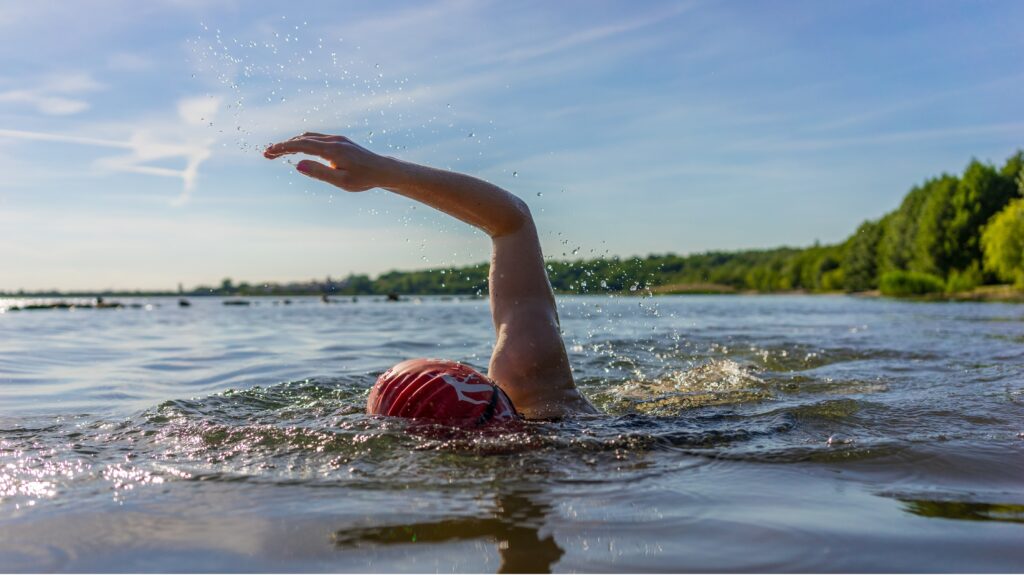
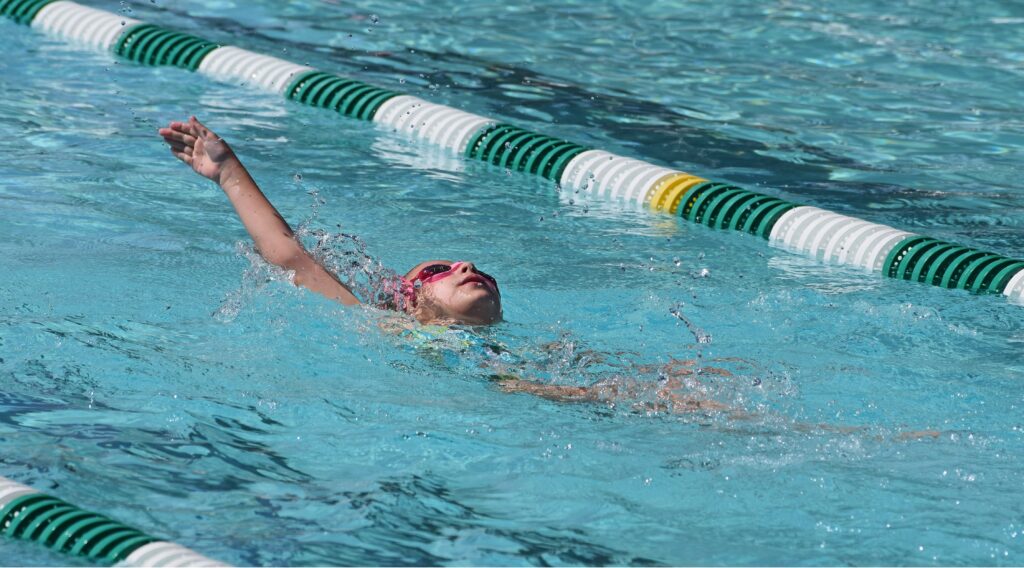
Swimming is practiced around the world for recreation, fitness, competition, rehabilitation, and water safety. Its structure can be simple enough for a beginner lesson or technical enough for high-level competition, which gives it a low barrier to entry and a high ceiling for mastery.
The Benefits of Swimming
Swimming builds full-body strength and endurance because nearly every part of the body is involved. The arms pull, the legs kick, the core stabilizes, and the breath has to work with the movement instead of against it. Over time, this combination can improve stamina, coordination, and overall body awareness in a way that feels very different from land-based exercise.
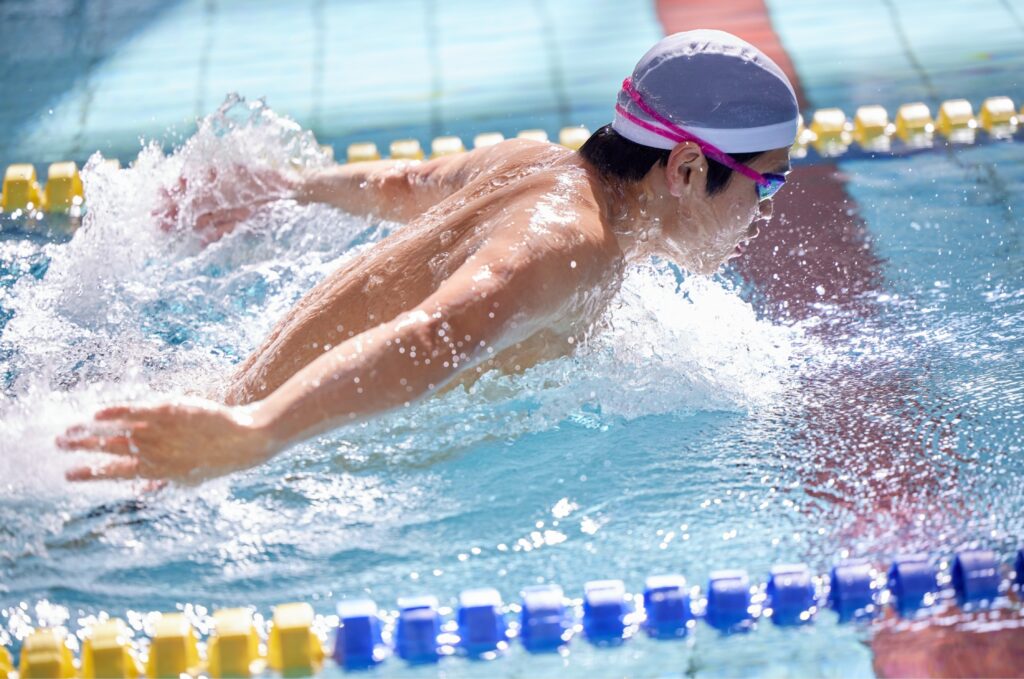
It offers a lower-impact way to move because the water supports the body while still creating resistance. This is one reason swimming appeals to people who want exercise without the same pounding that can come from running, jumping, or court sports. It can still be challenging, but the challenge comes with a smoother feel that many people find easier to return to consistently.
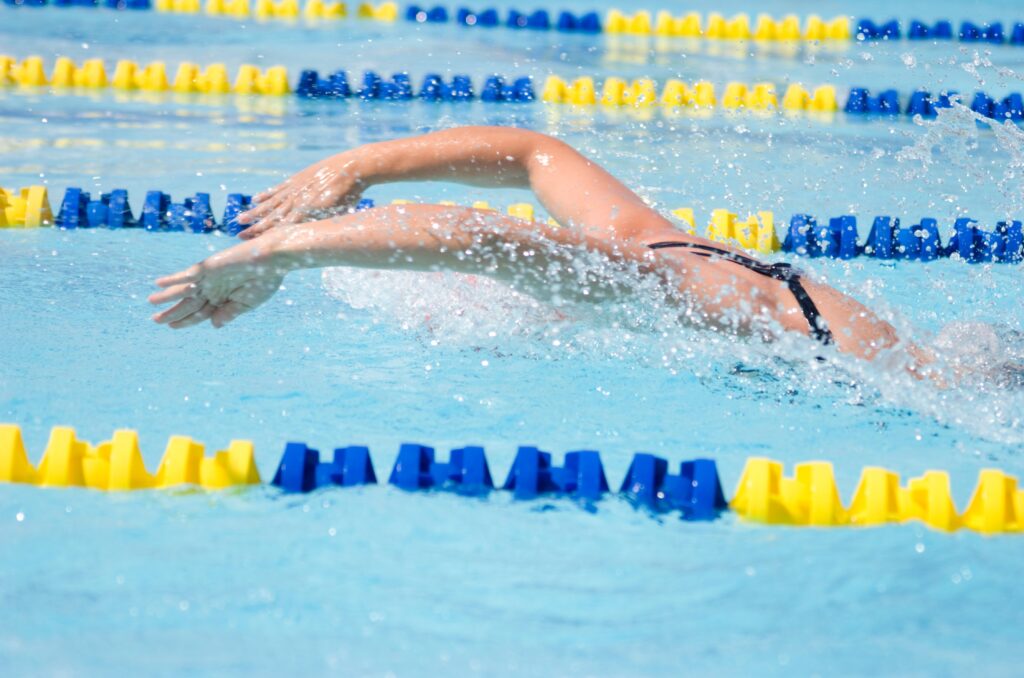
Swimming creates easy opportunities for connection because it can be shared across ages and skill levels. Families can enjoy pool days together, kids can build friendships through lessons or swim teams, and adults can find community through water fitness classes, masters groups, or casual lap swim routines. It is one of those activities where participation can be as simple as showing up at the pool at the same time each week.
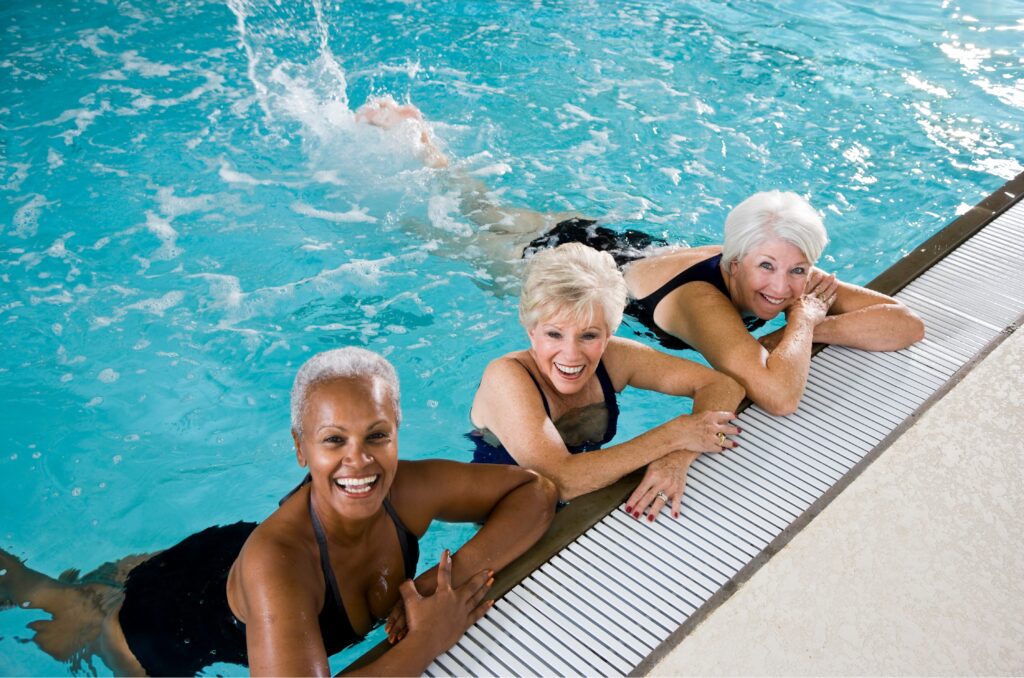
Swimming improves water confidence by helping people feel more capable in and around pools, lakes, beaches, and other water settings. Learning to float, tread water, breathe calmly, and move toward safety can make water activities feel less intimidating. That confidence matters because it affects how people participate in vacations, family outings, boating days, and everyday summer activities.
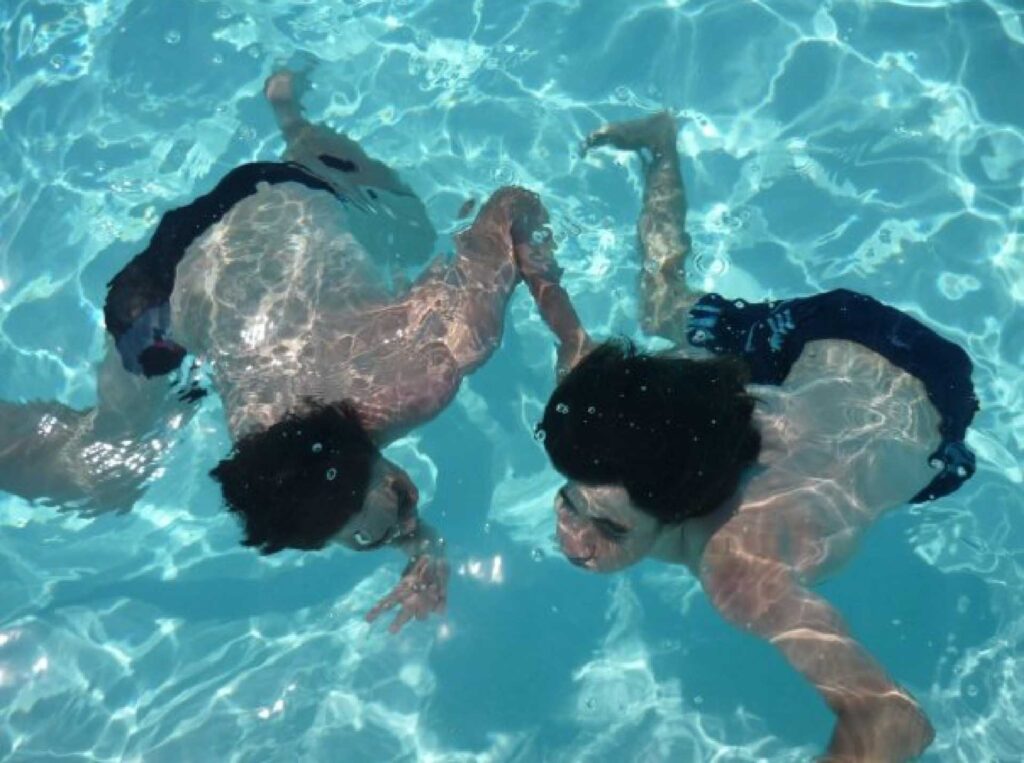
It supports focus and calm because swimming naturally pulls attention into the present moment. You have to think about your breath, rhythm, body position, and next stroke. For many swimmers, that steady repetition becomes one of the best parts of the activity, especially on days when the mind feels loud and the pool feels quiet.
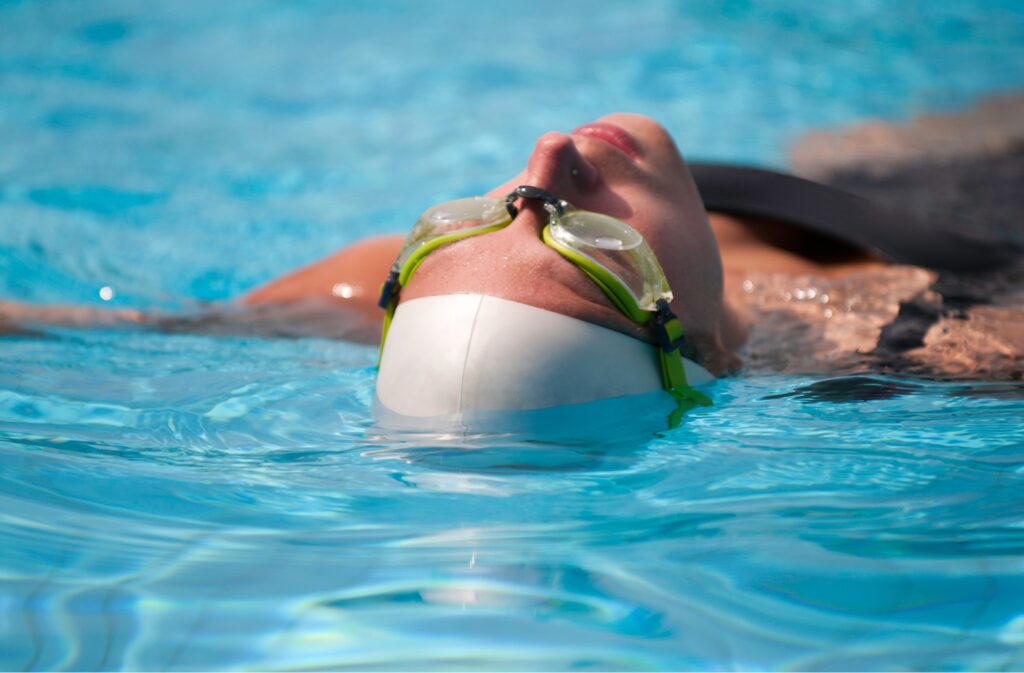
Swimming can be enjoyed alone or with others depending on the mood, setting, and goal. Some people love the solitude of lap swimming because it gives them a quiet pocket of time. Others enjoy lessons, swim teams, water aerobics, family pool days, or casual afternoons with friends, which gives swimming a flexible social side without requiring it every time.
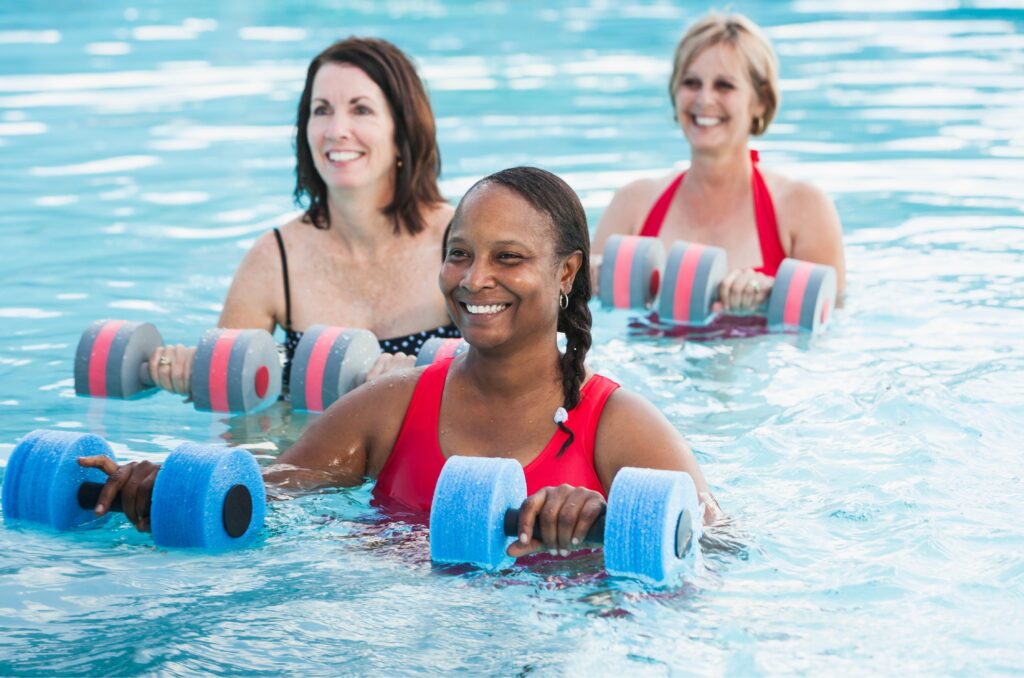
It is accessible across many ages and skill levels because people can begin with very simple goals. A beginner does not need to swim fast, know every stroke, or complete long distances. Getting comfortable in shallow water, learning to float, or making it across the pool with control are all meaningful starting points.
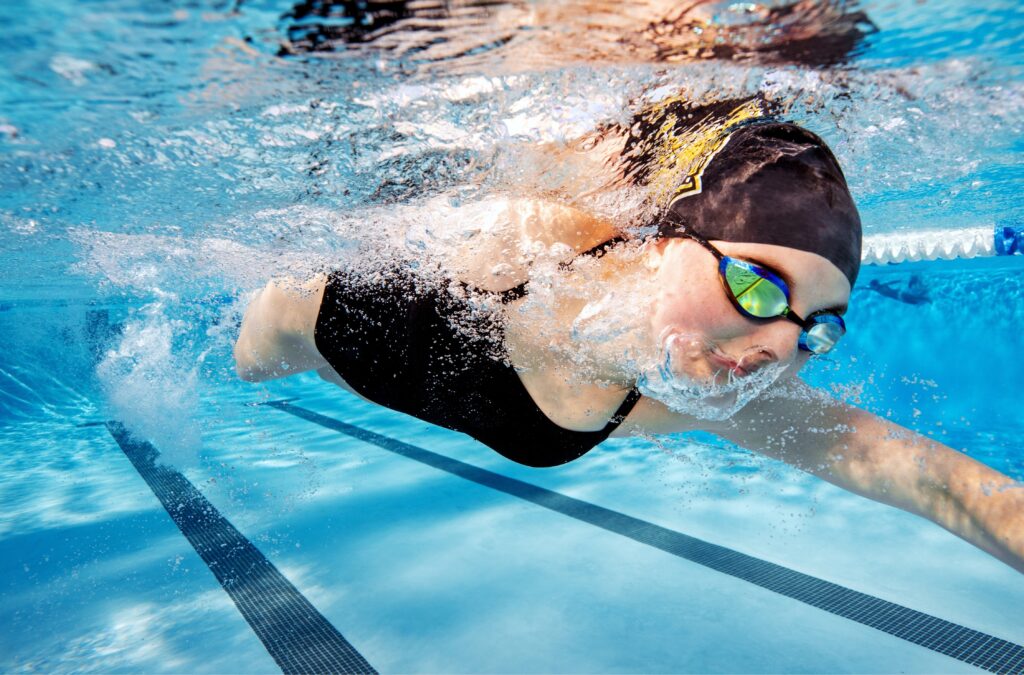
Swimming fits into real life in different ways because it can be casual, seasonal, structured, or routine. Some people swim year-round for fitness. Others come back to it in the summer, take lessons before a beach trip, join a pool for family recreation, or use water exercise as a gentler way to stay active. It does not have to look the same for everyone to be worthwhile.
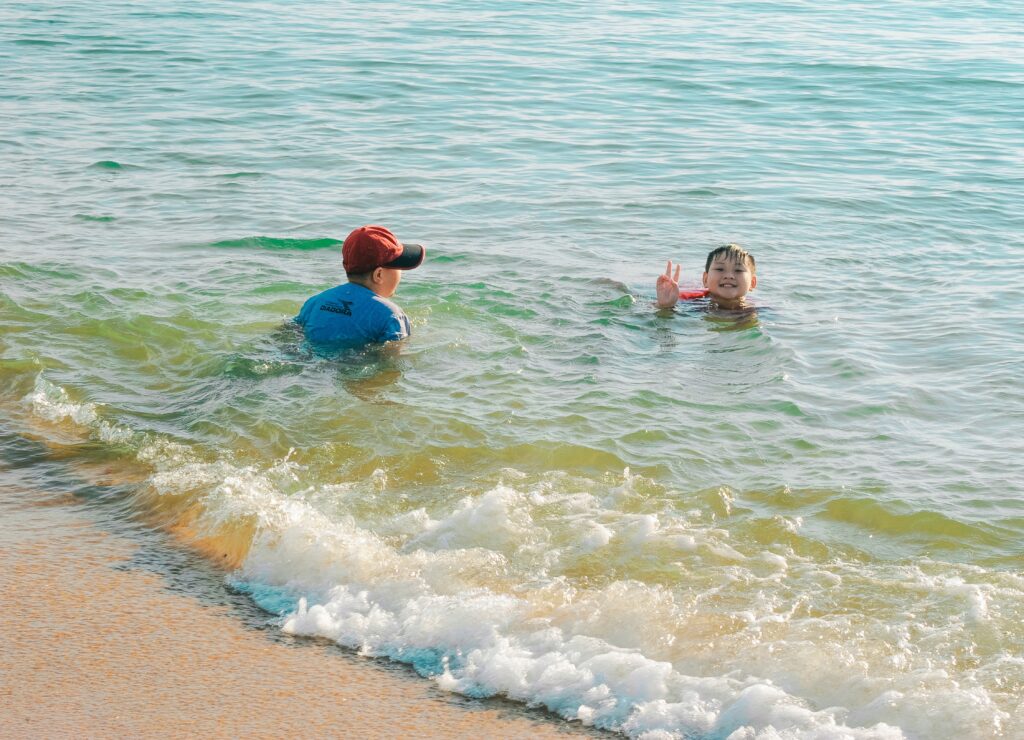
It gives people a skill they can use for life because water is part of so many recreational settings. Whether someone becomes a lap swimmer, a swim parent, a beachgoer, a boater, or simply someone who feels more comfortable at the pool, swimming has value beyond the activity itself. It is both something to enjoy and something useful to know.
Getting Started
A good starting point is knowing your current comfort level. Someone who already feels relaxed in the water may be ready to practice strokes or swim short laps. Someone who feels nervous should begin with basic water confidence, shallow-water practice, and instruction from a qualified teacher.
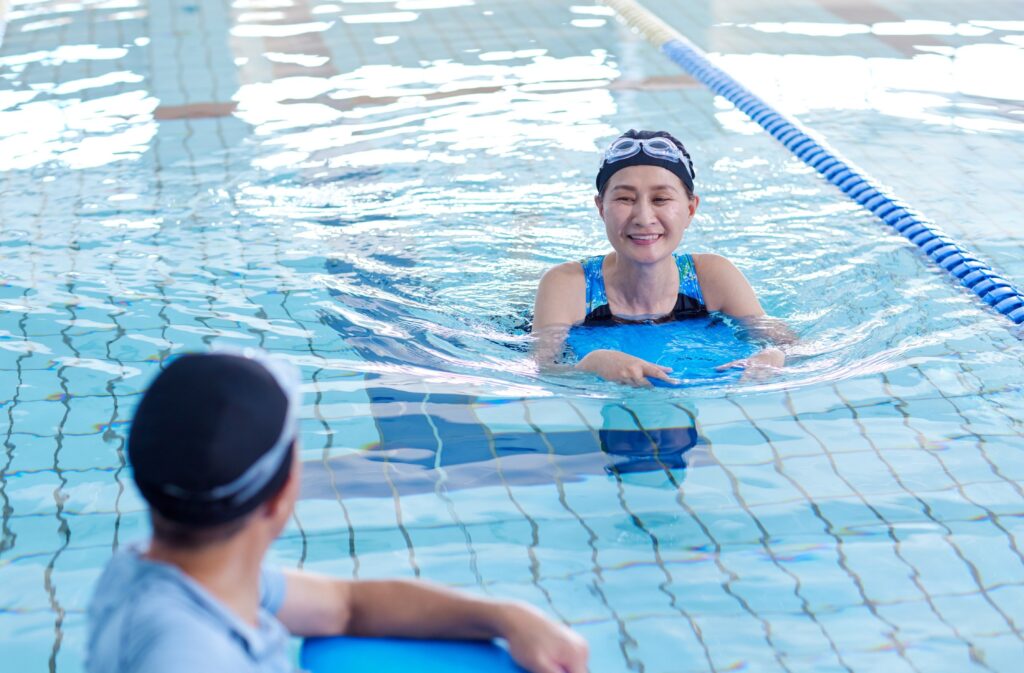
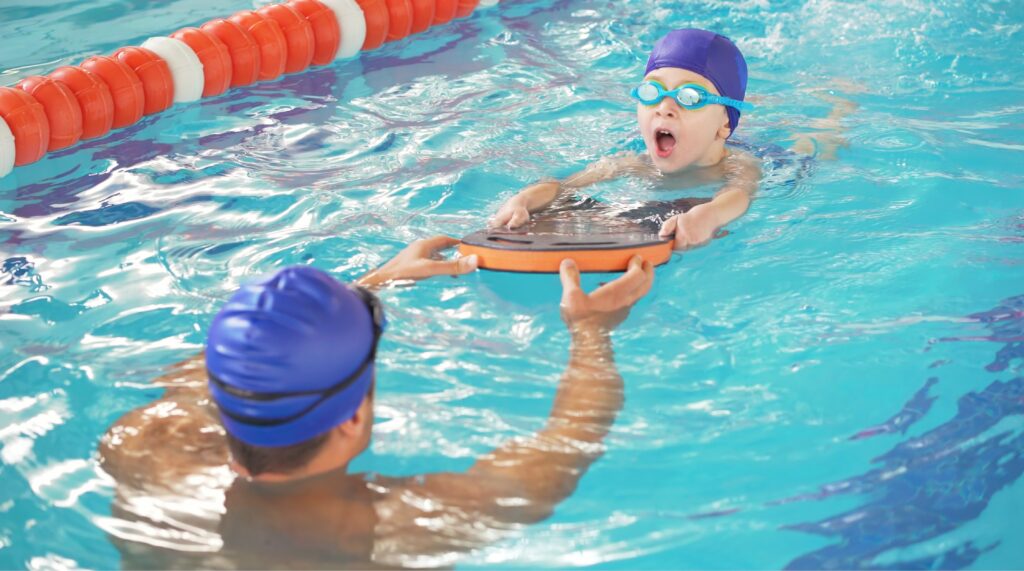
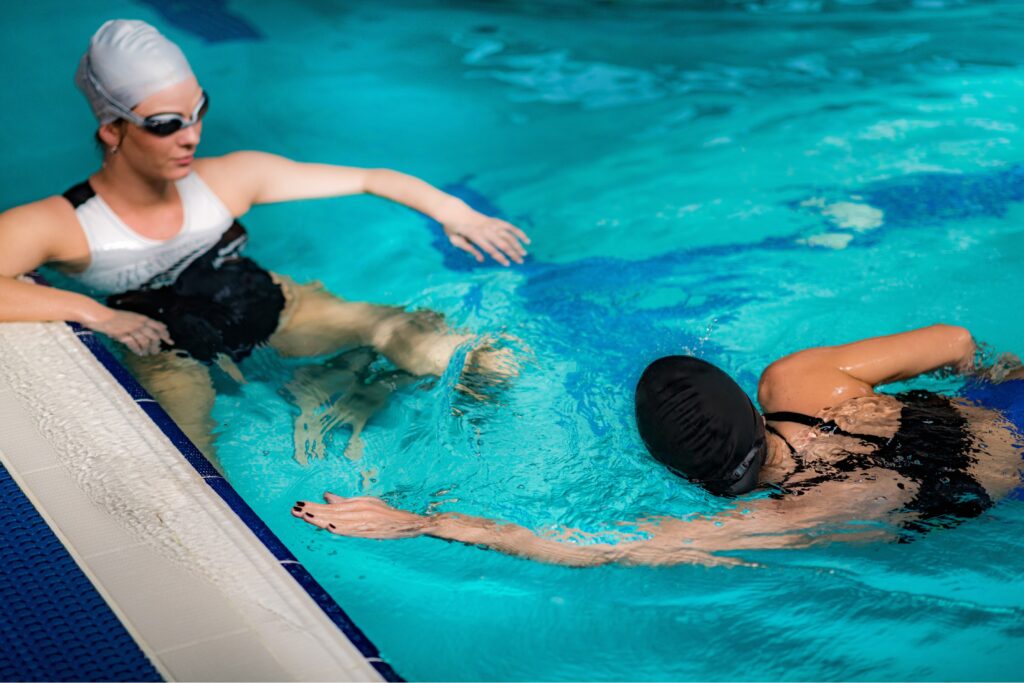
Beginner swim lessons are a smart option for both children and adults. Many people think of swim lessons as something for kids, but adult beginner lessons are common and often very helpful. A good instructor can break the process down into manageable steps so the swimmer is not trying to figure everything out at once.
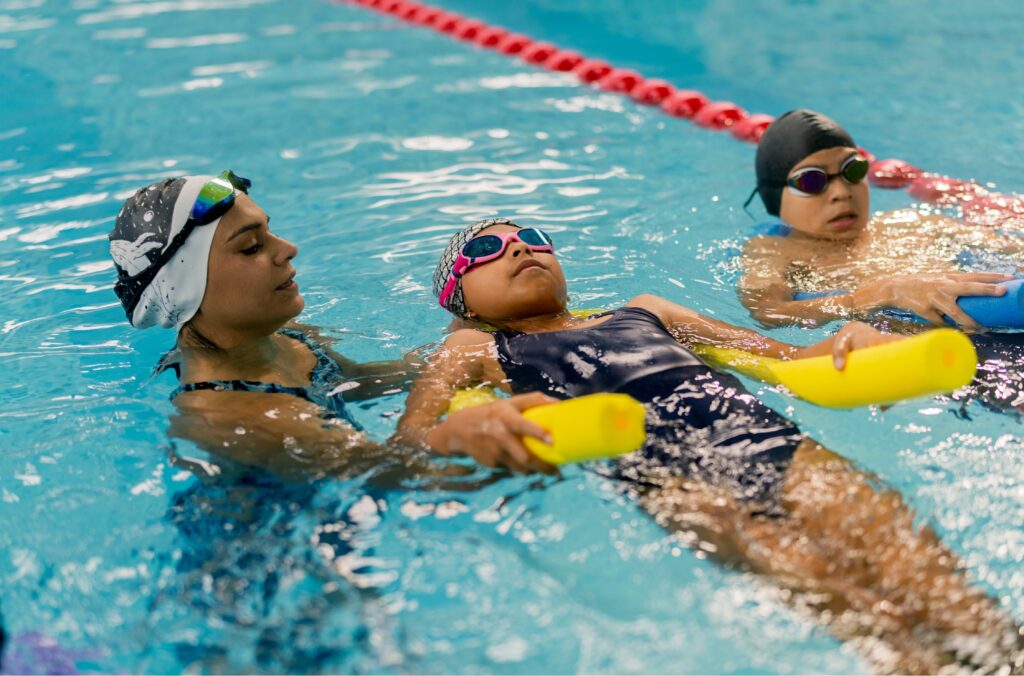
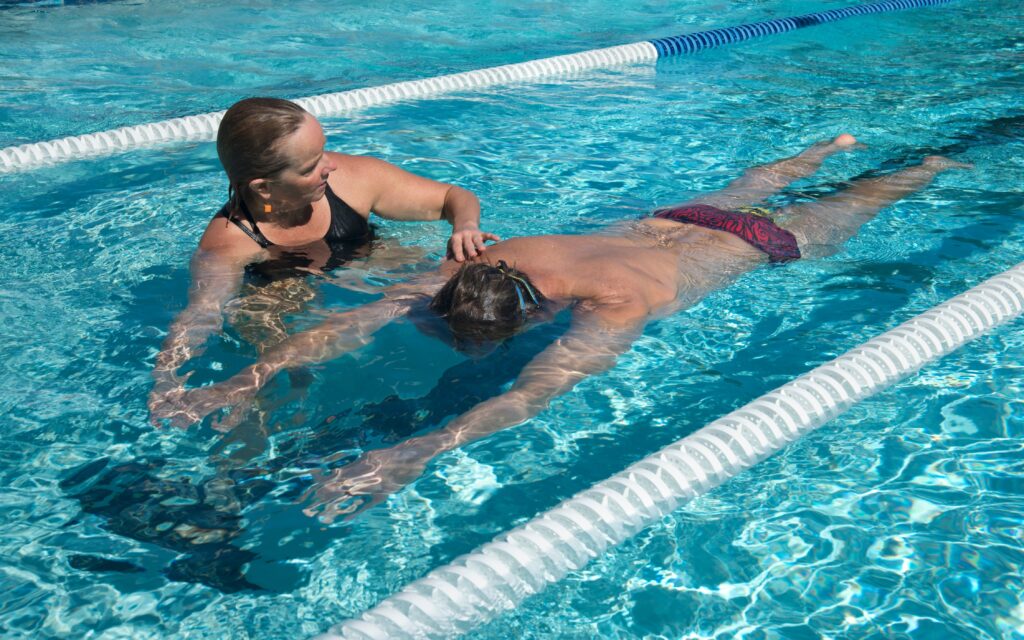
Start with simple water skills before focusing on distance or speed. Floating, putting your face in the water, blowing bubbles, kicking while holding the wall, and practicing safe entry and exit are all useful early steps. These basics may not look impressive, but they are what make the rest of swimming feel more controlled.
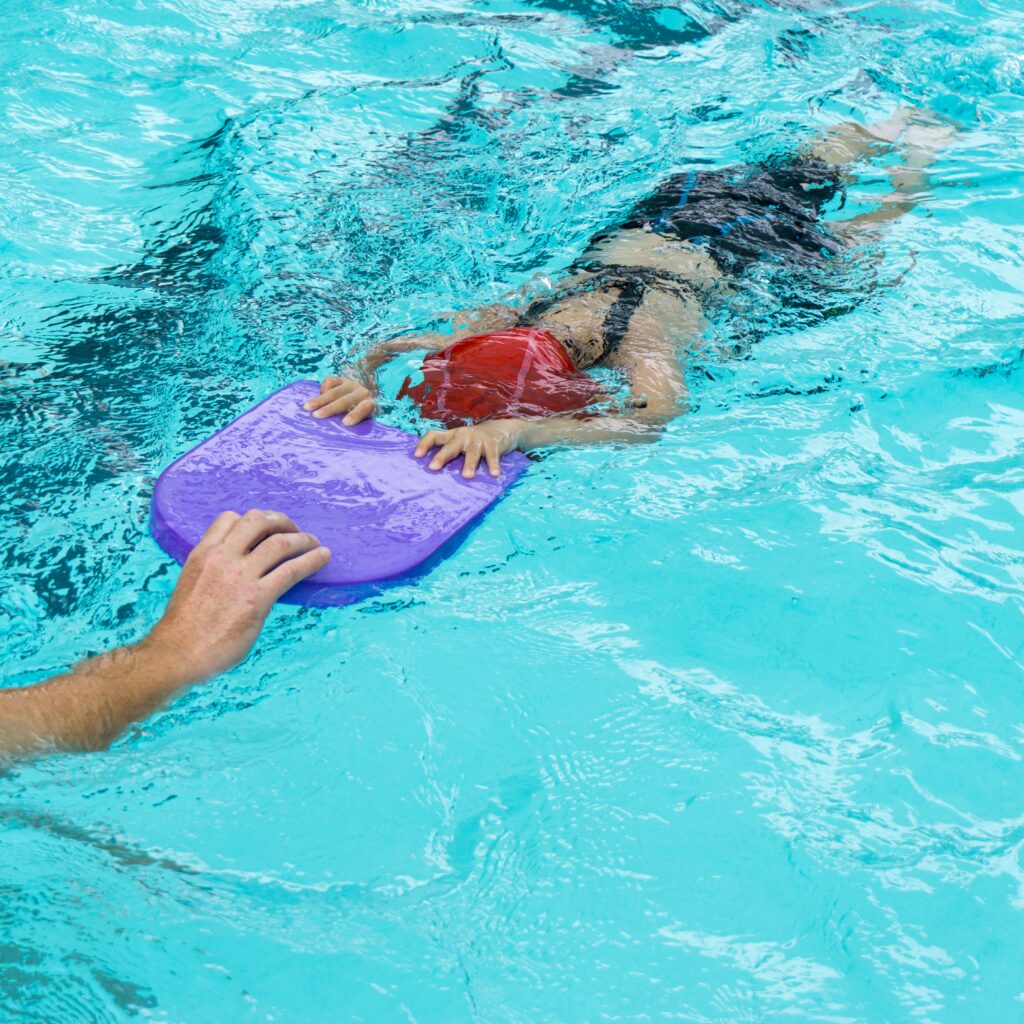
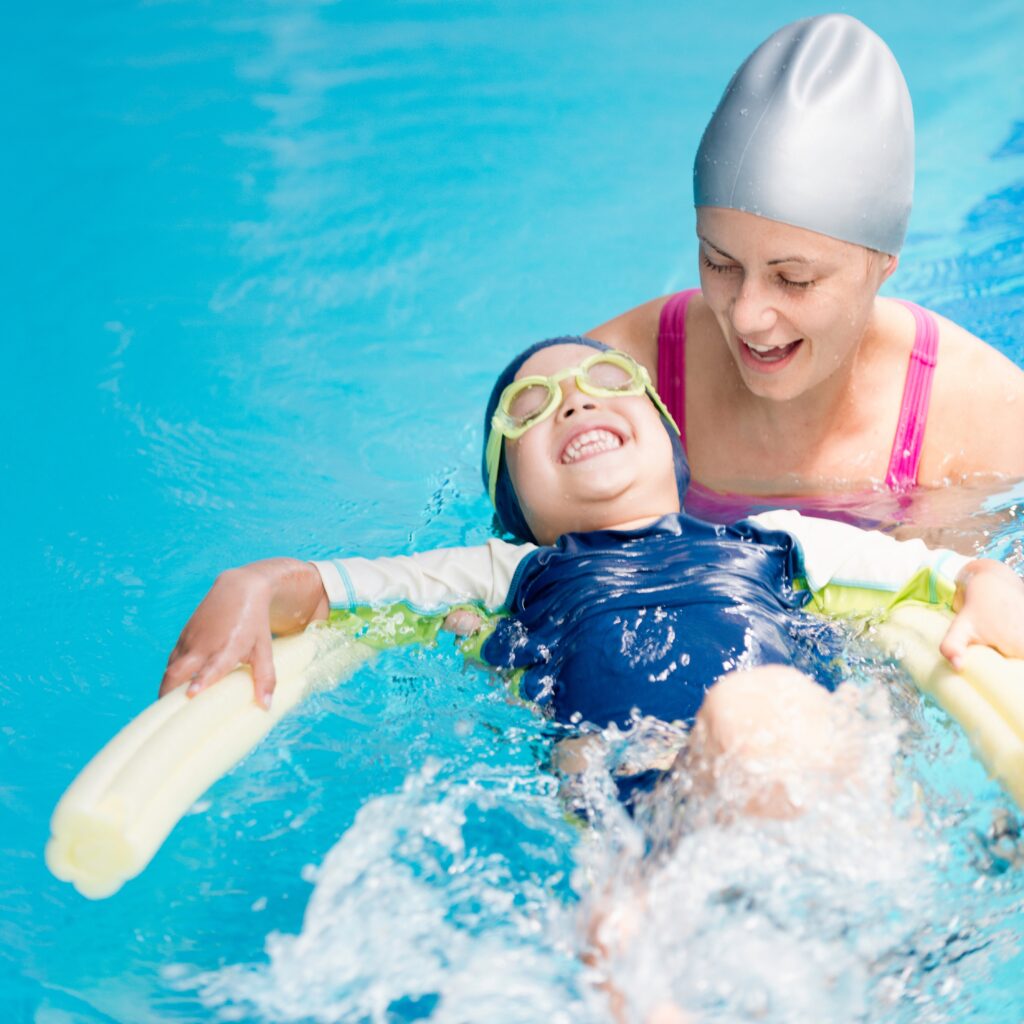
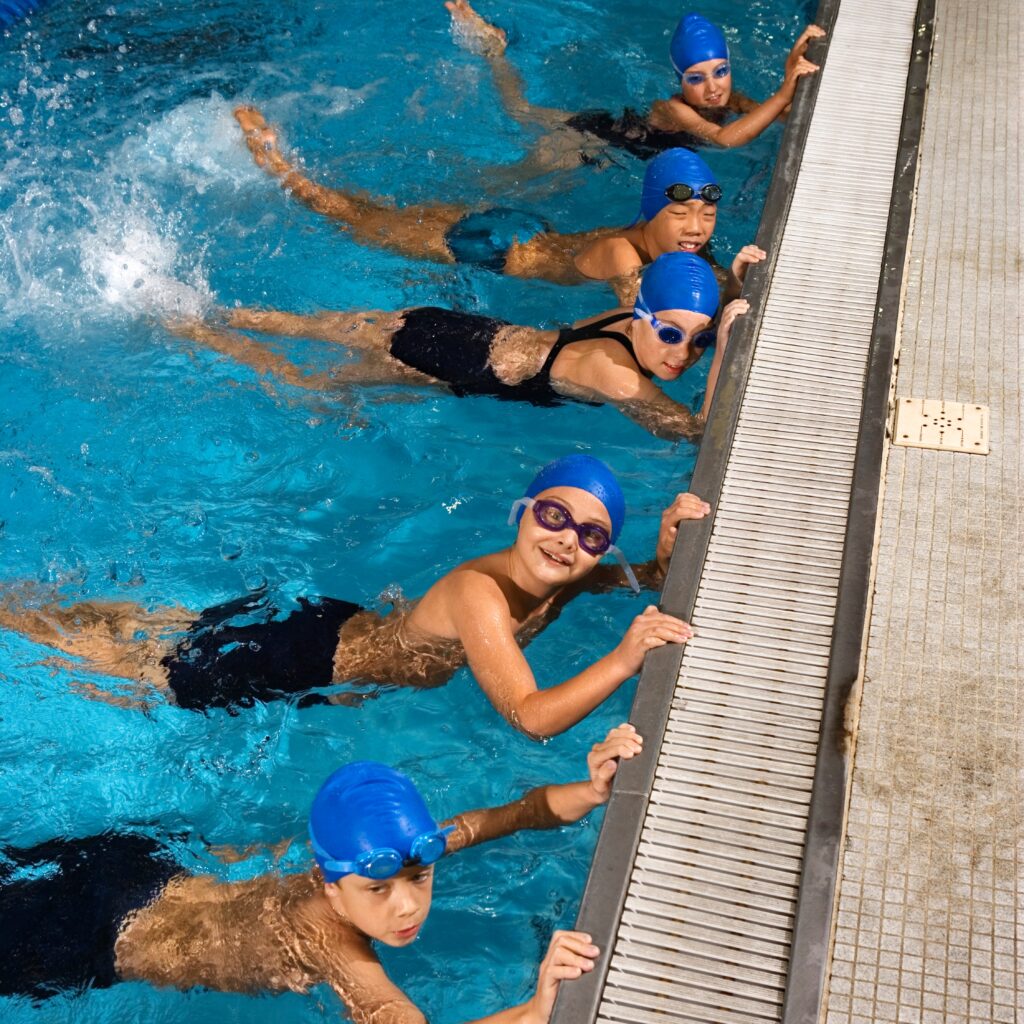
Choose a beginner-friendly setting when possible. A lifeguarded pool is usually the easiest place to start because the water is clear, the depth is marked, the conditions are predictable, and help is nearby. Open water can be enjoyable, but it is not the best first step for someone still building confidence.
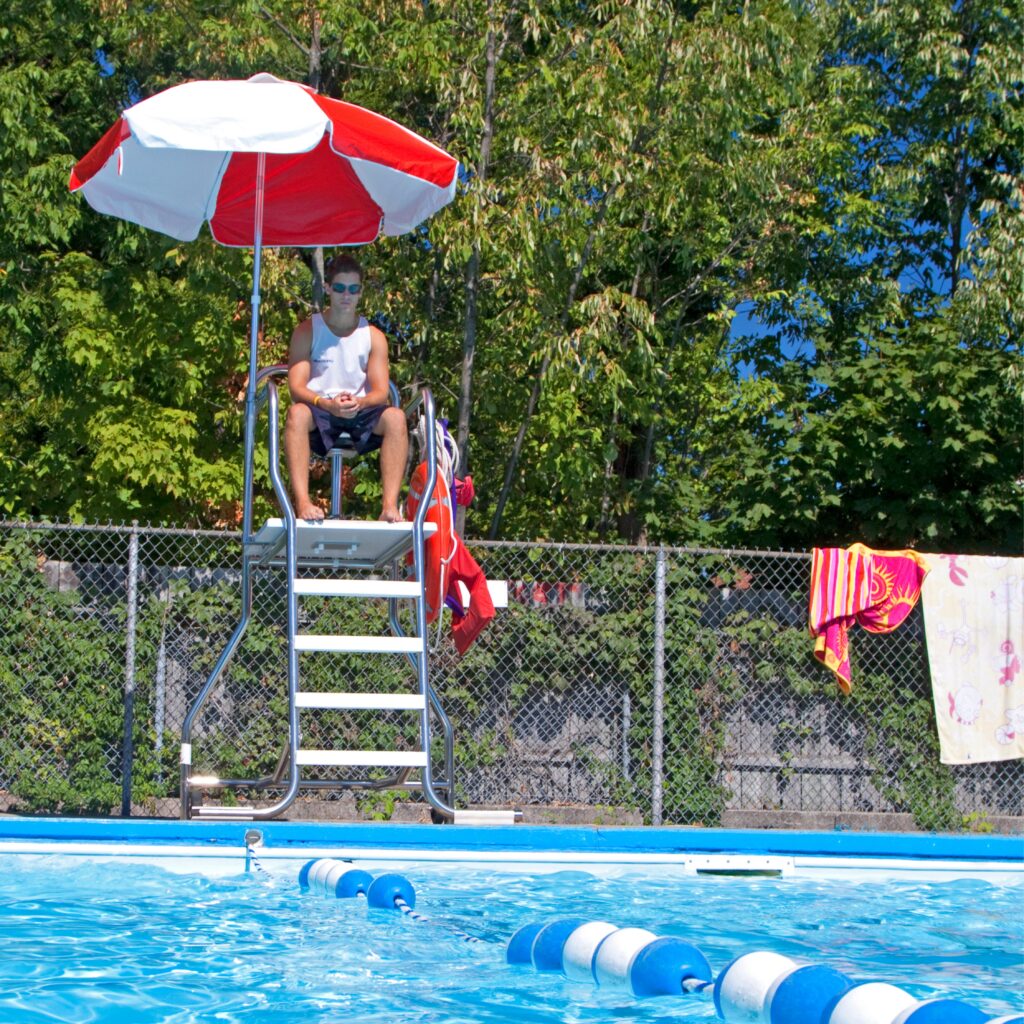
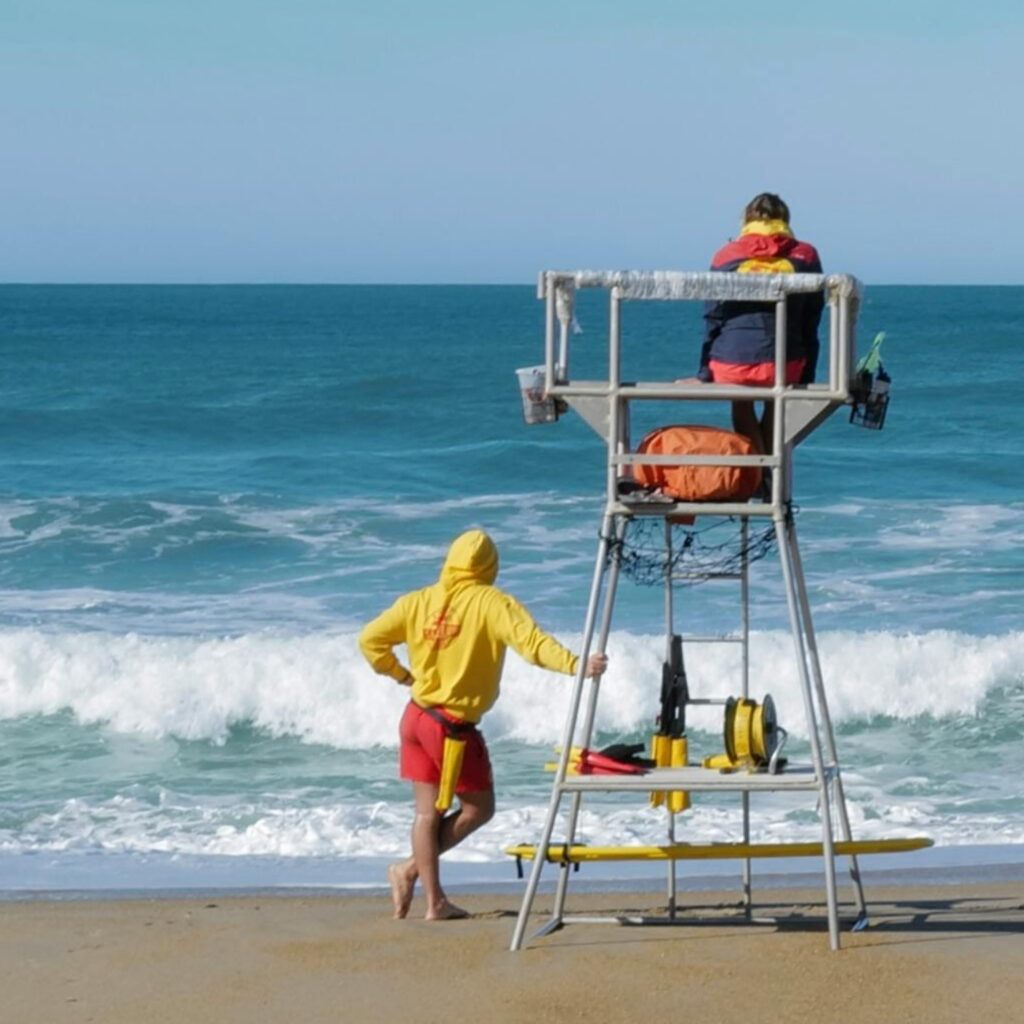
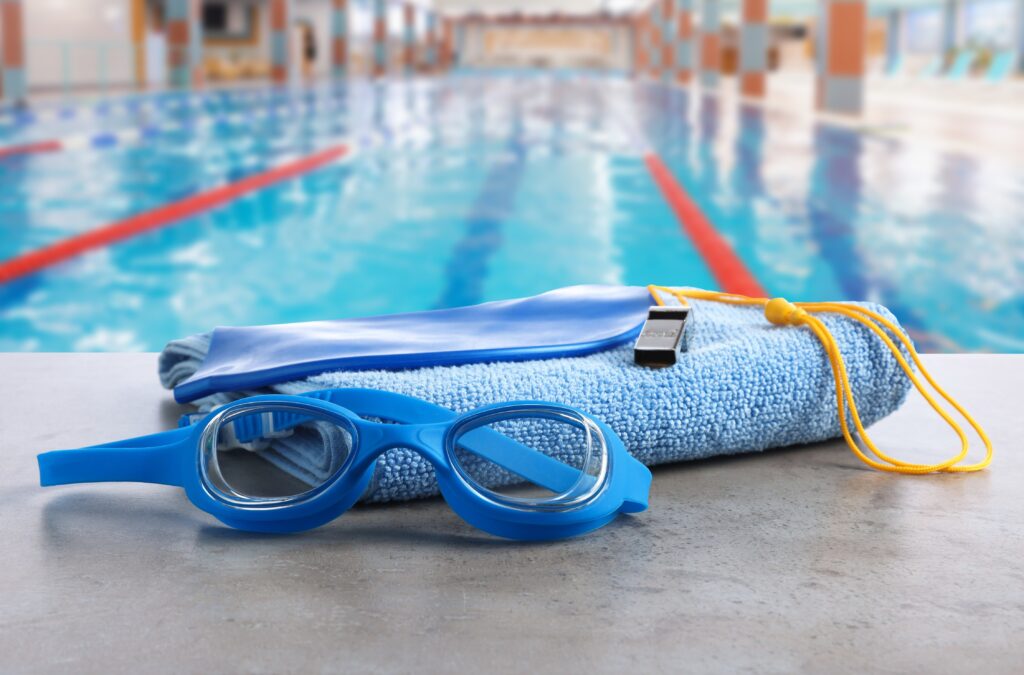
Keep the gear simple in the beginning. A comfortable swimsuit, towel, and properly fitting goggles are enough for most new swimmers. A swim cap can help keep hair contained, and sandals are useful around wet pool decks. Training gear can come later if the swimmer wants to work on specific skills.
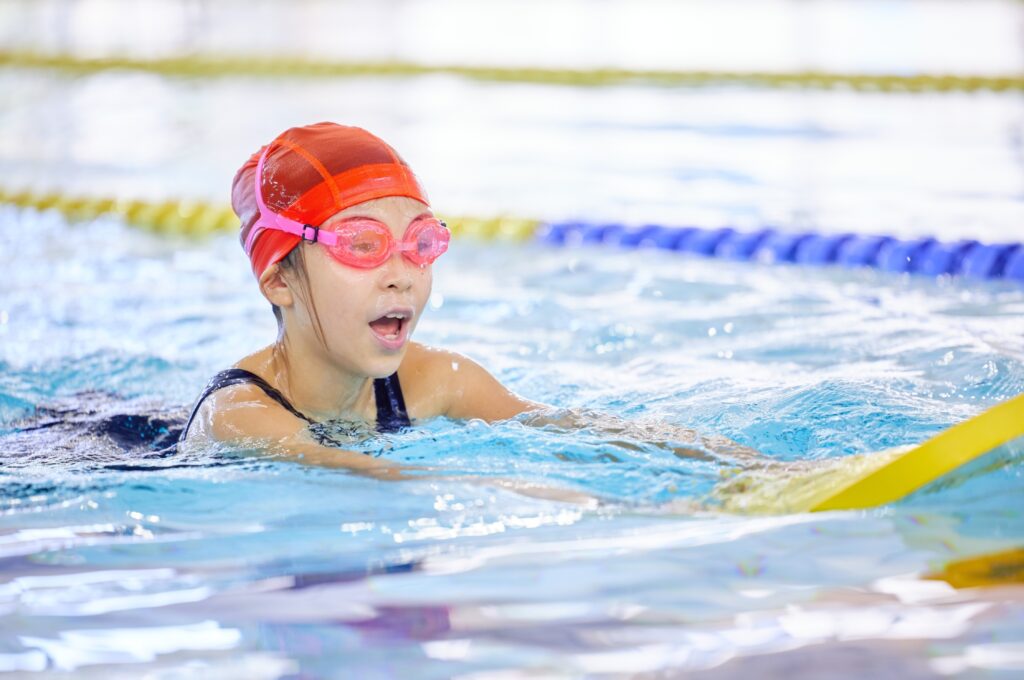
Expect swimming to feel awkward at first. Breathing, kicking, floating, and coordinating arm movement can take time to put together. It is completely normal to feel clumsy in the beginning, especially because water changes how the body moves and responds.
The best early goal is not perfection. It is comfort, consistency, and control. If each session helps you feel a little calmer, a little safer, or a little more capable in the water, that is real progress.
Resources
Local parks and recreation departments are often one of the best places to start because many offer swim lessons, open swim times, youth programs, water fitness classes, and seasonal pool access. These programs are usually designed for community participation, which can make them more affordable and beginner friendly.
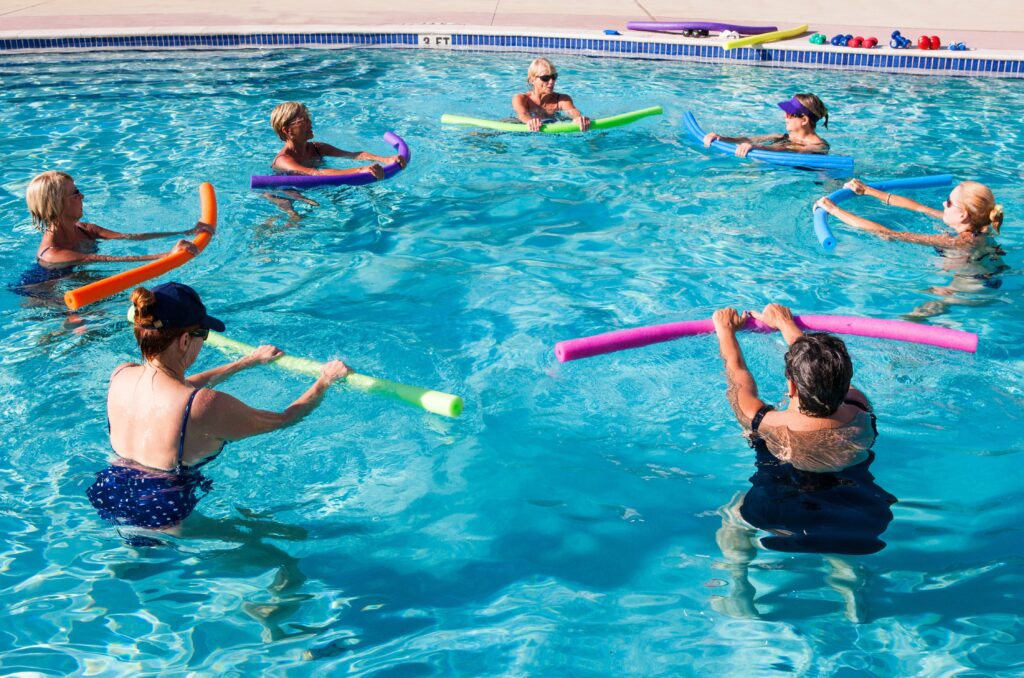
YMCA locations commonly offer swim lessons for children, teens, and adults, along with family swim times, water exercise classes, and sometimes swim teams. Checking your nearest branch can help you find a class that matches your age, comfort level, and schedule.
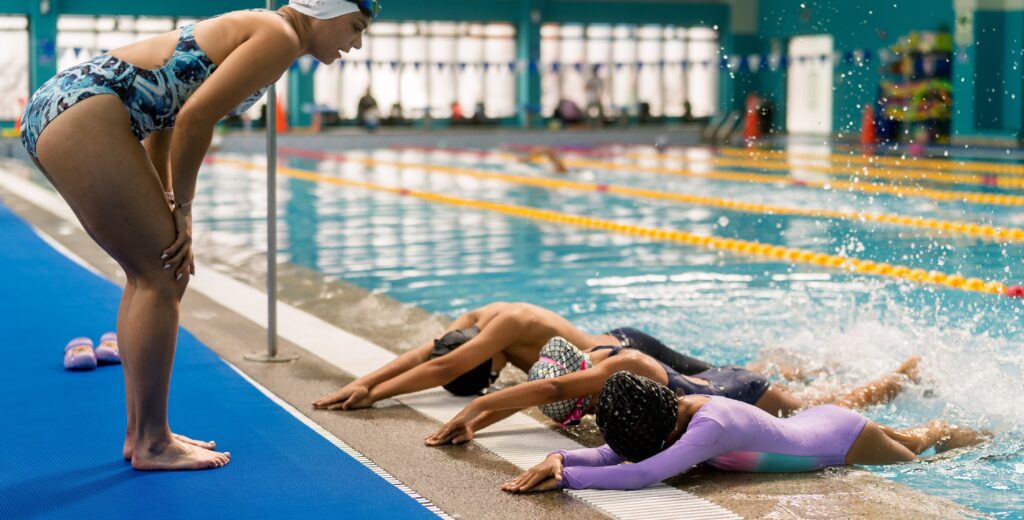
The American Red Cross provides water safety education and Learn-to-Swim programs through participating aquatic facilities. These resources can be especially helpful for families, beginners, and adults who want a structured introduction to swimming and water safety.
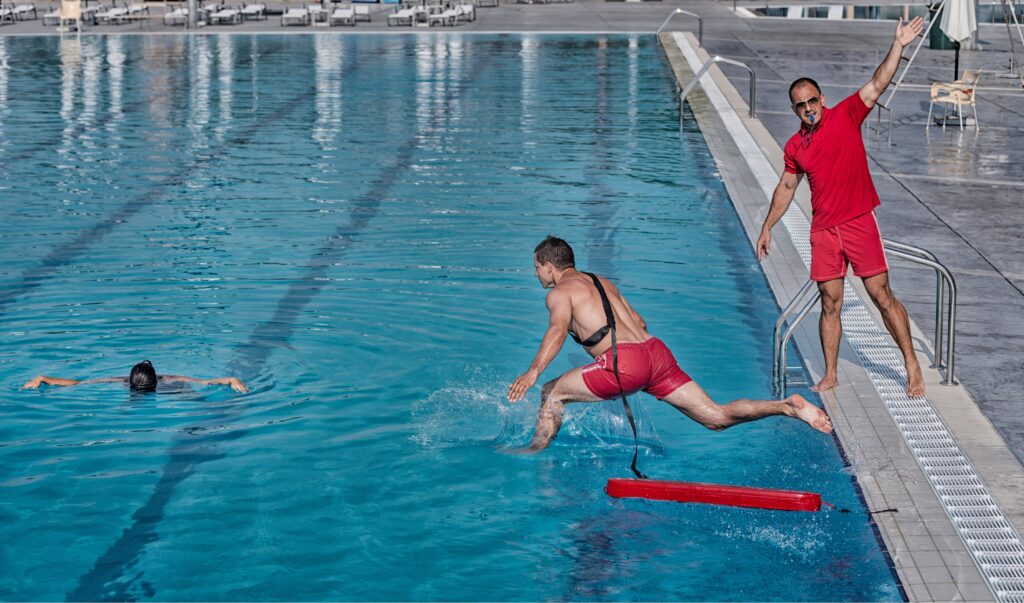
Independent swim schools and aquatic centers can also be helpful resources for lessons. Many offer private, semi-private, and group instruction for children and adults, which can be especially useful for beginners who want more personalized attention or a class that matches their comfort level.
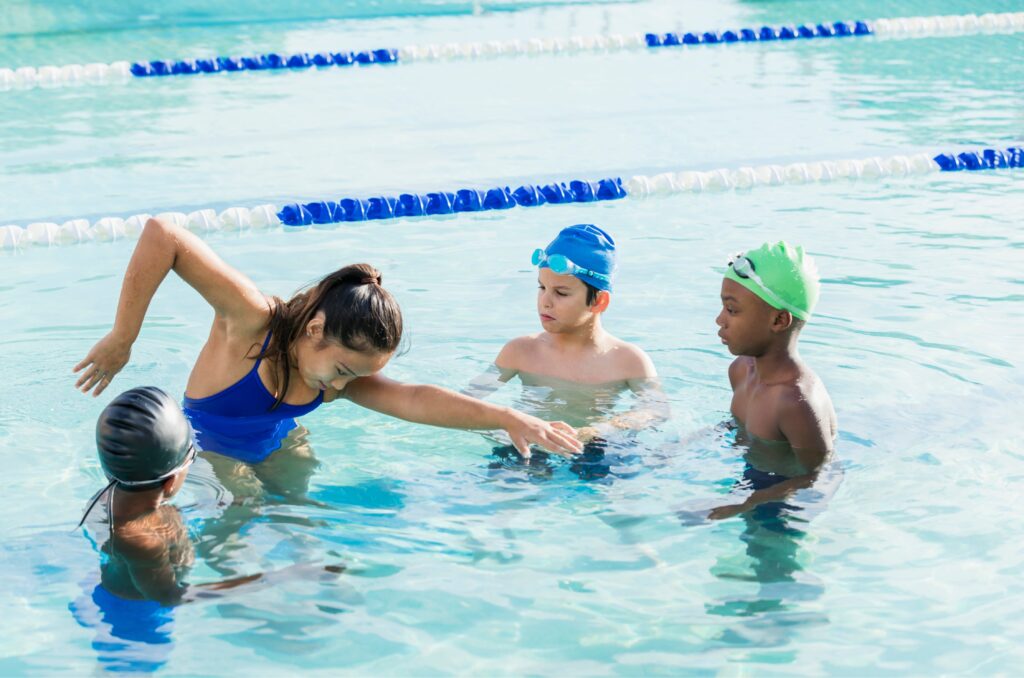
Community pools, fitness centers, schools, and colleges may offer lap swim hours, private lessons, group lessons, or aquatic fitness programs. Schedules can change by season, so calling or checking the facility website is often the quickest way to find out what is currently available.
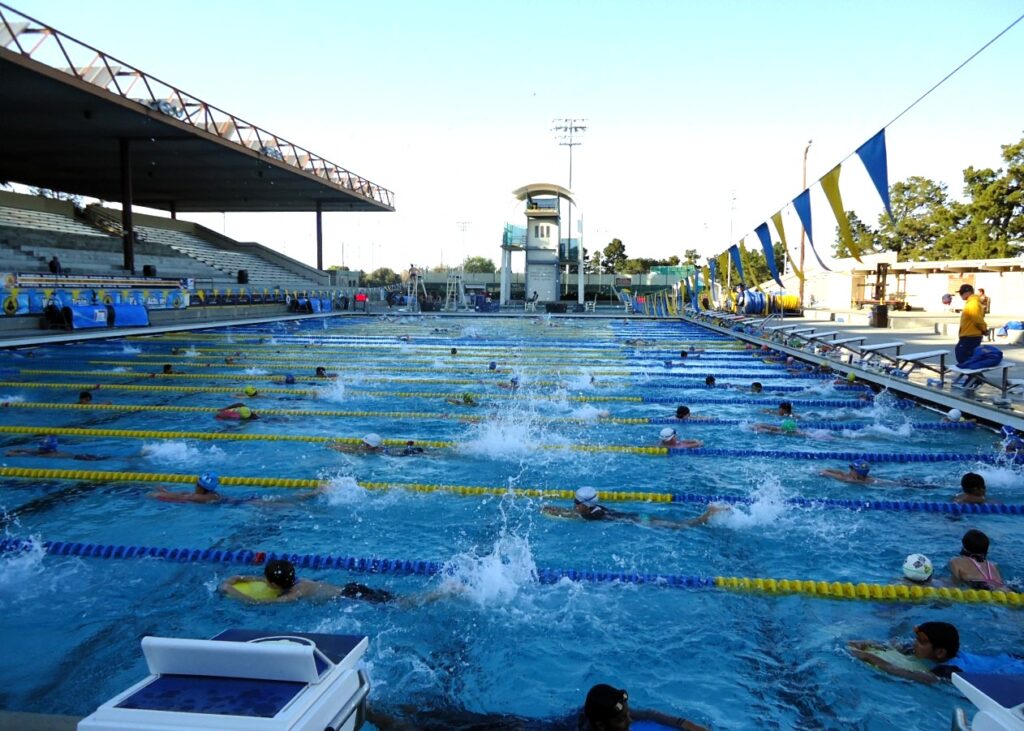
USA Swimming and U.S. Masters Swimming can be useful for people who want a more organized path. USA Swimming is often connected to youth swim teams and competitive programs, while U.S. Masters Swimming helps adults find clubs, workouts, events, and lap swimming communities.
Sporting goods stores, swim shops, and online retailers carry basic swimming gear such as goggles, swim caps, towels, swimsuits, kickboards, and fins. Beginners do not need much, but goggles that fit well can make a huge difference in comfort and confidence.
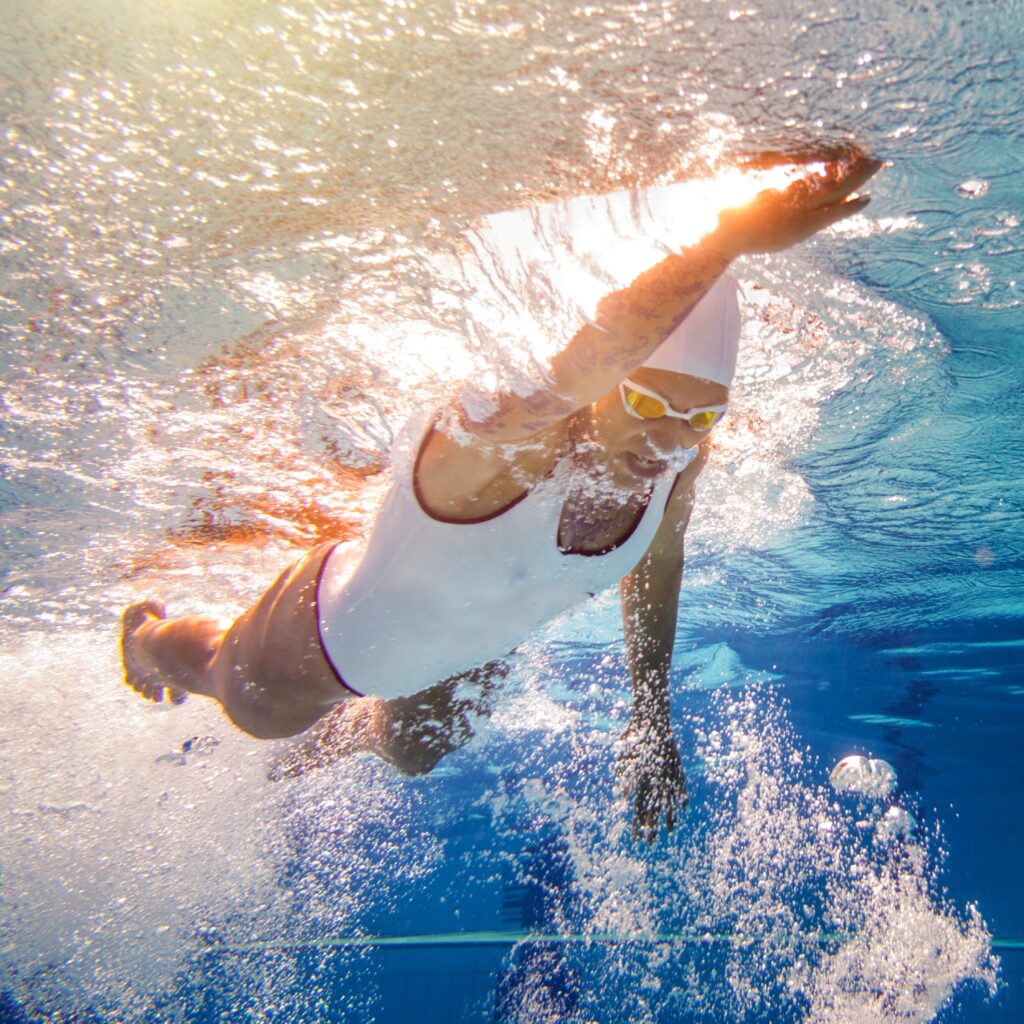
Video tutorials can help visual learners understand stroke technique, breathing patterns, body position, and common beginner mistakes. These are best used as a supplement, not a replacement for instruction, especially for anyone who is not yet comfortable in the water.
Swim tracking apps and fitness watches can be helpful for swimmers who want to track laps, distance, time, or workout progress. They are not necessary for getting started, but they can add motivation once swimming becomes part of a regular fitness routine.

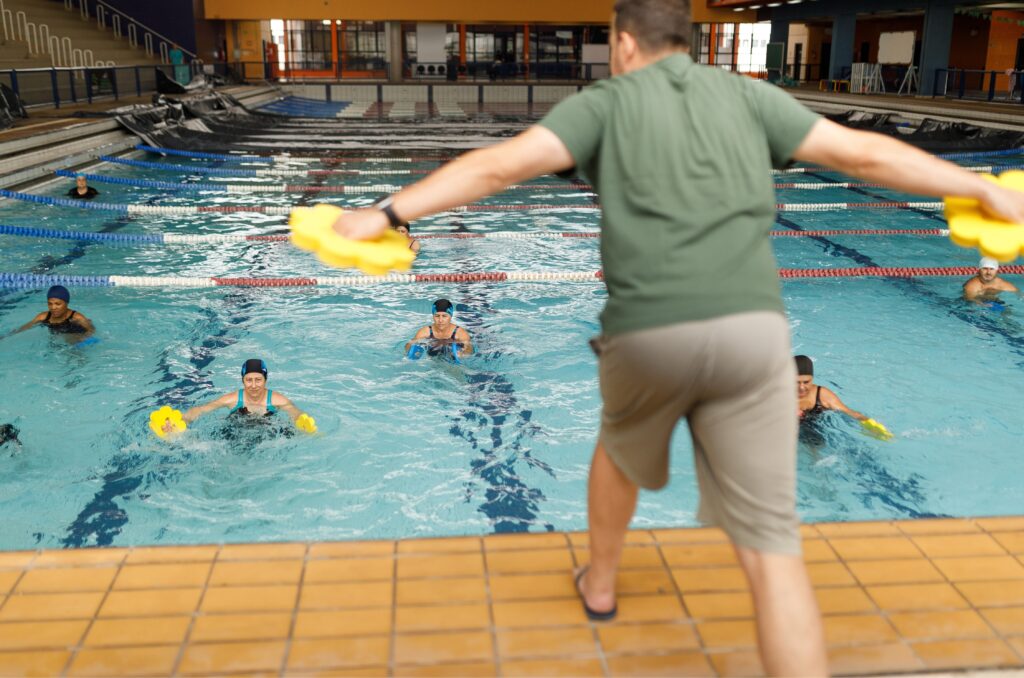
Local swim teams, water aerobics classes, masters groups, and recreational swim clubs can help people turn swimming into a more social activity. These options are especially useful for swimmers who enjoy structure, accountability, or being around others with similar goals.
Safety and Tips
Start in a supervised setting whenever possible, especially if you are new, returning after a long break, or helping a child learn. A lifeguarded pool offers a more controlled environment than open water and gives beginners a safer place to build skills.
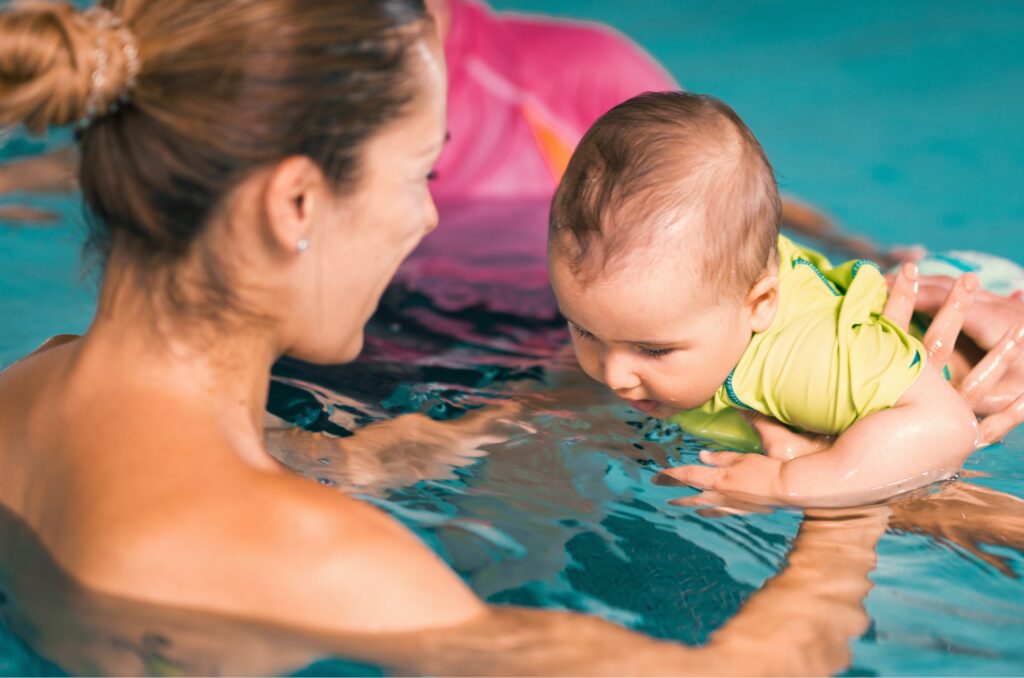
Avoid swimming alone, particularly in open water. Even capable swimmers can run into problems from fatigue, cramps, weather changes, cold water, currents, or unexpected conditions. Having another person nearby is one of the simplest ways to make swimming safer.
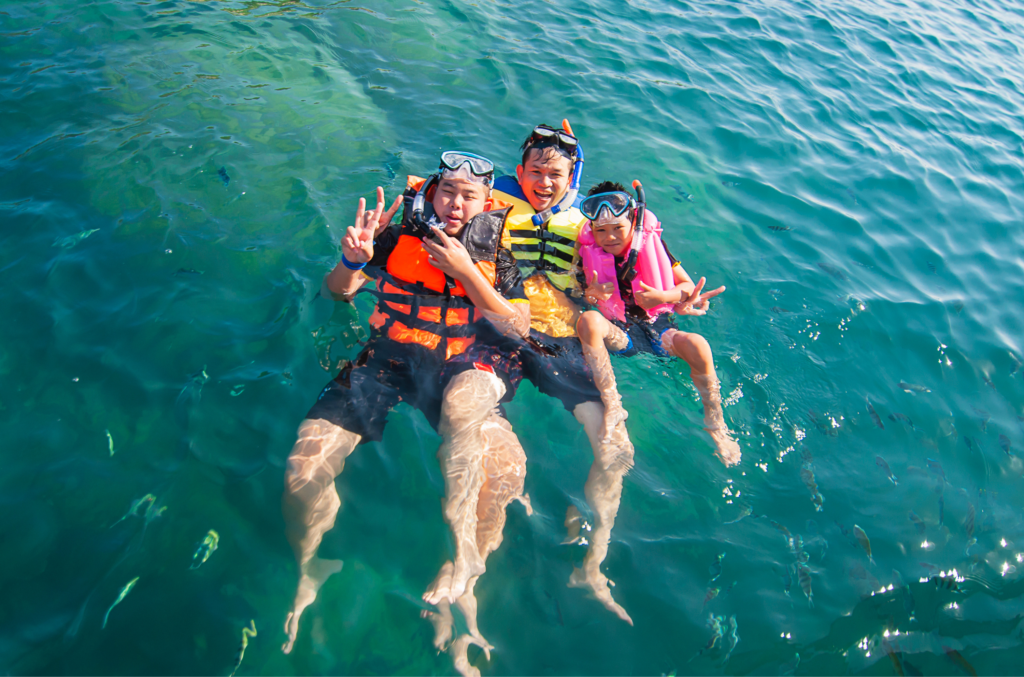
Treat open water differently than pool water. Lakes, rivers, and oceans can have uneven bottoms, limited visibility, waves, currents, drop-offs, and boat traffic. A distance that feels easy in a pool may feel very different when there are no lane lines, walls, or clear depth markings.
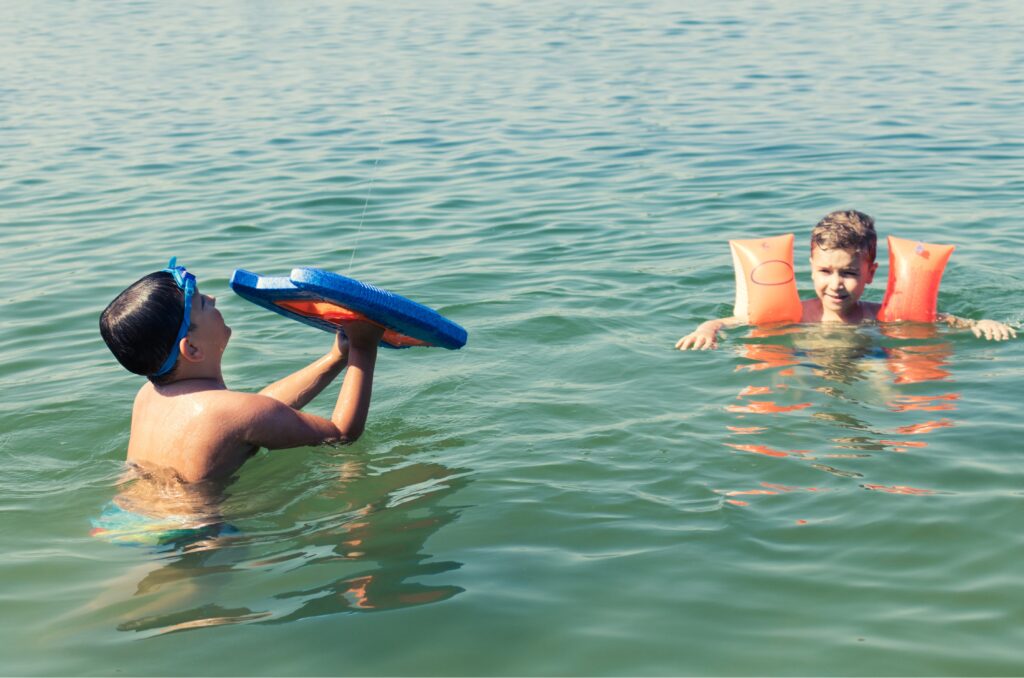
Use properly fitted life jackets when boating or when conditions call for extra protection. Pool floats, inflatable toys, and foam noodles are not the same as safety equipment. This is especially important for children, weak swimmers, and anyone spending time in natural water.
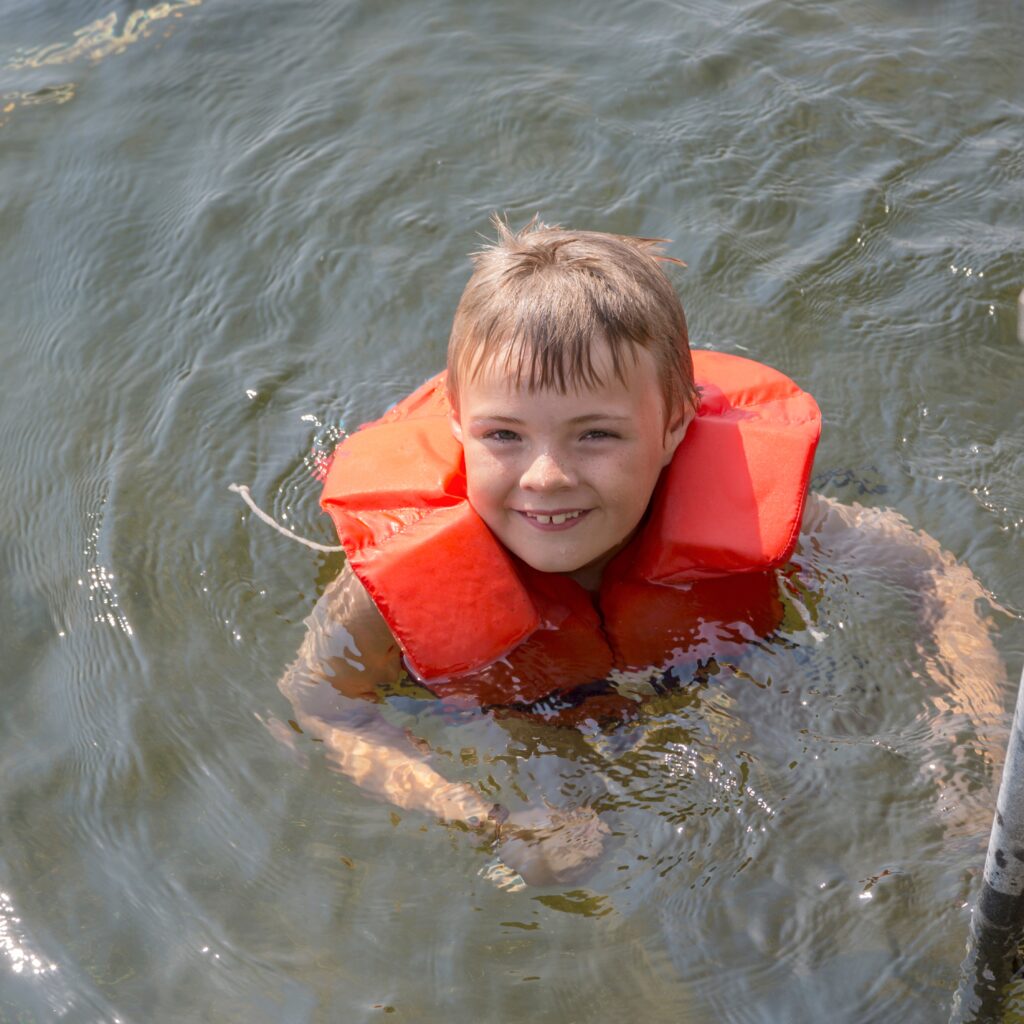
Watch children closely and constantly around water. Water supervision is not a background activity. A responsible adult should be actively paying attention, even when lifeguards are present or children are using flotation aids.
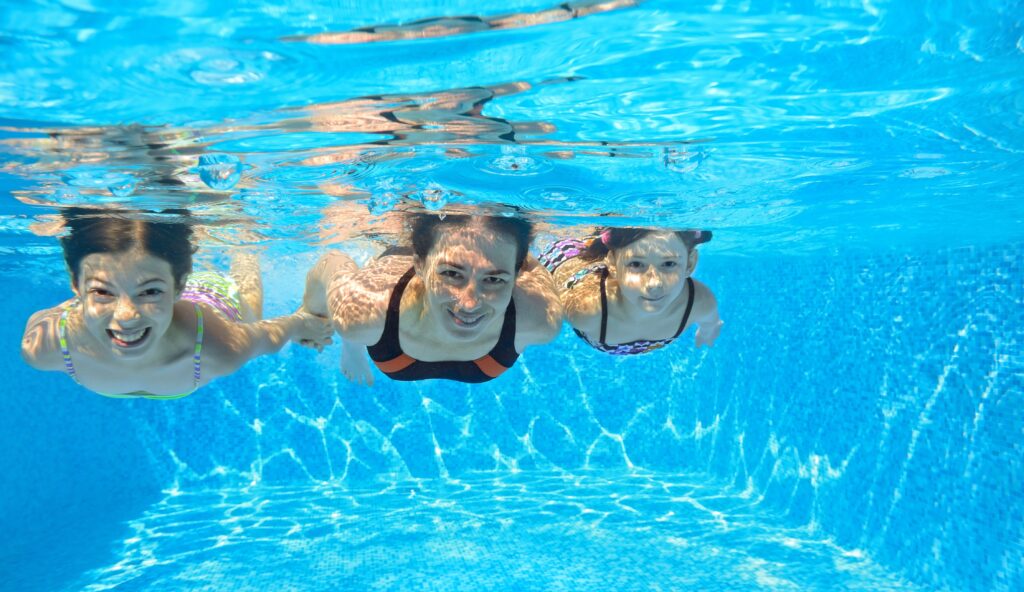
Warm up gradually instead of jumping straight into hard swimming. A few easy laps, gentle kicking, or slow movement in the water can help the body adjust. This is especially helpful for adults, returning swimmers, or anyone swimming in cooler water.
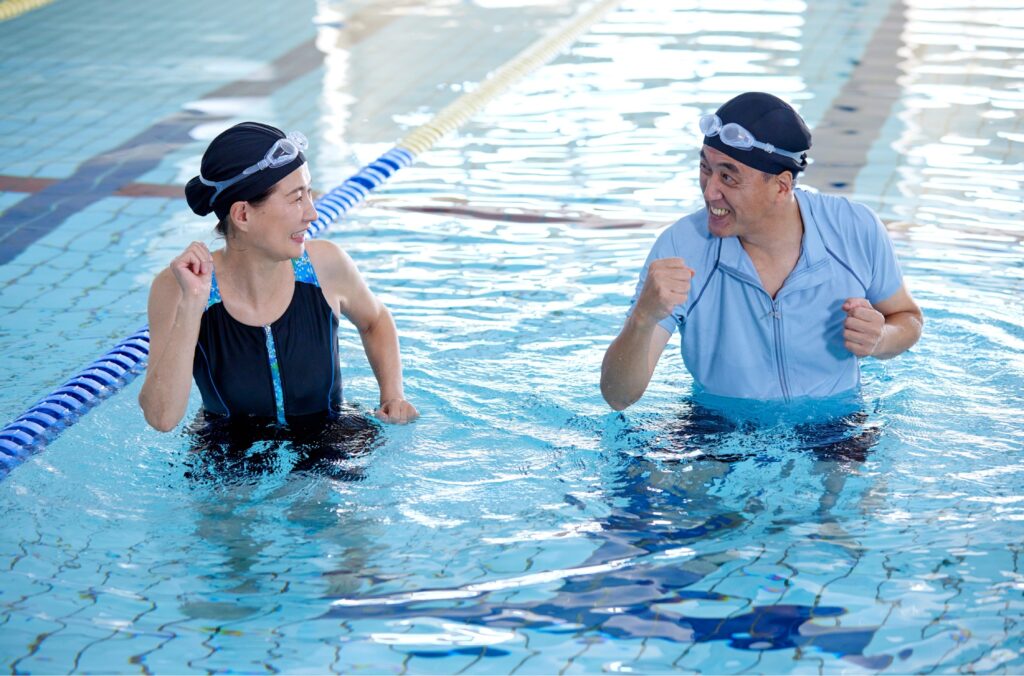
Pay attention to breathing and pacing. Many beginners get tired quickly because they hold their breath, rush their strokes, or tense up in the water. Slowing down and focusing on relaxed breathing often makes swimming feel smoother and less exhausting.
Take breaks before you feel completely worn out. Swimming can be sneaky because the water keeps you cool while your body is still working hard. Fatigue, chills, dizziness, panic, or struggling to breathe are signs to stop and reset.
Before swimming outdoors, check the weather, water conditions, posted warnings, and local rules. Conditions can change quickly in lakes, rivers, and oceans, so it is worth taking a minute to look for signs about currents, bacteria advisories, storms, boat traffic, or temporary closures before getting in.
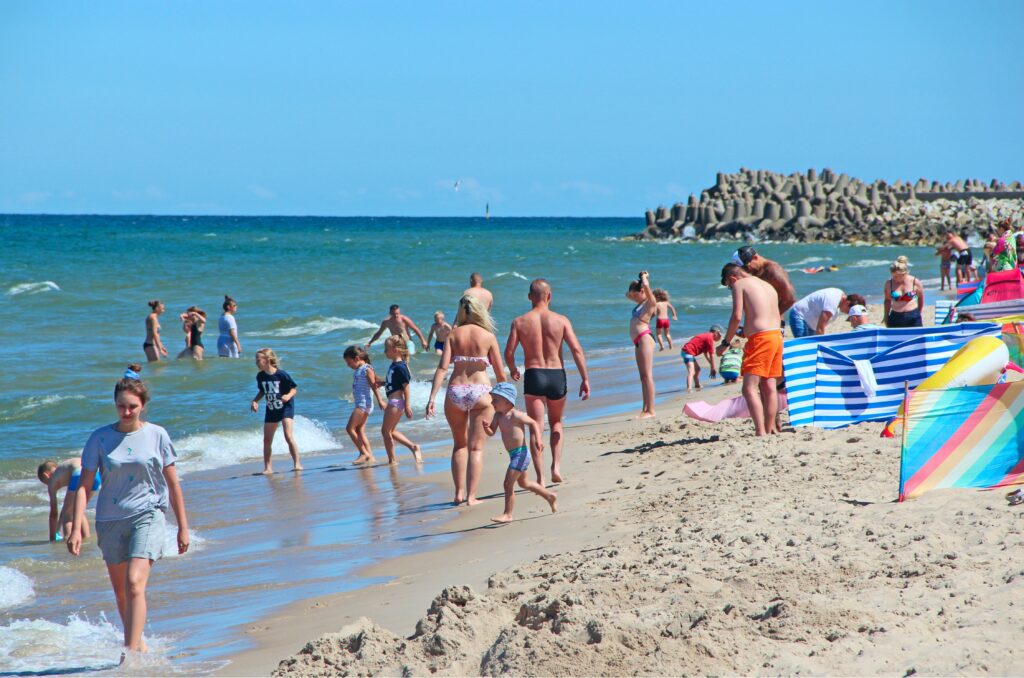
For outdoor swimming, remember sun protection and hydration. Sunscreen, shade breaks, water, and breaks from direct sun matter during long pool days, beach trips, and lake outings. Being surrounded by water does not mean your body does not need water.
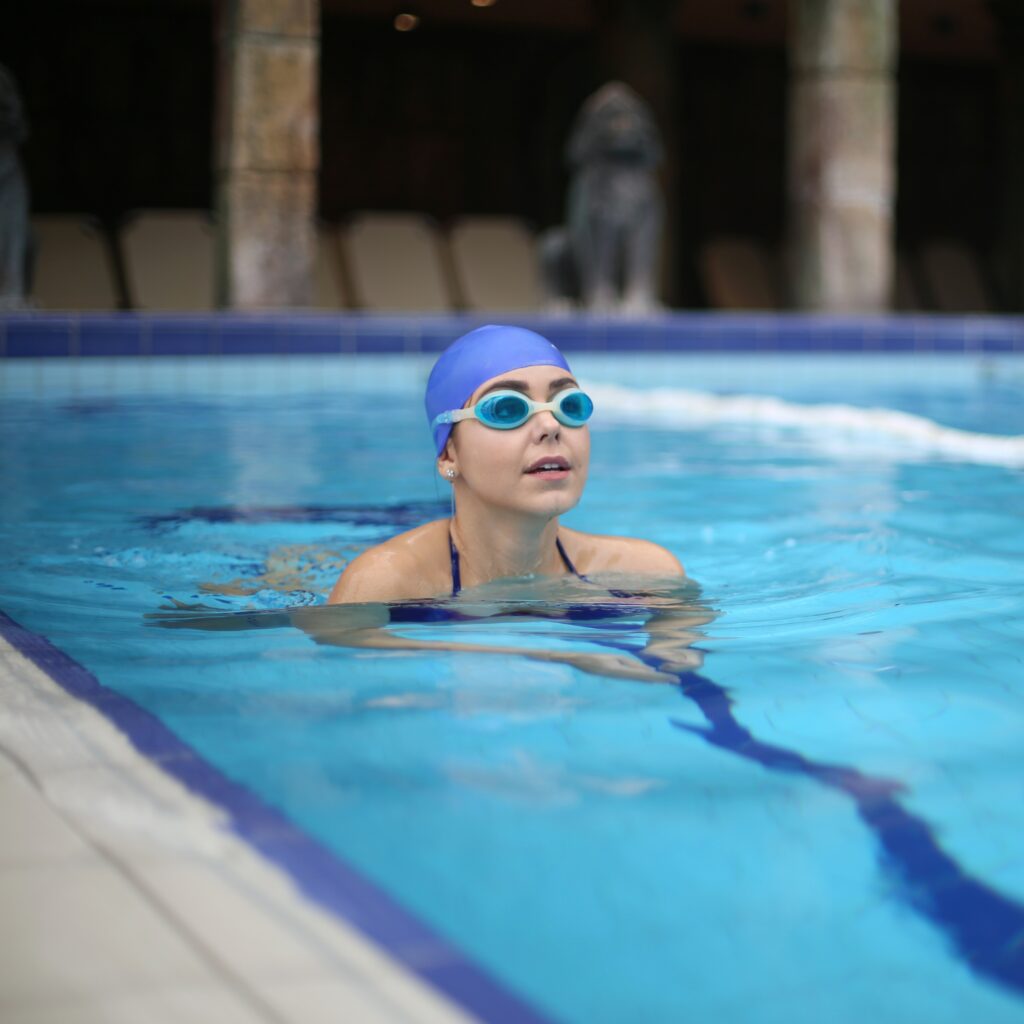
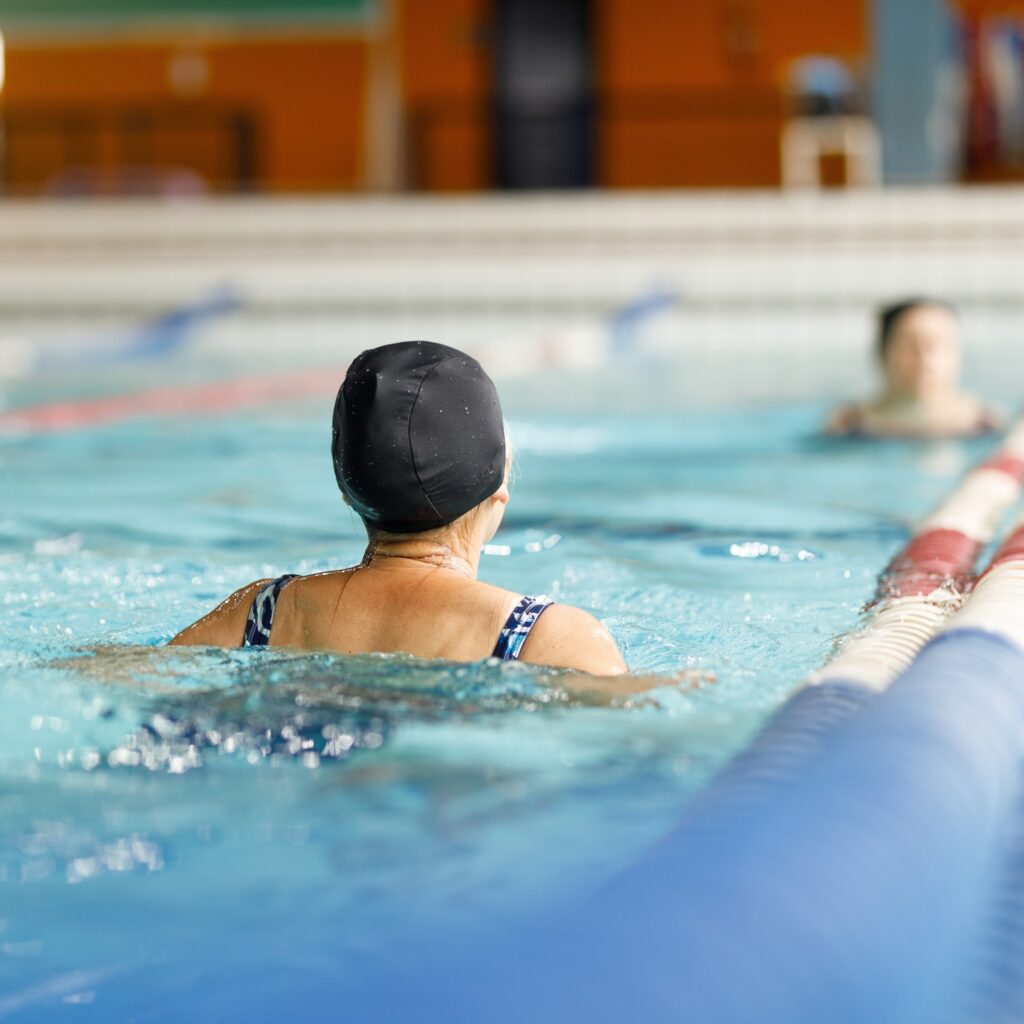
Keep the experience positive and realistic. Swimming can bring up nerves, especially for people who did not learn early or had an uncomfortable experience in the past. Progress does not have to be fast to count. Feeling safer, calmer, and more capable in the water is already a meaningful step.
Final Thoughts
Swimming is one of those activities that can be many things at once. It can be exercise, recreation, competition, relaxation, family time, and a skill that helps people feel safer around water.

You do not have to be fast, graceful, or highly trained to benefit from it. Sometimes the first win is simply getting more comfortable, breathing a little easier, or realizing the water feels less intimidating than it used to.
Whether you swim laps, take lessons, join a team, splash around with family, or prefer the very important role of sitting poolside with snacks, swimming has a way of staying connected to some of life’s best and most useful moments.
Do you enjoy swimming, or is it something you have always wanted to feel more confident doing?
Leave a Reply