Welcome to Saturday Sparks! This week, we’re exploring tennis, a sport built on fast reflexes, long rallies, and the quiet strategy happening behind every single point, where timing, positioning, and consistency can completely change the rhythm of a match.
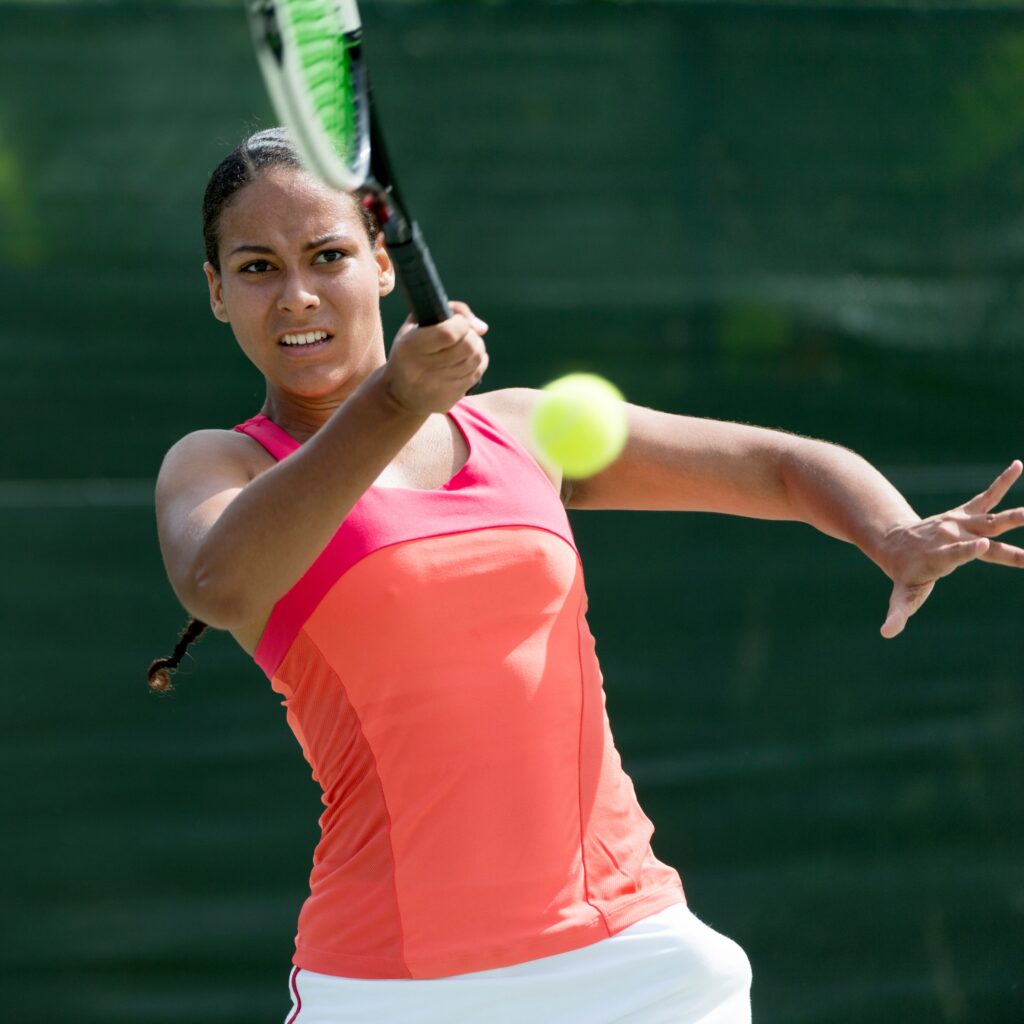
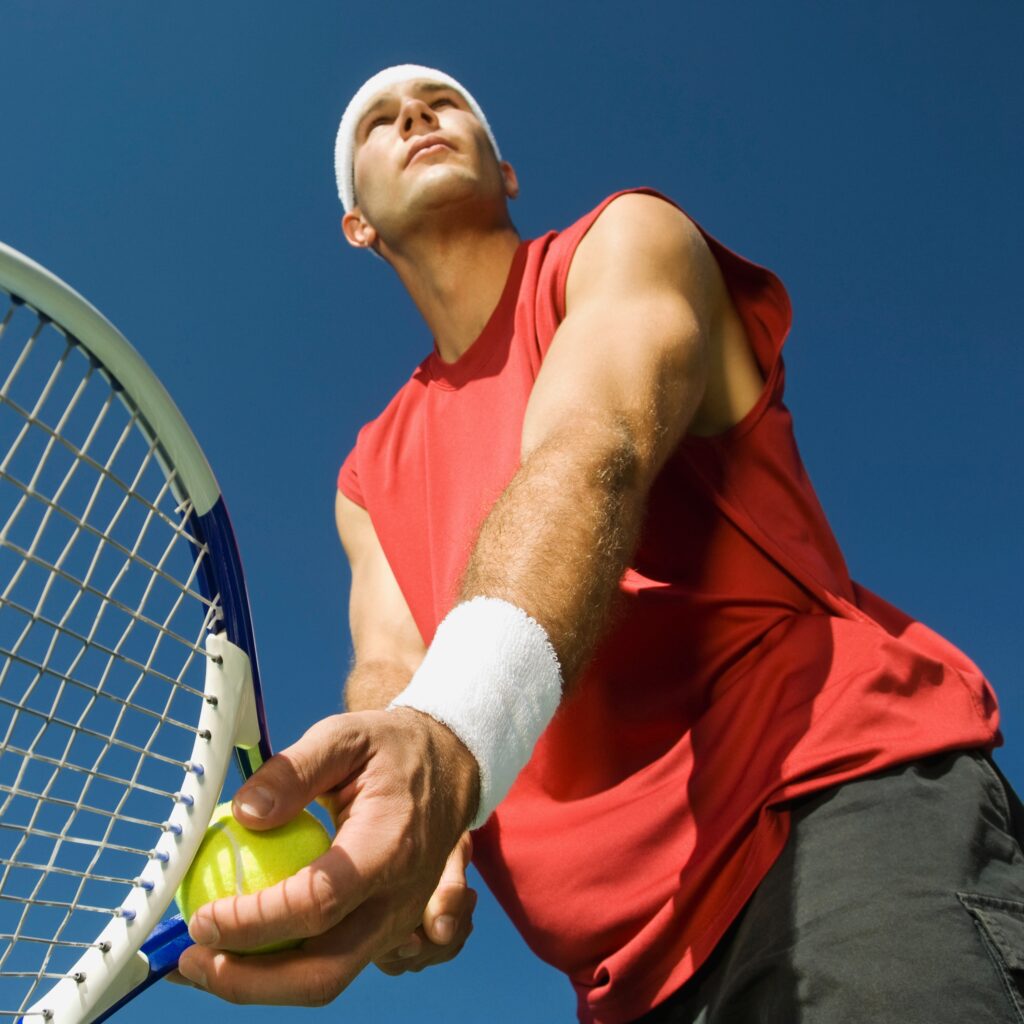
From the outside, it can look almost effortless. Professional players glide across the court, return impossible shots, and make a 120 mph serve look like something they do before breakfast.
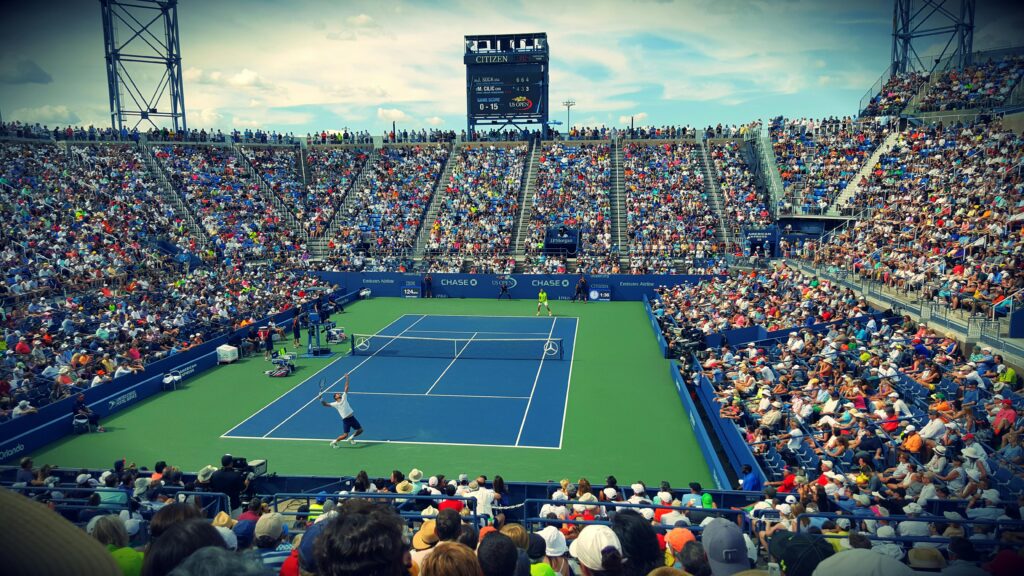
But once you pick up a racket, you quickly realize how much more is happening beneath the surface. Tennis has one of sport’s most rewarding learning curves; because there’s so much more happening than just hitting the ball back. Early sessions are full of small revelations: cleaner contact, a rally that actually goes somewhere, footwork that finally clicks, and that first serve that lands exactly where you meant it to.
The progression never really stops. And that’s exactly one of the things that keeps people coming back.

What is Tennis
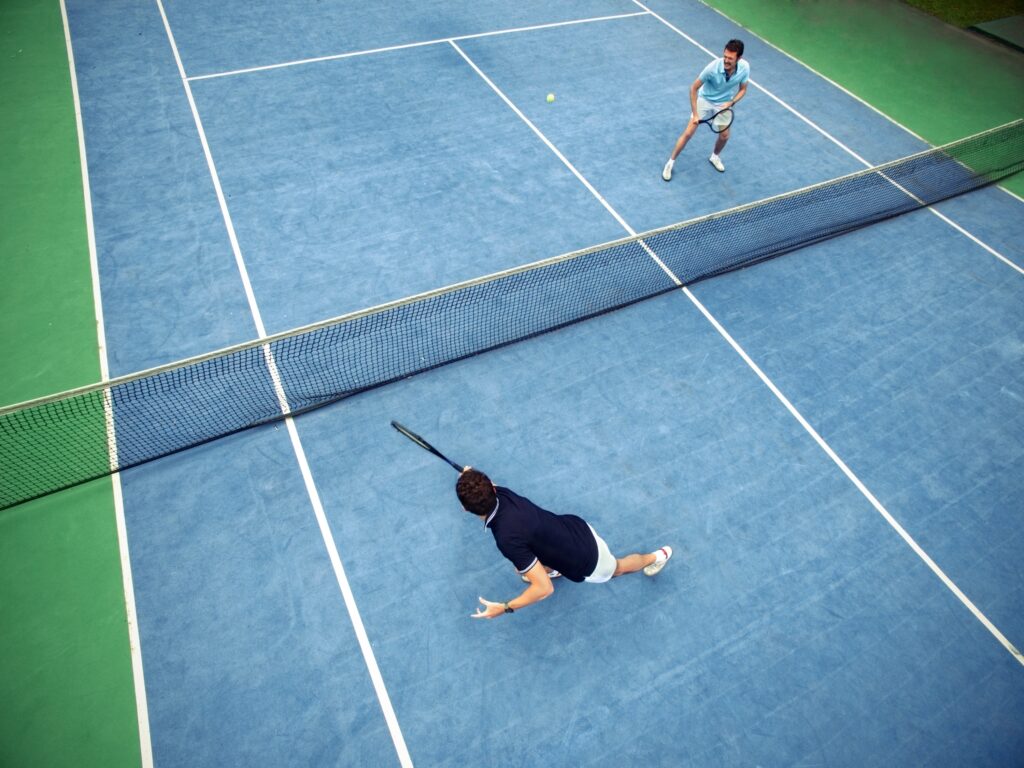
Tennis is a racket sport played either as singles, with one player on each side of the court, or doubles, with two players per team. Players use rackets to hit a felt-covered rubber ball back and forth over a net, attempting to land shots inside the boundaries of the court while preventing their opponent from successfully returning them.
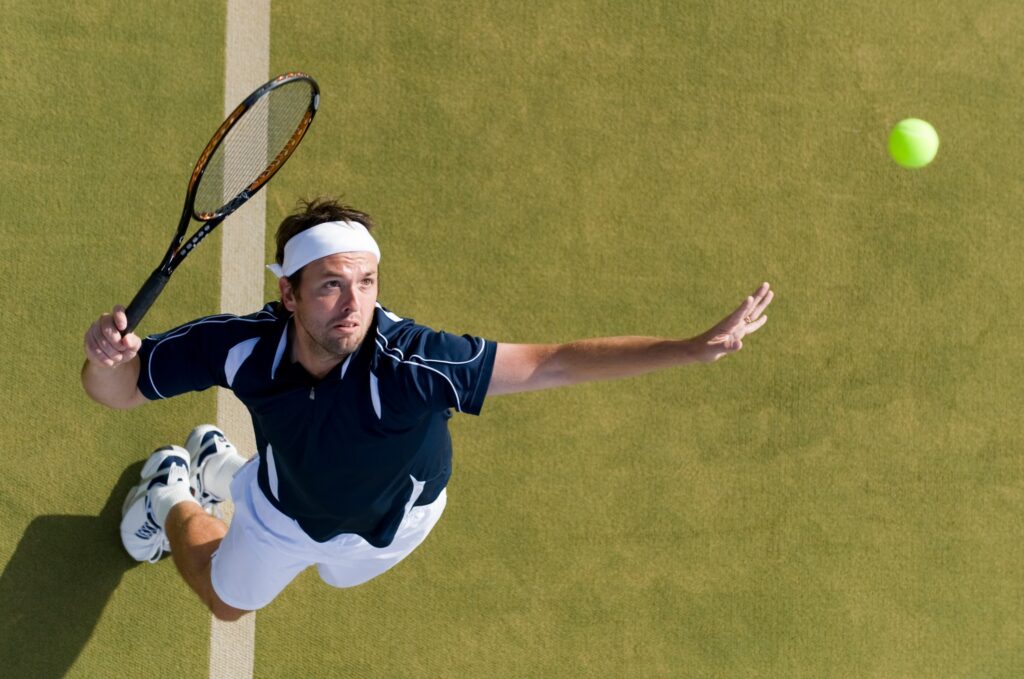
Tennis can look very different depending on the format and environment. Singles tends to be faster, more physically demanding, and heavily focused on court coverage and endurance. Doubles shifts toward positioning, reflexes, teamwork, and net play. Many recreational players eventually gravitate toward doubles because it is social, strategic, and generally less physically punishing over long sessions.

At its core, tennis is built around movement, positioning, timing, and shot selection. While beginners often focus mainly on swinging the racket, experienced players quickly realize how much of the sport depends on footwork and preparation before contact even happens.
The scoring system is one of the more unusual aspects for new players. Games progress through 15, 30, 40, and game point rather than standard numerical counting, with sets and matches built from multiple games.
It feels strange at first, but most players become comfortable with it surprisingly quickly once they start playing regularly.
Tennis is played on a rectangular court divided by a net stretched across the center. Standard courts are 78 feet long, with slightly different widths for singles and doubles play. The court is marked with baselines, service boxes, sidelines, and a center service line, all of which determine where serves and shots must land during play.
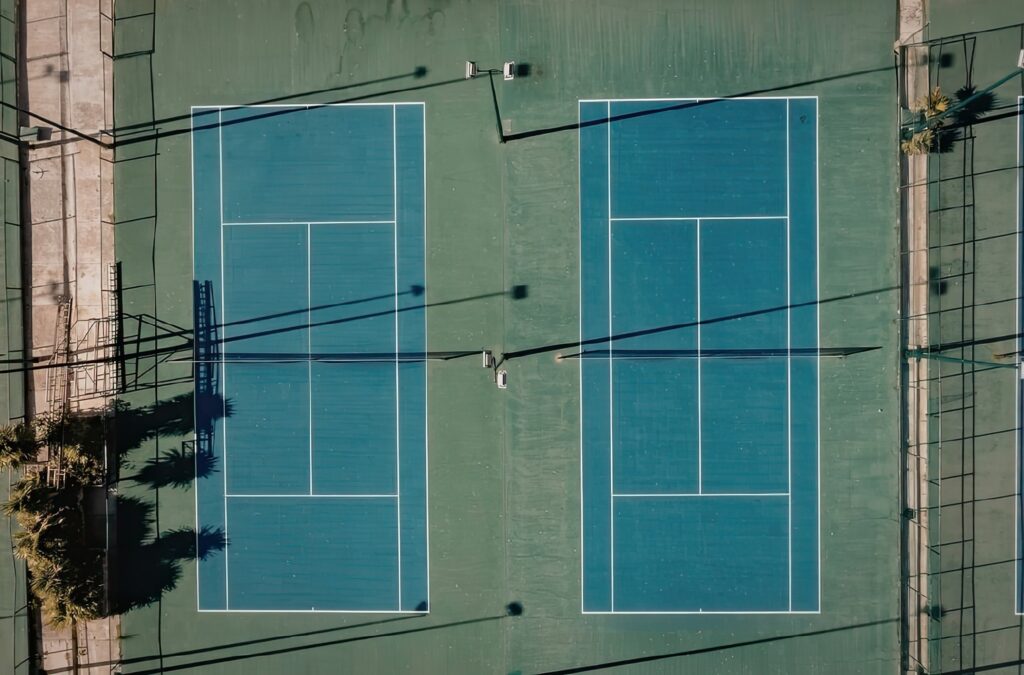
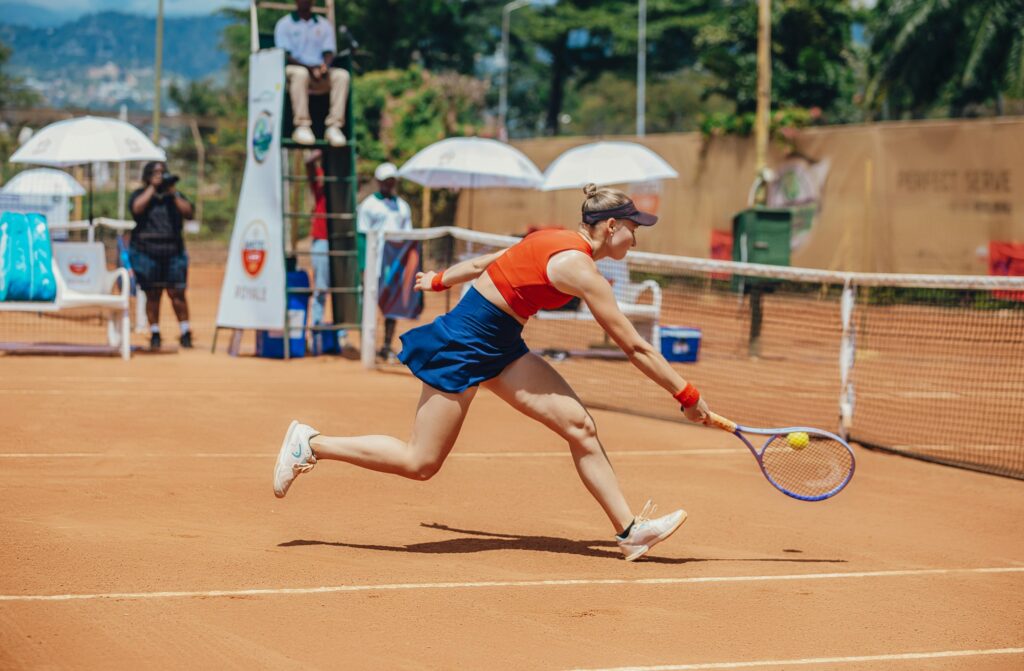
Court surface changes the experience significantly. Hard courts, which are the most common at public parks and schools, produce a faster and more predictable bounce. Clay courts slow the ball down and create longer rallies, while grass courts tend to reward faster reactions and lower shots. Recreational players may never regularly play on all three surfaces, but even casual fans quickly notice how differently matches unfold depending on the court.


One of the defining characteristics of tennis is the rally itself. A rally can last two shots or twenty. Some points become quick exchanges built around power, while others turn into longer tactical battles involving placement, spin, movement, and patience. Recreational players often discover that consistency matters far more than aggressive shot-making early on. Keeping the ball in play usually wins more points than trying to hit highlight-reel winners.
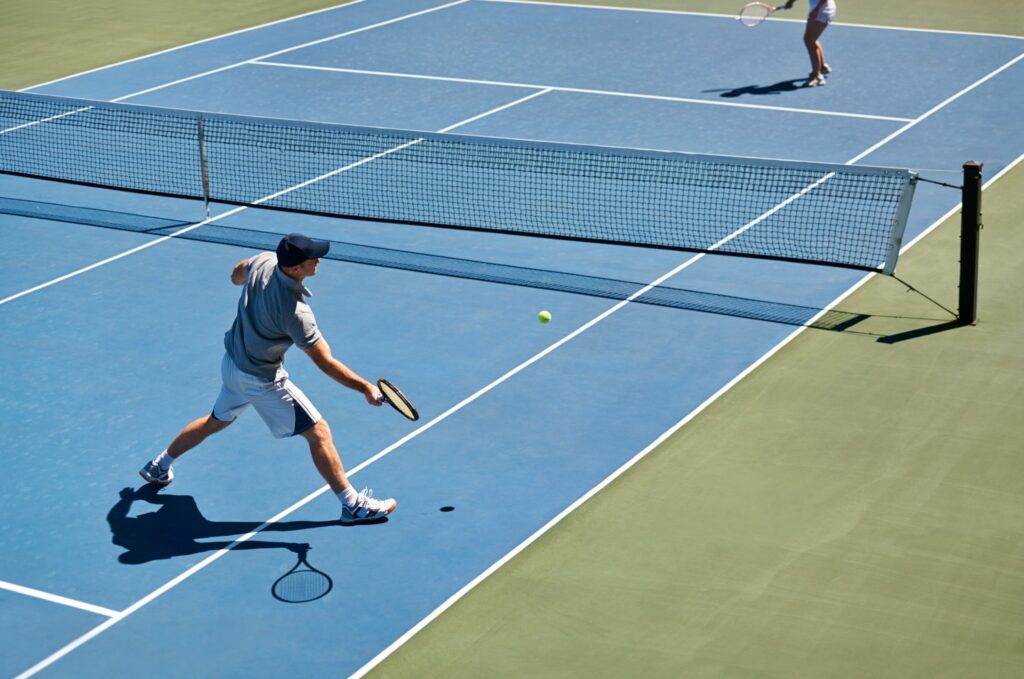
Spin also becomes increasingly important as players improve. Topspin allows players to hit aggressively while keeping the ball inside the lines. Slice shots stay lower and slower, often disrupting rhythm. Flat shots move faster but leave less room for error. These details gradually become part of how players build strategy and adapt to different opponents.

The sport exists across a wide range of environments. Some people play casually a few times each summer. Others participate in USTA leagues, club tournaments, clinics, or weekly doubles groups. Public courts often develop their own small communities, where regular players begin recognizing familiar faces and informal playing schedules over time.
The Benefits of Playing TEnnis
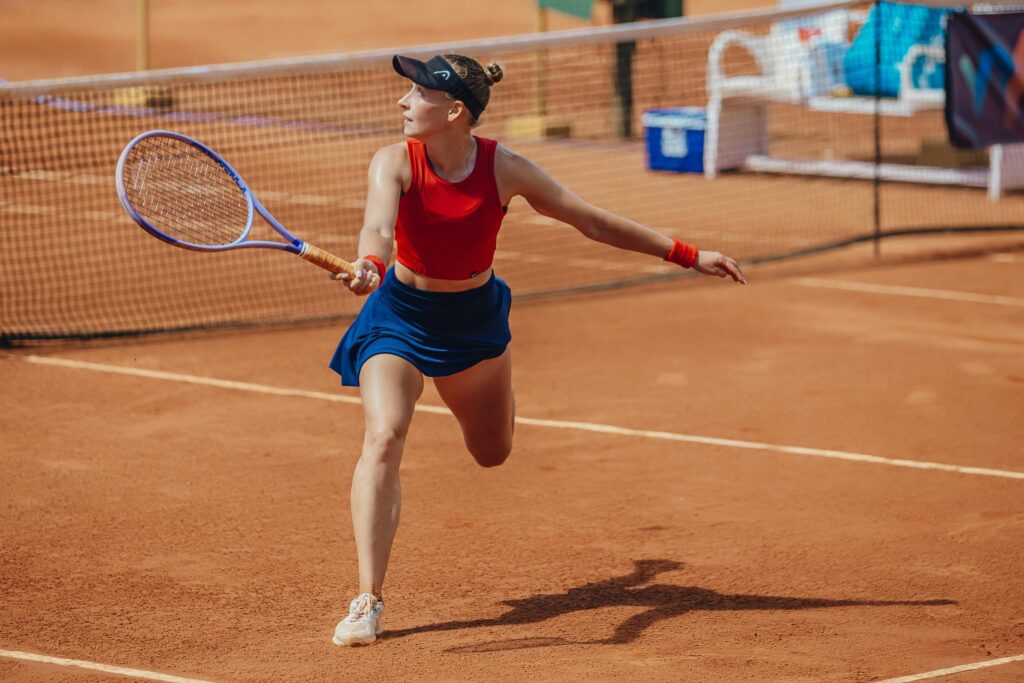
Tennis provides a unique kind of physical activity because so much of the movement is reaction-based. Sprinting, recovering, changing direction, stopping, and accelerating all happen naturally within the flow of play. Even moderate rallies can become surprisingly demanding without feeling repetitive in the way traditional cardio sometimes does.
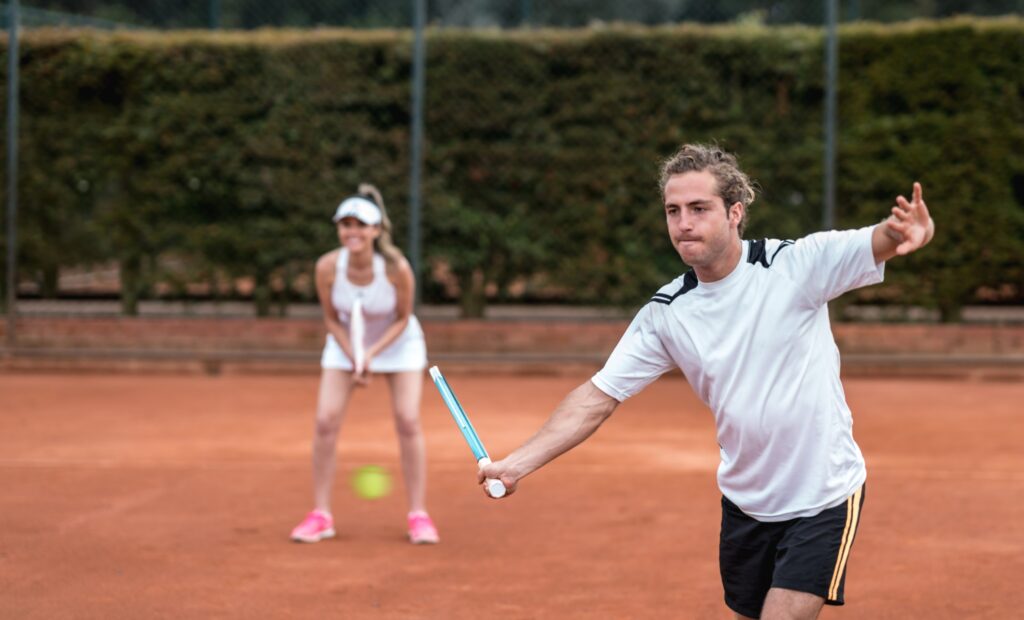
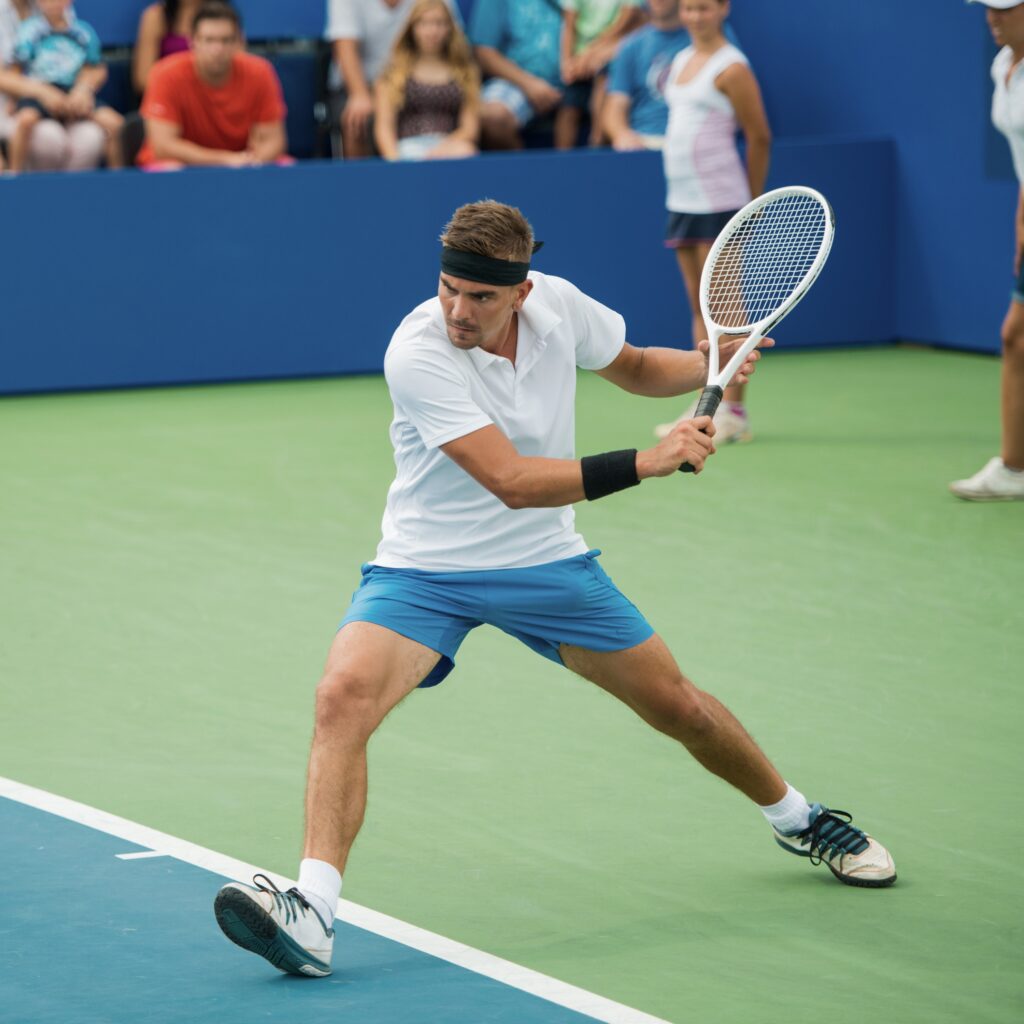
It helps develop timing and coordination very quickly. One of the first things beginners notice is how difficult it can be to consistently meet the ball cleanly. Over time, players start learning spacing, footwork, racket angle, and timing adjustments almost automatically. Longer rallies become possible, shots feel cleaner, and the game becomes dramatically more satisfying.
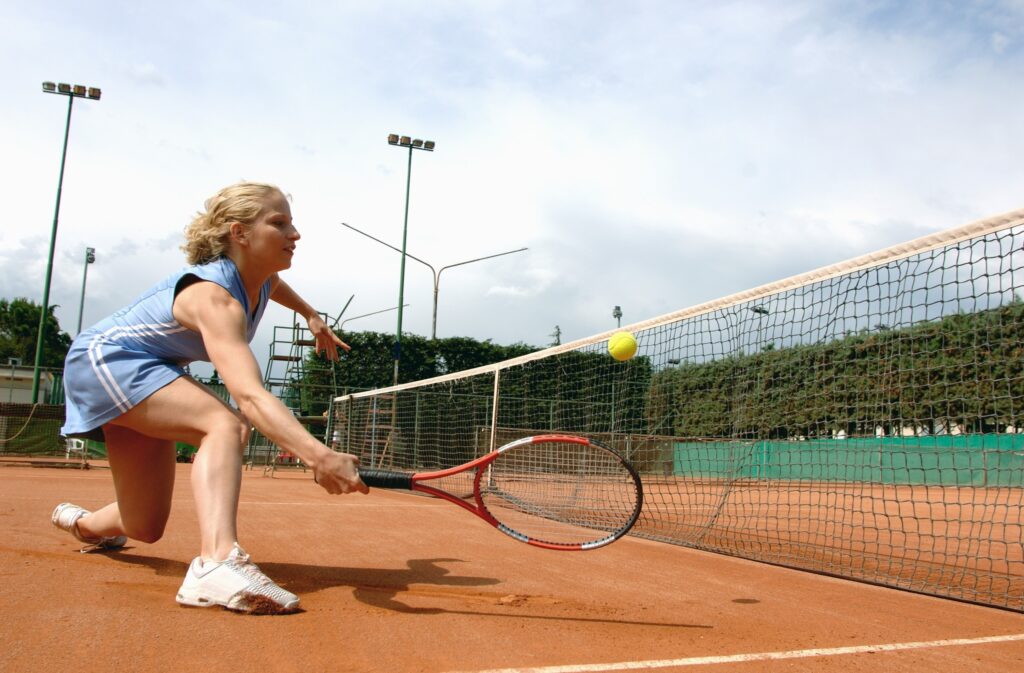
Tennis rewards consistency and decision-making more than raw power, especially at the recreational level. Many new players initially try to hit every shot hard, only to discover that control, placement, and patience usually matter more. That progression teaches a more strategic approach to competition and problem-solving during play.
The sport offers clear and measurable improvement, which is one reason many players stay engaged long term.
Progress becomes visible through real experiences: returning serves that used to overwhelm you, sustaining longer rallies, improving court positioning, reducing double faults, or simply feeling less rushed during points.
There is also a mental side to tennis that many players appreciate. The sport requires constant adjustment and attention.
Wind, spin, pace, positioning, and shot selection all change from point to point. Staying mentally engaged becomes part of the challenge, particularly during longer matches where momentum can shift quickly.
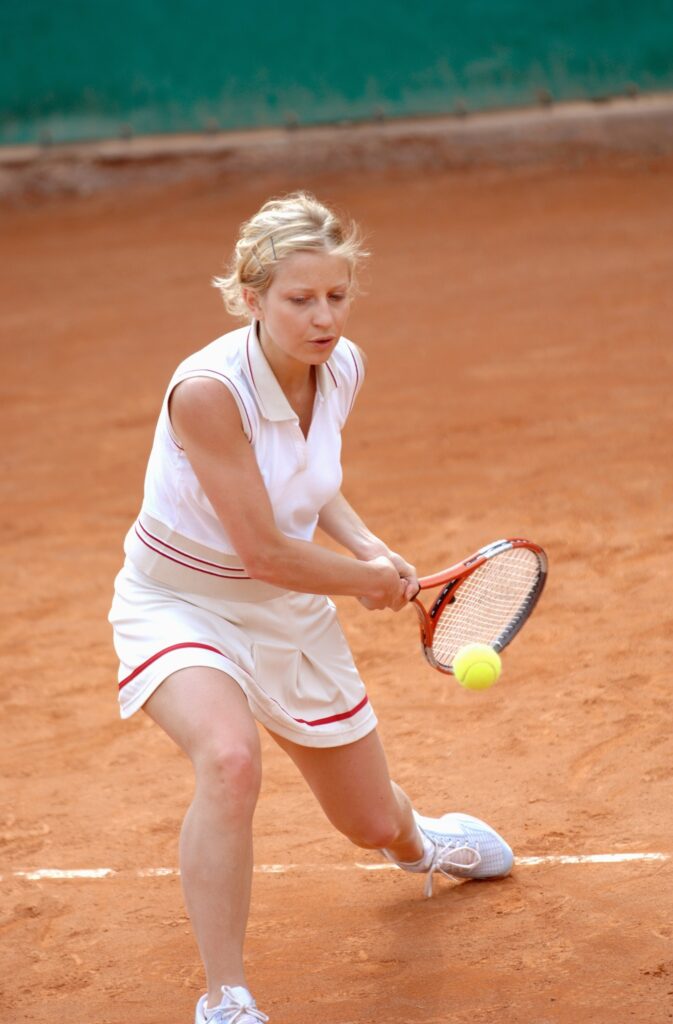
Tennis works well as both a social activity and an independent pursuit. Some players enjoy competitive singles matches, while others prefer the social environment of doubles or group clinics. At the same time, solo practice remains highly effective. Hitting against a wall, practicing serves, or working through ball machine drills can all provide productive practice without needing a partner.

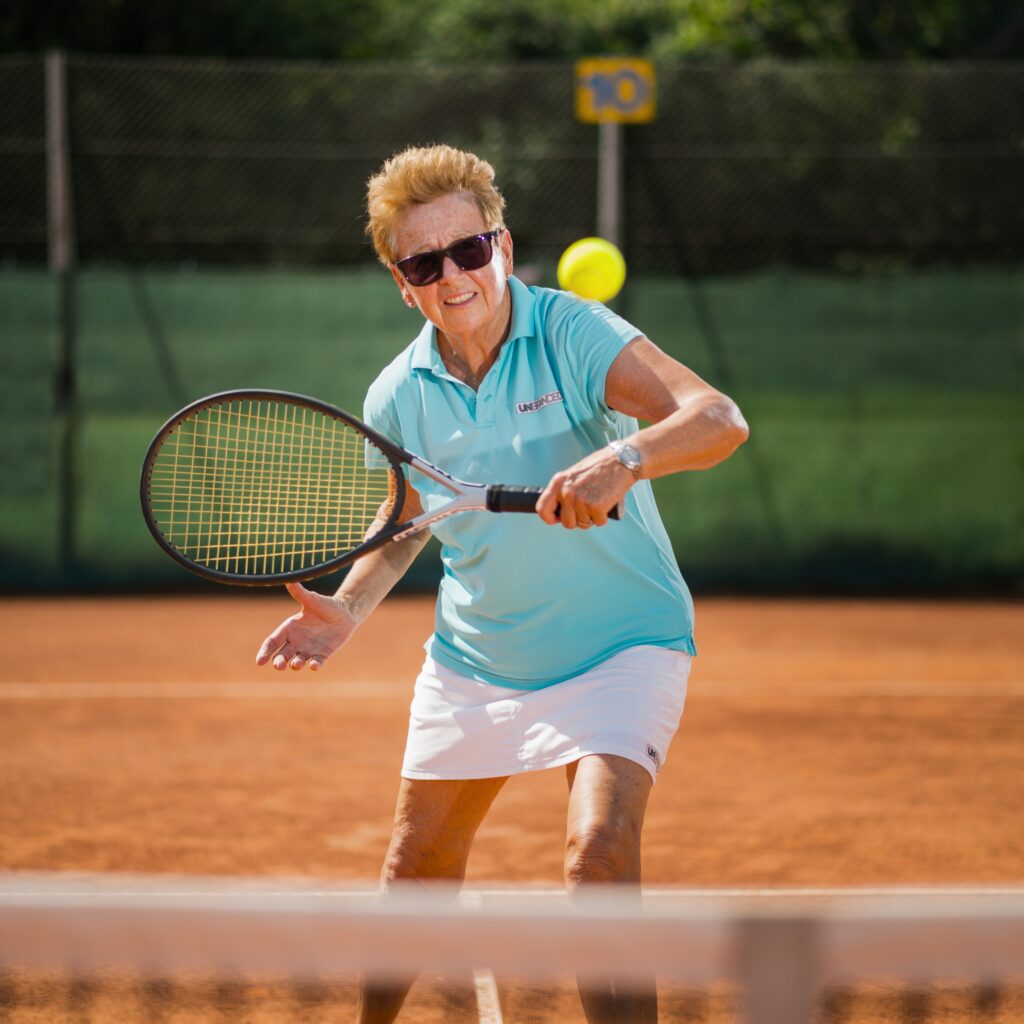
Another advantage is the sport’s long-term flexibility. Tennis can be adjusted to different ages, schedules, and fitness levels. Some people play intensely several times a week, while others enjoy occasional recreational matches without approaching the sport competitively. Doubles also allows many players to continue participating comfortably well into later adulthood.

And like most tennis players eventually admit, there is something unusually satisfying about a clean rally. A well-timed forehand, a controlled crosscourt exchange, or finally connecting properly on a serve creates a very immediate sense of feedback that keeps many players invested in improving.
GETTING STARTED
One of the biggest misconceptions about tennis is that beginners need expensive equipment immediately. In reality, a basic recreational racket, a can of balls, comfortable athletic clothing, and access to a public court are enough to start learning.
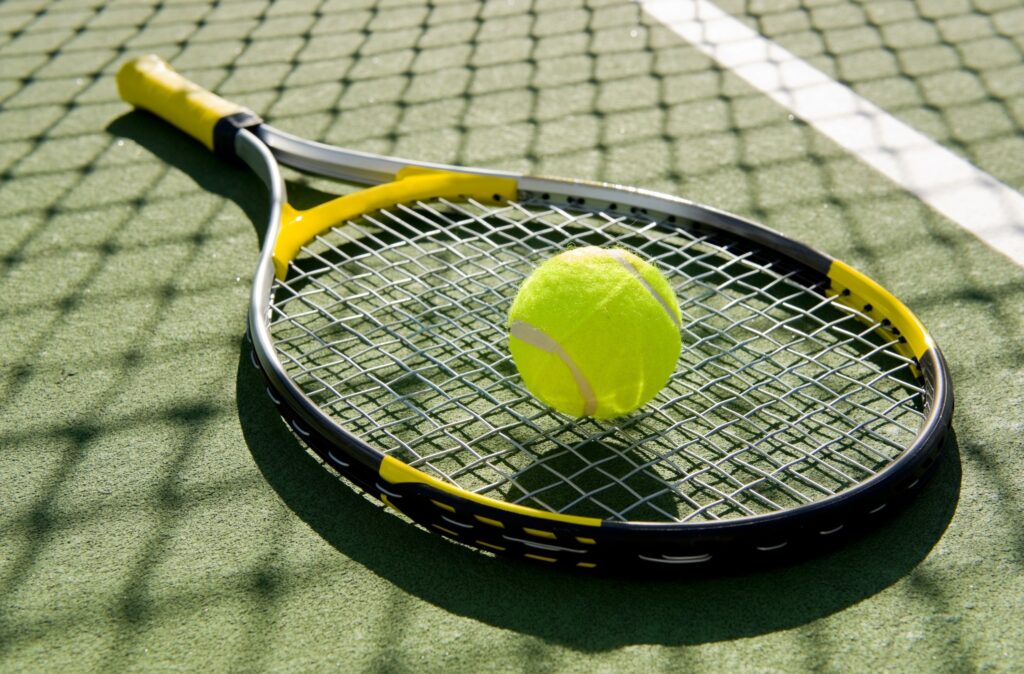
Choosing the right racket does help, though. Beginner rackets are usually lighter, slightly larger in head size, and more forgiving on off-center hits. Grip size matters more than many new players realize because an uncomfortable grip can affect both control and arm strain. Sporting goods stores and tennis shops can usually help determine a comfortable fit.
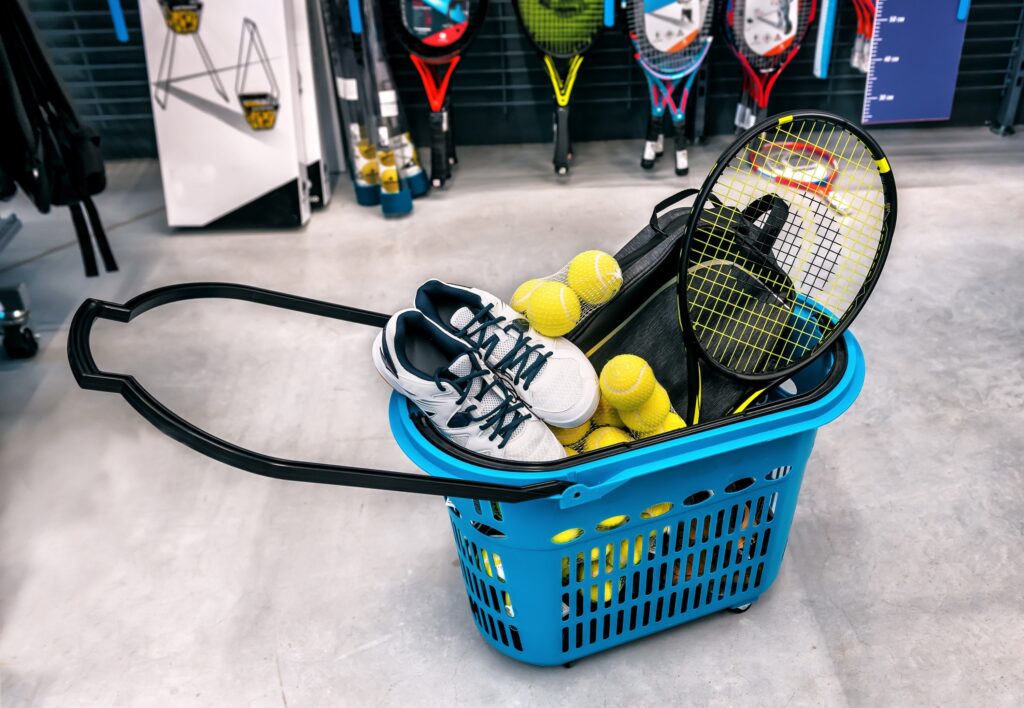
Public courts are often the best starting point. Parks, schools, and recreation centers frequently have free or inexpensive court access, and many communities offer beginner clinics or open play sessions that are much less intimidating than people expect.

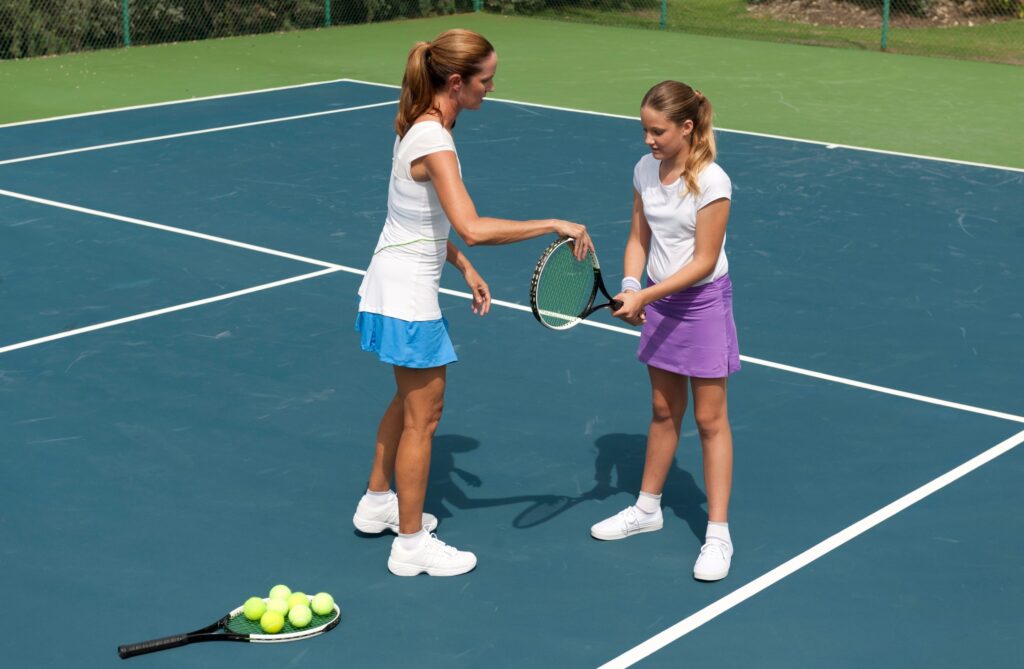
Most beginners improve faster when they focus on consistency rather than power. Trying to hit hard too early usually leads to frustration, mishits, and exhaustion. Learning to keep the ball in play, move your feet, and recover between shots creates a much stronger foundation.
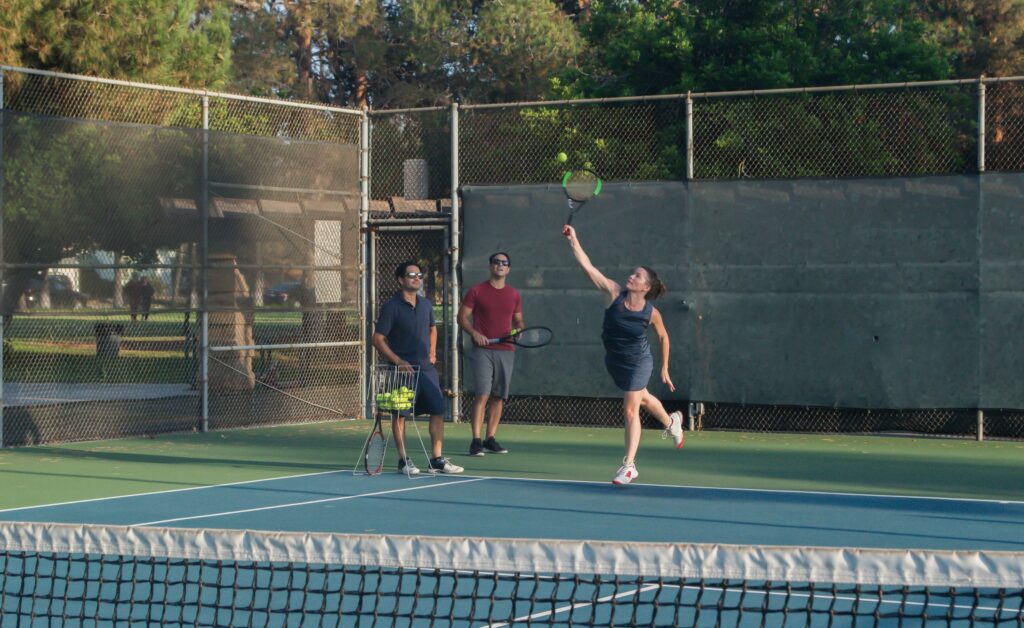
Serving tends to frustrate nearly everyone at first. The toss, timing, and motion all have to work together at once, which makes it one of the more technically difficult skills in the sport. Beginners should expect inconsistency early on and avoid comparing themselves to experienced players too quickly.
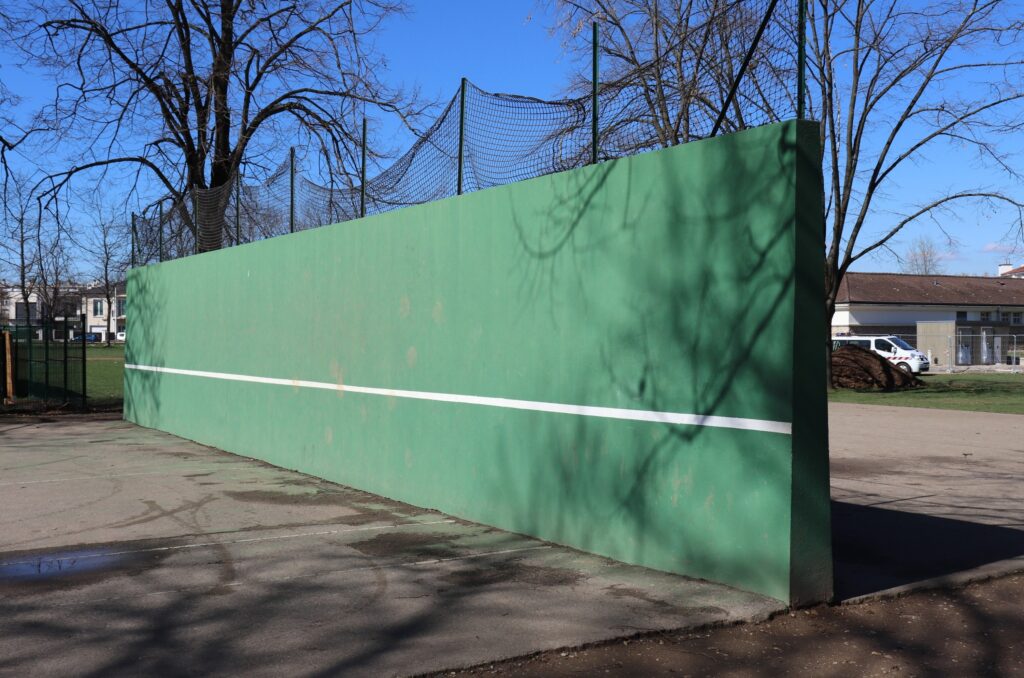
Practice walls are one of the most underrated training tools in tennis. A wall allows players to work on timing, footwork, and repetition without needing a partner, and many experienced players still use them regularly.
Proper shoes are worth prioritizing early. Tennis involves constant side-to-side movement, and court shoes provide stability specifically designed for that type of motion. Running shoes can work temporarily, but dedicated court shoes generally reduce slipping and unnecessary strain once play becomes more frequent.
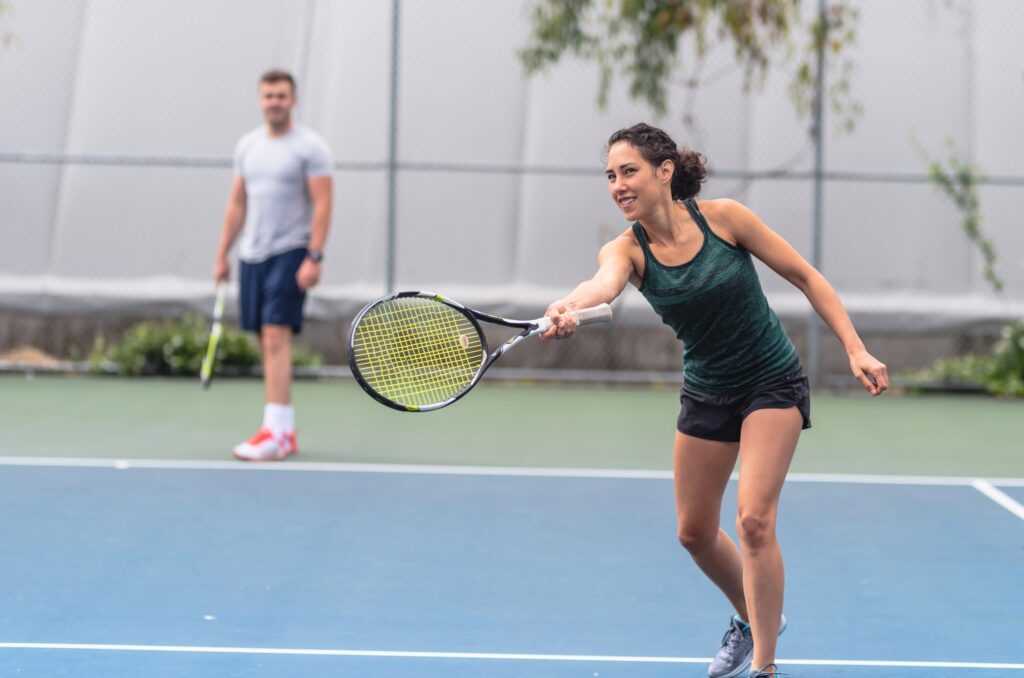
Finally, it helps to understand that everyone struggles early. Mishits, double faults, poor timing, awkward footwork, and chasing balls into neighboring courts are all part of learning the sport. Most recreational players have experienced the exact same frustrations at some point.
RESOURCES
Local parks and recreation departments are often the best first resource for beginners. Many offer public court access, affordable clinics, seasonal leagues, and beginner group lessons that make starting the sport much easier.
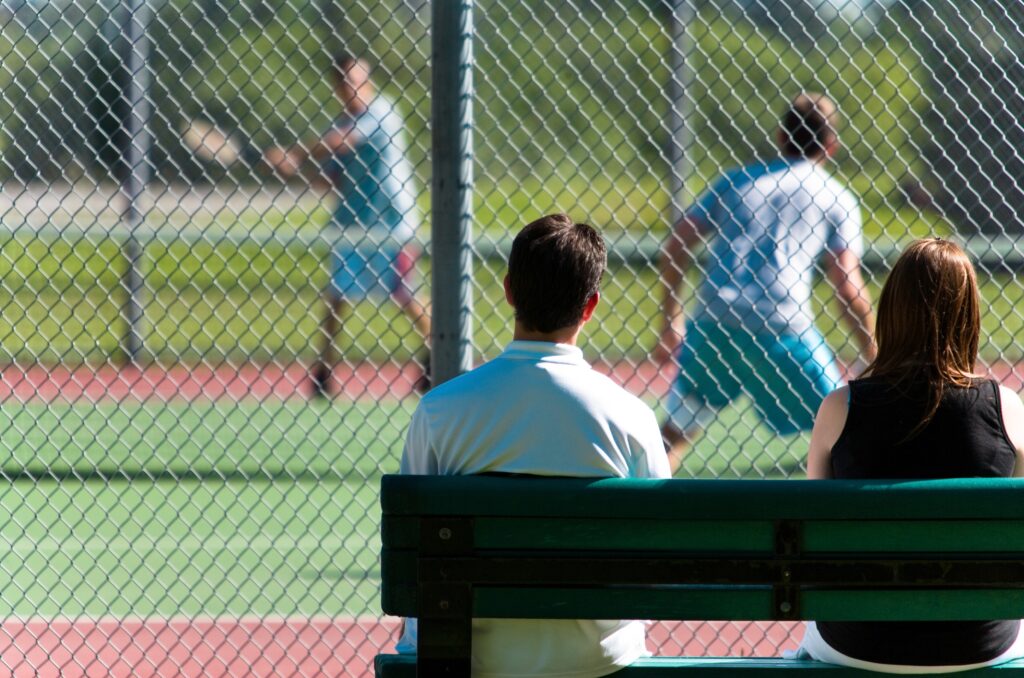
USTA league programs provide organized recreational competition for players of different skill levels. Many communities also host local ladders, social doubles groups, and flex leagues that are designed specifically for recreational players rather than advanced tournament competitors.
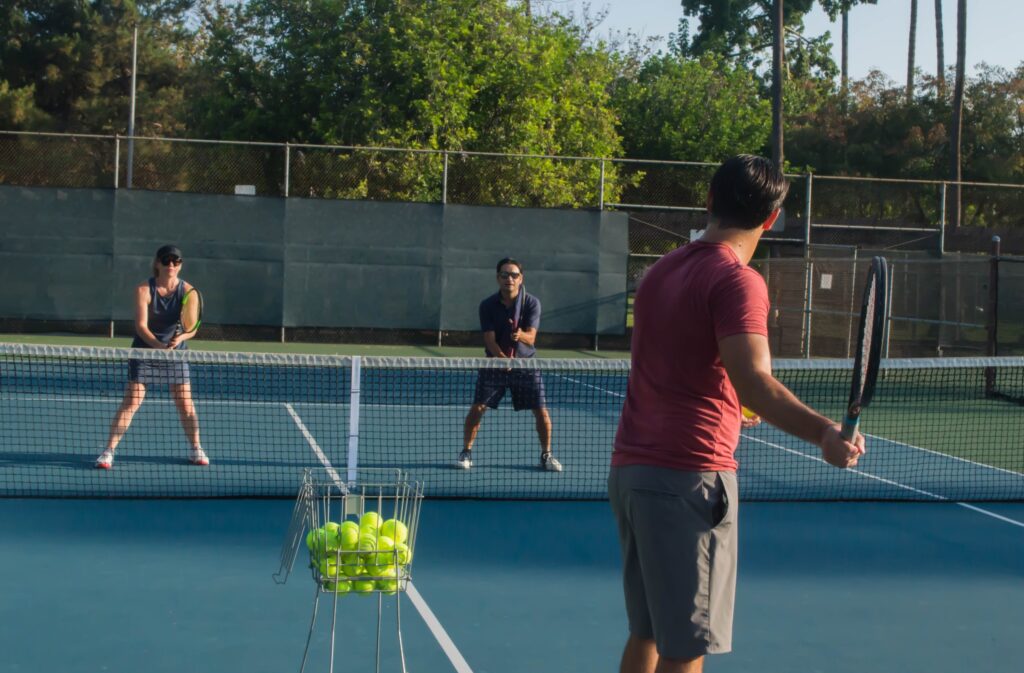
Tennis clubs and community centers often offer clinics for adults and juniors. Beginner clinics are especially useful because they combine instruction, repetition, and social play without placing too much pressure on new players.
Practice walls are worth locating early. Many public facilities include hitting walls that allow players to practice independently and develop consistency through repetition.
Online resources have become extremely useful for recreational players.
YouTube channels, instructional videos, and coaching breakdowns can help players understand serving mechanics, footwork, spin, positioning, and shot technique visually.
Websites like Tennis Warehouse provide equipment reviews and beginner guidance, while apps and community platforms can help players locate courts, schedule matches, and connect with local hitting partners.

Local Facebook groups, Meetup groups, and tennis communities can also make it easier to find players at similar skill levels, which is often one of the biggest barriers for beginners trying to stay consistent with the sport.

For equipment, local tennis shops and sporting goods stores can help with racket selection, grip sizing, strings, shoes, and replacement grips. Used rackets are also widely available and can be an excellent low-cost option for beginners.
Safety & Tips
Warm up before playing, especially if you are serving. Tennis places significant stress on the shoulders, calves, knees, and lower back, particularly during quick directional changes and repeated overhead motion.
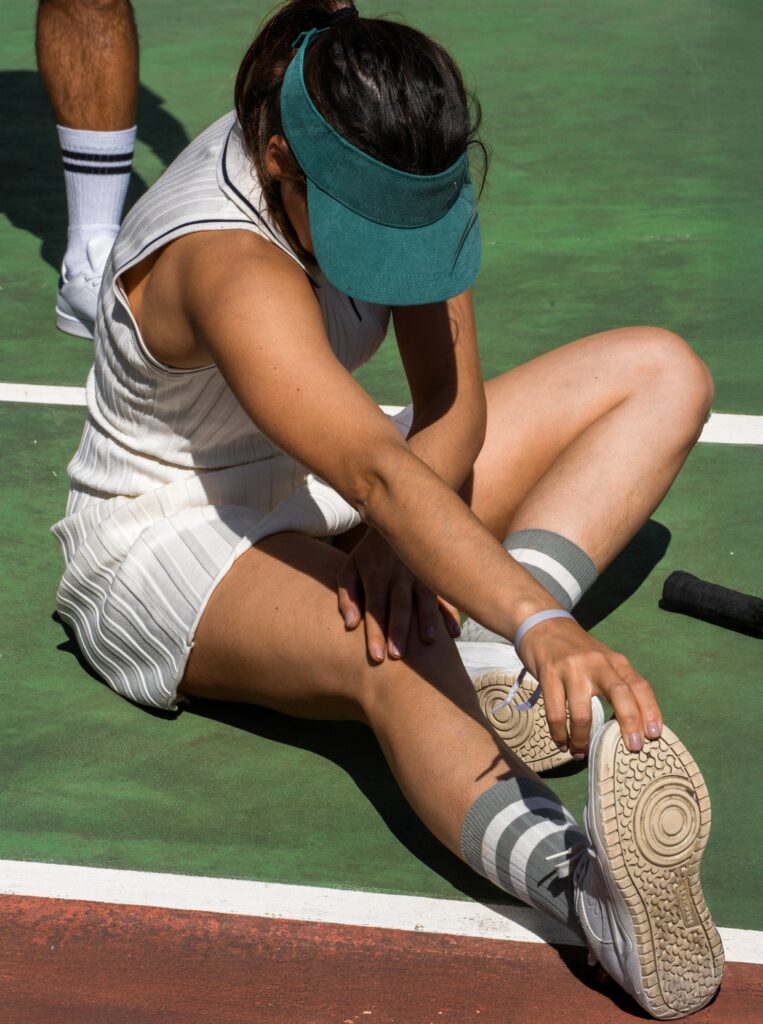

Hydration matters more than many players expect, especially during summer matches on hard courts. Tennis sessions often last longer than intended once rallies and games get going, and outdoor courts can become extremely hot.
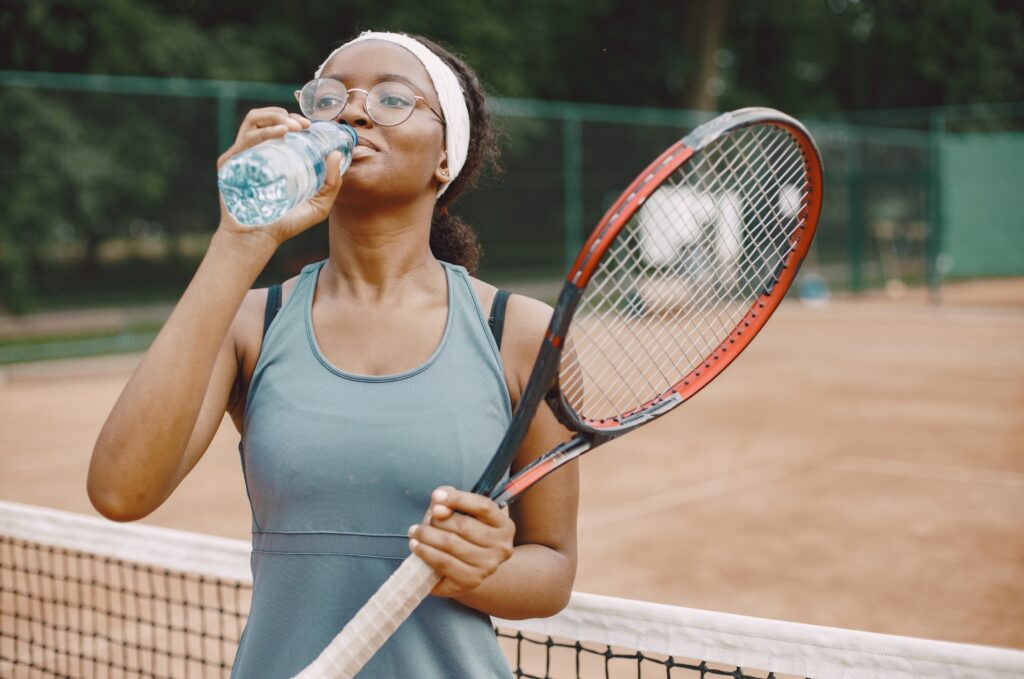
Proper court shoes make a noticeable difference in stability and movement. Tennis involves frequent lateral motion, and shoes designed specifically for court play help reduce slipping and unnecessary strain on the ankles and knees.
Avoid gripping the racket too tightly. Many beginners tense up while swinging, which reduces control and creates unnecessary arm fatigue. Relaxed grip pressure generally improves both feel and consistency.
Pacing matters during longer sessions. New players often burn energy too quickly early in matches by chasing every ball aggressively and overhitting. Learning when to recover, reset, and construct points more patiently becomes important over time.
Court etiquette is also part of the sport. Returning stray balls to neighboring courts, waiting for points to finish before crossing behind players, and making fair line calls all contribute to a better experience for everyone using the courts.

Wind, sun position, and court conditions can dramatically affect play outdoors. Recreational players quickly learn that adapting to conditions is part of the sport rather than something to fight against constantly.
And finally, understand that improvement in tennis is rarely linear. Some days everything clicks. Other days timing disappears completely for no obvious reason. That inconsistency is normal, even for experienced players.
Final Thoughts
Tennis has a way of rewarding progress in small but noticeable ways. A cleaner forehand, a longer rally, better court positioning, or a serve that finally lands where you intended can completely change how the game feels from one session to the next.
The sport combines movement, strategy, timing, and consistency in a way that keeps players engaged long after the basics are learned. Whether someone is playing casually with friends, joining a doubles league, or practicing at a local court after work, tennis offers a balance of challenge and enjoyment that makes it easy to return to again and again.
And because there is always something new to improve, adjust, or figure out, the game rarely feels repetitive, no matter how long you play.
Do you play tennis, or is it a sport you have been thinking about trying?
Leave a Reply