Today, tennis and bright yellow tennis balls feel inseparable.
The moment you see that optic yellow blur flying across a blue court, you instantly recognize the sport. It is one of the most iconic visuals in athletics. Even people who rarely watch tennis would probably picture a yellow ball if asked to imagine the sport.
Before television changed tennis forever
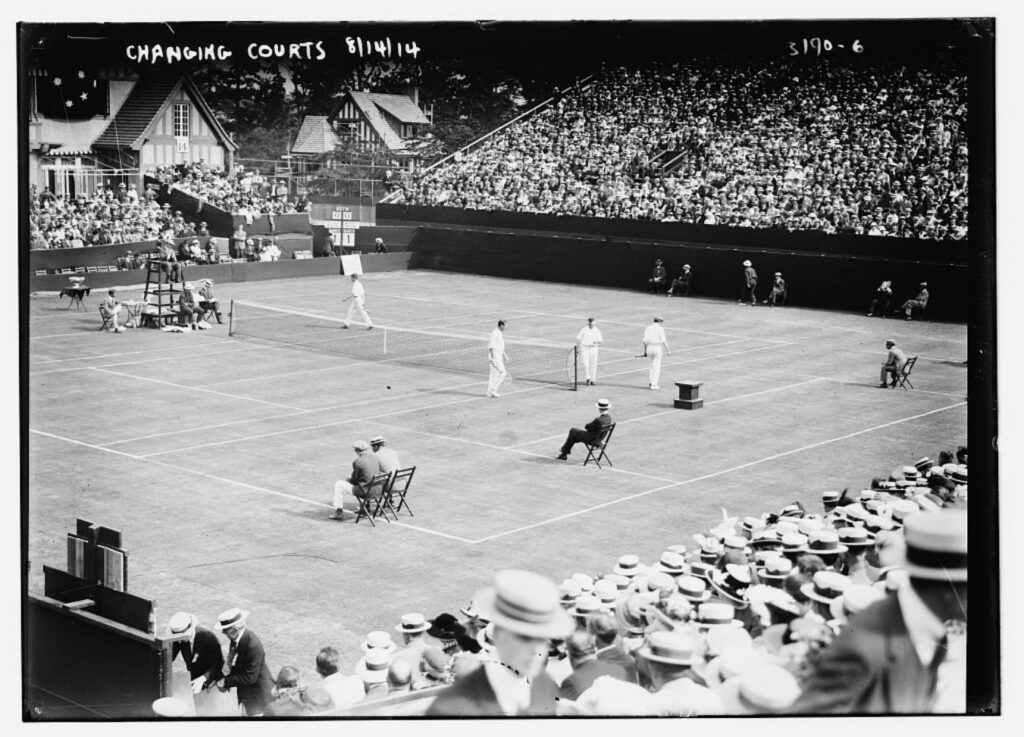
But for most of tennis history, tennis balls were not yellow at all.
They were white.
And for a period of time, black balls were also experimented with in certain situations to improve visibility and contrast. But white tennis balls became the defining standard throughout much of professional tennis during the early and mid-1900s.

At the time, nobody thought much about it.
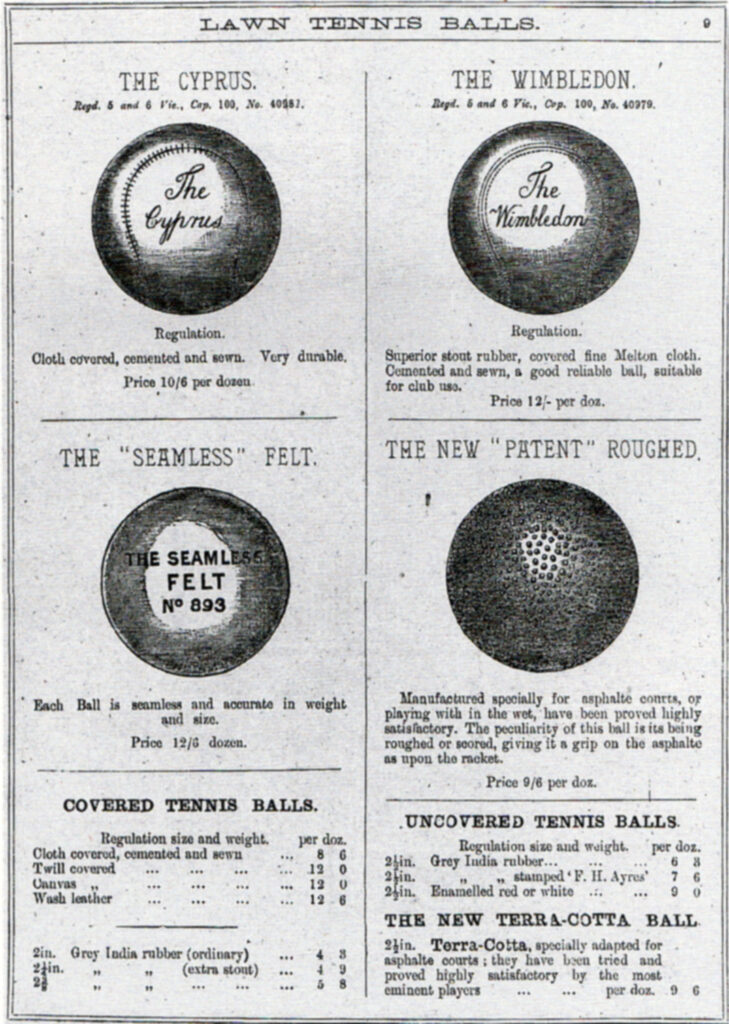
Because before television became a major part of sports culture, there was no real reason to.
Most people experienced tennis in person, through newspapers, or by listening to radio broadcasts. Visibility was not a major concern because spectators sitting courtside could follow the ball perfectly well with their own eyes.
Then television changed everything.
In the 1950s, 1960s, and especially the 1970s, television rapidly transformed sports. Families gathered around their living room televisions to watch events they once could only experience in person. Networks realized sports attracted huge audiences, and professional leagues began adapting to a new reality: The television audience mattered just as much as the crowd inside the stadium.
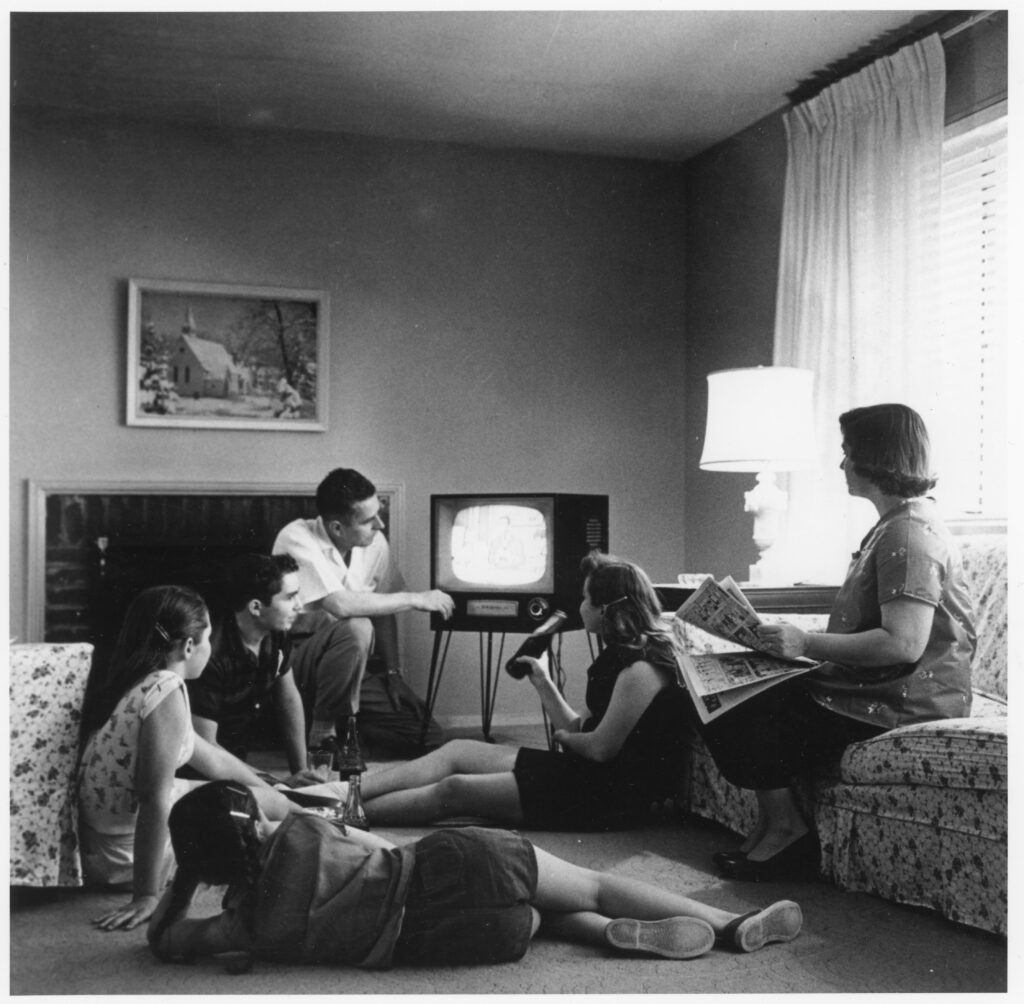
Tennis was no exception.
The sport was becoming increasingly international and commercially successful. Major tournaments attracted growing television audiences, and color broadcasting was beginning to reshape how sports looked on screen.
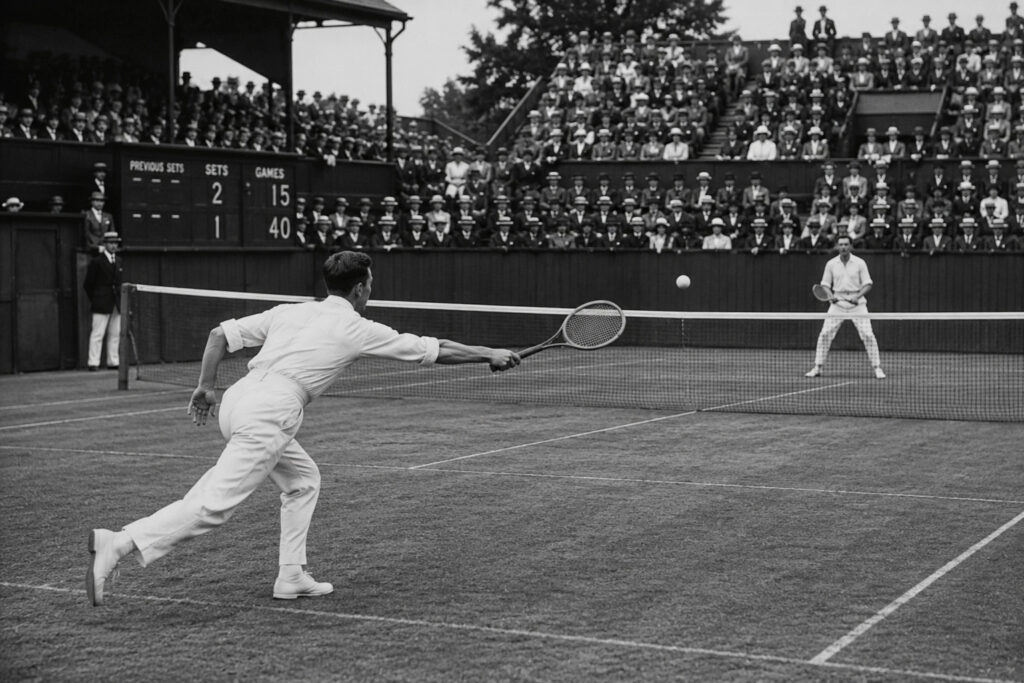
But tennis had a problem. The ball could be surprisingly difficult to follow on television.
Older broadcasts struggled with contrast and motion clarity, especially during fast rallies. White tennis balls often blended into white court lines, bright skies, player clothing, glare from sunlight, or washed-out camera exposure. Depending on the lighting conditions and camera quality, viewers at home could completely lose sight of the ball during a point.
And unlike modern broadcasts, early sports television had:
- fewer camera angles
- lower resolution
- slower frame rates
- weaker zoom capability
- and far less color accuracy
To modern viewers, old televised tennis can almost feel surreal. The picture quality is soft and grainy, the camera movement feels limited, and during fast exchanges the ball can nearly disappear entirely.
For casual viewers especially, tennis could become frustrating to watch.
And that mattered because television was rapidly becoming one of the most powerful forces in sports.
Broadcasters and tennis officials began looking for solutions. Different colors were tested to determine which one remained most visible on television during live play. One color consistently stood out above the others: Optic yellow.

The brighter yellow-green tone was dramatically easier for television audiences to track, especially during fast rallies on color broadcasts. Suddenly serves, volleys, and baseline exchanges became much easier to follow from home.
It may sound like a small adjustment now, but it completely altered the visual identity of tennis.
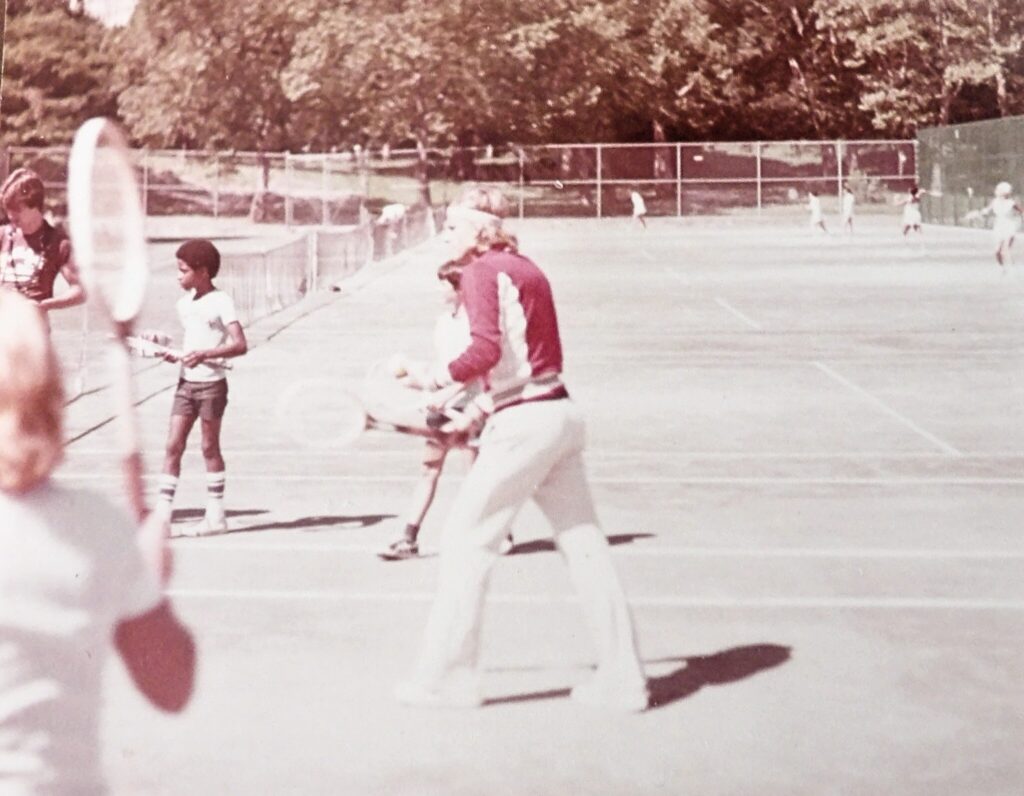
In 1972, the International Tennis Federation officially approved yellow tennis balls for regulation play. Over time, more tournaments adopted them, broadcasters preferred them, manufacturers standardized them, and the sport slowly transitioned away from the classic white balls that had defined tennis for decades.
Not everyone loved the change.
Tennis has always been a sport deeply connected to tradition. Wimbledon’s famous all-white dress code already reflected the sport’s long-standing visual identity, and many traditionalists believed white tennis balls looked more elegant and sophisticated than the brighter yellow versions.
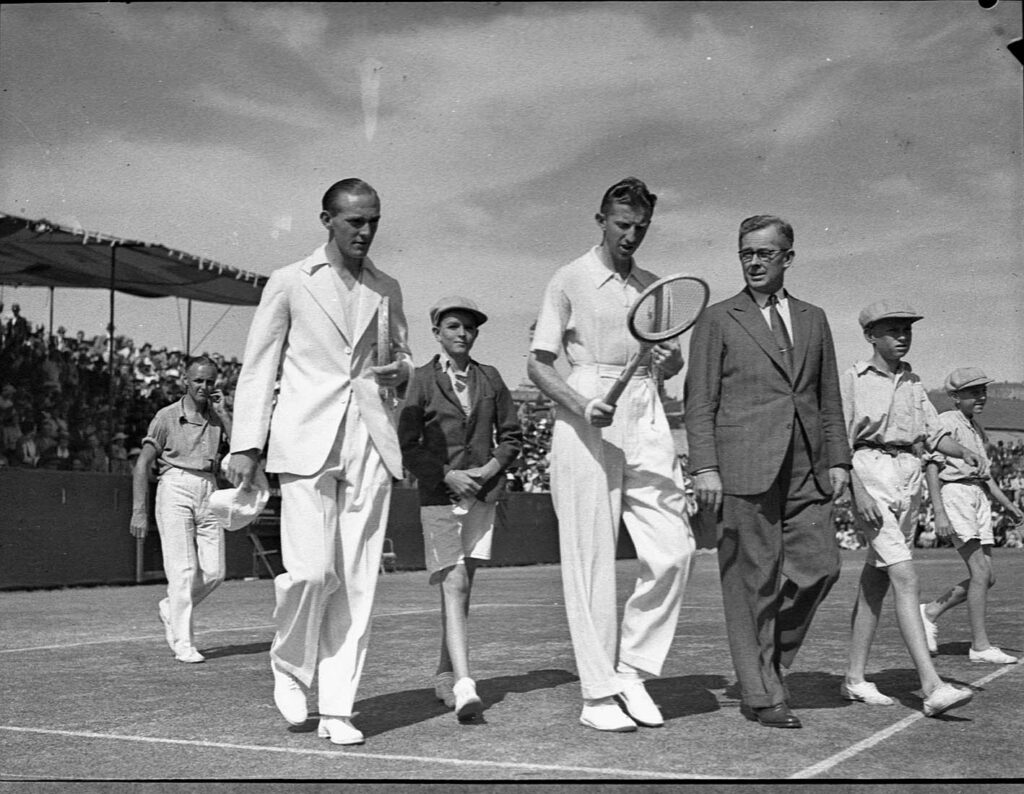
To some fans, yellow tennis balls felt overly commercial and modern.
But television had already won.
As broadcasting continued to grow, visibility became more important than tradition. Sports were increasingly designed not only for the athletes and spectators in attendance, but for millions of viewers watching remotely.
And tennis was far from the only sport affected.
Television influenced:
- camera-friendly stadium lighting
- uniform designs
- court and field colors
- advertising placement
- broadcast schedules
- replay technology
- and even rule changes in some sports
But few changes became as visually recognizable as the tennis ball itself.
Today, the yellow ball is so deeply associated with tennis that many younger fans are genuinely surprised to learn the sport was ever played any other way.
What makes this story fascinating is that the rules of tennis never changed.
The rackets evolved.
The athletes evolved.
The courts evolved.

But one of the biggest transformations in the sport’s identity happened because millions of people sitting at home needed to see the ball more clearly.
Television did not just broadcast tennis. It quietly changed what tennis looked like forever
Leave a Reply